
Have you ever come home to what sounds like a heated debate between your dog and the mailman? Or perhaps you’ve experienced the sheer bliss of a pup who seems to understand that sometimes silence truly is golden? Your dog’s vocal tendencies aren’t just personality quirks – they’re deeply rooted in genetics, breeding history, and evolutionary purpose.
Herding dogs, guard dogs, and those bred to be companions talk the most, according to canine behavior experts. Meanwhile, some breeds have mastered the art of peaceful coexistence, communicating through subtle body language rather than endless barking sessions. Whether you’re searching for a chatty companion who’ll keep you entertained with daily conversations or a serene soul mate who knows when to keep quiet, understanding these vocal patterns can help you find your perfect match.
Let’s explore the fascinating world of canine communication and discover which breeds wear their hearts on their vocal cords – and which ones prefer to let their actions speak louder than words.
The Siberian Husky: Master of Dramatic Monologues
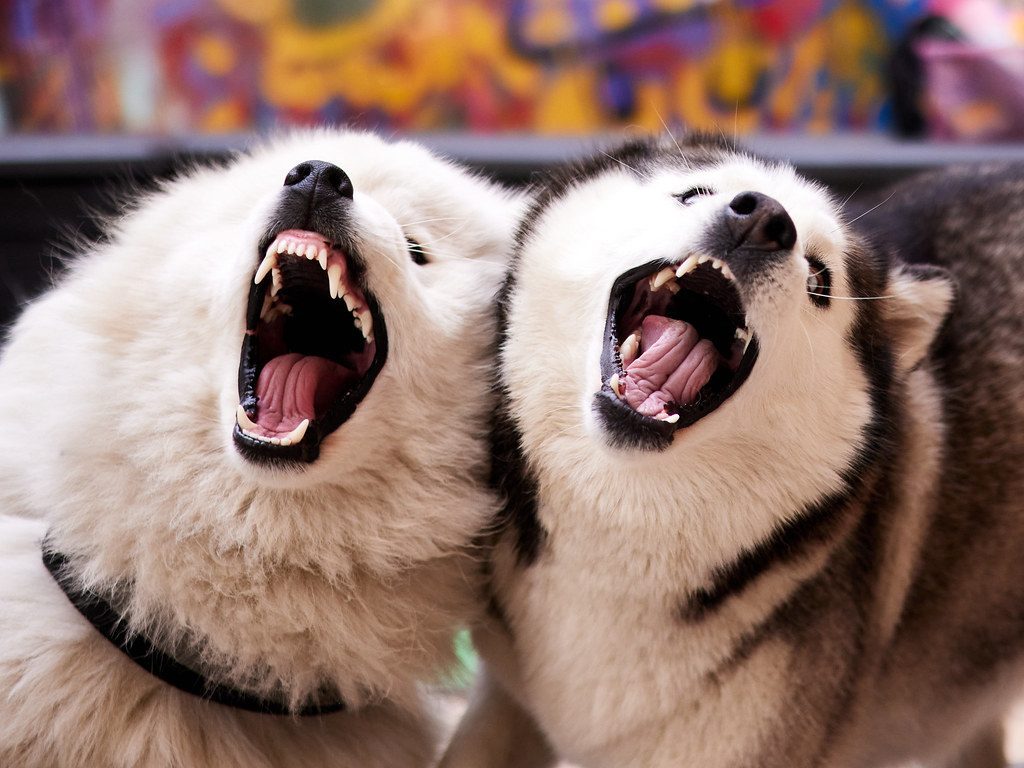
Siberian Huskies are energetic and extremely vocal, known for howling, “talking,” screaming, and even singing. Their vocal range and sounds can even resemble humans. These Arctic athletes don’t just bark – they perform entire emotional symphonies that would make opera singers jealous.
Picture this: you tell your Husky it’s bedtime, and suddenly you’re treated to a five-minute dissertation on why this decision is completely unreasonable. You’ve likely seen videos of them online, often singing in unison over the most benign things, like being told it’s time to go to bed. Gentle and family-oriented, Huskies vocalize as a way to express whatever emotions they’re feeling or have a good chat with you.
Their vocal abilities stem from their pack dog heritage. Huskies were bred to pull sleds across frozen terrain, and their vocalizations (howls, in particular) are a way to communicate with their pack. When your Husky “argues” with you, they’re actually trying to maintain that ancient pack communication system.
However, these chatty personalities require understanding and patience. This northern beauty is well-known (and loved by many) for her array of vocalizations, from barking to howling to “talking.” With such a chatterbox personality, she’s not recommended for apartment life. Huskies are not a good choice for newbie owners, as they’re demanding physically and mentally.
The Beagle: Nature’s Alarm System
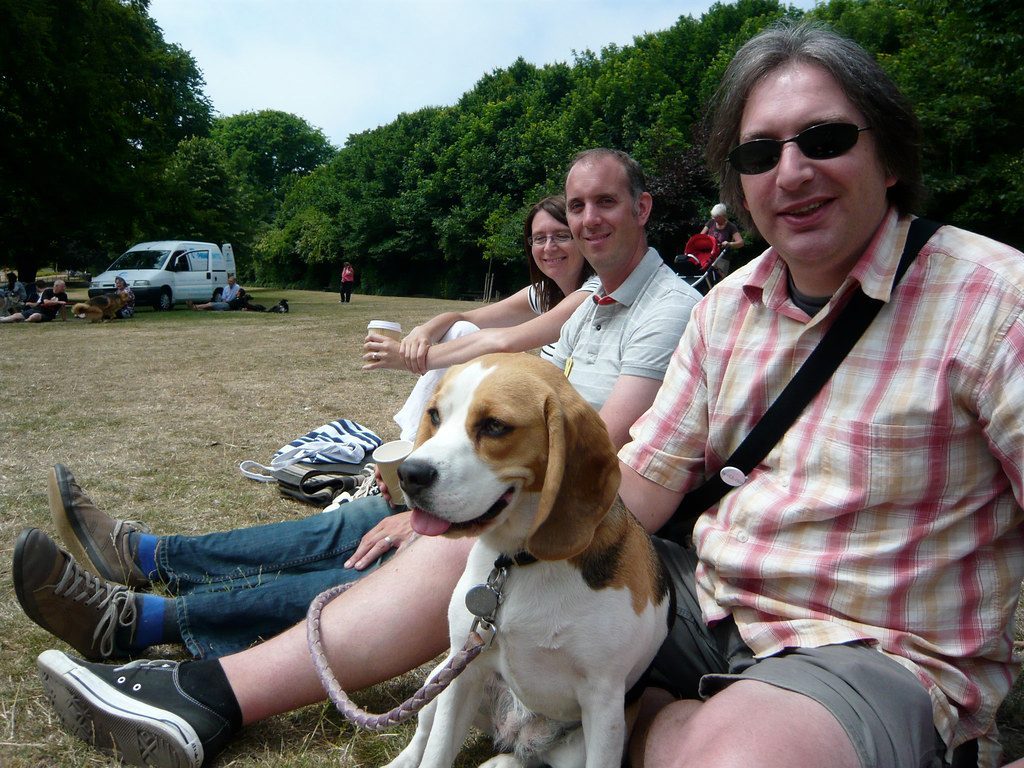
Beagles are hunting hounds who love to use their voice – barking, howling, and baying whenever they catch a scent. Their name even comes from the French word “bégueule,” meaning “loudmouth”. If your Beagle could talk, they’d probably start every sentence with “Did you smell that?”
Despite their popularity, Beagles know how to make a racket. They have a distinct high-pitched howl that seems far too loud to come out of such a small dog and sounds like a desperate cry for help. This isn’t attention-seeking behavior – it’s pure instinct calling the shots.
Beagles are hounds with a strong instinct to vocalize, especially when they pick up a scent. Originally bred for hunting, their howls, barks, and bayings are powerful tools used to communicate with their pack and hunters. Every squirrel, delivery truck, or interesting smell becomes worthy of a vocal announcement.
Modern Beagles maintain this chatty nature in family settings. These dogs often “chat” when they are excited, bored, or want your attention. Their vocal style includes barks, howls, and unique noises that stand out from other breeds. Living with a Beagle means accepting that life will rarely be quiet, but it’ll certainly be entertaining.
The German Shepherd: The Conversationalist
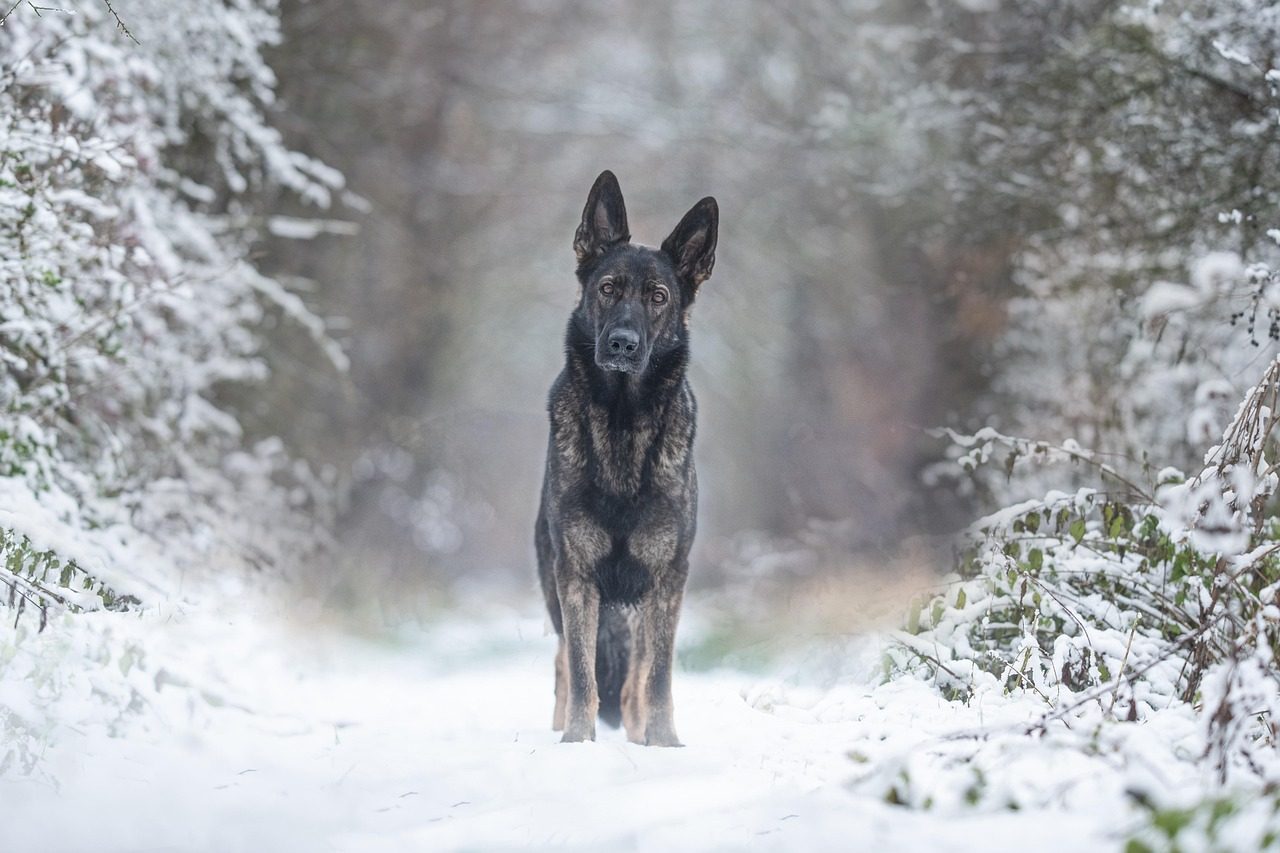
Bred to guard and herd livestock, German Shepherds are extremely talkative. They communicate by barking, whimpering, grumbling, or whining. These intelligent dogs don’t just make noise – they seem to have an entire vocabulary designed to keep you informed about every detail of their day.
Coming in close second in our ranking of the most vocal dog breeds, the German Shepherd can give the Siberian Husky a run for its money when it comes to having something to say. This regal breed is often regarded for its diverse skills at everything from herding to drug detection to guarding.
Their vocalization serves a practical purpose rooted in their working heritage. German Shepherds are known for their intelligence, loyalty, and vocal abilities. As a breed that has traditionally been used for guarding and police work, their barking is often deep and authoritative. German Shepherds may use their voice to alert their owners to unfamiliar or potentially dangerous situations.
What makes German Shepherds special is their ability to modulate their communication based on the situation. Bursts of barks keep livestock moving, so it’s not surprising that the herd-tastic shepherd is one of the most vocal dog breeds. This quick-footed fur friend can get extra loud when she’s excited, though training can prevent her from becoming a noise ordinance violator.
The Chihuahua: Small Dog, Big Voice
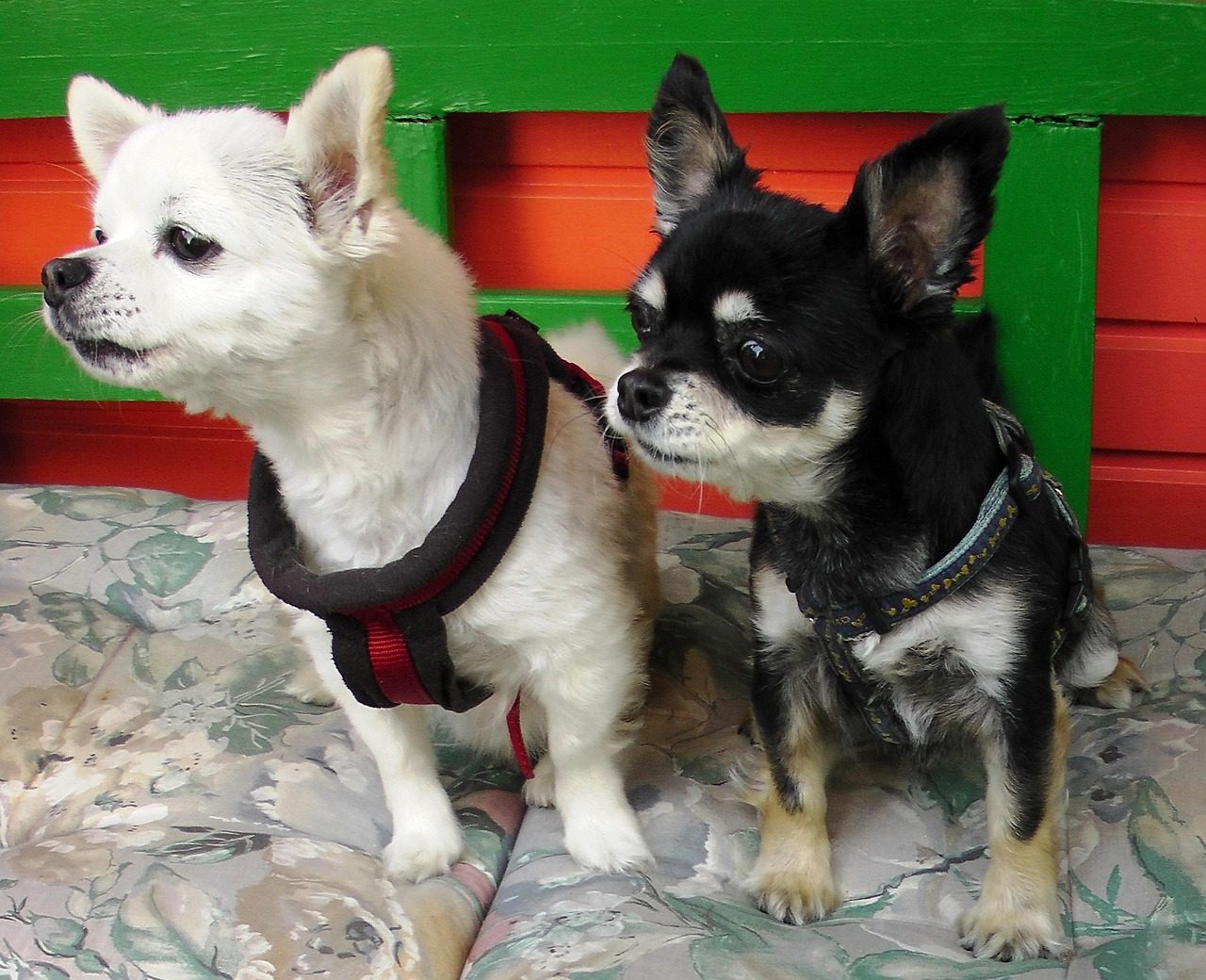
This breed is known for its yippy bark and bravery in the face of much larger animals. It’s pretty impressive to see a 5-pound dog standing up to a dog 10 times its size or more. Because of their tendency to go up to dogs much larger than themselves and attempt to bark them down, many Chihuahuas need close supervision around other dogs.
Don’t let their tiny stature fool you – Chihuahuas pack a vocal punch that would make a megaphone envious. Chihuahuas may be small in size, but they compensate with a surprisingly robust vocal range. They use their sharp, loud bark to communicate a variety of needs and emotions, often barking at strangers, noises, and other pets.
If you want a small dog with a big voice, the Chihuahua is hard to overlook. These little dogs have strong personalities and are known for using their voices often. You may notice your Chihuahua barking, yapping, or making other noises to get your attention. They’re essentially tiny town criers, determined to keep you informed about every occurrence in their kingdom.
Their protective nature amplifies their vocal tendencies. Chihuahuas tend to form strong bonds with one person or family. Their loyalty sometimes means they will “chat” more with their favorite human. They may also be protective and use barking to sound the alarm if strangers come near.
The Alaskan Malamute: The Storyteller
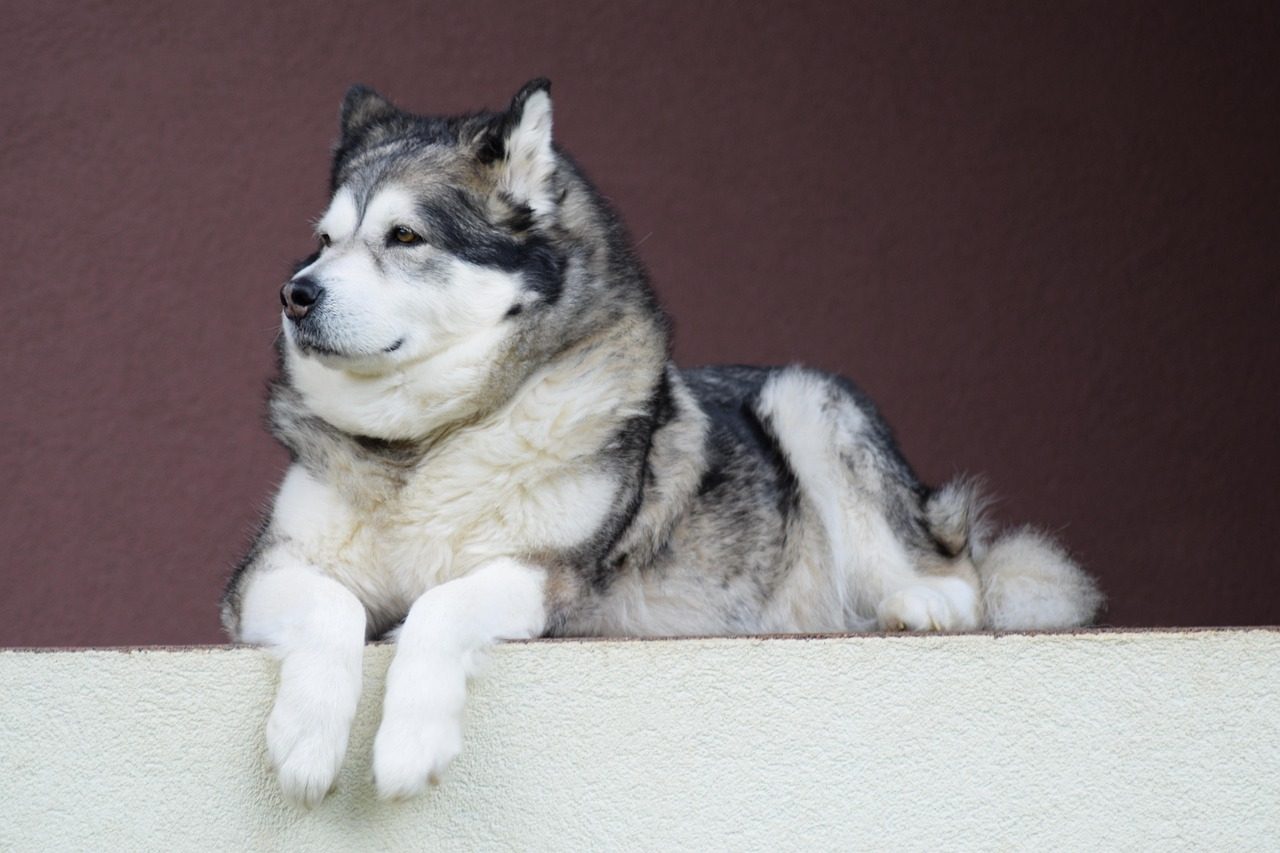
Like the Siberian Husky, the Alaskan Malamute is quite the vocal dog. This breed is far less common than its Husky cousin, though, so you’re likely less familiar with how talkative this breed can be. Like Huskies, the Malamute has a wide variety of vocalizations for many different things. They love to sing, yelp, howl, and bark for many reasons, from benign to essential.
These gentle giants are natural born storytellers who seem to believe every moment deserves commentary. This mighty musher is a famous talker in the dog world and never one to skip the chance to howl along with music or grumble out her displeasure. Her talkative nature and personality have earned her quite the following, as she’s loyal, playful, and hardworking.
Closely related to the Siberian Husky, Alaskan Malamutes are another breed known for their chatty nature. These large, powerful dogs often howl, grunt, or make other amusing sounds to communicate with their humans. Malamutes are not shy about voicing their needs, whether they want food, attention, or simply some company. Their howls are deep and expressive; you might even be howling back for fun!
Their size adds authority to their vocal performances. Their large size and tendency to vocalize can make them great watchdogs and will likely deter trouble away from your home. Living with a Malamute means having a furry roommate who’s always ready to share their thoughts about dinner, walks, and life in general.
The Dachshund: The Alert Reporter
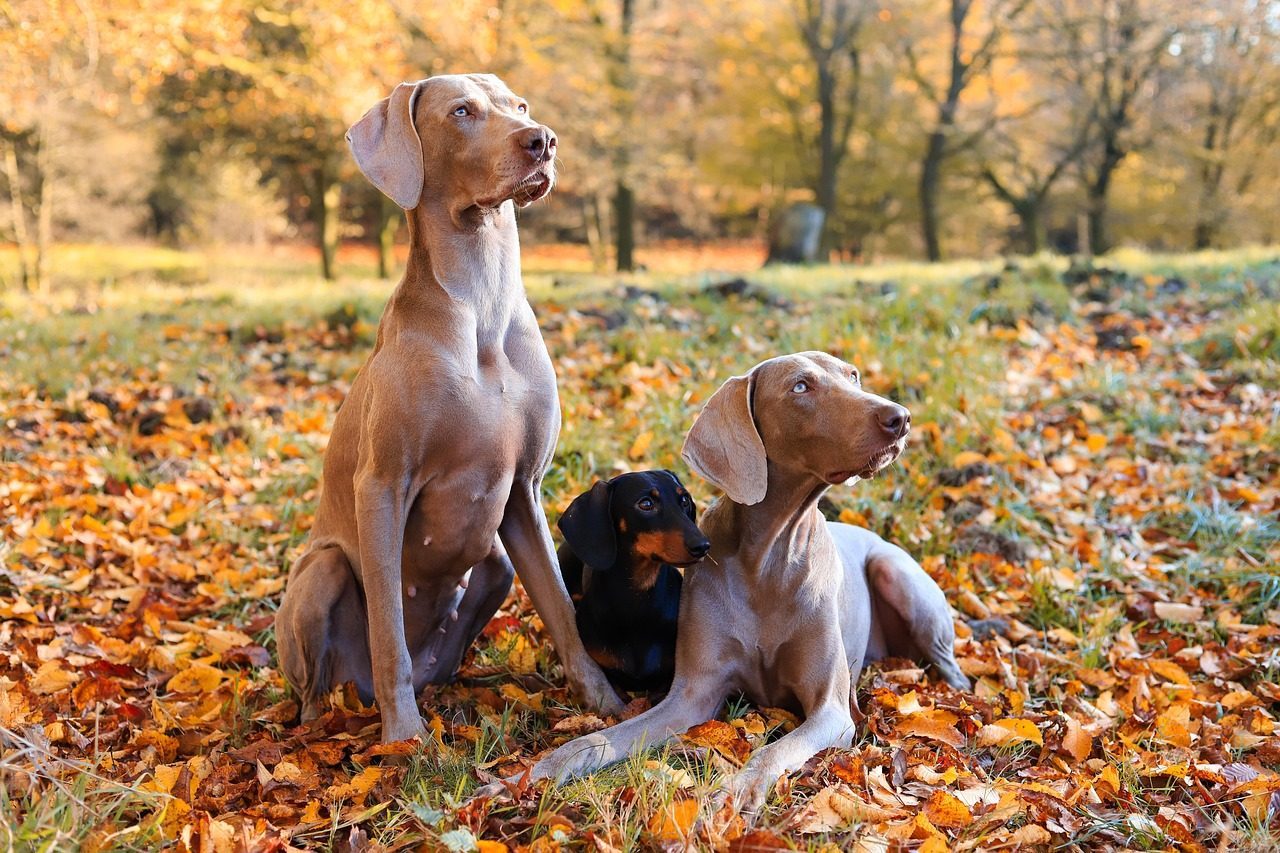
These low-riding, long-bodied companions might look like living sausages, but they have the vocal authority of much larger dogs. Small in stature but big in spirit, the Dachshund talked his way into fifth place with our readers, probably due to the breed’s tendency to bark whenever their suspicions are aroused, which can happen due to something as benign as a leaf blowing across the yard.
Whether you know them as “hot dogs,” “wiener dogs,” “Doxies,” or “sausage dogs,” the Dachshund’s name is German for “badger dog.” Without sufficient exercise, enrichment, and attention, these dogs will bark, growl, whine, yelp, or howl to communicate how they’re feeling. They may also resort to destructive behaviors or excessive vocalizations if left alone for too long.
Originally bred for hunting badgers in their underground lairs, Dachshunds needed to be vocal to communicate with hunters above ground. This heritage means your modern Dachshund views themselves as your personal security system, alerting you to everything from suspicious delivery trucks to that questionable squirrel behavior in the backyard.
Their alertness makes them excellent watchdogs, though their definition of “threat” can be quite broad. Every doorbell, footstep, or rustling leaf becomes a potential news story worthy of immediate vocal coverage.
The Pomeranian: The Social Butterfly
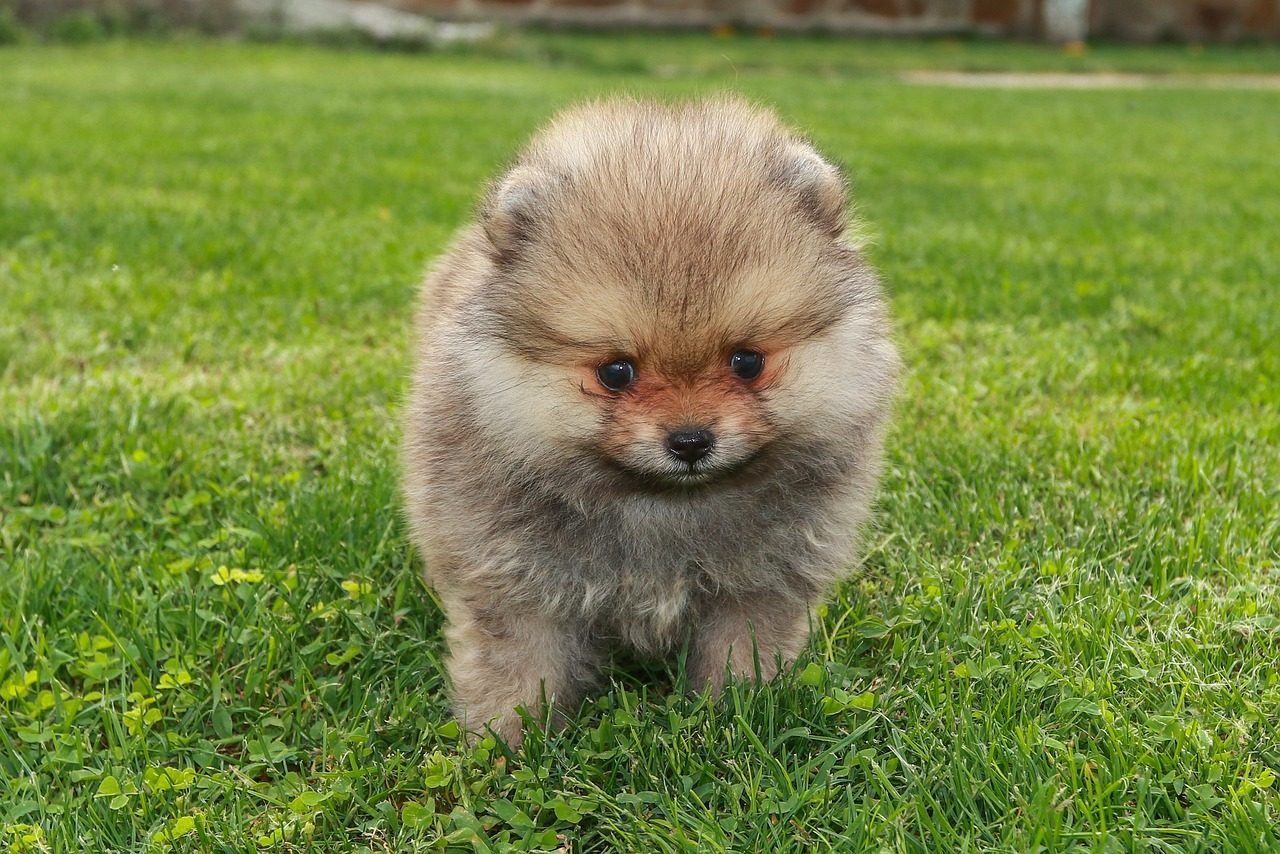
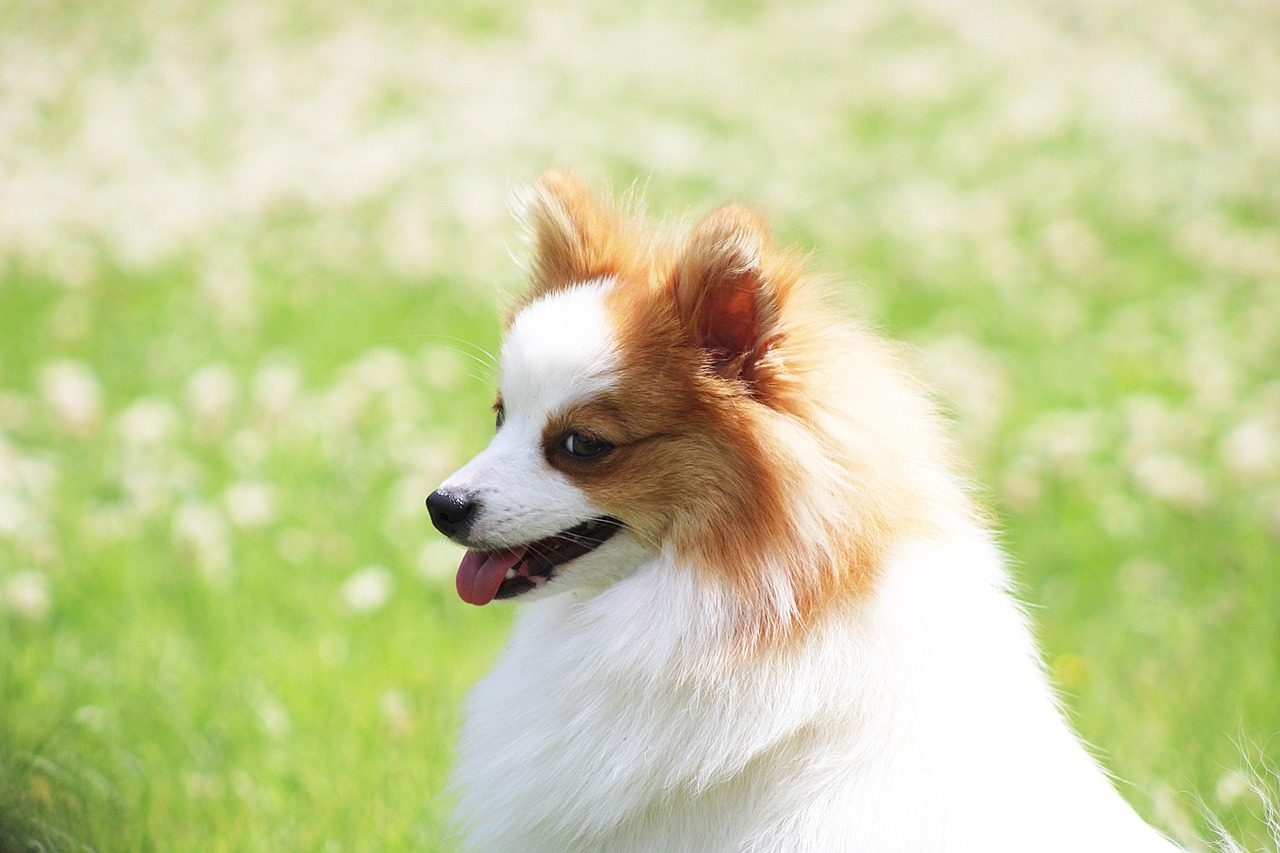
Energetic, affectionate, sassy, and vocal, the Pomeranian is the epitome of a small dog with a big personality. These little pooches were bred as companion dogs, wanting nothing more to be with their people and the center of attention. If Pomeranians could host talk shows, they’d never run out of material.
For being known as a yappy dog, the Pomeranian lives up to its reputation. These dogs may be small, but they can be tough and aren’t afraid to bark. They don’t have the most threatening bark, but you can definitely count on a Pomeranian to let you know if trouble is afoot on your property. They are very sweet and loving dogs, but they may bark at visitors and people they aren’t familiar with.
These fluffy, outgoing dogs are known for their chatty nature, often barking or yapping to express excitement or demand attention. Pomeranians are incredibly loyal and protective, making them excellent watchdogs despite their tiny size. Their lively personalities and vocal tendencies ensure they’re always the center of attention, keeping their families entertained with their chatter.
Their companion dog heritage means they’ve been bred to interact with humans, and boy, do they take this job seriously. Pomeranians are small but feisty, and they love to bark at anything they think is a threat. Their barking can become annoying if not properly controlled, especially since they are so vocal around strangers or other animals. Pomeranians tend to bark loudly and frequently, making them less ideal for apartment living if you value peace and quiet.
The Yorkshire Terrier: The Tiny Tough Talker
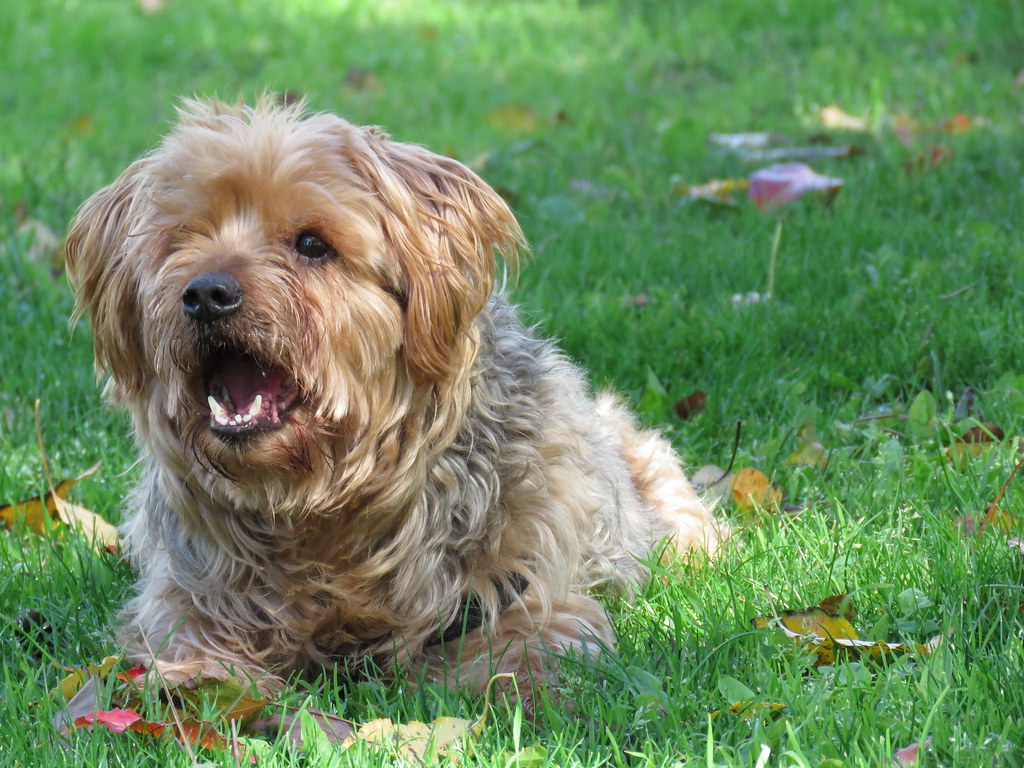
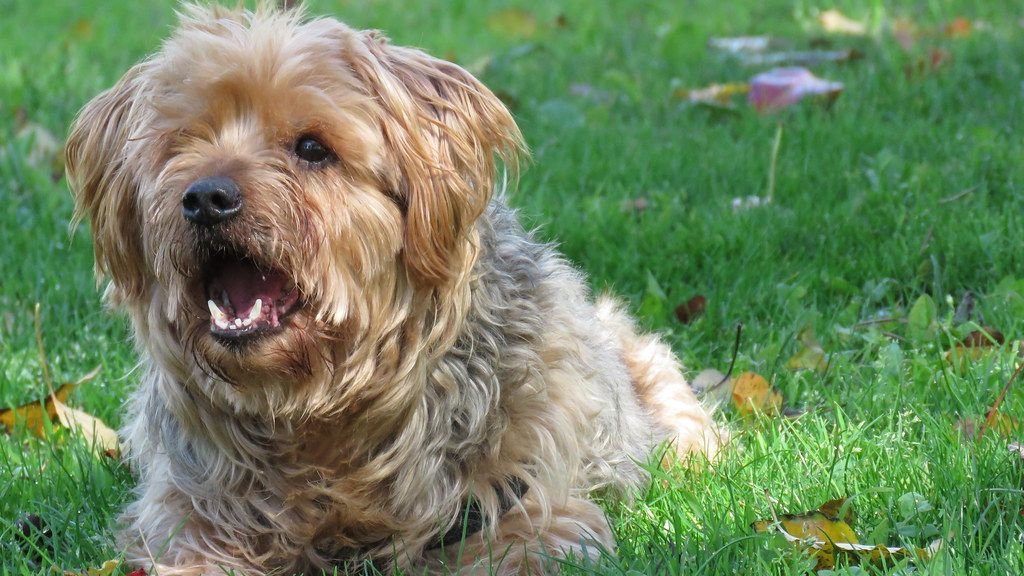
Yorkies are often grouped in with the Chihuahua and Pomeranian as small dogs with big personalities and a tendency to talk a big game. In the case of the Yorkie, they come by it very honestly. Terriers in general are often considered to be noisy dogs, and the Yorkshire Terrier is no exception. These tiny dogs are affectionate and loving, but many of them are not afraid to stand up to dogs much larger than themselves, often barking right in their faces in an attempt to get them to back down.
Yorkshire Terriers may be small, but their vocal presence is large. They use their sharp bark to assert themselves and aren’t afraid to use their voice when they feel it’s necessary. Yorkies can be quite communicative, using their barks to get attention or respond to perceived threats.
These pint-sized powerhouses carry themselves with the confidence of dogs ten times their size. Their terrier heritage means they were bred to be fearless hunters, and this translates into a “speak first, ask questions later” approach to communication.
It wasn’t only veterinary professionals who voted the Yorkie as a bit yappy – readers named the breed as the No. 6 most talkative dog. Vets selected the Siberian Husky for this spot, and given how chatty everyone’s favorite talking Husky is, we aren’t surprised in the least. Living with a Yorkie means having a tiny bodyguard who takes their protection duties very seriously and isn’t shy about voicing their opinions.
The Australian Shepherd: The Intelligent Communicator
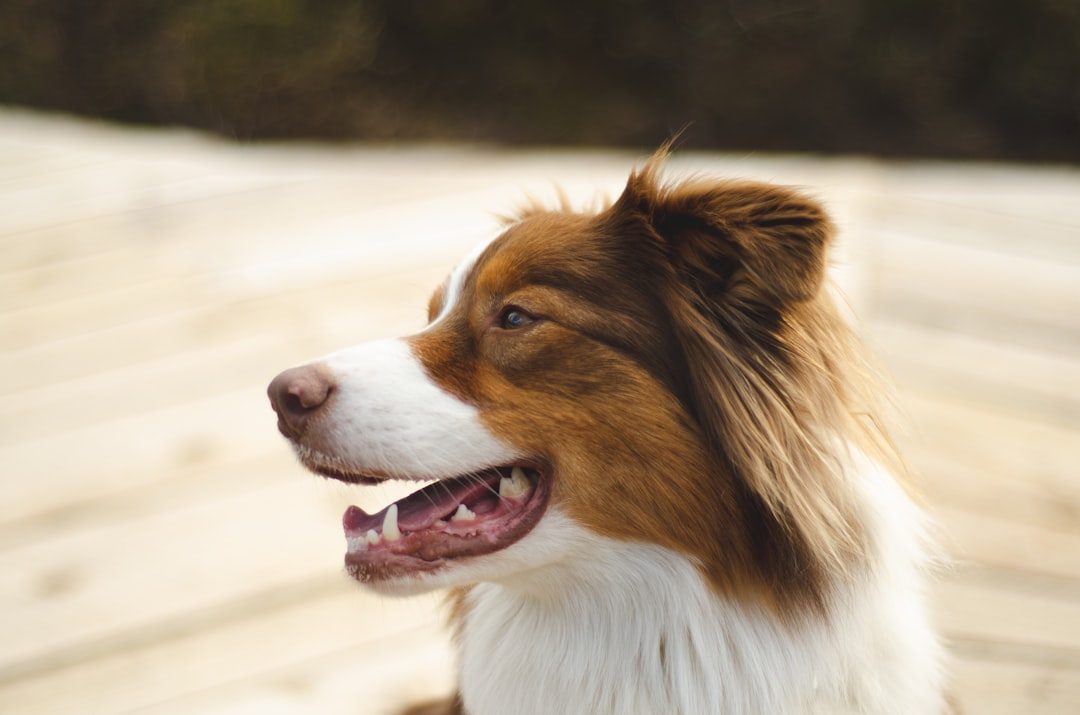
These herding dogs were bred to work closely with humans, so they’re vocal about expressing their needs and opinions. Australian Shepherds may bark to alert you of something important or even “talk” through a mix of whining and playful yaps to get you to engage with them. They thrive on communication and will happily converse if you’re willing to listen.
Australian Shepherds are not only intelligent and active but also vocal. These brilliant dogs understand the power of communication and use it strategically to manage their human families just like they would manage livestock.
Their herding background means they’re natural-born managers who believe in keeping everyone informed and in line. Border Collies are one of the most intelligent dog breeds, bred to herd livestock using vocal commands and barks. Their high intelligence and need for mental stimulation can result in frequent vocalization, especially if they’re not getting enough exercise. While this reference is to Border Collies, Australian Shepherds share similar herding traits and vocal tendencies.
These dogs don’t just bark randomly – they’re trying to communicate specific information. Whether they’re alerting you to a delivery truck or expressing their opinion about your walking pace, Australian Shepherds approach vocalization as a practical tool for managing their environment.
The Finnish Spitz: The Champion Barker
Known as the “barking bird dog” of Finland, the Finnish Spitz is one of the most vocal breeds in the world. These dogs were originally bred to hunt game birds, using their distinct “yodeling” bark to alert hunters. Imagine having a dog whose job description literally included “professional barker” – that’s the Finnish Spitz for you.
Known as the “barking bird dog” of Finland, the Finnish Spitz is one of the most vocal breeds in the world. These dogs were originally bred to hunt game birds, using their distinct “yodeling” bark to alert hunters. Their sharp, high-pitched vocalizations make them fantastic communicators, and they love to “talk” to their owners with a variety of sounds, from playful barks to expressive howls.
In Finland, there are actually barking competitions for Finnish Spitz dogs, where they’re judged on the quality, frequency, and duration of their vocalizations. These dogs can bark extremely frequently when they’re really motivated, sometimes maintaining rapid-fire vocalizations for extended periods.
Their unique “yodeling” sound sets them apart from other vocal breeds. It’s not just barking – it’s a specialized form of canine communication that served a specific purpose in their native hunting grounds. Modern Finnish Spitz dogs may not hunt birds, but they certainly haven’t forgotten how to use their voices.
The Quiet Companion: Basenji
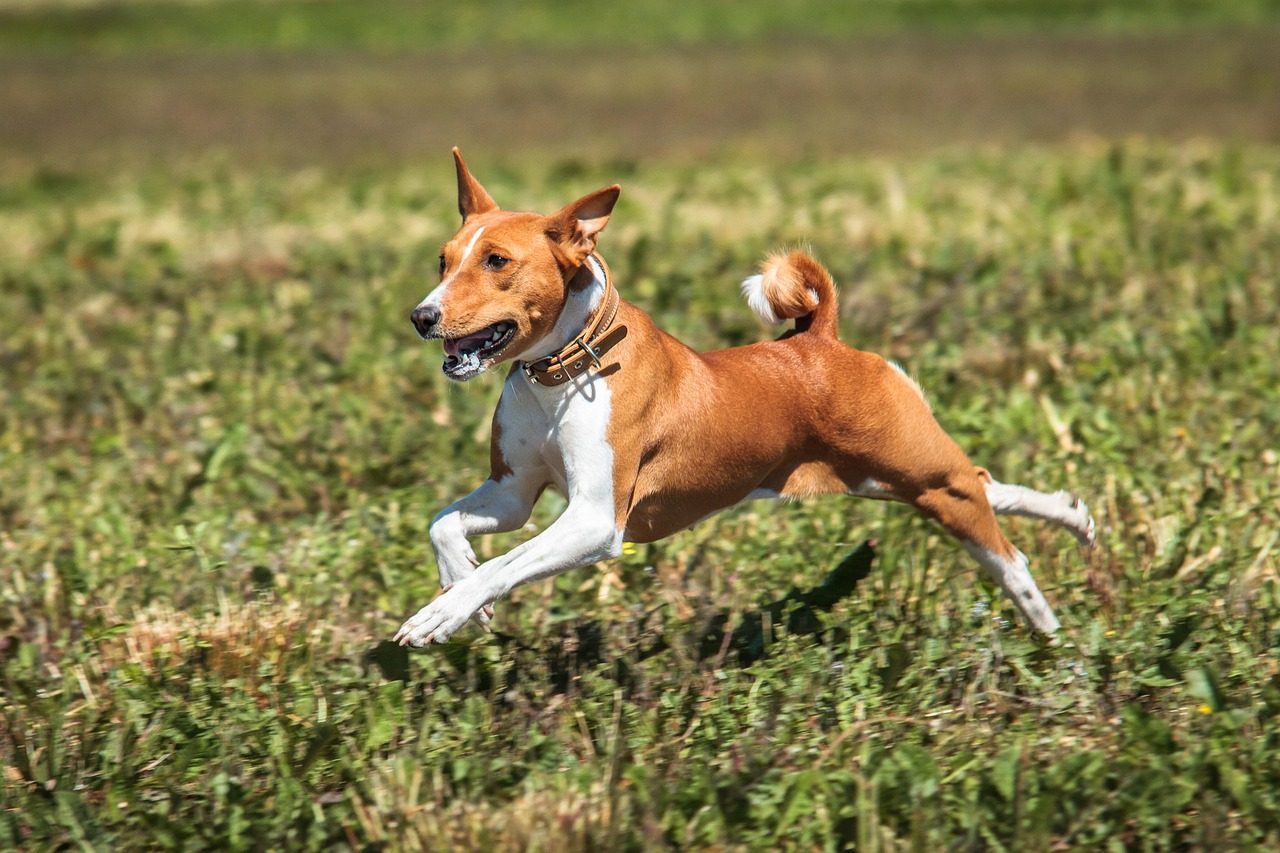
The basenji is actually known as the “barkless dog,” according to the American Kennel Club. The sound they make is often described as a cross between a chortle and a yodel. They make this unique sound due to subtle variations in their laryngeal anatomy compared to other dogs.
As a calm dog that barks less than many of their counterparts, it’s no surprise that many people say the Basenji is “quiet like a cat!” On the rarer occasions you hear this pup talk, you’ll be surprised by their unique voice. Rather than barking, the Basenji will make a high-pitched noise or yodel when they decide to be vocal.
This ancient African breed brings a zen-like quality to any household. Known as Africa’s “Barkless Dog,” this compact, sweet-faced hunting dog is known for its intelligence, poise, and – of course – tendency to make little to no noise. Their silence isn’t due to shyness – it’s simply their natural way of being.
The Basenji’s quiet nature doesn’t mean they lack personality. The Basenji’s voice isn’t the only attribute that makes this pup stand out! They’re also a dog breed that doesn’t shed much. They communicate through subtle body language and those occasional melodic yodels, creating a peaceful living environment that many dog owners find refreshing.
The Gentle Giant: Great Dane
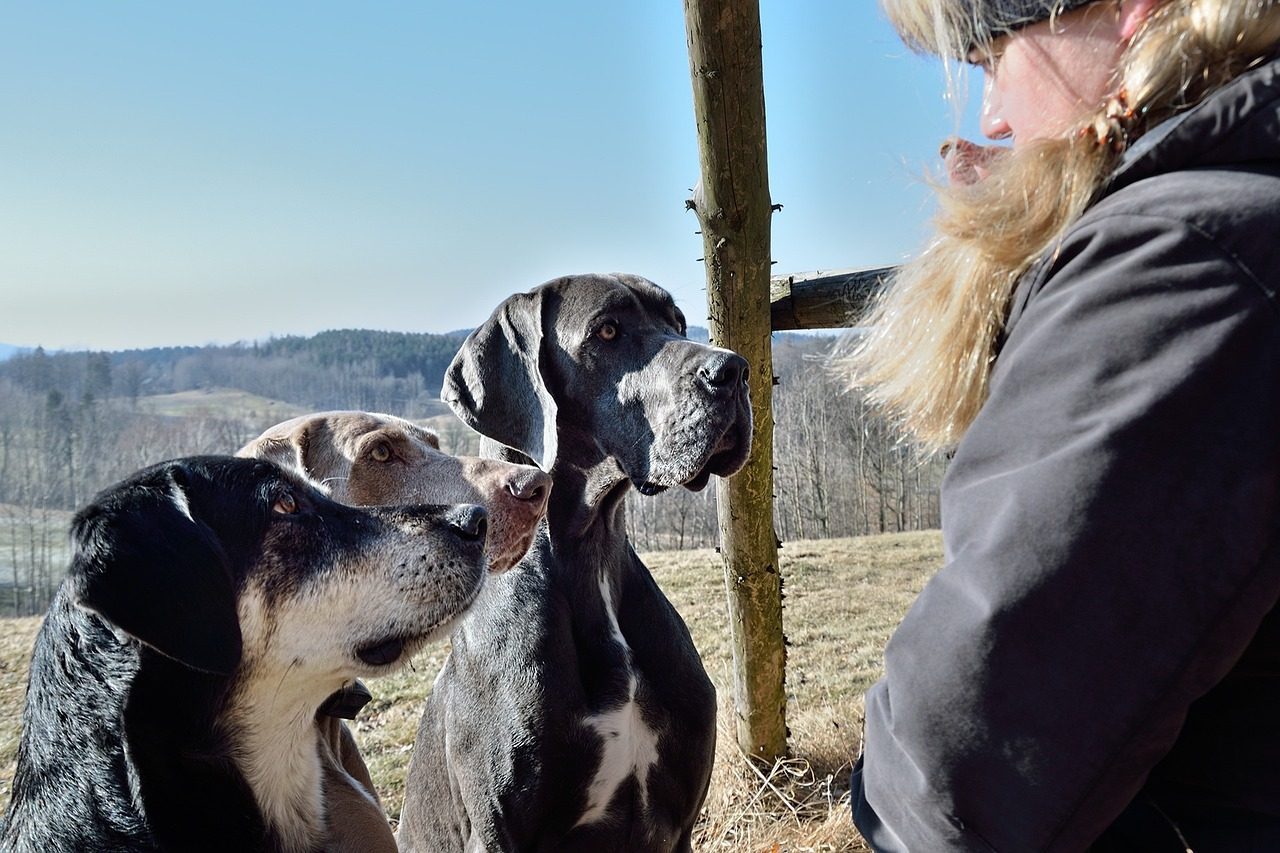
In a race for quietest dog breed, the Great Dane runs neck and neck with the Newfie. This gentle giant must know that its formidable size and appearance make it unnecessary to be talkative to be noticed!
We’re not gonna lie, this gentle giant is huge (males typically weigh 140-175 pounds), and when it does bark, it’s loud and deep, but that doesn’t happen very often. “They tend to have a calm nature, which means they don’t bark often,” says Stanley. “Great Danes are bred to be people-pleasers, so they are great family dogs that are easy to train.”
These majestic dogs embody the phrase “speak softly and carry a big stick” – except in their case, they don’t need the stick. Their impressive presence speaks volumes without uttering a sound. When they do vocalize, it’s typically for good reason, making their rare barks meaningful rather than bothersome.
Great Danes understand that sometimes the most powerful communication doesn’t involve sound at all. When we learn to recognize our dog’s communication, we can set them up for success within their boundaries and also identify situations where they may need more support or training. These gentle giants excel at using body language to express their needs and feelings.
The Serene Bulldog: French and English
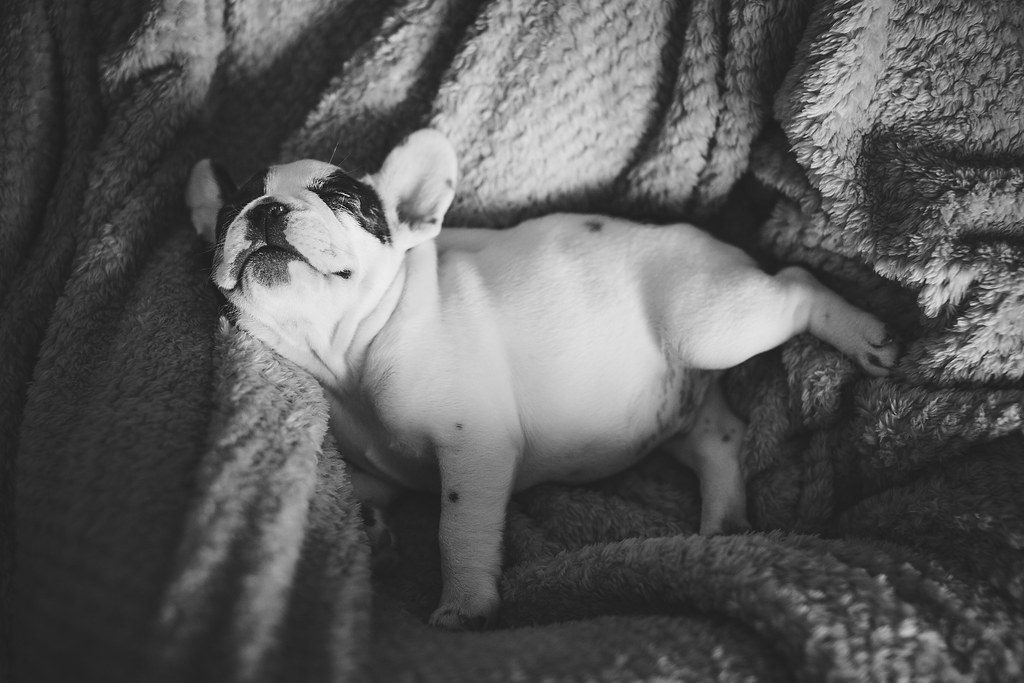
Frenchies love to lounge around the house and need less exercise than other breeds. In fact, because of their shortened face, they are sensitive to overexertion and overheating. A popular choice for an apartment dog, they are playful and alert but not prone to a lot of barking.
Little pups often get a bad rap for being yappy, but the French Bulldog is a small dog breed that doesn’t bark much! This playful companion thrives on human contact and generally has low energy, which makes them well-suited for apartment living. Although Bulldogs in general tend to be quieter, you might hear some loud snores during nap time.
The same goes for the English version. The beefier pups won’t pipe up too often, since they’re perfectly content to keep snoozing on the sofa. Good luck getting them to rouse themselves for, well, just about any reason!
Both French and English Bulldogs seem to have mastered the art of selective communication. Bulldogs are probably most known for their role as mascots for college sports teams. These muscle-packed, endearing animals may be among the dogs that don’t bark much, but they have their own unique set of noises. Their snorts, snuffles, and occasional grumbles create a charming soundtrack that’s far more endearing than excessive barking.
The Calm Cavalier: Cavalier King Charles Spaniel
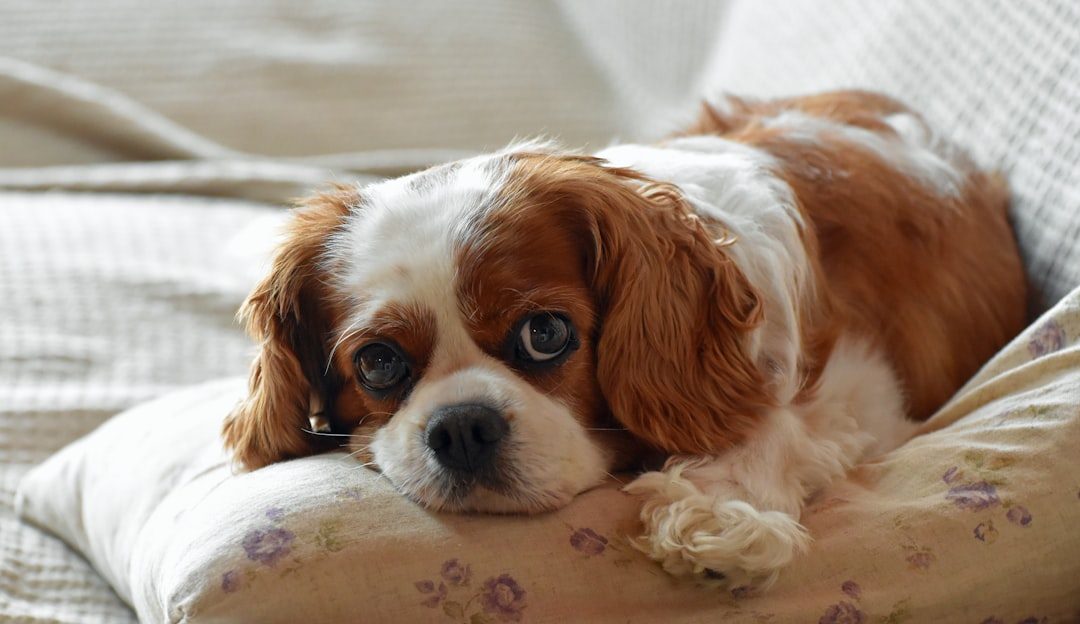
They’re sweet, friendly…and another small dog breed that doesn’t bark! The Cavalier King Charles Spaniel has royal roots, so it’s no wonder they have a poised demeanor. Instead of guarding the home with an aggressive woof, you’re more likely to find the Cav calmly greeting strangers or cuddled up from a long day of napping.
The Cavalier King Charles spaniel is another one of the small, quiet dogs that bark sparingly (and they’re also great dogs for seniors). Their sweet faces, big brown eyes and fluffy ears are hard to resist, which is good, because the CKCS loves to be around people, a lot. It doesn’t matter if you prefer afternoons on the sofa or outside on the trail – they want to be with you.
Their calm and gentle demeanor means they are a relatively quiet breed, only yapping when they are bored or stressed or want to get your attention when someone is at the door. They may also bark when left alone for long periods, but overall, Cavalier King Charles Spaniels enjoy the company of others and are known for forming strong bonds with their owners.
These royal companions seem to understand that true nobility doesn’t require raising one’s voice. Aimee Warner, DVM, resident veterinarian at Waggel, calls this breed “lighthearted” and “charming,” noting that they love to spend time on their owner’s lap. The cute breed is family-friendly and tends to get along well with kids, too. Their quiet confidence and gentle nature make them ideal for families seeking a peaceful canine companion.
The Dignified Greyhound: Speed Over Sound
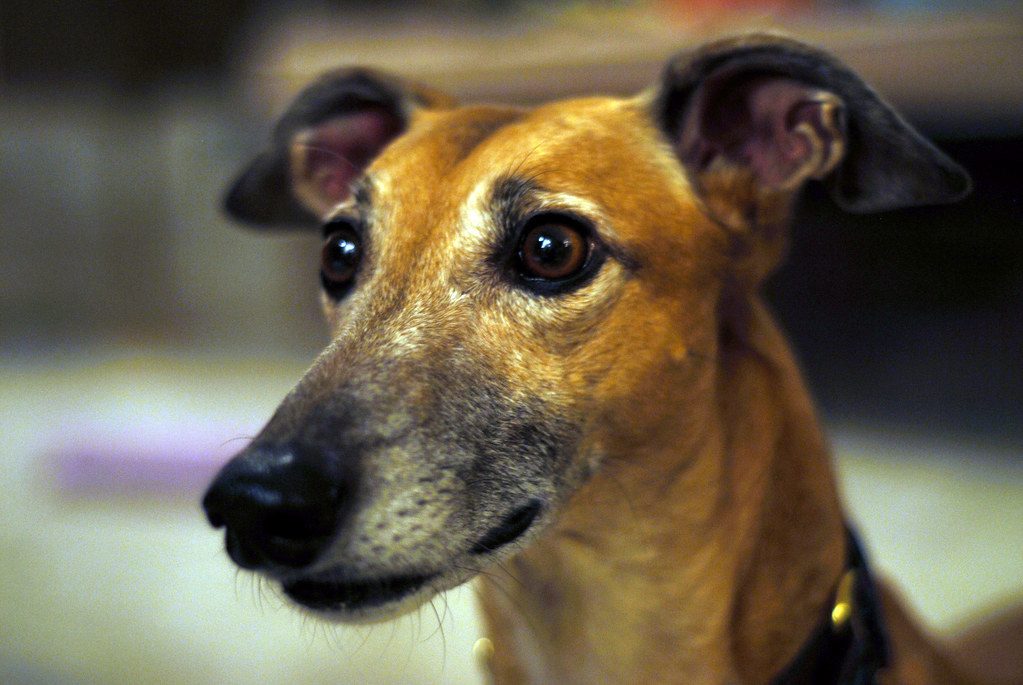
More well known for their speed around the race track, you’ll rarely hear a greyhound bark unless it’s necessary. Let’s start by saying that Greyhounds make great pets! Yes, some may bark more than others, but they are generally quiet dogs that only bark when they need attention, feel bored, have anxiety, or separation issues.
The greyhound and other members of the sighthound family – that is, hounds that overtake their quarry by speed – rarely bark when hunting, and all members of this family tend to be quiet. “Surprisingly, they do well for apartment dwellers, as they are fairly inactive indoors.
The Saluki, or Persian Greyhound, is one of the world’s oldest dog breeds. These pups are especially known for their speed – reaching an incredible 42 miles per hour! Their speed is such an effective hunting tactic that they likely did not need to use their voice against predators, which might explain why these dogs bark less than others.
These elegant athletes embody efficiency in all things, including communication. Why waste energy barking when you can simply outrun whatever’s bothering you? Greyhounds and their sighthound relatives have evolved to be silent hunters, and this quiet confidence translates beautifully into modern family life. They’re living proof that sometimes the fastest way to solve a problem is to stay calm and carry on.
Understanding Your Dog’s Communication Style

A lot of canine communication consists of barks, whines, and growls, so it’s important to understand what these dog sounds mean. More often, though, dogs rely on nonverbal body language. Whether your dog is a chatterbox or a silent observer, they’re constantly communicating with you through subtle cues.
Unlike in people, canine body postures and olfactory (scent) cues are significant components of dog language and vocal communications are less significant. People are listeners; dogs are watchers. For family members who want to understand their dog’s behavior, recognition of these body signals can serve as a useful tool for interpreting “dog language.”
Without the gift of gab, dogs are left to rely on a bark, a tail wag, or, sometimes, even a snarl to communicate with their two-legged companions. However, as we attempt to connect with our canine friends, understanding the unspoken becomes immensely important in recognizing their wants and needs. “Understanding our dogs’ basic body language allows us to gain insight into their thoughts and feelings about the world around them and what they are experiencing,” according to veterinary experts.
Your dog is “talking” to you all the time. If you learn what your dog is saying, you will develop a deeper bond of trust and respect. Plus, your newfound understanding of your dog’s emotional state can help you predict their behavior and prevent problems before they arise. The key lies in observing the whole picture – ears, tail, posture, and facial expressions all work together to tell the complete story of what your dog is feeling.
Whether you choose a vocal breed that fills your home with animated conversations or a quiet companion who communicates through gentle presence and subtle signals, understanding your dog’s unique communication style strengthens your bond and enriches both your lives. Each breed brings its own special magic to the relationship, whether that’s through melodious howls or peaceful silence.
What kind of communicator is your ideal canine companion? Tell us in the comments – we’d love to hear about your experiences with chatty or quiet dogs!


