

You’ve probably noticed it. That knowing stare your dog gives you at exactly five in the evening. The way they suddenly appear at the door, tail wagging, right before walk time. Or how they pace anxiously when your morning schedule shifts, even by just a few minutes. It’s almost eerie sometimes, like they have a sixth sense about time. Here’s the truth though: dogs aren’t just creatures of habit. They’re absolutely, completely in ways that go much deeper than we often realize.
This obsession isn’t about being rigid or demanding, even though it might feel that way when your pup starts nudging their empty bowl at you. It’s actually rooted in something far more fundamental to how their brains work, how they experience the world, and what makes them feel safe and happy. Let’s dive into why your dog’s internal clock seems more accurate than your phone alarm and what this means for both of you.
Their Internal Clock Is Real and Ridiculously Accurate
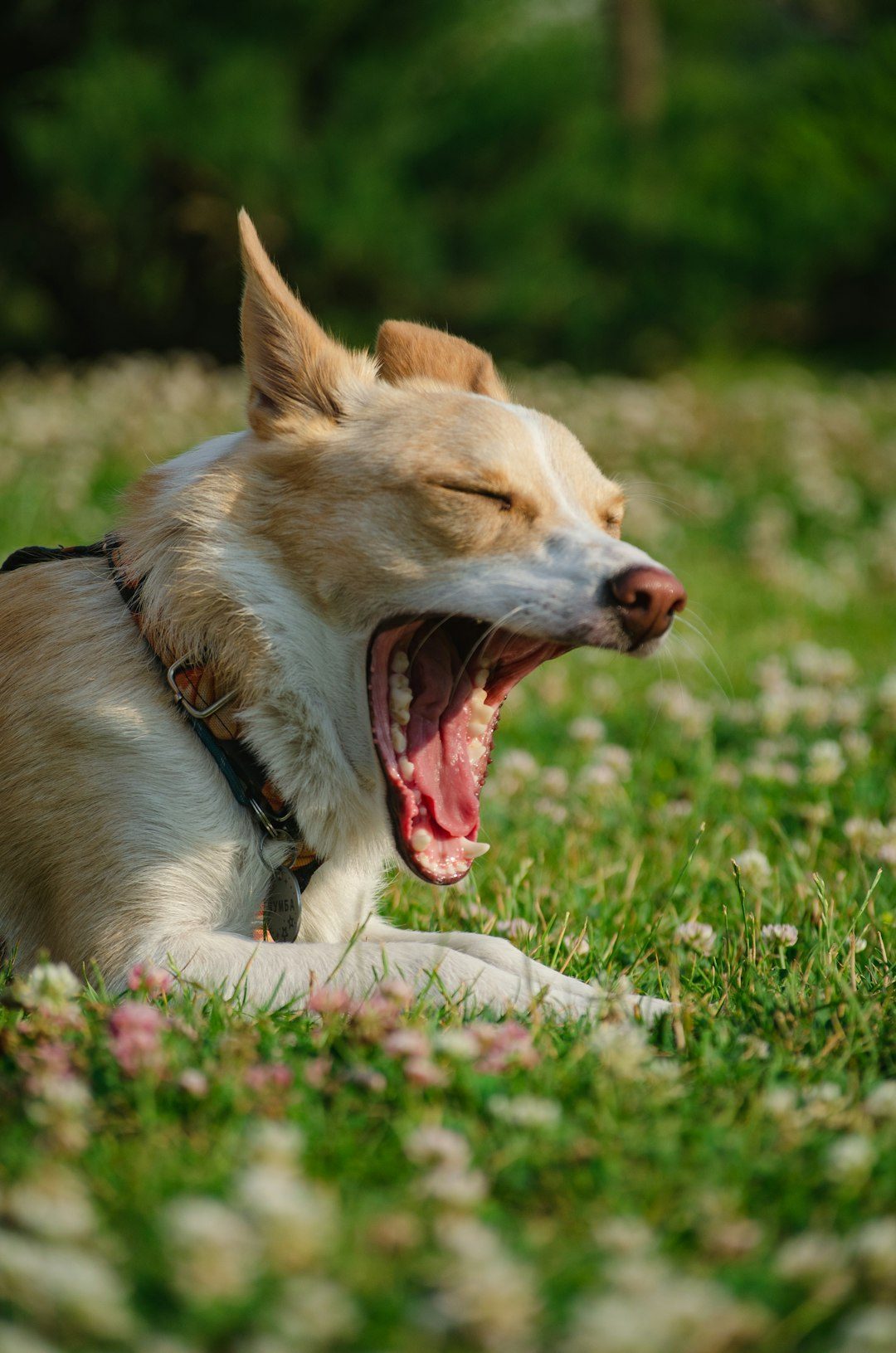
Dogs aren’t checking clocks or wearing watches, but they’re absolutely aware of the rhythm of the day through their circadian rhythm, the internal clock that guides sleep, play and meal time. Like most mammals, dogs have a circadian rhythm that helps regulate sleep awake cycles and other physiological processes, and while their actual sleep cycles differ from ours, dogs have evolved to sync fairly closely with human schedules. Think about that for a second. Over thousands of years living alongside us, dogs have literally adapted their biological rhythms to match ours.
Researchers tracked the bodily rhythms of dogs when they were on feasting or fasting feeding schedules, finding the same daily patterns in temperature, blood pressure and heart rate in both groups, revealing internal rhythms were driving the dogs’ daily cycles and not the food. Your dog’s body knows when it’s time to wake up, time to eat, time to play. It’s hardwired into them. They don’t keep track of hours or minutes but rely heavily on a strong internal system regulating their routine, and their sense of time is based on routine and changes around them, not by counting hours.
They Use Their Nose as a Clock

This one honestly blows my mind. Dogs use their noses to tell time by monitoring the intensity of a smell, and when you leave the house, you leave behind your own personal smell with its own intensity that fades with each passing hour, so your dog can identify the intensity of your lingering smell to determine exactly when you should be arriving home from work. Seriously. Your scent acts like an hourglass slowly emptying throughout the day.
Dogs are routine animals, and one major clue is scent, because as the day passes, your scent fades from the home and some experts believe your dog uses that fading scent as a clock to track how long you’ve been away. It’s not magic or telepathy when your dog is waiting at the door exactly when you pull into the driveway. They’ve been tracking the molecular decay of your morning coffee breath all day long. How incredible is that?
Routine Makes Them Feel Safe in an Unpredictable World

Dogs thrive on structure and predictability because routine helps them feel secure, reduces anxiety, and creates a foundation for consistent training and better behavior. Let’s be real here. Your dog can’t check the weather forecast, read your text messages, or know if you’re having a stressful day at work. They live in a world where so much is beyond their understanding or control.
Dogs thrive on routine because they don’t have to worry about what is or is not about to happen next, and not knowing when their next meal will come or when they can go outside to relieve themselves can cause their stress levels to go up. Building a routine is a proven way to support stress reduction, giving your pet clear expectations for their day, and knowing what to expect eliminates surprises, which can be unsettling for dogs. When everything else feels uncertain, knowing that dinner comes after the walk, or that bedtime follows the evening cuddle session, gives them something solid to hold onto.
Routine Changes Actually Stress Them Out
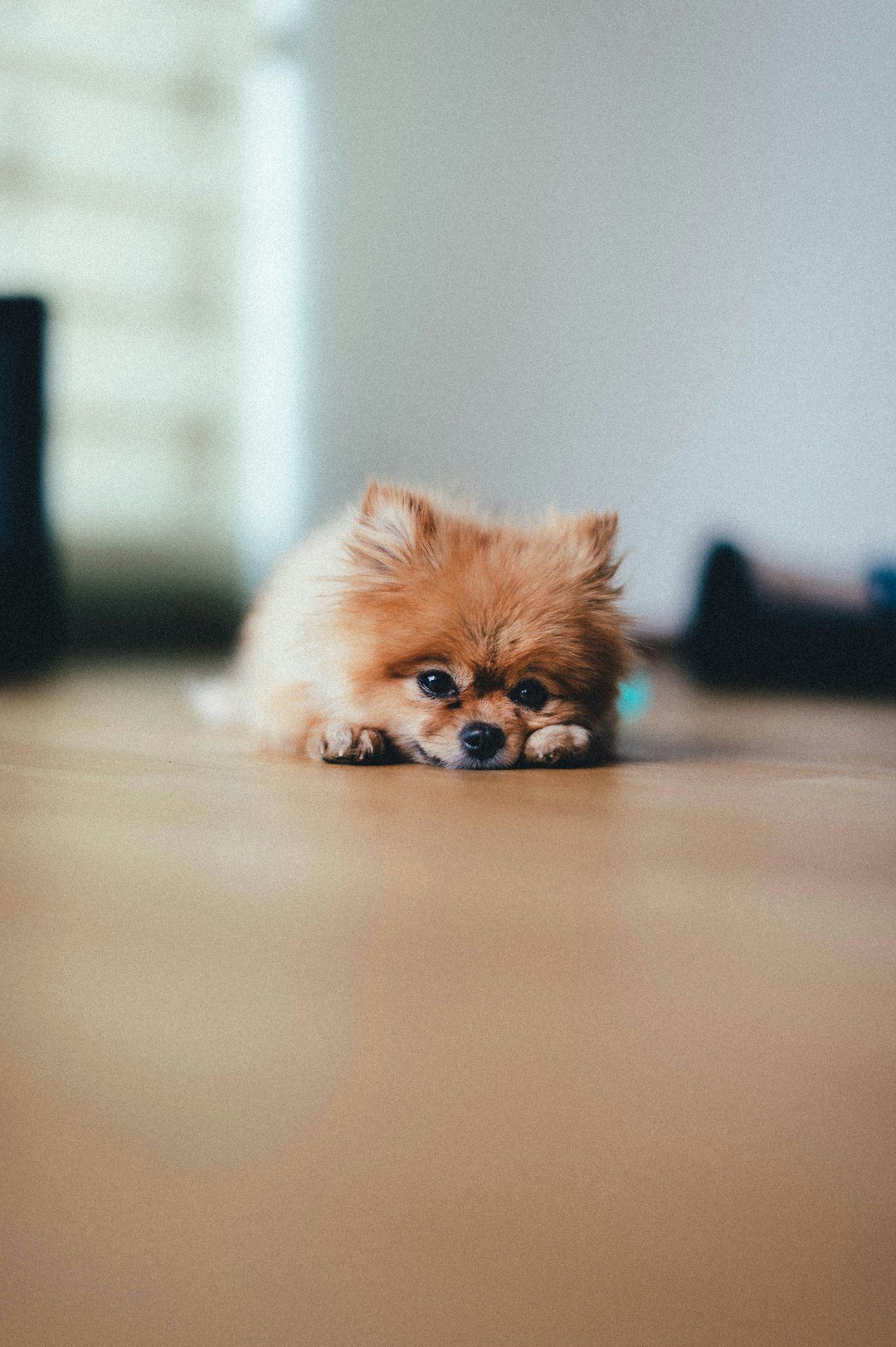
Dogs thrive on structure and predictability, so when their routine is suddenly disrupted, it can cause stress, anxiety, and behavioral changes, and sudden changes can lead to symptoms like whining, pacing, loss of appetite, or destructive behavior. I’ve seen this myself. When daylight saving time hits or when someone in the household changes their work schedule, dogs notice. Hard.
Suddenly setting back or moving forward clocks can unsettle and confuse dogs because from one day to the next we’ve made a change in their routines, and some dogs may become anxious, experience a nervous stomach, or have potty accidents in the house. Pets who are used to constant attention and activity might feel lonely and confused, like a dog that enjoyed playing with kids all day might start pacing and whining when left alone, or cats that sat on a child’s lap during homework time might begin hiding under the bed. These aren’t behavioral problems in the traditional sense. They’re emotional responses to their world feeling suddenly unpredictable.
Predictability Helps Them Learn and Communicate
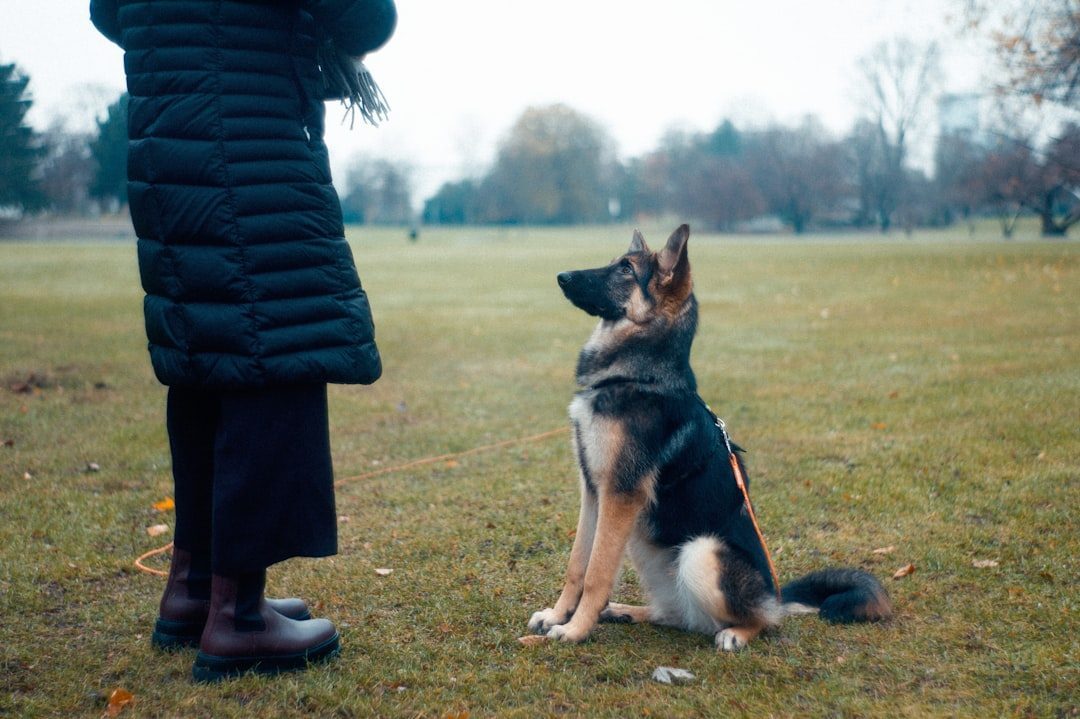
When the daily routine is consistent, your dog can predict when there might be an opportunity for play, attention, food, and bathroom breaks, and they’re more likely to wait patiently if they know they can expect to be fed at a certain time. Training works better when it fits into a routine. Training improves predictability as dogs are taught to follow specific behavioral cues and learn to predict a positive outcome, and soon your dog learns to predict that you would deliver a treat if they sat on cue.
A routine makes it easier for dogs to learn and follow commands, as they associate certain times and actions with specific outcomes. Think about how much easier it is for them when they know what comes next. A trained dog may begin to volunteer the highly rewarded sit behavior to earn various rewards, and your dog can now use this learned behavior to communicate their wants and needs clearly and appropriately, which facilitates social interactions and provides an opportunity for control over their immediate environment. Routine gives them a language to speak with us.
Routines Support Their Physical Health Too
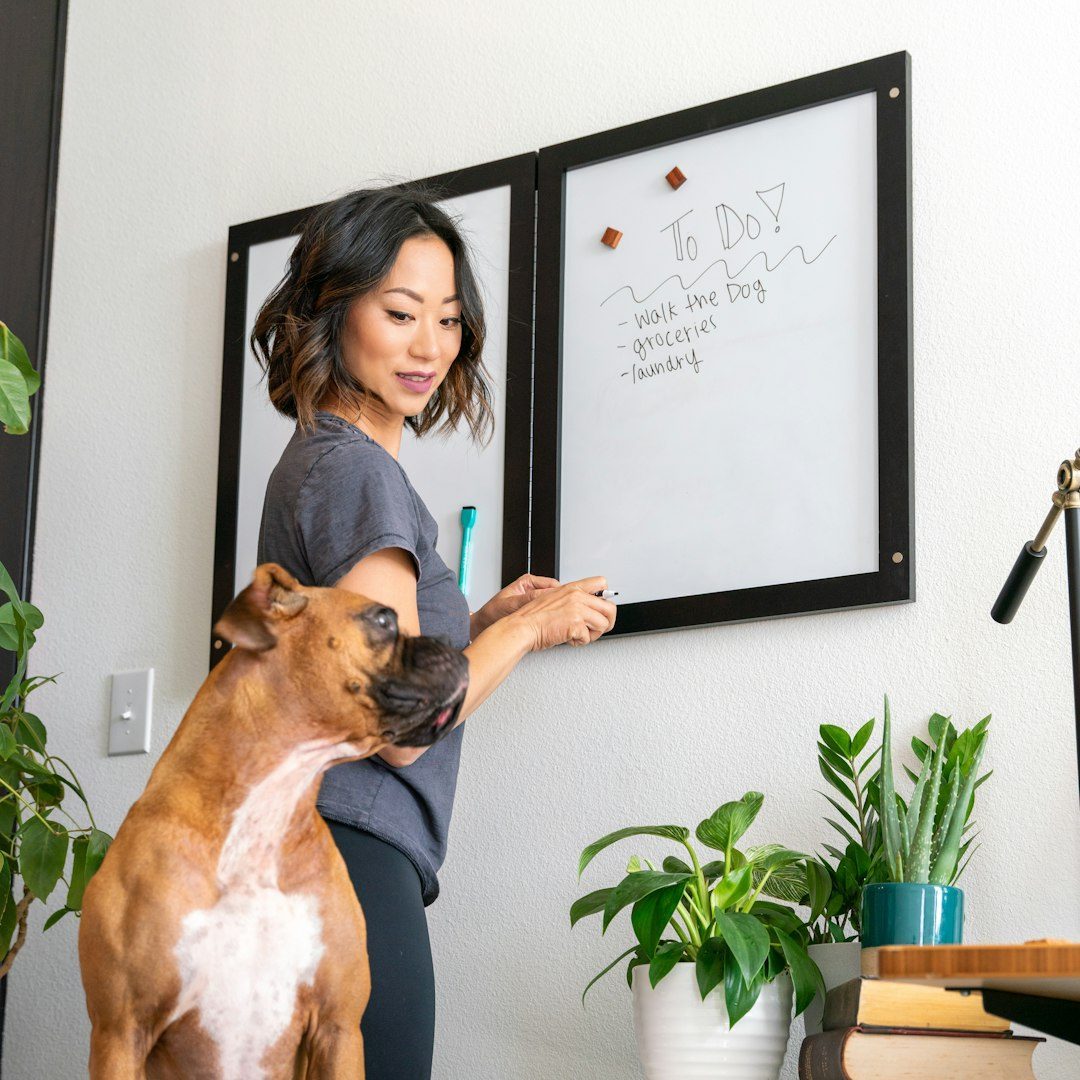
A well-established routine is essential for maintaining your dog’s physical health, and regular mealtimes help regulate digestion while consistent exercise keeps them fit, and dogs on a routine are less likely to overeat or gain unhealthy weight since their feeding times are structured. It’s not just about mental comfort. Their bodies actually function better with predictable patterns.
A consistent feeding schedule is one of the most essential components of a daily routine, and regular mealtimes help regulate their digestive system, prevent overeating, and even influence their potty habits, with improved digestion and weight management. Dogs need anywhere from twelve to eighteen hours of sleep per day depending on age, breed, and activity level, and without enough rest or a consistent sleep routine behavior often suffers, because when dogs don’t get regular quality sleep they’re more likely to be irritable, reactive, and unable to focus. Sleep-deprived dogs act out. Sound familiar?
Creating the Right Balance Without Being Too Rigid
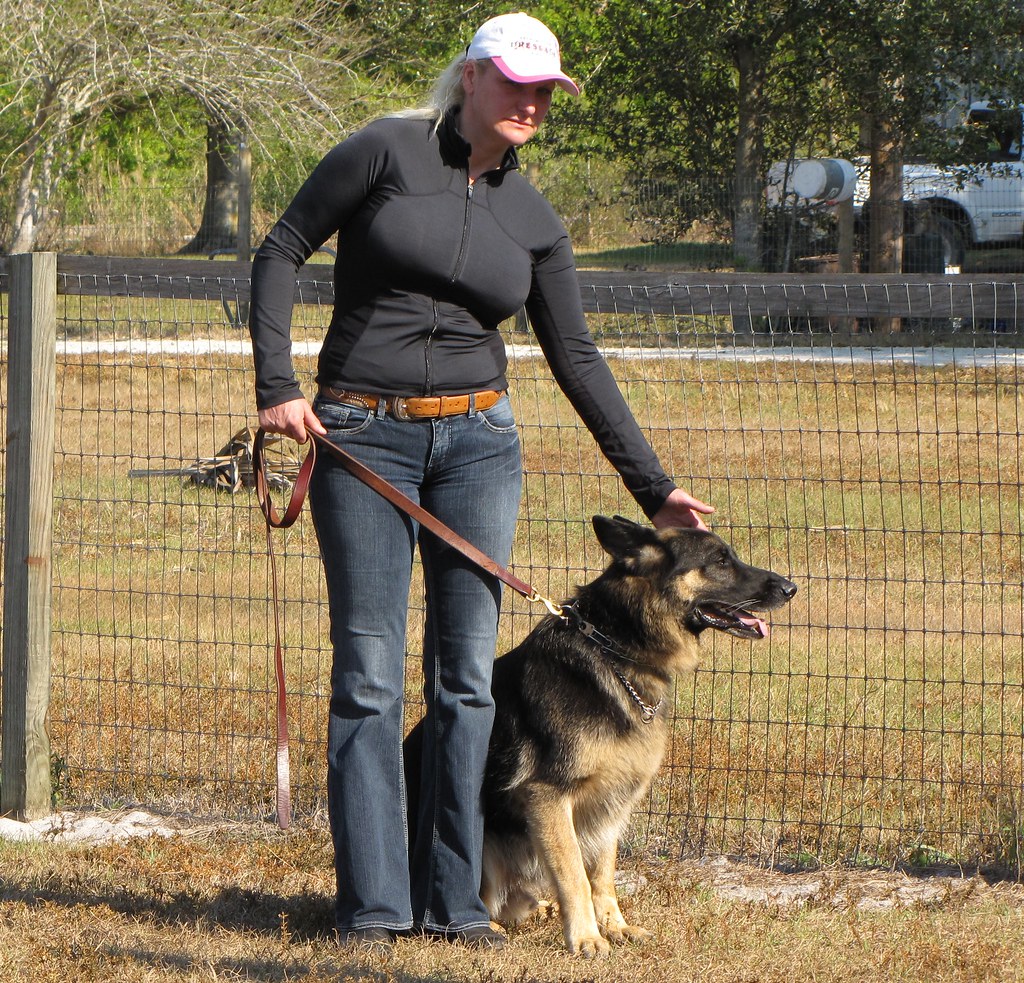
Too rigid of a routine can be counterproductive and lead to anxiety, because if you always feed your dog breakfast at exactly the same time your pet is going to get antsy if you suddenly decide to sleep in, so instead of building a routine on a specific time, prioritize creating consistency around training or exercise and where your dog eats meals to help support pets without making them rigidly dependent on exact timeliness. I think this is where a lot of people get confused. You want structure, not a prison schedule.
What seems to work best is predictability, and if dog does something then something else happens, which sounds simplistic but really seems to help dogs know what happens when. Never make the schedules too rigorous because life always brings changes and it is your responsibility to teach your dog how to adapt to them. Life happens. Vet appointments, weekend trips, unexpected guests. The goal isn’t perfection. It’s providing enough consistency that your dog feels secure while also building their resilience for when things inevitably change.
Conclusion
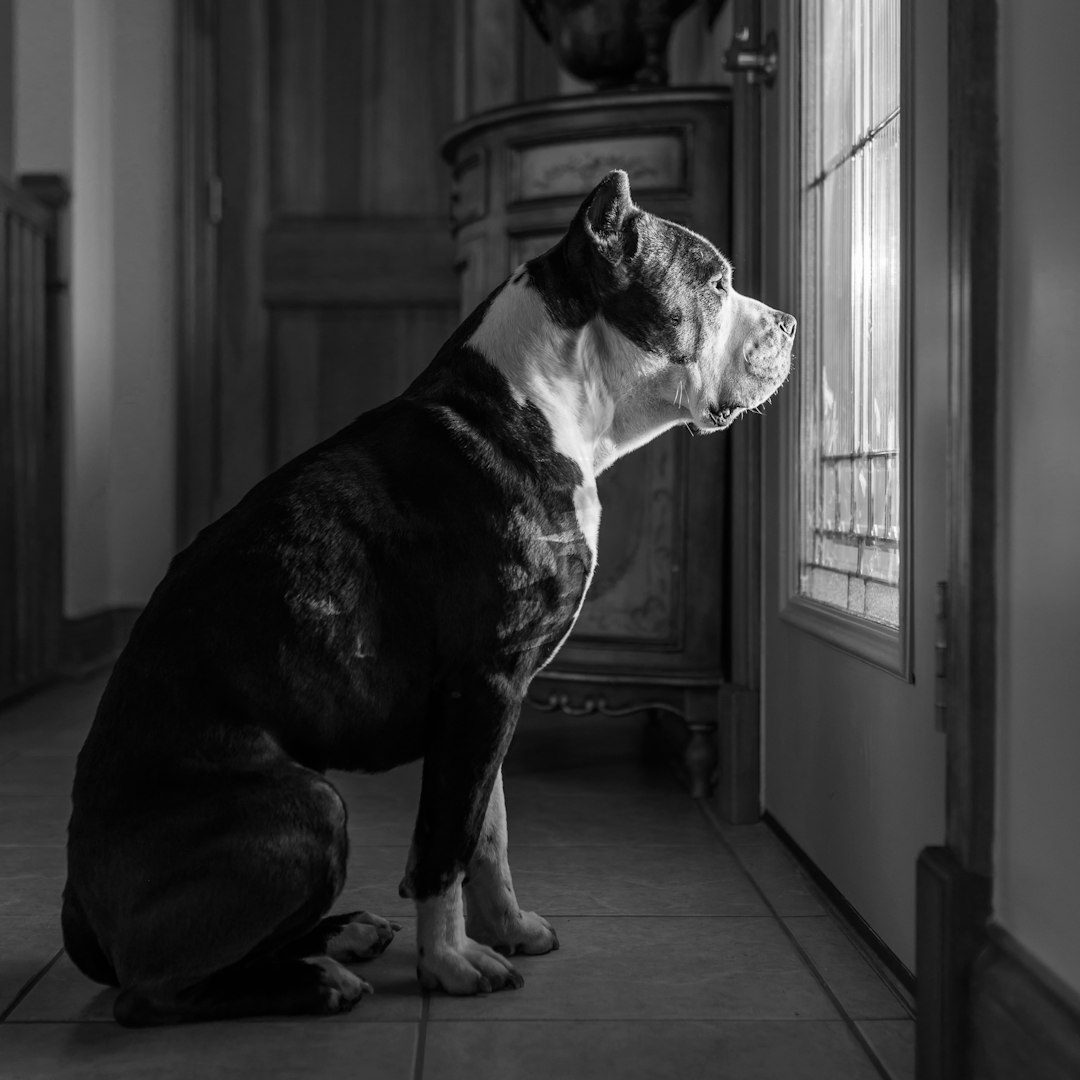
Your dog’s obsession isn’t annoying or demanding. It’s deeply biological, emotional, and honestly pretty logical when you think about it. Dogs not only get used to routines, but they thrive on them, and consistent schedules help regulate dog behavior, support healthy habit formation, and provide a sense of stability that contributes to stress reduction. They’re trying to make sense of a complex world using the tools evolution gave them, and predictability is one of their most powerful coping mechanisms.
Dogs thrive on consistency and benefit from knowing what to expect, and routines can support every aspect of your relationship with your dog, from house training to grooming to preventing some behavioral challenges and boosting canine confidence. When you honor their need for routine, you’re not just making your life easier. You’re giving them the gift of security, confidence, and peace of mind. So next time your dog stares at you at exactly dinner time, maybe give them a little credit. They’ve been counting down the hours all day, one fading scent molecule at a time.
What do you think about your dog’s relationship ? Have you noticed them anticipating certain parts of the day? Share your experiences in the comments below.


