
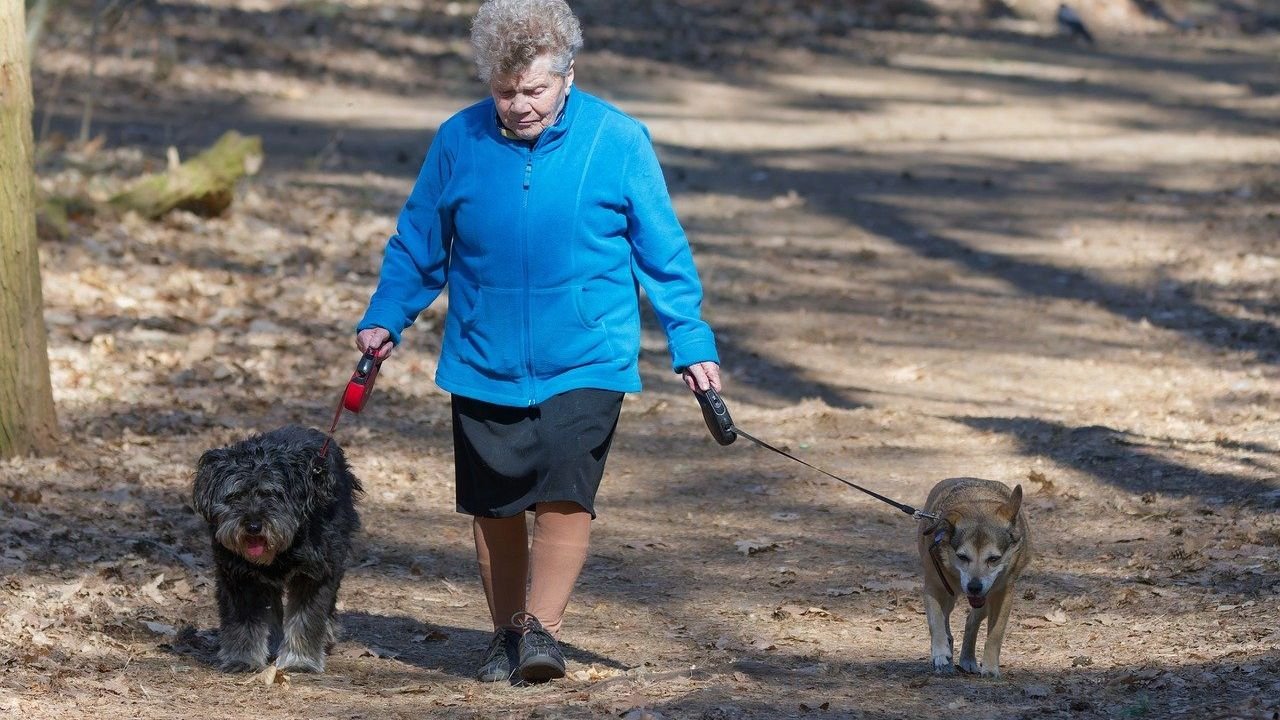
Choosing a dog later in life can be one of the most rewarding decisions you’ll ever make. There’s something profound about the bond between a senior and their canine companion. It brings structure, joy, and an unmistakable sense of purpose to days that might otherwise feel quiet or routine.
The right dog can transform your golden years into something genuinely special, offering companionship without overwhelming demands. Yet here’s the thing: not every breed fits every lifestyle. Some dogs thrive in calm homes with gentle routines, while others need constant activity and firm handling. Understanding the difference matters deeply, especially if you’re considering becoming a dog parent for the first time. Let’s explore which breeds might become your perfect match, and which ones might prove more challenging than you’d hope.
The Cavalier King Charles Spaniel: Your Devoted Lap Companion
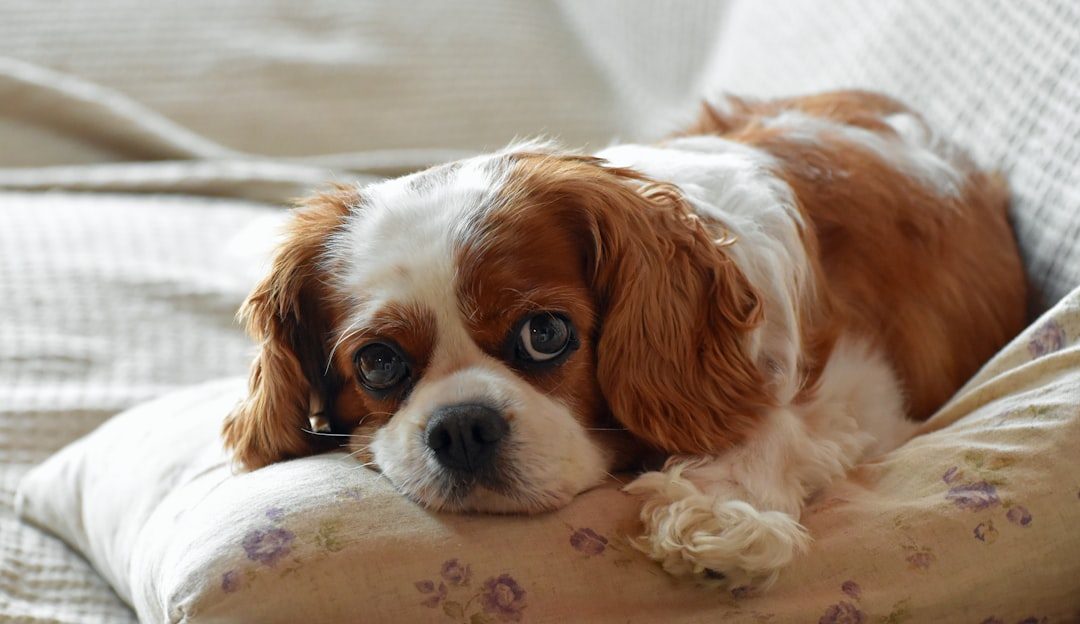
If you’re looking for one of the best dogs for older people, Cavalier King Charles spaniels should be high on your list. These spaniels like nothing more than to kiss and cuddle with their owners. Their big, expressive eyes seem to understand exactly how you’re feeling on any given day.
Cavalier King Charles spaniels have an eager to please personality, which makes them easier to train. They also only require a moderate amount of exercise, which can be good for less active seniors. A couple of short walks around the neighborhood will usually satisfy their needs. Their affectionate nature means they adapt beautifully to apartment living or smaller homes, and they’re genuinely happy just being near you.
The Bichon Frise: A Cheerful Bundle of Affection
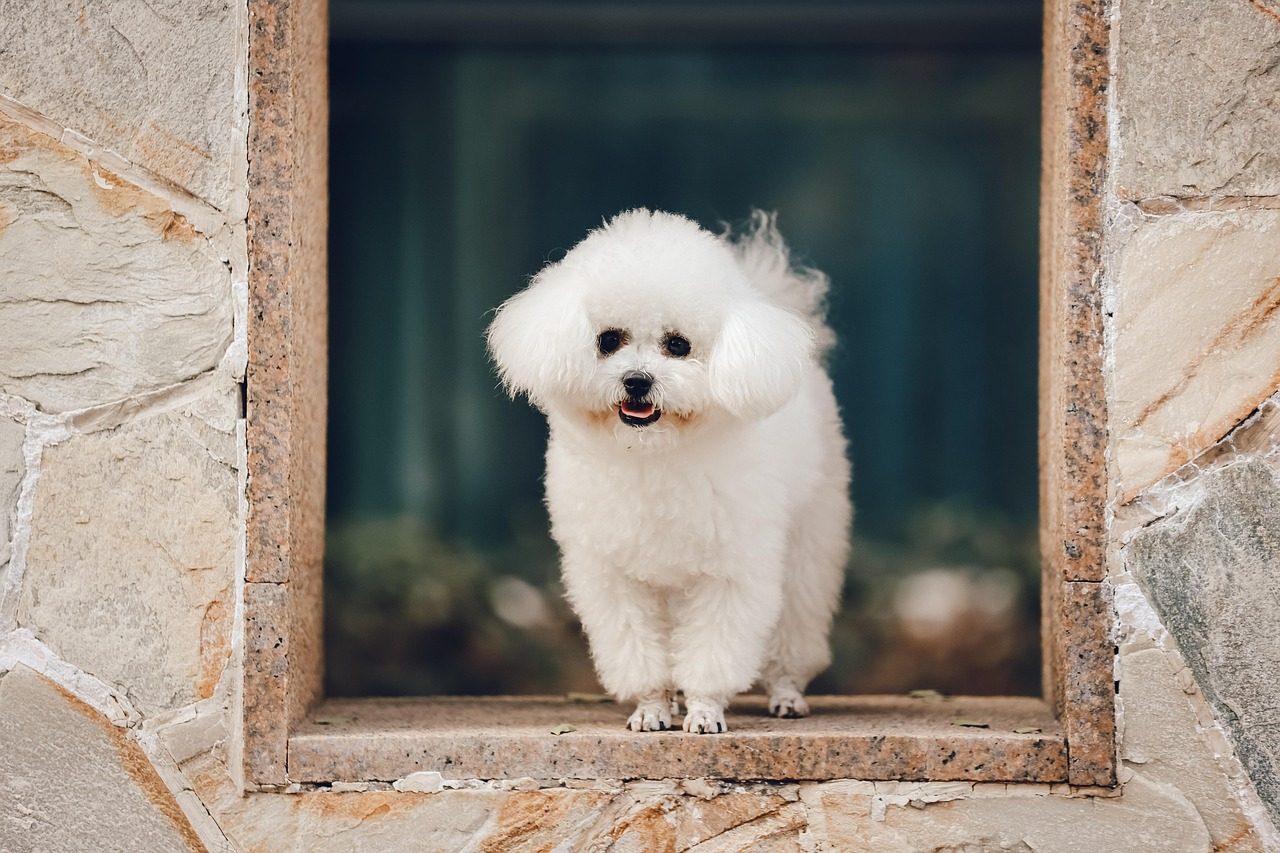
These white powder puffs of a dog are known for their sweet and friendly nature and are perfect for seniors seeking easy companionship. These low-maintenance pups aren’t difficult to potty train and don’t shed much. Their hypoallergenic coat makes them especially appealing for anyone with allergies.
Honestly, there’s something irresistibly charming about a Bichon. They are gentle and playful and they get along well with other pets and children, so you don’t need to put them in another room if the grandkids stop by. Weighing in at just seven to twelve pounds, they’re easy to handle and transport. Keep in mind they’ll need professional grooming every month or so to maintain that fluffy appearance.
The Pug: Compact Personality in a Small Package
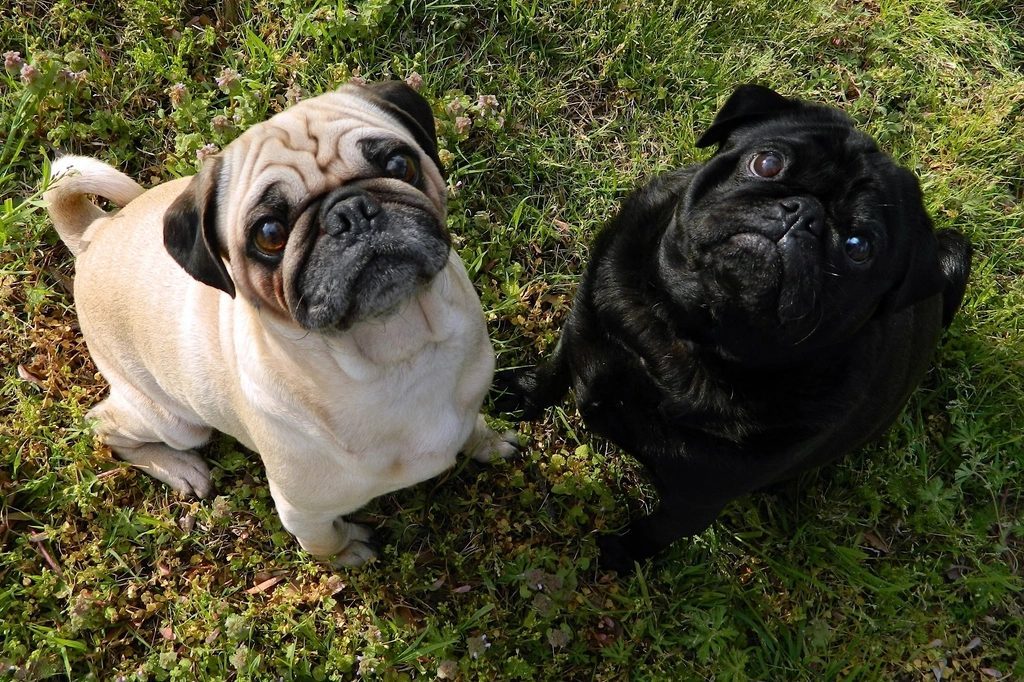
The pug’s motto is “a lot in a little” and that’s a perfect description to describe this vivacious breed. Their expressive faces and amiable dispositions make them great companions for seniors and one of the most gentle dog breeds. Pugs are wonderfully adaptable little dogs that seem content wherever you are.
Weighing between fourteen and eighteen pounds, they’re manageable yet sturdy. The short-haired, muscular dogs were bred to be companions with even temperaments. They don’t demand hours of exercise or intensive training. A couple of leisurely walks and some couch time will keep them perfectly happy. Their loyal, loving nature makes every day feel a bit brighter.
The Shih Tzu: Your Shadow in Small Form
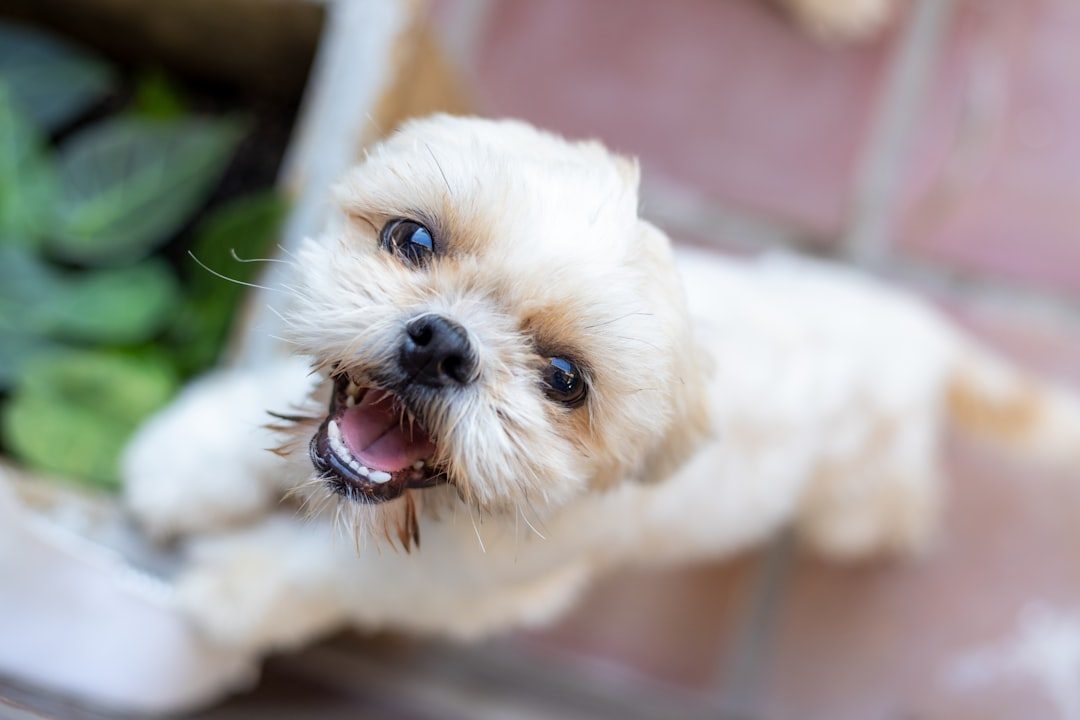
The name Shih Tzu means little lion, but the most fierce thing about this breed is their love for the owner. Shih Tzus bond very quickly with humans, making them great choices for seniors looking for a close canine companion. They seem to instinctively know when you need comfort.
They are less demanding and less yappy than other smaller toy dogs, making them a good choice for seniors who live in apartments. They are also not very energetic and only need a couple of short walks a day, making them perfect for non-active seniors. Their coat does require regular brushing if kept long, though many owners opt for a shorter puppy cut that’s easier to maintain. These dogs genuinely want nothing more than to be by your side.
The Greyhound: The Surprising Couch Potato
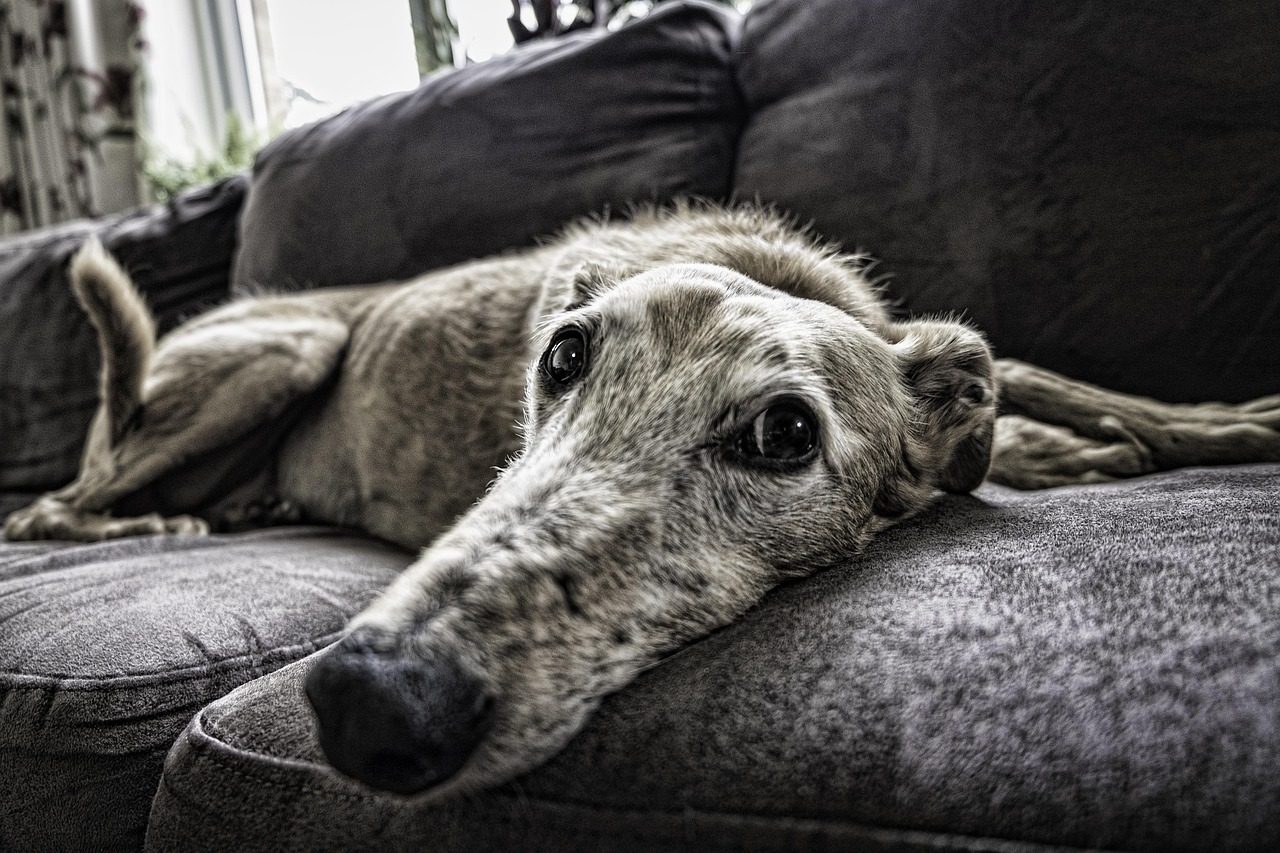
I know what you’re thinking: aren’t greyhounds racing dogs? Once retired, these elegant dogs become some of the calmest and most affectionate dogs you could ever meet. Despite their track-star reputation, they are total couch potatoes at home. They adore soft beds, gentle affection, and quiet company.
With their lean bodies, flexible spines, and long legs, greyhounds are known for their athletic ability and for being the fastest dog breed. Their gentle and sensitive temperament and minimal grooming needs make them one of the best dogs for seniors. After a quick sprint in a fenced area, they’re ready to relax for hours. Their short coat requires minimal grooming, and their calm demeanor makes them unexpectedly perfect for peaceful homes.
The Jack Russell Terrier: High Energy in a Small Body
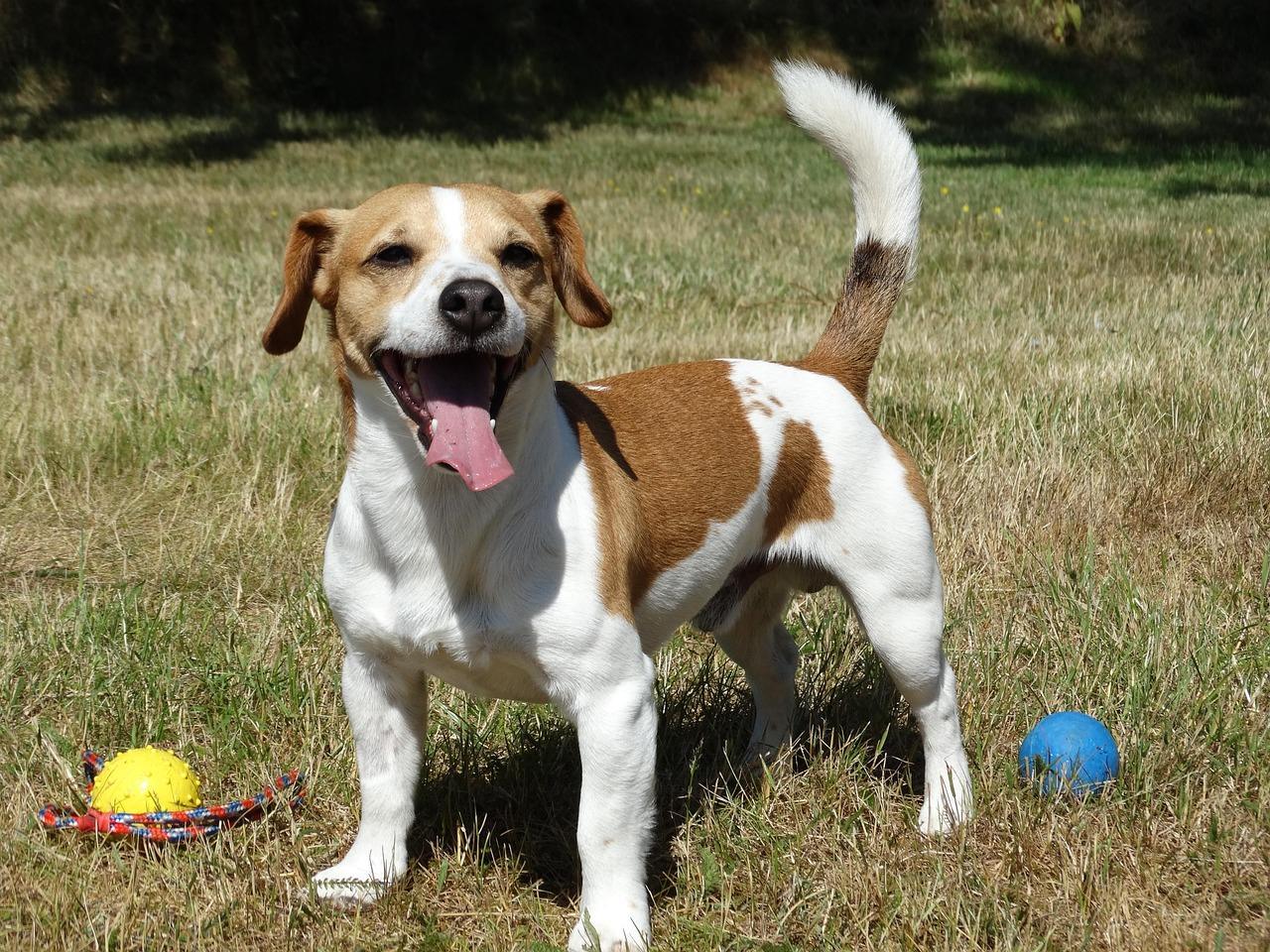
Jack Russells are easily one of the most high-energy terrier breeds, and they’re known to be mouthy, alert, and reactive. These little dogs are fierce and not only require lots of exercise but also are not interested in being lap dogs. Their size can be deceiving.
Jack Russells can be challenging to train, including at potty time. Without strict schedules and rigorous consistency, Jack Russells might permanently mark or use the bathroom in the house. Jack Russells also require a lot of exercise and they are diggers. These terriers need constant mental stimulation and physical activity that can exhaust even experienced owners. Their intense personalities and stubborn streaks make them poorly suited for first-time senior dog owners seeking a relaxed companion.
The Australian Shepherd: The Relentless Herder
This herding breed is always on the move. They need at least an hour of daily exercise, including walks, runs, bike rides, hikes, backyard games, or canine sports. Seniors may find it hard to match this level of activity. These dogs were bred for endurance work on ranches.
Their intelligence is remarkable, yet that same intelligence means they’ll become bored and destructive without constant engagement. Australian Shepherds have a beautiful, thick coat that sheds heavily twice a year. Weekly brushing is a must to prevent matting and control loose hair. The combination of high energy, demanding grooming needs, and intense mental stimulation requirements makes them overwhelming for seniors wanting a calm home environment.
The Border Collie: The Workaholic Canine
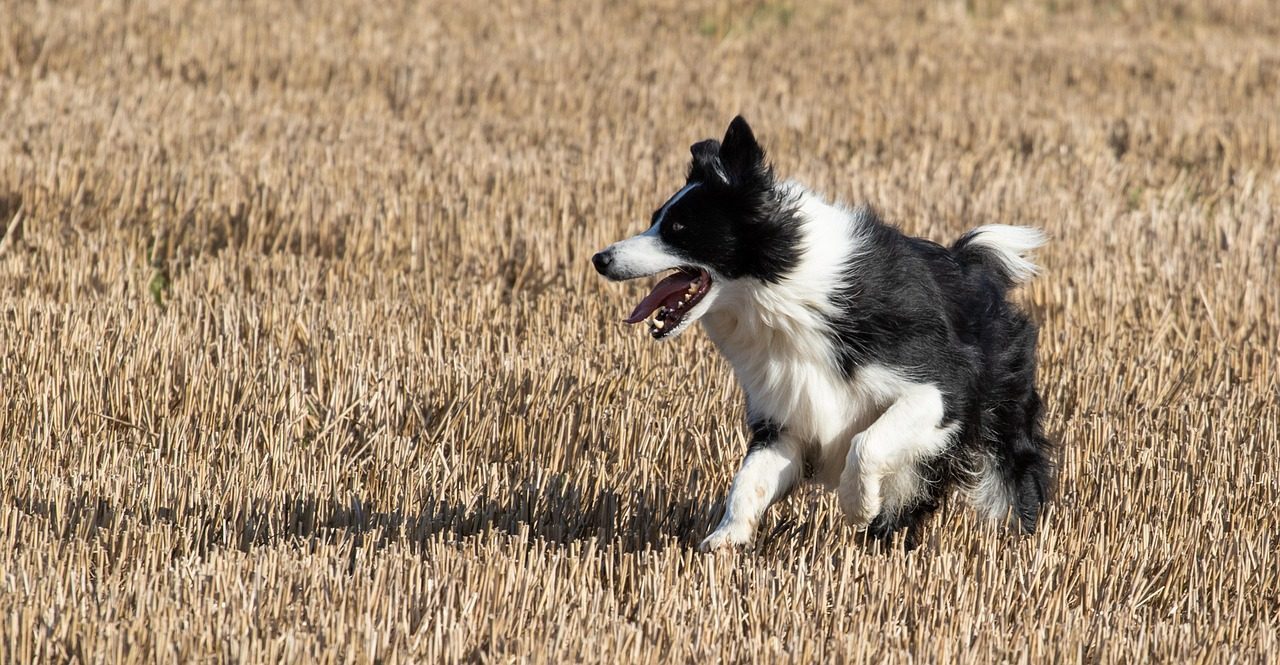
Known for their intelligence and high energy, Border Collies require extensive exercise and mental stimulation. Without enough activity, they can become bored and exhibit destructive behaviors. These are working dogs through and through.
They need at least two hours of vigorous daily exercise and ongoing mental stimulation, or they may become restless or destructive. Even with moderate grooming needs, the combination of high energy, sharp intellect, and constant activity demands makes them difficult to manage for seniors seeking a calm, low-maintenance companion. Their herding instincts can also lead to nipping behaviors. For first-time senior owners, this breed presents far too many challenges.
The German Shepherd: Strength and Intensity Combined
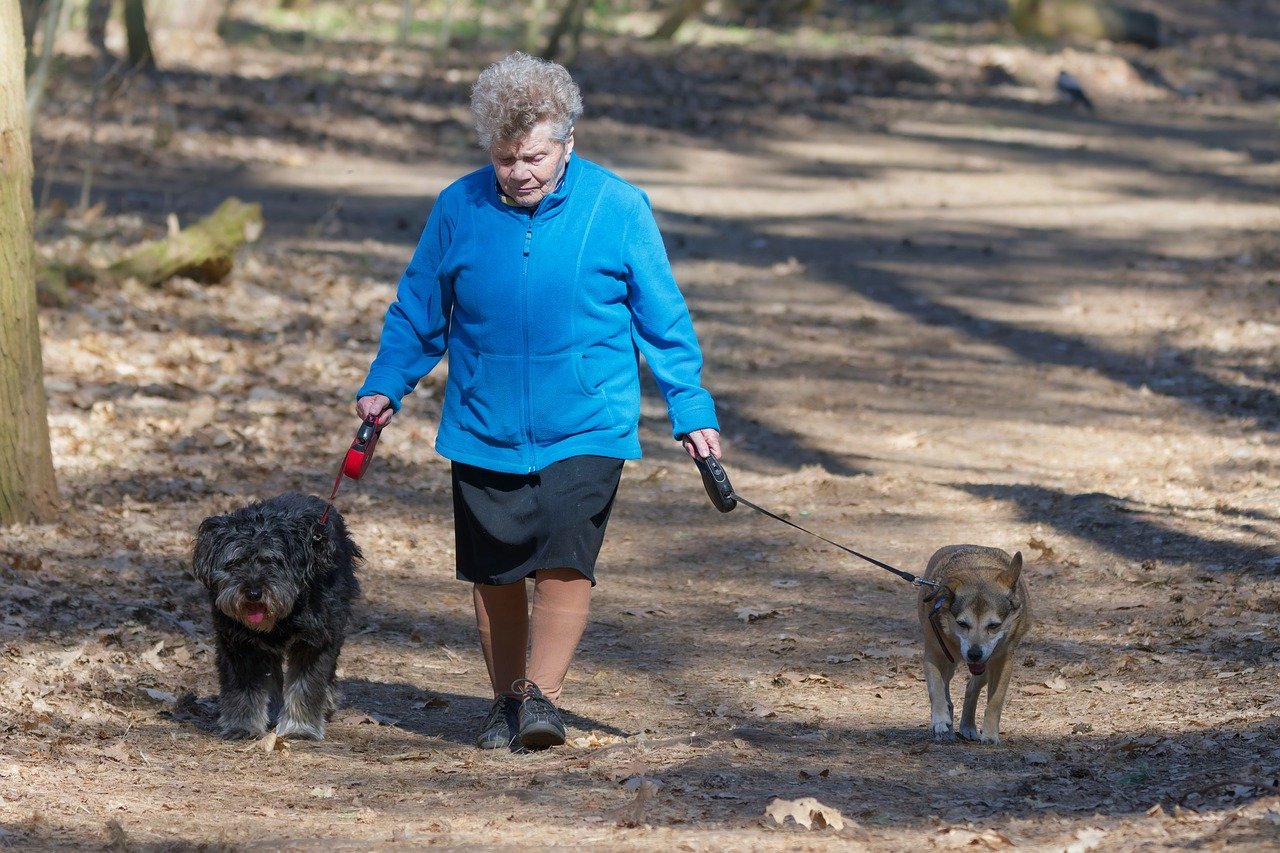
German Shepherds are alert, high-energy, protective dogs that require extensive training and hours of daily exercise, rough play, and mental stimulation. Their size alone can be intimidating for those with limited physical strength.
They need regular exercise and mental stimulation, which may be difficult for seniors to manage. They’re large dogs with a muscular frame, and their strength can be overwhelming, especially during walks or in tight spaces. Their protective instincts, while admirable, require experienced handling to prevent aggression issues. For a first-time senior owner seeking peaceful companionship, German Shepherds demand too much physical capability and training expertise.
The Siberian Husky: Beautiful but Demanding
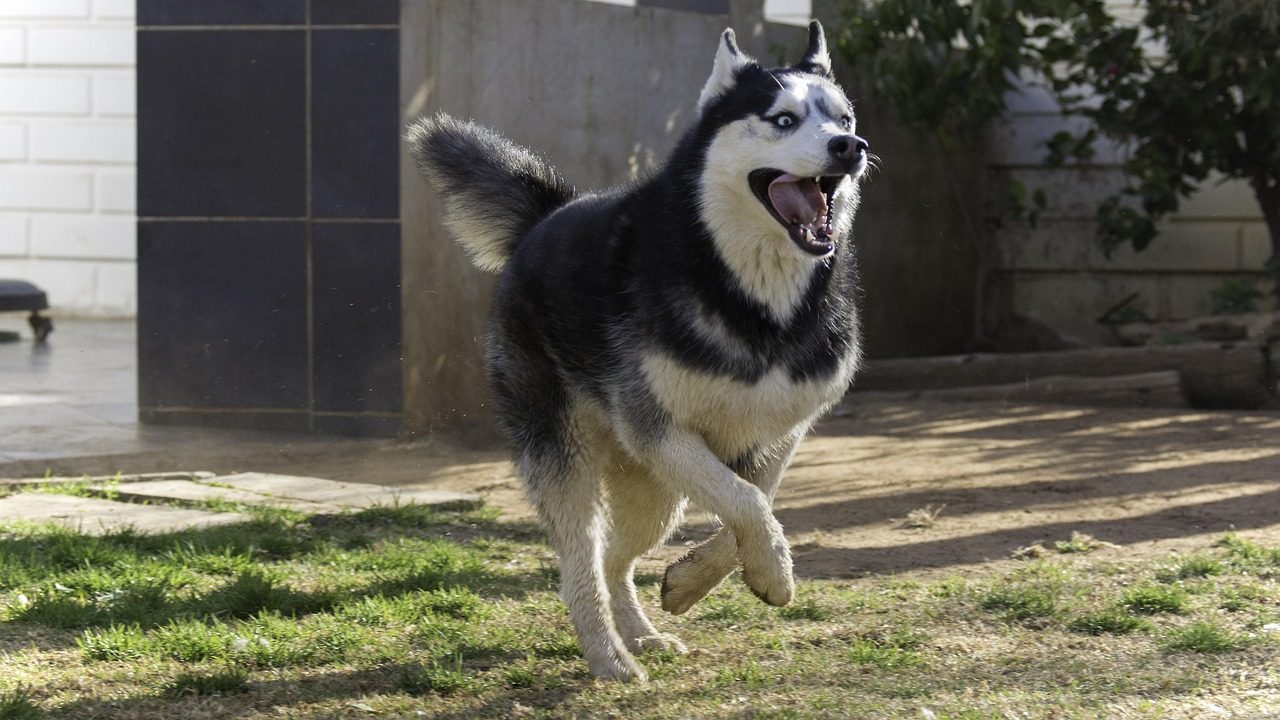
Siberian Huskies are spirited, intelligent, and playful dogs with a striking wolf-like appearance. Outgoing and affectionate, they thrive on activity and adventure. Independent and clever, Huskies love mental challenges and physical exercise. Their beauty is undeniable.
Huskies are very active and known for their independent nature. Their thick coat requires regular grooming, and their need for exercise might be too demanding for seniors looking for a more laid-back companion. They’re also notorious escape artists with strong prey drives. The vocal howling, intense grooming needs, and relentless energy make Huskies far too challenging for most seniors, especially those new to dog ownership.
Finding Your Perfect Match: A Thoughtful Conclusion
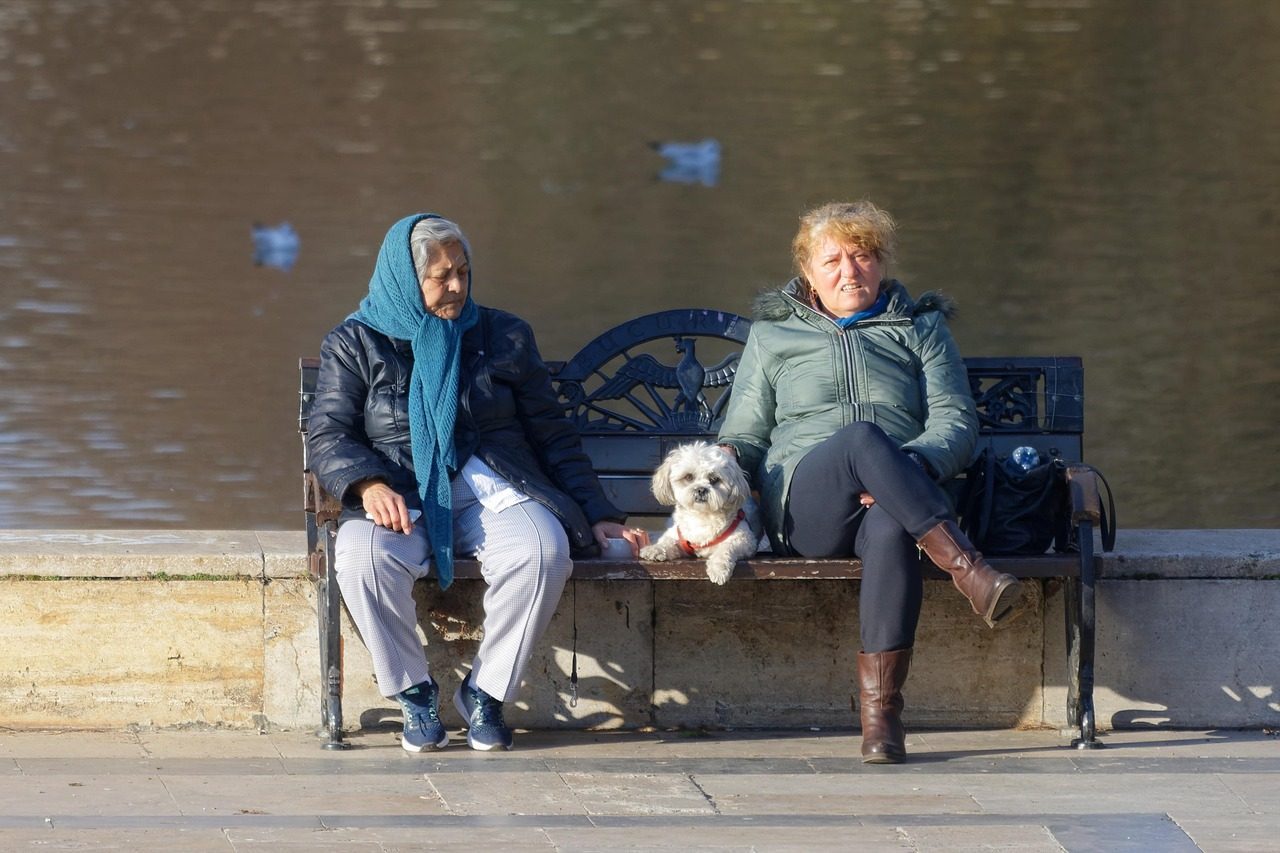
Having a dog appears to lower the risk of high blood pressure and improve blood pressure control. Pet ownership may foster positive feelings such as decreased stress and habits such as daily walks that may improve heart health. The benefits are genuinely life-changing for seniors.
Choosing the right breed isn’t about finding the cutest dog or following trends. It’s about honest reflection on your lifestyle, physical abilities, and what you truly want from companionship. Gentle breeds like Cavaliers, Bichons, Pugs, Shih Tzus, and even retired Greyhounds offer love without overwhelming demands. Meanwhile, high-energy breeds like Jack Russells, Australian Shepherds, Border Collies, German Shepherds, and Huskies require commitments that can strain even the most dedicated first-time senior owners. Be realistic, seek guidance from breeders or rescue organizations, and remember that adopting an adult dog often provides a calmer, already-trained companion. The right match will enrich your life immeasurably. What kind of companion speaks to your heart?


