
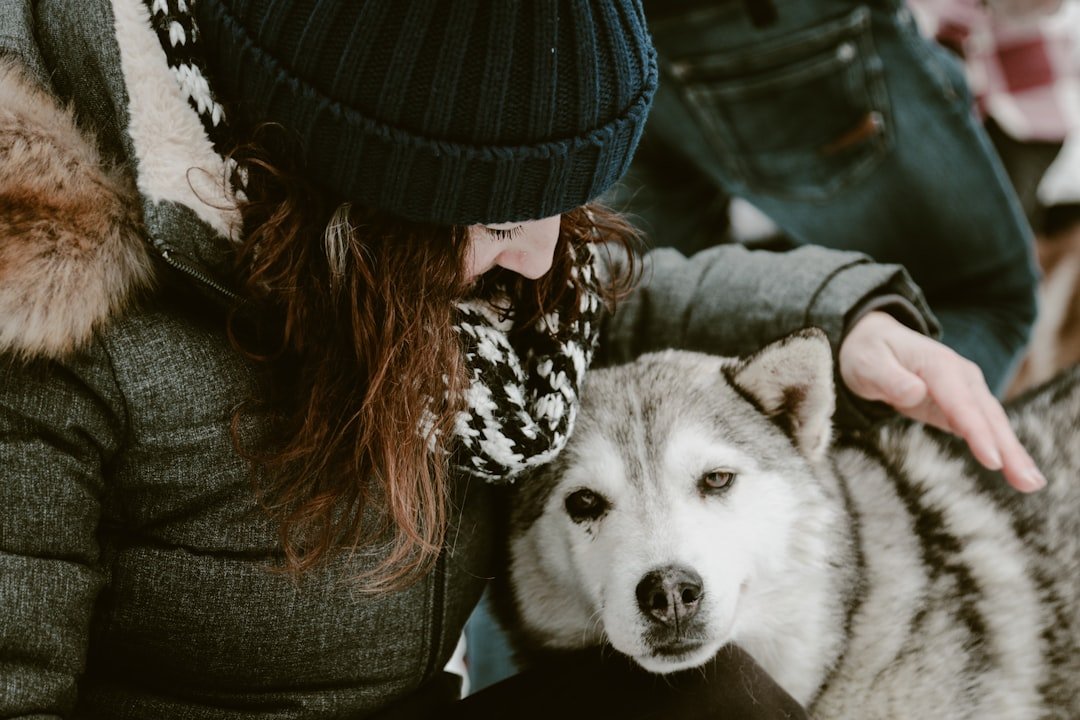
You know that feeling when you close the bathroom door and suddenly there’s a wet nose pushing underneath it? Or maybe you’re the opposite – you’ve got a pup who’d rather nap in the corner than follow you around the house. Dogs come with all kinds of attachment styles, and honestly, it’s fascinating how much breed can influence whether your furry friend becomes your shadow or prefers their own space.
Some dogs were bred to work independently, making decisions without human input, while others were specifically designed to be constant companions. Understanding where your dog falls on this spectrum can help you meet their emotional needs better and set realistic expectations. Let’s dive into the breeds that march to the beat of their own drum, and then we’ll talk about those adorable clingers who can’t bear to be more than three feet away from you.
1. The Akita: Dignified and Self-Assured
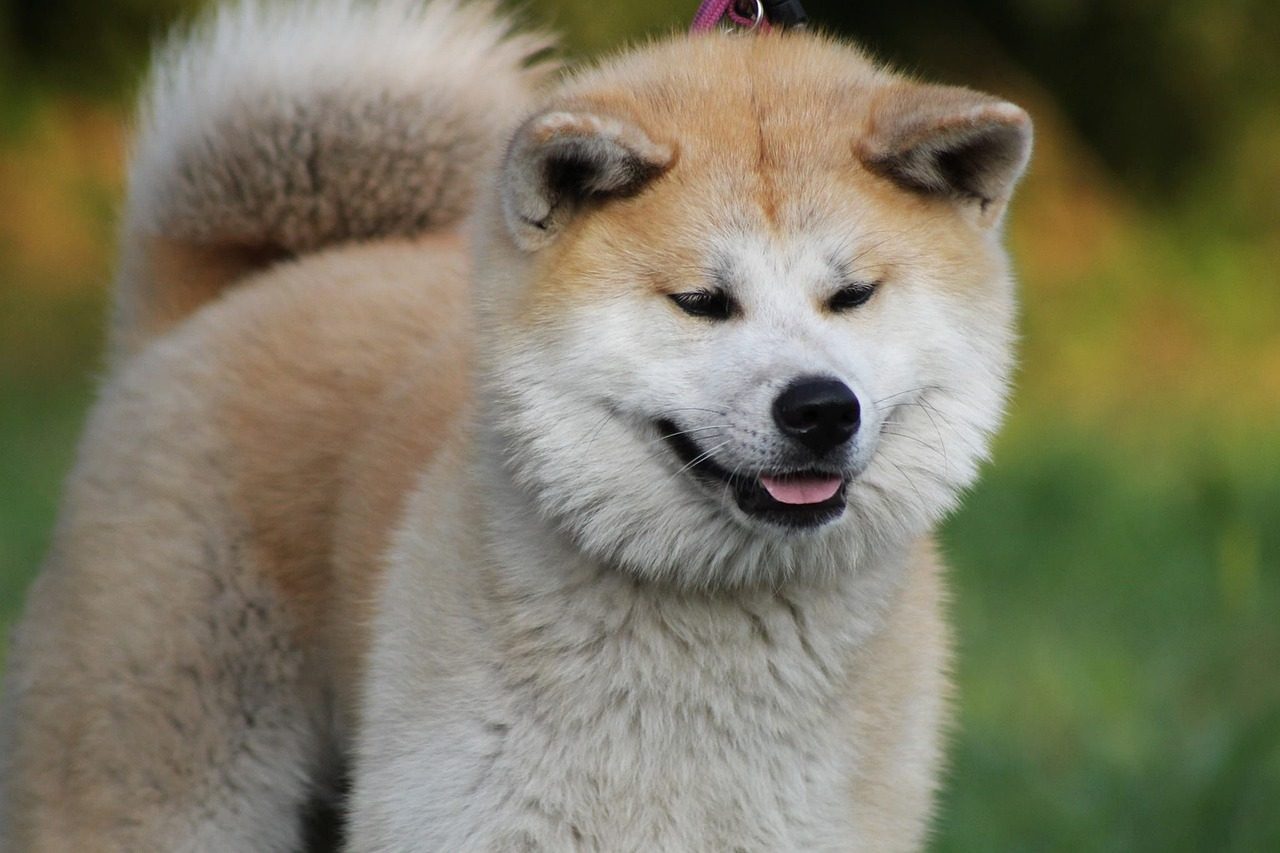
The Akita is a powerful and dignified breed from Japan, revered for its loyalty and courage, originally used for hunting large game and guarding royalty, known for their reserved and introspective personality. These dogs form deep bonds with their families but they’re not the type to demand constant attention or follow you from room to room. They’re more likely to keep a watchful eye from across the room.
Akitas are not overly demanding of attention and appreciate having time to themselves, reflecting their independent spirit. That said, they still need daily interaction, proper socialization, and firm, consistent training. Historically, breeds like the Akita have been trained as guard dogs, which required them to think independently, and this natural independence is still present today.
2. The Shiba Inu: The Cat-Like Canine
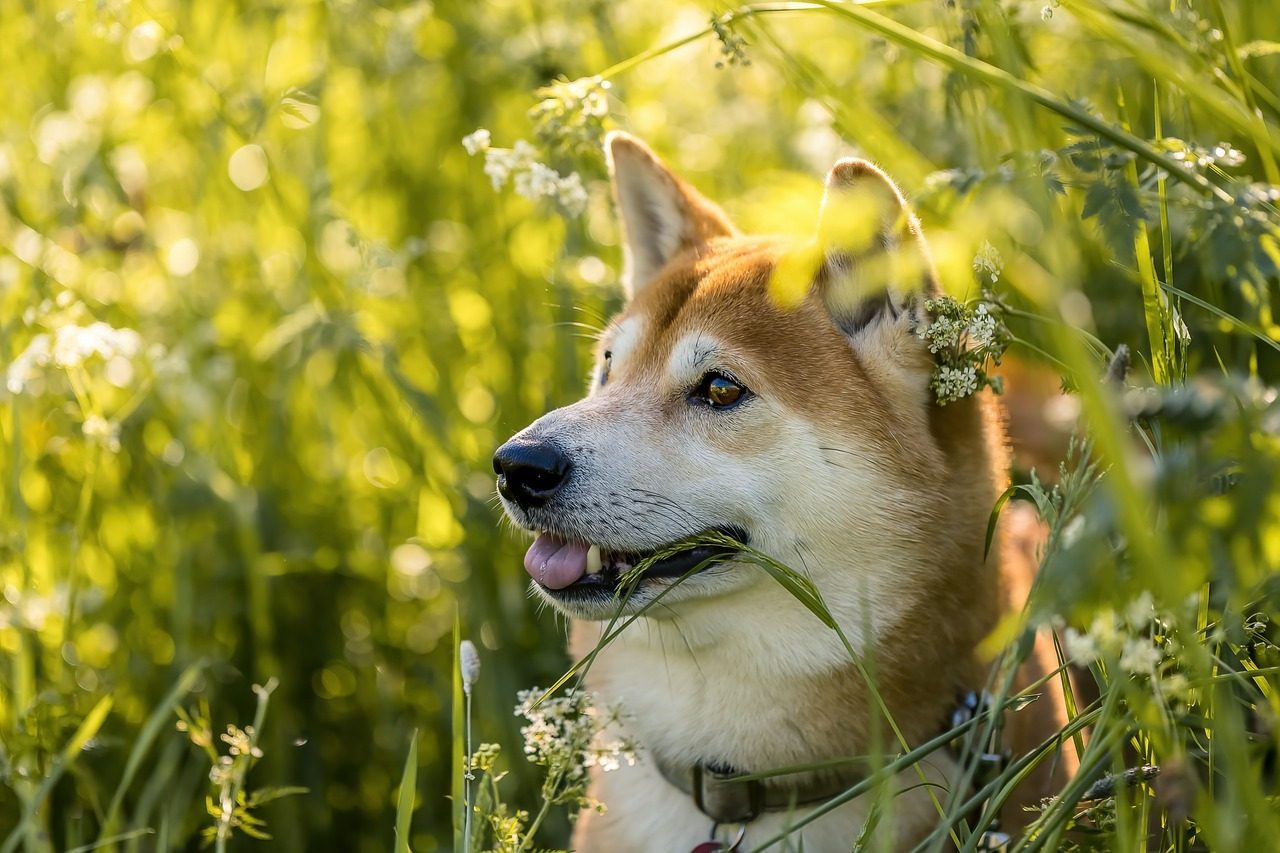
The Shiba Inu is an intelligent and strong-willed dog with an almost cat-like personality, independent and enjoying their own space, but also high-energy and needing outlets for physical and mental energy. They’re popular in Japan for good reason – these spirited little dogs have a mind of their own and aren’t afraid to use it.
Known to be inherently loyal and independent, they are not needy dogs and have a reputation for not being overly affectionate, but that is balanced by being happy in their own company. Think of them as roommates rather than clingy partners. They’ll hang out with you on their terms, which makes them perfect for people who respect a dog’s need for personal space.
3. The Basenji: The Barkless Wonder
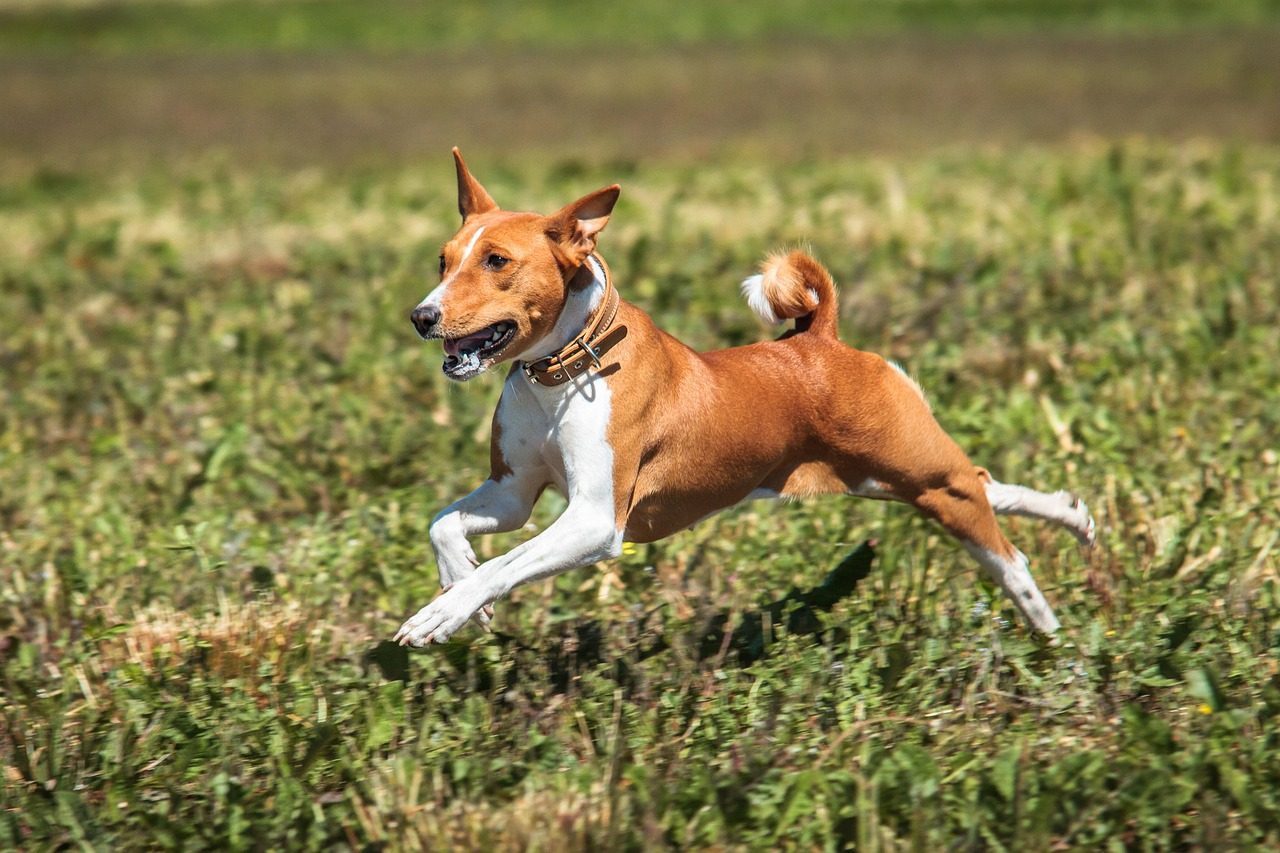
Here’s something different. The Basenji is a unique breed, often called the “barkless dog” for its unusual vocalization – instead of barking, this dog makes a sound that’s more like a yodel. The Basenji is a highly independent breed that hails from Africa, known for their self-sufficiency, intelligence, and cat-like cleanliness, also famous for being “barkless” and often communicating through yodel-like sounds.
This breed tends to be reserved and prefers to make its own decisions, which can sometimes challenge training efforts, and Basenjis are clean, quiet, and can often be found grooming themselves much like a cat. They’re fascinating companions who value their independence while still being affectionate – just don’t expect them to be needy.
4. The Afghan Hound: Elegance with Aloofness
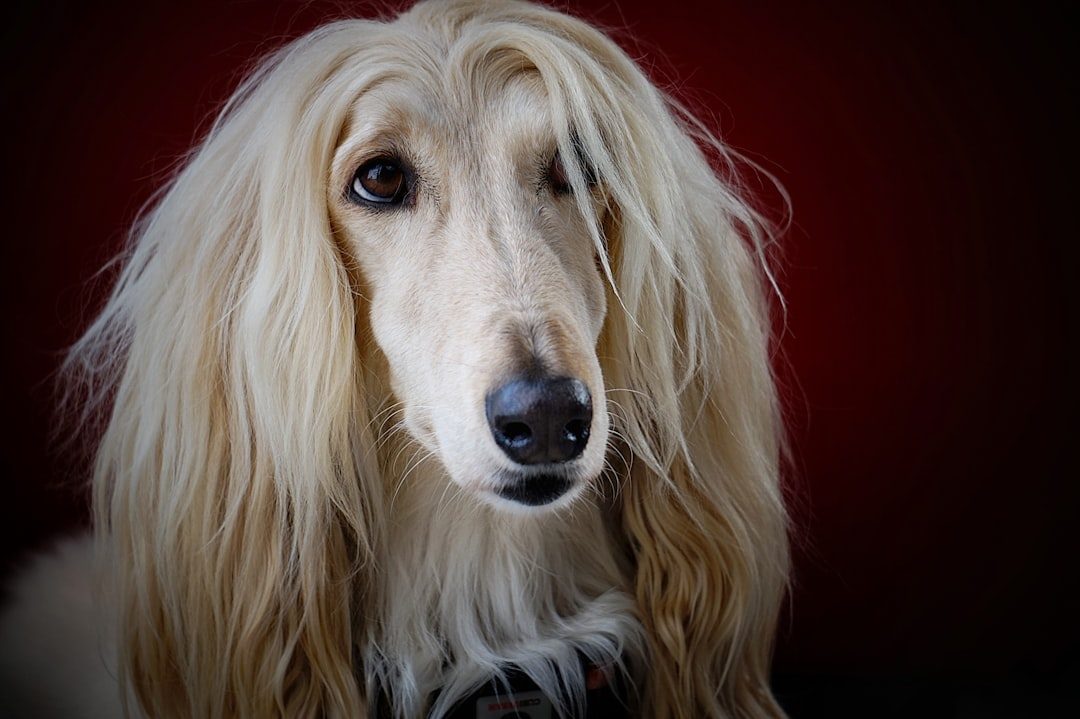
These elegant beauties give the impression of being able to “take it or leave it” when it comes to interaction with their humans, dignified and alert, often seeming to have their attention distracted by almost anything else. They’re stunning to look at, but they’re not the type to shower you with constant affection or greet you at the door like you’ve been gone for years.
Getting and giving love is on their terms. The Afghan Hound, with its elegant appearance and dignified demeanor, is as independent as it is beautiful, originally bred for hunting in the mountainous regions of Afghanistan where their independence was a necessity. If you’re looking for a dog who respects boundaries, this might be your match.
5. The Chow Chow: The Aloof Guardian
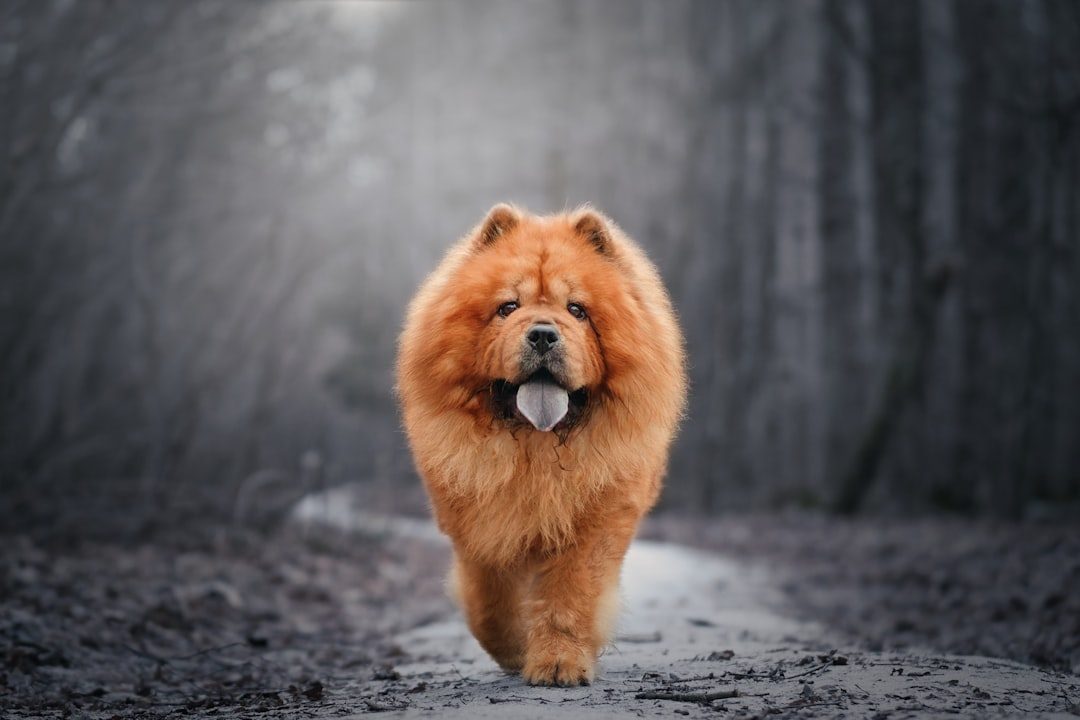
Historically, the Chow Chow worked as a guardian and hunter in ancient China, and this working heritage, combined with the dogs’ calm disposition, makes the Chow Chow one of the most independent dog breeds. They look like giant teddy bears, but don’t be fooled – they’re not particularly interested in cuddling.
Looking like a giant teddy bear, the Chow Chow seems like it would be great to cuddle with, however, it’s really not much for snuggling and physical closeness, and like a cat, it would rather not be hugged. Quiet and independent, they are fine with being left home alone. They’re loyal to their families but keep their emotions close to the chest.
6. The Greyhound: Calm and Content
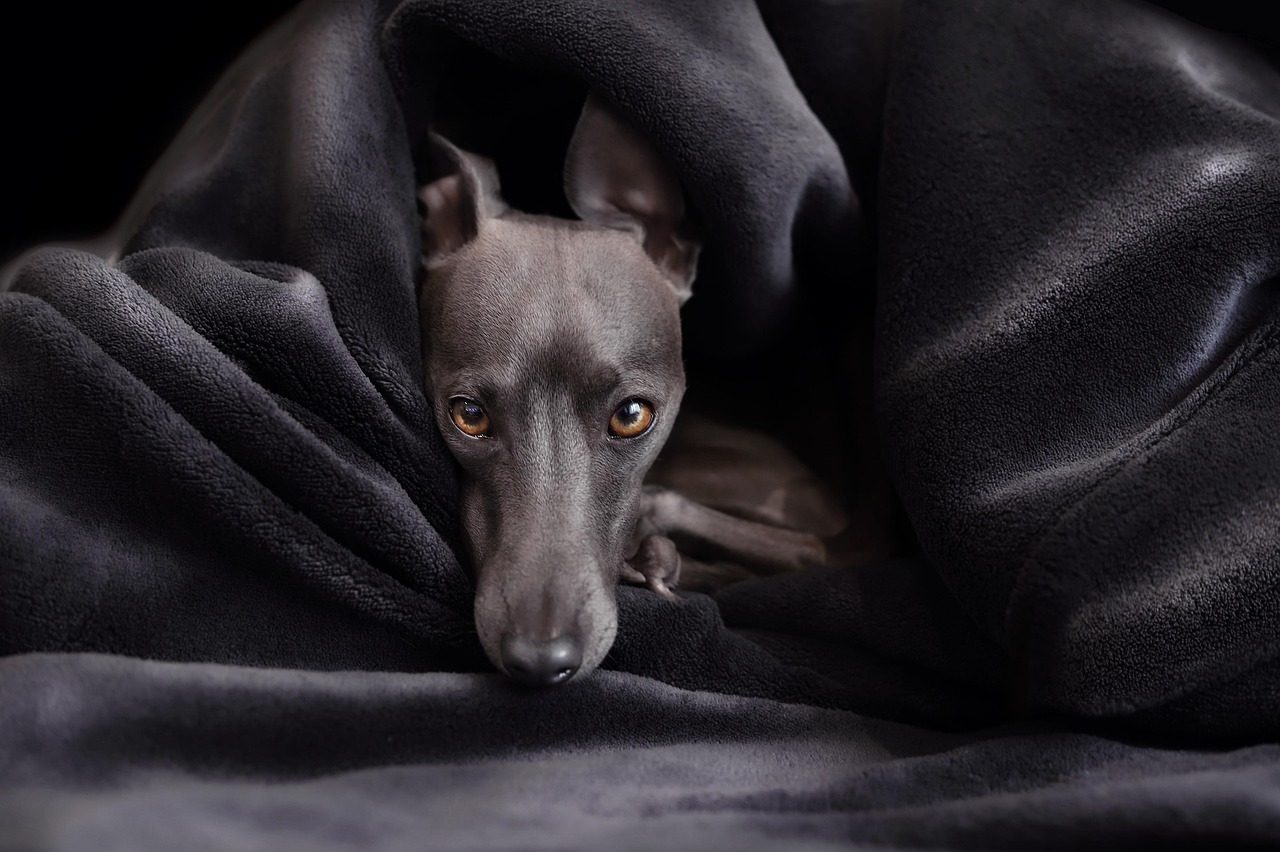
You might think racing dogs would be high-strung, but retired Greyhounds are surprisingly laid-back. Greyhounds are independent but still form healthy bonds with their owners, finding it easier to relax on their own and tending to spend most of the day napping. They’re gentle giants who don’t require constant interaction.
Although large dogs, older adult Greyhounds no longer require a daily run. They’re perfectly content to lounge around the house while you’re at work, then enjoy a nice walk when you get home. It’s a pretty sweet deal if you ask me.
7. The Basset Hound: The Easygoing Napper
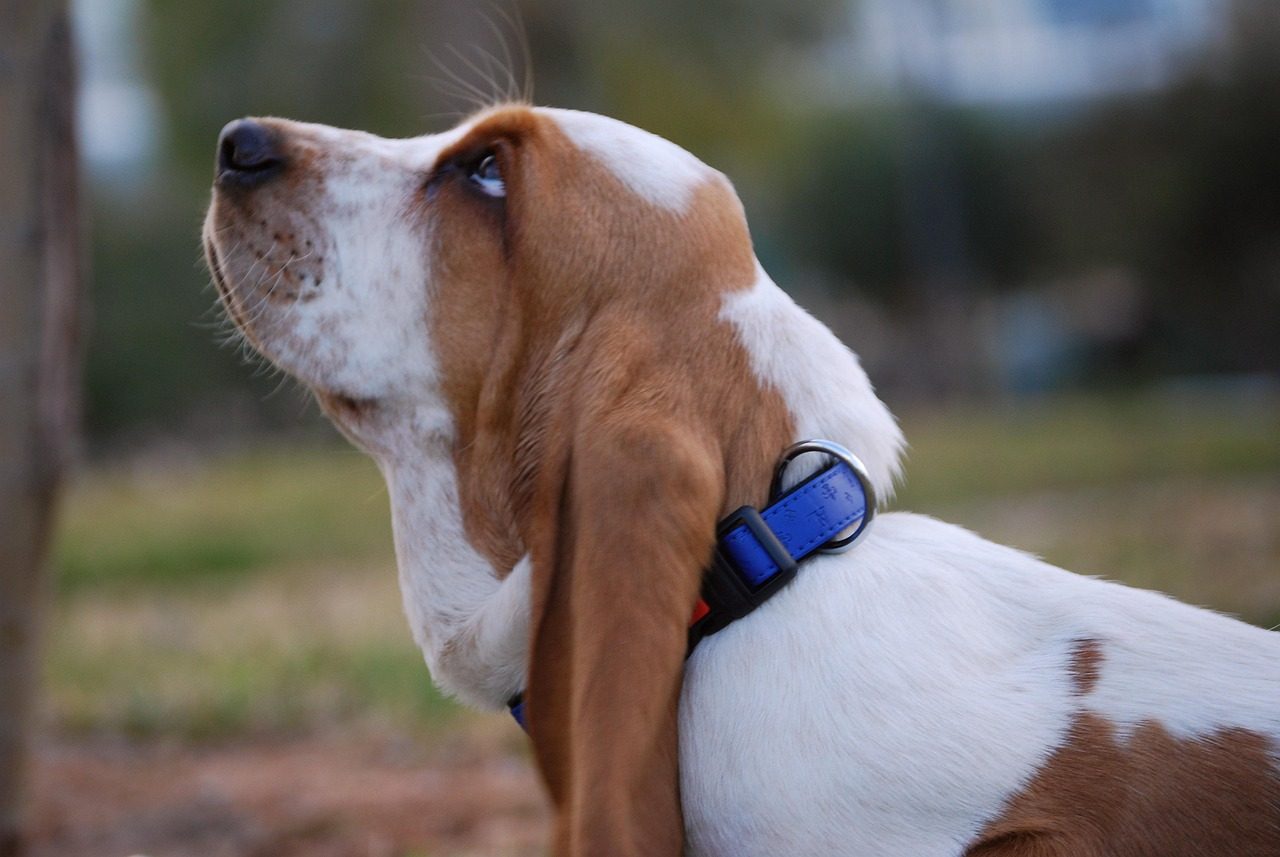
The Basset Hound is considered to be a low-energy dog breed thanks to their calm, easygoing personality that borders on being lazy, and as a result, most Basset Hounds are independent dogs that don’t mind some solo time, which they’ll likely choose to spend napping. These droopy-faced sweethearts are content to catch some sleep while you’re away.
The basset is a droopy gentleman content to catch some sleep on his bed while you’re at work, not needing a ton of fuss or exercise, preferring a leisurely stroll over raucous play most days. They might follow you around occasionally, but it’s more about curiosity than neediness. Just watch their weight – they’re prone to packing on pounds if they become too sedentary.
8. The Chinese Shar-Pei: The Watchful Protector
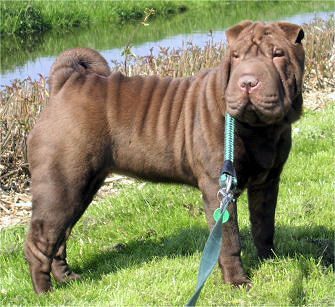
Chinese Shar-Pei dogs are another breed originally bred for hunting and guarding, giving them an independent personality that still shows through today. Those adorable wrinkles hide a confident, self-assured dog who doesn’t need constant reassurance from you.
As a watchdog at heart, this wrinkly pooch doesn’t need to be doted on around the clock and is just as happy to keep an eye out for trouble while you’re away as by your side. They’re adaptable and can handle alone time without falling apart. Just remember they need special care for all those skin folds – regular cleaning is essential to prevent irritation.
9. The Alaskan Malamute: The Quiet Worker
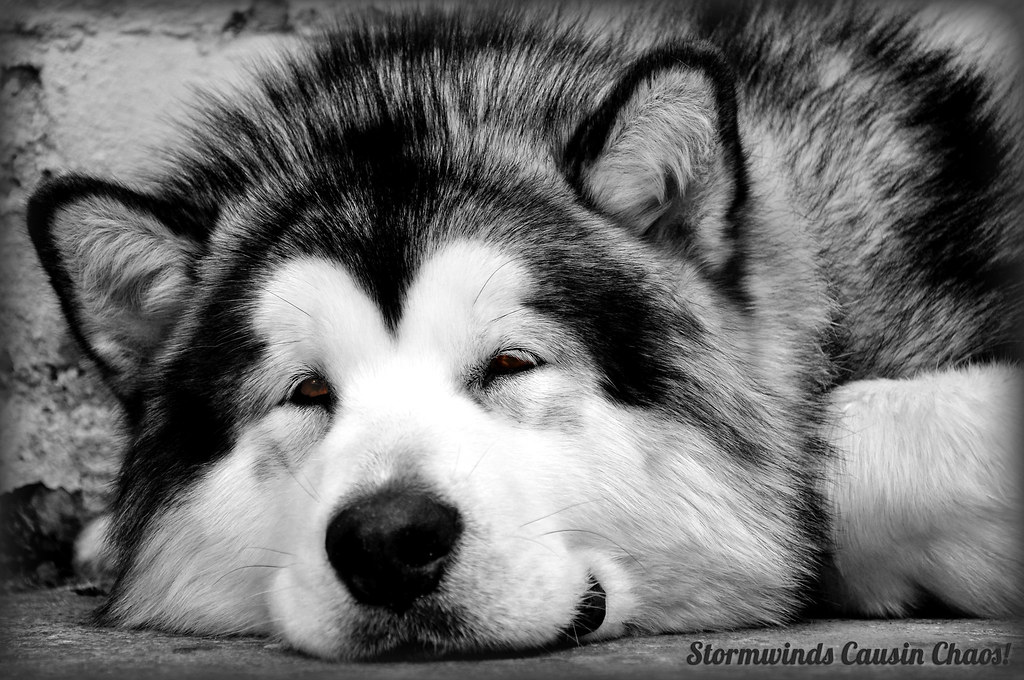
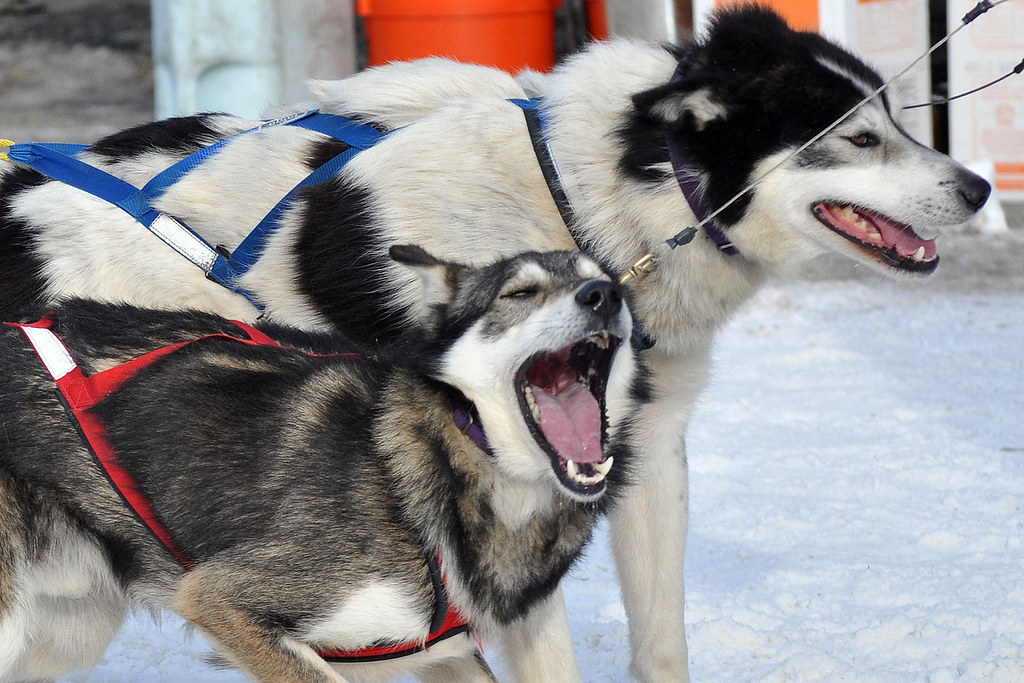
Used for dog-sledding and hauling in cold environs, these hard-working, heavy-coated large dogs have been welcomed into warm family life but haven’t changed their personalities from self-contained and the opposite of needy, preferring to hang out on the floor with a quiet temperament that is soothing and peaceful. Malamutes were bred to work independently in harsh conditions, and that streak remains today.
These dogs are strong-willed and intelligent, which can sometimes come across as stubborn. They love their families but don’t need to be glued to your side every second. They’re happy doing their own thing as long as they get adequate exercise and mental stimulation.
10. The Lhasa Apso: Small but Self-Reliant
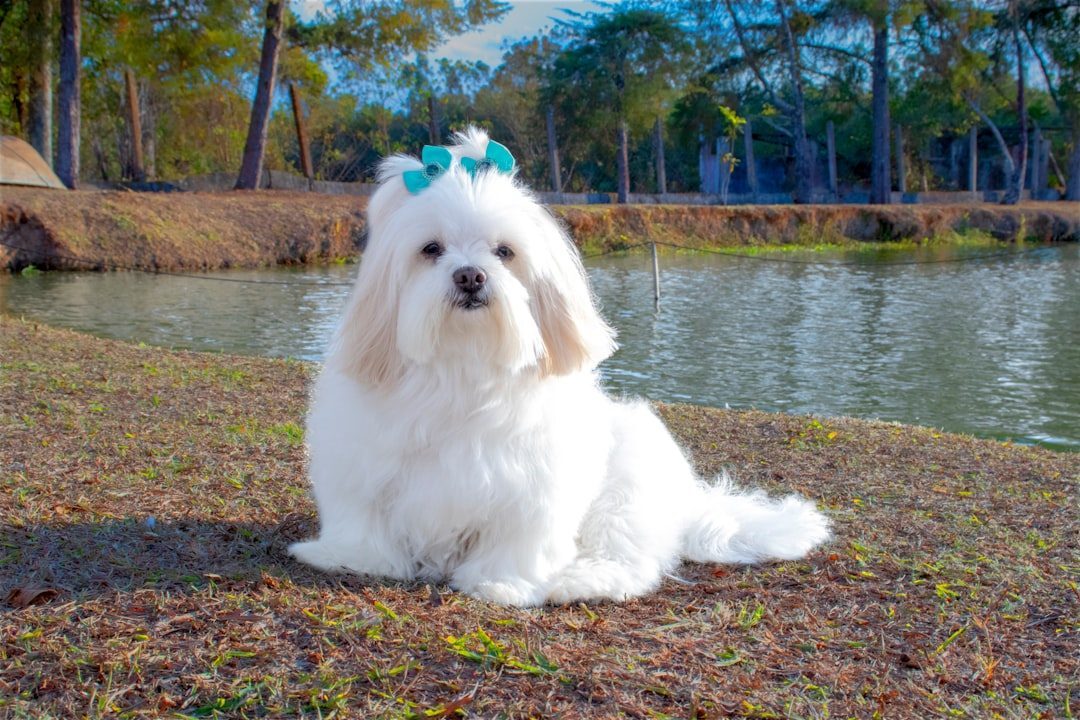
Don’t let the small size fool you. The Lhasa Apso breed was originally bred to guard Tibetan temples and monasteries, which may explain their independent nature – they are small but bold dogs that require only a moderate amount of exercise to stay healthy, making them a good option for owners who need to be out of the house for extended periods.
They are playful and inquisitive, but are independent enough not to mind being let to their own devices, though that independent spirit means that although they will readily learn all your commands, they’ll only obey when it suits their own purposes. They’re confident little dogs with big personalities who know their own minds.
11. The Vizsla: The Ultimate Shadow Dog
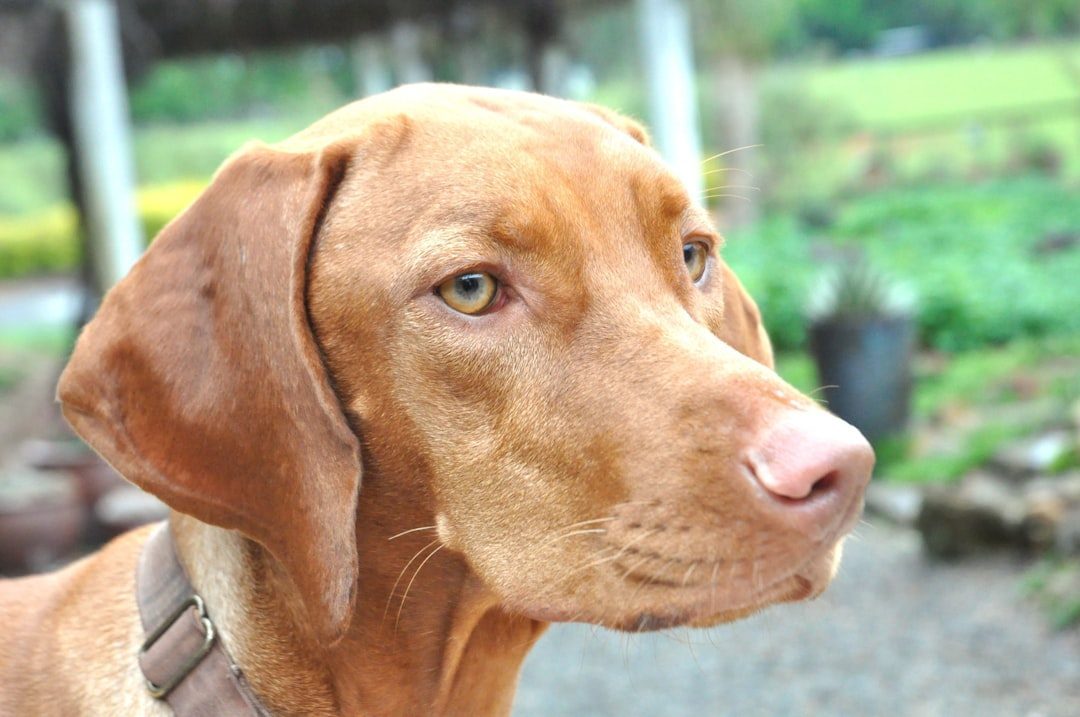
Now let’s shift gears completely. With their athletic builds and serious expressions, Vizslas may not seem to be Velcro material, but looks can be deceiving – the hunting breed is widely recognized to be among the most dependent on human companionship and should not regularly be left alone, often called perhaps the clingiest dog breed, rarely leaving their owners’ sides.
Known as the ultimate Velcro dog, this Hungarian breed is literally attached to their owner and is happiest when right by your side, bred for falconry with tons of energy, best for people who enjoy active lifestyles and will be your wingman for hiking, swimming and hunting, and loyal cuddle buddy too. If you want a dog who’s always within arm’s reach, this is your breed.
12. The Golden Retriever: America’s Lovable Cling-On
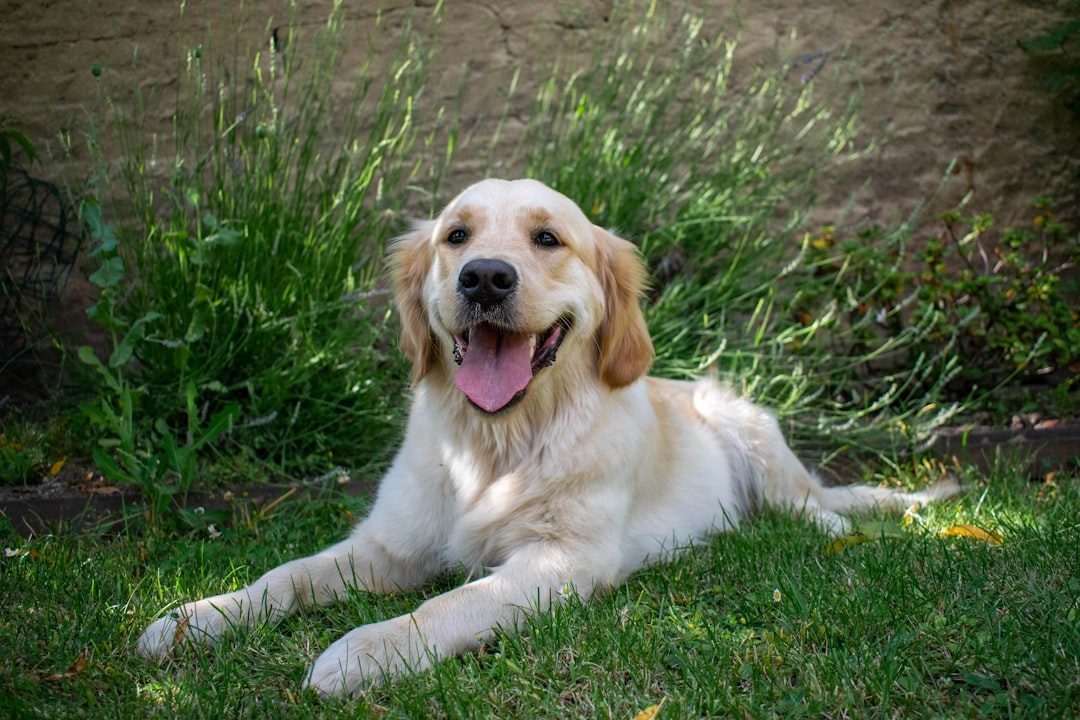
Endlessly affectionate and famously friendly, the Labrador Retriever, one of the most popular breeds in the United States, is known, but many people don’t realize that this social butterfly can be on the needy side, and can be surprisingly clingy, loving to snuggle with their humans and often referred to as Velcro dogs.
Golden Retrievers are similar in temperament. Golden Retrievers are family-oriented dogs that love to be with their family as much as possible, which can make them seem clingy, needy, or like Velcro dogs if they don’t get enough exercise or mental stimulation throughout the day. They thrive on human companionship and aren’t shy about demanding your attention with those soulful eyes.
13. The Cavalier King Charles Spaniel: Bred to Be a Lap Dog
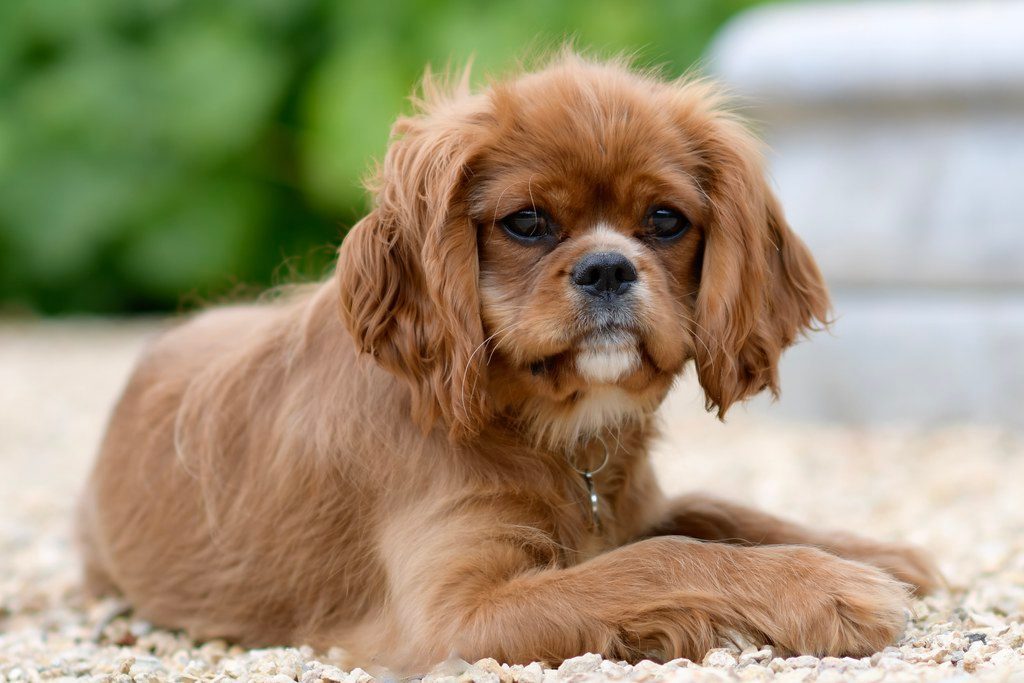
The Cavalier King Charles Spaniel is widely considered the most cuddly dog due to its affectionate, gentle nature and strong desire for human companionship. These dogs were literally bred to warm the laps of royalty, and they take that job seriously even today.
They’re small, sweet, and absolutely devoted to their people. If you’re sitting down, expect a Cavalier to be on your lap within seconds. They don’t do well with long periods alone and can develop separation anxiety if left isolated too frequently. They need companionship like they need air.
14. The German Shepherd: The Devoted Guardian
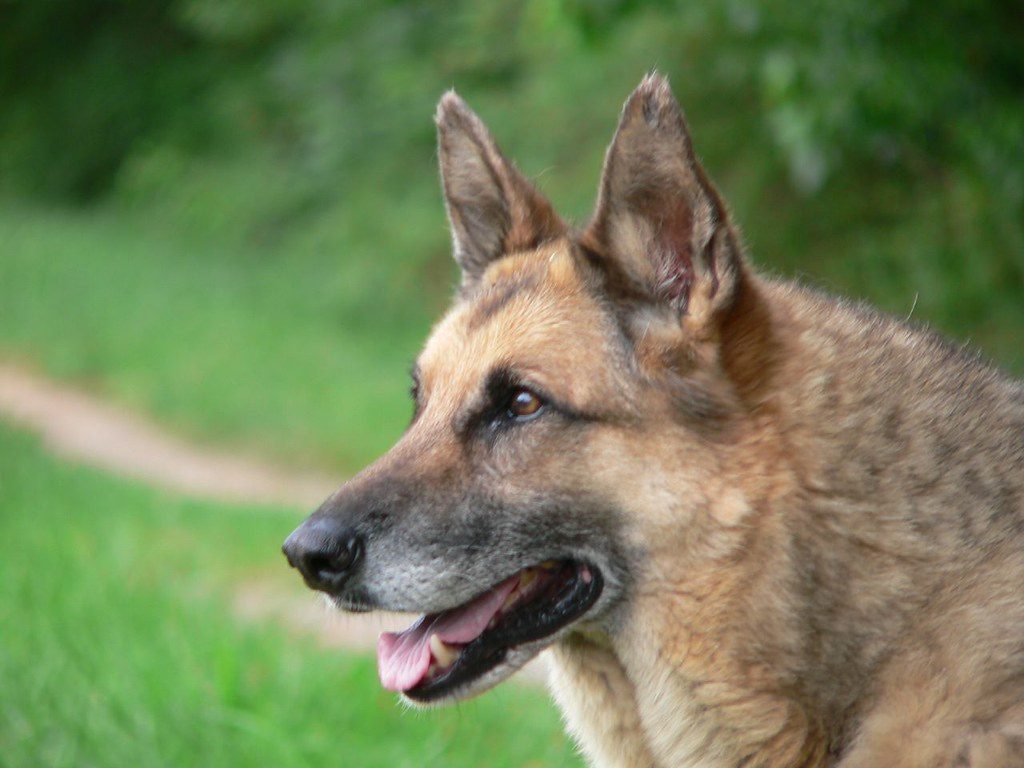
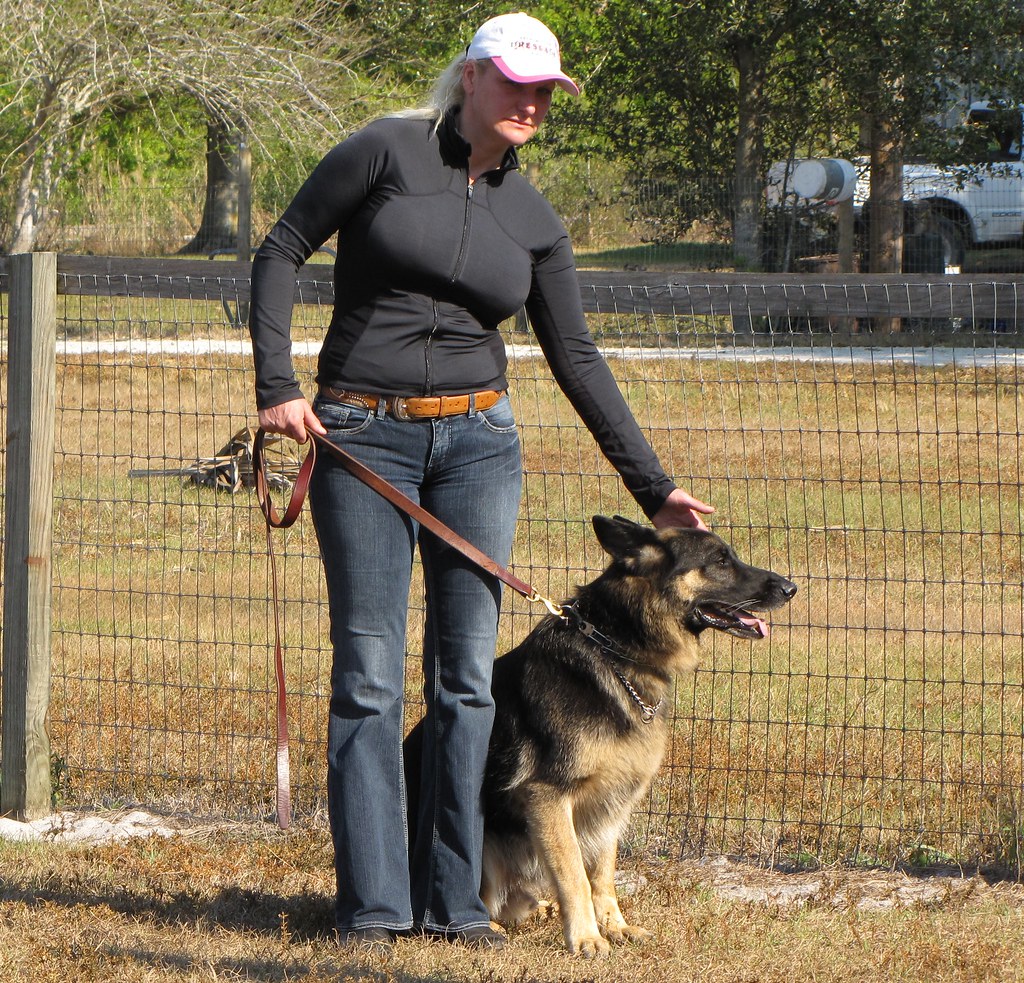
German Shepherds are renowned for their protective nature and deep emotional connection with their owners, and their herding instincts and strong bond make them natural velcro dogs, always wanting to be close and monitor their family’s activities. These intelligent, loyal dogs form incredibly tight bonds with their families.
Like German Shepherds, many herding breeds run the risk of becoming clingy when they stray too far from their hardworking roots, as these breeds are known for their intelligence and desire to work alongside humans. They want to be involved in everything you do, whether that’s watching TV or folding laundry. It’s their way of staying connected to their pack.
15. The Australian Shepherd: The Energetic Velcro Herder
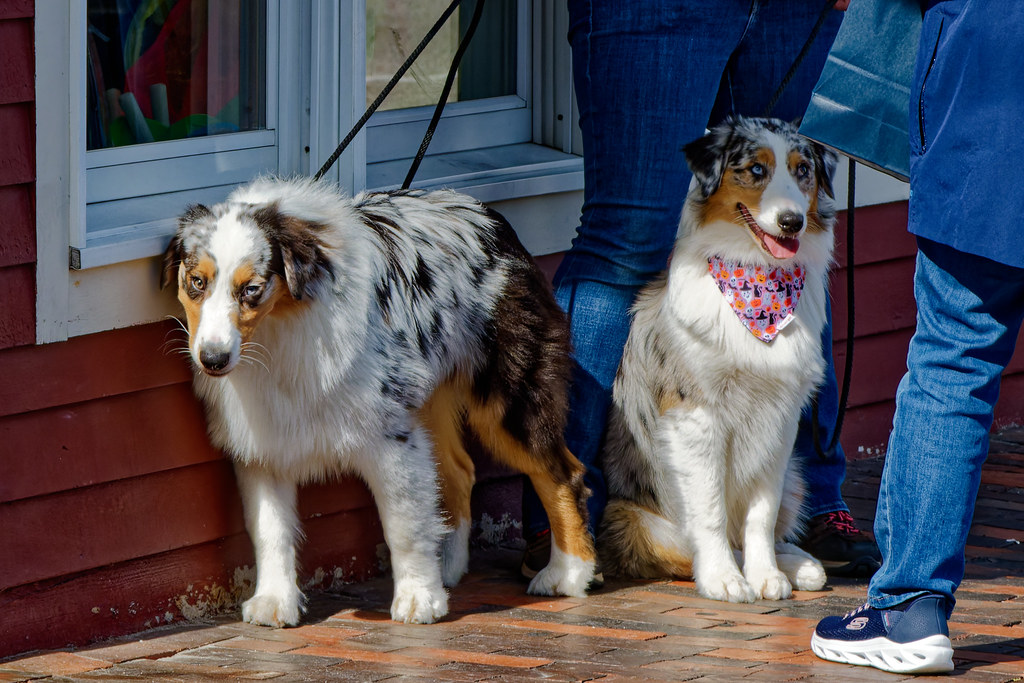
A herding dog just like Border Collies and Shetland Sheepdogs, the Australian Shepherd is bright, energetic, and always ready to play, however, with family members, Aussies can form an extremely close bond that almost feels fanatical. These dogs are work-oriented and people-focused, a combination that creates serious attachment.
Herders are automatic Velcro pets, and Aussies are super energetic dogs that are bred to be ever watchful and will cling like plastic wrap to their families, even ignoring other dogs to keep watch over you. They need lots of mental and physical stimulation, but they also need to be near you. It’s non-negotiable in their minds.
16. The Shetland Sheepdog: The Excitable Follower
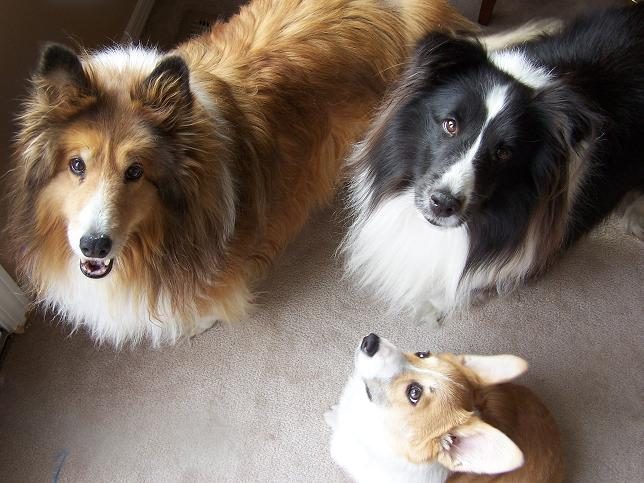
A true Velcro dog, the Sheltie is an excitable pup who intensely loves their family, though they can be noisy and have been known to nip at objects and children, as if herding them too. These fluffy bundles of energy are devoted family dogs who take their herding instincts seriously – even if that means herding you.
Shetland Sheepdogs are another herding breed whose clinginess is borne out of their long relationship with humans, and though they may be reserved and shy with strangers, they are protective of their families, originally bred in the Shetland Islands of Scotland. They’re sensitive, affectionate, and happiest when they’re right by your side, keeping tabs on the family.
Understanding Separation Anxiety vs. Velcro Behavior
Let’s be real – there’s a difference between a dog who loves being near you and one who panics when you leave. Separation anxiety is triggered when dogs become upset because of separation from their guardians, the people they’re attached to, and escape attempts by dogs with separation anxiety are often extreme and can result in self-injury and household destruction.
Dogs might urinate, defecate, bark, howl, chew, dig or try to escape, and although these problems often indicate that a dog needs to be taught polite house manners, they can also be symptoms of distress, and when accompanied by other distress behaviors like drooling and showing anxiety when owners prepare to leave, they are indications that the dog has separation anxiety. If your dog shows these signs, it’s time to work with a professional trainer or veterinary behaviorist who can help develop a treatment plan.
Managing Your Velcro Dog’s Attachment
Having a clingy dog isn’t necessarily a problem, but it can become one if not managed properly. Velcro dogs have a greater chance of experiencing separation anxiety and acting out when left alone, which could mean damage to your home, a kennel or to the pet themselves via excessive self-licking or chewing.
Don’t encourage overly clingy behavior – instead, develop independence by teaching your puppy to be on their own in another room, even when you’re at home, and teaching a solid stay is another way to battle excessive attachment. Make sure your puppy gets plenty of age-appropriate physical exercise, especially for large, high-energy dogs with a lot to burn off, as a tired, contented dog who’s had a brisk walk and playtime is more likely to settle down when you leave.
Conclusion: Finding Your Perfect Match
Here’s the thing – neither independent nor clingy dogs are better or worse. They’re just different, and what works for one household might be a disaster for another. If you work long hours and want a companion who won’t fall apart when you’re gone, those independent breeds might be perfect. On the other hand, if you work from home or have a lifestyle that allows constant companionship, a Velcro dog could be your ideal match.
The key is understanding your dog’s natural tendencies and working with them, not against them. Independent dogs still need love, training, and attention – they just don’t demand it every second. Velcro dogs need patient training to develop confidence when alone, but they’ll reward you with unwavering devotion.
What’s your experience been with your dog’s attachment style? Are you team independent or team Velcro? Sometimes the heart wants what it wants, regardless of what we thought we needed.


