
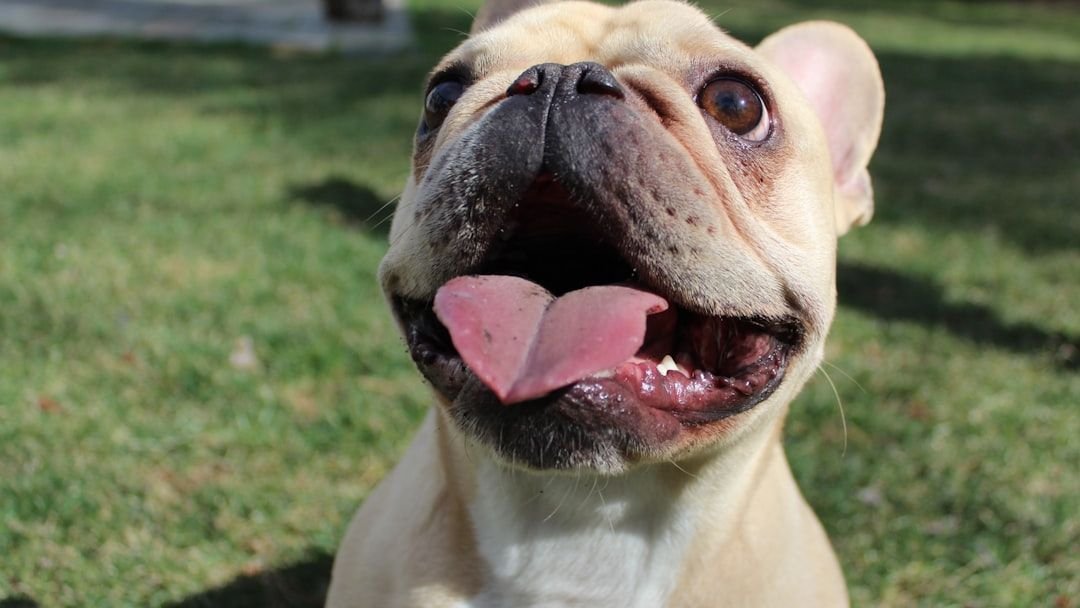
You’ve probably noticed it before. That moment when your dog stares at you from across the room with those impossibly soulful eyes. Or maybe it’s the way they curl up on your discarded sweatshirt when you’re just in the next room. We often think dogs miss us when we’re gone for hours, but here’s the thing that might surprise you: they can miss you even when you’re right there in the house.
It sounds a bit odd, doesn’t it? How can a dog miss someone who’s literally sitting on the couch ten feet away? Yet dogs experience a unique type of longing that’s less about physical distance and more about emotional connection and attention. Their attachment to us runs deeper than we realize, woven into their DNA from thousands of years of domestication. Let’s explore the subtle, sometimes heartbreaking ways your furry companion tells you they’re craving more of you.
They Follow You From Room to Room Like Your Shadow
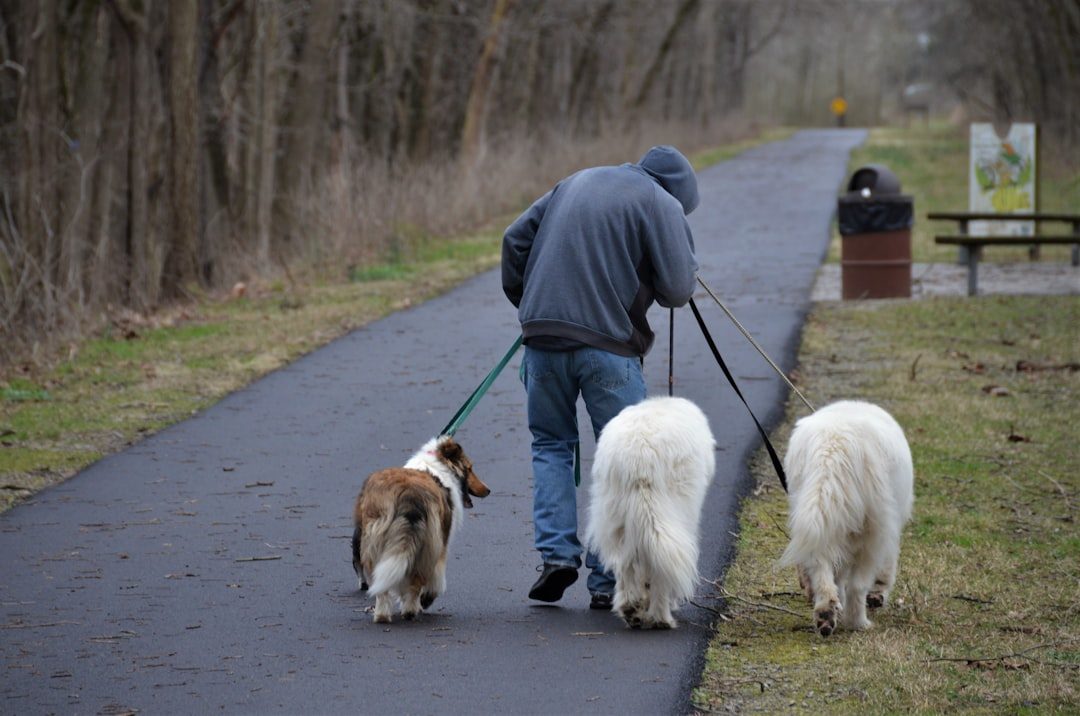
Canine companions that follow their humans everywhere are often referred to as “Velcro dogs” because of their desire to be attached to your side. This isn’t just about curiosity or boredom.
When your dog stays close to you as a coping mechanism, it often signals anxiety and the need to feel supported by their owner, which is actually the primary reason many dogs shadow their humans constantly. Some breeds are naturally more prone to this behavior, especially working and herding dogs bred to stay close to people.
The real concern arises when you notice whether your dog prefers to be with you or if they’re unable to be without you. If your dog is casually trailing you hoping for a snack or a walk, that’s normal. However, if they’re pacing anxiously or can’t settle unless you’re in sight, that’s their way of saying they need more reassurance and connection from you.
They Sleep on Your Clothes or Personal Items
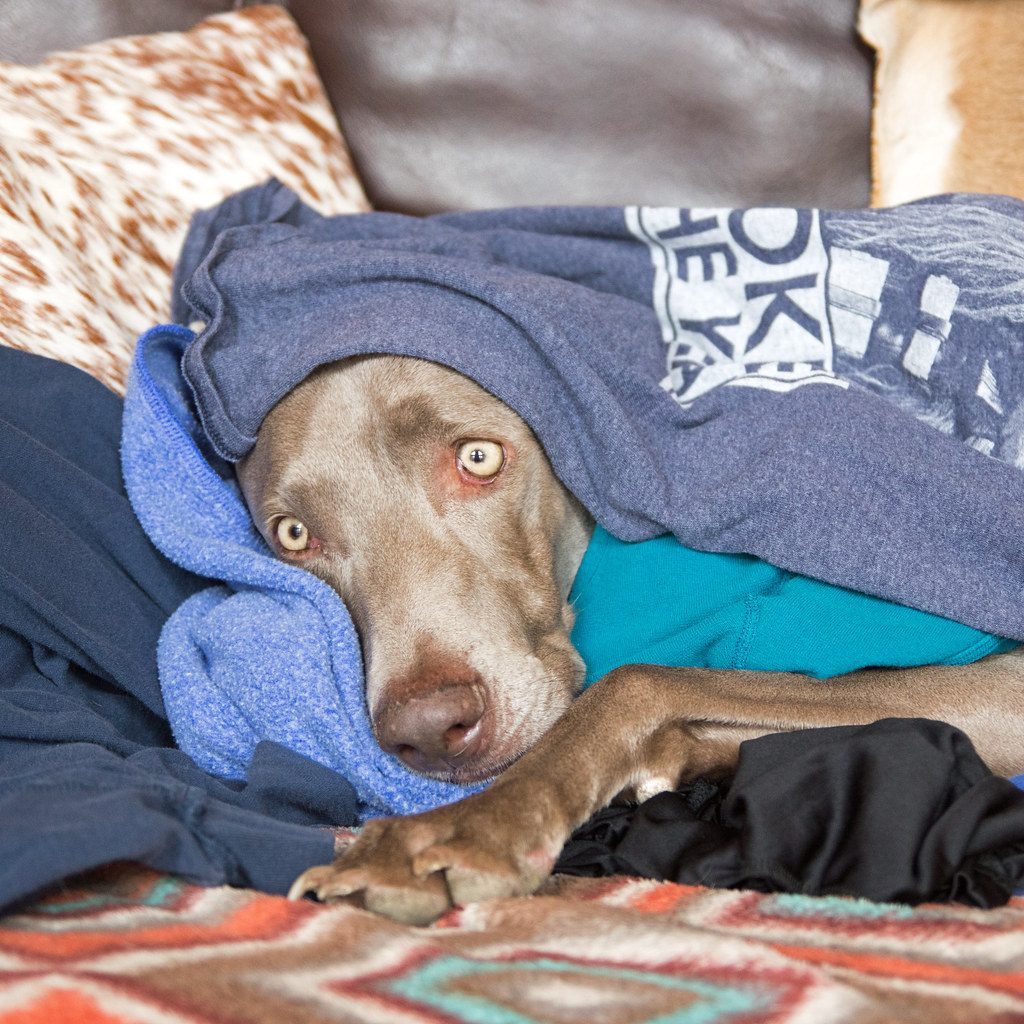
Ever found your dog nestled on a pile of your dirty laundry? That’s not random. Because your dog has an incredible sense of smell, they might be seeking out something that smells like you to cope with your absence, and if you’ve noticed that your dog always lays on your dirty laundry or old sneakers, then it’s pretty clear they’ve been missing you.
Your scent is incredibly comforting to them. Dogs love our smell, and researchers found that when dogs smell your scent, the part of their brains associated with happy feelings and positivity lit up on an MRI. So when you’re busy working from home or absorbed in a book, your dog may settle onto your hoodie or shoes just to feel closer to you. It’s their way of keeping a piece of you nearby when your attention is elsewhere.
They Bring You Toys Constantly
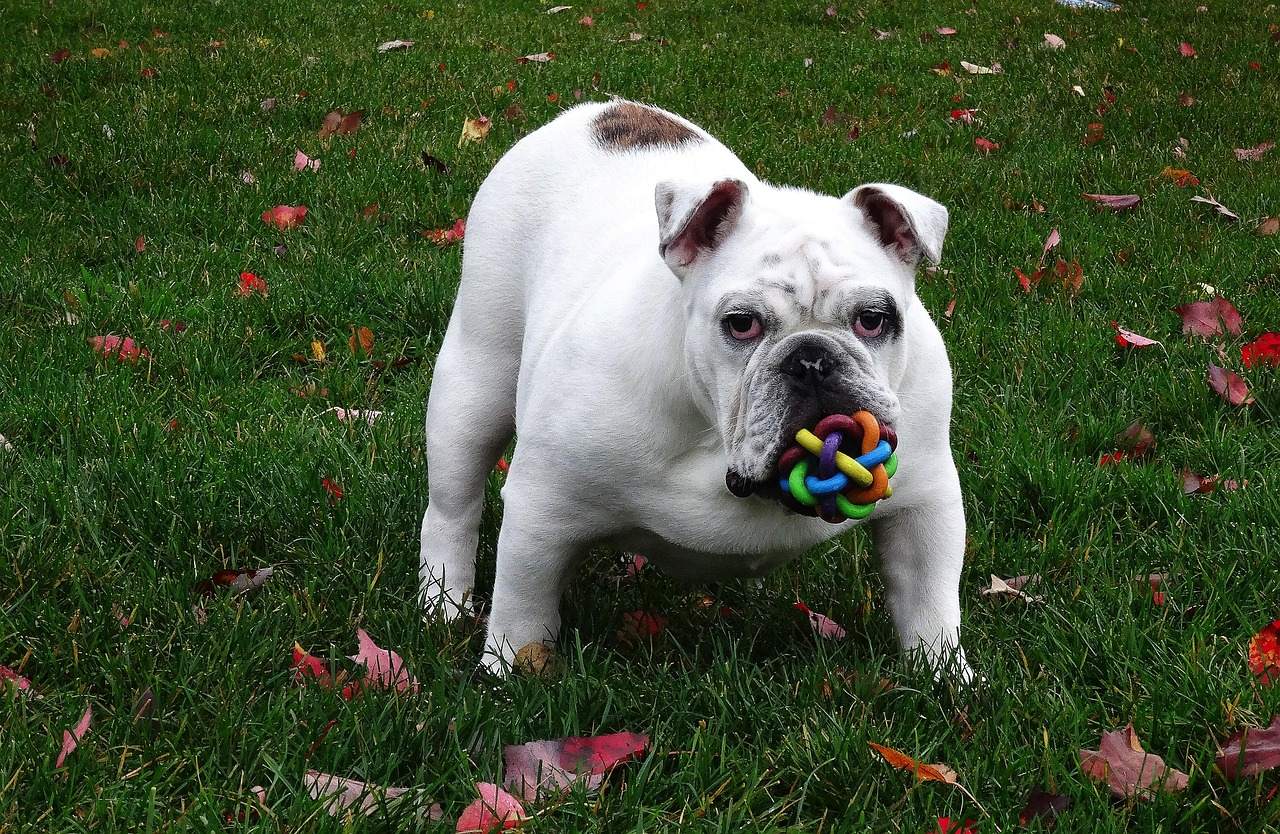
Dogs might bring you a toy or lick your face to show they’re happy, and if they’ve learned not to jump, they may carry a toy instead of jumping all over you. This behavior isn’t just playful exuberance.
When your dog repeatedly drops a toy at your feet while you’re cooking dinner or watching television, they’re essentially saying, “Hey, I’m here and I want to connect with you.” They’re offering you their prized possession as an invitation to interact. It’s honestly one of the sweetest gestures dogs make, even if it happens at inconvenient moments. They’re not demanding entertainment so much as they’re requesting your presence and engagement, which to them is the most valuable thing in the world.
They Stare at You Intensely
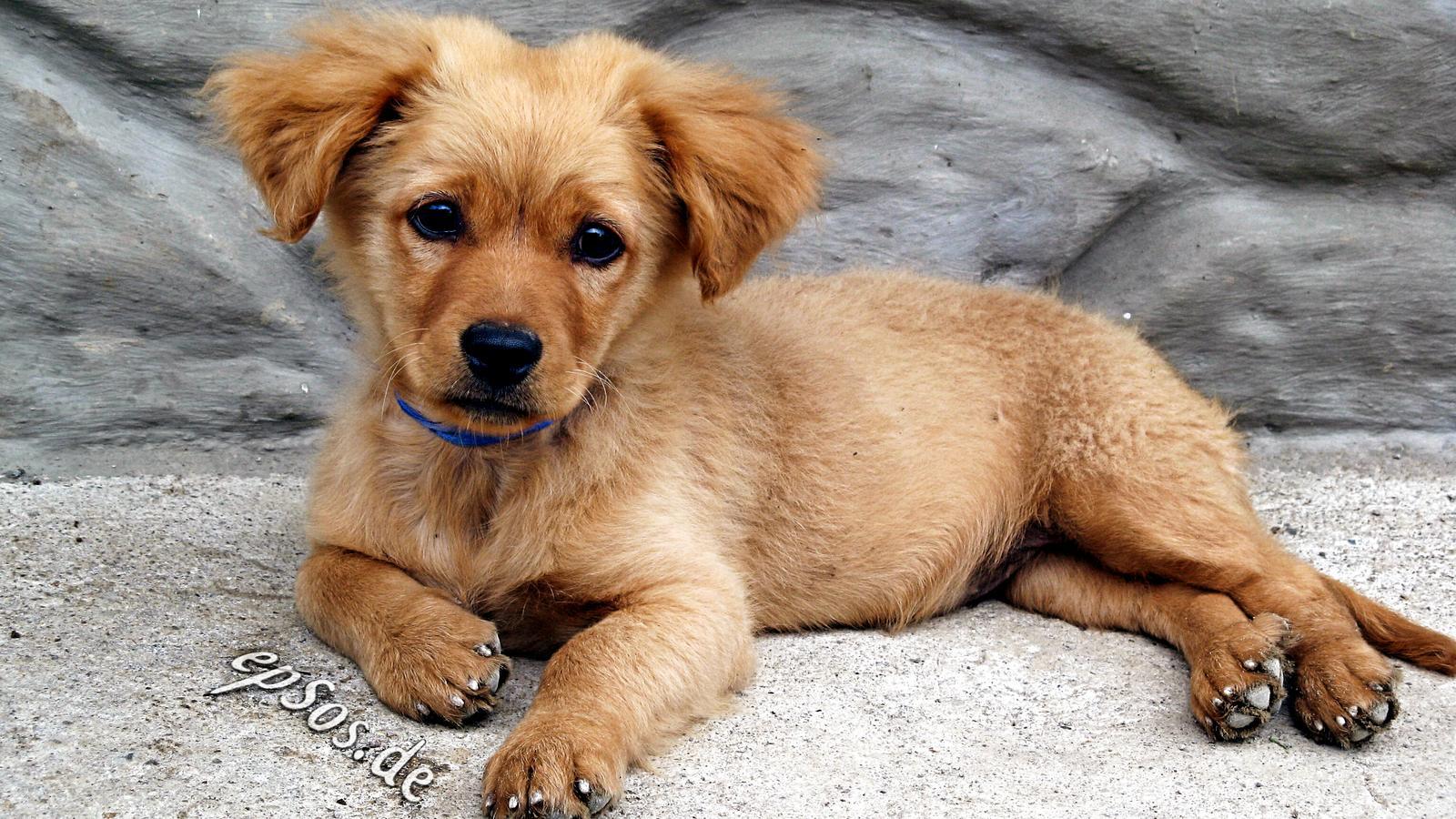
That penetrating gaze your dog gives you isn’t creepy, even though it might feel that way sometimes. It’s longing. Dogs use eye contact as a powerful form of communication and connection.
When your dog watches you intently while you’re on your laptop or phone, they’re often trying to catch your attention or simply studying you for cues that you might be about to do something involving them. If your dog associates you with rewards like meals, treats and cuddles, it makes being with you even more appealing. That stare is their silent request for interaction or acknowledgment. They’re waiting, hoping you’ll notice them and bridge that gap between your separate activities.
They Show Excessive Excitement When You Simply Change Rooms
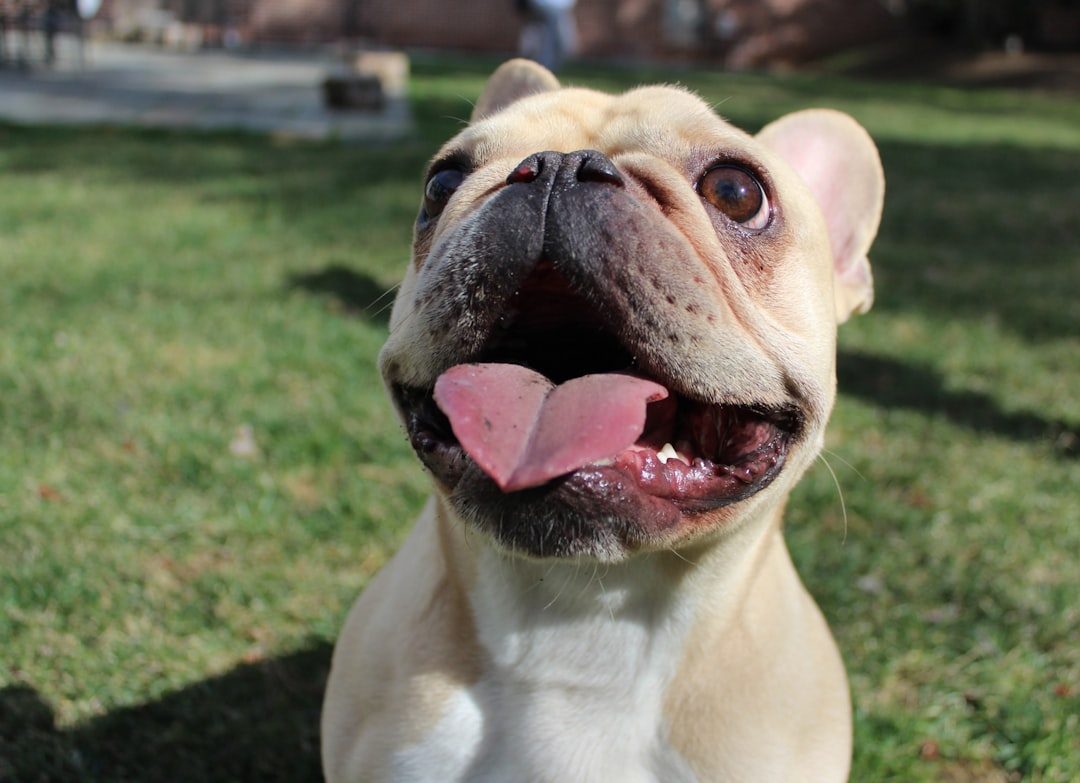
If your dog greets you like you’ve been gone for years, even if it was just a quick trip to the store, it’s a clear sign they’ve been missing you, with “smiling” facial expressions, jumping, barking, and tail-wagging extravaganza being all their way of celebrating your return. This reaction can happen even if you’ve only gone upstairs for five minutes.
Studies show that the longer the separation, the more intense the dog’s emotional response. But here’s what makes this fascinating: dogs can experience that same intensity of emotion from brief separations when you’re home but not giving them attention. That enthusiastic greeting when you emerge from the bathroom or bedroom is their pure joy at reconnecting with you, no matter how brief the separation was.
They Pace or Seem Restless When You’re Distracted
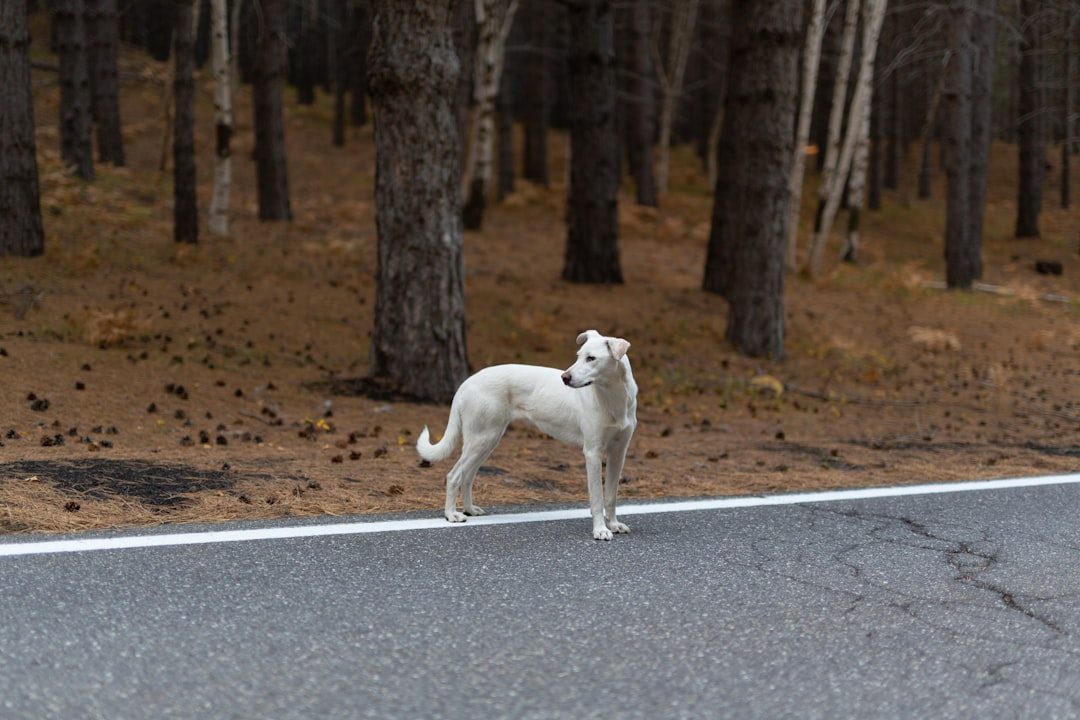
Pacing, where dogs walk back and forth, signals unease. If your dog seems unable to settle while you’re absorbed in work or a phone call, they’re likely experiencing a mild form of missing you even though you’re physically present.
This restlessness stems from wanting your engagement. Dogs are pack animals by nature, and to them, you’re a key member of their pack, so your absence is noticed, and it can make them feel a bit out of sorts. When you’re home but mentally elsewhere, your dog can sense that disconnect. They might wander from their bed to the window to the doorway, trying to figure out how to get your focus back where it belongs: on them.
They Position Themselves Between You and the Door
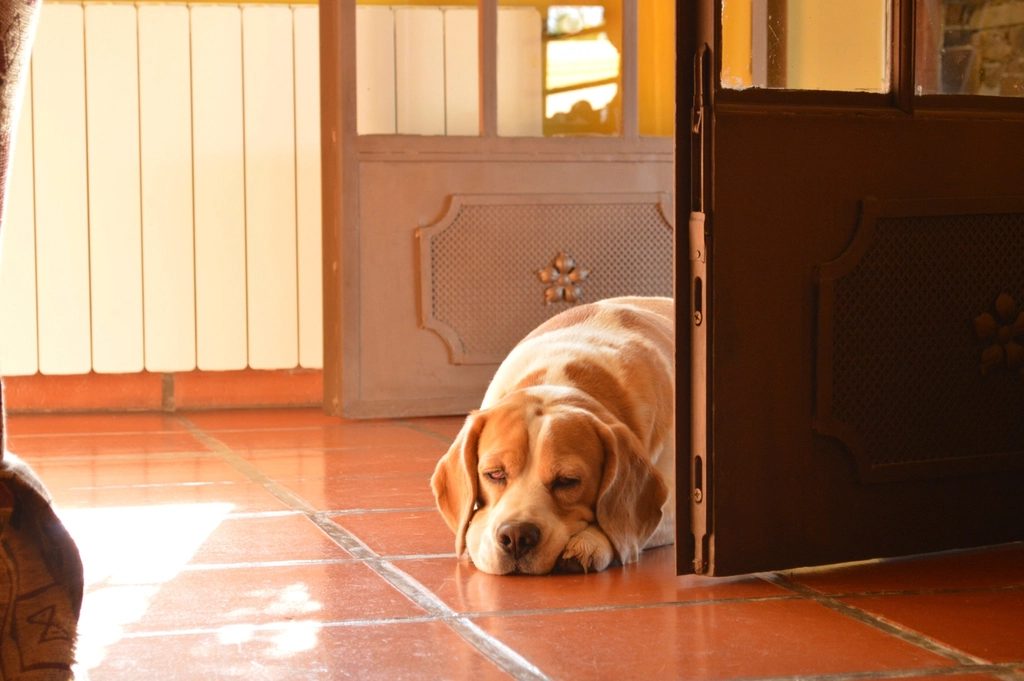
Researchers found that dogs often experienced anticipatory behaviors before their owners left, such as becoming more anxious or clingy. This anxiety doesn’t only kick in when you grab your keys to leave the house.
When you’re home, some dogs will strategically place themselves between you and exits, doorways, or even other rooms. It’s subtle territorial behavior mixed with attachment. They’re essentially creating a physical barrier to keep you close or at least be the first to know if you’re about to move. It’s a bit like a gentle veto on your plans to go anywhere without them knowing about it first. The behavior reveals their constant awareness of your presence and location.
They Sigh Dramatically When You’re Not Paying Attention
Yes, dogs absolutely sigh, and it’s surprisingly expressive. That long, exaggerated exhale when you’ve been on your computer for an hour? That’s canine commentary.
Dogs use sighs to communicate disappointment or resignation. When your dog plops down nearby and lets out a big sigh, they’re essentially saying, “Well, I guess this is my life now.” It’s not quite frustration, but it’s close to expressing that they’d much prefer your interaction. The sigh is their polite way of registering protest without being outright demanding. Pay attention next time it happens. You might notice it corresponds perfectly with moments when you’re least available to them emotionally.
They Refuse to Eat When You’re Busy or Away
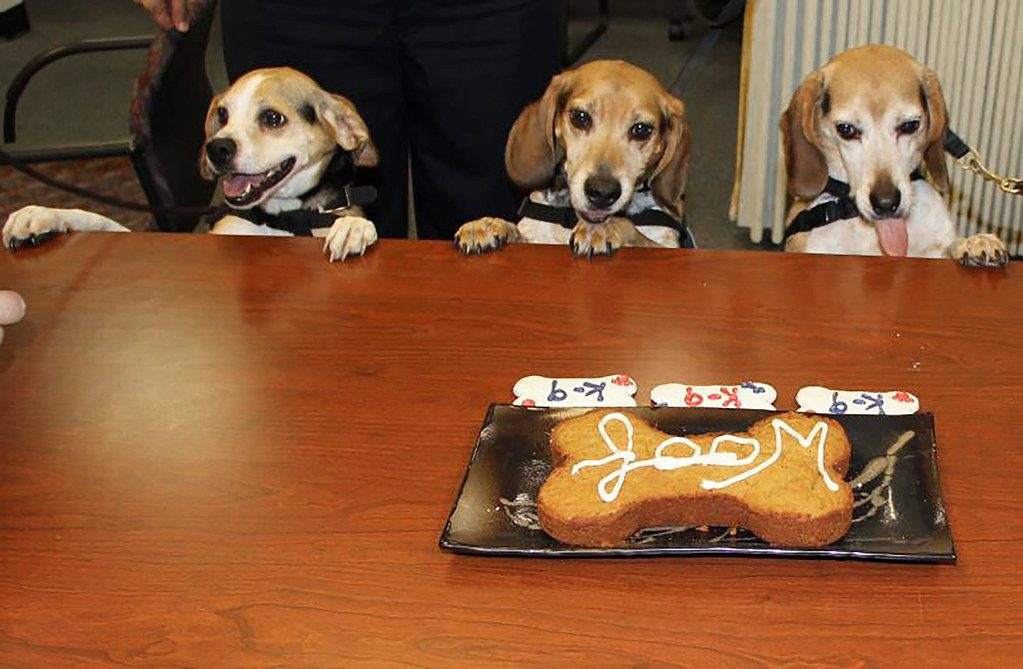
Some dogs might not eat much or at all when you’re not around because they’re too busy worrying about when you’ll be back to bother with their food. This can happen even when you’re home but in another part of the house.
Food is normally a high priority for most dogs, so when they ignore their meals, it’s significant. If your dog waits to eat until you’re present in the kitchen or nearby, it indicates they value your company more than food itself. That’s profound loyalty and attachment. They want to share mealtime with you, their pack member, rather than eat alone. It’s one of those behaviors that really shows how deeply social and connected to us they truly are.
They Display Small Signs of Stress When You’re Home But Unavailable

Dogs show stress signals like yawning and lip licking (not just when tired or hungry), and panting when not hot, which can be signs of nervousness or discomfort. These subtle cues often go unnoticed.
When you’re working at home or focused on tasks, your dog might exhibit mild stress behaviors. They could yawn repeatedly, lick their lips, or pant slightly even though they haven’t been exercising. These are all indicators that they’re feeling a bit unsettled about the lack of interaction. Your dog’s reactions aren’t just about habit – they’re rooted in genuine social attachment, with both behavioral cues and brain imaging showing that the bond between people and dogs reflects real emotional connection. Recognizing these subtle signals helps you understand when your furry friend needs reassurance.
Conclusion
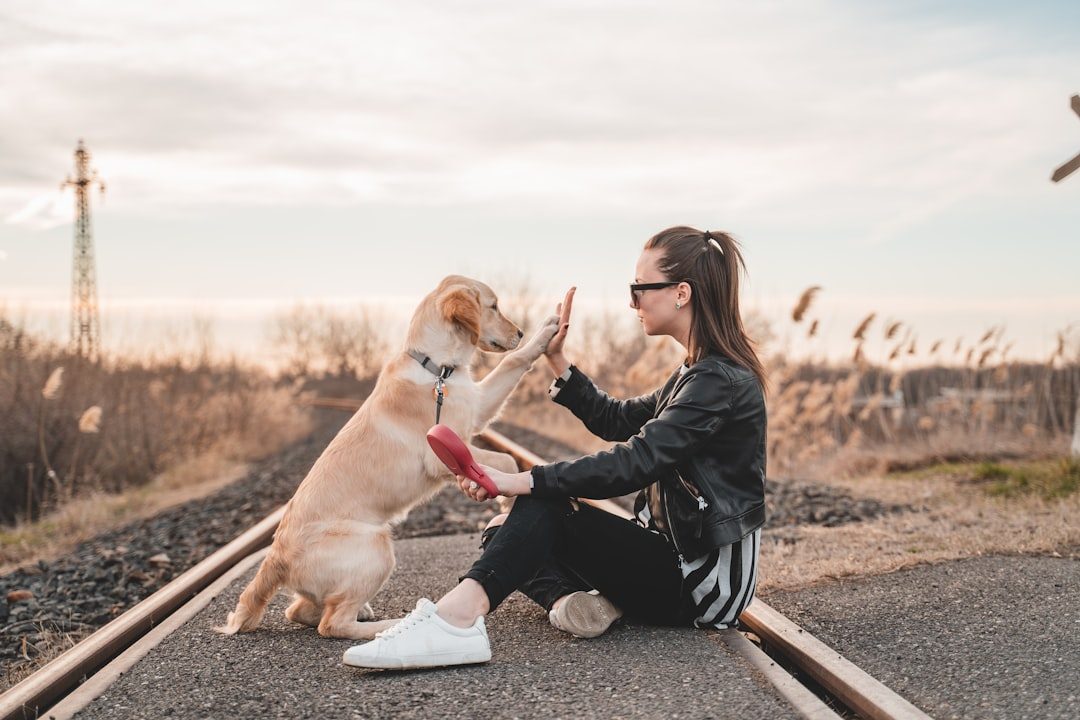
The ways dogs show they miss us, even when we’re sitting right there, reveal the incredible depth of the canine-human bond. These aren’t just behaviors driven by instinct or learned patterns. They’re genuine expressions of emotional need and attachment. Your dog doesn’t just want your physical presence; they crave your attention, engagement, and connection.
Understanding these signs helps us become better companions to our dogs. Maybe it means putting down the phone more often, taking a break from work to have a quick play session, or simply acknowledging their presence with a pat and kind words. Recognizing this need for closeness helps you support your pup’s well-being – even when life keeps you apart now and then. Remember, to your dog, you’re not just an owner or caretaker. You’re their entire world, their pack, their safety, and their greatest source of joy.
Did you recognize any of these behaviors in your own furry friend? Sometimes the smallest gestures reveal the biggest hearts. What does your dog do to show they miss you?


