
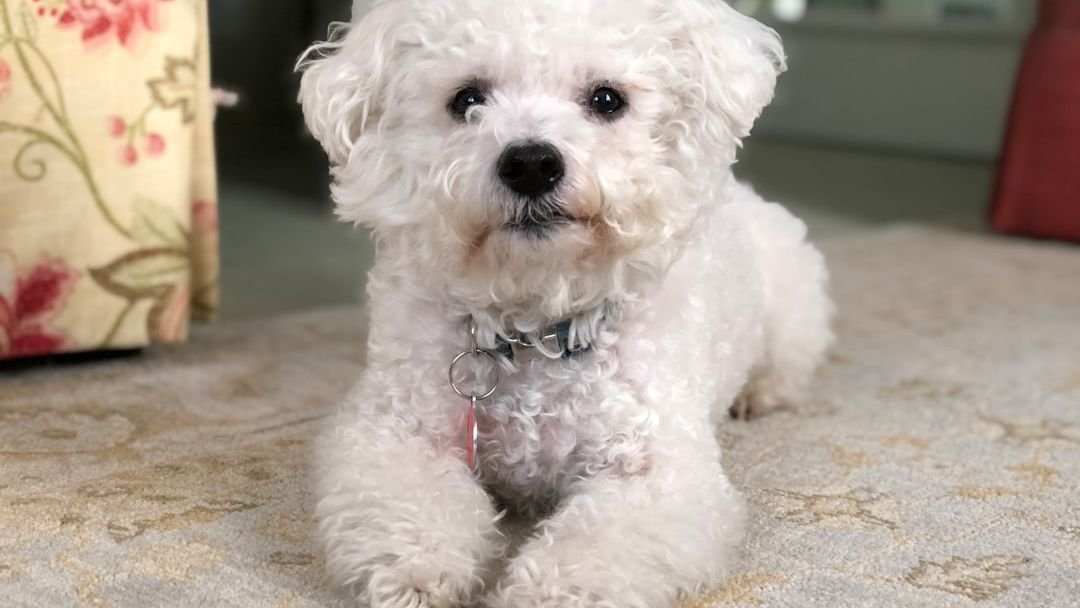
So you’ve finally decided to take the plunge. After months or maybe years of scrolling through puppy photos and imagining cozy walks in the park, you’re ready to welcome a furry companion into your life. The excitement is real, the anticipation palpable.
Yet here’s where many new owners stumble right out of the gate. Not all dogs are created equal when it comes to being beginner-friendly. Some breeds practically train themselves, adapt to apartment living like champions, and forgive your rookie mistakes with a wagging tail. Others? Well, they’ll challenge even the most patient soul.
Choosing your first dog isn’t just about falling for those soulful eyes or that fluffy coat. It’s about matching temperament with lifestyle, energy with commitment, and honestly assessing what you’re ready to handle. Let’s dive into the breeds that’ll set you up for success, and those that demand a bit more expertise.
Golden Retriever: The Gold Standard First Dog
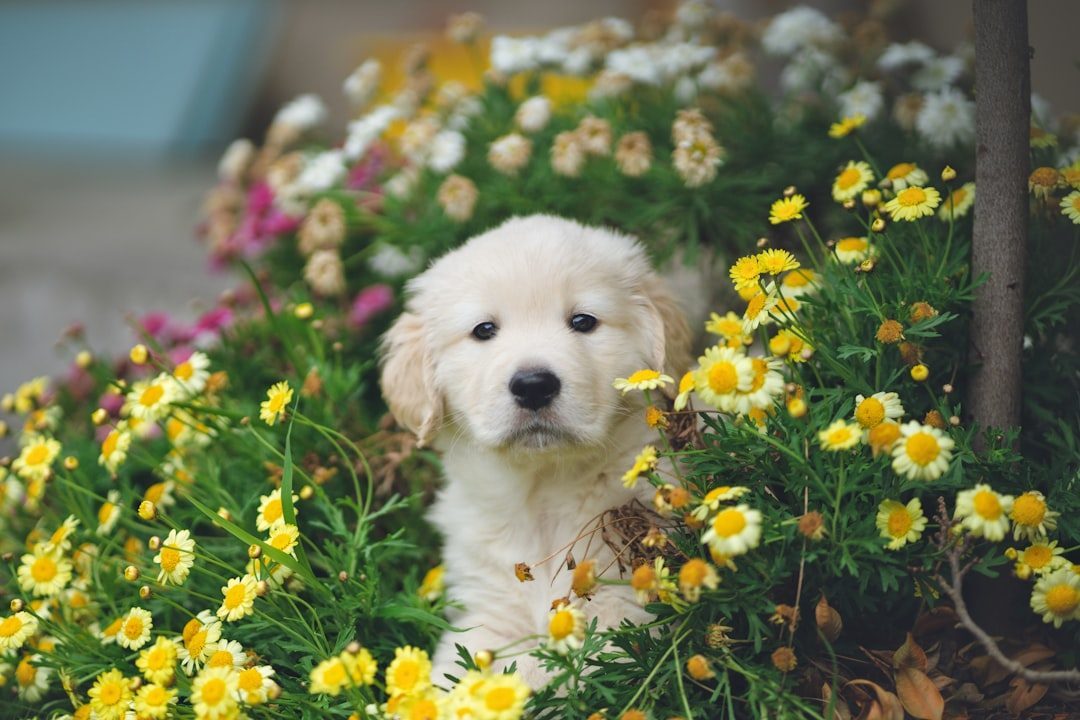
Golden Retrievers are the “gold standard for first-time owners,” and for good reason. They’re easy to train and usually have a very good temperament. Picture this: a dog that genuinely wants to make you happy, adapts to nearly any family situation, and greets your mistakes with patience rather than attitude.
These famously friendly dogs are known for their patience and gentleness, making them one of the best dog breeds for families with children. They’ll happily play fetch until your arm gives out, then settle contentedly on the couch for movie night. Whether you have an apartment or a big house with a backyard, live with young children or by yourself, golden retrievers adapt beautifully to most family situations.
Sure, they shed. Daily brushing becomes part of your routine. Their energy needs are real, requiring good walks or play sessions. Yet honestly, these are small prices to pay for such a devoted, forgiving companion who makes the learning curve of dog ownership feel manageable.
Labrador Retriever: America’s Favorite for a Reason
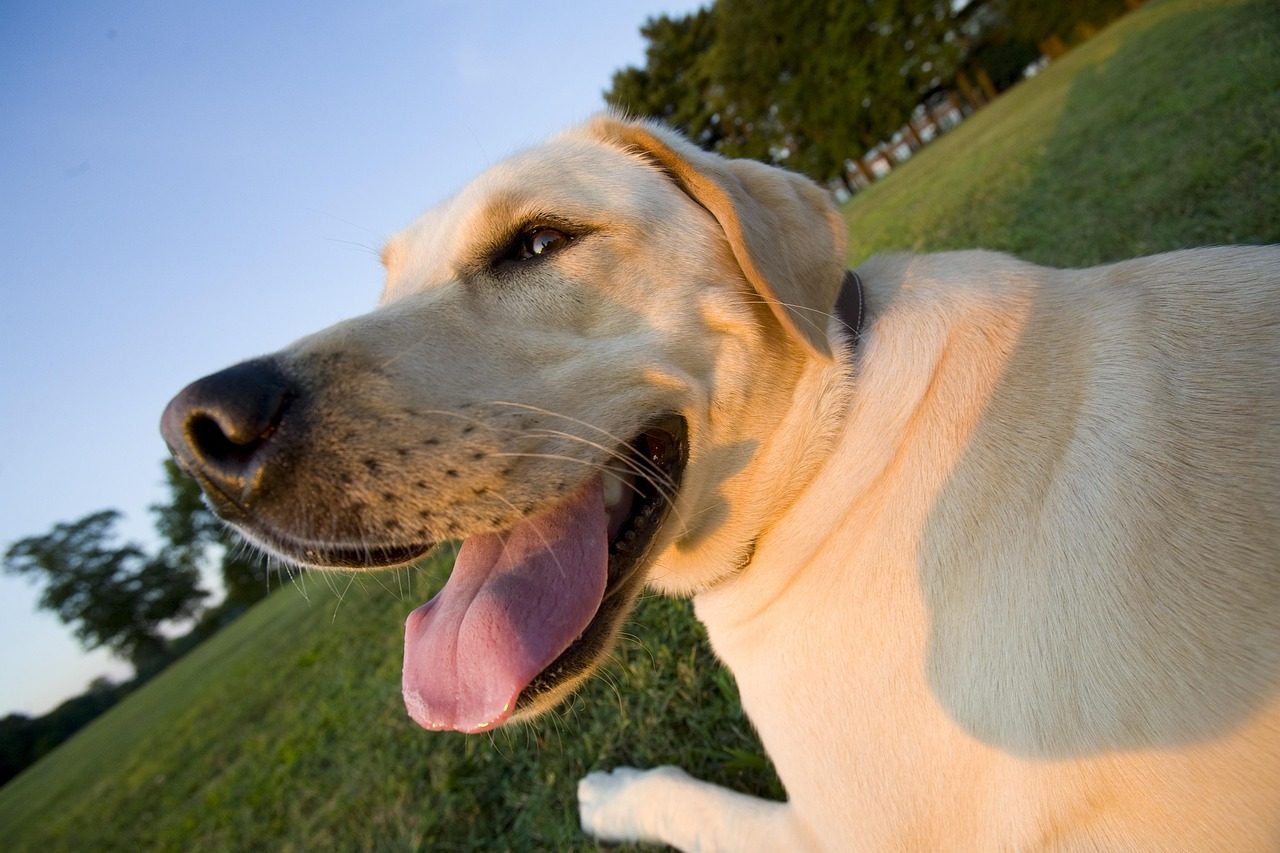
The American Kennel Club recognized the Lab as the most popular dog breed in America for 31 years in a row. That kind of staying power isn’t accidental. Labs have earned their reputation through sheer reliability and good nature.
They are active dogs needing exercise, but they tend to be easy to train and are good family dogs. A Lab is an excellent fit for those who seek an active companion to take on long walks or to the dog park to play.
These dogs are social butterflies who love everyone. Take them to the park and watch them make friends with every person and pup they meet. Affectionate, playful, and eager to please, the Lab is everything most people want in a dog. They’re good with kids, excited to meet strangers and play with other dogs, and generally happy-go-lucky about life. Their trainability and forgiving temperament make them nearly foolproof for newcomers.
Cavalier King Charles Spaniel: Gentle Affection in a Small Package
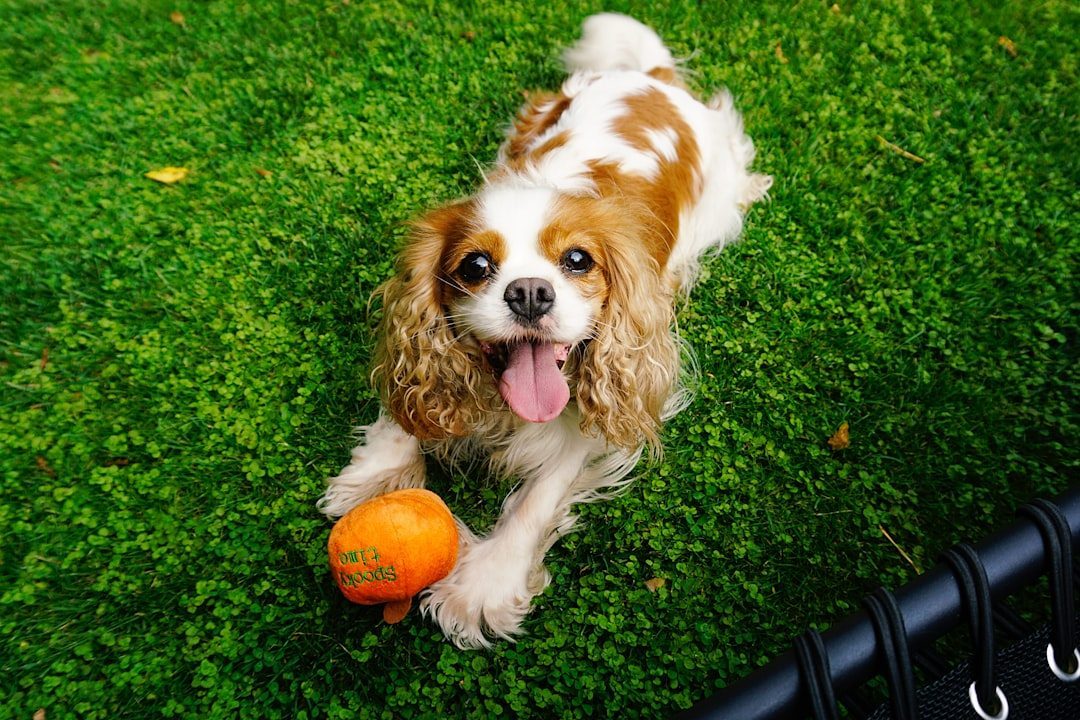
Small but mighty in personality, Cavaliers pack tremendous love into a manageable frame. Cavaliers are smart and adaptable, which makes them easier to train than some other dog breeds, and they are typically gentle and eager to please.
The Cavalier King Charles Spaniel is one of the easiest dogs to own, making it perfect for first-time dog owners. Gentle, affectionate, adaptable, and friendly with everyone they meet (including other dogs), this breed is also easy to train. They’re equally content curled in your lap during a Netflix marathon or joining you for a brisk neighborhood stroll.
One consideration? They may be prone to some separation anxiety because they love their people so much. If you work long hours away from home, this might not be your ideal match. Otherwise, their moderate needs and sweet disposition make them wonderful starter dogs.
Poodle: Brains, Beauty, and Zero Shedding
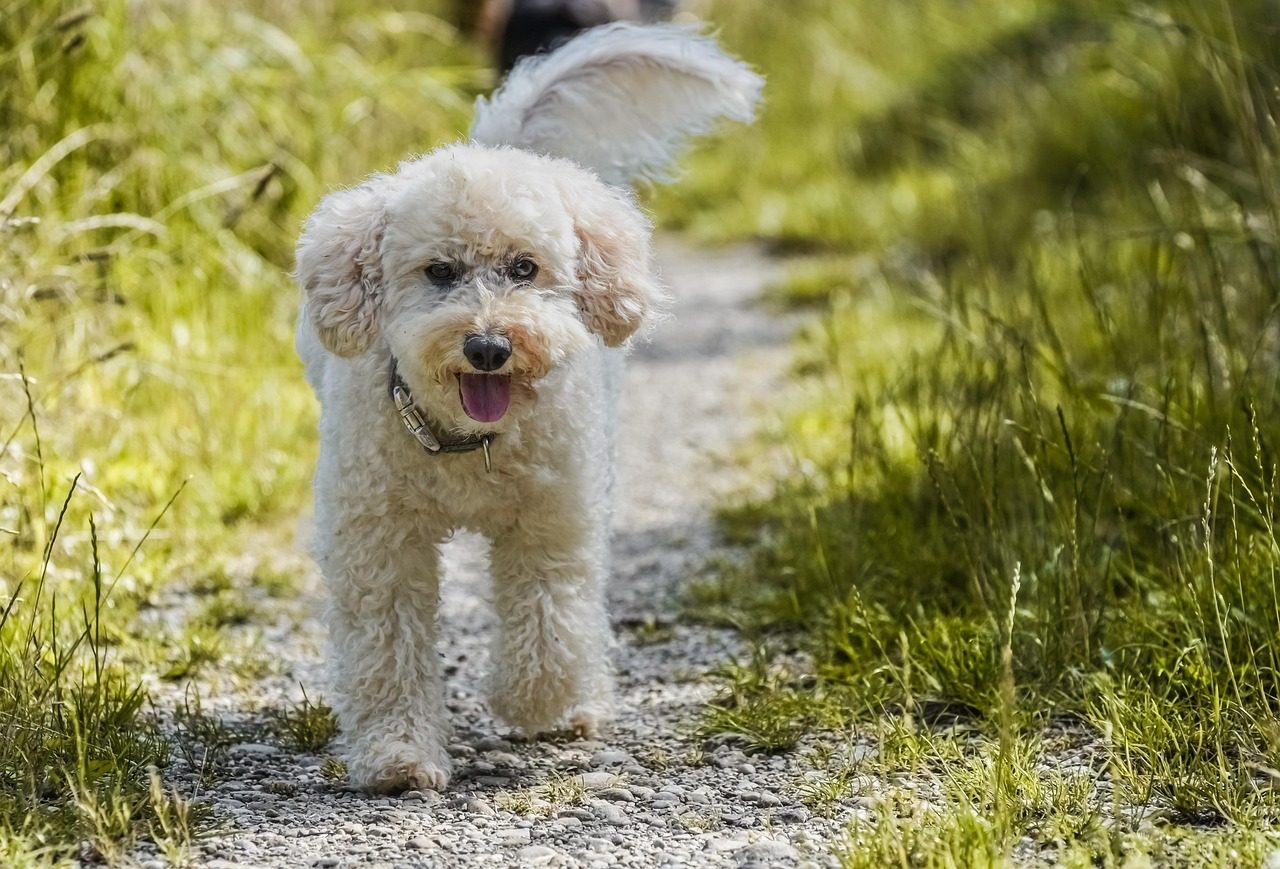
Don’t let the fancy reputation fool you. Poodles have a reputation for being fancy and stylish, but they are actually very intelligent and adaptable dogs. They get along well with children and are easily trained.
Because poodles come in standard, miniature, and toy sizes, you can choose which size of dog is right for you and your home. Living in a cozy apartment? A toy or miniature might be perfect. Got space for a larger companion? The standard poodle delivers all that intelligence in a bigger package.
Because they are very energetic and eager to engage, poodles need regular exercise and mental challenges, but they typically don’t shed, making them ideal for people with allergies. Their hypoallergenic coat is a game-changer for many families. Just remember, that beautiful coat requires regular grooming to prevent matting.
Bichon Frise: The Cheerful Cloud of Fluff
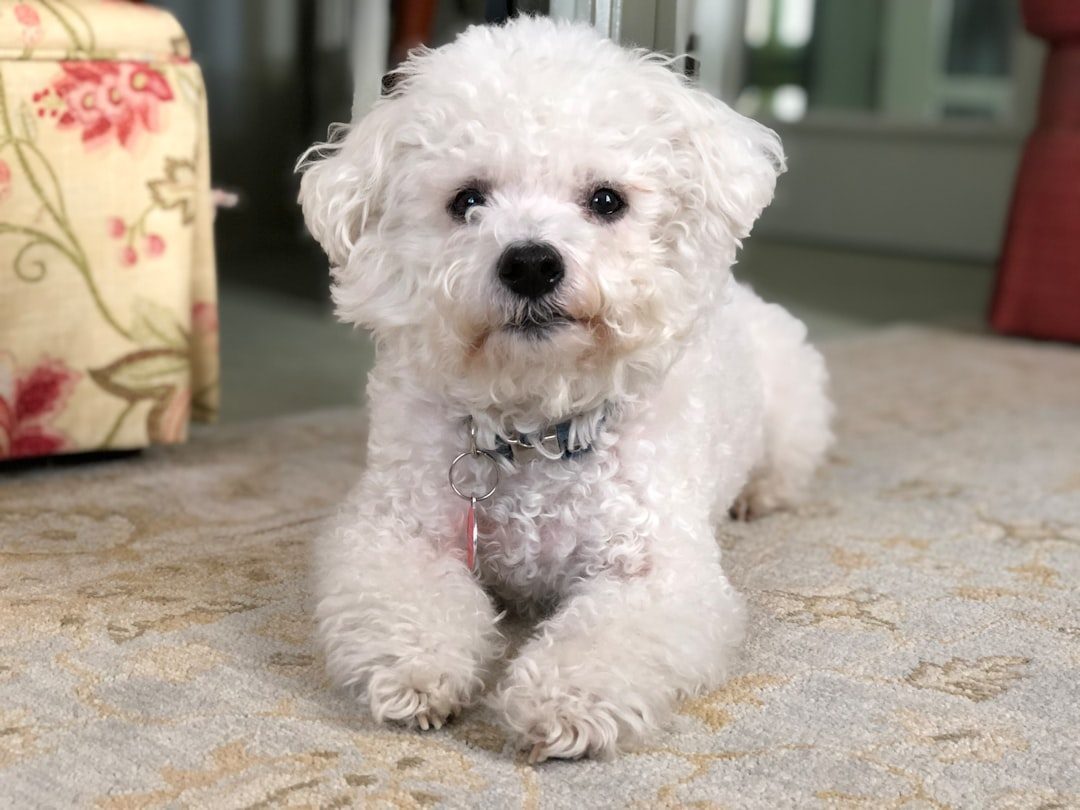
Easy-going, affectionate and eager to please, Bichons treat everyone around them, people and dogs alike, as friends they haven’t met yet. Their optimistic outlook on life is genuinely infectious.
They’re playful, a touch goofy, and great with children. Bichons are hypoallergenic, making them perfect for first-time dog owners with allergies, but their fluffy coat does need regular grooming. Think of grooming as bonding time rather than a chore, and you’ll do fine.
Their friendly nature and adaptability make them a smart pick for new owners. Bichons are happy in small spaces and get along well with other animals. Apartment dwellers take note: this breed won’t complain about limited square footage as long as they’re with their beloved humans.
Shih Tzu: The Loyal Lapdog
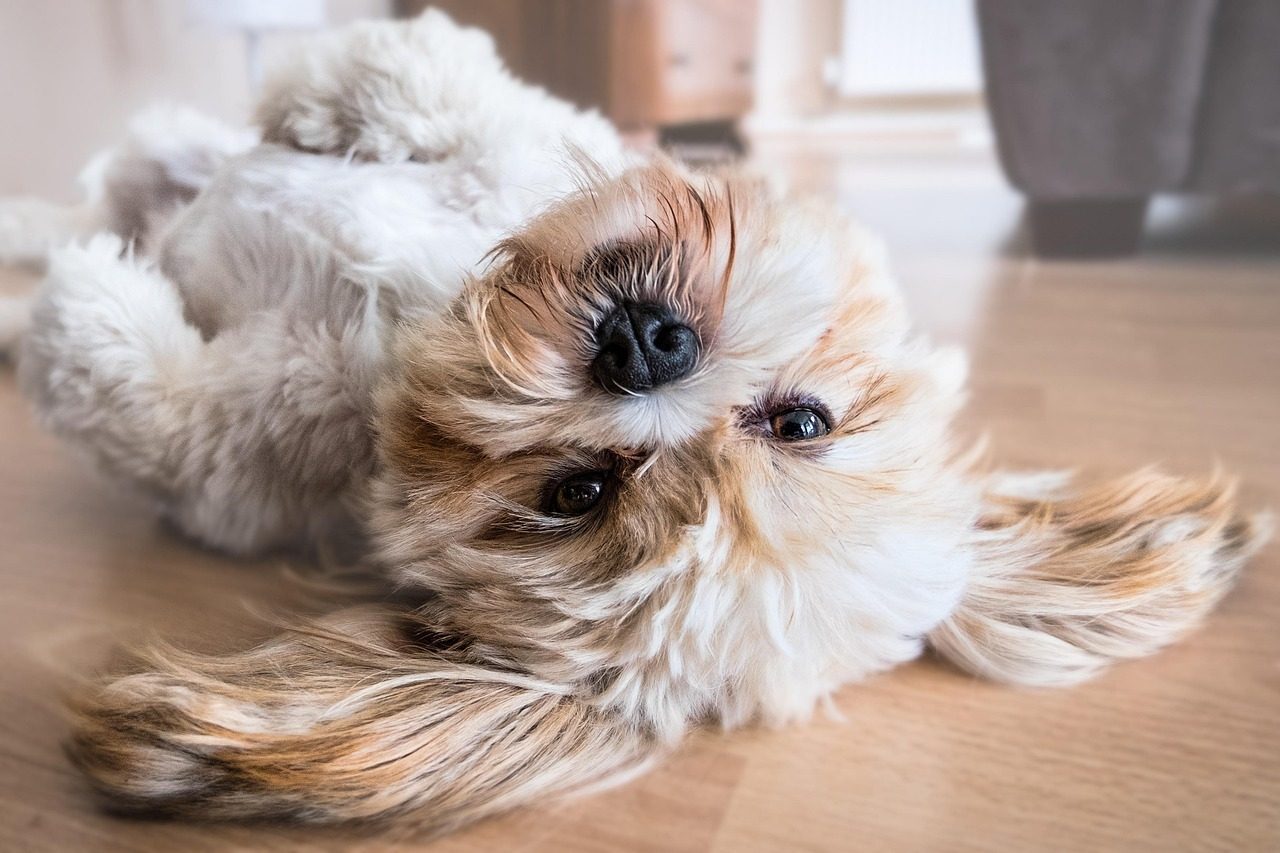
Shih Tzus may look royal, but they are affectionate lap dogs at heart. They thrive on companionship and are happiest when spending time with their owners. Originally bred for Chinese royalty, they still carry that regal air while being utterly devoted companions.
These small, sturdy dogs don’t require much outdoor exercise, making them a great fit for apartment dwellers. Their sweet temperament and manageable size make them one of the best breeds for beginners.
Their long coats may require daily brushing, but these dogs tend to be lowkey and need less exercise than many other dog breeds. Because of their spunky personality they can be less easy to train than some of the other dogs on this list, but they are full of love and ready to charm. That spunky streak? It’s part of their charm, honestly.
Beagle: The Friendly Explorer
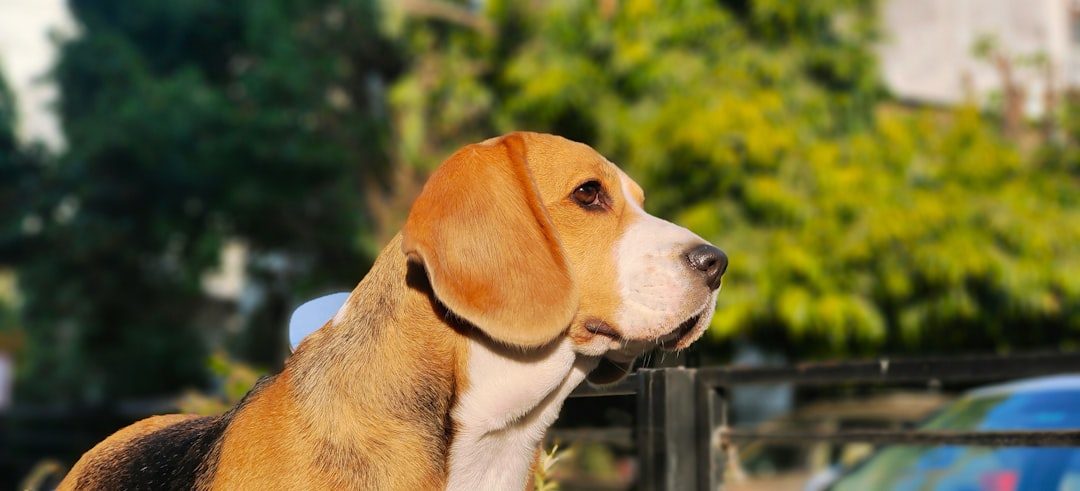
Beagles are known for being friendly, social, and affectionate, qualities that make them great for first-time dog owners. They’re moderately energetic, so they’re ideal for owners who enjoy regular walks or outdoor activities but don’t want a dog that needs constant exercise.
Their curious noses lead them on adventures during every walk. Their curious nature and love of exploration will keep you on your toes, but they’re also quick learners when it comes to training. Just be prepared for their exceptional sense of smell to sometimes override their listening skills.
These medium-sized pups love attention and are wonderful with children. Their playful loyalty combined with manageable size makes them approachable for newcomers. Sure, they can be vocal and food-motivated, but those traits are easily managed with consistent training and portion control.
Boxer: Playful Energy Meets Family Devotion
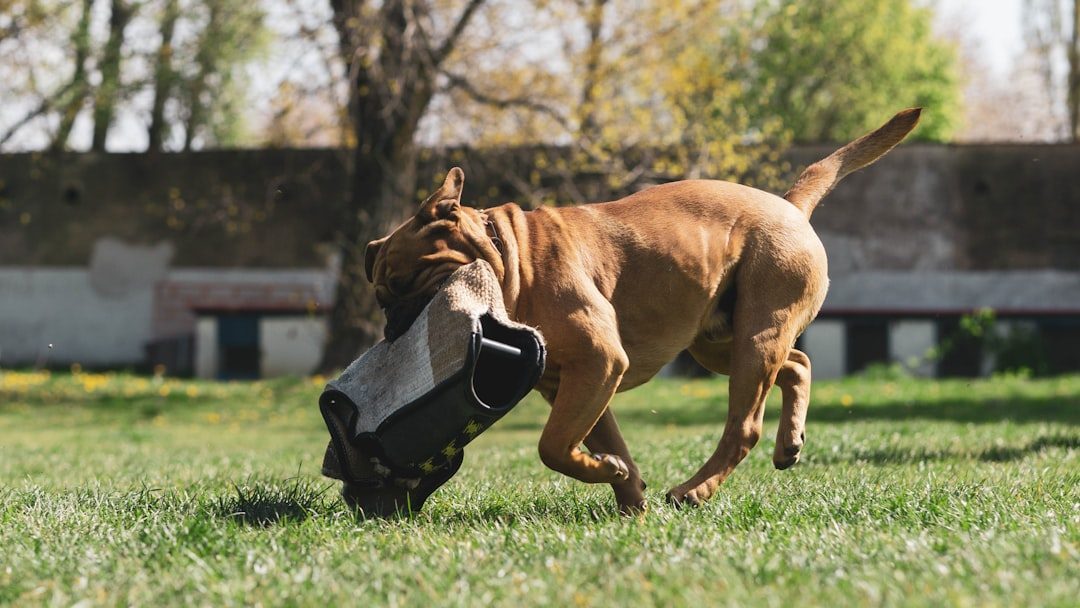
Boxers are well-known for their playful and energetic personalities. They’re incredibly affectionate with their families, especially children, and are excellent at protecting the home. Their goofy antics will keep you laughing daily.
One of the breed’s most notable characteristics is the desire for human affection, especially from children. They are patient and spirited with children, but also protective, making them a popular choice for families.
Their moderate energy level means they require regular exercise, but they’re not as high-maintenance as some of the more demanding breeds, perfect for first-time owners who can handle a dog that’s both energetic and loving. Daily play sessions and walks keep them happy and well-behaved.
Pug: Charming Personality, Minimal Exercise
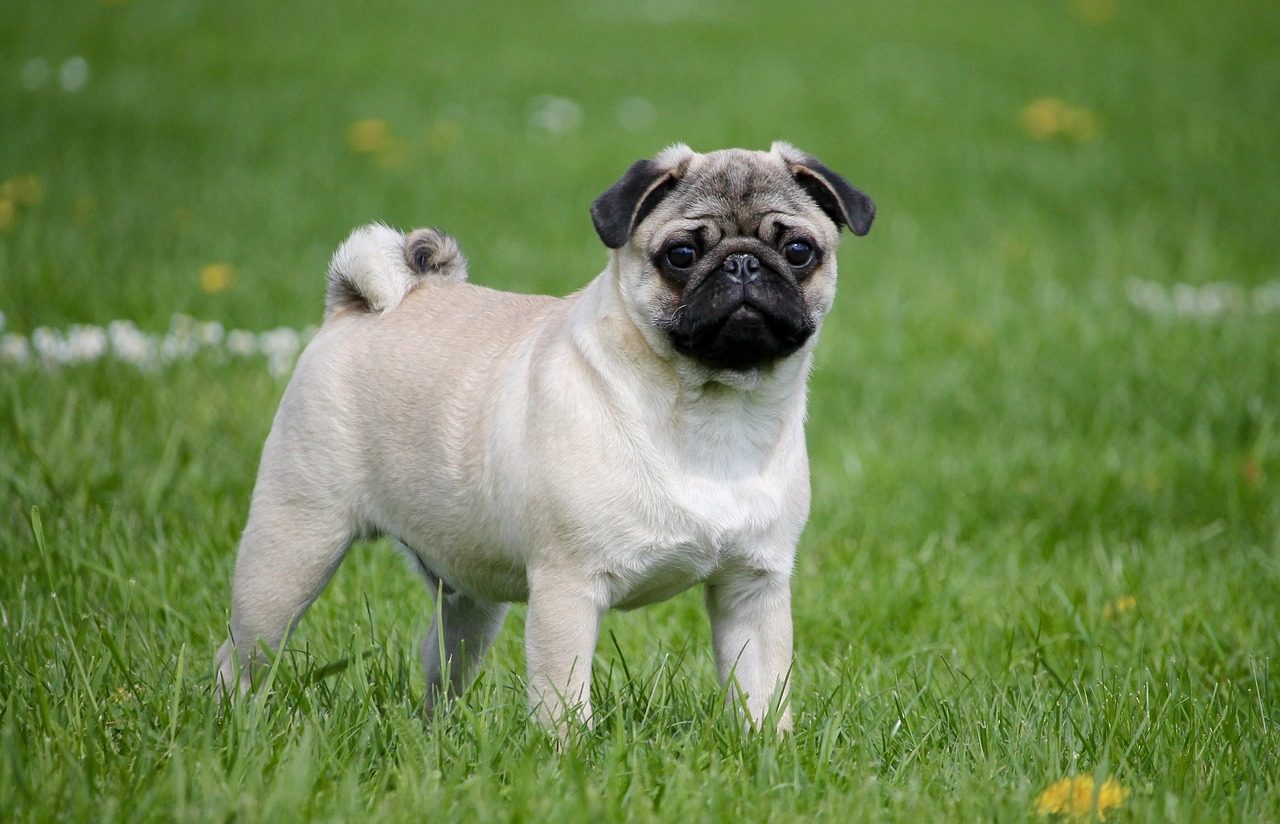
Pugs are known for their charming and laid-back personalities. They’re a great choice for first-time owners who want a dog that’s fun but doesn’t require excessive exercise. Those wrinkled faces and expressive eyes capture hearts effortlessly.
Pugs are content lounging around the house, but they’re also up for some playful fun when you’re in the mood. Their lovable nature and easy care make them an excellent choice for people new to dog ownership.
One important note: pugs can overheat easily due to their flat faces. Hot summer jogs aren’t their thing. Short walks during cooler parts of the day, combined with indoor play, keep them healthy and happy. They’re food lovers, so watch those portions to prevent weight gain.
Whippet: The Gentle Couch Potato
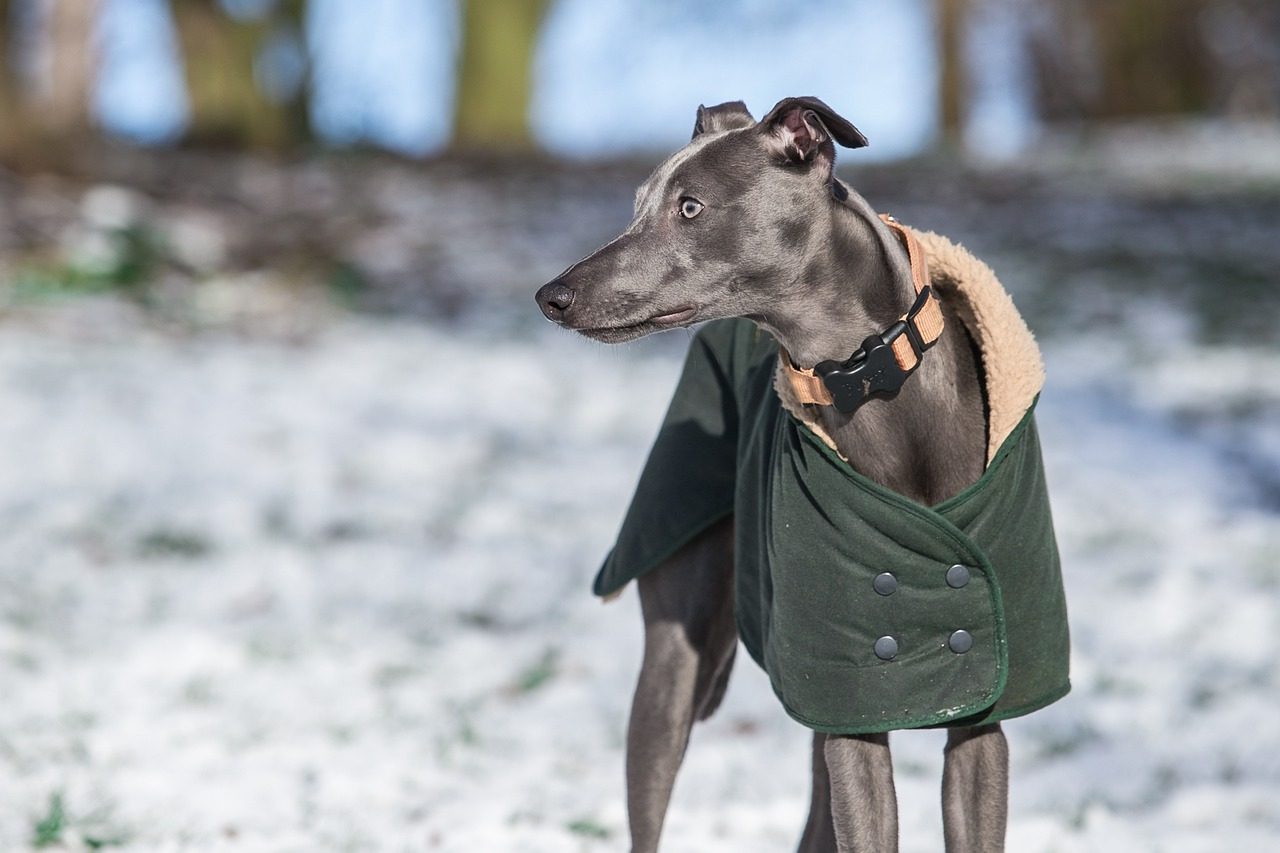
If you’re looking for a gentle, quiet dog, look no further than the Whippet. Whippets love being with their people and are surprisingly low-maintenance. These pups appreciate living in a calm environment.
Despite their athletic build and speed, Whippets are surprisingly relaxed indoors. Although Whippets like to run, most of the time, they make excellent house dogs. They are quiet while hanging out in the living room at home, often spending most of the day sleeping.
Their natural attachment to people makes them happiest when kept as house pets. The breed is friendly to visitors and good with well-trained children. Their minimal grooming needs and calm demeanor make them ideal for those seeking a lower-maintenance first dog.
Akita: Protective Power Requires Experienced Leadership
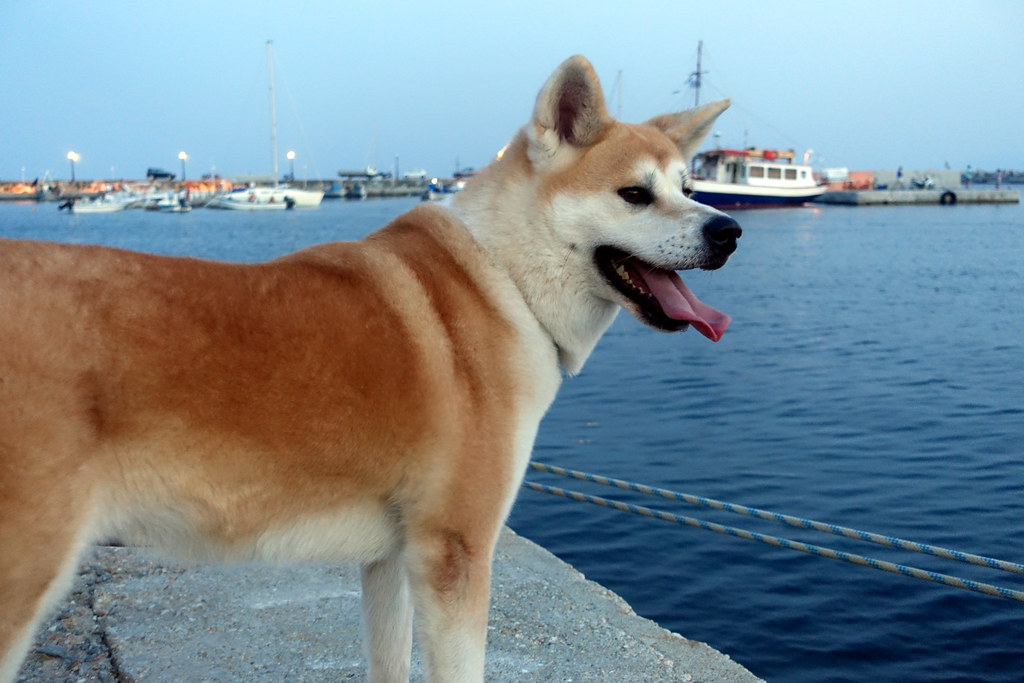
Now we’re entering different territory. Akitas were bred to hunt big game, so they have a strong prey drive and can be aggressive if not adequately socialized and trained. Highly protective by nature, these dogs are often wary of strangers and do not always get along with other dogs. It takes an experienced pet parent to keep Akitas grounded and trained.
Akitas are big, strong, intensely protective, and one of the hardest breeds to train. They are suitable for experienced owners only because their large size and resistance to training make for a potentially dangerous situation. Developed in Japan, the Akita is deeply loyal to their family but suspicious of strangers, and often aggressive towards other animals.
Their independence and intelligence mean they think for themselves. Akitas can also be stubborn and headstrong, which makes training a challenge. Without proper handling, their protective instincts can escalate into aggression. Beautiful? Absolutely. Beginner-friendly? Not remotely.
Siberian Husky: High Energy, Higher Mischief
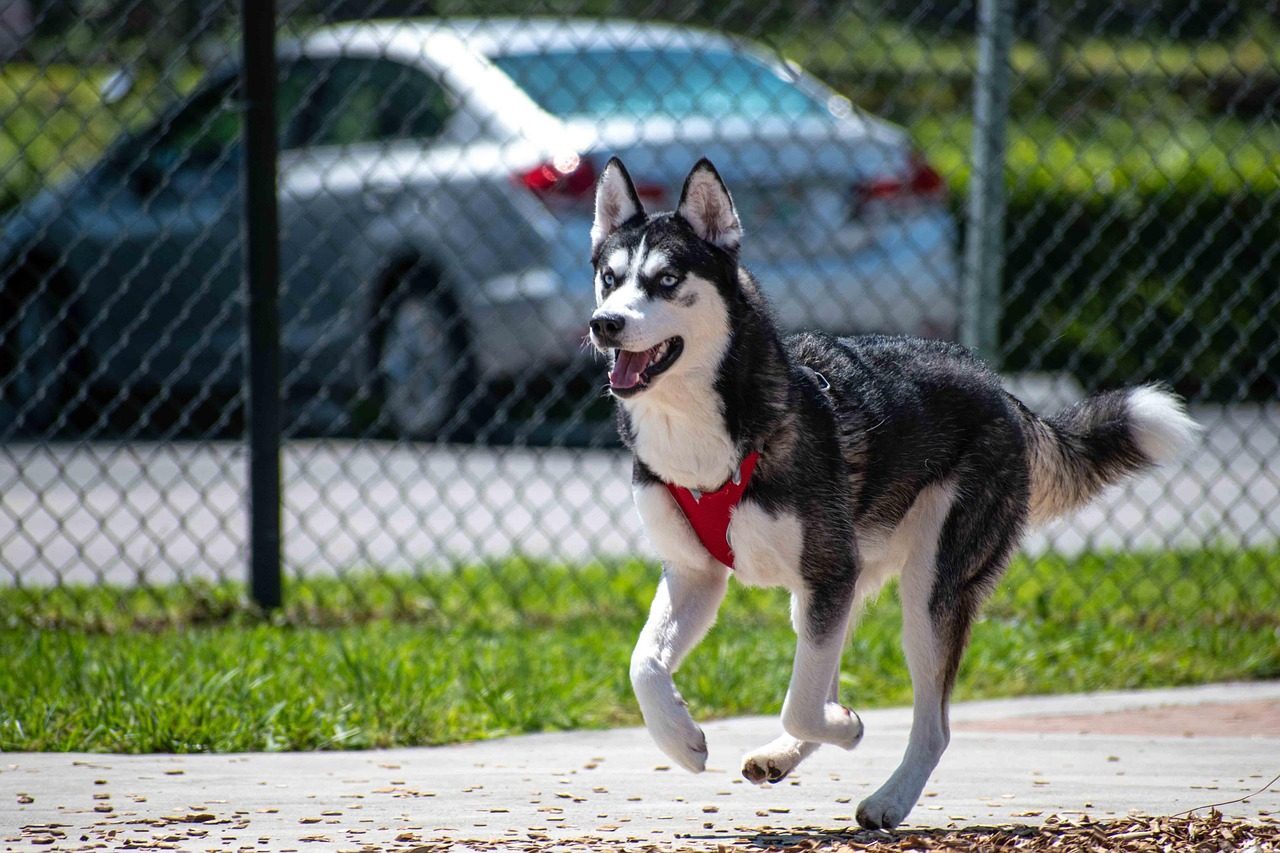
Those striking blue eyes and wolf-like beauty are tempting, I know. Huskies are extremely energetic and were originally bred to run for miles on end in frozen tundra, and their souls are still born to run for hours. Without enough exercise, they will quickly become destructive.
They were bred to be independent, as this ensured a mushing group of huskies would ignore commands if the terrain was deemed unsafe. But all these years later, that independence means they have a stubborn streak when it comes to listening to commands.
They are also skilled escape-artists, and have trouble controlling their small prey drive around cats and small animals. Let’s be real: if you’re working a regular job and can’t provide hours of daily exercise, a Husky will redecorate your home in creative and expensive ways. They need experienced owners who understand their unique needs.
Border Collie: Brilliant Minds Need Constant Work
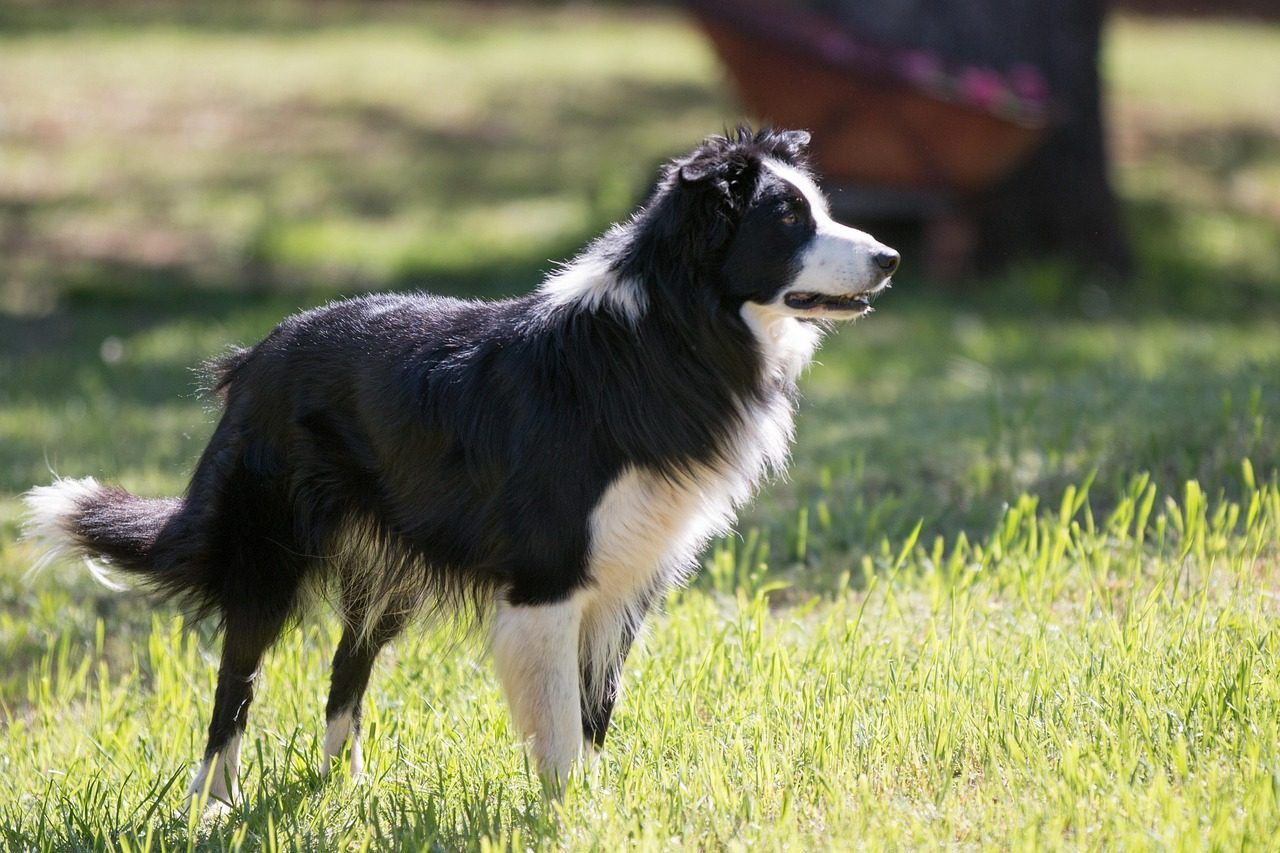
Border Collies are extremely intelligent and bursting with energy. These qualities make them exceptional workers. Unfortunately, they also lead to plenty of mischief when there is no job to be done.
Breeds like the Border Collie require high levels of mental and physical stimulation. They are typically intelligent and energetic and excel at tasks like herding or obedience. Without proper outlets, they can become bored, develop behavioral issues, or exhibit destructive behaviors.
These dogs aren’t content with a simple walk around the block. They need puzzles, training sessions, agility courses, or actual jobs. Border Collies are best suited to country life and do not do well as urban apartment dwellers because of their intense need for physical activity. Natural herders, Border Collies are prone to nipping at peoples’ heels. First-time owner? Look elsewhere.
Rottweiler: Powerful Guardian Needs Firm Guidance

Although he can be a gentle giant, the wrong Rottweiler with the wrong owner can truly be a scary dog. A Rottweiler wants someone to be the boss, and if you’re not taking the job, he will. This isn’t a breed that tolerates wishy-washy leadership.
He’s powerful and protective, and known for being extremely loyal when it comes to his people and his property. Considering he can weigh as much as 135 pounds (and most of it muscle), he can generally back up his threatening growl.
An experienced owner will understand that these dogs are also powerful. Established leadership begins early in the relationship and needs to be maintained throughout the life of the dog. Rottweilers aren’t content to lie around the backyard alone, they need constant physical, mental and social stimulation. Their loyalty is legendary, but only experienced handlers should take on this responsibility.
Belgian Malinois: Elite Working Dog, Not a Pet Project
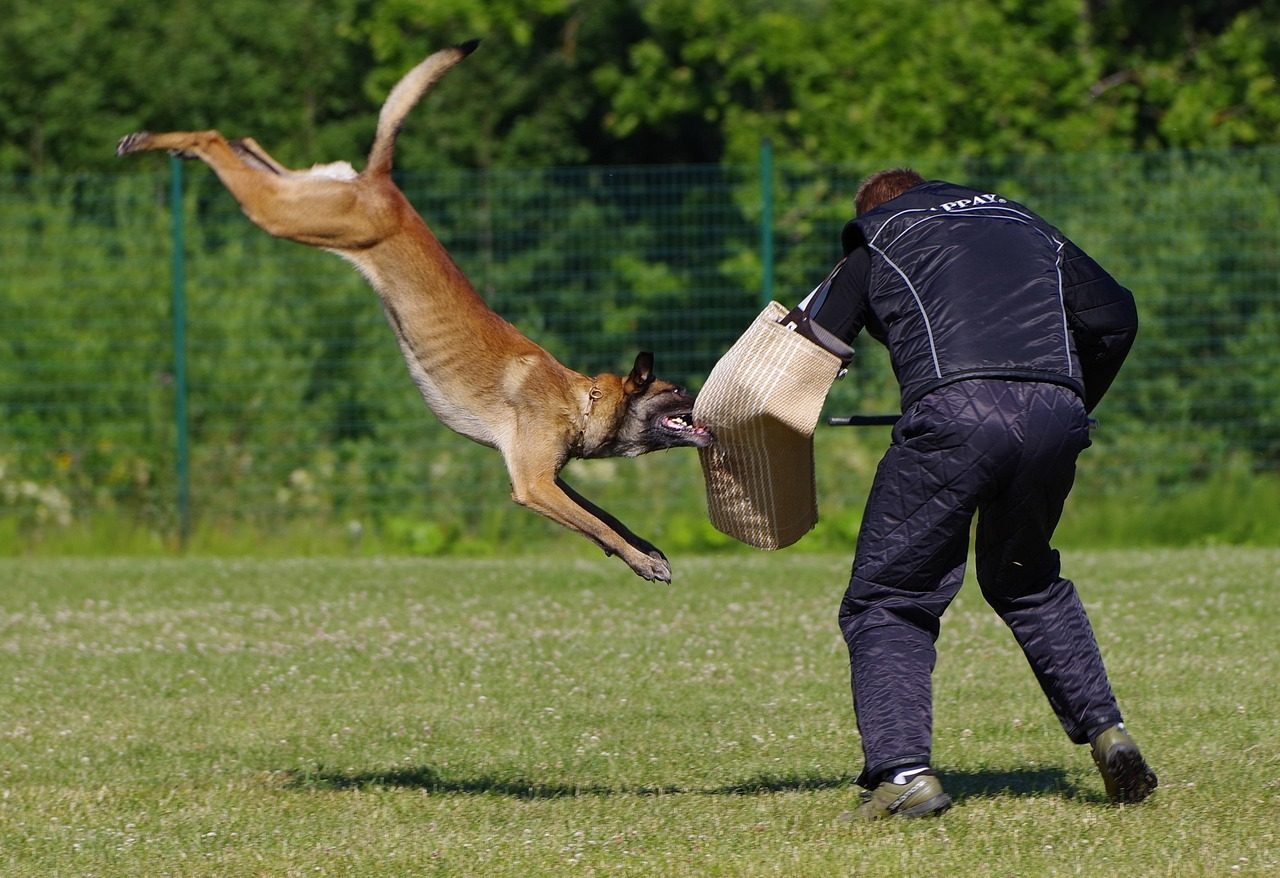
The Belgian Malinois is an intelligent, energetic breed well-suited to military and police work. These dogs are fiercely loyal and make exceptional watchdogs. Unfortunately, they aren’t the best choice for new pet parents.
They require strong leaders and extensive physical and mental exercise. Without the firm training and guidance of an experienced pet owner, they’re prone to neurotic and destructive behavior.
Picture a dog bred specifically for police and military work. That intense drive doesn’t switch off at home. They need hours of physical activity and mental challenges daily. Without it, they redirect that energy into behaviors you definitely won’t appreciate. This breed belongs with professionals who understand working dogs, period.
Chow Chow: Independent and Stubborn to the Core
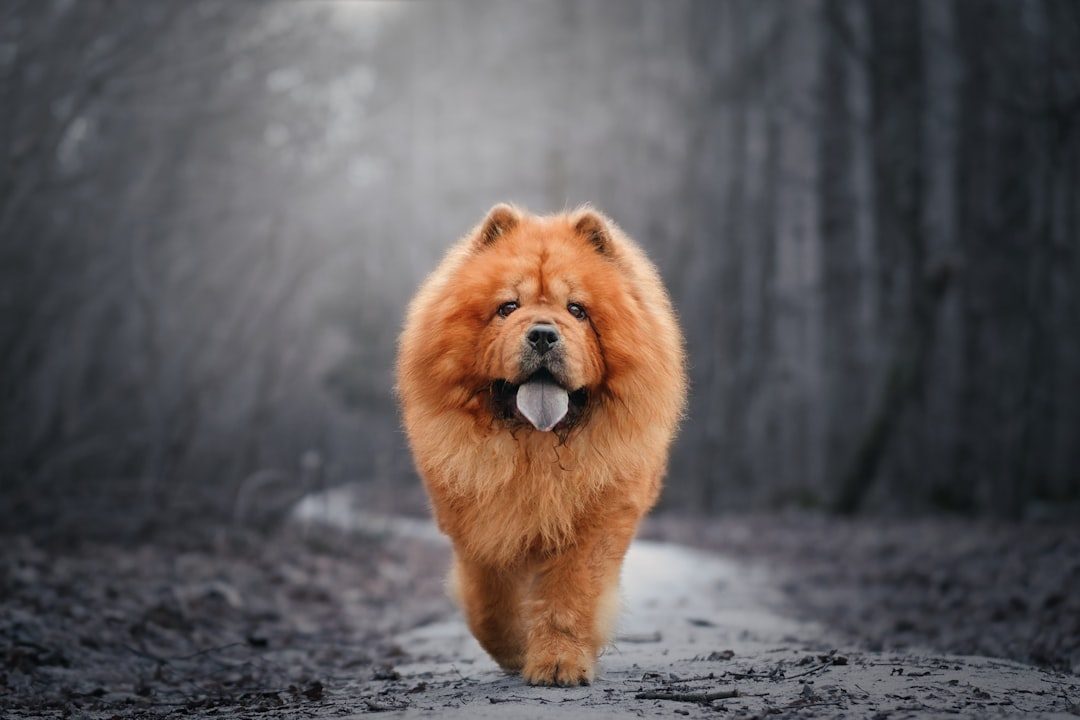
Not known for being particularly lovey-dovey, the Chow Chow isn’t the teddy bear he appears to be. He’s intelligent but stubborn, and may require a lot of training before you get the results you’re looking for. This breed is wary of strangers and may be aggressive toward dogs he doesn’t know.
While intelligent, these dogs are stubborn. Raising a well-mannered and well-adjusted Chow takes a lot of training and patience, so these dogs do best with experienced owners.
Because of their long double coats, Chows also have relatively intense grooming needs. If you can’t keep up with brushing your dog and removing mats regularly, this is not the breed for you. Their aloof nature combined with grooming demands and training challenges make them unsuitable for beginners.
Chinese Shar-Pei: Territorial Tendencies Need Managing
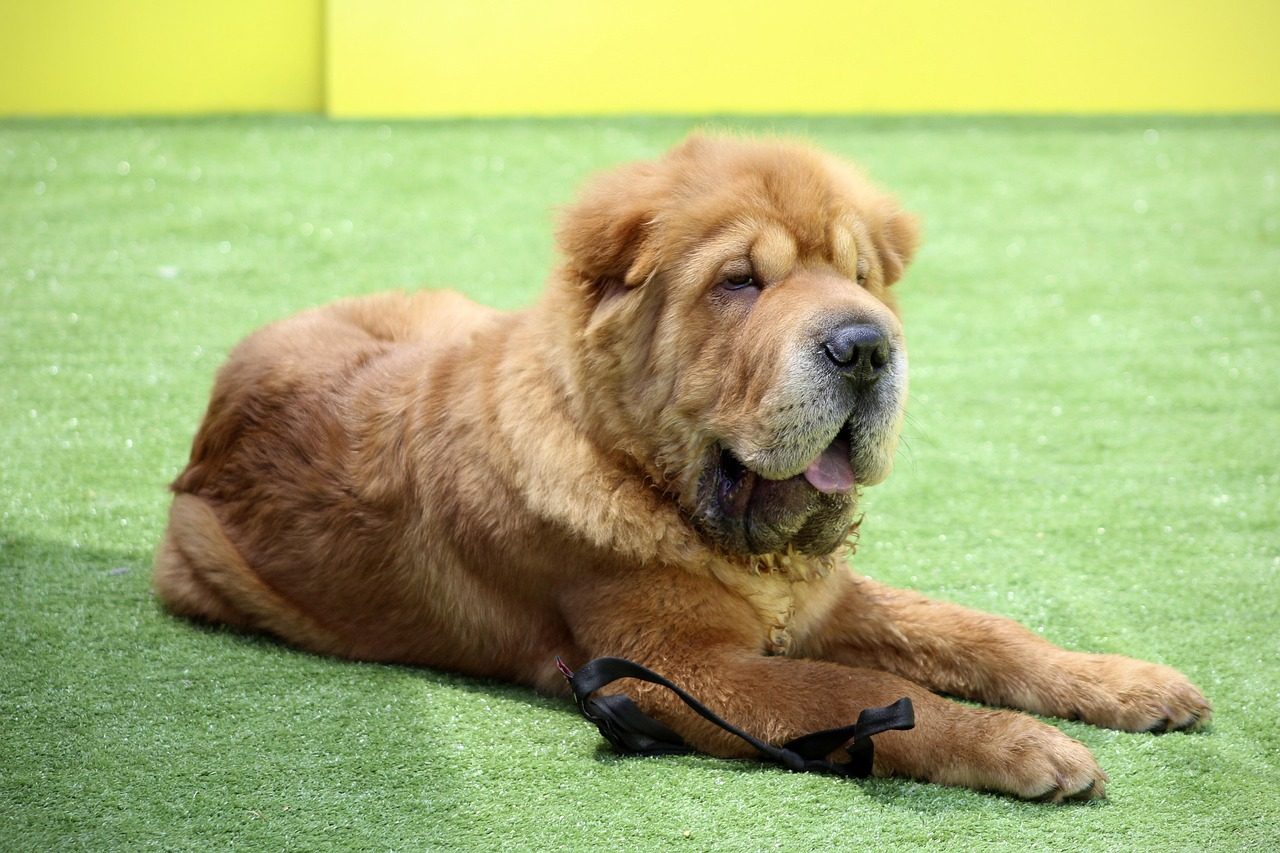
Those adorable wrinkles hide a complex personality. This highly territorial dog tends to bond with one person, and can be quite distrustful of those he doesn’t know, humans and canines alike. And all those dramatic skin folds can increase the tendency for chronic skin and eye conditions.
Shar Peis just don’t have a forte for socializing with others outside their family. They can be easily territorial, and become aggressive with strangers when they’re not properly socialized.
Shar-Peis are smart and devoted dogs, but their independent thinking and love of doing things at their own pace can make training them a constant battle. They will take on a dominant role if given the opportunity. In the care of an ill-equipped owner, they can become too overprotective, which can lead them to act out aggressively toward strangers. Not beginner territory.
Alaskan Malamute: Strength and Stubbornness Combined
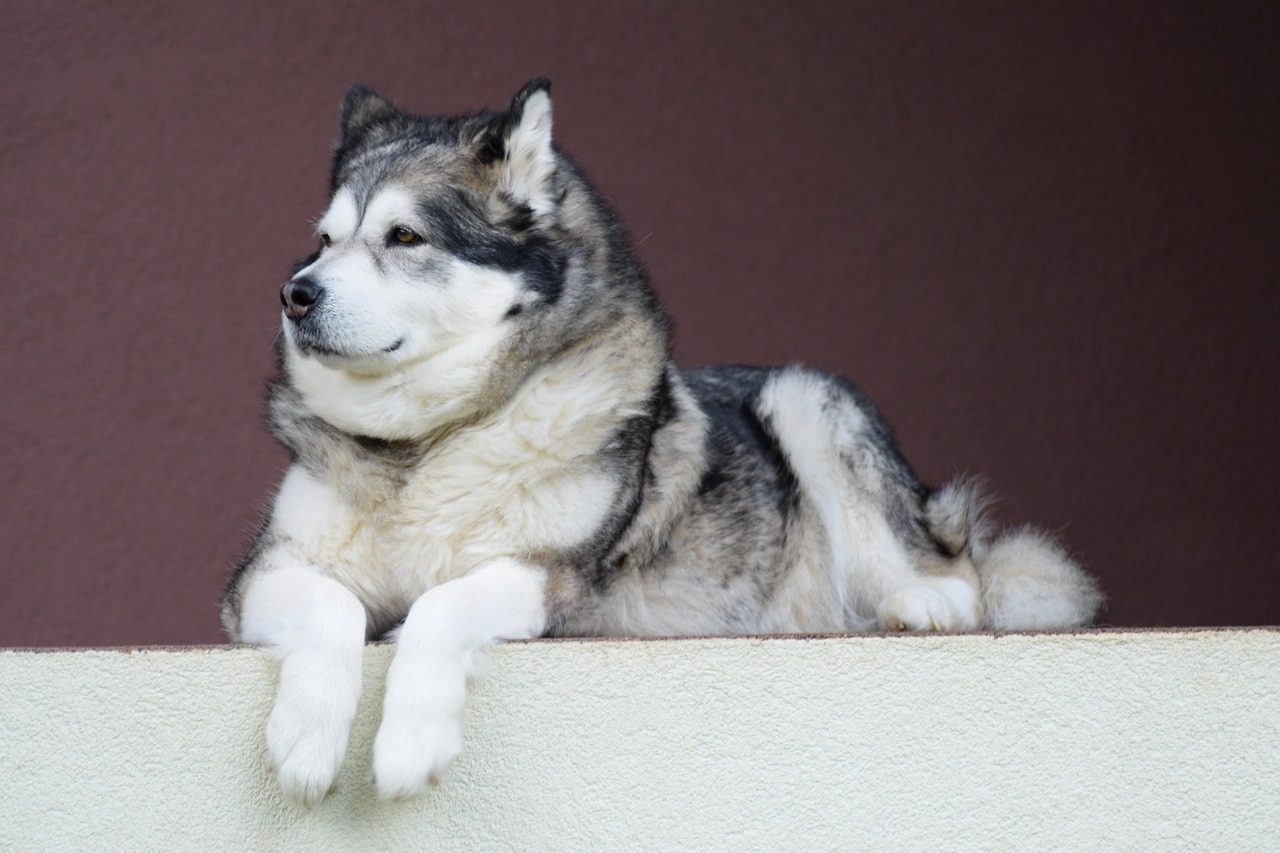
The Alaskan Malamute sheds like crazy, pulls on leash with all of his 65-100 pounds and is a talented escape artist. This breed is made to travel far on his own four feet and he needs a family committed to a lot of exercise when it’s best for him. That thick fur coat also leaves him vulnerable to heat injury.
Although Malamutes are very smart, they’re also independent, willful, stubborn, and have no interest in listening to anyone they don’t respect. If a Malamute doesn’t take you seriously, good luck getting them to pay attention to you long enough for training.
Their strength makes leash walking a workout. Their intelligence means they’ll outsmart inexperienced owners. They’re generally sweet-natured, but Malamutes have a dominant streak and require experienced handling, and even then you may never fully break some bad habits, like digging. Beautiful dogs, absolutely. Appropriate for newbies? Absolutely not.
German Shepherd: Intelligence Demands Expertise
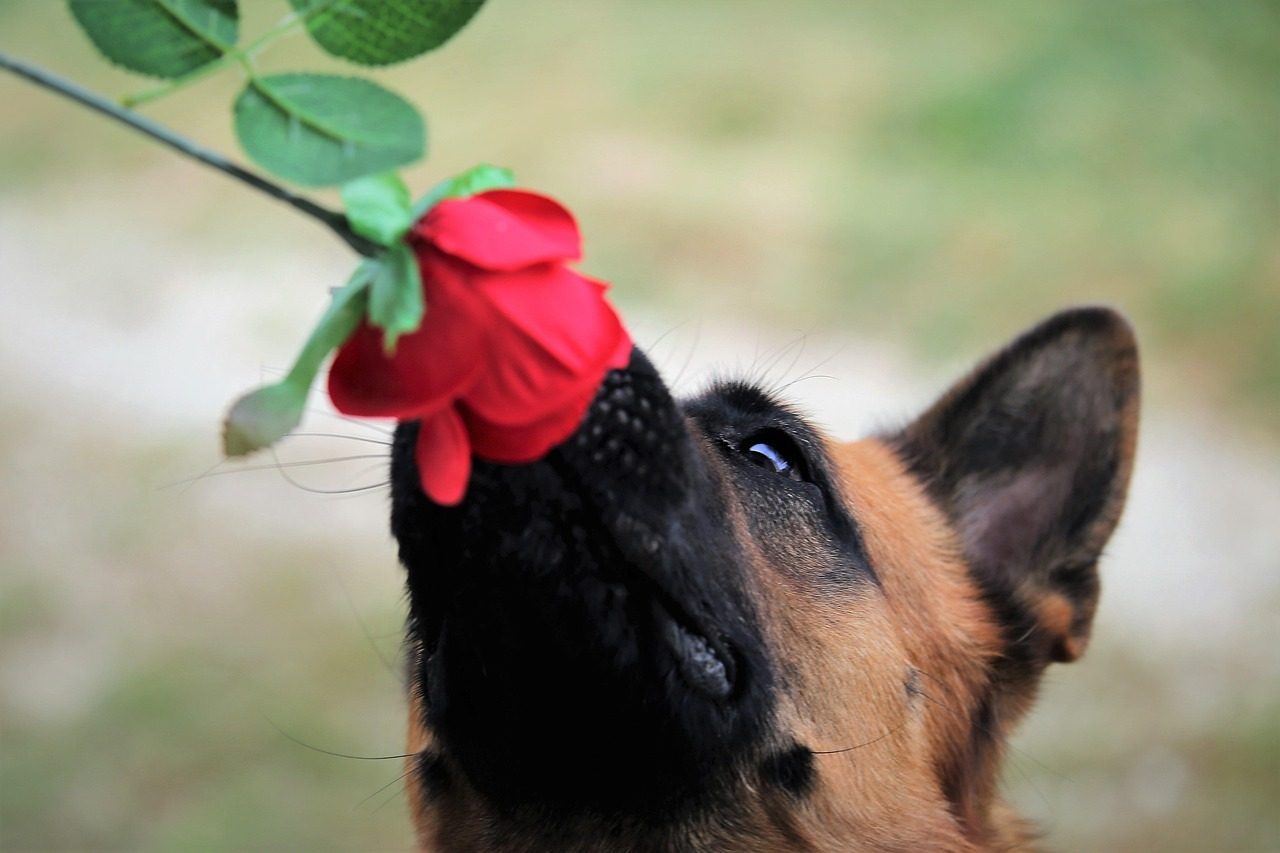
If there’s 2 words to describe a German Shepherd it’s active and intelligent. So intelligent that they’re the dog breed of choice for the police and armed forces as they’re very easy to train, but only if you know what you’re doing.
Their high intelligence and energy levels mean they require significant mental and physical stimulation to prevent boredom and destructive behaviors. German Shepherds can be wary of strangers and protective of their family, necessitating thorough socialization and training from a young age.
Another working breed, the German Shepherd is highly sought after as puppies because they are little balls of fluff and fur. An experienced owner will understand to begin training early and retain a firm, positive hand. Their devotion and capability are legendary, but they need handlers who can match their intensity and intelligence.
Basenji: The Barkless Independent Thinker
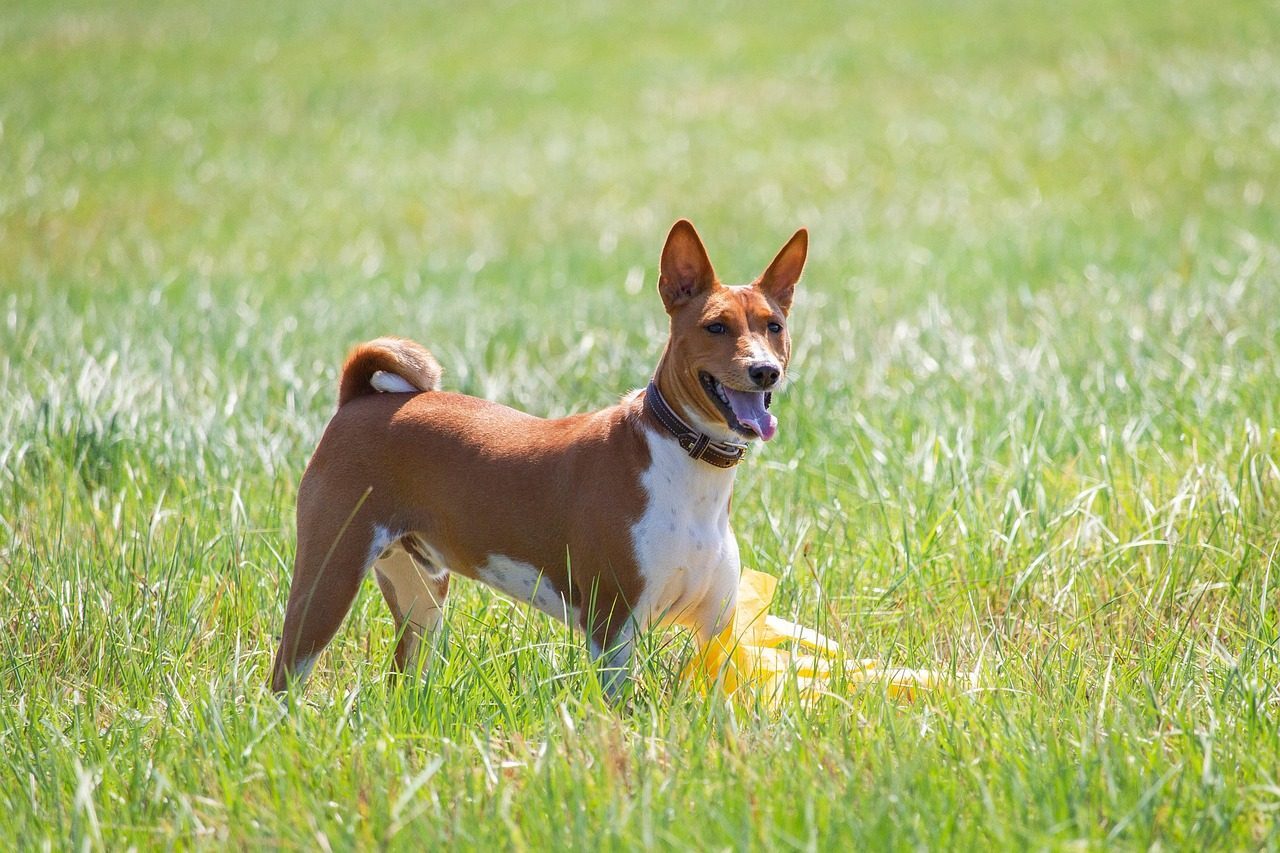
Basenjis are known for their cat-like personalities, being both independent and intelligent. This breed is notoriously difficult to train due to their stubborn nature. They are curious and easily bored, requiring creative training techniques to keep them engaged.
Calm and highly independent, Basenjis stand out thanks to their catlike proclivities and the fact that they don’t bark. You may find their independent and selective personality a challenge, especially in distracting environments, when their prey drive may overrule any treat or toy you possess.
Think of them as cats in dog suits. They’ll affectionately tolerate you while doing exactly what they please. Early socialization and consistent, positive training methods are key. Despite their challenges, Basenjis are incredibly loyal and affectionate with their families. Yet their independent streak makes them challenging for first-timers.
Conclusion: Matching Dog to Handler
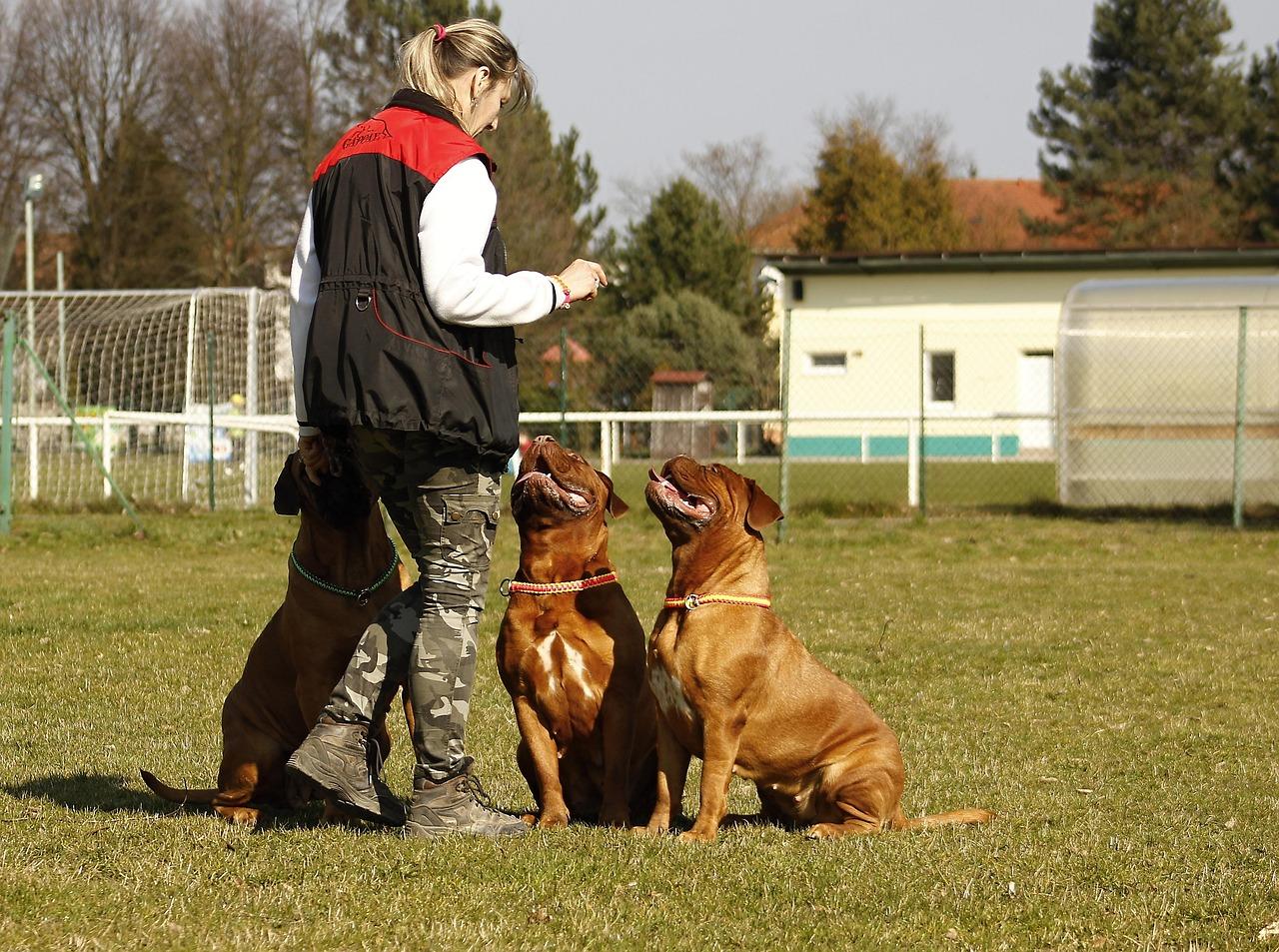
Here’s the thing about choosing your first dog: honesty matters more than desire. We all want that gorgeous Husky or impressive German Shepherd, yet wanting and being ready are entirely different things.
The beginner-friendly breeds aren’t boring or less worthy. They’re forgiving teachers who’ll guide you through the fundamentals of dog ownership without punishing every mistake. They adapt, they cooperate, and they build your confidence as a handler.
The experienced-only breeds? They’re not better dogs, just more demanding ones. They need handlers who’ve already learned the ropes, who understand canine psychology, and who can provide structure without hesitation.
Set yourself up for success rather than struggle. Choose a breed that matches your actual lifestyle and experience level. The bond you’ll build with a compatible companion far outweighs the ego boost of handling a challenging breed before you’re ready.
What surprised you most about these breed differences? Are you leaning toward a forgiving first-timer breed or feeling ready to tackle a more complex companion?


