
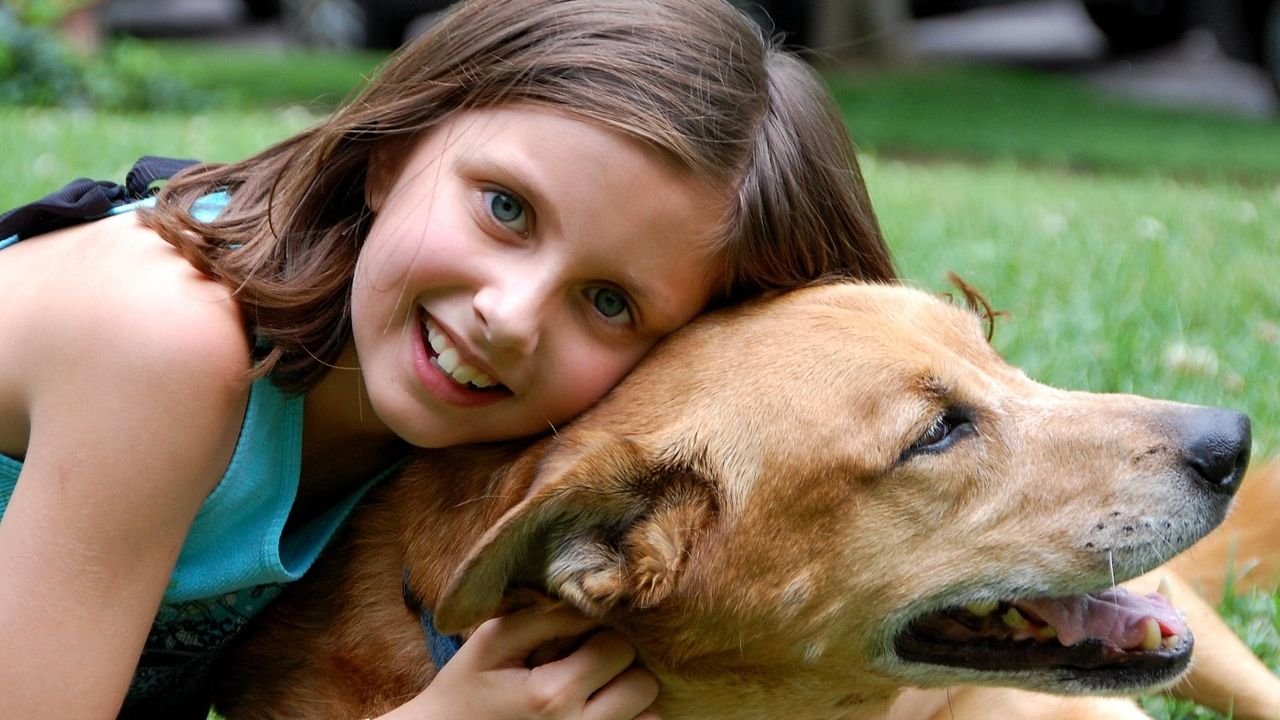
You ever watch your dog and just know something magical is happening between you? That bond you share isn’t just about treats and walks. It’s about trust, the invisible thread that weaves through every tail wag, every quiet moment, every time they look at you like you hung the moon. Trust makes everything easier, from nail trims to recall training, and it transforms your relationship into something truly special.
Here’s the thing though. Trust isn’t automatic, even for our canine companions who seem hardwired to love us. It’s earned through thousands of tiny interactions, built brick by brick through consistency, kindness, and understanding. Some dogs give it freely, while others need time and patience to open their hearts.
So how do you know if your dog truly trusts you? What are those telltale signs that speak louder than any bark? More importantly, how can you strengthen that bond and become the person your dog knows they can count on, no matter what? Let’s dive in.
They Show You Their Belly
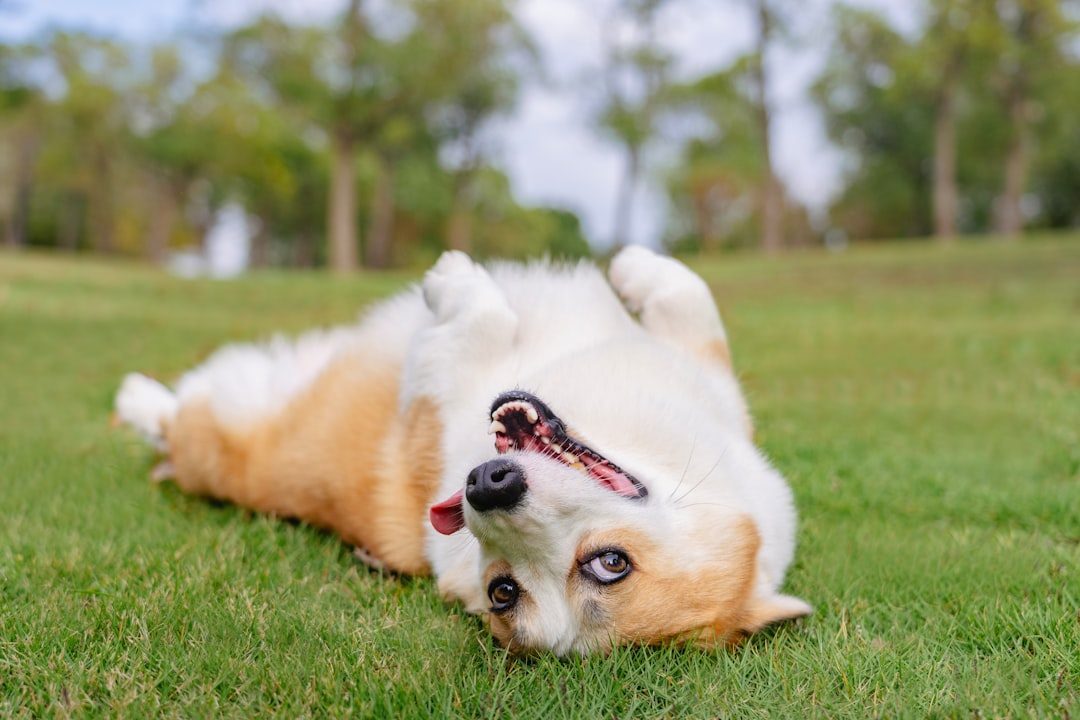
When a dog exposes its belly to you, it’s displaying vulnerability and trust, as the belly is one of a dog’s most unprotected areas. This isn’t just your pup asking for a quick rub. It’s them saying, in the clearest way possible, that they feel completely safe with you.
Think about it from their perspective. An attack on the underbelly can be fatal in the wild. So when your dog rolls over and presents that soft, defenseless area, they’re showing profound faith in your intentions. It’s one of the most honest displays of trust you’ll ever receive from a canine.
They Maintain Soft Eye Contact With You
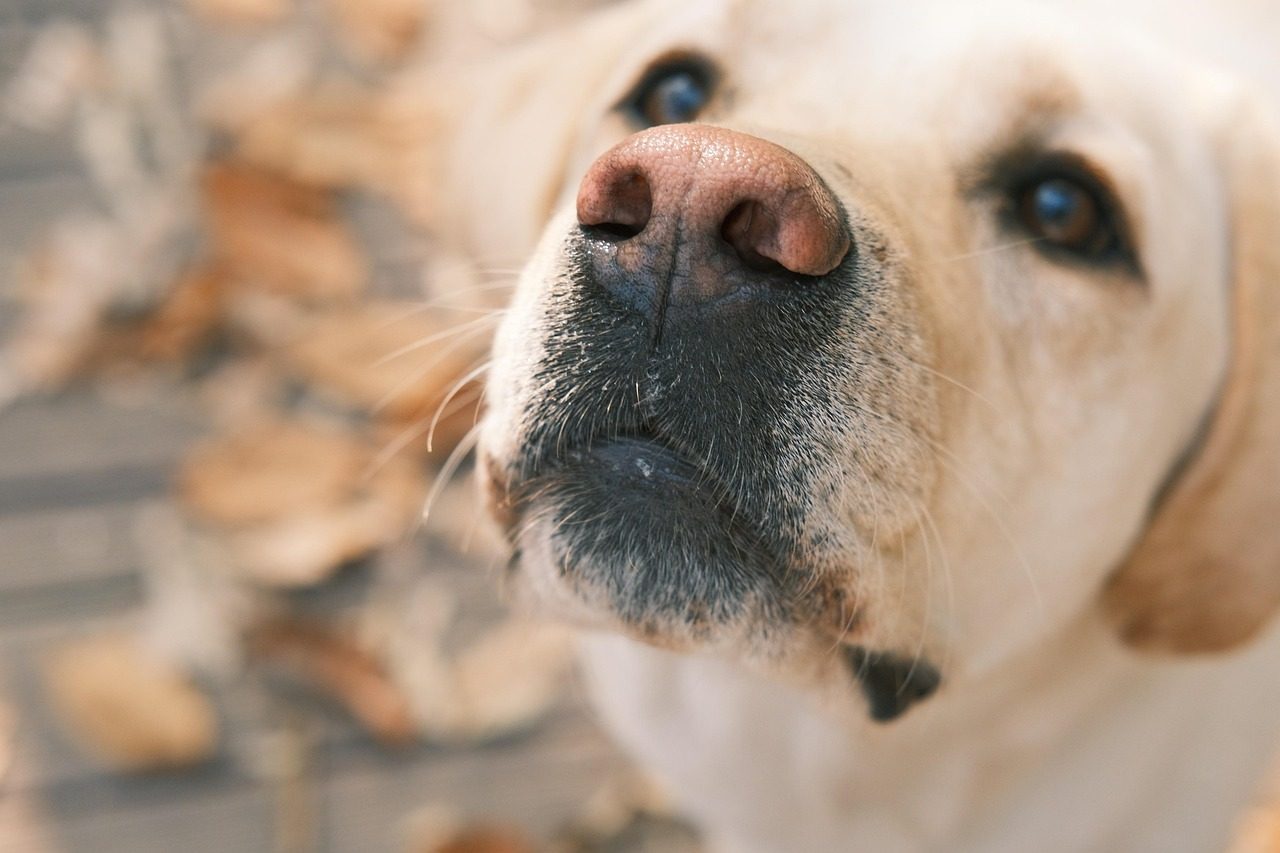
In the animal world, prolonged eye contact can be considered a threat, however, when your dog maintains gentle eye contact, it shows trust and affection. You know that moment when your dog just gazes at you with those soft, warm eyes? That’s not random.
With humans they feel comfortable around, dogs often display relaxed eye contact that is brief and soft rather than fixed or avoidant. It’s their way of connecting with you on a deeper emotional level, a silent conversation that says everything without words. Watch for that gentle expression, often accompanied by a relaxed face and maybe even those slightly narrowed eyes that look like they’re smiling.
They Follow You From Room to Room
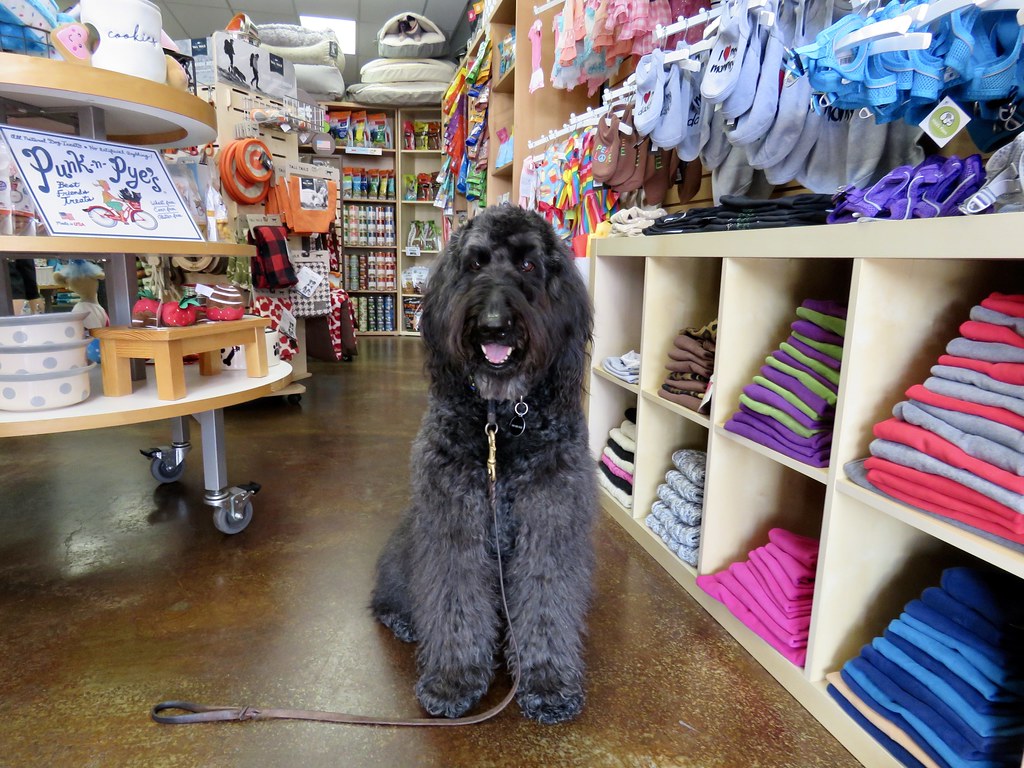
A dog that follows you from room to room does so not just out of curiosity but because they trust you implicitly and want to be by your side, demonstrating their reliance on you for security and companionship. Your constant shadow isn’t being clingy for no reason.
This behavior shows they consider you their pack leader and trusted friend. They’re seeking your presence for comfort and guidance, wanting to stay connected to the person who makes them feel safe. Honestly, it’s one of the sweetest compliments a dog can give.
They Stay Calm When You’re Away
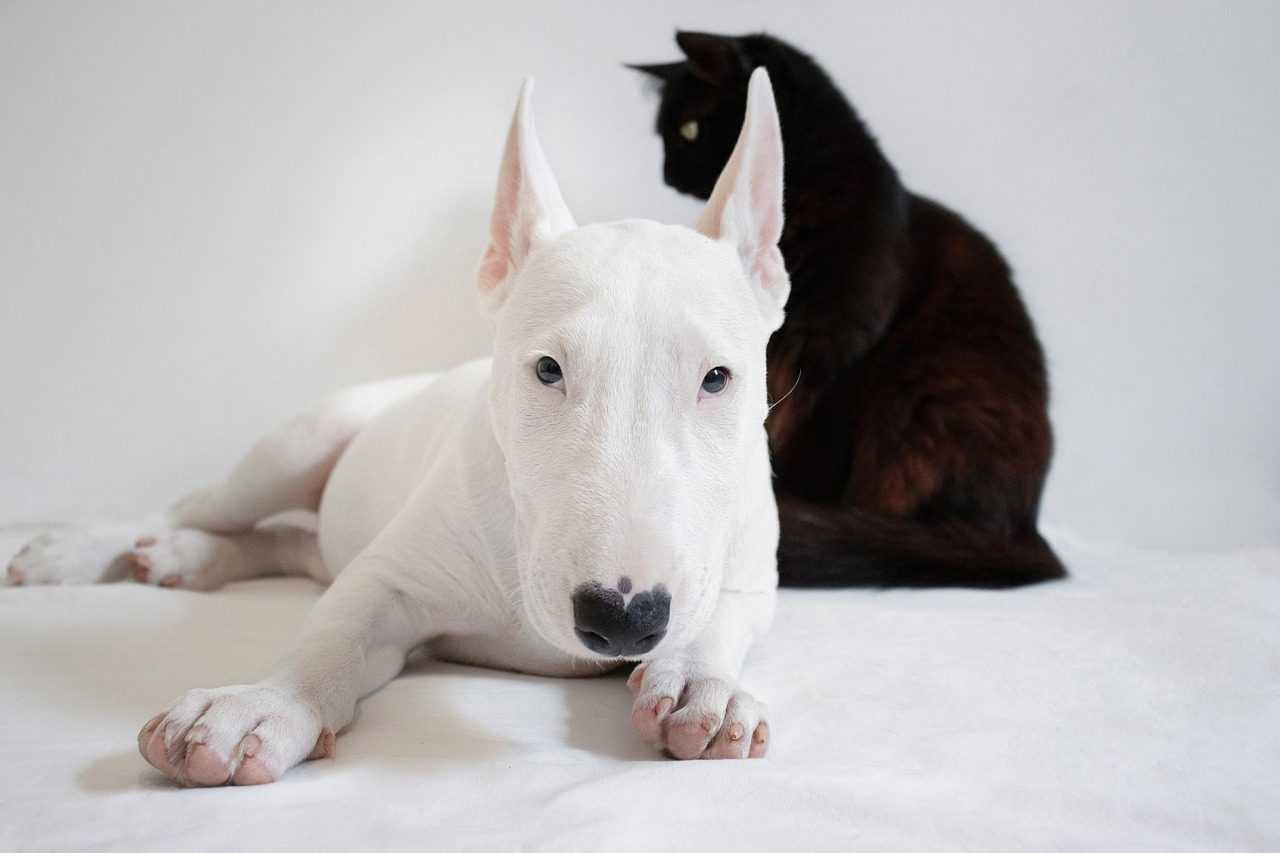
A calm dog when you’re not home demonstrates trust in your return, indicating they feel secure in their environment and trust you to come back. This one might surprise you since we can’t always see it happening.
A dog who trusts you understands the temporary nature of your absence. They’re not tearing up the couch or having a meltdown because they know you’ll be back. Separation anxiety, on the other hand, can signal distress and a lack of trust in these situations.
They Sleep Near You or In Your Presence

Dogs are most vulnerable when asleep, so choosing to sleep near you or in your presence is a significant indicator of trust, meaning they feel entirely secure with you guarding them. Sleep is when animals are at their most defenseless.
When your dog curls up at your feet or sprawls out on the bed beside you, they’re telling you they feel protected. This behavior shows they see you as a protector and a source of comfort. It’s a beautiful thing, really.
They Check In With You During Walks
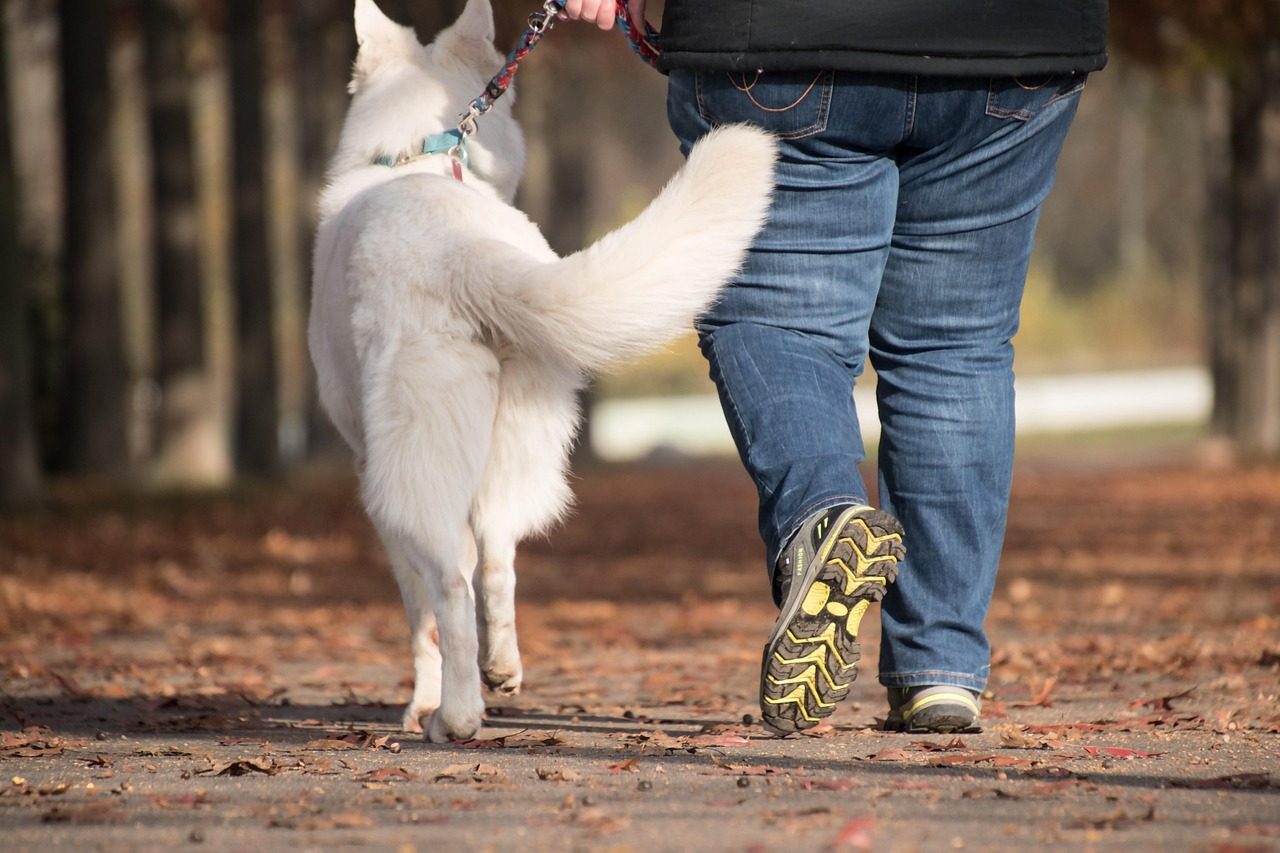
A dog that checks in with you during walks, looking back or waiting for you, demonstrates trust in your leadership and guidance, signifying they’re not just aware of your presence but also rely on you for direction and safety. Even when there’s a whole world of fascinating smells and sights around them, a trusting dog keeps tabs on you.
They’re aware of where you are and what you’re doing because you’re the center of their world. That quick glance back or pause to make sure you’re still there? That’s trust and respect for your role as their leader.
They Let You Handle Them During Care Routines
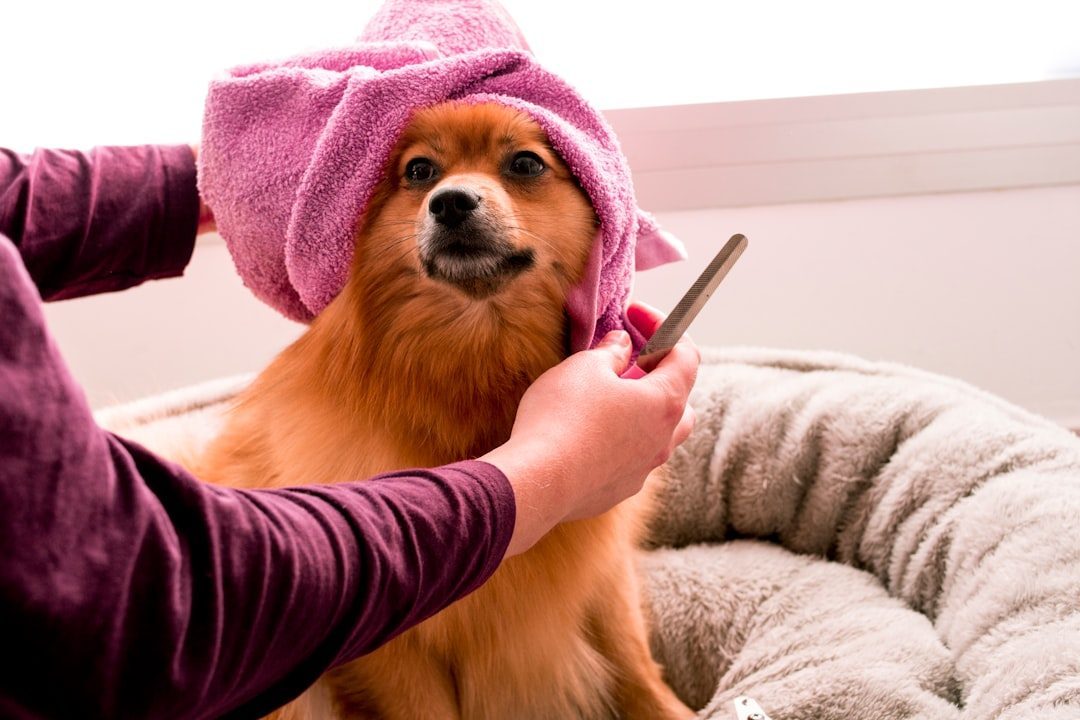
From teeth brushing to nail trimming, allowing us to perform grooming and care tasks without a fuss is a clear indicator that your pup trusts you, as most of the handling required for care is awkward if not a little uncomfortable for dogs. Nail trims, ear cleaning, and teeth brushing aren’t exactly fun for most dogs.
When your dog tolerates these necessary but uncomfortable procedures calmly, they’re showing how much they trust you. They understand that even when something feels weird or slightly unpleasant, you’re not going to hurt them. That’s massive.
They Display Relaxed Body Language Around You
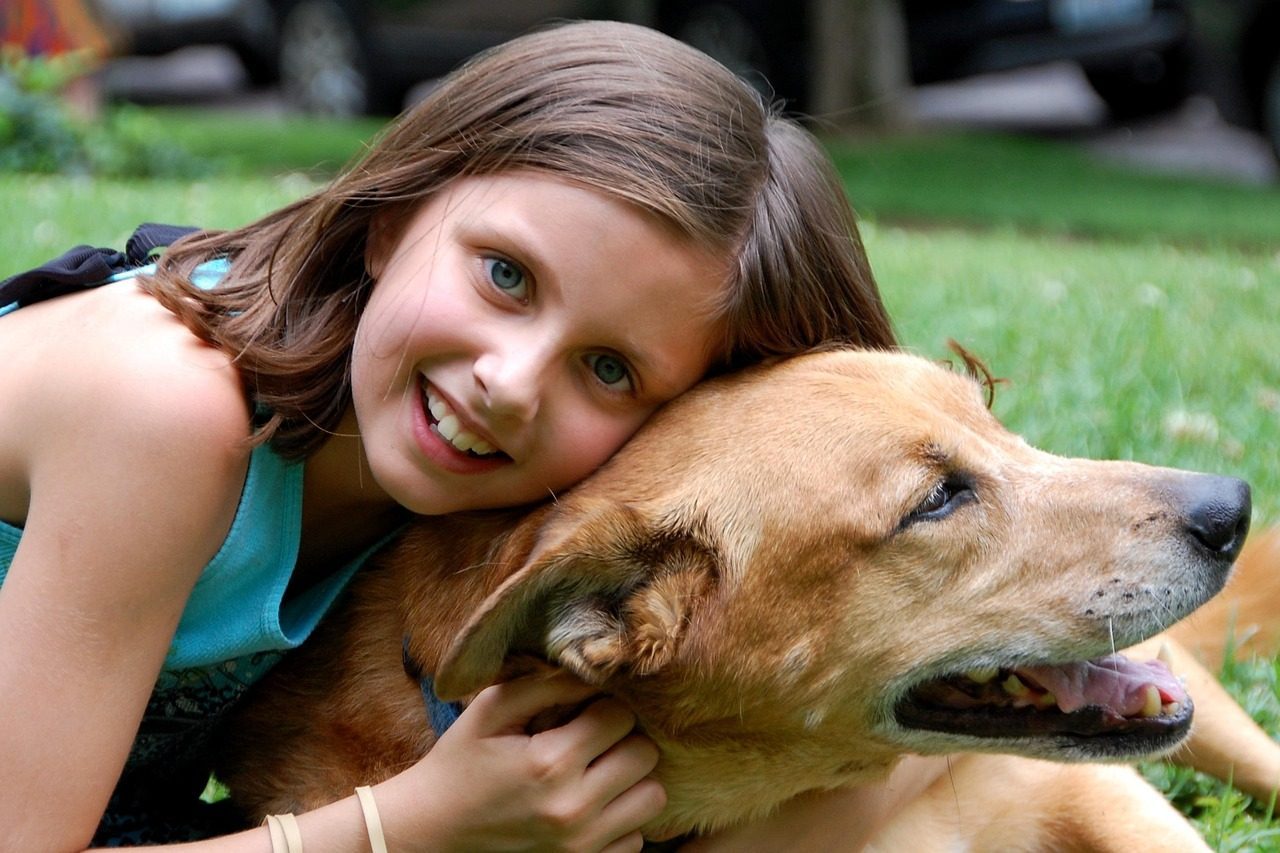
Your trusting dog will present with body language that shows their comfort level with you, including a relaxed face, soft eyes, and a wag that wiggles the entire hind end. Body language tells you everything you need to know about how your dog feels.
A dog that is happy and ready to greet you will have a relaxed body and face, hold their tail high, and wags their tail back and forth. Meanwhile, a dog who doesn’t trust you might appear stiff, tense, or try to create distance. Learning to read these signals is essential.
Be Consistently Kind and Gentle
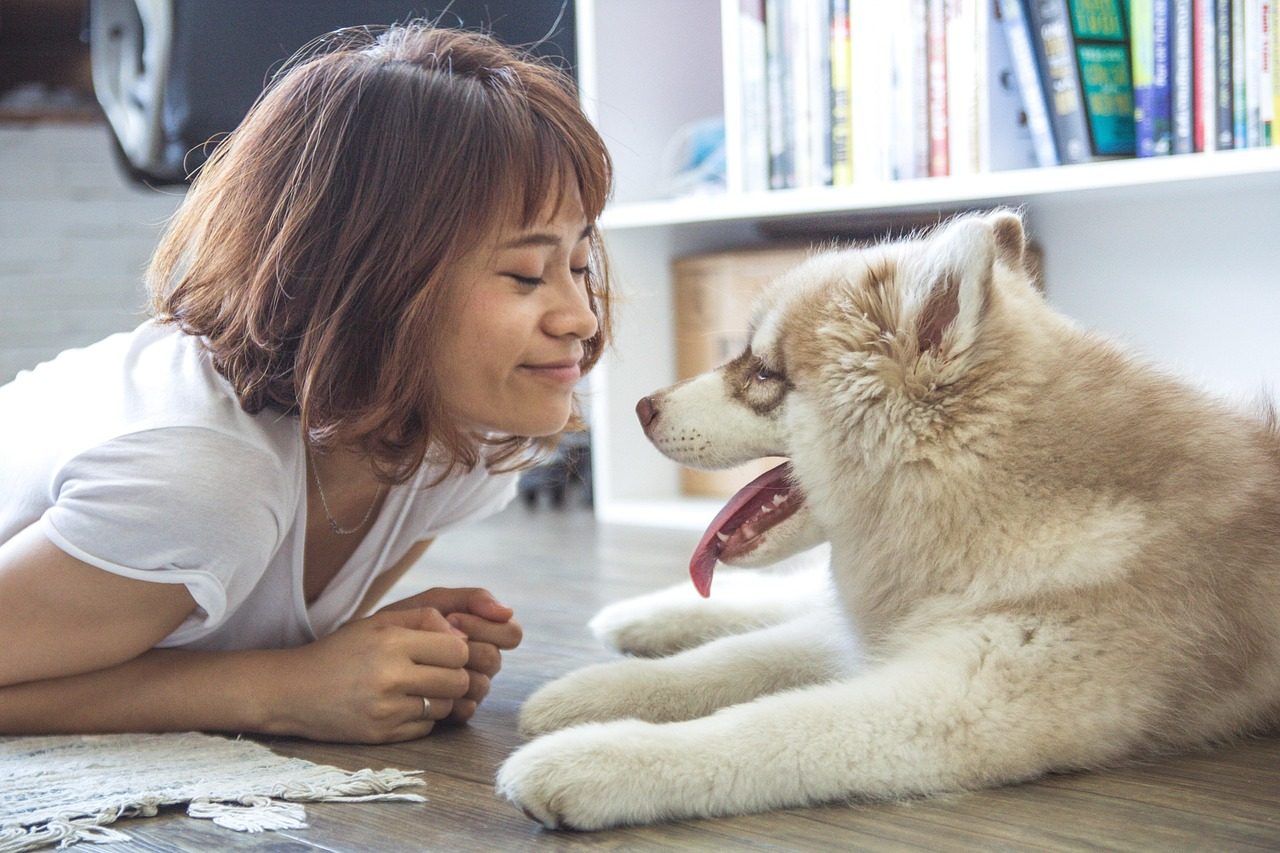
Never bully, hit, kick, yell at or be aggressive towards your dog in any way, and it’s easy to get frustrated sometimes, especially with a young dog that’s testing boundaries or with a newly adopted dog that hasn’t had proper training, but it’s essential to stay calm and positive. This is the foundation of everything.
Your dog needs to know that you’re a safe person, someone who won’t lose their temper or react harshly. Take a breath when things get frustrating. Step away if you need to. Respond with logic and patience, not emotion or anger.
Create a Predictable Routine
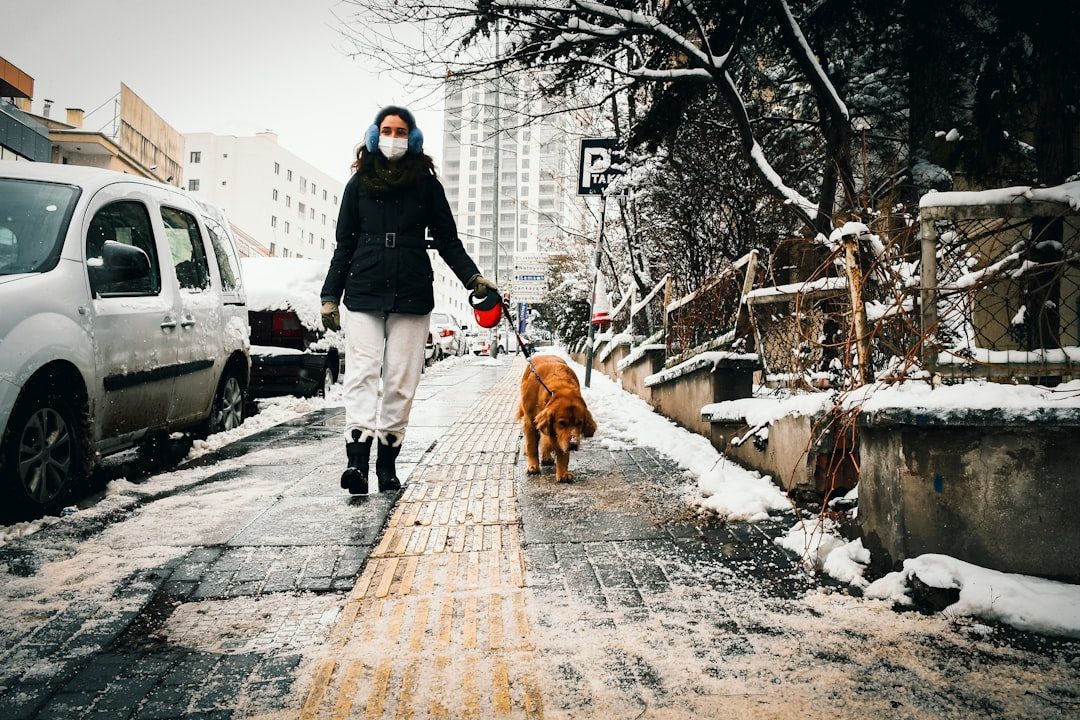
Being consistent promotes predictability, which fosters trust, and maintaining a consistent routine with things like feeding schedule, walk times, and play sessions allows your dog to have the same expectations throughout their day, building their confidence. Dogs genuinely thrive on routine.
When they know what to expect and when to expect it, they feel secure and confident. Unpredictability can create anxiety and erode trust. Keep feeding times, walks, and bedtime consistent, and watch how your dog relaxes into the rhythm of life with you.
Use Positive Reinforcement Training
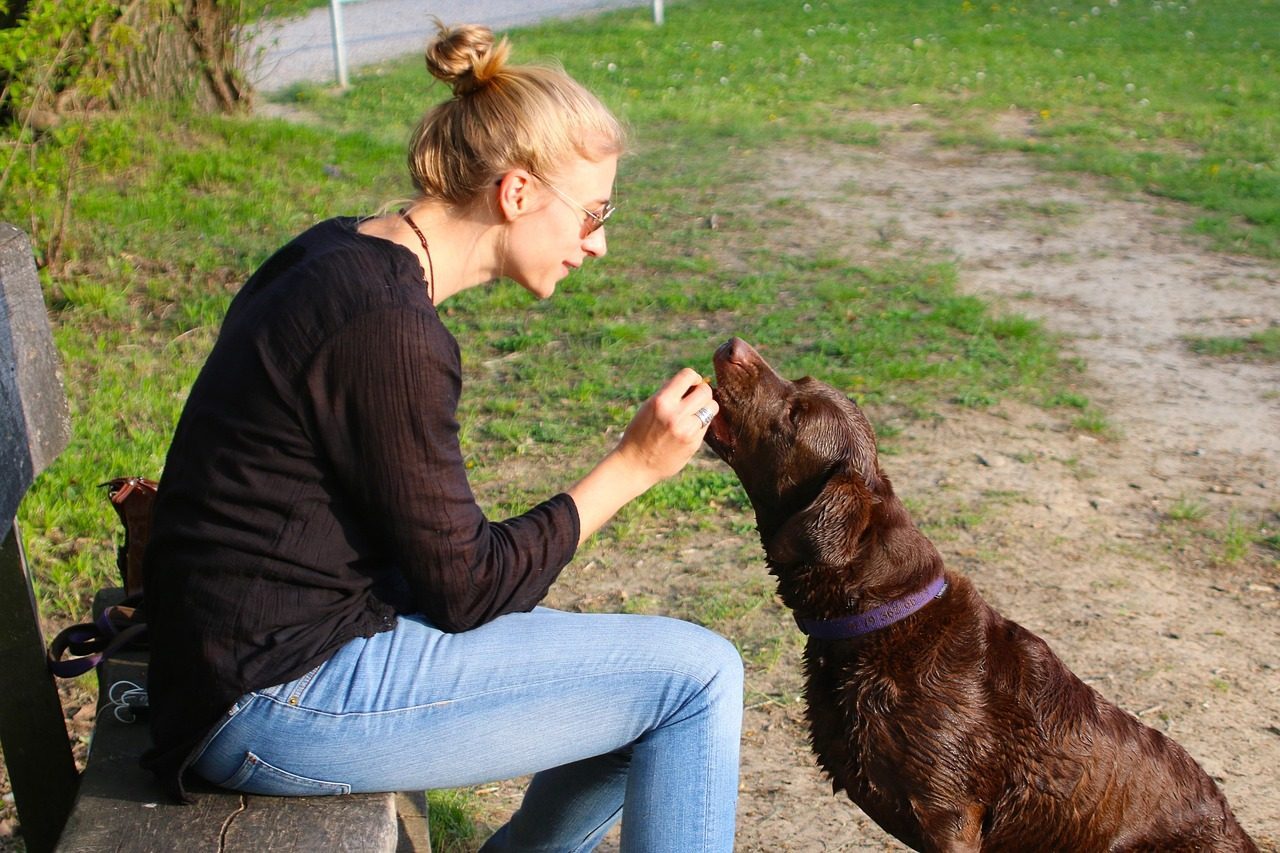
Positive reinforcement is one of the most effective ways to build trust and encourage good behavior, rewarding your dog with treats, praise, or affection when they exhibit positive behaviors. Modern training methods focus on setting your dog up for success rather than constantly correcting mistakes.
Start rewards-based training immediately, which could be as simple as asking her to sit for a treat a few times a day. This approach makes training fun instead of stressful, strengthening your bond while teaching valuable skills. Your dog learns that good things happen when they listen to you.
Respect Their Body Language and Boundaries
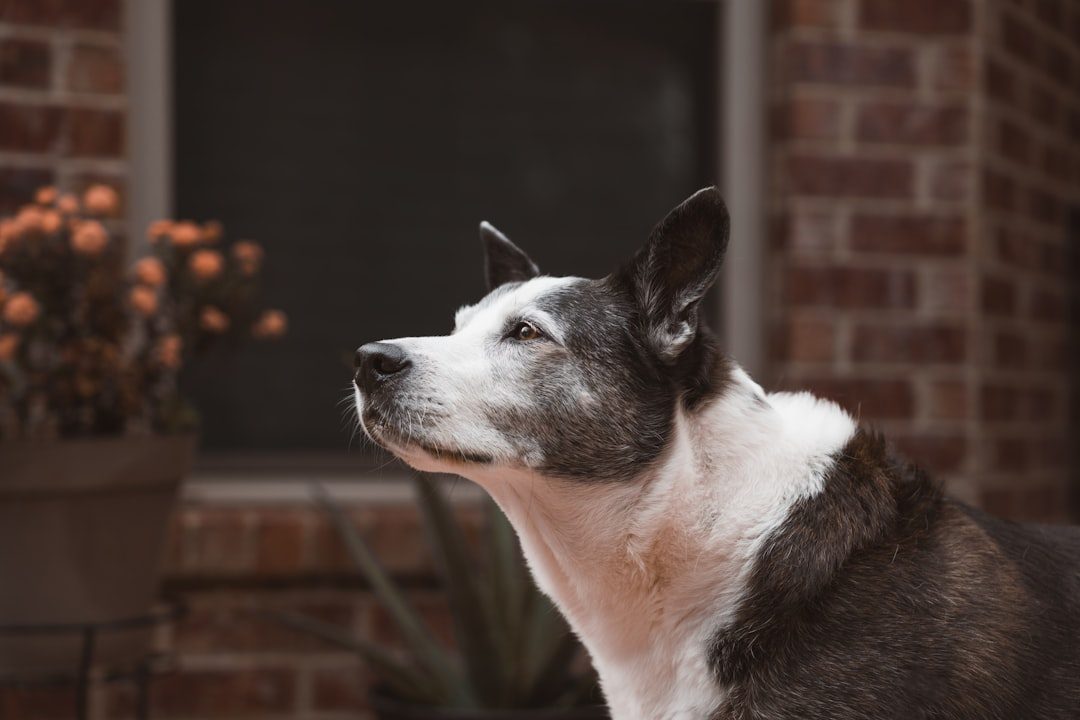
It’s important to learn about dog body language so that you can read when your dog wants physical interaction and when he does not, and only pet a dog if he doesn’t move away when you approach him. Not every moment is the right time for petting or interaction.
Pet him for three seconds, then look at his reaction; if he leans in or bops your hand, keep on petting, but if your dog licks his lips quickly, turns his head away or yawns, he’s had enough. Respecting these signals shows your dog you’re listening, which builds incredible trust over time.
Give Them Space and Autonomy
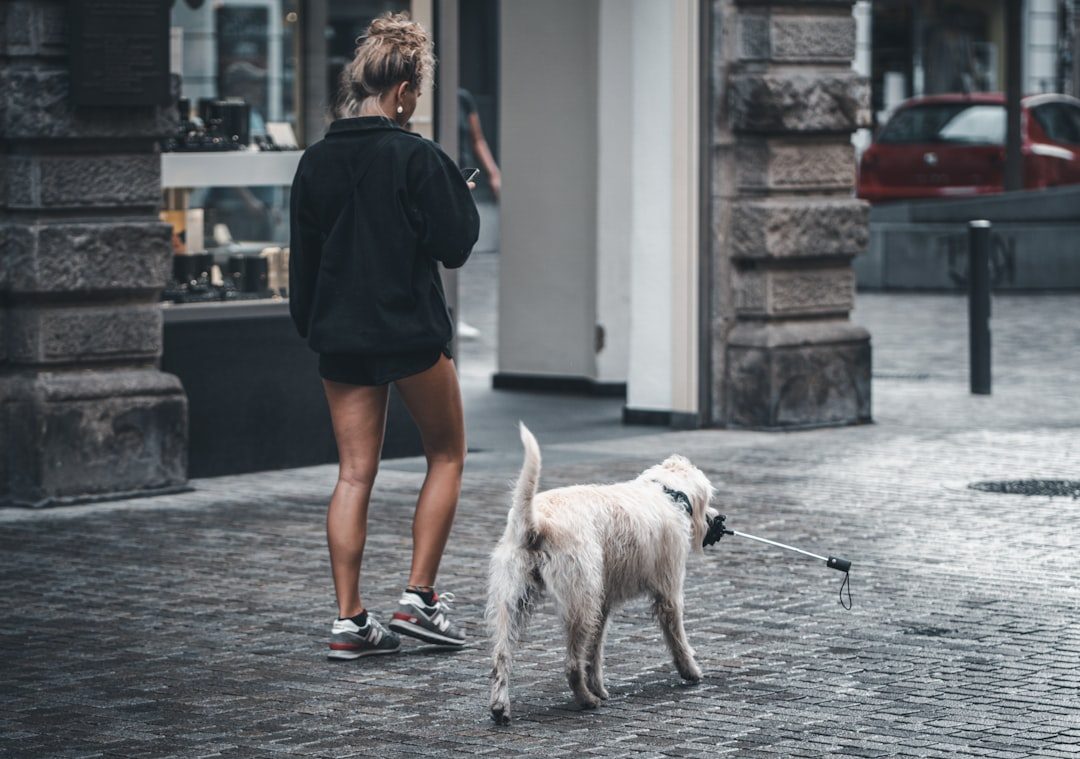
Giving your dog autonomy is a way to prove that trust is a two-way street, like letting them choose which path you’re going to walk or how long they sniff the trash can in the park, as giving your dog the chance to have a voice in your day-to-day life is an easy way to deepen the connection. We control nearly every aspect of our dogs’ lives.
Letting them make small choices shows respect and trust from your side too. Let them decide where to walk sometimes, or which toy to play with. These little freedoms make a big difference in how your dog perceives their relationship with you.
Practice “Consent Petting”
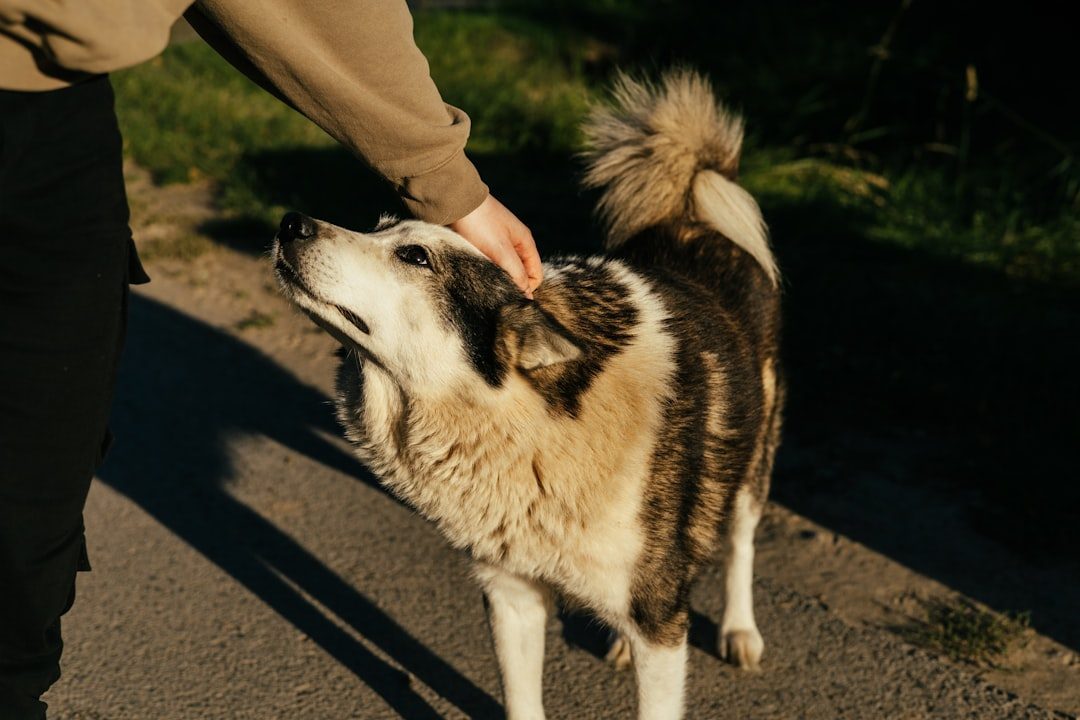
Count to three while petting them, then stop and see if they lean in for more petting or show you, in some other way, that they’re enjoying the attention, and if they choose to move away, growl, adopts a stiff stance, or shows any of the signs of fear and anxiety, let them end the interaction with verbal praise. This simple technique respects your dog’s feelings about physical touch.
Not every dog wants constant petting, and some prefer it only on their terms. By pausing and checking in, you’re showing that their comfort matters to you. This builds trust faster than anything else.
Engage in Fun Activities Together
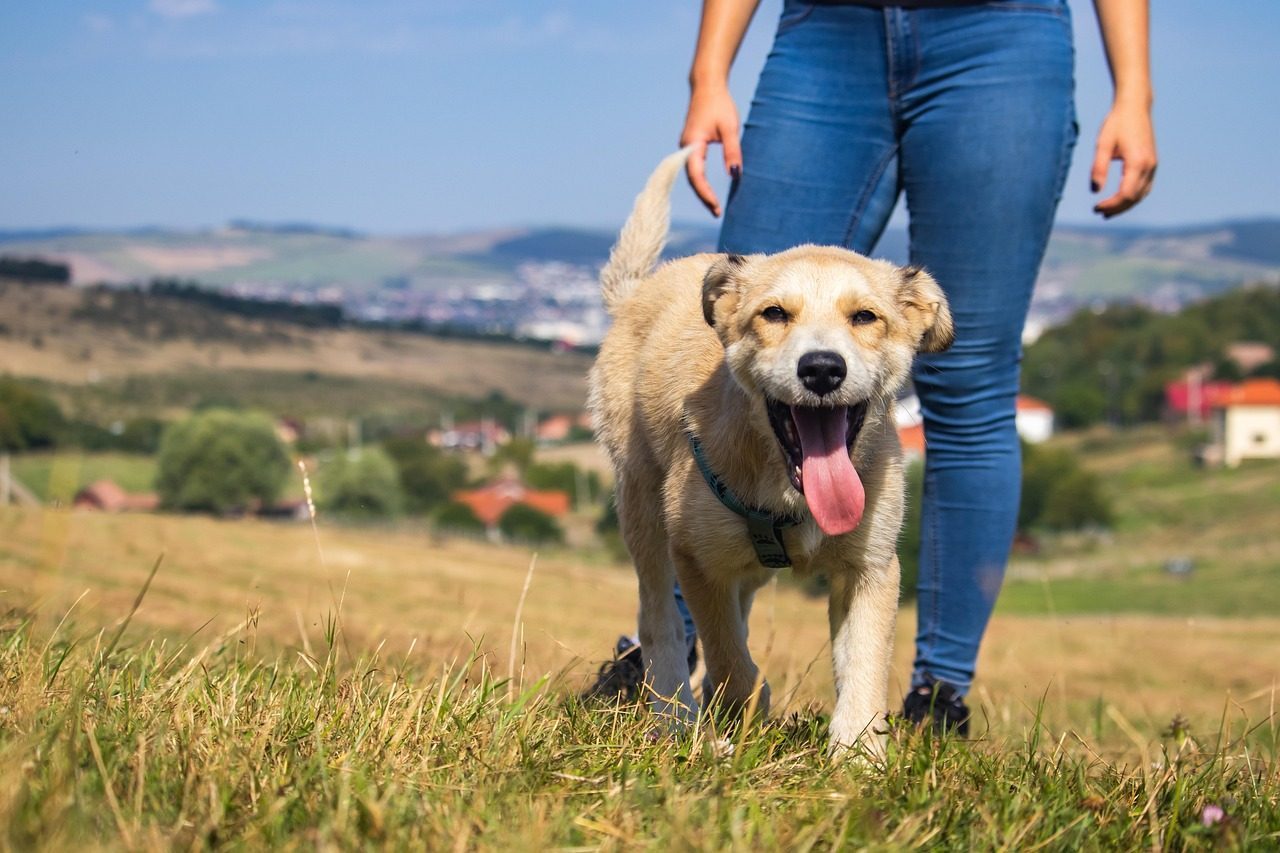
The best way to bond with your dog and build mutual trust is to do things both you and your dog enjoy, as exercise and playtime are guaranteed to engage your dog’s interest and spark positive emotions between you both. Trust isn’t just built through training and rules.
Having fun with your dog, engaging in activities like dog sports, teaching them tricks and doing fun things with them will strengthen your bond. Find what your dog loves, whether it’s fetch, tug-of-war, hiking, or puzzle games, and make time for it regularly. Joy shared is trust earned.
Stay Calm and Use Non-Threatening Body Language
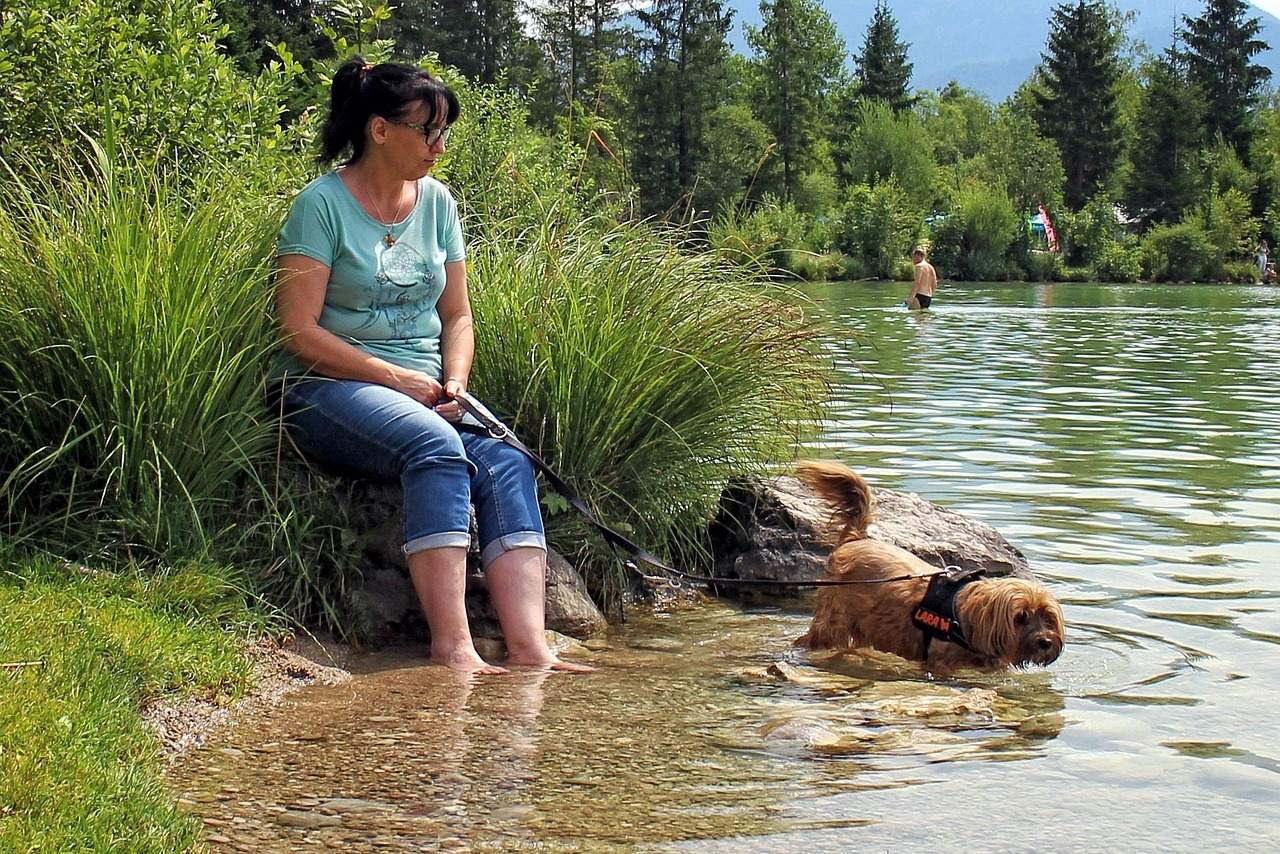
Dogs are highly attuned to body language, so the way you move and interact can significantly impact their trust in you, and you should stay calm, move slowly and avoid sudden gestures that might startle your dog, and sit or kneel to appear less intimidating. Your physical presence matters more than you might think.
Looming over a dog, making sudden movements, or approaching too quickly can make them uncomfortable. Instead, get on their level, move deliberately, and keep your energy calm. This creates a sense of safety that’s essential for trust.
Conclusion
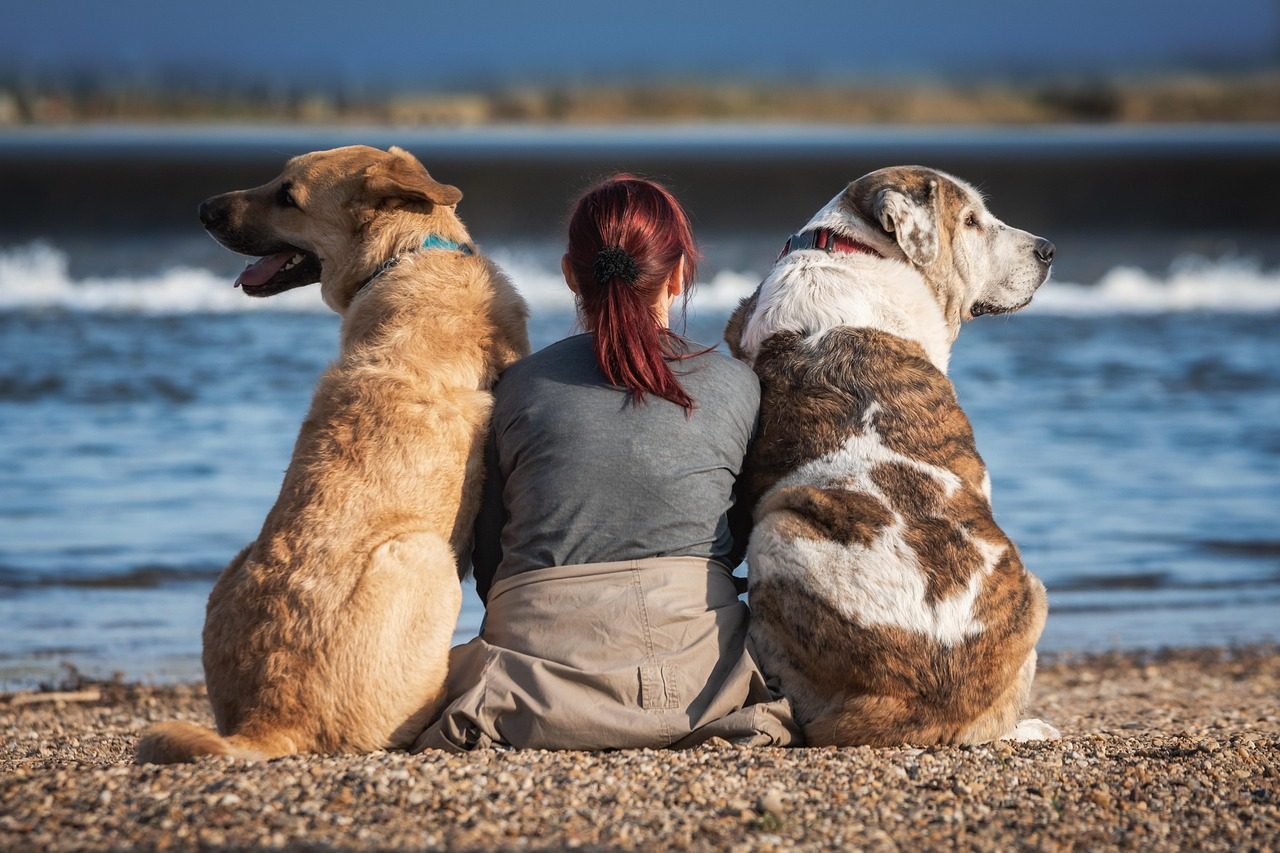
Trust between you and your dog is the invisible foundation that supports everything else in your relationship. It makes training easier, vet visits less stressful, and everyday life infinitely sweeter. When you recognize the signs that your dog trusts you and actively work to build that trust through kindness, consistency, and respect, you’re creating a bond that goes beyond simple companionship.
Remember, trust takes time. Some dogs offer it quickly, while others need weeks or months to truly feel safe. Be patient with your pup, celebrate the small victories, and never underestimate the power of a gentle touch or a predictable routine. What signs of trust have you noticed in your dog? Tell us in the comments.


