
Picture this: snowflakes drifting down, crisp air filling your lungs, and your dog bounding ahead with pure joy radiating from every paw print. Some dogs live for moments like these. Others? They’d rather be curled up under a blanket, wondering why you’re even suggesting a walk when the thermostat dips.
Understanding which dogs thrive in winter and which ones would genuinely prefer indoor snuggles isn’t just about comfort. It’s about their health, safety, and happiness. Let’s be real, taking a Chihuahua out in a snowstorm feels a bit like asking someone from Florida to shovel a driveway in Minnesota without a coat. So let’s dive into the breeds that can’t wait for the first snowfall and those who’d happily skip winter altogether.
Siberian Husky: Built for the Blizzard
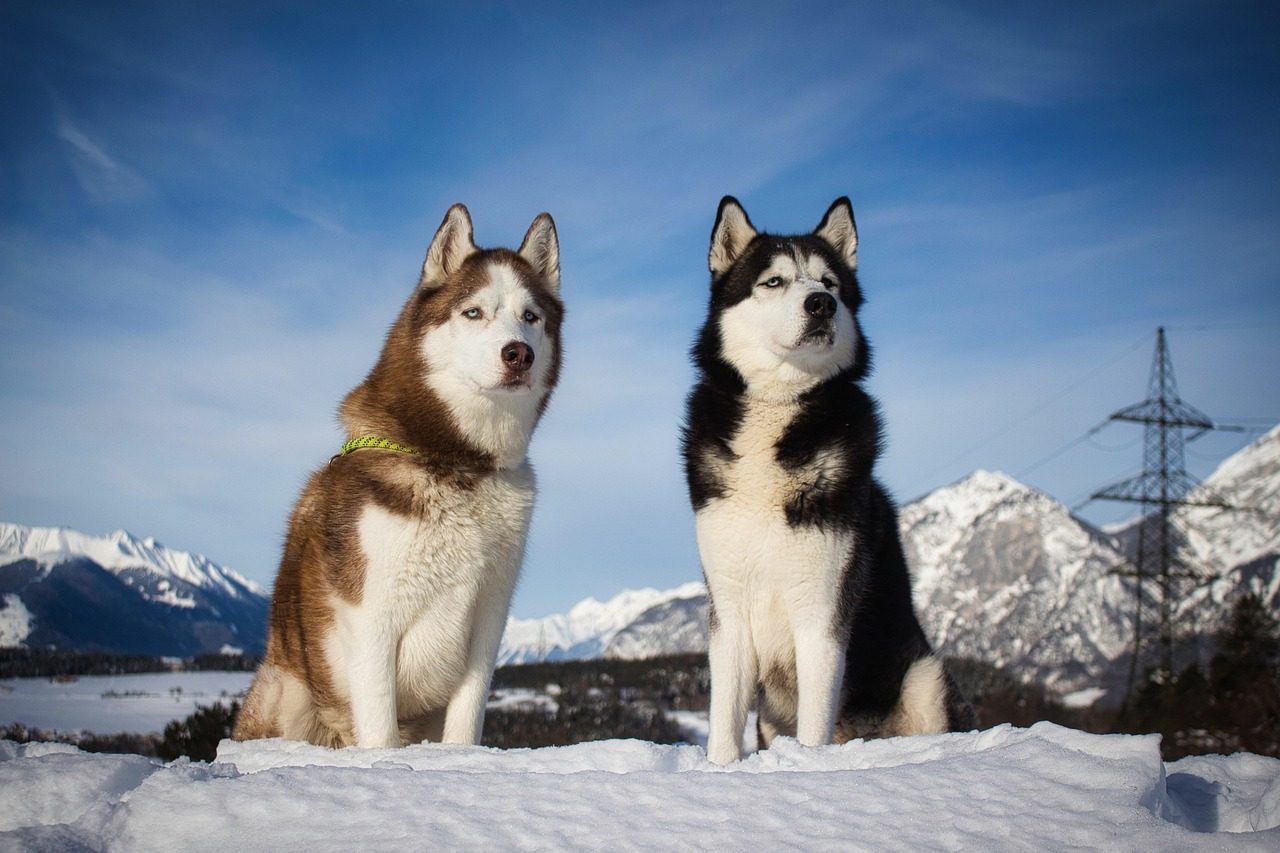
Originally bred to pull sleds in freezing temperatures in Northeast Asia, the Siberian Husky is biologically conditioned to survive and even thrive in cold climates. Their striking blue eyes might catch your attention first, but it’s their incredible double coat that makes them winter warriors. They have a thicker coat than most other dog breeds, made up of a dense cashmere-like undercoat and a longer, coarse top coat.
When temperatures drop, Huskies come alive. You’ll notice them prancing through snowdrifts like kids on Christmas morning. That thick fur isn’t just for show; it creates an insulation system that keeps them warm even when you’re reaching for your heaviest parka. Though honestly, you might find them digging holes in your yard during warmer months just to cool off.
Alaskan Malamute: The Ultimate Snow Companion
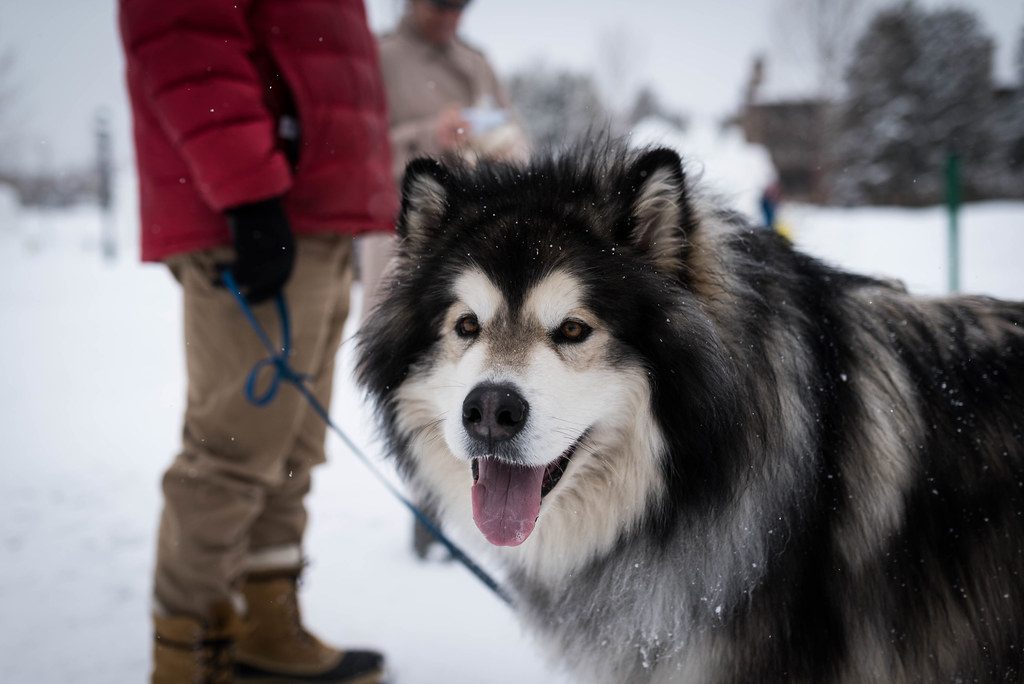
Bred to haul heavy loads, run, and roam, the Alaskan Malamute is the ultimate cold-weather canine. These powerful dogs are larger and sturdier than their Husky cousins, with the strength to pull impressive loads across frozen tundra. The Alaskan Malamute is the largest and one of the oldest of the arctic dogs with a heavy coat that guards them incredibly well against the harsh Alaskan weather.
If you’re looking for a hiking partner who won’t complain about icy trails, this is your breed. Malamutes have broad paws that help distribute their weight across snow, preventing them from sinking in. Just keep in mind that all that fur comes with serious grooming responsibilities. Their double coat sheds heavily, especially during seasonal changes.
Saint Bernard: Gentle Giants of the Alps
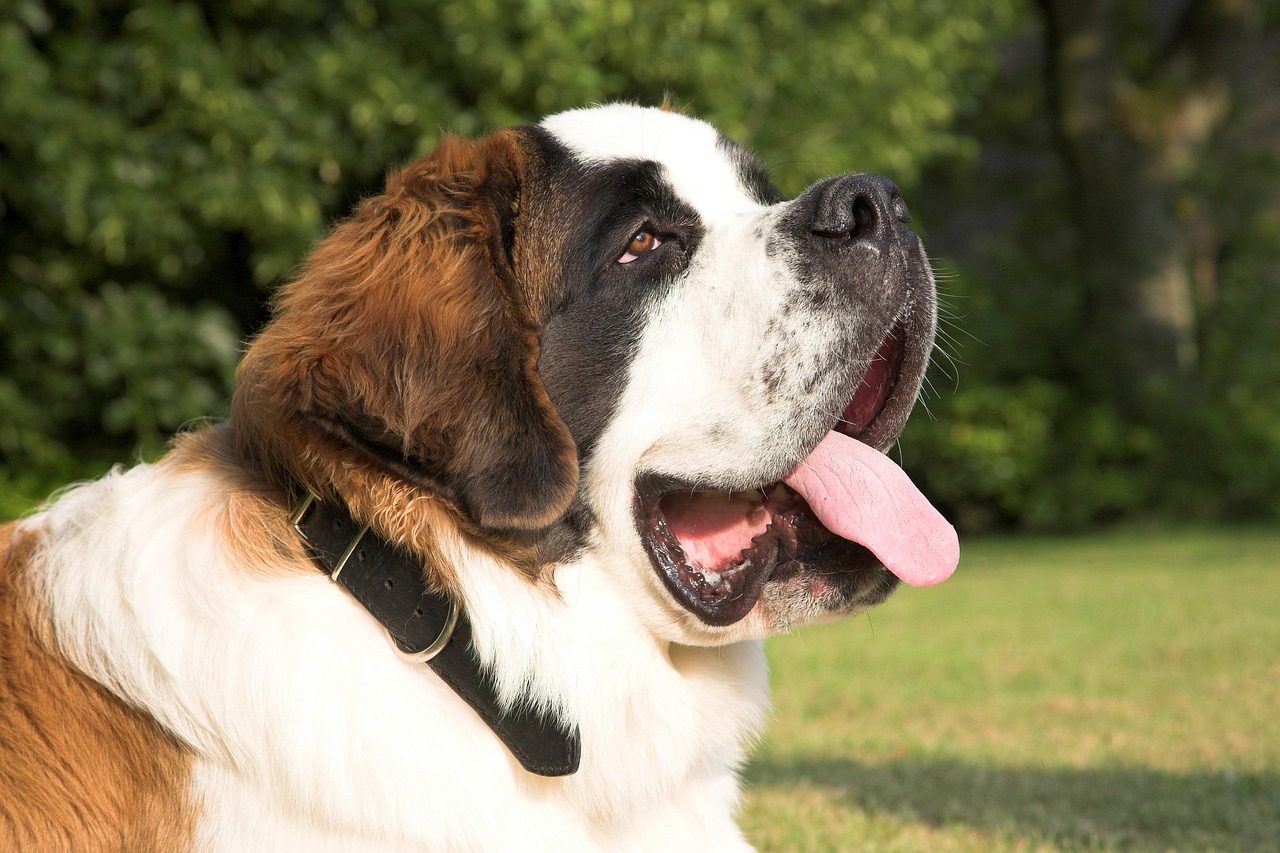
The Saint Bernard comes from the Swiss Alps and was originally used to locate freezing and helpless travelers during snowstorms. For centuries, these gentle giants have been synonymous with alpine rescue missions. Their massive size and thick coat make them perfectly suited for cold climates.
Despite their working dog heritage, Saint Bernards have surprisingly calm temperaments. They’re devoted family companions who love children. When snow blankets the ground, these dogs are in their element, moving through drifts with remarkable ease. They might drool quite a bit, though, so keep a towel handy whether it’s winter or summer.
Bernese Mountain Dog: The Swiss All-Rounder
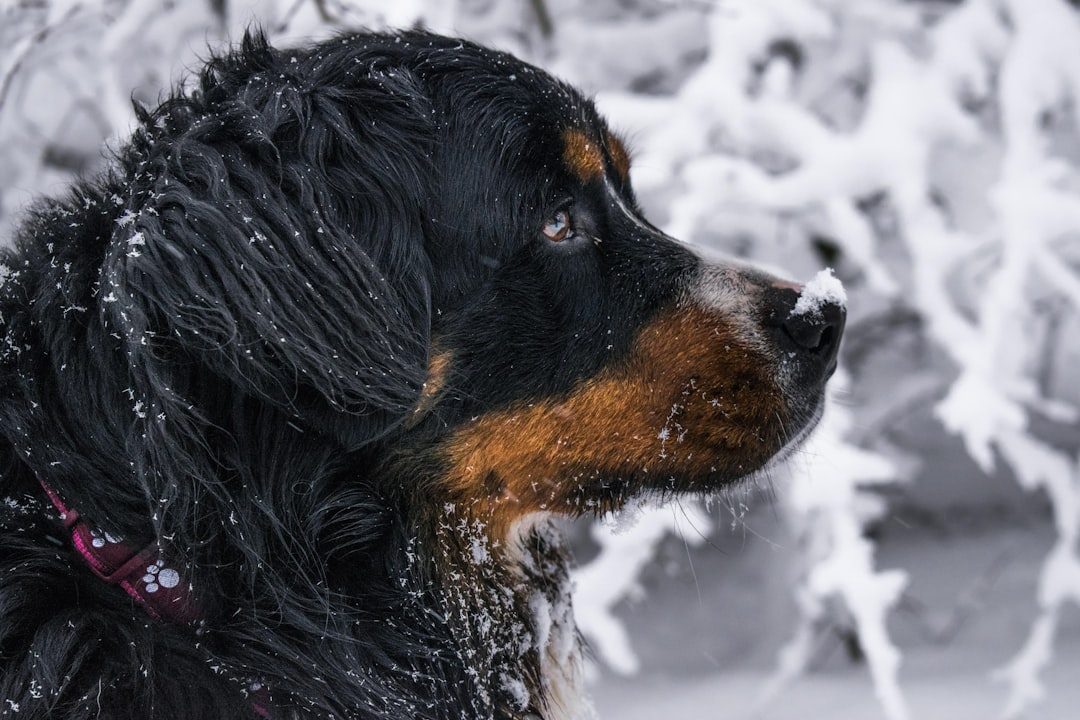
The Bernese mountain dog is a large breed that’s sturdy on their paws and known to be able to carry heavy loads, with endurance that allows them to keep you company on long, cold walks. These beautiful tri-colored dogs were bred to work in the Swiss mountains, pulling carts and herding livestock through challenging terrain.
Their thick double coat provides excellent protection against harsh winter conditions. Bernese Mountain Dogs have a calm, patient demeanor that makes them wonderful family pets. They’re not hyperactive like some winter breeds, but they definitely appreciate a good romp in the snow. You’ll often find them lying in snowbanks, looking completely content while you’re shivering in your winter gear.
Newfoundland: The Gentle Water Bear
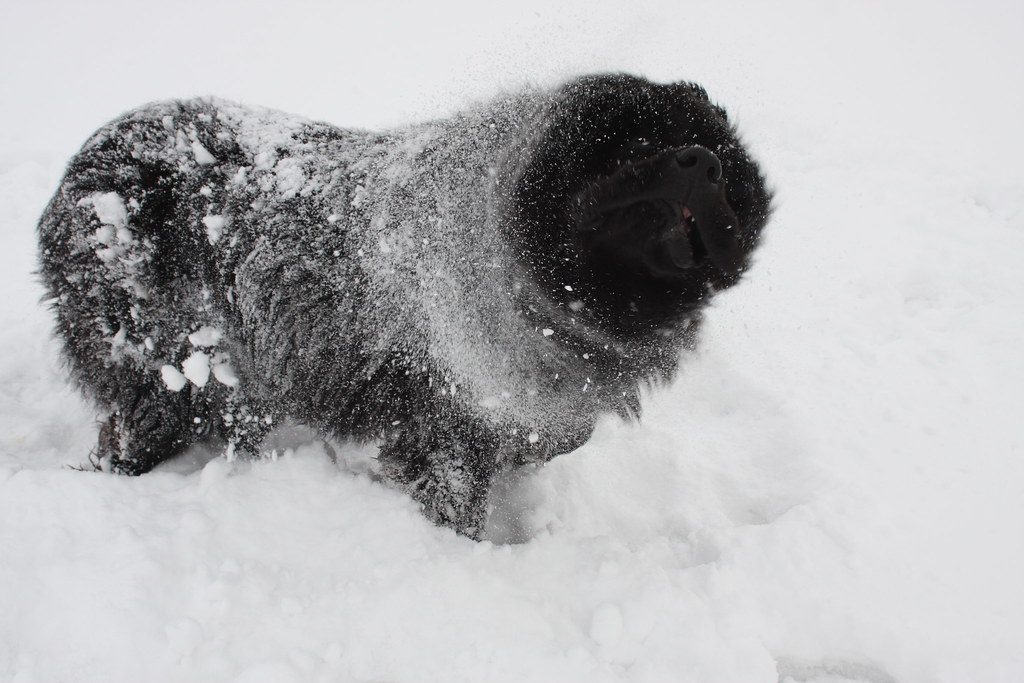
Newfoundlands come from Newfoundland, Canada, and have a heavy coat that protected them from the icy waters they were originally bred to work in, making them ideal for colder weather. These massive, friendly dogs can weigh up to 150 pounds and possess remarkable swimming abilities despite their size. A double coat and a strong body make them ideal for mountains, too.
Newfies are known for their sweet, calm nature and protective instincts. They’re patient with children and make excellent family companions. Their water-resistant coat serves them well in snowy, wet conditions. Just be prepared for some drool – it’s part of the package with these lovable giants.
Norwegian Elkhound: The Viking’s Companion
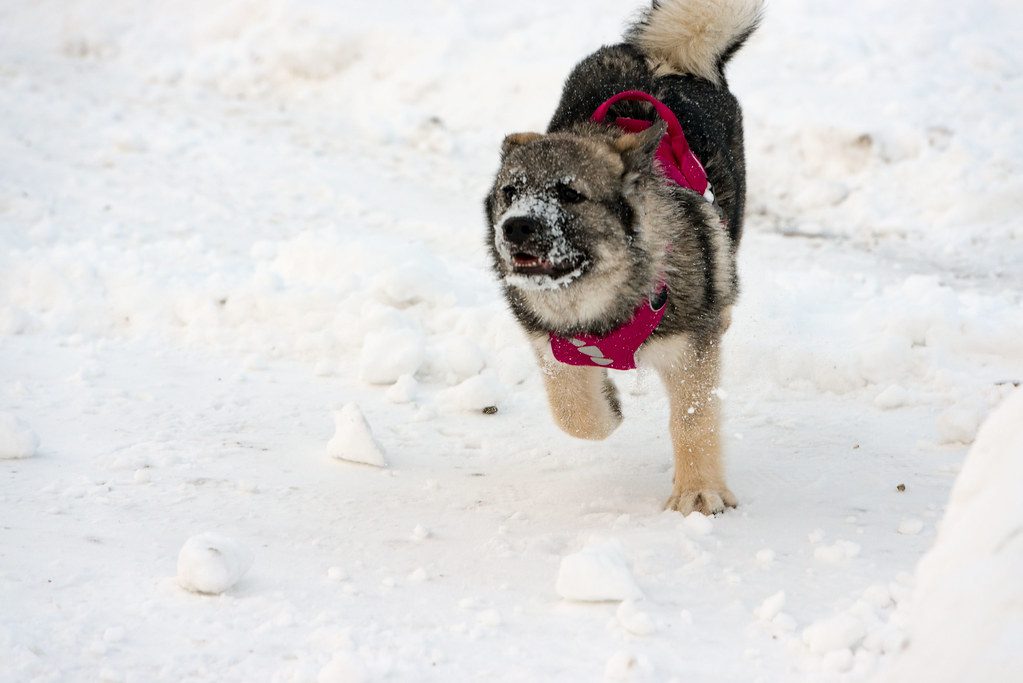
Norwegian Elkhounds are cold weather dogs dating back to the Vikings and are now the national dog of Norway, originally used as hunting dogs. These medium-sized dogs have a smooth outer coat and a wooly undercoat that keeps them warm in frigid Scandinavian climates.
Elkhounds are energetic and always ready for adventure, especially in the snow. They have high exercise needs, so a hearty romp through winter weather is right up their alley. The Norwegian elkhound’s double coat keeps them cozy in winter, but prepare yourself for their major seasonal shed as spring rolls around. Their strong prey drive means they might chase smaller animals, so keep them leashed in unfenced areas.
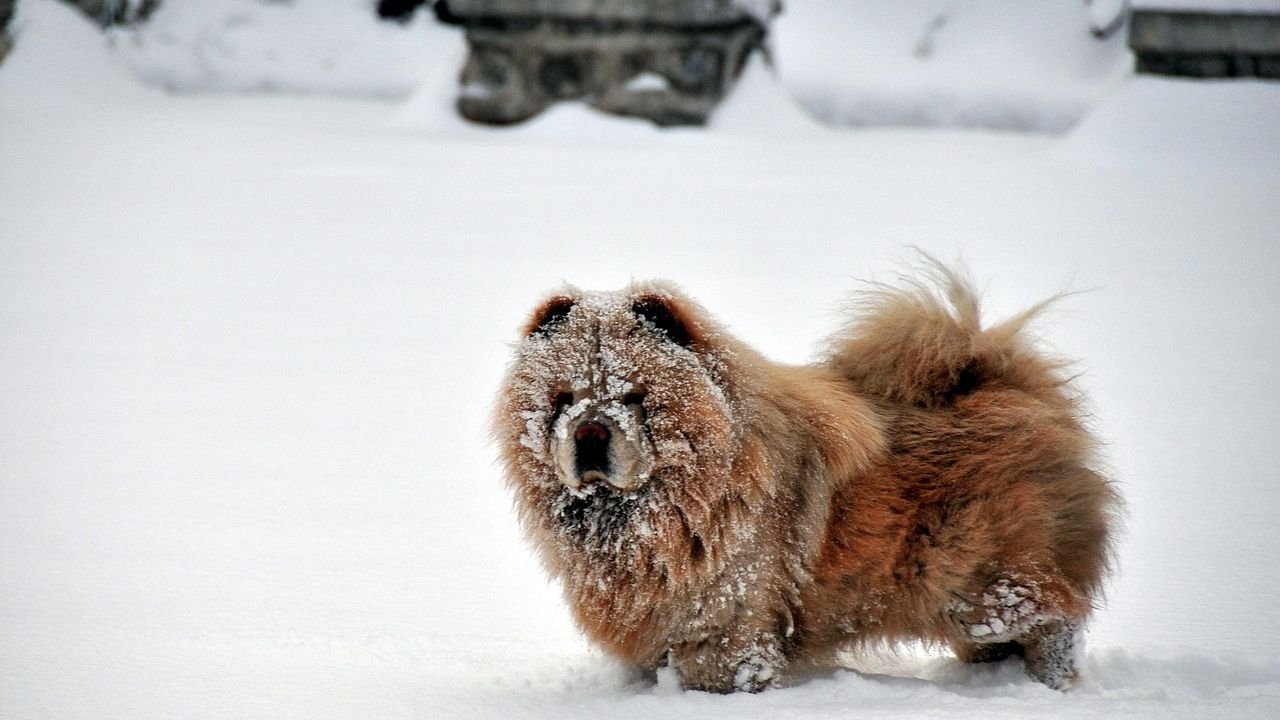
Chow Chow: The Lion-Like Snowdog
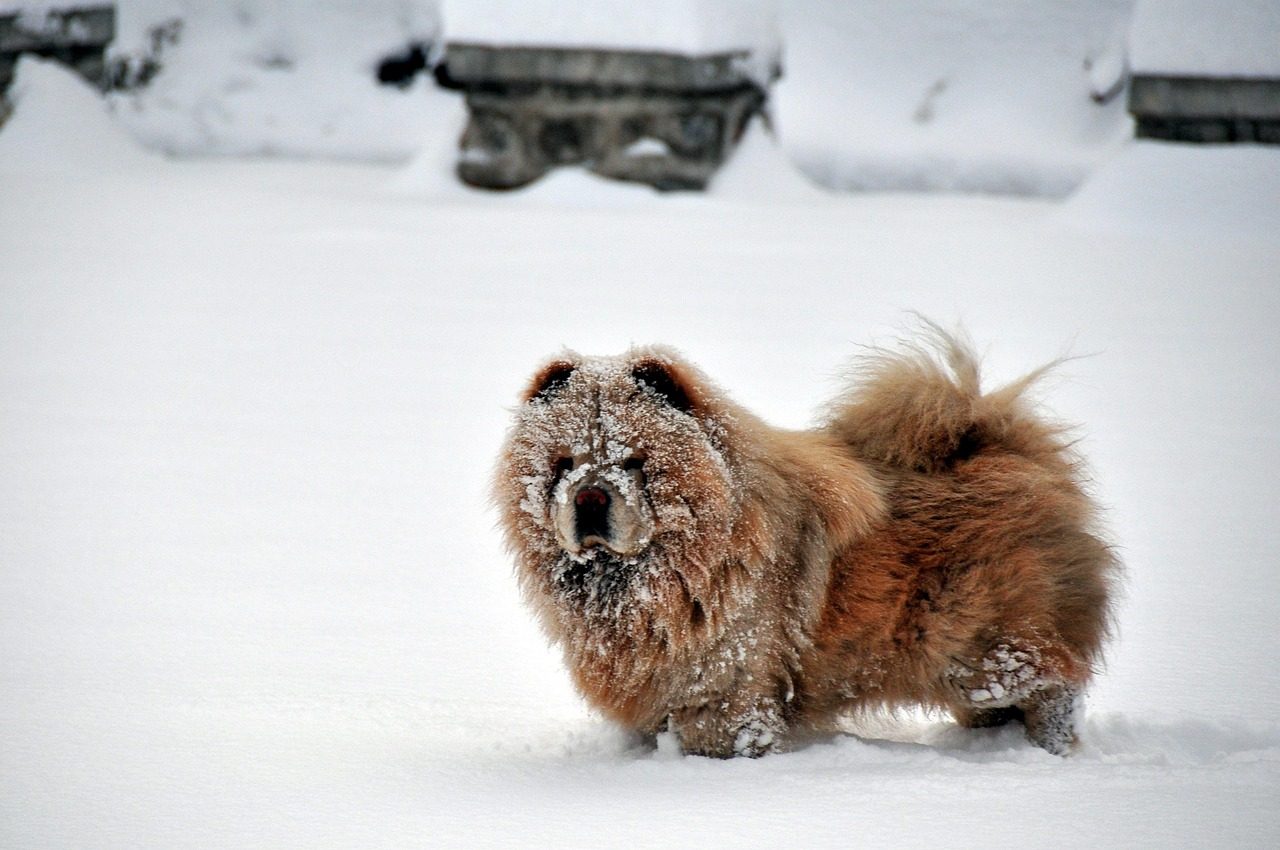
Chow Chows are perhaps best known for their black tongues and wooly coats, which make them extremely tolerant to cold temperatures. The Chow Chow is one of the oldest dog breeds, shown in artifacts dating back to China’s Han Dynasty. Their distinctive appearance, with a thick mane resembling a lion’s, isn’t just for show.
These dogs have an independent, dignified personality. They’re not overly affectionate with strangers, but they’re fiercely loyal to their families. Like other cold-weather dogs, they have a thick double coat that sheds heavily and needs consistent at-home grooming. Chow Chows are happiest when accompanying their humans outdoors in cold weather, thriving in environments that would send other breeds running for shelter.
German Shepherd: The Versatile Winter Worker
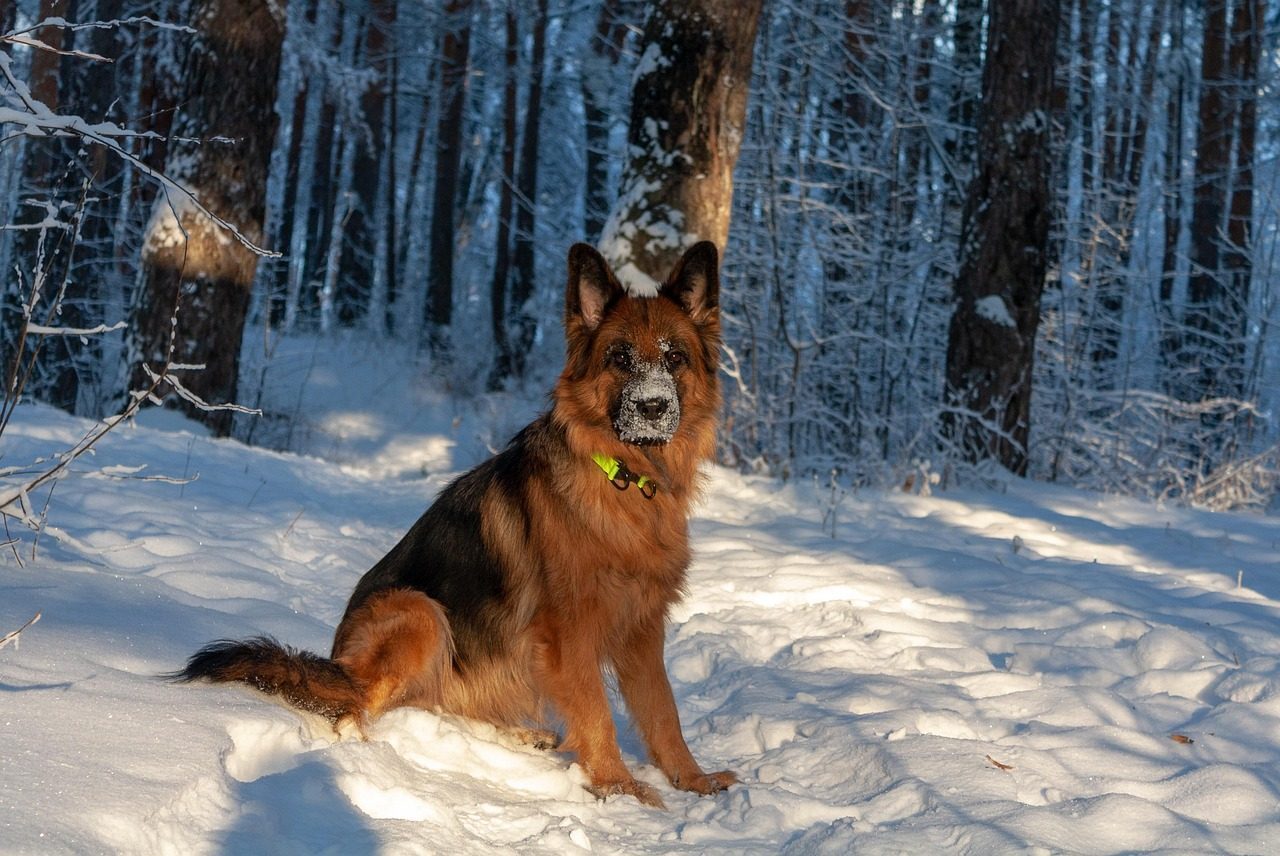
The German shepherd, with its double coat, is one of the best dog breeds for cold weather. These intelligent, loyal dogs excel in various roles, from police work to family companionship. Their thick fur provides solid insulation against winter temperatures.
German Shepherds are highly trainable and energetic, requiring regular exercise regardless of the weather. They’ll happily accompany you on winter hikes or snowy runs. Early training and consistent socialization are important to prevent overprotective behaviors. Their work ethic means they need both physical and mental stimulation, making them ideal for active families who don’t hibernate during winter months.
Akita: The Imperial Snowdog from Japan
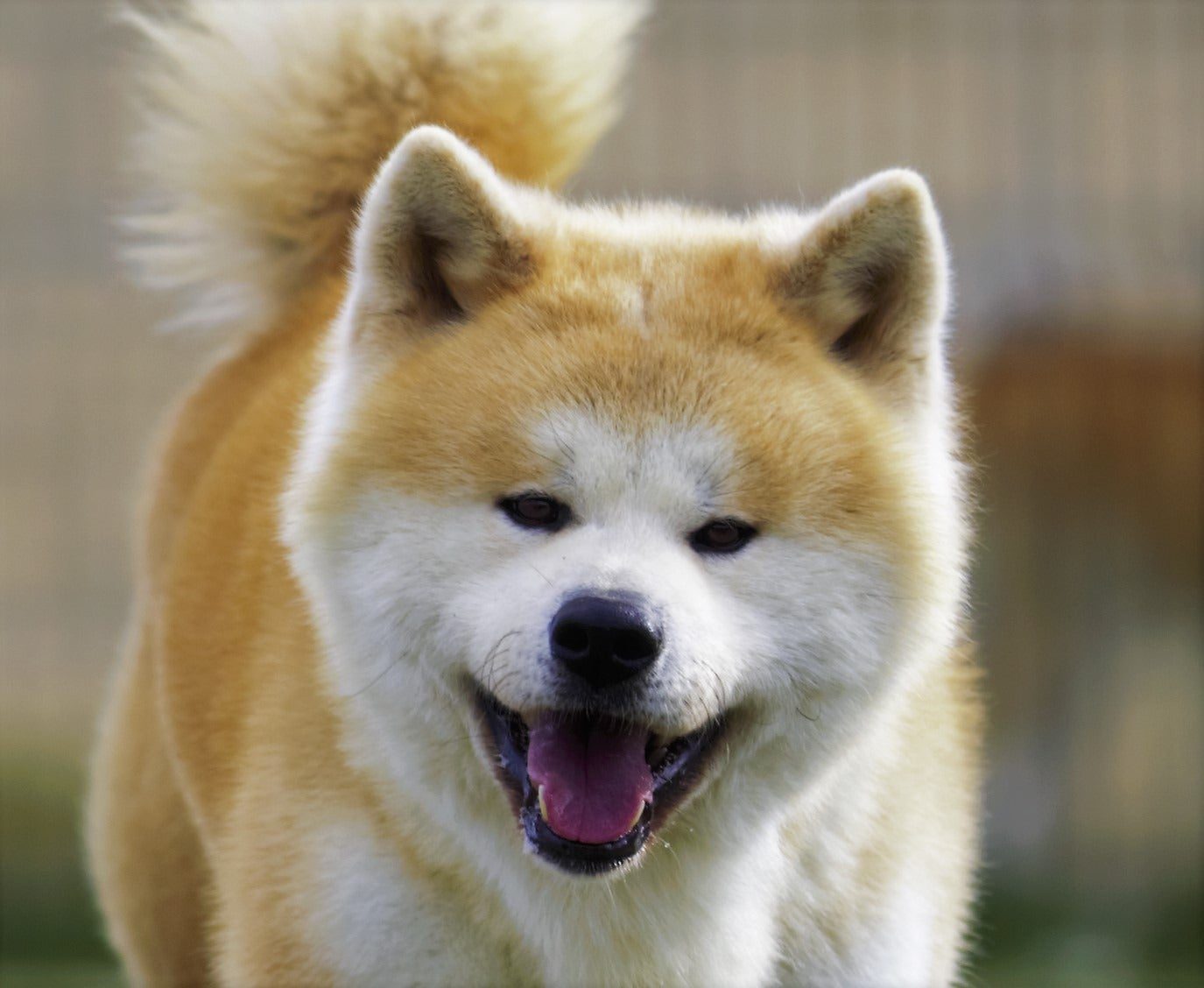
Hailing from Japan, the Akita was once only owned by the Imperial family and was originally bred as a cold-weather hunting companion with a dense undercoat and harsh outer coat. These dignified dogs are known for their loyalty and protective nature, making them excellent guardians for their families.
Akitas can be independent and stubborn, requiring experienced owners with patience and time for proper training. Their thick double coat insulates them beautifully against harsh winter conditions. They’re calm indoors but appreciate regular outdoor time, especially when snow is on the ground. Just know that their strong personality isn’t suited for first-time dog owners.
Tibetan Mastiff: The Himalayan Guardian
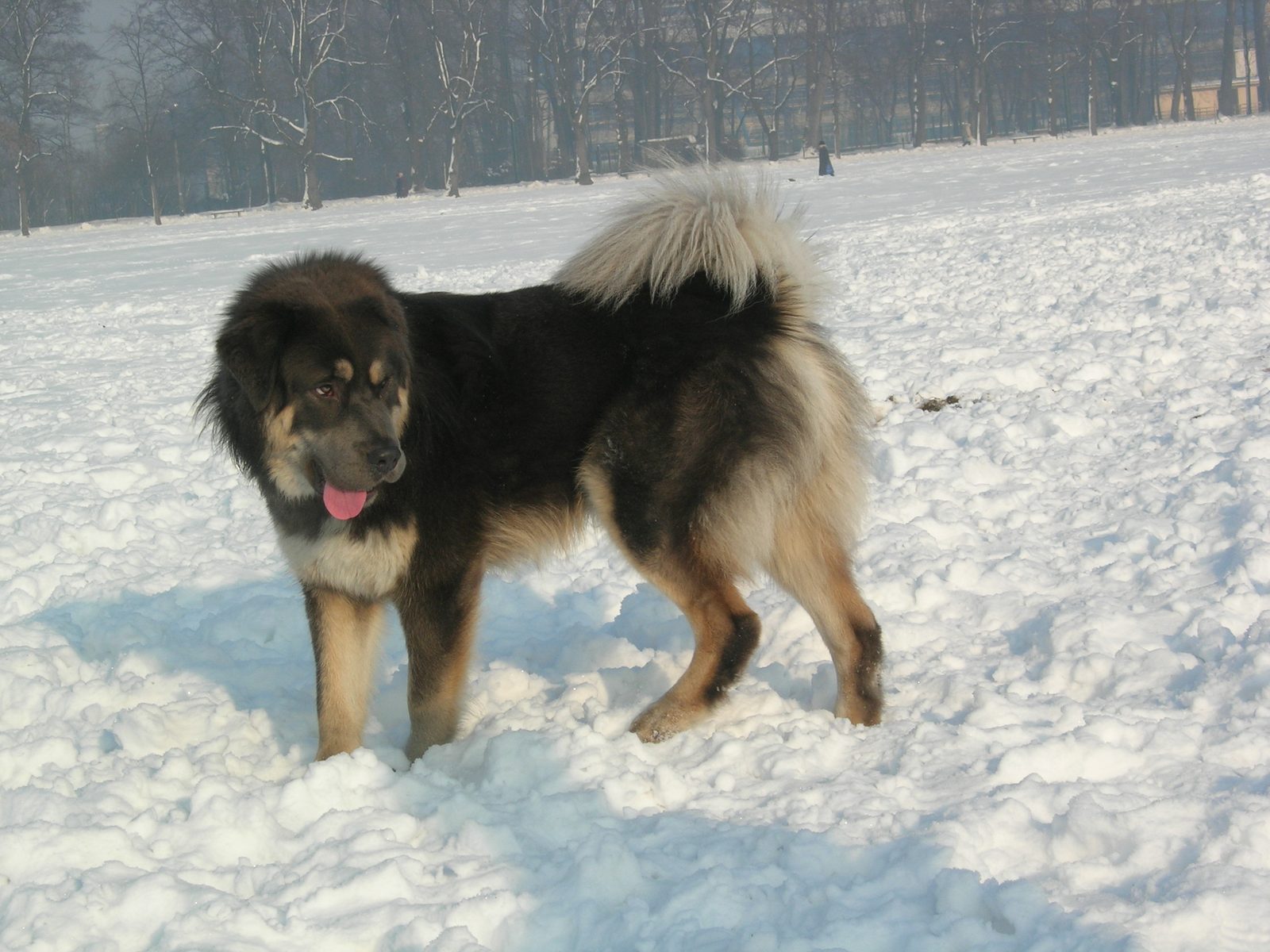
Tibetan Mastiffs developed in the cold of the Himalayan Mountains and have an immense double coat that keeps them insulated. They are comfortable in both cold and warm temperatures, with the undercoat heavier in the winter but lightening up in the warmer months. These massive dogs were bred to guard livestock in some of the harshest climates on Earth.
Tibetan Mastiffs are independent and protective, making them excellent guard dogs for experienced owners. They require firm, consistent training due to their strong-willed nature. Their lion-like mane and impressive size make them striking companions. When winter arrives, they’re completely in their element, patrolling snowy yards with the confidence of dogs built for extreme conditions.
Chihuahua: Tiny and Trembling in the Cold
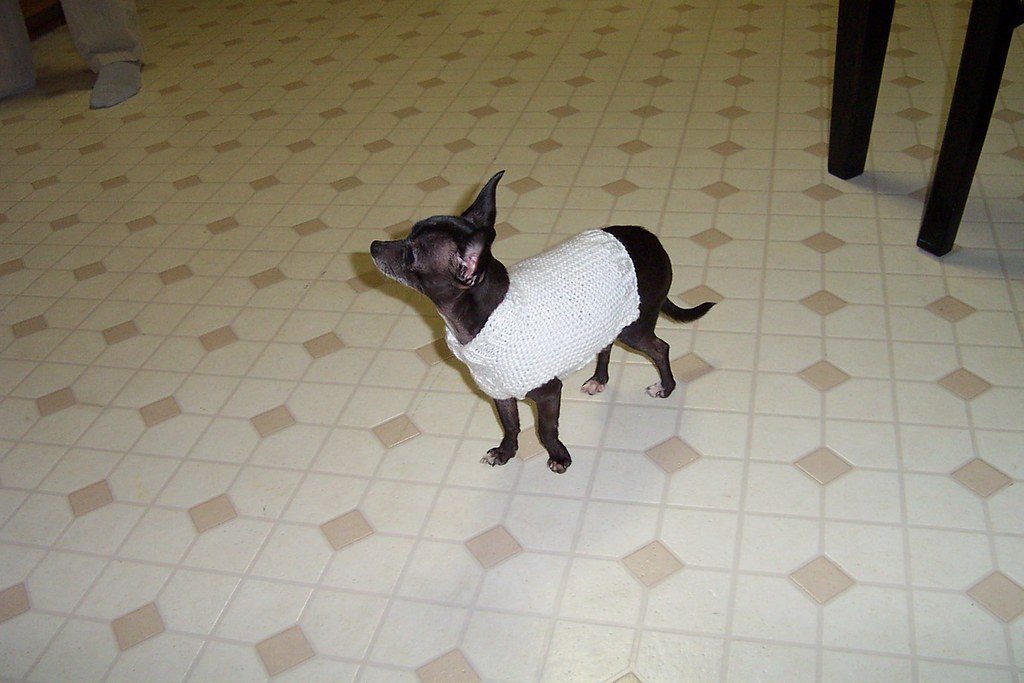
Tiny and delicate, Chihuahuas are one of the most cold-sensitive breeds, with their short coats and small size causing them to lose body heat quickly. Due to their small size, Chihuahuas are prone to getting cold quickly and can lose body heat rapidly when the temperature plummets.
These spirited little dogs originated in Mexico, where warm climates are the norm. When temperatures drop, Chihuahuas often shake to warm themselves up. Taking them outside in freezing weather without proper protection can put them at serious risk for hypothermia. A cozy sweater or jacket is essential for any outdoor excursions, and honestly, keeping walks brief when it’s chilly is just good sense for these pint-sized pups.
Greyhound: Built for Speed, Not Snow
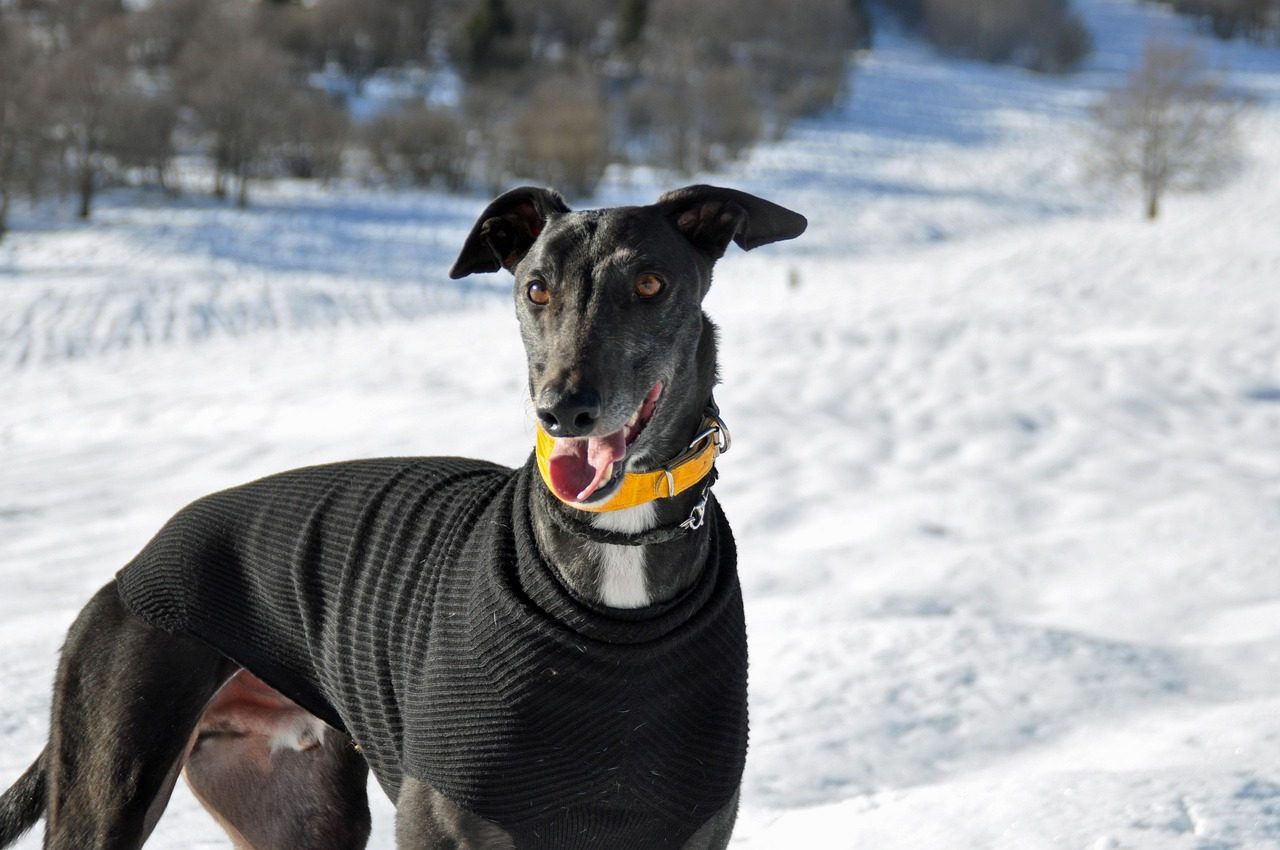
Capable of blazing fast speeds, the Greyhound has a lean physique with very little body fat and a very thin coat that allows for rapid heat dissipation, making them less suited for cold weather conditions. Greyhounds have practically no body fat, and a sparse, short coat that offers little insulation, with skin that is thin and feels chilly to the touch when it’s cold outside.
Retired racing Greyhounds especially struggle with cold temperatures. Some owners report their dogs needing sweaters when temperatures drop below 70 degrees, even indoors. These gentle, quiet dogs prefer lounging on soft beds with warm blankets. Brief outdoor strolls in appropriate clothing are fine, but extended winter walks aren’t their thing.
Italian Greyhound: Even More Delicate
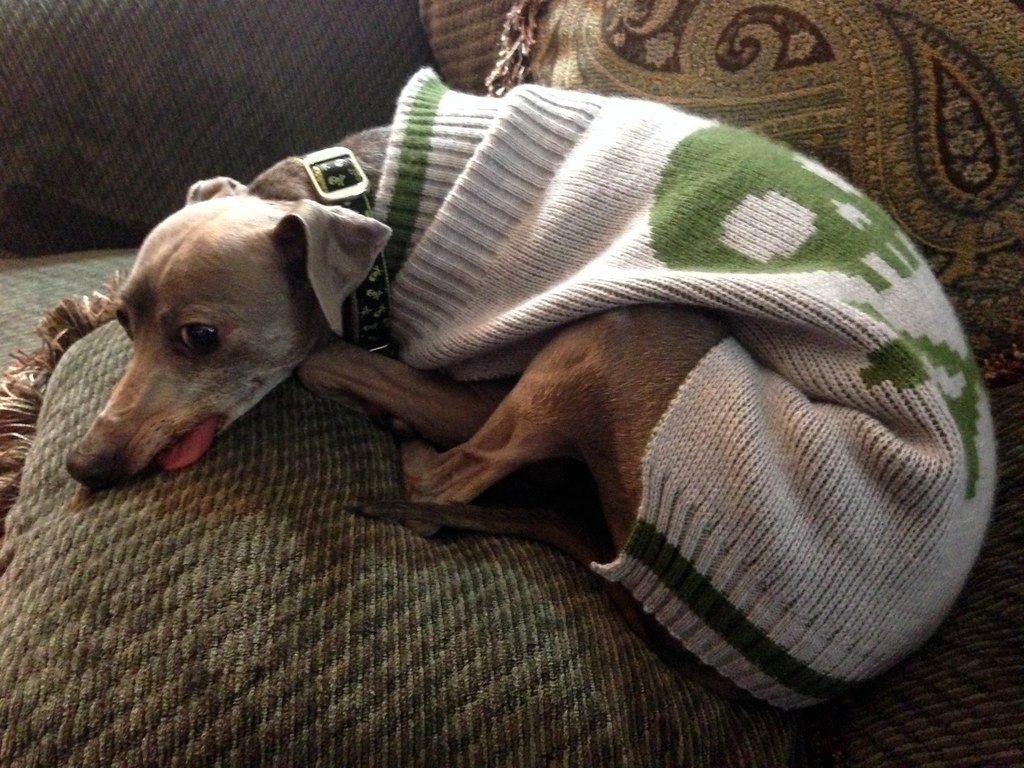
Italian Greyhounds are even more delicate and highly sensitive to cold, with their tiny bodies losing heat rapidly, and even damp grass or wind making them uncomfortable. Italian Greyhounds are particularly sensitive to cold weather due to their low body fat and short coats, struggling with even slightly damp or chilly conditions.
These miniature versions of their larger cousins require full-body sweaters and prefer indoor rest over outdoor play during cold seasons. Their small, fragile physiques make proper winter gear critical to their well-being. Watch for signs of discomfort like excessive shaking or cold ears, which indicate they’re too cold. Honestly, Italian Greyhounds are happiest as lap dogs during winter, seeking warmth from their humans.
French Bulldog: The Indoor Companion

Frenchies don’t do well with hot weather because of their short muzzle, but this flat-faced dog breed can’t tolerate cold weather very well either, because French Bulldogs have a short, thin coat that doesn’t provide much insulation when the temperature drops. They’re a brachycephalic breed with shortened snouts, narrow nostrils and smaller airways, making them more apt to struggle in cold temperatures.
French Bulldogs were bred as lap dogs and should generally be indoors when not exercising. They’re affectionate, loving family pets that crave attention and do well in apartments. When it’s cold outside, put a sweater or coat on them for walks and keep outdoor time brief. They’re much happier snuggling on the couch than trudging through snow.
Pug: Short on Coat, High on Snuggles
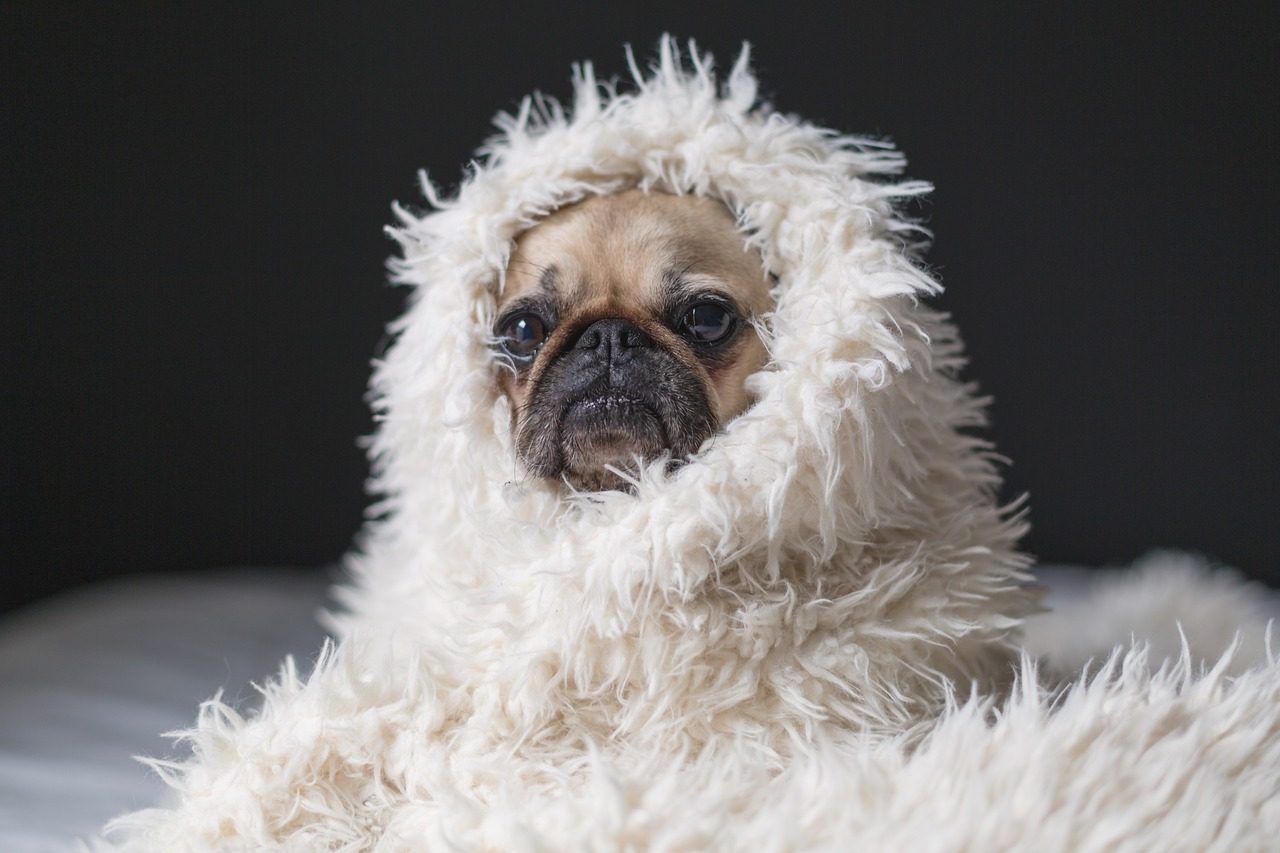
The Pug is a popular flat-faced dog breed, but that short muzzle makes them more susceptible to breathing issues, and cold weather outings need to be kept short, as Pugs have a short coat that doesn’t provide much protection against the cold. Their compact build and minimal fur make them particularly vulnerable to temperature extremes.
Pugs aren’t known for being overly energetic, so a short burst of indoor play during cold weather usually suffices. They’re content companions who prefer warmth and comfort. Their breathing difficulties, combined with cold intolerance, mean winter isn’t their season. Keep them cozy inside with warm bedding and limit outdoor exposure to necessary potty breaks.
Dachshund: Low to the Ground, Close to the Cold

Dachshunds, with their elongated bodies and short legs, are not built to retain heat efficiently, and their thin coats don’t offer much insulation, so bundling them up before outdoor adventures is a must. Dachshunds have long bodies and short fur that make cold weather uncomfortable for their spine and abdomens, with their low-to-the-ground posture placing them closer to cold surfaces, increasing exposure.
These little hunters were originally bred in Germany to pursue badgers into burrows. While their short legs served them well underground, they make winter walks challenging. Snow and ice come into more direct contact with their bellies, chilling them faster than taller breeds. A warm coat and booties can help, but keeping walks short is the kindest approach during freezing weather.
Yorkshire Terrier: Small Size, Big Vulnerability
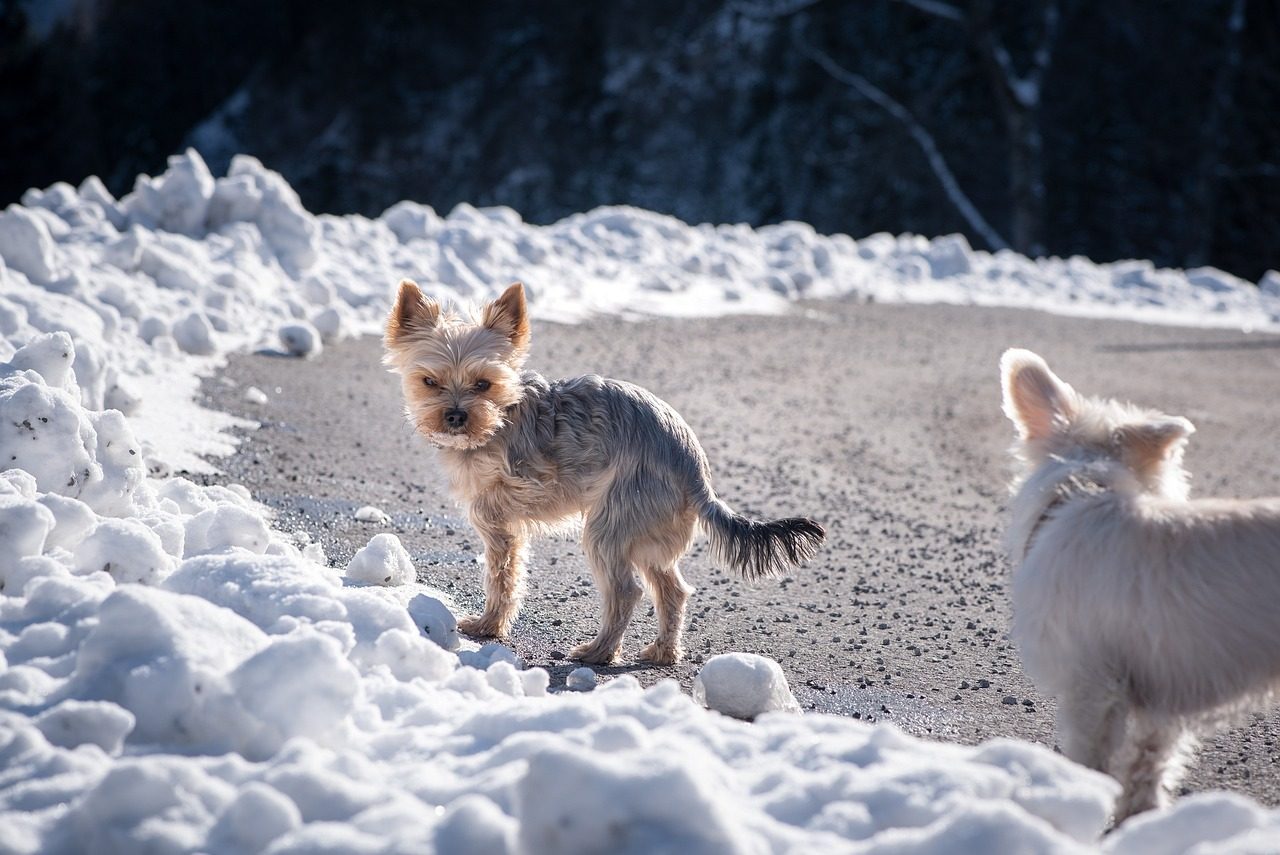
A Yorkshire Terrier is a pint-sized companion that weighs less than 10 pounds but has a big personality, and their spirited and energetic nature makes them naturally curious, but their small size means they shouldn’t be exposed to cold temperatures for very long, or they could be at risk for hypothermia.
Yorkies are adventurous little dogs who love exploring, but their tiny frames work against them in cold weather. They lose body heat incredibly quickly. Indoor play with puzzle toys and interactive games keeps them mentally and physically stimulated when it’s too cold outside. If you must venture out, a well-fitted jacket is non-negotiable, and walks should be brief.
Miniature Pinscher: Tiny with No Tolerance
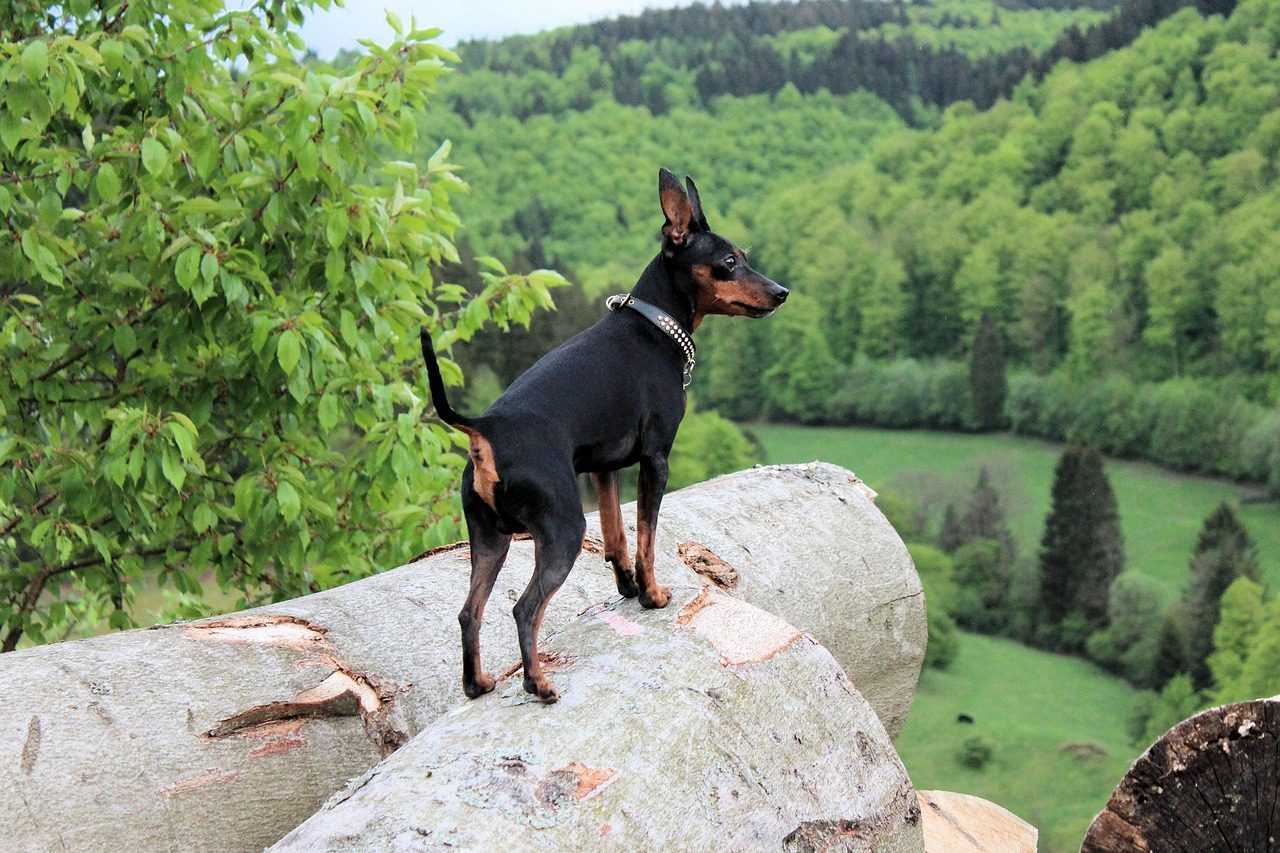
The small size and short coat of the Miniature Pinscher mean this breed can’t tolerate cold weather very well at all. Miniature Pinschers are particularly sensitive to cold weather, with their narrow build and thin, short fur – without an insulating undercoat – leaving them poorly equipped to handle chilly temperatures.
Despite their small size, Min Pins have spunky, energetic personalities and love being the center of attention. They’re bold little dogs with spirited natures. However, their lack of natural insulation makes them vulnerable to cold. During winter, they need warm sweaters for walks and plenty of indoor activities to tire out their bodies and minds.
Basenji: The African Hunter’s Struggle
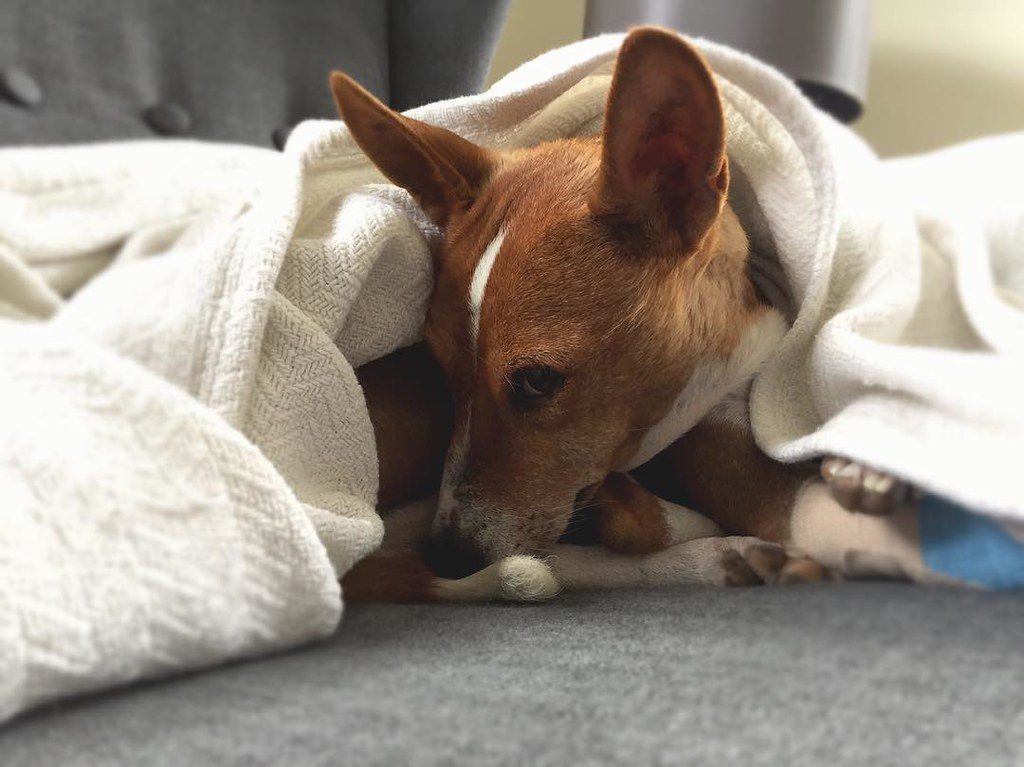
The Basenji’s short, fine coat offers little protection against the elements, making it particularly vulnerable to cold weather, and while this breed is known for its hunting instincts and independence, its thin coat does not provide insulation, meaning they can quickly feel the chill when temperatures drop.
Basenjis are known for being unique dogs that don’t bark in the traditional sense. They’re independent, high-energy hunters from Africa, where cold winters aren’t part of the picture. Their high energy often results in them running around, but once they slow down, their sensitivity to the cold becomes more evident, and prolonged exposure to low temperatures can leave them vulnerable to chill. During colder months, they rely heavily on indoor warmth and prefer curling up in blankets.
Great Dane: Giant Size, Thin Protection
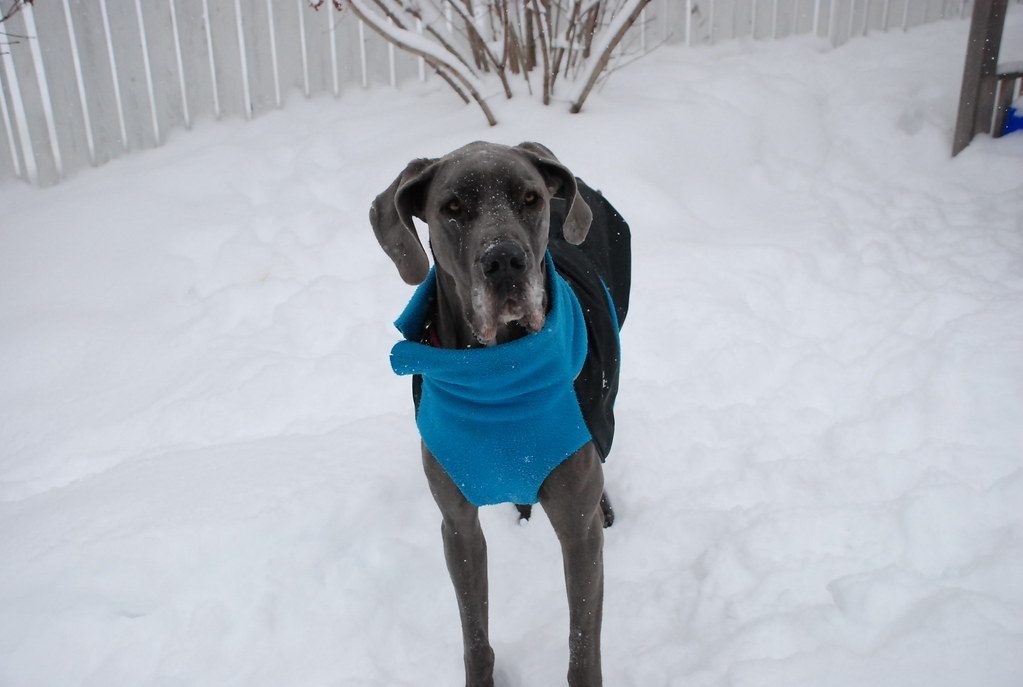
Among large dog breeds who are sensitive to cold, Great Danes, Mastiffs, Dobermans, German Shorthaired Pointers, and Boxers stand out as giants that you might not expect would be averse to chilly temperatures. Despite their massive size, Great Danes have short coats and lean physiques that don’t provide adequate insulation against cold weather.
You’d think a dog that size would handle winter easily, but Great Danes get cold surprisingly quickly. Their short fur and athletic build mean they lack both the natural outerwear and the body fat needed to stay warm. A well-fitted jacket helps, but extended time outdoors in freezing temperatures isn’t ideal for these gentle giants. They’re much happier lounging indoors when winter arrives.
Conclusion: Matching Dogs to Winter Weather
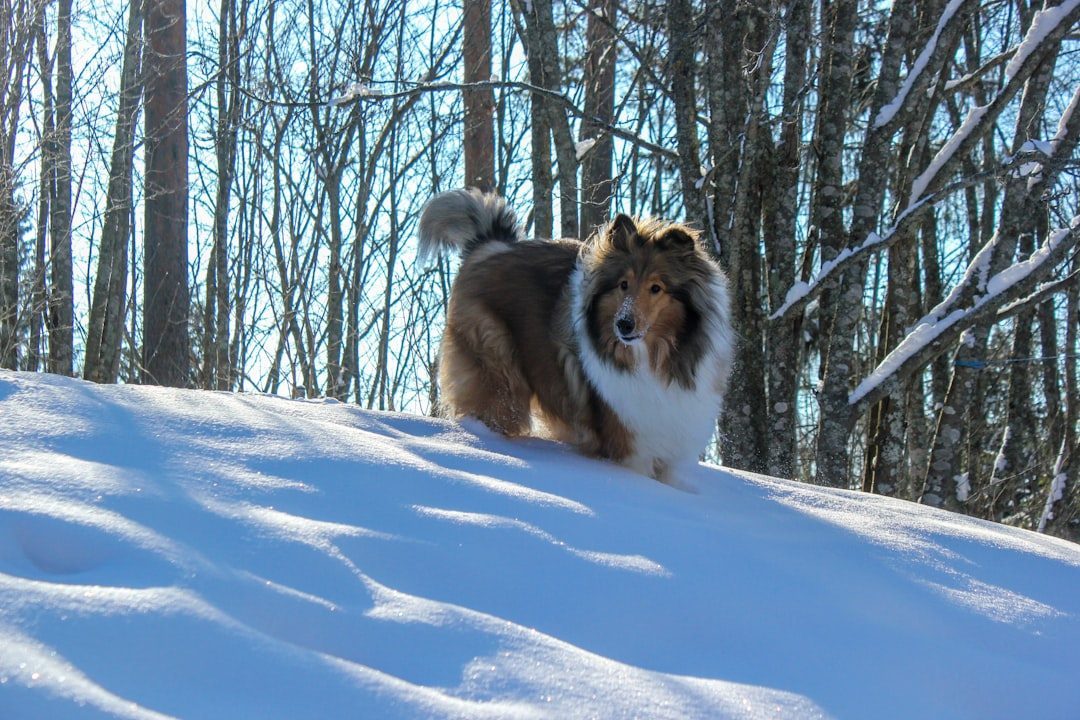
Choosing the right breed for your climate isn’t just about preference; it’s about your dog’s well-being and quality of life. Dogs built for winter bring joy to snowy days, turning frigid walks into adventures. Meanwhile, cold-sensitive breeds need extra protection, shorter outdoor exposure, and lots of indoor enrichment when temperatures drop.
If your pet is whining, shivering, seems anxious, slows down or stops moving, seems weak, or starts looking for warm places to burrow, get them back inside quickly because they are showing signs of hypothermia. For dogs, mild hypothermia begins to set in when their body temperature drops below 99° Fahrenheit, and frostbite can also become an issue at extremely low temperatures. Regardless of breed, always monitor your dog’s behavior during cold weather and provide appropriate clothing, shelter, and care.
What kind of winter companion do you have at home? Does your dog live for snow days, or do they give you the side-eye when you suggest a winter walk? Understanding your dog’s needs makes all the difference in keeping them happy, healthy, and comfortable all year round.


