
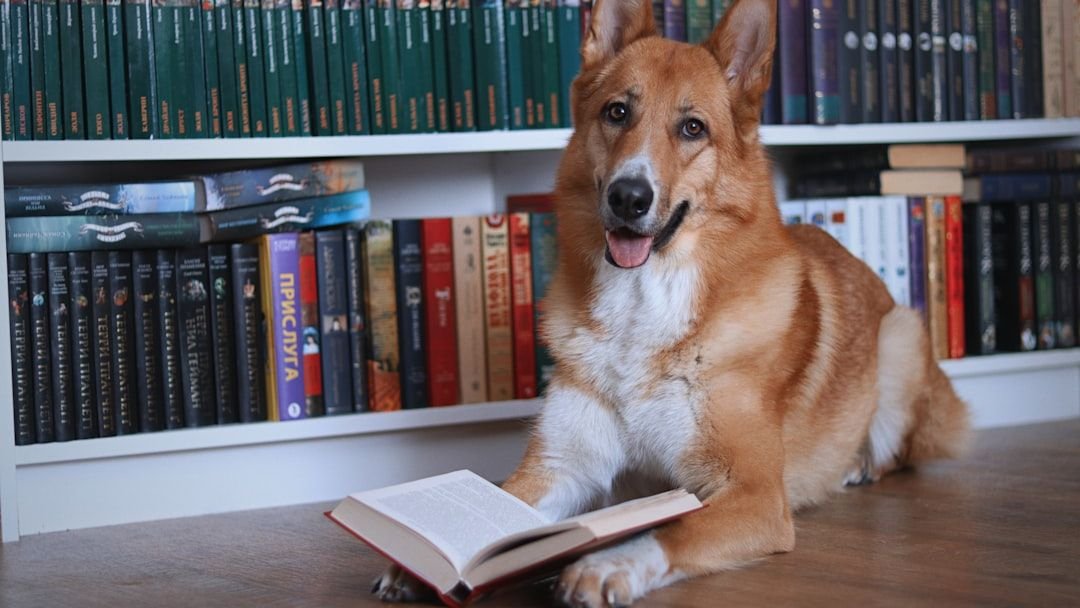
You’ve probably caught your dog doing something clever and thought, “Wait, did they just figure that out?” Maybe they’ve manipulated you into an extra walk or somehow communicated a need without uttering a sound. Here’s the thing though: your dog might be showing signs of brilliance every single day, yet most of us walk right past these moments without noticing.
Intelligence in dogs isn’t always obvious. It doesn’t always look like a perfectly executed sit command or a flawless fetch. Sometimes it’s quiet, subtle, almost sneaky. The smartest dogs aren’t necessarily the ones winning obedience trials. They’re the ones reading your mood before you’ve even processed it yourself, the escape artists who’ve studied the latch on the gate, the communicators who’ve trained you as much as you’ve trained them.
So let’s dive in and explore the behaviors that reveal just how smart your dog really is.
They Remember Commands You Haven’t Used in Ages

A really smart dog will remember commands over time, even if they haven’t been used in a while. Picture this: you taught your pup to spin in a circle on cue about a year ago, haven’t practiced it since, and suddenly one day you say the word and they nail it. That’s not luck.
This demonstrates an ability to retain information and apply it, comparable to you remembering something you learned in school years ago. Your dog’s brain is filing away information constantly, storing it for later use. Some dogs can pull these memories out of storage months or even years down the line, which speaks volumes about their cognitive capacity.
They Can Read Your Emotions Like a Book

Intelligent dogs are very good at sensing and interpreting your emotions, and a smart dog will read your sadness and double up as an emotional support dog by taking steps to comfort you, such as cuddling up with you or refusing to leave your side until your tears dry. You’ve had a terrible day. You haven’t said a word, but your dog is already at your side, leaning against your leg or resting their head on your lap.
This isn’t just affection. It’s emotional intelligence. They may cuddle with you when you are crying or feeling down, bring you their toys when you are sad to try and cheer you up, or simply sit and refuse to leave your side until you feel better, and all of these actions and more are signs of dog intelligence.
They’ve Figured Out How to Get What They Want

Let’s be real, some dogs are master manipulators. Smart dogs will initiate games by communicating their desires to you, for instance, does your dog “speak,” pat you, bring you a toy or spontaneously use another behavior you’ve taught them to get you to pay attention to them.
Dogs that try different cues on their own and then repeat the ones that work are not only showing adaptive intelligence, but are also showing social intelligence by trying to find communication that works. They’ve basically reverse-engineered you. Sometimes this results in our dogs training us, honestly, and you probably didn’t even realize it was happening.
They Solve Problems Without Your Help
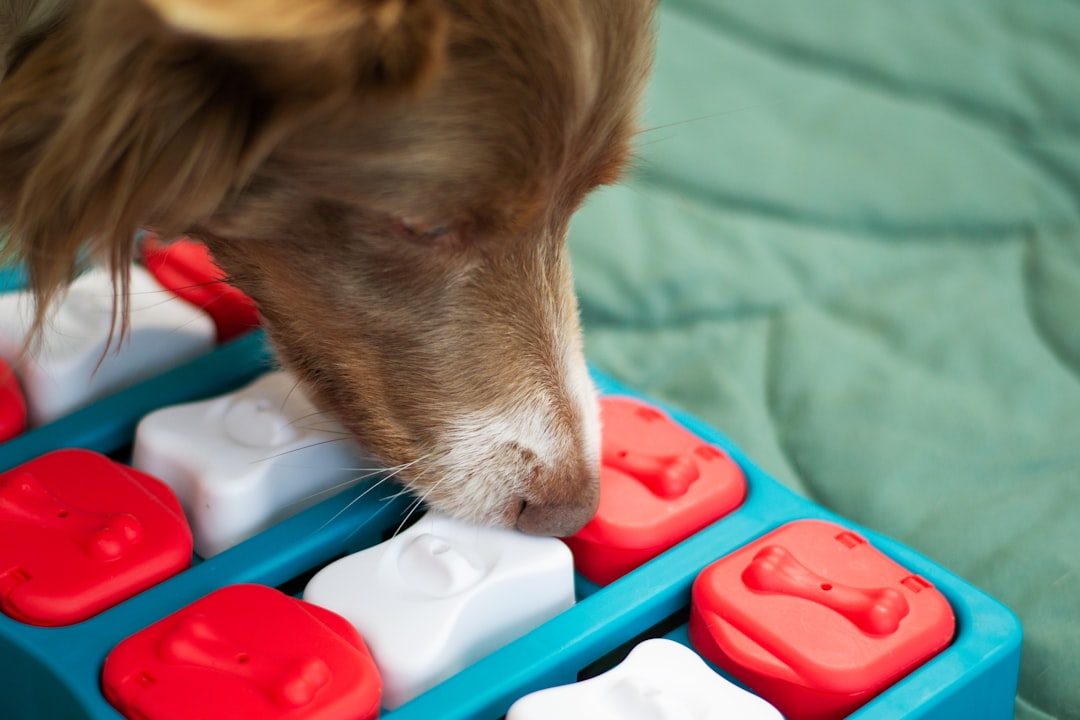
Dogs are natural problem-solvers, mainly when they have something that they want, and if your pup consistently figures out how to solve puzzles, get a treat from any unreachable spot, or escape the backyard, then it might be smarter than any other average pup. Maybe they’ve learned to open doors, nudge open cabinets, or manipulate puzzle toys in record time.
Such skills are more than just trickery; they are cognitive exercises that require perception, memory, and mental flexibility, and such kind of behavior highlights their ability to know about the causes and effects, manipulate objects, and make decisions on the basis of past experiences. Sure, it might be frustrating when they’re too smart for their own good, but you have to admire the ingenuity.
They Notice Tiny Changes in Your Routine
Being highly observant is another characteristic that smart dogs share, for instance, when you pull out your suitcase, does your dog recognize that it’s a sign something is about to change, like you’re going on a trip, and dogs may show their understanding by trying to jump or hide in your suitcase, or they might stick unusually close to you. This level of observation is remarkable.
If your dogs get excited on the way to their favorite dog park or anxious on the way to the vet, it not only means they can recognize their surroundings but also that they can remember the route to the destination, and recognizing locations and direction is a clear sign of smart dogs. They’re paying attention to details we don’t even realize we’re providing.
They Learn by Watching You (or Other Dogs)

One indicator of your dog’s intelligence is whether or not they pick up skills simply by observing, and dogs that can watch either humans or other dogs doing certain tasks, such as opening doors or gates, and learn from their example are certainly more trainable and may be smarter. You never taught them to open the back door. They just watched you do it enough times and figured it out.
Puppies learn many behaviors by following the examples set by veteran dogs, but what’s even more remarkable is that dogs can learn from observing humans as well. This observational learning is a hallmark of higher cognitive function, showing they can connect actions to outcomes without direct instruction.
They Know How to Use Their Paws Like Hands
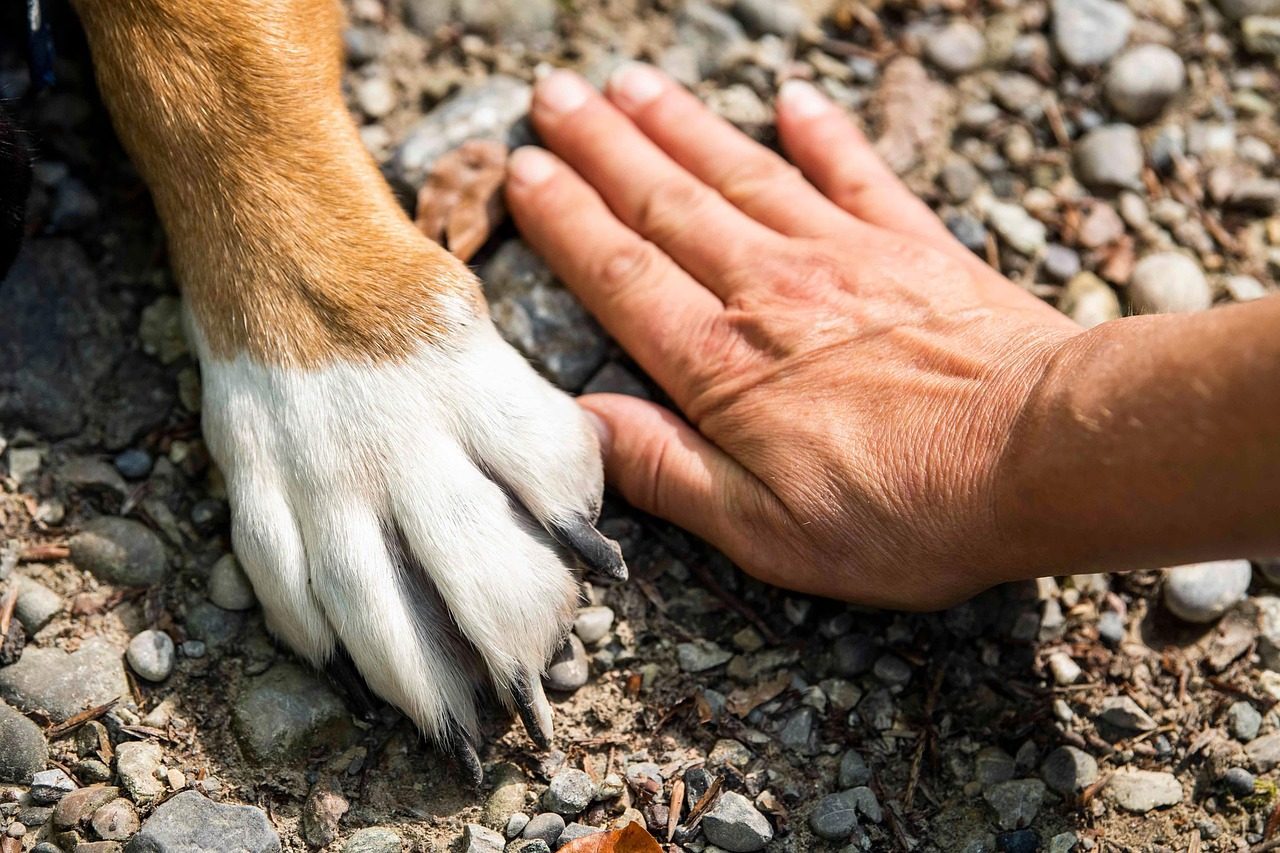
A dog that knows how to use their paws to their advantage is often showing signs of dog intelligence, and they may use their paws to fetch things from beneath furniture, flush the toilet, open the door, swipe things off the table, and more. Paw use shows they understand tool manipulation and spatial reasoning.
Just because your dog may wait for you to retrieve their toy or help them out doesn’t mean they aren’t smart, but dogs that use their paws just tend to be better at doing things for themselves and thinking outside the box in order to get what they want. It’s like they’ve evolved an extra appendage for problem solving.
Watch How Quickly They Learn New Commands
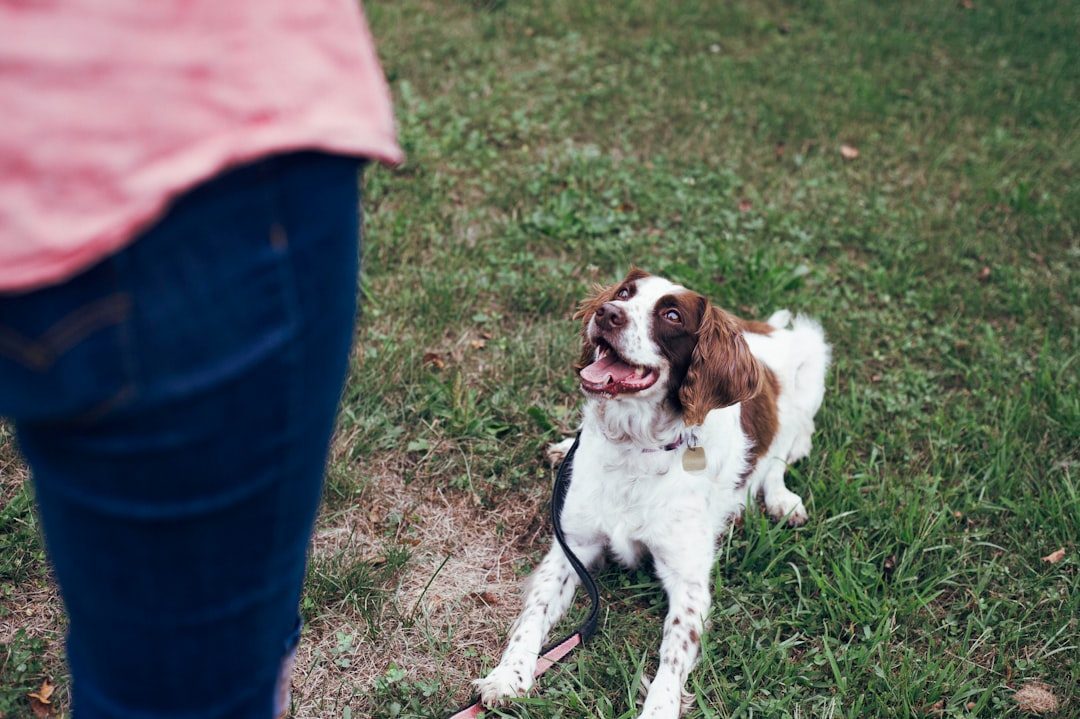
One of the main signs of exceptional intelligence in dogs is learning new commands quickly without the need for extensive training, and some dogs require lots of repetition to learn a new trick or command, but highly intelligent dogs may learn very quickly after just a few tries. If your dog picks up on a new behavior in just a handful of repetitions, you’ve got a quick learner on your hands.
The smartest took fewer than 5 repetitions to learn a command while those at the bottom needed 80 to 100. That’s a massive difference. Speed of learning is one of the most straightforward ways to gauge cognitive ability.
Notice If They Understand Object Names
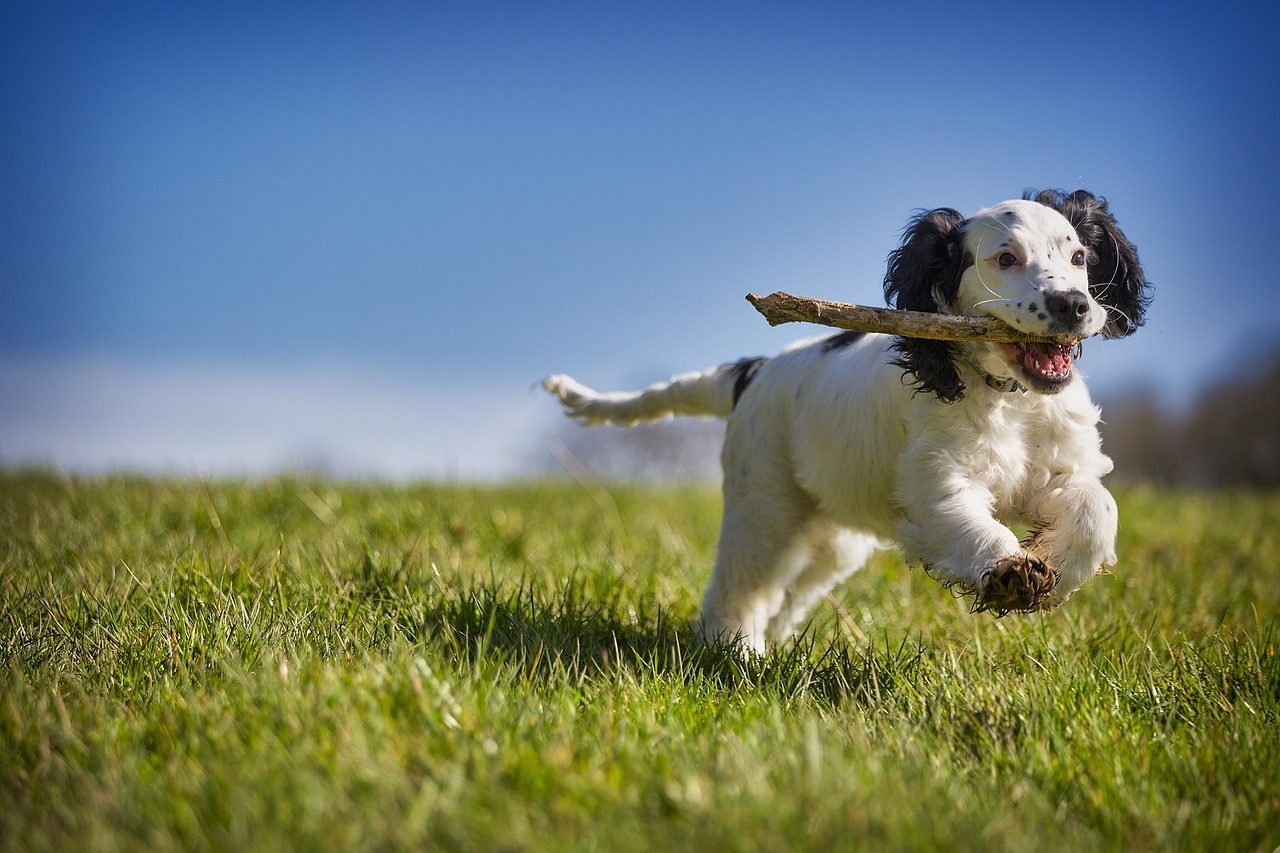
Dogs have demonstrated that they can learn the names of objects, and the average dog can learn around 165 words, while certain brainiacs can learn upwards of 200. Does your dog know the difference between their ball and their rope? Can they fetch specific toys by name?
In one study, a remarkable Border Collie named Rico knew the names of more than 200 items and could remember them for weeks, and he also showed he could learn new objects by exclusion, in other words, he was able to infer the name of a new object just by recognizing the object as one for which he didn’t have a name. That kind of deductive reasoning is genuinely impressive.
Check How Fast They Escape a Blanket Test

Test how long it takes your dog to remove himself from a blanket thrown over his head, and the faster he removes the blanket, the smarter he is. This simple test measures quick thinking and spatial awareness.
It might sound silly, but it reveals how efficiently your dog can assess a problem and find a solution. Intelligent dogs also excel at problem-solving, whether that is figuring out a puzzle toy or how to open the front door, and if your dog is amenable to it, you can try tossing a large blanket over them and see how long it takes them to escape.
Observe Their Puzzle-Solving Speed

Offer a toy that must be handled in a certain way to release a treat, and dogs who do not take long to figure out how to get the treat are generally smart dogs. Puzzle toys come in varying difficulty levels, and smart dogs will breeze through them.
For many dogs, challenging games and puzzle toys can offer mental stimulation and keep them entertained for hours, but if your dog tends to figure out puzzle toys in a matter of minutes or finishes a “challenging” game quickly, they’re showing signs of dog intelligence. If your pup is consistently outsmarting the puzzles you buy, it might be time to level up.
See If They Can Find Alternative Routes

While that can be frustrating for owners, it’s actually a sign of high intelligence, and one way to test this skill is to let your dog out one door, close it and then open a different outside door to your house, as smart dogs will be able to find their way back in even if their original or usual point of entry is closed. This tests spatial memory and adaptability.
Dogs who can navigate these changes are showing they understand the layout of their environment beyond simple repetition. They’re thinking spatially and adjusting their strategy on the fly.
Pay Attention to Their Communication Style
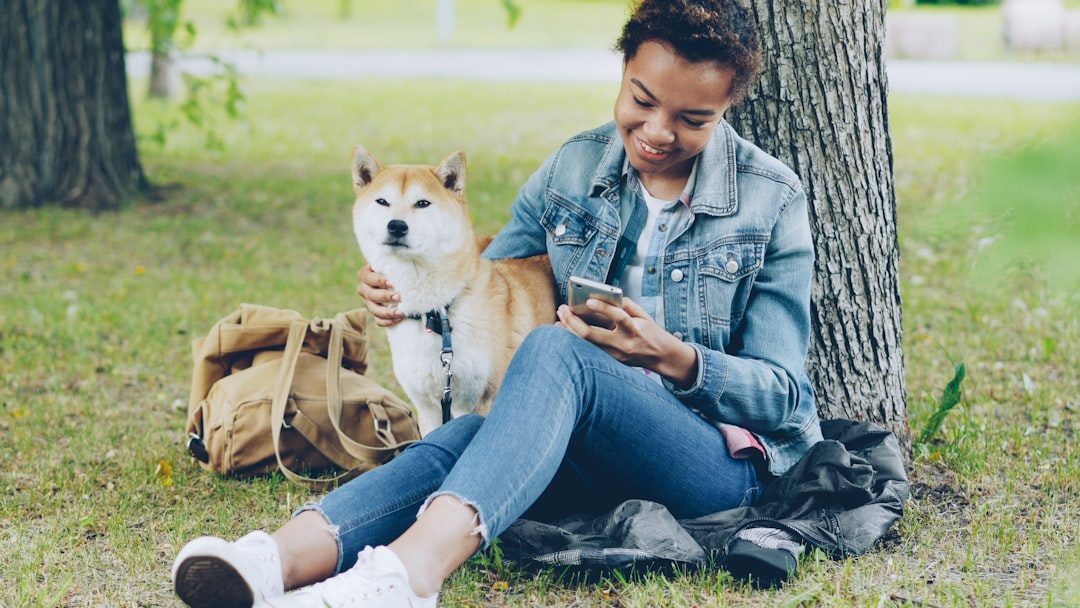
Dogs show that they have a refined sense of understanding about their environment and ways to influence it when they use a bell to signal the need to go outside to learn about making distinctive gestures to show they are tired or hungry. Smart dogs develop their own unique communication methods.
Dogs are always giving us cues in an attempt to communicate their needs and wants, and most dogs need to be trained into these cues during house training, but some come up with their own over the years, and dogs that try different cues on their own and then repeat the ones that work are not only showing adaptive intelligence, but are also showing social intelligence by trying to find communication that works. They’re experimenting with language in their own way.
Look for Signs of Boredom-Driven Mischief

Some of the smartest dogs misbehave because they get bored easily. If your dog is getting into trouble, it might not be defiance. It could be understimulation. If your dog tends to get into trouble, they may just be bored and need you to provide mental stimulation and/or more exercise, and dogs that are destructive due to being bored are also usually intelligent – they’re just finding ways to entertain themselves that you don’t necessarily like.
Smart dogs need jobs. They need challenges. Without those, they create their own entertainment, which often looks like opening cupboards, reorganizing your shoes, or redecorating the couch cushions.
Conclusion
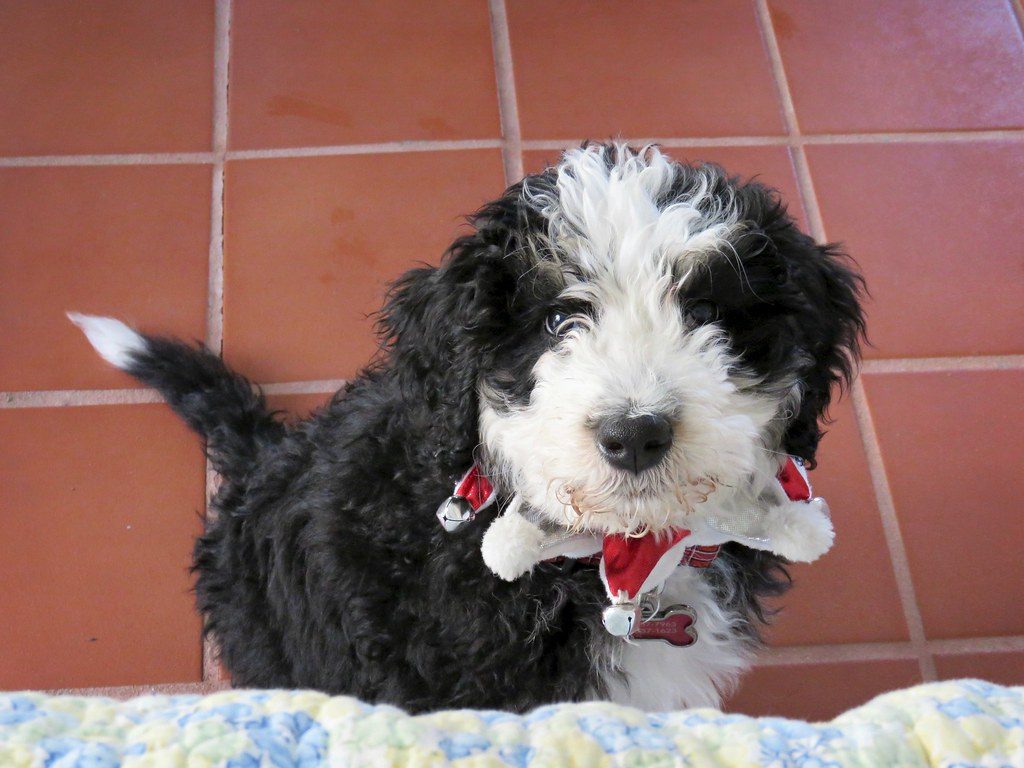
Intelligence in dogs comes in so many forms. Some excel at commands, others at emotional reading, and some are just brilliant escape artists. The key is recognizing that your dog’s smarts might not look like what you expect.
Whether your dog is a puzzle-solving prodigy or a master of reading your moods, they’re showing you their unique brand of genius every day. Celebrate it, challenge it, and most importantly, appreciate the incredible mind working behind those eyes. What do you think about it? Does your dog show any of these signs? Tell us in the comments.


