
Let’s be honest, small dogs are adorable. Those tiny paws, those big eyes, that miniature bark that sounds more like a squeak. They seem like the perfect companions for any home, right?
Well, here’s the thing. While their size makes them apartment-friendly and easy to carry around, there’s a side to small dog ownership that doesn’t always make it into those cute Instagram posts. When these pint-sized pups aren’t properly housetrained, things can go sideways fast. We’re talking chaos, frustration, and a home that feels like it’s under siege by a furry tornado who weighs less than a bag of groceries.
Why do small breeds seem to struggle more with housetraining than their larger counterparts? Research has shown that large dogs are more likely to be fully house-trained than small dogs. Small dogs have smaller bladders, higher relative metabolisms, less bowel control and they tend to be more difficult to monitor. That’s just the biological reality. So let’s dive in and explore which small breeds can turn your living room into a disaster zone when potty training goes wrong.
Chihuahua: The Tiny Terror With a Big Attitude
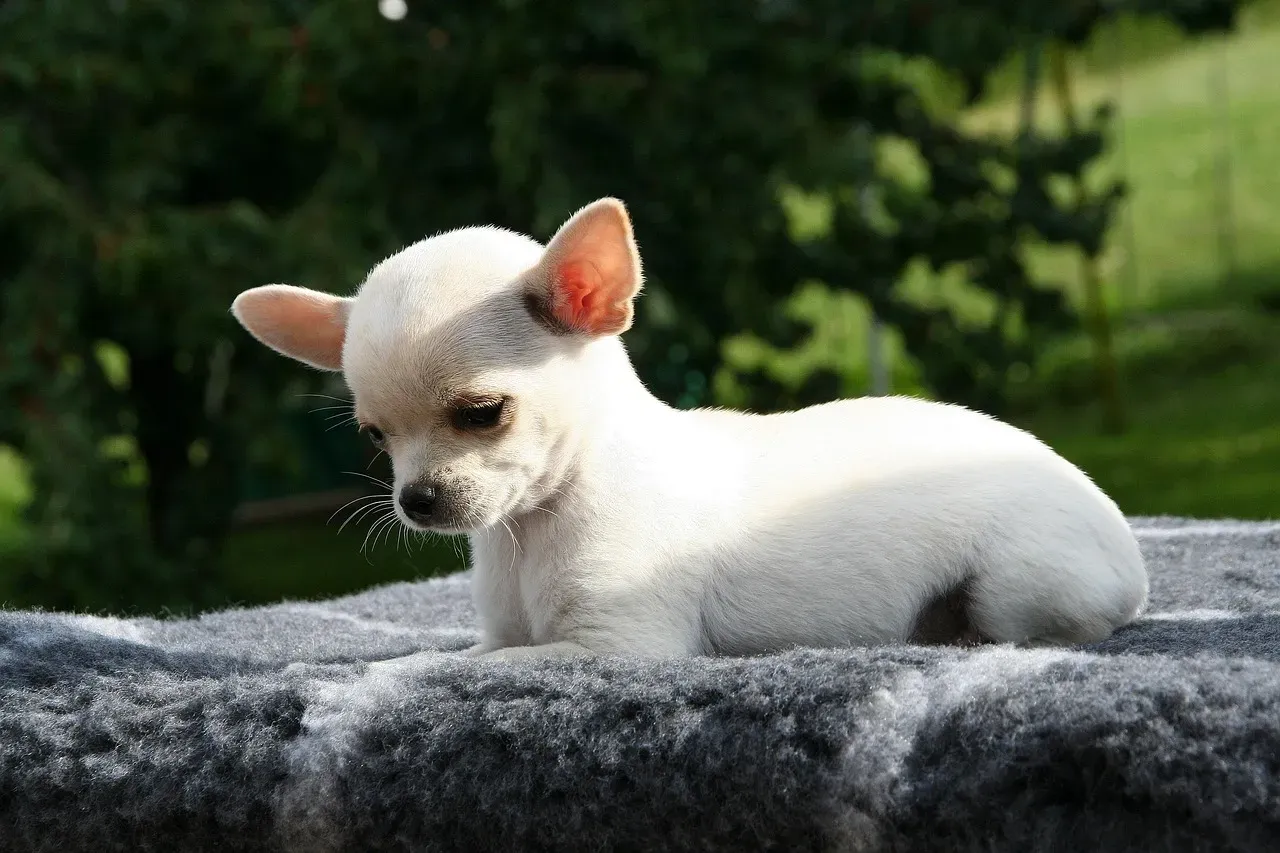
Chihuahuas are famous for their sassy personalities and fierce loyalty. These little dogs pack an enormous amount of confidence into a body that barely tips the scales. Unfortunately, they’re also notorious when it comes to housetraining challenges.
Chihuahuas are notoriously difficult to house train due to their stubborn nature and hatred of being cold. That means rainy days or chilly weather can turn into potty training nightmares. Your Chi might simply refuse to go outside, opting instead for that cozy corner behind your couch. They’re smart enough to know what you want, but sometimes they just don’t feel like cooperating.
What makes it worse? Their accidents are so small that you might not even notice them right away. By the time you discover the problem, your Chihuahua has already decided that spot is their new bathroom. Consistency is absolutely crucial with this breed, along with patience that would test a saint.
Yorkshire Terrier: Small Package, Stubborn Streak
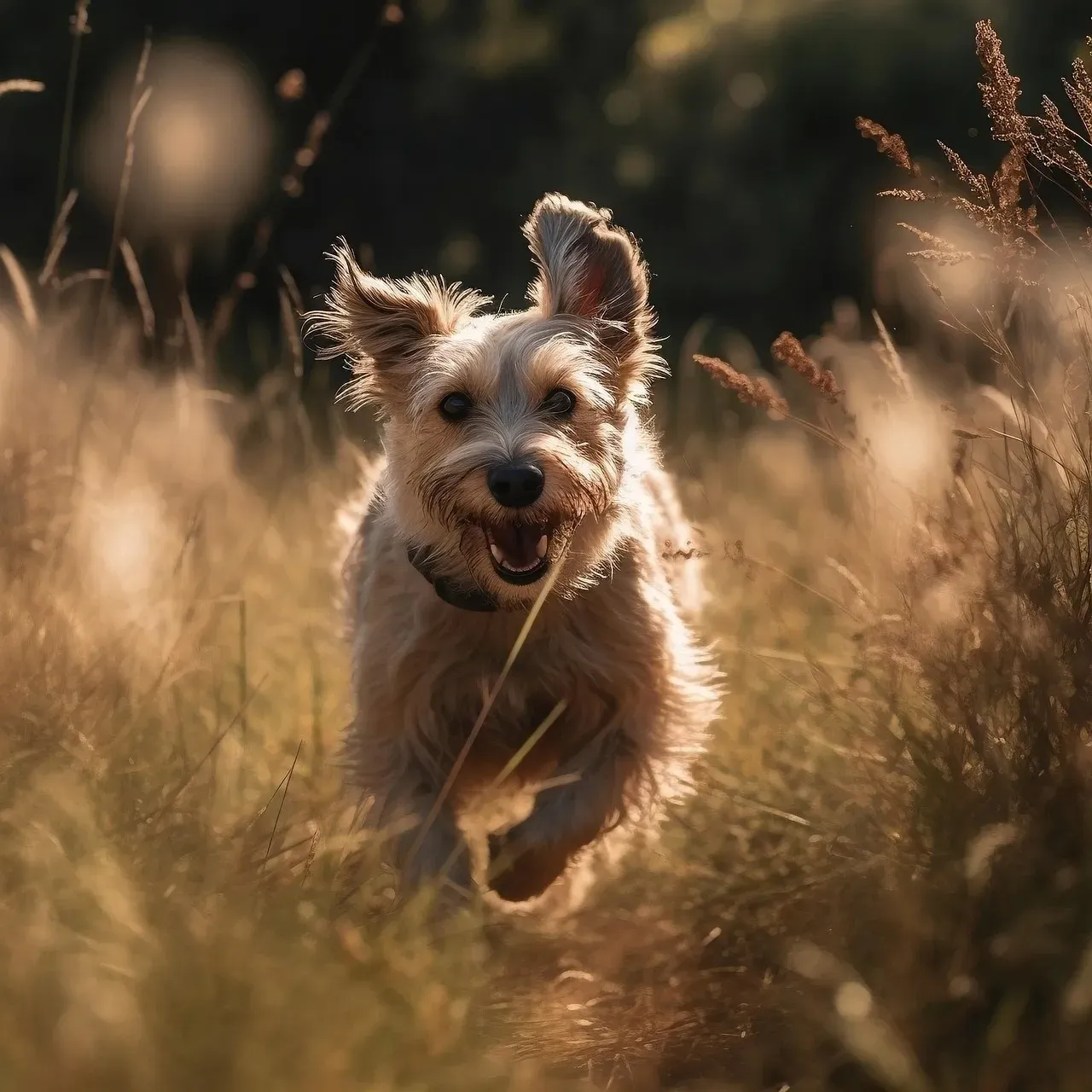
Yorkshire Terriers are elegant, spirited, and absolutely gorgeous with their silky coats. They’re also incredibly challenging to housetrain, which catches many first-time Yorkie owners completely off guard.
Yorkies tend to have a “fearless,” bossy attitude, which can make housebreaking challenging. That independent streak means they’ll test your limits constantly. Add to that their tiny bladders and you’ve got a recipe for frequent accidents throughout your home. These dogs are clever, which should make training easier, right? Not exactly. Their intelligence often translates into finding creative ways to avoid doing what you want.
Both Yorkshire Terriers and Chihuahuas are notoriously challenging to housebreak. The Yorkie’s small size means their accidents are easy to miss initially, and before you know it, they’ve established their own bathroom schedule that has nothing to do with going outside. Positive reinforcement and unwavering consistency are your best friends with this breed.
Dachshund: The Stubborn Sausage Dog
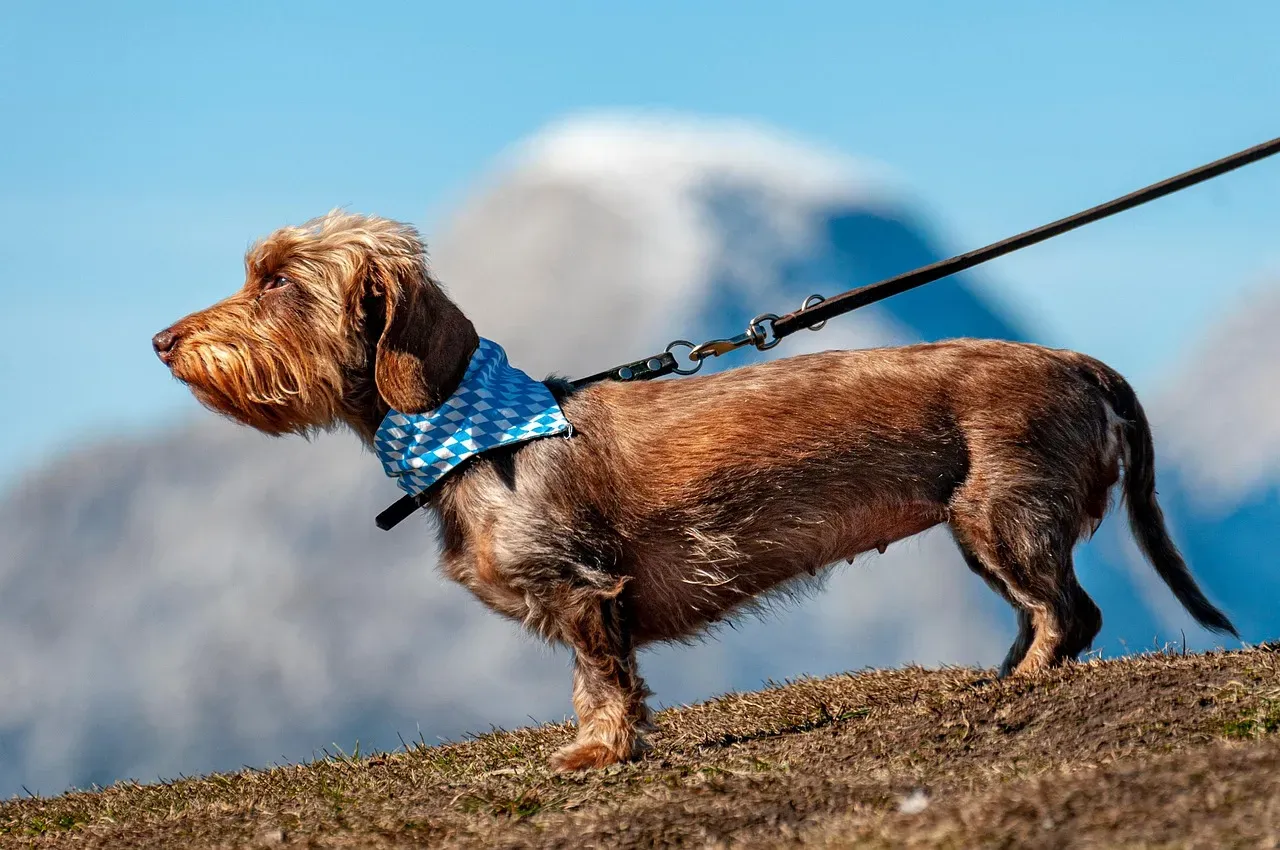
Dachshunds were originally bred to hunt badgers, which required tremendous courage and independence. Those same traits that make them fearless hunters also make them challenging to housetrain. These long-bodied cuties have minds of their own.
Dachshunds tend to get defensive when they are pushed to do something they don’t want to do, plus, these dogs need major convincing to go outside when it’s rainy or cold out. Sound familiar? Weather becomes a major factor in whether your Dachshund will cooperate with outdoor potty breaks. They’d much rather stay warm and dry inside, thank you very much, even if that means using your carpet as their personal bathroom.
Their stubbornness can drive you mad during training sessions, and housebreaking is particularly difficult if you are not an experienced trainer. This breed requires patience, firm boundaries, and a schedule you could set your watch by.
Jack Russell Terrier: Energy Overload Meets Training Trouble
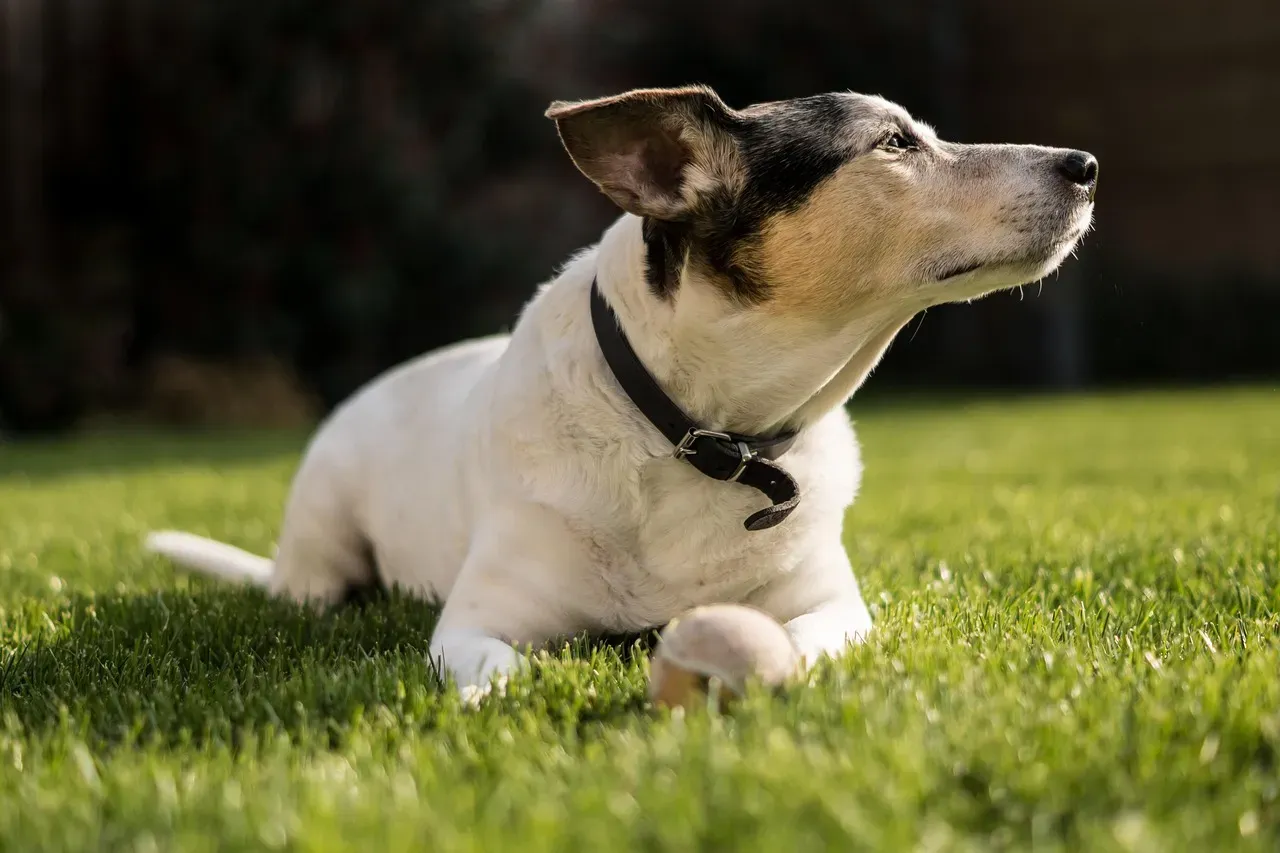
Jack Russell Terriers are bundles of pure, unfiltered energy wrapped in a compact package. These working terriers were bred to chase foxes and have stamina that seems impossible for their size. That energy, however, doesn’t always translate into housetraining success.
Terriers are very territorial and are quite prone to marking behavior, and you need to be very careful while housetraining Terriers because they have independent minds and often are unwilling to take commands. Jack Russells specifically can become so focused on playing, exploring, or whatever has caught their attention that they simply forget about potty rules. One moment they’re playing, the next there’s a puddle on your floor.
Their intelligence means they learn quickly, but it also means they get bored easily. If housetraining feels repetitive or unrewarding, they’ll simply decide the rules don’t apply to them. You’ll need endless patience and creative ways to keep training interesting for these spirited little terrors.
Pomeranian: Fluffy Cloud With Bathroom Issues
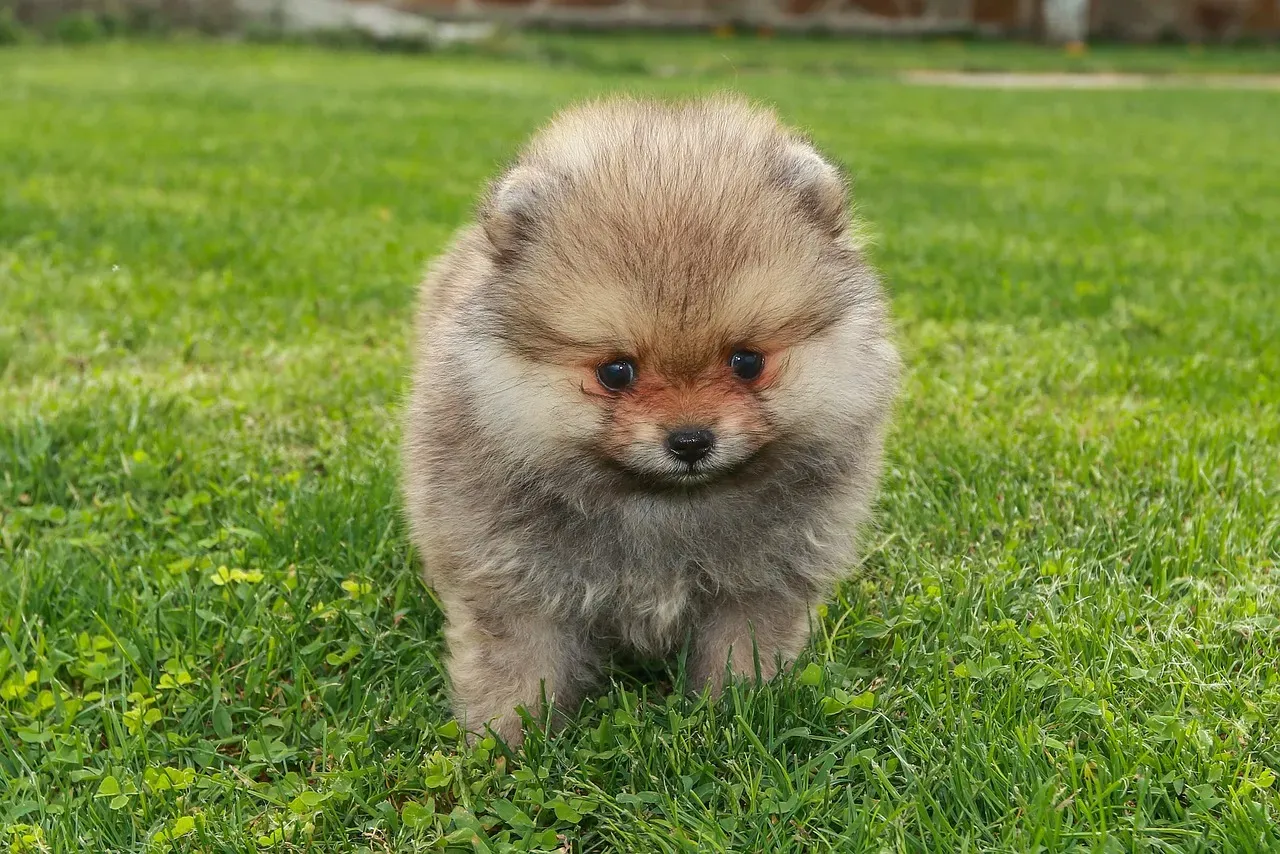
Pomeranians look like living teddy bears with their fluffy coats and fox-like faces. They’re charming, affectionate, and unfortunately prone to housetraining difficulties that frustrate even experienced dog owners.
Toy breeds can have special problems in housetraining. Pomeranians fall squarely into this category. Their small bladders mean they need frequent potty breaks, but their princess-like attitudes mean they’re not always willing to go outside if conditions aren’t perfect. Rain? Absolutely not. Cold wind? No thank you.
These dogs are also incredibly smart, which means they quickly learn how to manipulate situations to their advantage. If they realize they get attention every time they have an accident (even negative attention), they might continue the behavior. You’ll need to be strategic, consistent, and prepared for setbacks with this glamorous but challenging breed.
Maltese: The Sneaky Housesoiler
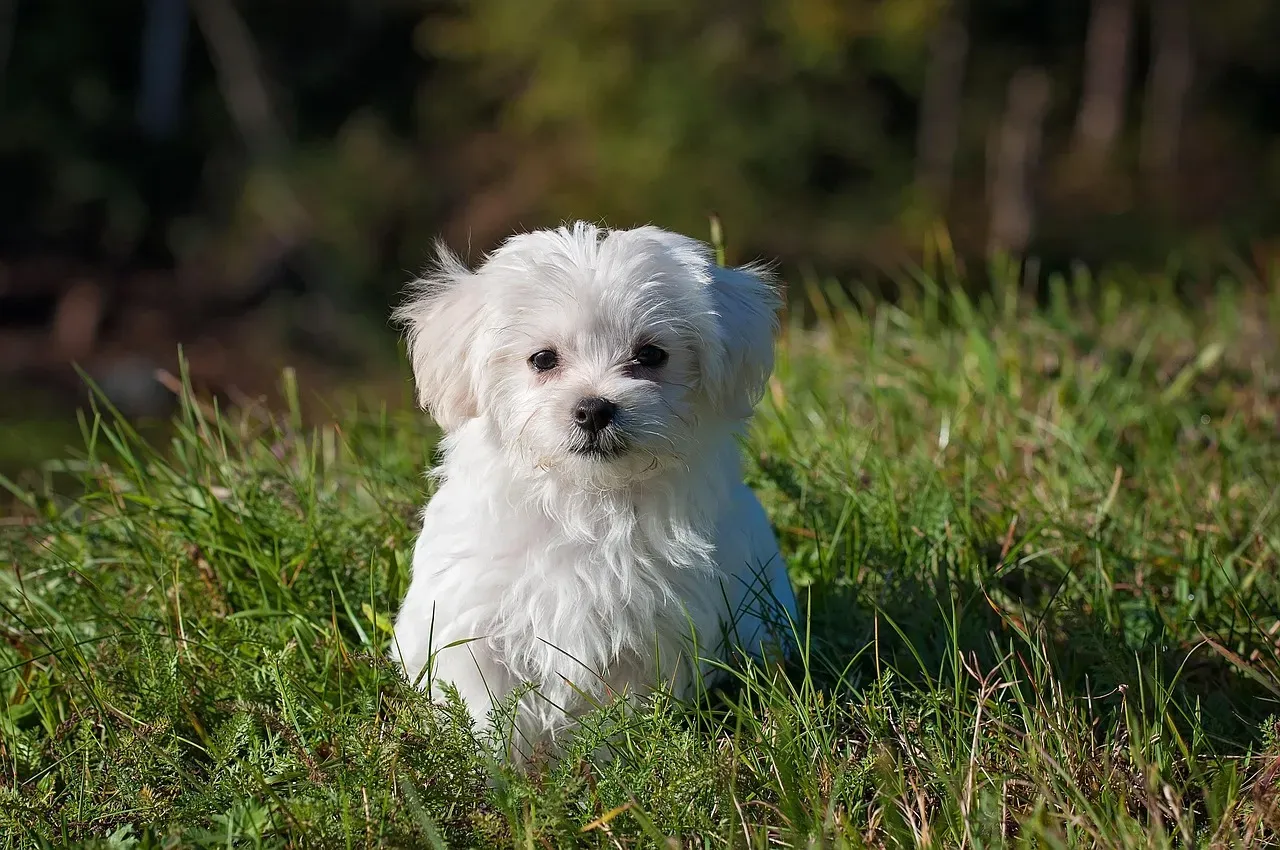
Maltese dogs are gentle, affectionate companions with gorgeous white coats. They’re lap dogs through and through, bred to provide companionship and warmth. That breeding didn’t prioritize outdoor bathroom habits, which becomes obvious when you start housetraining.
A Maltese can sneak away and pee behind the couch a bunch of times before someone notices. Their tiny size and quiet nature mean they’re experts at slipping away unnoticed. By the time you realize there’s a problem, they’ve already claimed multiple spots in your home as their personal restroom.
Like other toy breeds, Maltese dogs have small bladders and high metabolisms. They genuinely need to go more frequently than larger dogs. Combine that physical reality with a somewhat independent streak, and you’ve got a dog that requires constant supervision during the housetraining phase. Set up a consistent schedule and stick to it religiously.
Shih Tzu: The Charming Manipulator
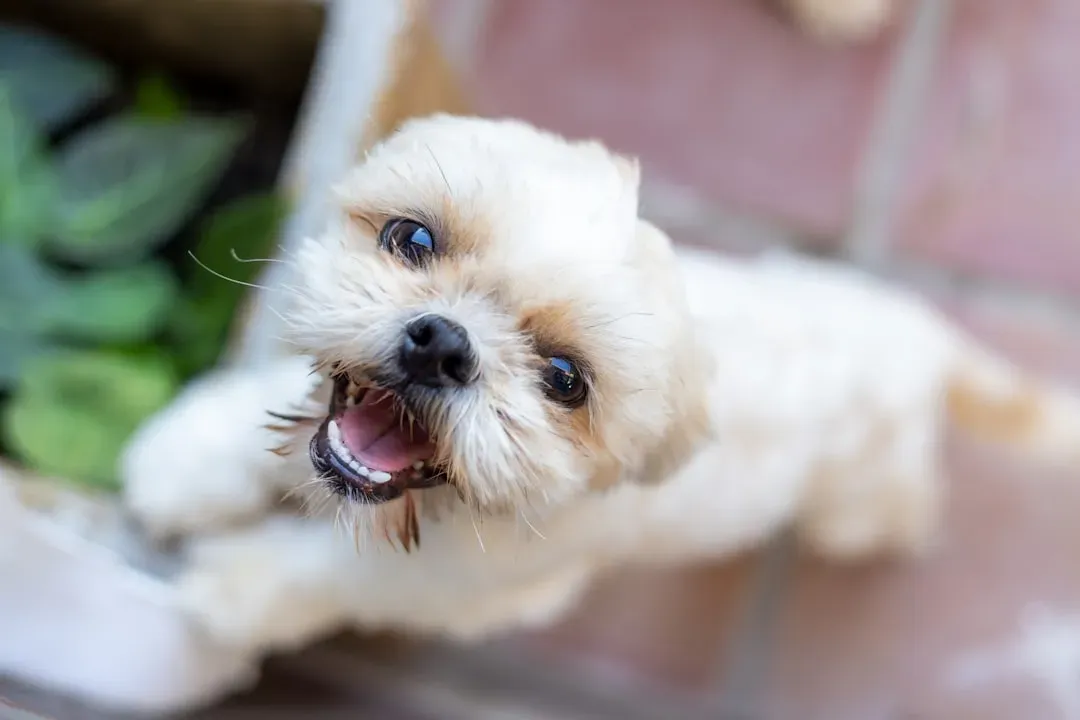
Shih Tzus were bred as palace dogs in ancient China, meant to sit on laps and look beautiful. They excel at both those tasks. Housetraining? Not so much. These dogs have perfected the art of looking innocent while completely ignoring your potty rules.
The breed tends to charm his owner into letting him have his own way, which can result in a less-than-completely-housebroken pet. Those big eyes and sweet face make it hard to stay firm when they’re clearly testing your boundaries. Shih Tzus are smart enough to know exactly which buttons to push to get what they want.
Their luxurious coats also mean they’re not fans of getting wet or dirty. Rain means no outdoor potty breaks in their minds. They’d much rather find a quiet corner inside where they can do their business in comfort and privacy. You’ll need to be more stubborn than they are, which is saying something.
Pug: The Stubborn Charmer
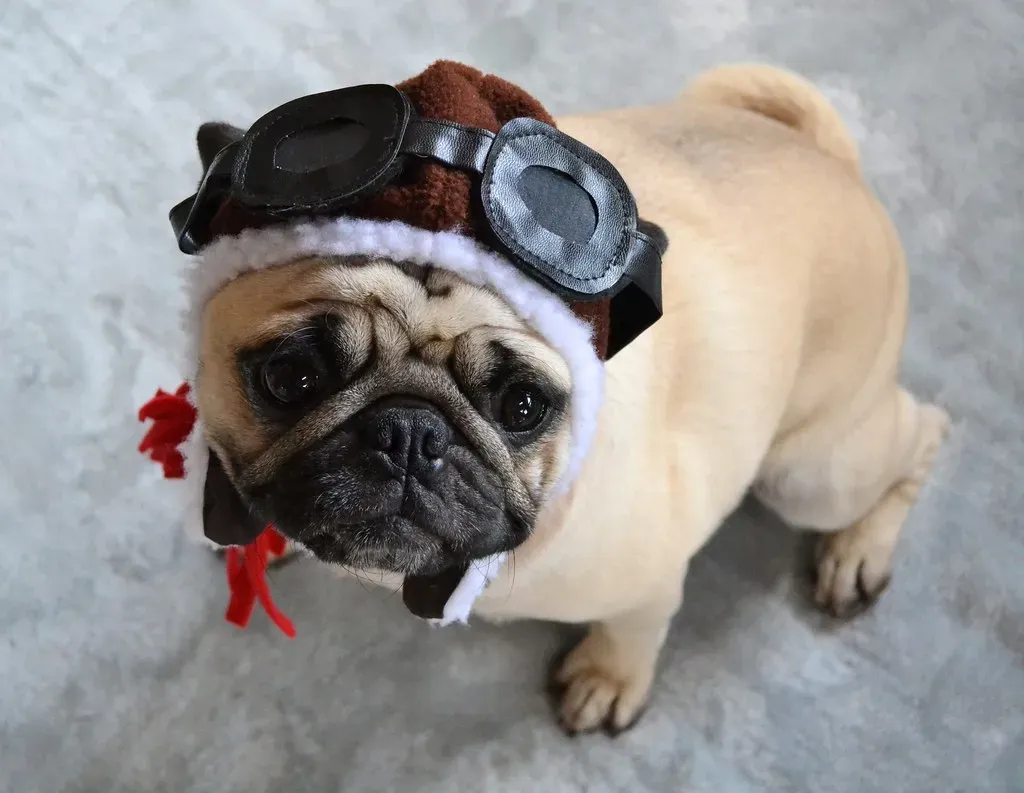
Pugs are clowns of the dog world with their wrinkled faces and snorting sounds. They’re affectionate, funny, and surprisingly stubborn when it comes to housetraining. Don’t let that comical face fool you into thinking they’ll be easy to train.
Pugs can be stubborn and difficult to housebreak. They’re playful and affectionate, which makes them wonderful companions, but that stubbornness becomes a real challenge during potty training. They know what you want them to do, they’re just not convinced it’s worth the effort.
Pugs also have unique physical considerations. Their flat faces mean they don’t handle extreme temperatures well, especially heat. That limits the times you can take them outside comfortably. They’ll need patient, consistent training that works around their physical limitations while still establishing clear bathroom rules.
Bichon Frise: The Independent Spirit
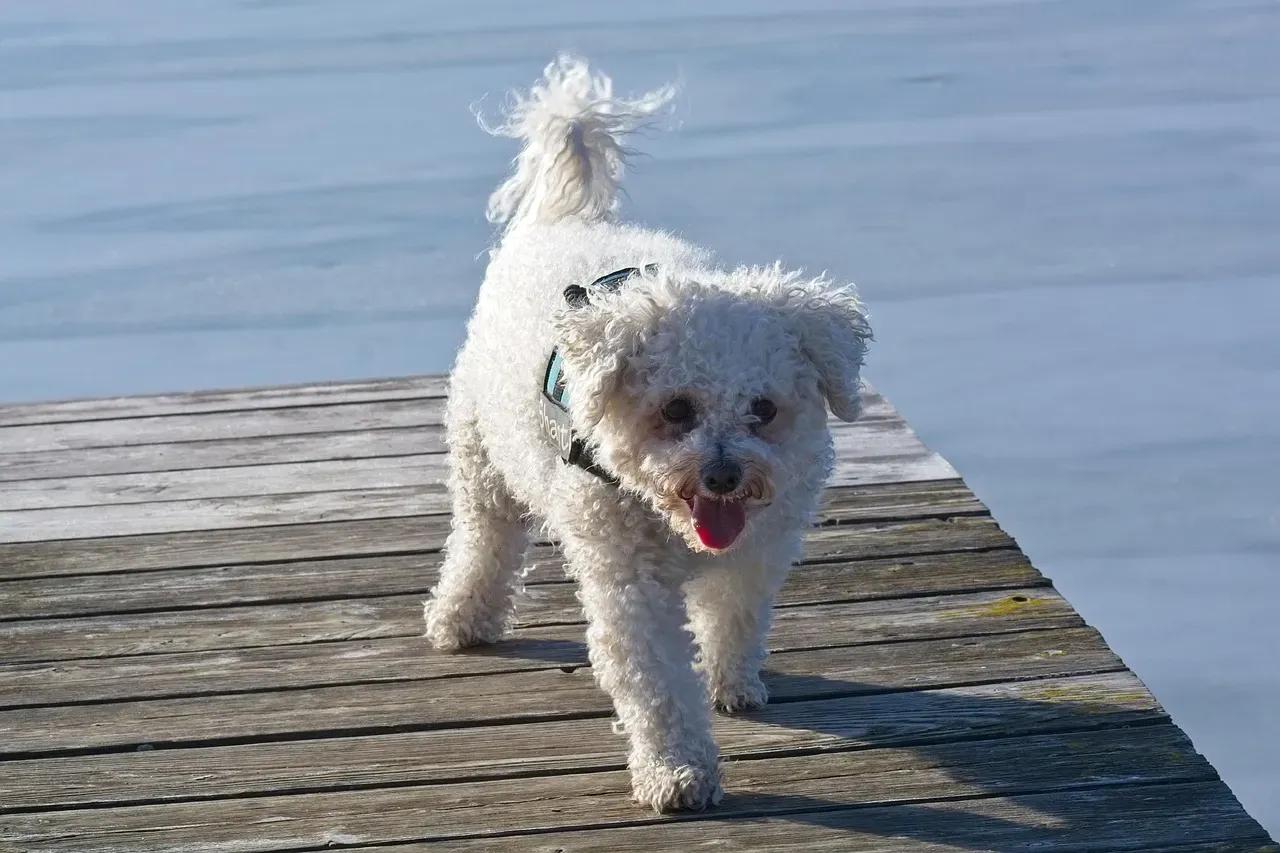
Bichon Frises are cheerful little dogs with curly white coats that make them look like animated cotton balls. They’re friendly, playful, and known for bringing joy wherever they go. They’re also known for something less delightful among experienced owners.
Bichon Frises have a reputation for being difficult to housebreak, and the breed is fiercely independent and tends to be picky about going outside when it’s rainy or cold out. That independence means they’re not automatically eager to please you, which is the foundation of most successful training. They’ll evaluate whether following your rules benefits them personally.
Weather sensitivity adds another layer of complexity. A Bichon might be perfectly housetrained during sunny weather, then suddenly start having accidents the moment it rains. You’ll need indoor backup plans and patience that lasts through every season of the year.
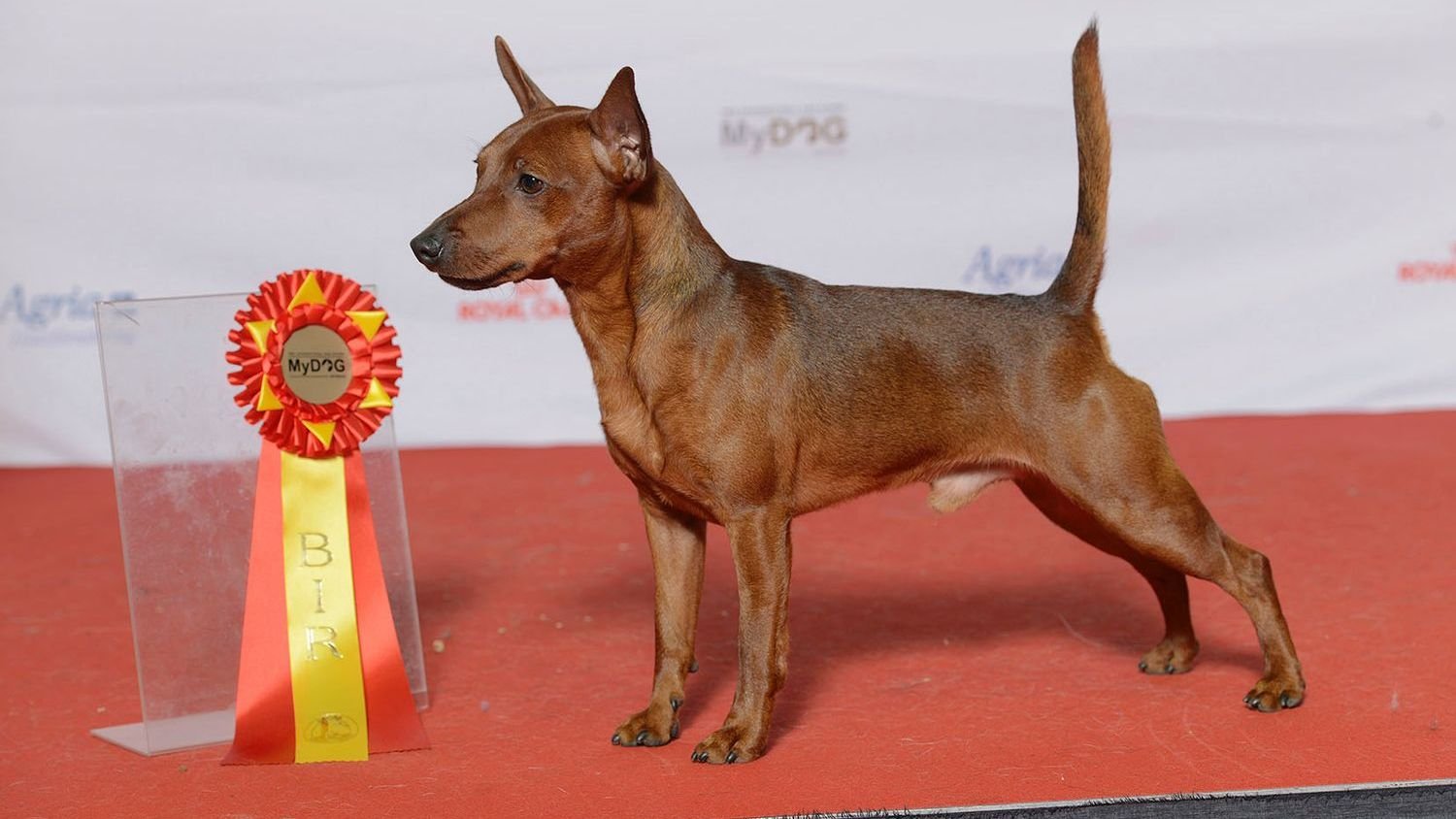
Miniature Pinscher: Tiny Dog, Giant Personality
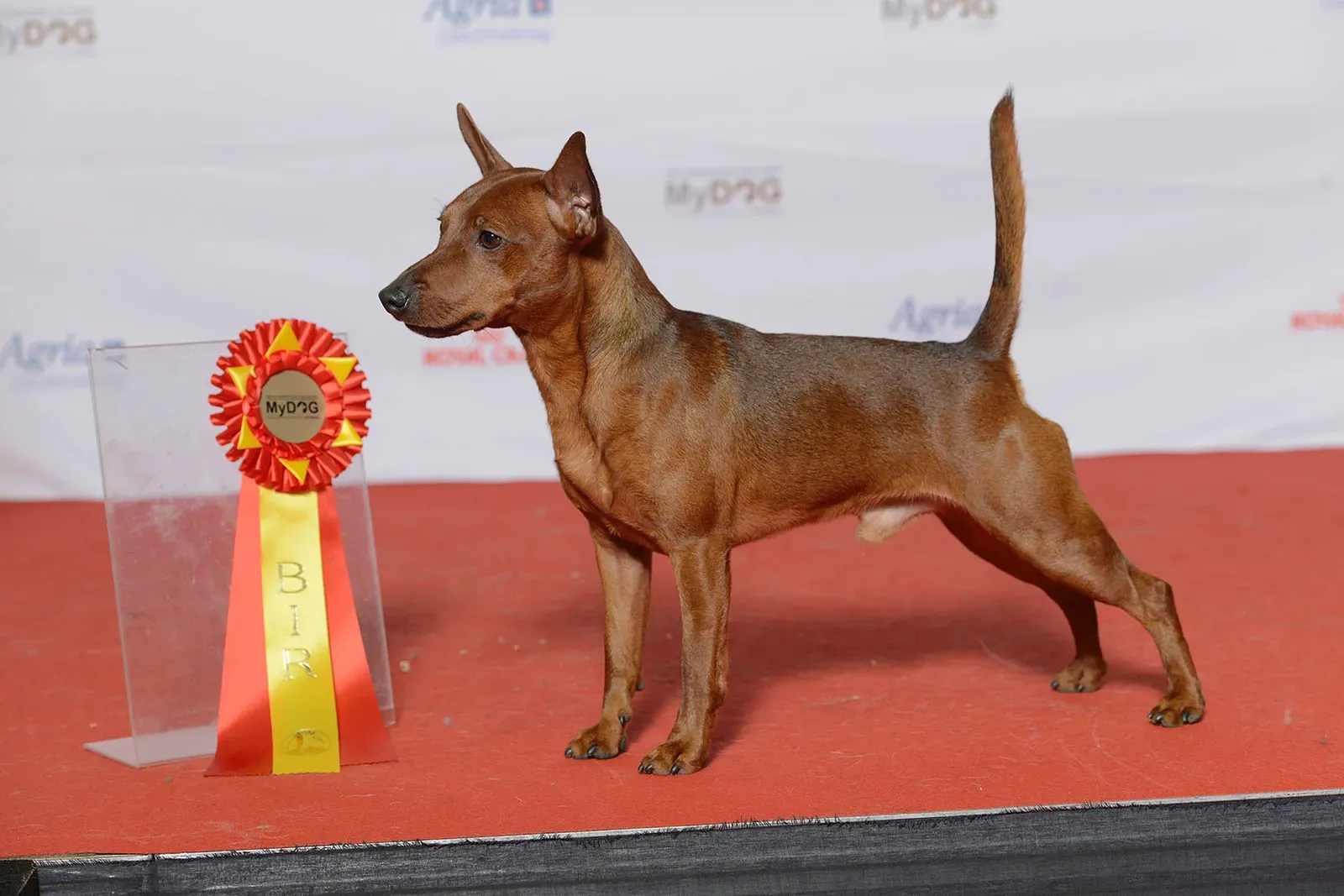
Miniature Pinschers look like tiny Dobermans and they have the attitude to match. These fearless little dogs think they’re much larger than they actually are. That confidence serves them well in many situations, but it complicates housetraining significantly.
Min Pins are intelligent and energetic, which should theoretically make training straightforward. The problem is they’re also incredibly stubborn and easily distracted. They’d rather be running, playing, or investigating every sound in the house than paying attention to bathroom schedules. Their high energy levels mean they need frequent outdoor time anyway, but getting them to focus on the task at hand requires real skill.
These dogs also tend toward territorial marking, especially males. Even when they’re technically housetrained, they might still lift their leg on furniture or walls to mark their territory. Consistent training from an early age is essential with this breed.
Pekingese: The Regal Rebel
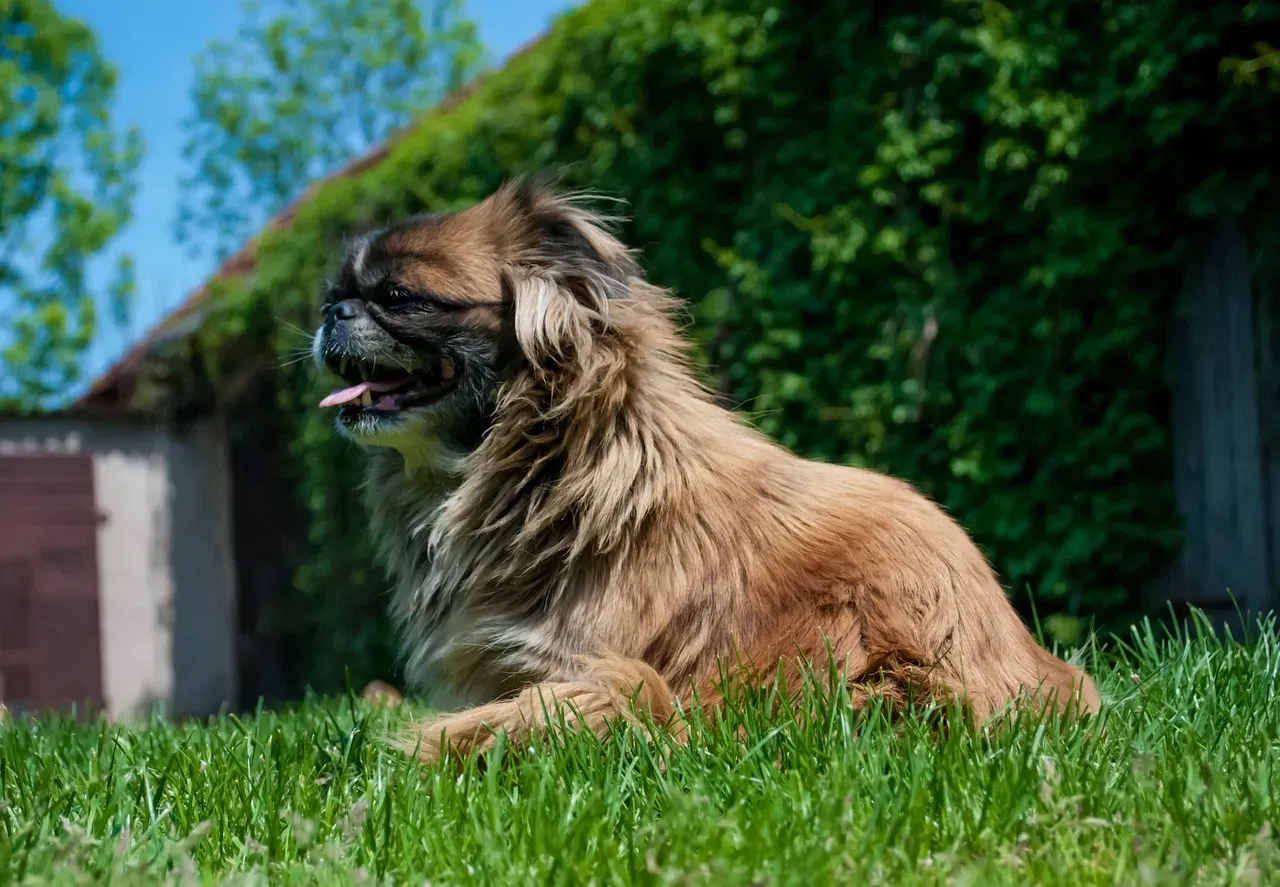
Pekingese were bred as companions for Chinese royalty, and they haven’t forgotten their imperial heritage. These dogs carry themselves with dignity and expect to be treated accordingly. Unfortunately, that regal attitude doesn’t translate into easy housetraining.
Pekingese are independent and somewhat aloof, especially compared to more eager-to-please breeds. They’ll assess your training methods and decide whether they’re worthy of their cooperation. Their long coats mean they’re especially reluctant to go outside in wet or cold weather, and their short legs make navigating through snow or puddles genuinely difficult.
Like many toy breeds, they have small bladders requiring frequent breaks. Combine that with their stubborn independence and you’ve got a dog that needs patient, consistent training from someone willing to earn their respect rather than simply demanding obedience.
Conclusion: Patience, Consistency, and Understanding
Here’s the reality. Small dogs can absolutely be housetrained successfully, but it requires more effort, patience, and consistency than you might need with larger breeds. Only about two thirds of small dogs are fully house trained, versus nearly all large dogs being fully house trained. Those statistics aren’t meant to discourage you, they’re meant to prepare you for the journey ahead.
The key is understanding that smaller dog breeds have smaller bladders and a faster metabolism, so they can’t hold their bladders for as long as larger puppies their age and have to be let out more frequently. It’s not that they’re being deliberately difficult, though sometimes it certainly feels that way. Their bodies simply work differently.
If you’re committed to proper training, these breeds can become wonderful, well-behaved companions. Set realistic expectations, establish consistent schedules, use positive reinforcement, and remember that accidents will happen. Did your small dog surprise you with their housetraining challenges? What methods finally worked for you?


