
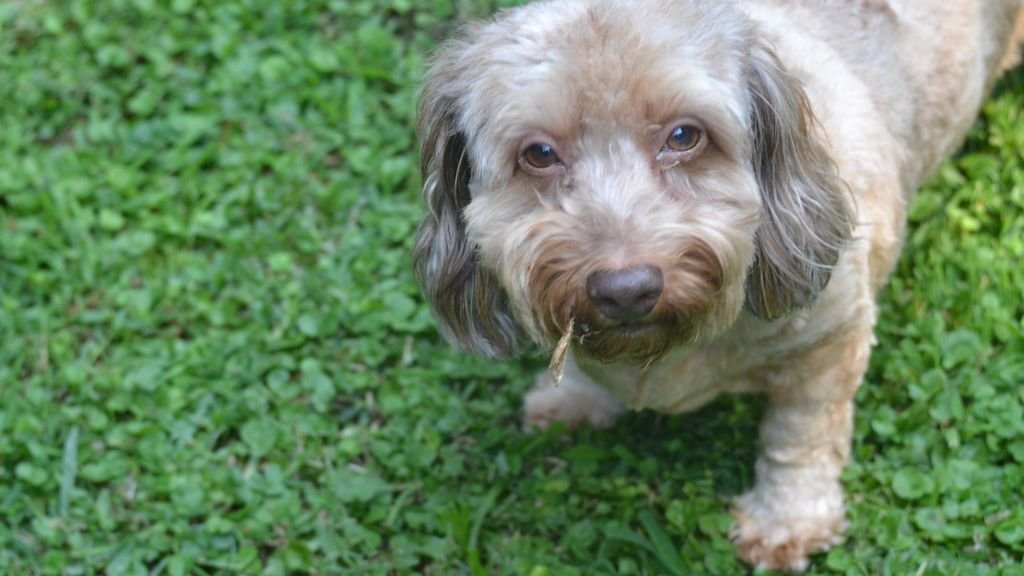
You’ve seen that look, haven’t you? The judgmental stare from a stranger when your dog barks at another dog across the street. The disappointed sigh from a trainer when your pup won’t sit on command. That feeling in your gut that whispers you’ve somehow failed.
Here’s something wild: you probably haven’t failed at all. The whole concept of a “naughty” dog might be one of the biggest misconceptions in pet ownership. We’ve been conditioned to apologize, to feel shame, to believe our dogs are misbehaving out of spite or stubbornness. Let’s be real though, what if the problem isn’t your dog at all?
The Myth of the Naughty Dog
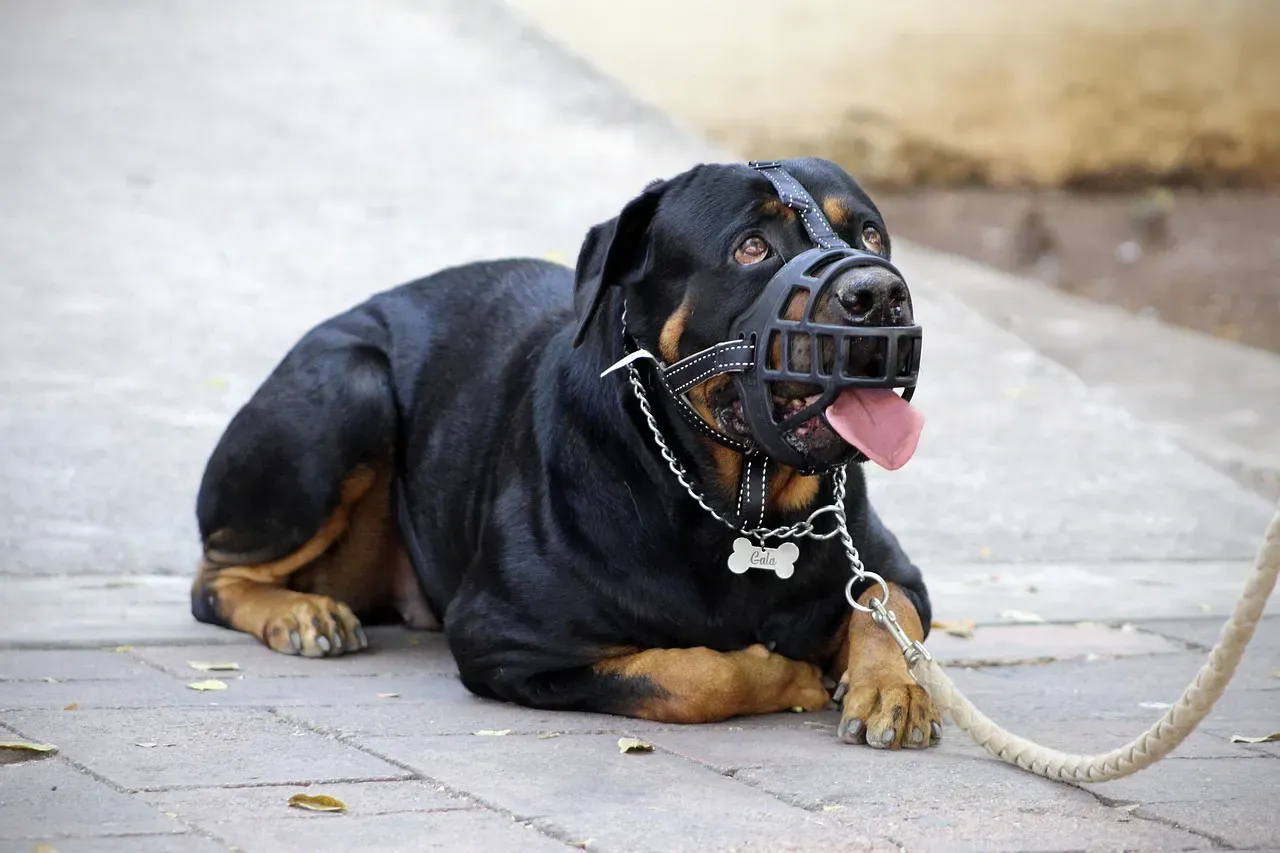
There is no such thing as a ‘naughty dog.’ This is a human ‘construct’ assigning human terms to our dogs. Think about that for a moment. Dogs behave like dogs, not humans. They do not do things because they are naughty or trying to annoy their humans.
When your dog jumps on guests or tears up the couch cushions, they’re not plotting revenge for that time you left them home alone. Most behaviours can be explained if we take the time to understand the reasons behind canine behaviour. Maybe they need more exercise, more mental stimulation, or they’re experiencing anxiety. The behavior makes perfect sense from their perspective, even if it drives us absolutely crazy.
Dogs Don’t Actually Feel Guilt
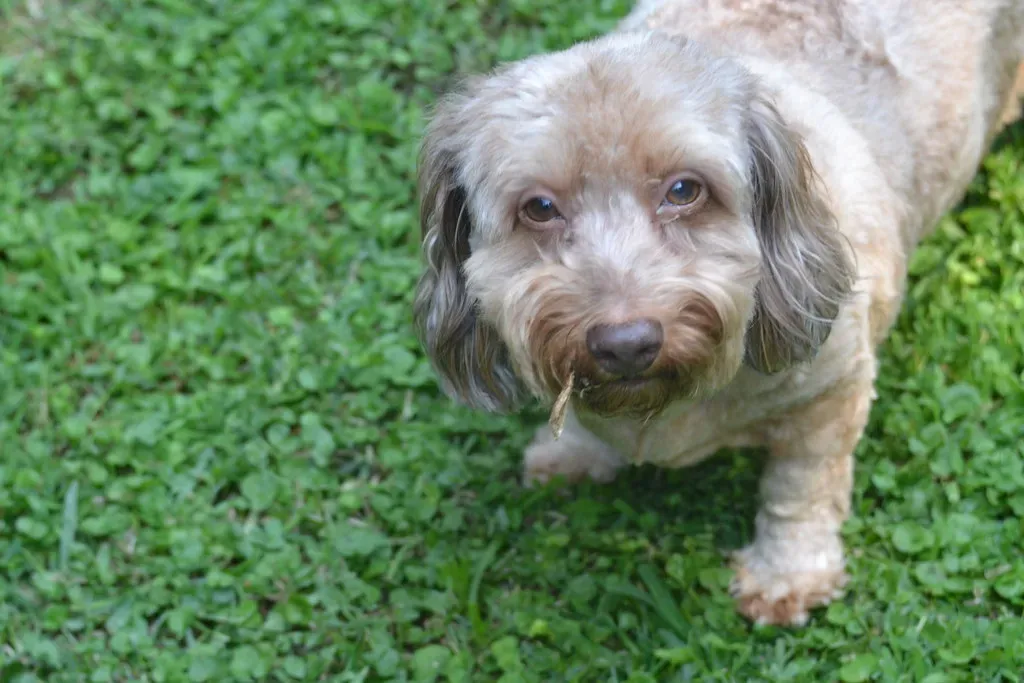
That guilty look your dog gives you when you discover the shredded newspaper? That sad, guilty look with ears back, head down, eyes droopy, tail between the legs, and lower body posture is actually a sign of fear, not shame or guilt. It’s hard to accept, honestly.
Researchers observed dogs and their owners under several sets of circumstances and discovered that dogs would display “guilty” body language more frequently when their owners scolded them than when the owners remained neutral – regardless of whether the dogs had actually done anything wrong. Your dog isn’t ashamed. They’re reading your body language and responding to your anger or disappointment with appeasement behaviors. Research suggests that dogs with a guilty look do not show evidence that they are aware of having engaged in misbehavior.
The Heavy Burden of Shame

The shame all reactive dog owners feel is immeasurable. If you have a dog who barks, lunges, or reacts to other dogs or people, you know this feeling intimately. The weight of judgment is crushing.
Shame because others so clearly judged me and my dog’s behavior. Go for a walk down a busy street and every other person who watches you and your screaming dog will either look at you with eyes of pity or disgust. I know it sounds crazy, but you need to hear this: YOU did not create your dog’s behavior. You spoiling your dog most certainly did not teach them that they have to bark at all the things.
Reactivity is typically fear-based. Your dog is scared, overwhelmed, or frustrated. BUT IT IS NORMALLY FEAR BASED. Understanding why your dog is reactive can help take away some of those guilty feelings.
Why Punishment Makes Things Worse
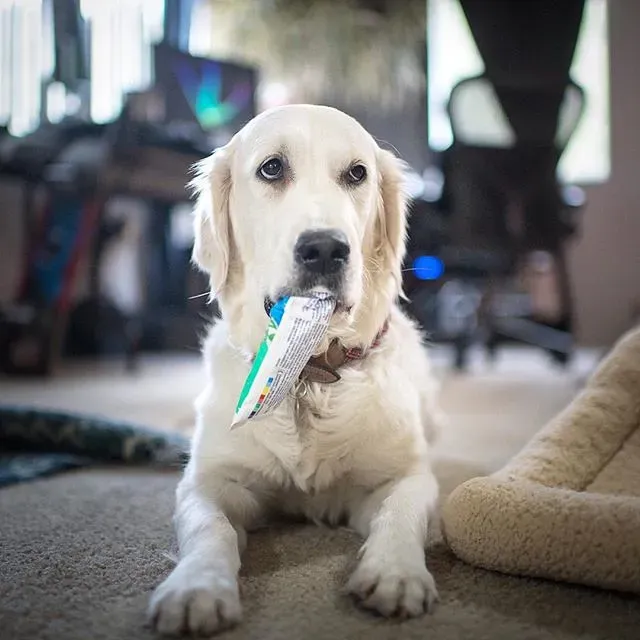
When we label dogs as naughty, we often respond with punishment. Humans often then respond in the wrong way by displaying anger, punishing or scolding their dogs. The problem? It doesn’t work. Not really.
Apart from being inhumane by causing pain, distress and even injury, punishment-based training is often ineffective and can worsen the unwanted behaviours. Research backs this up completely. A UK study found that the dogs of owners who use only positive reinforcement training had fewer total problem behaviours and were less likely to show attention-seeking, fear and aggression compared to those whose owners used punishment-based methods.
Think about it from their perspective. If your dog is already anxious or fearful, adding punishment just amplifies that fear. You’re not teaching them what to do instead; you’re just making them more stressed.
What Your Dog Actually Needs
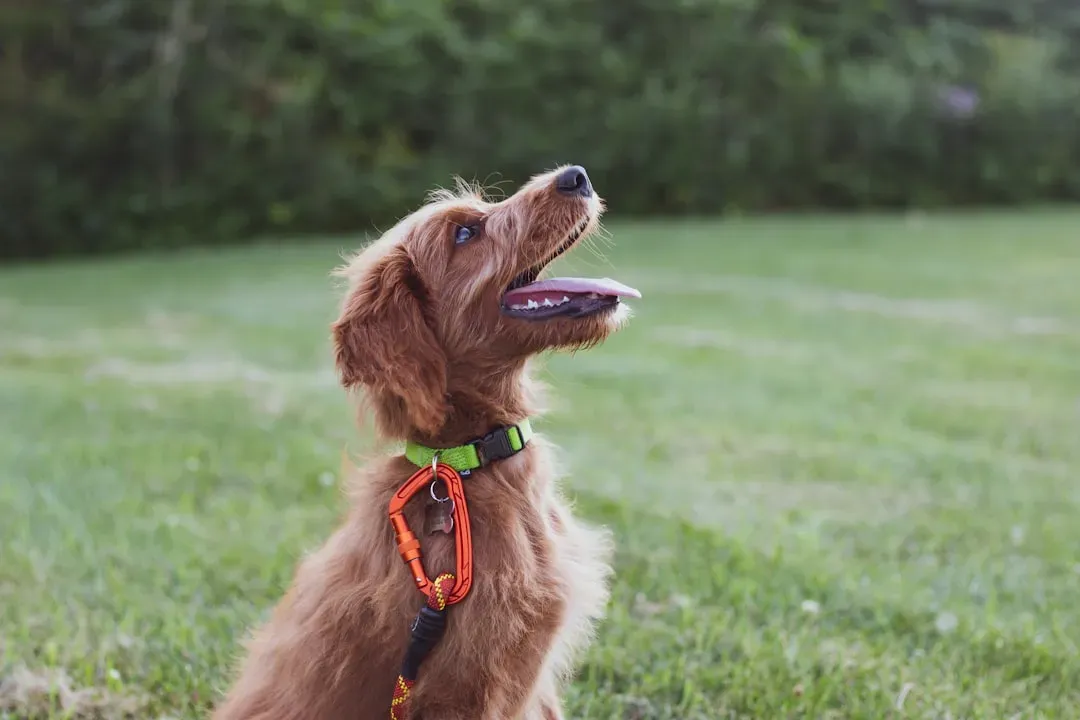
Dogs are born without a set of guidelines to follow. It’s up to the human in charge to teach them what we want them to do, what we don’t want them to do and how to stop doing those naughty behaviors in the first place. Clear guidance, not apologies.
Positive reinforcement is a training technique that rewards desired behaviors to encourage them to happen more frequently. Essentially, you’re letting your dog know that when they do something you like, they’ll get a reward. It’s remarkably simple. When your dog does something you want, mark it and reward it. Consistently.
Training isn’t about dominance or showing your dog who’s boss. The strongest relationships between dogs and humans are based on cooperation and kindness rather than on human dominance and animal submission. This shift in perspective changes everything.
Reclaiming Your Confidence
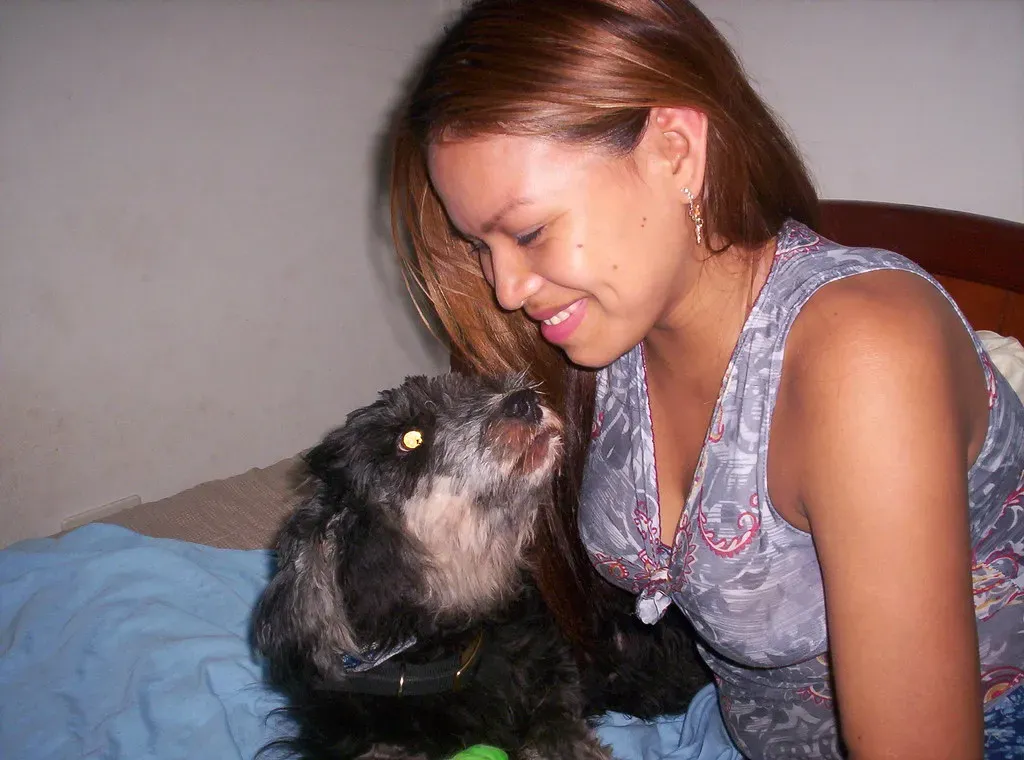
Once I let go of the shame of having a “bad dog” I could move into the loving process of having a dog who was just struggling and it was my job to help him! That’s the breakthrough moment. Your dog isn’t bad. They’re struggling with something, and you’re the one who can help them through it.
Owners of reactive dogs may face additional challenges that could affect their experience of pet ownership. Yes, it’s difficult. Nobody’s denying that. Walking a reactive dog takes planning, patience, and often creative routes to avoid triggers. It’s exhausting sometimes.
Yet acknowledging the challenge doesn’t mean you’ve failed. Seek out support from trainers who understand positive reinforcement methods. Join communities of other owners working through similar issues. What you do need is help and support. YOU need help and support so you can help your dog. There’s no shame in asking for it.
Conclusion
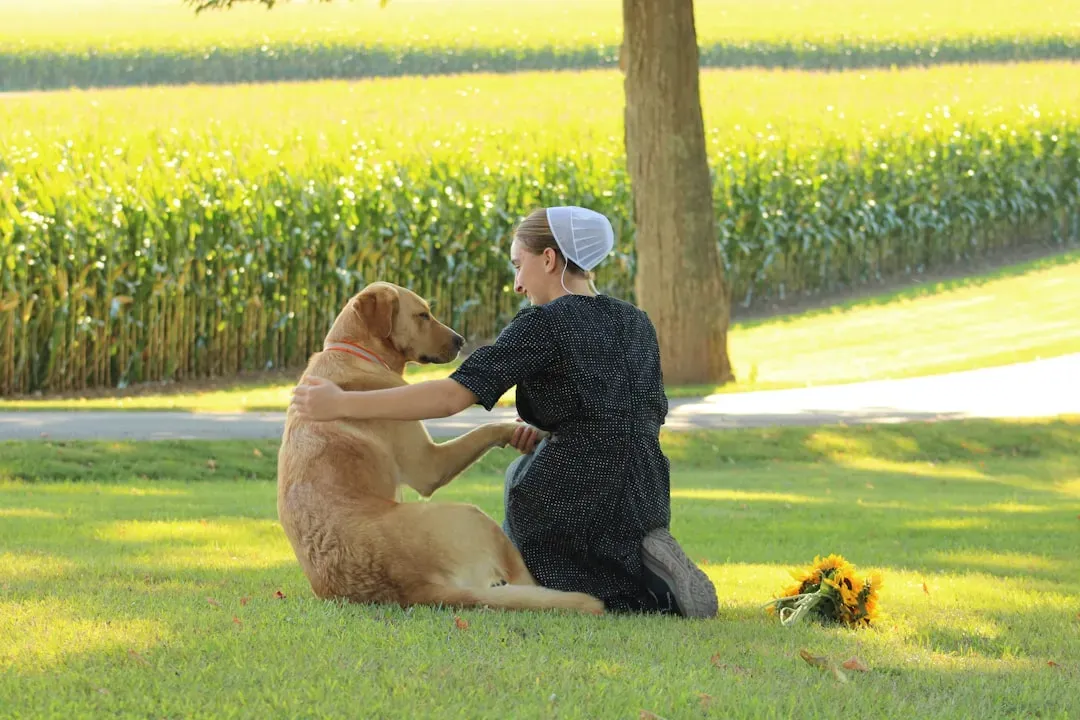
Stop saying sorry for your dog’s behavior. Seriously, just stop. Your dog is doing the best they can with the skills and understanding they have right now. Instead of apologizing, focus your energy on learning what they need and how to communicate with them effectively.
We need to stop thinking of dog behaviour in terms of the human condition. We can help our dogs learn to live with us if we take the time to learn ‘why’ they do things. This work takes time, compassion, and consistency. Some days will be harder than others. Some walks will go sideways despite your best efforts.
That’s okay. You’re not a bad dog owner. You’re a human doing your best to understand a different species and help them thrive in a world designed for people. What do you think? Are you ready to let go of the guilt and shame?


