
There’s nothing quite like the thrill of bringing home your first puppy. Those big, curious eyes and the adorable clumsy movements melt even the toughest hearts. Yet behind all that cuteness lies the harsh truth that most first time owners aren’t ready for. You’ve read the blogs, you’ve scrolled through puppy Instagram accounts, and maybe you even binge watched a few dog training videos at midnight.
Still, nothing truly prepares you for that first week when reality hits. That tiny ball of fur suddenly starts chewing your favorite shoes, ignoring your carefully planned potty schedule, and crying at night like the world is ending. Here’s the thing: it’s not the puppy who’s unprepared. It’s usually us. So let’s dive into the top ten mistakes you’re probably making or about to make, and how to avoid turning your dream pup into a behavioral nightmare.
Waiting Too Long to Start Training

One of the most frequent comments new puppy owners make is they wish they hadn’t waited so long to start training. Many people believe their tiny eight week old puppy is too young to learn anything meaningful. That’s completely backwards. Start teaching them proper behavior from day one.
Your puppy’s brain is incredibly receptive during the first few months of life. An intentional 16-week plan with daily training and structured enrichment can prevent years of behavioral challenges. Delaying training just gives bad habits time to develop. You don’t need to teach them advanced tricks right away, but establishing basic boundaries and commands like sit or come creates a foundation that’ll make everything else easier down the line.
Repeating Commands Over and Over

Let’s be real, this one catches almost everyone. You say “sit” once. Nothing happens. So you say it again. Then again. Before you know it, you’ve said it five times and your puppy still hasn’t moved. Congratulations, you’ve just trained your puppy that commands are optional.
When you repeat a command too many times, you’re actually desensitizing your puppy to the meaning of the word. Instead of it being a direct and clear command for your puppy to follow, your puppy will start to tune it out and ignore you. The fix is simple but requires discipline on your part: say the command once, wait a moment, and if they don’t respond, gently redirect their attention and try again. Consistency is everything here.
Skipping Early Socialization
I know it sounds crazy, but one of the most important windows for your puppy’s development closes shockingly fast. The American Veterinary Society of Animal Behavior (AVSAB) emphasizes that the primary and most important time for puppy socialization is the first three months of life. Miss that window, and you might spend years dealing with a fearful or reactive dog.
Puppies who don’t experience different people, sounds, and environments early on often grow up to be anxious or reactive. Socialization isn’t just about meeting other dogs at the park. It’s about exposing your pup to various sights, sounds, textures, people of different ages and appearances, and different environments. The world can be an overwhelming place, so introduce everything gradually and positively to build their confidence.
Giving Too Much Freedom Too Soon
Your adorable puppy looks so innocent sleeping in the corner. Surely they can be trusted to roam the house freely while you step away for a few minutes, right? Wrong. Many problem behaviors start from too much freedom, too soon.
Puppies don’t know the rules unless we teach them. And the best way to do that is by being intentional about what they experience. Without structured enrichment, puppies will seek their own outlets. These often become problems later, like: Digging holes, shredding furniture, barking at everything, fence fighting. Think of freedom as something your puppy earns gradually as they prove they understand the rules and can be trusted.
Punishing Potty Accidents After the Fact

Here’s a scenario that plays out in countless homes: You walk into the living room and discover a puddle. Your puppy is now happily playing across the room. You march over, point at the mess, and scold them firmly. Feel like you taught them a lesson? You didn’t.
Truthfully, puppies don’t understand that you’re upset about the potty accident, but they do understand your emotions. Some puppies might even start to become secretive about where they eliminate and this really delays potty training. If you catch them in the act, calmly redirect and take them outside immediately. Otherwise, just clean it up and focus on preventing future accidents through supervision and consistent bathroom breaks.
Inconsistent Rules Between Family Members
Mom says the puppy can’t be on the couch. Dad lets them cuddle up during movie night. Your teenager feeds them scraps under the table. Your younger sibling uses a different word for the same command. Sound familiar? This confusion is incredibly common in multi person households.
If different people in the household use different commands, your canine becomes confused. Saying “off” one day and “down” the next leads to mixed signals. Everyone in your home needs to be on the same page about rules, commands, and expectations. Have a family meeting before the puppy arrives and write down the agreed upon boundaries and cues. Stick to them.
Overfeeding or Feeding Incorrect Portions
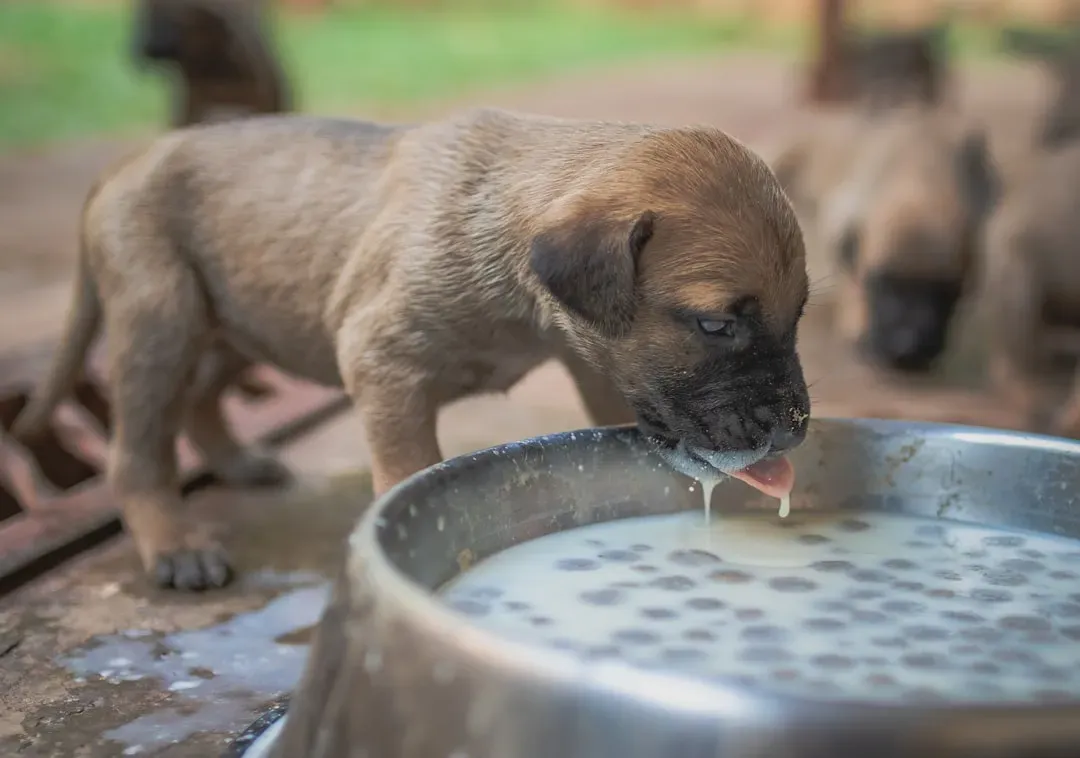
Those puppy eyes are hard to resist, especially when they stare at you like they haven’t eaten in days. The temptation to fill their bowl a little extra or slip them table scraps feels like love. In reality, it’s setting them up for serious health problems.
Some puppy breeds grow faster than others and overfeeding can often result in obesity and other health issues such as joint problems and a lower life expectancy. Studies have shown that dogs fed restricted energy diets during growth had significantly lower risk of developing hip dysplasia and lived up to 1.8 years longer. Follow the feeding guidelines on quality puppy food packaging as a starting point, but monitor your puppy’s body condition and adjust accordingly. You should be able to feel their ribs easily without seeing them prominently.
Ignoring the Importance of Vet Visits and Preventive Care
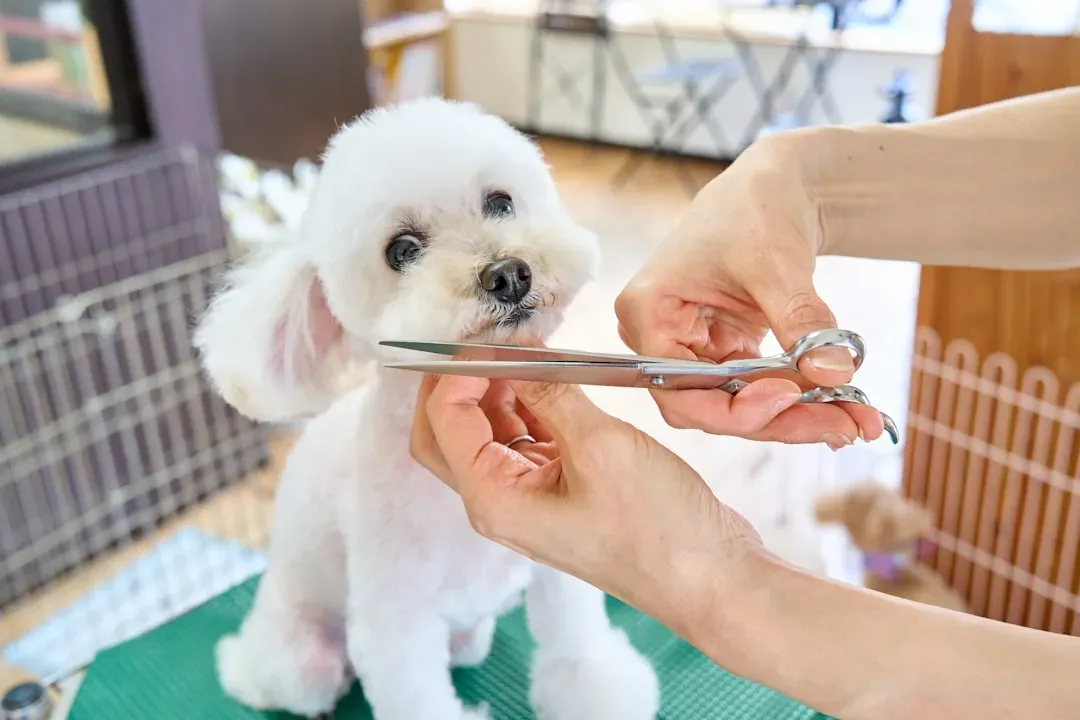
Your puppy seems healthy and bouncy, so why rush to the vet? Besides, those bills add up fast. This mindset is a recipe for disaster. Regular veterinary visits play an important role in your puppy’s development and lifetime health.
Puppies need multiple rounds of vaccinations during their first few months. They also need to be checked for parasites and monitored for proper growth. Skipping these appointments or delaying preventive care like flea, tick, and heartworm prevention puts your puppy at serious risk. Think of vet visits as an investment in your dog’s long term health, not an optional expense. Early detection of potential issues can save you thousands down the road and spare your puppy unnecessary suffering.
Over Exercising or Under Exercising Your Puppy
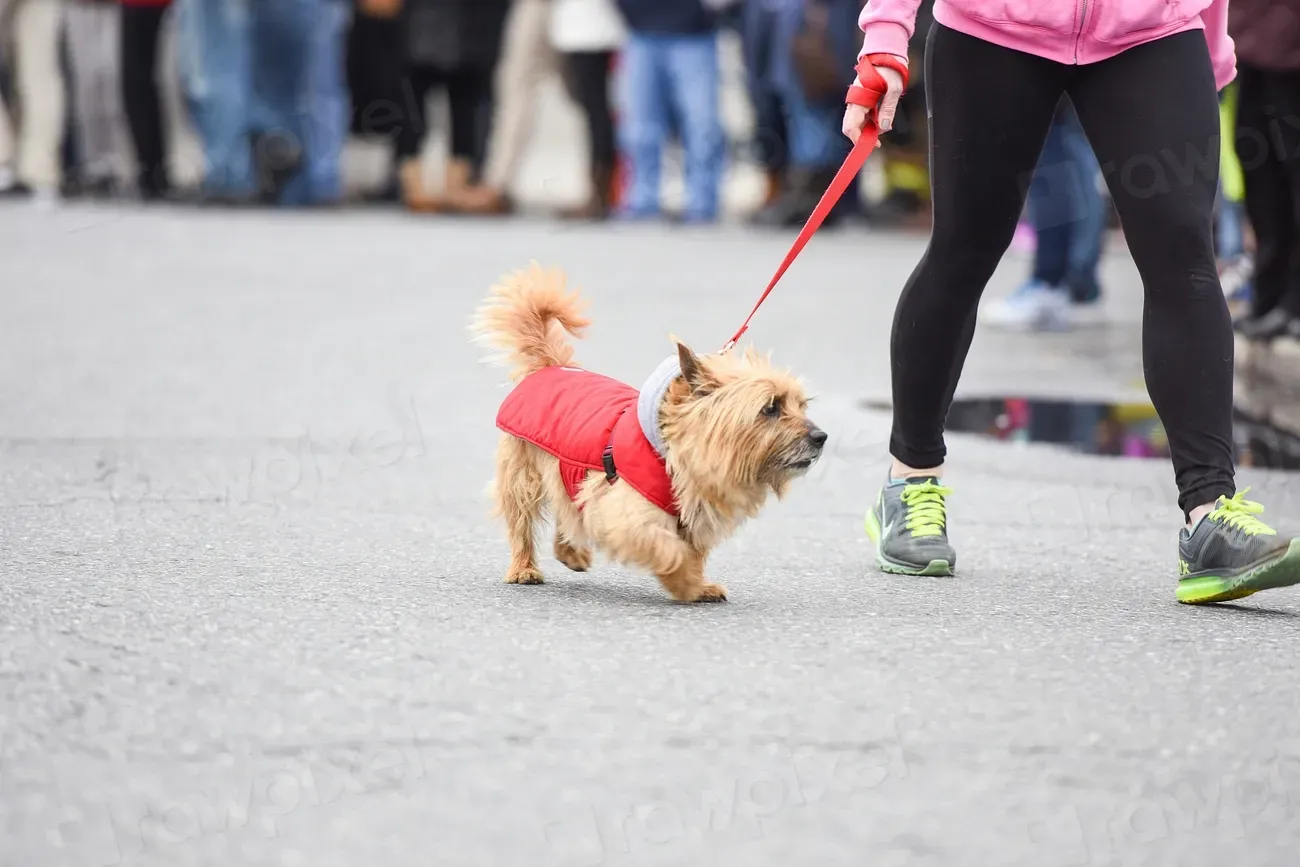
Exercise seems straightforward, right? Take your puppy for long walks, let them run around until they’re exhausted, and they’ll sleep soundly. Not exactly. Puppies have developing bones and joints that can be seriously damaged by excessive activity.
Adequate downtime is essential for healthy physical and social development. Over-exercising can lead to joint pain and orthopaedic issues, affecting muscles, bones and ligaments. On the flip side, under exercising your pup leads to pent up energy that’ll manifest as destructive behavior. As a guideline for the length of a walk, about five minutes of walking per month of age is recommended. That means a three month old puppy should get roughly fifteen minutes of structured walking at a time. Balance exercise with plenty of mental stimulation through training games and puzzles.
Not Addressing Small Behavioral Issues Early
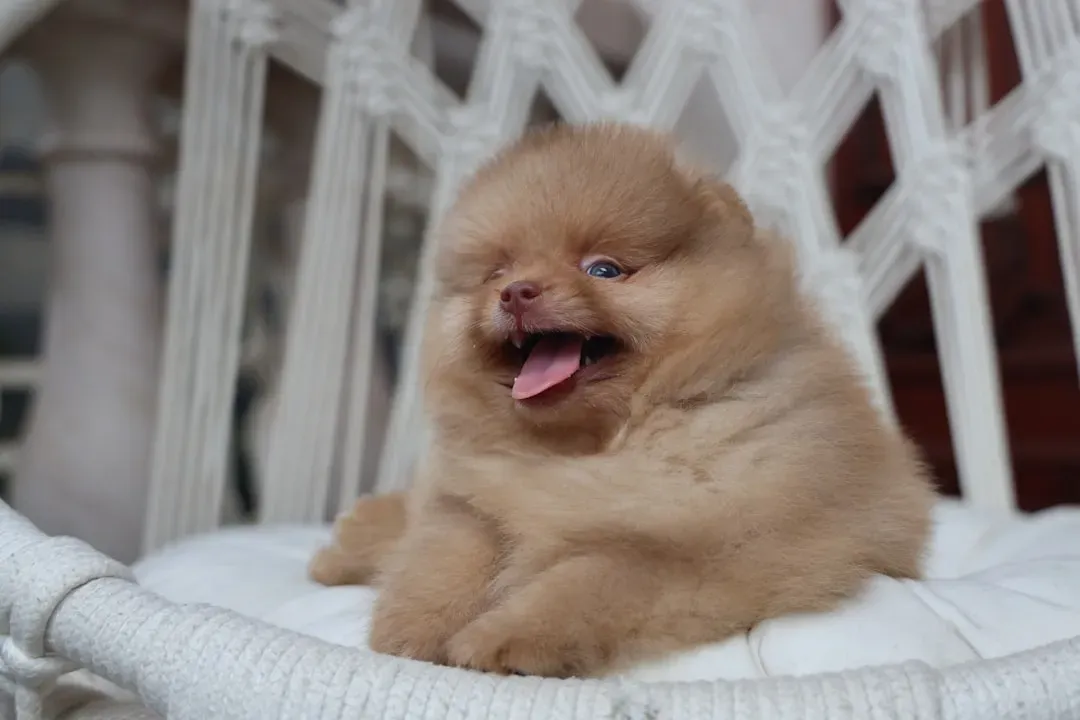
That little growl over their food bowl? Kind of cute. The way they bark and hide behind you when guests arrive? Adorable. Jumping up on people? They’re so small it doesn’t hurt. This attitude is dangerous. We often overlook undesirable behavior in puppies because it’s cute or funny when they’re little. It could be your dog hiding behind you and barking, getting a little feisty during food time, or even playing the “catch me if you can” game in the backyard.
You need to give your new dog a little grace, but ignoring or even reinforcing behavior only leads to bigger issues later. A puppy who guards their food bowl at twelve weeks will become a dog who bites over resources at twelve months. Address these red flags immediately through positive training methods or seek professional help. Small issues are far easier to fix than ingrained adult behaviors.
Conclusion
Raising a puppy is one of the most rewarding experiences you’ll ever have, yet it demands patience, consistency, and a willingness to learn alongside your furry companion. These ten mistakes aren’t failures; they’re learning opportunities that nearly every first time owner encounters. The difference between a well adjusted adult dog and a behavioral problem case often comes down to those crucial first few months.
Remember, your puppy isn’t trying to drive you crazy. They’re navigating a confusing world and relying on you to be their guide. Every accident, every chewed shoe, and every sleepless night is part of a journey that creates an unbreakable bond between you and your dog. Stay committed to training, remain consistent with your rules, and don’t hesitate to ask for professional help when you need it. What surprised you most about your puppy’s first weeks at home?


