

You know that look, right? Those big, pleading eyes watching every bite you take, tail wagging in hopeful anticipation. It’s hard not to want to share your snack with your furry best friend. Yet here’s the thing: not every food on your plate is safe for your pup.
Some human foods can actually boost your dog’s health, offering nutrients that support everything from their shiny coat to their digestive system. Others, though, can be downright dangerous. Honestly, navigating what’s safe and what’s toxic can feel overwhelming.
This guide breaks down the foods your dog can safely enjoy and the ones you should never, ever share. Let’s dive in.
Carrots: The Crunchy Powerhouse

Carrots are a healthful food for dogs, and chewing on carrots can help remove plaque from their teeth and promote good dental health. Picture your dog crunching away on a bright orange carrot stick. Not only does it satisfy their urge to chew, but it’s also doing wonders for their teeth.
Carrots are also a good source of vitamin A, which is beneficial for a dog’s immune system, skin, and coat. Plus, they’re low in calories, making them an ideal snack for dogs watching their weight. Raw or cooked, carrots work either way, though raw ones provide that satisfying crunch many pups love.
Cooked Chicken: Lean Protein at Its Best

Staples like chicken, lean beef, turkey, and pork are usually safe and healthy for dogs to eat. Plain, unseasoned cooked chicken is a fantastic protein source that most dogs absolutely adore. Make sure you remove all bones and skin before serving.
Cooked chicken bones are a choking hazard as they can break up and block or even tear the windpipe or digestive tract. The meat itself provides essential amino acids and supports muscle development. It’s gentle on sensitive stomachs, too, which is why many vets recommend it for dogs with digestive troubles.
Blueberries: Tiny Antioxidant Bombs

This antioxidant and fiber-rich snack can help keep dogs in good shape, and blueberries are also among the possible cancer-fighting foods for dogs. These little blue gems pack a serious nutritional punch. Your dog might be small, but their body can benefit hugely from the vitamins and antioxidants found in blueberries.
They’re easy to feed, too. Just pop a few in your dog’s mouth as a training reward or mix them into their regular food. Fresh or frozen, both work beautifully. Some dogs go absolutely wild for frozen blueberries on hot summer days.
Pumpkin: The Digestive Hero
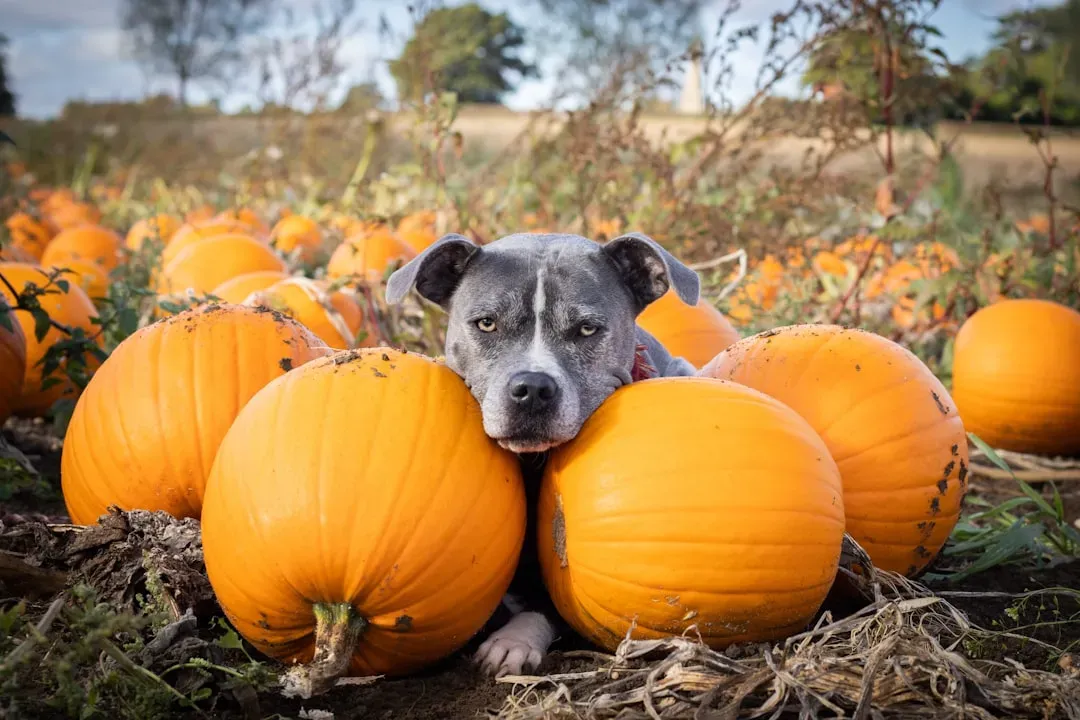
Cooked and chopped-up pumpkin is a healthy and nutritious snack for dogs, and it is a good source of fiber and beta-carotene, which can help with digestion and improve the appearance of your dog’s coat. If your pup has ever had an upset tummy, pumpkin might’ve been your vet’s first recommendation. It’s low in calories and incredibly soothing for the digestive tract.
Pumpkin is also low in calories and fat, making it a good choice for dogs who are overweight or prone to weight gain. Whether you use fresh pumpkin or plain canned pumpkin (not pie filling), it’s a safe and effective way to regulate your dog’s digestion.
Salmon: Omega-3 Goodness
Salmon is safe for your dog to eat, as long as it’s deboned and properly cooked, and seafood and fish are an excellent source of protein and omega-3 fatty acids, which benefit your pup’s skin, digestion and immune system. Cooked salmon is basically a superfood for dogs. Those omega-3 fatty acids work wonders on their coat, leaving it soft and glossy.
Always ensure the salmon is fully cooked and boneless. Raw salmon can carry parasites that cause serious illness. A small serving mixed into their food can provide incredible health benefits without overwhelming their system.
Apples: Sweet and Crunchy Treats
Apples are a great source of vitamins A and C and dietary fiber, which can help regulate a dog’s digestion. Sliced apples make a refreshing, hydrating snack for dogs, especially on warm days. They’re naturally sweet, so most dogs find them delicious.
Remove the core and seeds before offering apples to your dog. Apple seeds contain cyanide, which is toxic in large amounts. Stick to the fleshy parts, sliced into bite-sized pieces, and watch your pup crunch away happily.
Green Beans: Simple and Nutritious
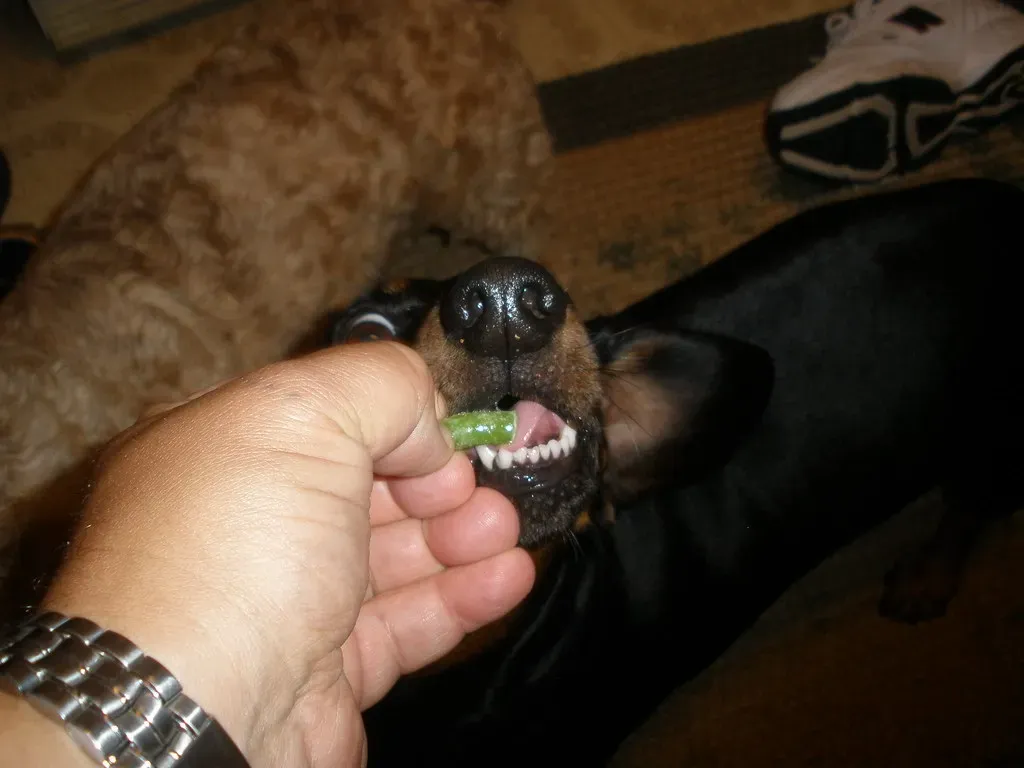
Cooked green beans are a good source of fiber, vitamin C, and other nutrients that can help support your dog’s overall health. Whether steamed, boiled, or raw, green beans are a low-calorie veggie that dogs often enjoy. They’re crunchy, satisfying, and packed with vitamins.
Green beans are also low in calories and fat, making them a healthy treat for dogs who are overweight. Some dog owners even replace a portion of their dog’s regular food with green beans to help with weight management. Just skip any added salt, butter, or seasoning.
Chocolate: The Notorious Danger

Chocolate is another poisonous food for dogs, and chocolate contains a stimulant called theobromine (dark chocolate has the highest content of this) which is toxic to dogs and can cause kidney failure. Most dog owners know this one, yet chocolate poisoning remains one of the most common emergencies vets see. Even small amounts can be harmful.
The most dangerous types are dark chocolate and unsweetened baking chocolate, and chocolate can cause a dog to vomit and have diarrhea. Keep all chocolate products safely stored away from curious noses. If your dog does ingest chocolate, contact your vet immediately.
Grapes and Raisins: Small but Deadly

Raisins are in many of the foods that we love to eat such as cakes, biscuits and cereals, and both grapes and raisins may cause severe liver damage and kidney failure. Here’s what’s unsettling: scientists still don’t know exactly what makes grapes toxic to dogs. What they do know is that even one or two grapes can trigger kidney failure in some dogs.
If consumed, even small amounts of these items can be fatal so always act immediately and take your dog to the vets. Keep grapes, raisins, and foods containing them completely out of reach. It’s simply not worth the risk.
Onions and Garlic: Hidden Kitchen Hazards

The onion family, whether dry, raw or cooked, is particularly toxic to dogs and can cause gastrointestinal irritation and red blood cell damage, and signs of illness are not always immediate and can occur up to a few days later. These everyday ingredients might seem harmless, but they’re anything but safe for dogs. Garlic and onions damage red blood cells, leading to anemia.
Onions and garlic contain sulfoxides and disulfides, which can damage red blood cells and cause anemia in cats and dogs. Watch out for foods containing onion or garlic powder, too. Many prepared foods, sauces, and baby foods contain these ingredients.
Xylitol: The Silent Killer

Xylitol is used as a sweetener in many products, including gum, candy, baked goods and toothpaste, and xylitol can cause low blood sugar (hypoglycemia) and potentially liver damage depending on the amount ingested. This artificial sweetener is incredibly dangerous for dogs. It tricks their body into releasing massive amounts of insulin, causing blood sugar to plummet.
Xylitol, a sugar substitute used in many sugarless products, can be deadly, and xylitol is found in sugarless gum, candies, oral products, and some peanut butters and other nut butters. Always check ingredient labels before sharing anything with your dog, especially peanut butter. Xylitol poisoning can happen within minutes.
Macadamia Nuts: Toxic and Troublesome

Macadamia nuts are one of the most poisonous foods for dogs, and they can cause vomiting, increased body temperature, inability to walk, and lethargy. These nuts affect your dog’s nervous system and muscles in ways that are genuinely frightening to witness. Symptoms often appear within hours of ingestion.
Macadamia nuts contain a toxin that can affect your dog’s muscles and nervous system resulting in weakness, swollen limbs and panting. Even a small handful can cause serious problems. Keep all macadamia nut products safely stored away from your dog.
Avocados: Creamy but Concerning
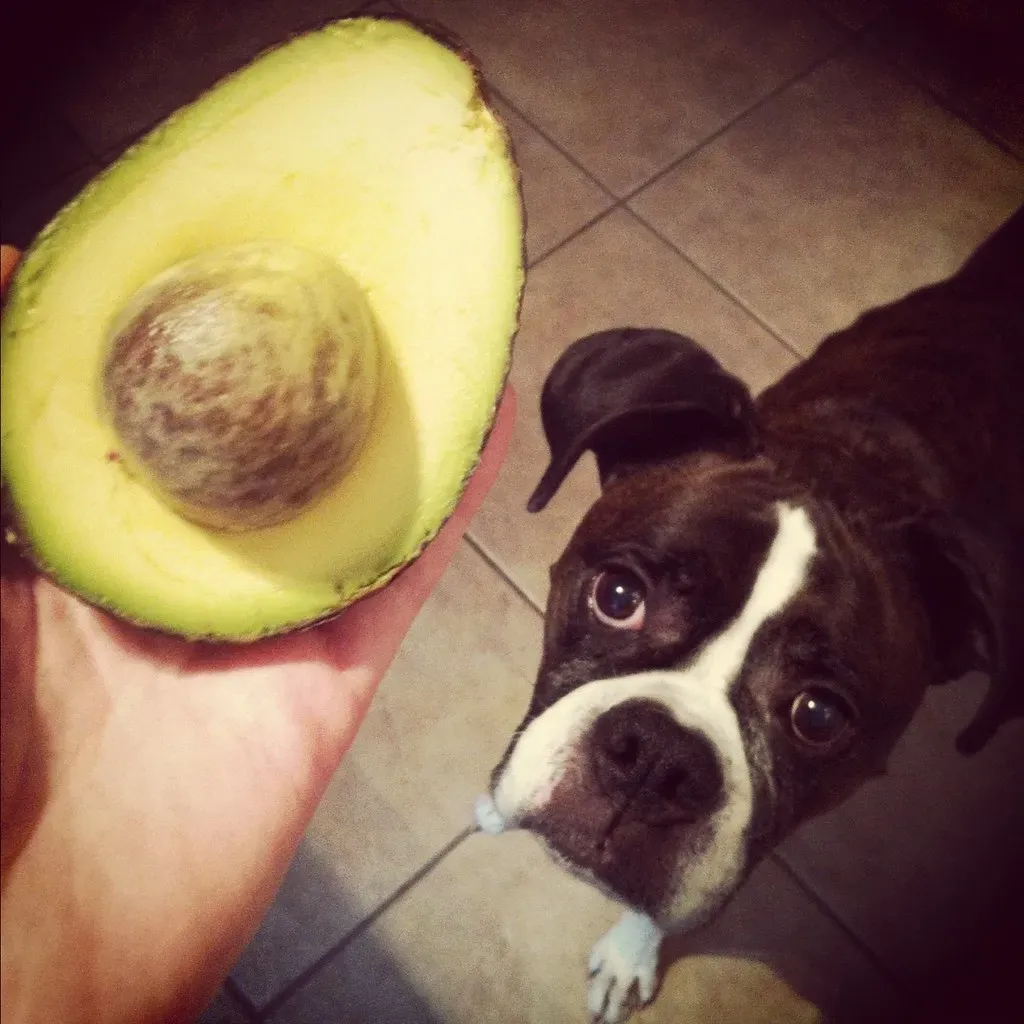
Avocados are another poisonous food for dogs, and avocado plants contain a substance called Persin which is in its leaves, fruit and seed and can cause vomiting and diarrhoea in dogs. While avocados are trendy and nutritious for humans, they’re problematic for dogs. The persin found throughout the plant can cause digestive upset.
The pit also poses a choking hazard and potential intestinal blockage. Though some dogs might tolerate small amounts of avocado flesh, it’s best to avoid this fruit entirely. There are plenty of safer options to share with your pup.
Alcohol: Never, Ever Appropriate
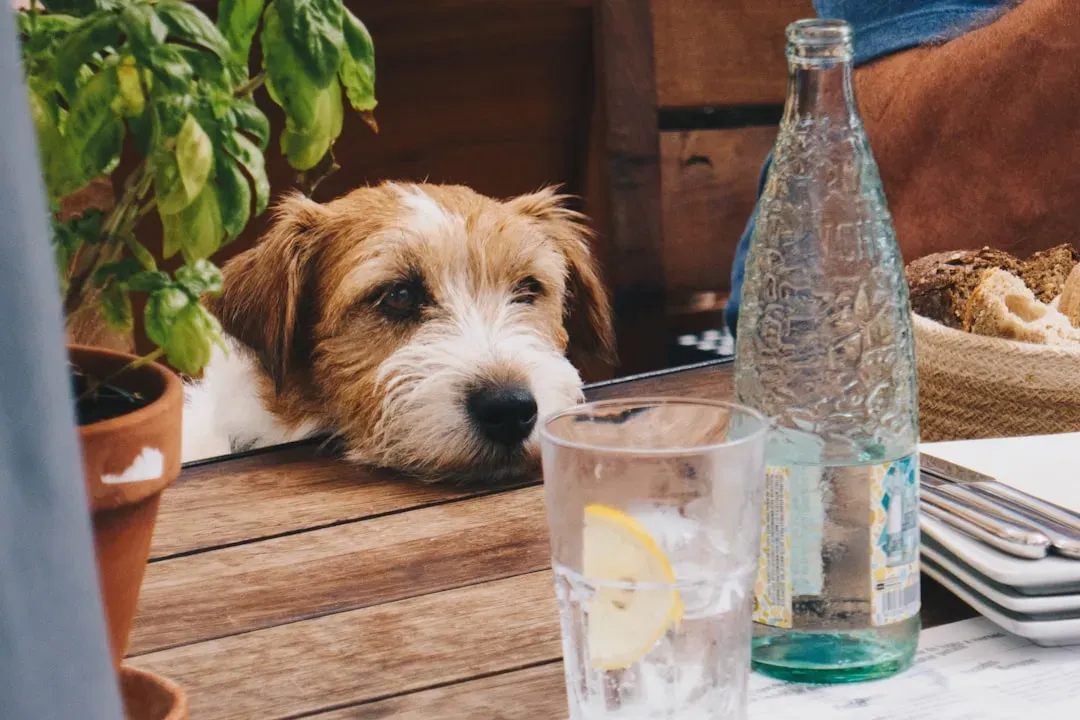
Alcoholic beverages and food products containing alcohol can cause vomiting, diarrhea, incoordination, depression, difficulty breathing, tremors, changes in blood pH, coma and even death, and alcohol is rapidly absorbed after ingestion, so it’s important to take prompt action in seeking veterinary attention. It might seem obvious, but some people mistakenly think a small sip won’t hurt. Dogs metabolize alcohol very differently than humans.
Alcohol has the same effect on a dog’s liver and brain that it has on people, but it takes a lot less to hurt your dog, and just a little beer, liquor, wine, or food with alcohol can be bad. Even foods cooked with alcohol or desserts containing liqueur should be kept away from your dog. Their smaller size makes them especially vulnerable.
Conclusion: Love Means Knowing the Difference
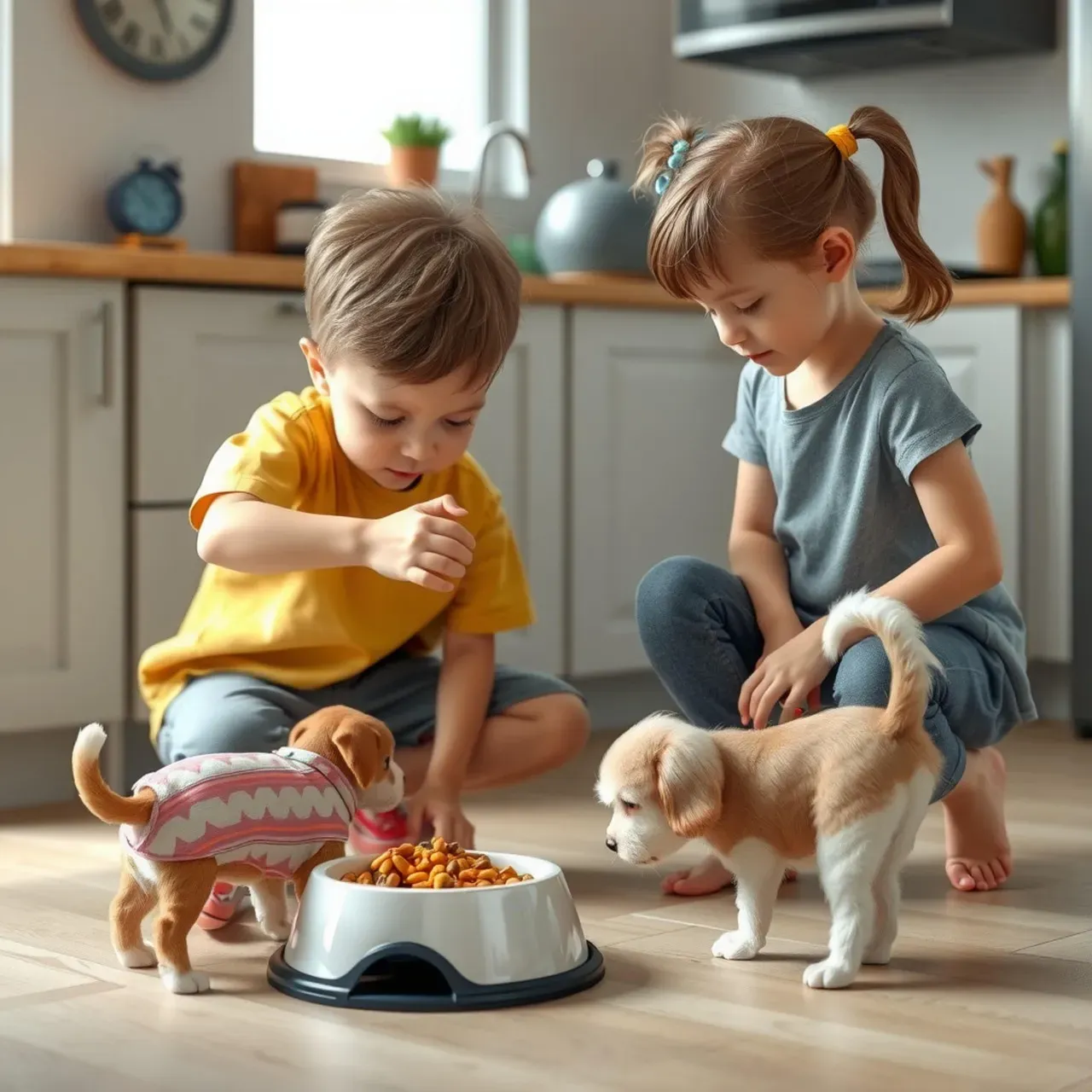
Sharing food with your dog can strengthen your bond and provide genuine health benefits when done safely. Some of the foods people eat can be introduced to a dog’s diet just fine, and even provide health benefits such as joint strength, better breath, and allergy immunity. The key is knowing which foods nurture and which foods harm.
When in doubt, always consult your veterinarian before introducing new foods to your dog’s diet. Keep portion sizes small, never add seasonings, and watch for any unusual reactions. Your dog trusts you completely to make safe choices for them.
What’s your dog’s favorite safe snack? Have you discovered any foods that your pup absolutely loves? Share your experiences and keep learning, because an informed pet parent is a dog’s best friend.


