
7 Surprising Benefits of Adopting a Senior Dog (and 7 Things to Know Before You Do)

There’s something undeniably magnetic about puppies. Those big, bewildered eyes and roly-poly bodies make our hearts melt instantly. Yet across shelters all over the country, thousands of gentle, grey-muzzled dogs sit quietly in kennels, hoping for one more chance at a home.
Senior dogs have an adoption rate hovering around twenty-five percent, while puppies and younger dogs enjoy roughly sixty percent adoption rates. Why such a glaring gap? Misconceptions run rampant. People worry about health costs, short timespans, or unpredictable behavior. Let’s be honest, though – those fears often overshadow the deeply rewarding reality of what senior dogs can offer. If you’ve ever considered opening your heart to an older dog, you’re in for some genuinely surprising revelations. What you’re about to discover might just change the way you think about adoption forever.
They’re Already House-Trained and Well-Mannered

Picture this: no puddles on your favorite rug, no chewed-up shoes hiding under the couch. Older dogs are typically housebroken and many already know basic commands. This is one of the most immediate and practical benefits of adopting a senior pup. Think of all those exhausting puppy training sessions you could skip entirely.
Many adult dogs have a basic understanding of commands and are more receptive to new commands due to previous training experiences. They’ve lived in homes before, they understand routines, and they generally know what humans expect from them. Training an older dog isn’t impossible either – they can absolutely learn new tricks and behaviors if you’re patient and consistent.
Their Personality is Fully Formed

When you meet a senior dog, what you see is exactly what you get. They already have an established behavior pattern and personality, and an older dog who is friendly and loves people will likely not change after adoption. There’s no guessing game about whether your adorable puppy will grow into a high-energy tornado or a couch potato.
Senior pets often have well-defined personalities, so adopters know what they’re getting in terms of behavior, temperament, and habits, and since they’ve reached full size and weight, it takes guesswork out of choosing the right pet. Want a calm companion for Netflix marathons? You can find that. Looking for a dog who still enjoys leisurely walks but won’t demand three-hour hikes? They’re out there waiting. This predictability makes the match between dog and owner far more successful from day one.
They Bring a Calming, Therapeutic Presence

Honestly, there’s something almost meditative about the energy senior dogs radiate. Studies show that spending time with dogs reduces stress, lowers blood pressure, and improves overall well-being, and senior dogs in particular bring a special kind of calm into the home. Their slower pace and gentle demeanor can be profoundly soothing after a long, chaotic day.
Their calm demeanor can be particularly soothing, providing comfort and emotional support that contributes positively to mental health and well-being. If you’re dealing with anxiety, recovering from illness, or simply craving a peaceful home environment, a senior dog might be exactly what you need. They’re content to just be near you, asking for little more than your presence and affection. That kind of unconditional, quiet love is rare and precious.
You’re Literally Saving a Life
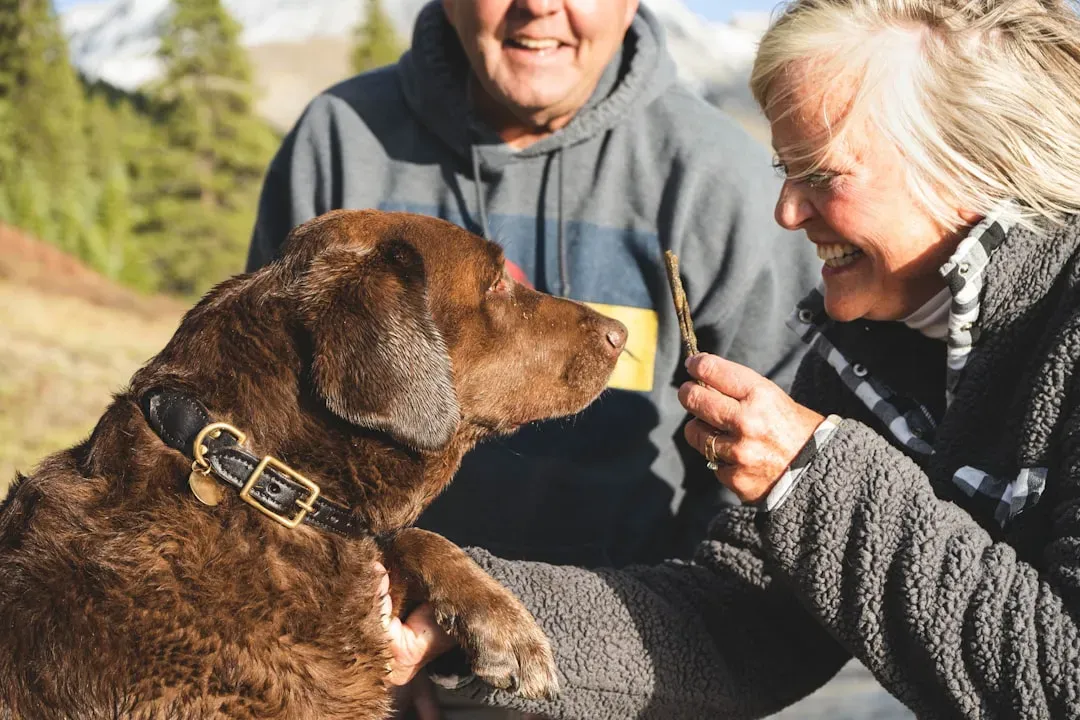
This one hits hard. Perhaps the most profound benefit of adopting a senior dog is the knowledge that you are potentially saving a life, as older dogs are often overlooked in shelters and are at a higher risk of euthanasia. When you choose a senior dog, you’re not just gaining a pet – you’re giving a deserving soul a second chance.
Senior pets get overlooked so often, and it’s far more fulfilling to provide an older animal relief from being in a shelter and get them back into a home, as they truly appreciate you and know you’ve given them a second chance. The gratitude you’ll see in their eyes is something you can’t quite put into words. It’s a bond built on mutual rescue – they save you from loneliness, and you save them from uncertainty.
Senior Dogs Are Perfect for Various Lifestyles

Whether you live in a studio apartment or have a sprawling backyard, there’s a senior dog suited to your situation. Senior dogs are an excellent fit for a variety of lifestyles, and their generally lower energy levels and adaptability make them perfect companions for both active individuals and those who prefer a more laid-back lifestyle. They don’t need endless entertainment or constant supervision like puppies do.
Senior dogs are well-suited for individuals or families seeking a more relaxed lifestyle, as their energy levels are generally lower than those of puppies or young dogs. Retirees, busy professionals, or families with young kids who can’t handle a hyperactive puppy often find senior dogs to be an ideal match. They’re flexible, understanding, and remarkably patient.
Lower Initial Costs and Sometimes Reduced Adoption Fees

Let’s talk money for a second. Many adoption centers and shelters waive adoption fees for elderly dogs, especially for senior citizens adopting them, with adoption fees costing less for senior citizens adopting senior dogs that are six years and older. Some shelters even run special promotions during Senior Pet Month to encourage adoption.
Many animal shelters and rescue organizations offer discounts or incentives for adopting senior dogs, including reduced or waived adoption fees, and some programs match elderly pets with senior citizens at minimal or no cost. While ongoing veterinary care can vary, the upfront investment is often much more manageable than adopting a puppy who needs a mountain of supplies, vaccinations, and training classes.
They Form Deep, Grateful Bonds

Senior dogs seem to understand they’ve been given a gift. Adopting a senior dog often leads to an incredibly rewarding emotional bond, as they typically exude a calm and appreciative demeanor and tend to form deep connections with their adopters. It’s not your imagination – they really do show gratitude in ways that are palpable and heartwarming.
The gratitude and loyalty senior dogs show their new families are unmatched. There’s a depth to these relationships that’s hard to find elsewhere. They’ve often experienced loss or upheaval, so when they finally land in a loving home, they cherish every moment. That kind of loyalty and affection can heal wounds you didn’t even know you had.
Health Issues May Require More Veterinary Attention
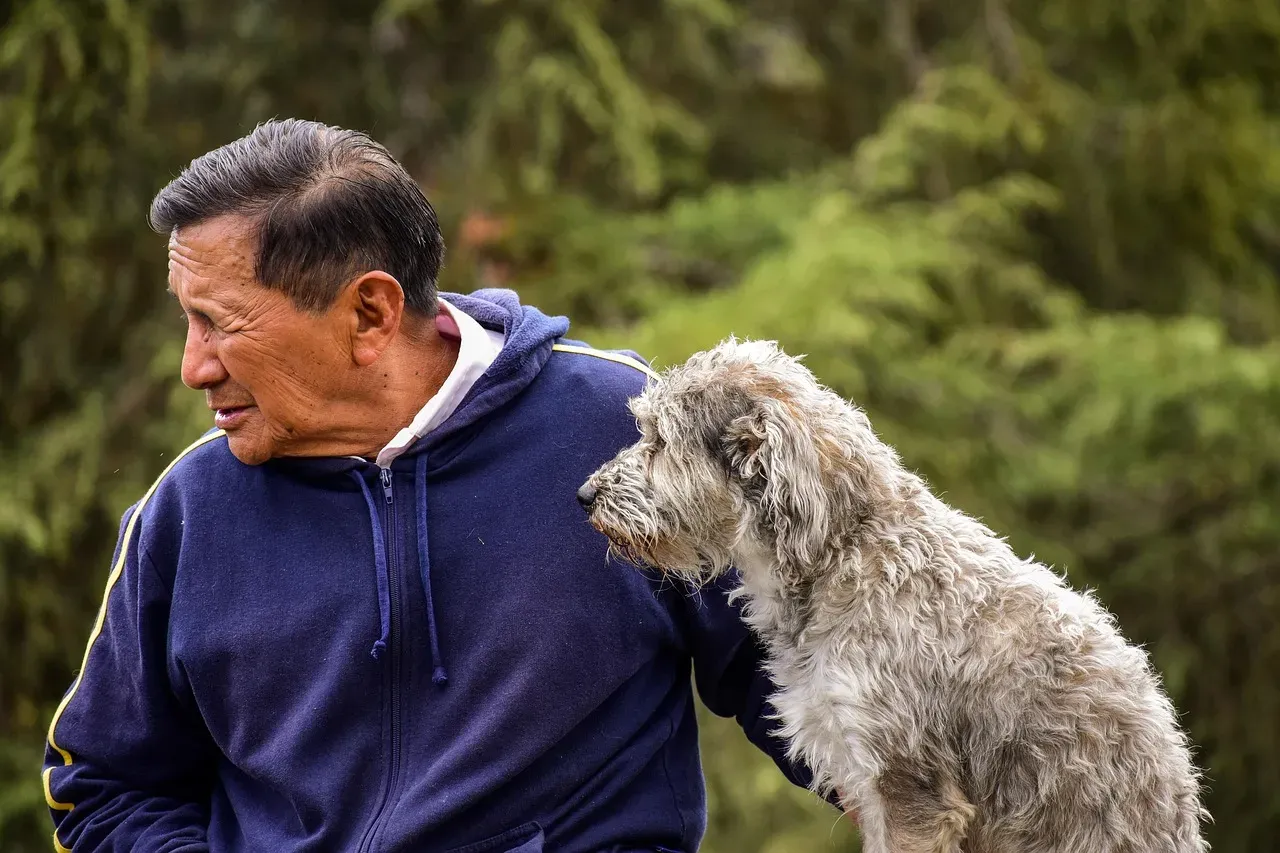
Now let’s shift gears and talk about what you really need to know before you adopt. Health problems are more likely to occur in senior dogs than in any other age group, and medical problems may mean fewer activity options, a significant time commitment to get the necessary care, and can be expensive. This is the reality we can’t sugarcoat.
Dog owners should expect anywhere from a ten to twenty-five percent increase in costs in the senior years of a dog’s life. Regular vet visits become even more critical. As your dog becomes a senior, they’ll need to visit the vet twice a year for preventative care and bloodwork. Arthritis, dental issues, kidney disease, and other age-related conditions can emerge. You’ll need to be emotionally and financially prepared to manage these challenges with patience and compassion.
You May Have Less Time Together
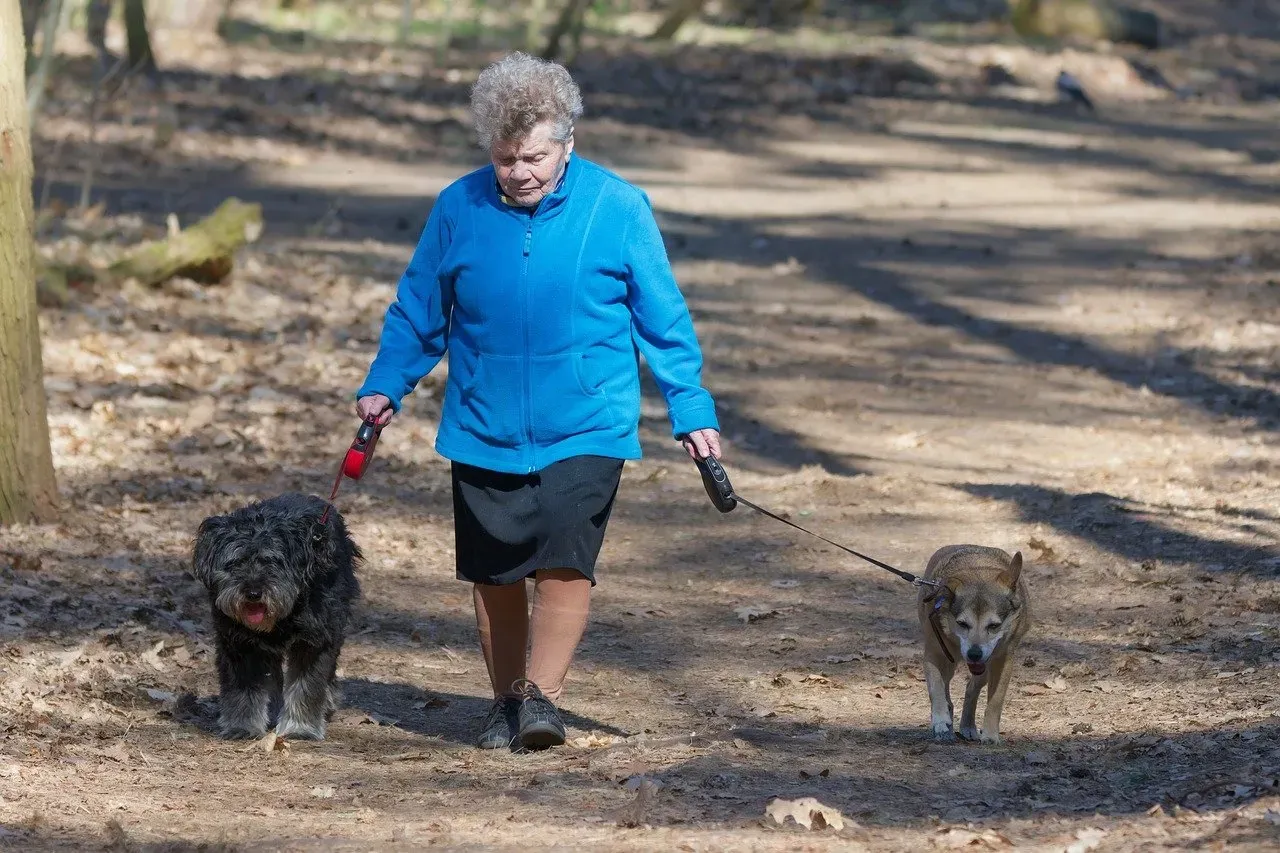
This is perhaps the hardest truth to face. The biggest challenge of adopting a senior dog is coping with the knowledge that we have less time to enjoy together. Depending on the dog’s age and health, you might have just a few years, or you might be surprised with many more. There’s no way to predict it with certainty.
Many older dogs are still quite healthy and active, and there’s every reason to hope you’ll enjoy several more years of cuddles and companionship. The key is to focus on quality over quantity. Every day becomes more precious, every walk more meaningful. Knowing time is limited can actually deepen the bond and make you more present in the moment.
Adjustment Periods Can Be Longer

It generally takes between two weeks and three months for dogs to settle into a new environment. For senior dogs, especially those who’ve experienced multiple homes or trauma, this adjustment period might stretch even longer. They may be confused, anxious, or hesitant at first.
Dogs who were abandoned are prone to separation anxiety and fears, and an adjustment period may take longer for senior dogs, but they will likely eventually become fully integrated into your life. Patience is absolutely essential here. Establishing a consistent routine, giving them a safe space, and allowing them to explore at their own pace will help tremendously. Don’t rush the process – trust takes time to build, especially for dogs who’ve been let down before.
They May Come With Unknown Histories
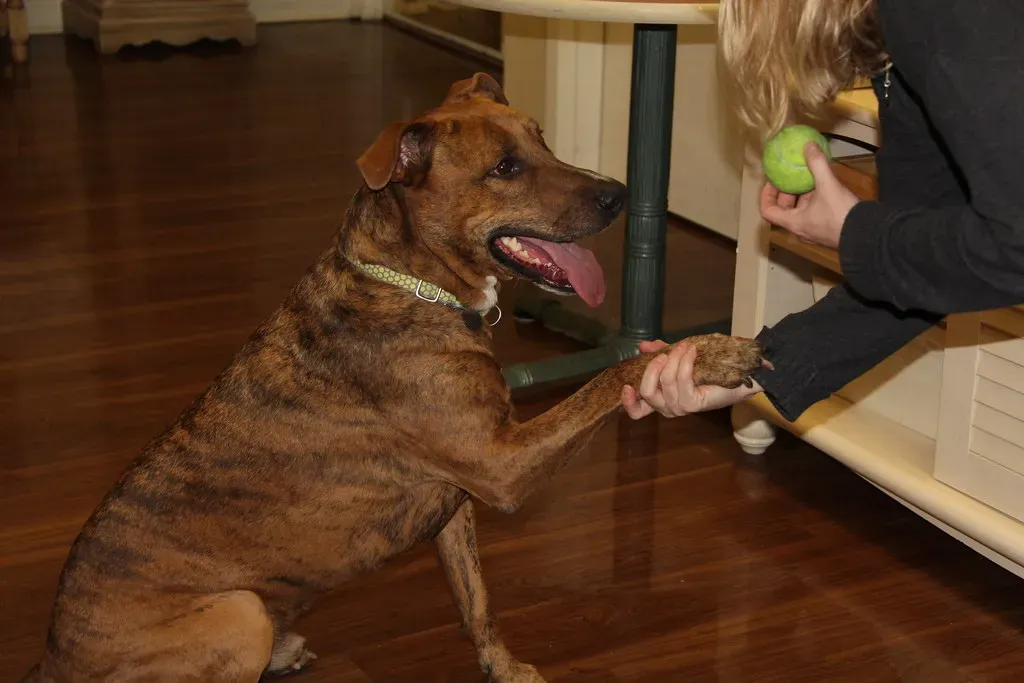
Older dogs can come with unknown histories, which can cause concern for how they may fit into the family. You might not know if they’ve been abused, neglected, or simply surrendered due to circumstances beyond their control. This lack of information can feel unsettling.
An older dog might have had a difficult background, such as a neglectful owner, being a stray, or living in a noisy kennel, which could lead to a dog being fearful, assertive about food, or having abandonment issues. Talk to shelter staff, observe the dog’s behavior, and ask as many questions as possible. Most importantly, be prepared to work through behavioral challenges with kindness, consistency, and possibly the help of a professional trainer or behaviorist.
Mobility and Physical Limitations May Require Adjustments
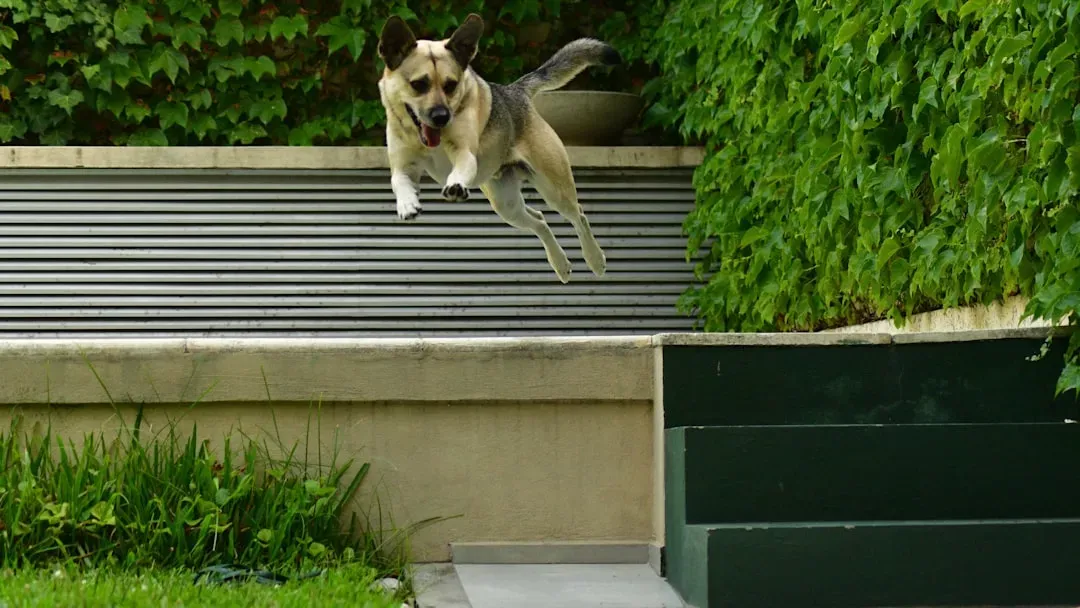
Senior pets may have mobility issues due to stiffness in their joints, loss of muscle, or other natural aging processes, and this lack of mobility can make it hard for senior dogs to navigate stairs or get in and out of the car. Your home might need some modifications to accommodate these limitations.
If your senior dog has mobility issues, it’s important to block off stairs with a pet gate, use dog stairs or a ramp to help them get in and out of a car and up on couches or beds, and place rugs on slippery floors to help them walk without slipping. Other helpful items include senior dog toys, elevated food bowls, and an orthopedic dog bed. These adjustments aren’t difficult or expensive, but they do require thoughtfulness and planning.
Dietary Needs May Change

As dogs age, their dietary and health needs evolve. As dogs age, their dietary requirements change, and senior dogs often need food that is easier to digest and that supports joint health. You may need to switch to a specialized senior formula or even prescription food if health issues arise.
Good food is associated with enhanced health, and senior dogs can benefit from good nutrition in lots of ways, including better digestion, less stiffness, and perhaps more restorative sleep. Pay attention to portion sizes too – senior dogs are less active and can gain weight easily, which puts extra strain on aging joints. Consult with your vet to create a nutrition plan tailored to your dog’s specific needs.
Behavioral Quirks May Take Time to Understand
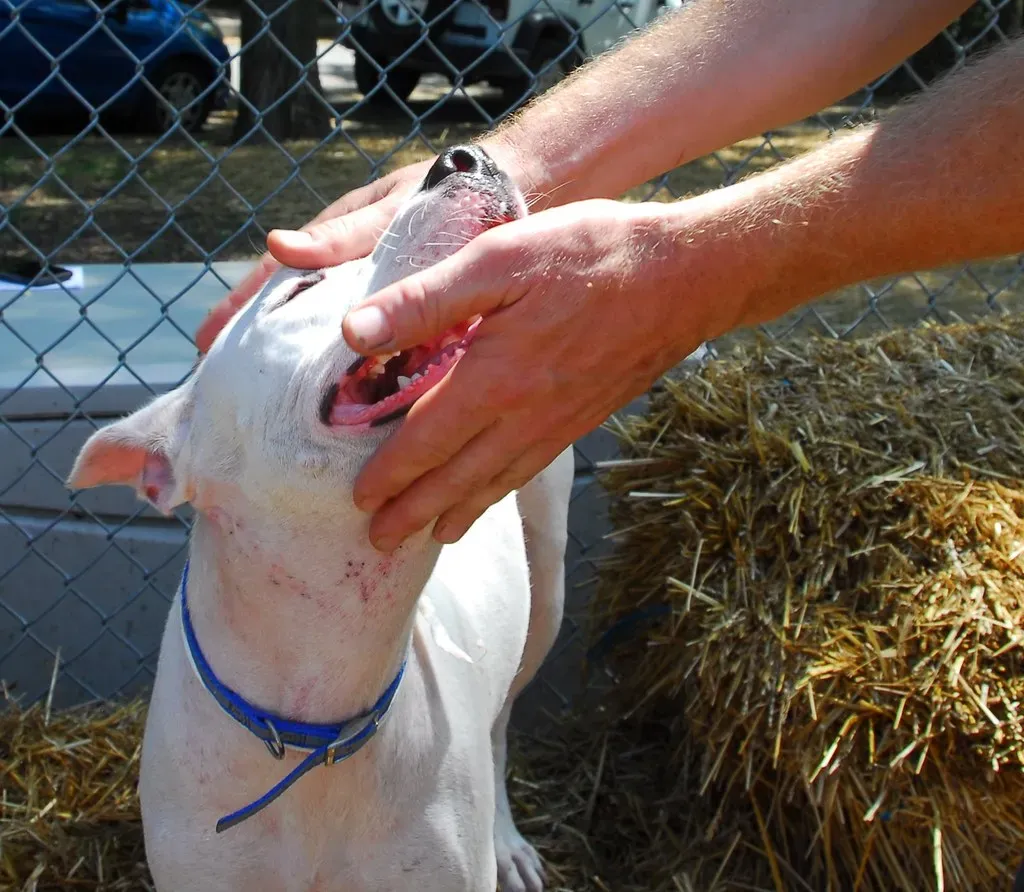
Every dog has quirks, but with seniors, those habits are often deeply ingrained. It’s often thought that senior dogs come with excess baggage or bad habits, and that may be true for some seniors, but age is not always a good predictor of behavioral challenges. Some dogs might be food possessive, anxious around loud noises, or wary of certain situations due to past experiences.
Some older dogs may have behavioral issues that stem from their previous experiences, such as separation anxiety or fear of certain situations, and it’s important to work with a trainer or behaviorist to address these issues. The good news? With patience, consistency, and positive reinforcement, many of these behaviors can be managed or even resolved. It’s all about understanding where they’re coming from and meeting them with empathy rather than frustration.
Conclusion
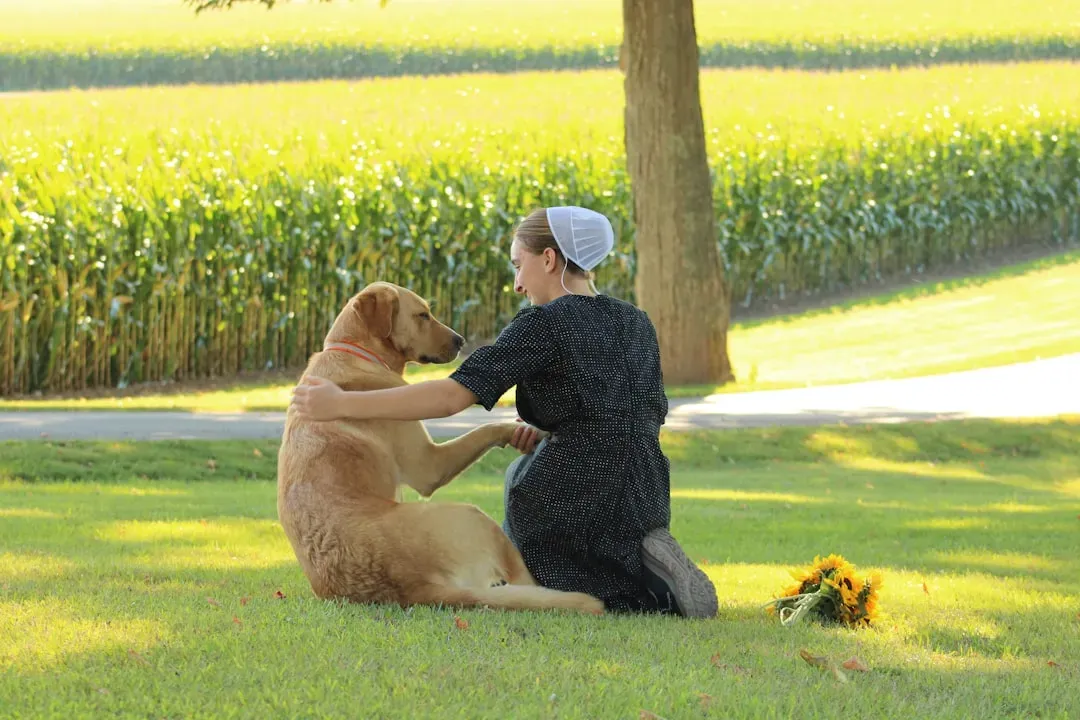
Adopting a senior dog isn’t the easiest path, but it’s undeniably one of the most meaningful. These dogs have lived, loved, and often lost. They’ve weathered storms you’ll never fully understand. Yet they still have so much to give – loyalty, affection, calm companionship, and a kind of quiet wisdom that only comes with age.
Yes, there are challenges. Vet bills might climb, time together might be shorter, and adjustments will be necessary. Still, the rewards far outweigh the obstacles for those willing to open their hearts. You’ll gain a friend who appreciates you in ways few others can. You’ll experience a bond built on gratitude and second chances.
So, what do you think? Could you be the person who gives a senior dog the loving home they deserve? Share your thoughts or your own senior dog story in the comments – we’d love to hear from you.