
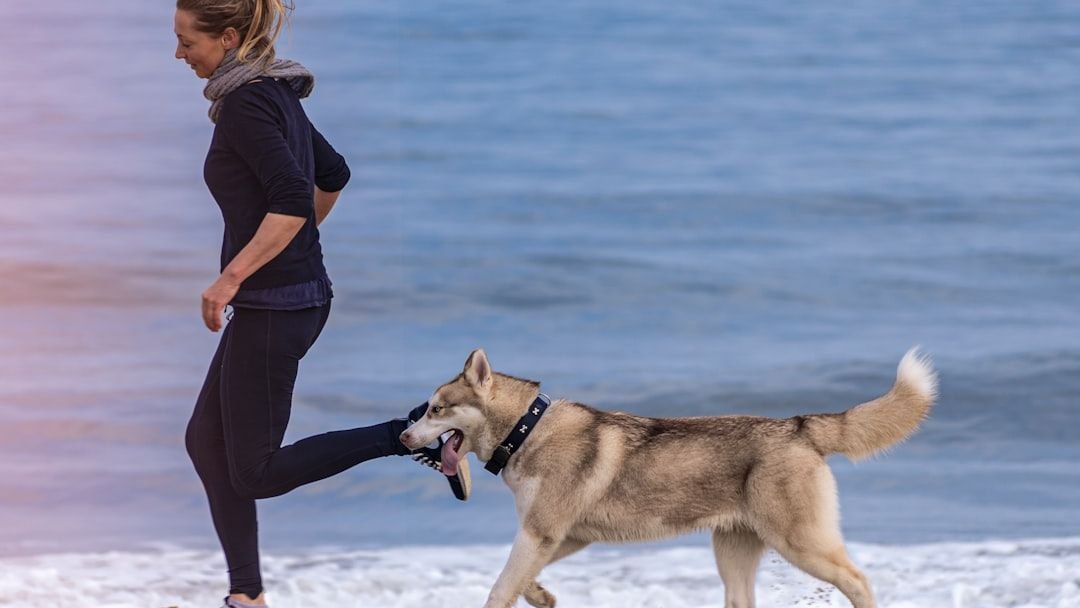
Bringing a dog into your life is exhilarating. The wagging tails, the sloppy kisses, that look of pure adoration – who wouldn’t fall in love immediately? Yet in the excitement of browsing adoption listings or meeting adorable puppies at the shelter, too many people overlook crucial factors that determine whether a dog will actually fit into their world. That initial rush of emotion can cloud judgment and lead to decisions that, months later, everyone regrets.
The truth is, picking the wrong dog isn’t just inconvenient. One in five dogs surrendered to shelters are returned due to lifestyle mismatches that could’ve been prevented with better planning. It’s heartbreaking for both the family and the animal. So let’s dive into the most common and how to avoid them entirely.
Choosing Based on Looks Alone
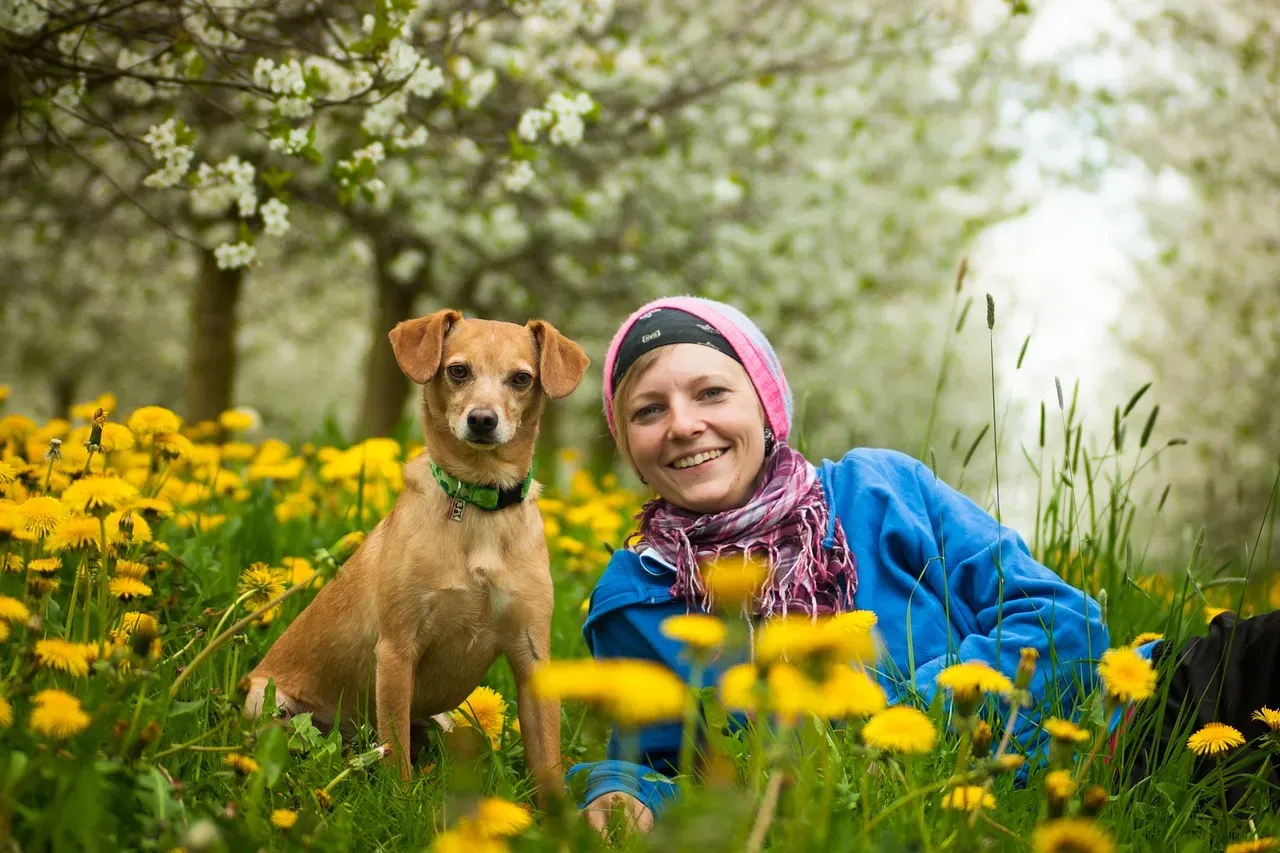
One of the most common mistakes dog owners make is the fact they choose looks and the want of a breed over compatibility. That fluffy Husky with piercing blue eyes looks like it stepped off a movie poster, right? Here’s the thing: beauty doesn’t train itself or walk itself three times daily. Some new owners choose a dog based on looks rather than researching whether the breed’s temperament and needs match their lifestyle.
People scroll through Instagram accounts of gorgeous Golden Retrievers lounging in sunlit living rooms, completely unaware of the intense exercise and grooming demands hidden behind those pretty pictures. What matters more than how photogenic a breed is: can you actually meet its needs? Size, temperament, and energy levels should always trump aesthetics. Otherwise, you’re setting yourself up for a gorgeous problem.
Ignoring Lifestyle Compatibility

The best chance for a successful match is finding a dog or puppy that will be a fit for your lifestyle, activity level, and living conditions. If the match is not good, expectations can become disappointments. Let’s be real here: if your idea of exercise is walking to the fridge during commercial breaks, a Border Collie will make your life miserable. These working breeds were designed for hours of physical and mental labor.
Working dogs, like Border Collies, need to have a job to do, or they can get bored and act out. Maybe you live in a small apartment but desperately want a Labrador because your childhood dog was one. Larger dogs, like retrievers, and very active dogs, like Jack Russell Terriers, need space to run and play. These dogs are better suited to homes with a fenced yard and might not do well in apartments. Ignoring these realities doesn’t make them disappear – it just makes everyone stressed.
Underestimating Time and Energy Requirements
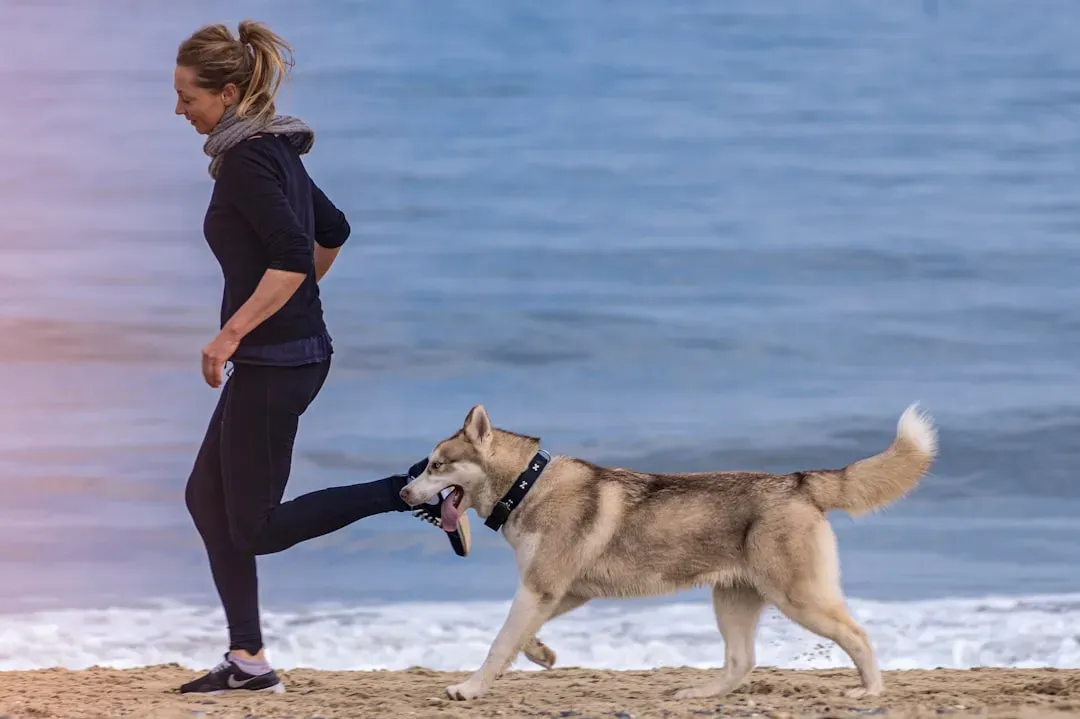
Think about your actual schedule, not the fantasy version where you suddenly become a marathon runner. A responsible dog parent should spend at least one hour per day giving direct attention to his or her dog, which may include training, exercising, grooming, and playing. That’s the bare minimum, mind you. Some breeds demand double or triple that.
Labs are high in energy and these dogs require plenty of exercise and attention. Even calm-looking breeds can surprise you. People assume all small dogs are low maintenance, but certain terriers have energy that rivals any larger breed. Missing this calculation early on leads to destructive behaviors, anxiety, and that painful realization that maybe you bit off more than you could chew. Honestly, it’s worth being brutally honest with yourself about how much time you really have.
Failing to Consider Long-Term Costs

The adoption fee is just the beginning. Some new puppy owners were only looking at the initial adoption fees when budgeting for their new four-legged friend. But surprise, surprise, puppies require a lot of care! Veterinary costs for a puppy quickly add up. There’s food, grooming, toys, training classes, annual vet visits, vaccinations, flea prevention, and emergency medical bills you never saw coming.
Being able to afford a pet is more than simply food and water. They need grooming supplies, regular visits to the veterinarian, vaccinations, toys, treats, and other accessories like collars, leashes, and beds. Some breeds are more expensive to maintain than others, especially those prone to genetic health problems. Setting aside hundreds or even thousands of dollars for unexpected emergencies isn’t paranoia – it’s responsible pet ownership. Financial strain can turn joy into resentment fast.
Skipping Research on Breed Temperament
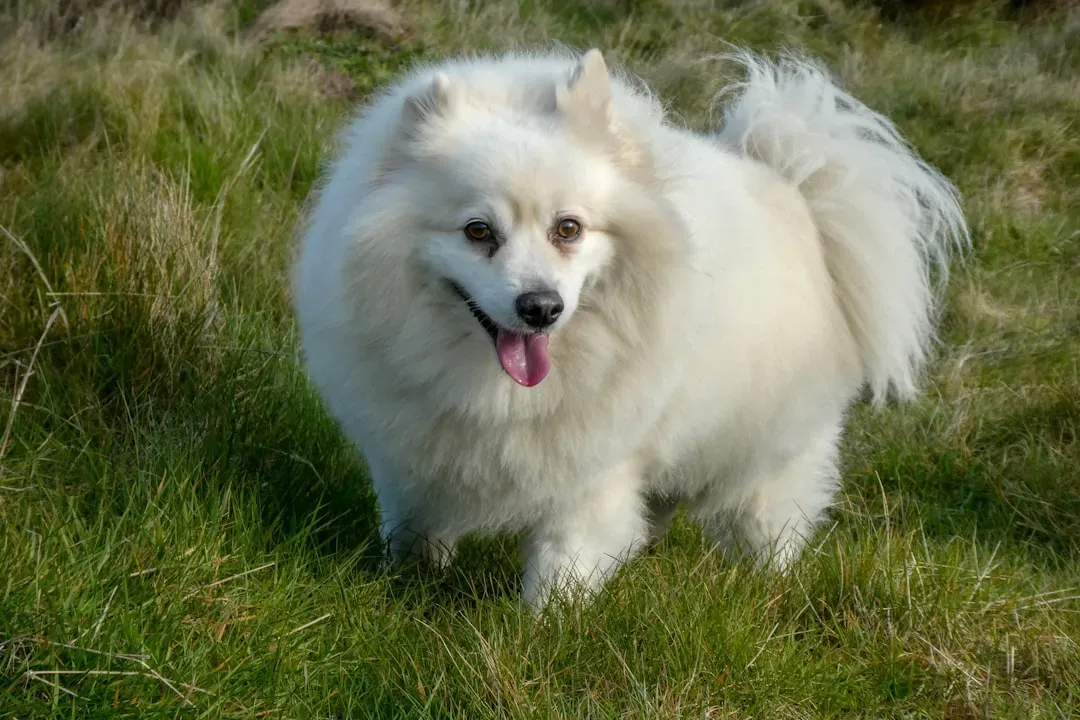
Every dog breed has different traits related to temperament, energy levels and health problems. Lack of research on breeds leads to disappointment because you may find that you weren’t properly prepared. Maybe you assumed all retrievers are gentle family dogs, or that small breeds are automatically good with kids. Wrong on both counts sometimes.
It’s essential to consider factors like energy levels, grooming needs, health issues, and temperament before deciding. Take the time to learn what specific breeds were originally developed to do. Herding dogs will try to herd your children. Guard dogs might be suspicious of strangers. First-timer’s mistakes dog owners make is to neglect a dog’s basic personality when selecting a new family member. For example, dogs that require lots of exercises, such as Siberian Huskies, fit well in settings where they can run and explore with their owners for miles. Knowledge takes minutes; regret lasts years.
Overlooking Socialization Needs

A big misunderstanding: Proper socialization is about exposure to a variety of environments, sounds, surfaces, people, and controlled interactions – not letting every dog run up and say hello. Over-socialization in chaotic settings can actually create reactivity or insecurities later. People think throwing their puppy into a dog park free-for-all counts as socializing. It doesn’t.
Neglecting socialization is one of the most common mistakes dog owners make that results in a frightened dog. Frightened dogs are unpredictable dogs, and that can be dangerous. Proper socialization requires thoughtful, gradual exposure to new experiences in positive contexts. Skip this step, and you might end up with a reactive or anxious adult dog who can’t handle everyday situations like walking past other dogs or meeting visitors. The first few months matter tremendously.
Not Meeting the Dog Before Committing

One of the most common blunders that individuals seeking to adopt a puppy make is impulse buying. While it’s always exciting to be captivated by the first puppy that catches the eye, it’s wise to spend some time looking for information and doing some planning. You wouldn’t marry someone after looking at their online profile alone, would you? The same logic applies here.
Sometimes a dog may seem like he will be a good fit with your family, and when you meet him you realize he isn’t a good fit. Spend actual time with the dog in different settings. Watch how they interact with family members, especially children. , pick one that is active, friendly, inquisitive, and not afraid of you. The dog should accept gentle handling and not exhibit signs of aggression. Chemistry matters, and you can’t gauge that through a screen or a five-minute hello.
Expecting Instant Perfection

First-time owners often hope their dog will mature past the issues. Unfortunately, dogs grow into patterns, not out of them. If a young dog practices pulling, barking at windows, or resource guarding, those behaviors strengthen with repetition. Early course correction is always easier. Nobody brings home a perfectly trained dog, yet so many people get frustrated when their new companion doesn’t immediately know all the house rules.
Dogs need time to adjust, learn, and bond with their new family. Puppies especially require months of consistent training and patience. Expecting a brand-new rescue dog to behave flawlessly from day one is setting yourself up for disappointment. Behavioral issues don’t magically disappear – they require commitment and often professional guidance. Give your dog grace and time to grow into the companion you envision.
Forgetting About Other Household Members

Is there an adult in the family who has agreed to be ultimately responsible for the dog’s care? Kids promise they’ll walk the dog every day, but we all know how that usually plays out. While families should involve their children in caring for a pet, youngsters need the help of an adult who is willing, able, and available to supervise the daily care of a pet.
Consider everyone’s feelings, allergies, and comfort levels. Does your partner actually want a dog, or are they just going along with your dream? Do you have other pets who might not appreciate a new four-legged sibling? Are you intolerant of hair, dirt and other realities of sharing your home with a dog, such as allergies? Do you or any of your household members have health issues that may be affected by a dog? These conversations need to happen before, not after, you bring a dog home.
Neglecting to Prepare Your Home
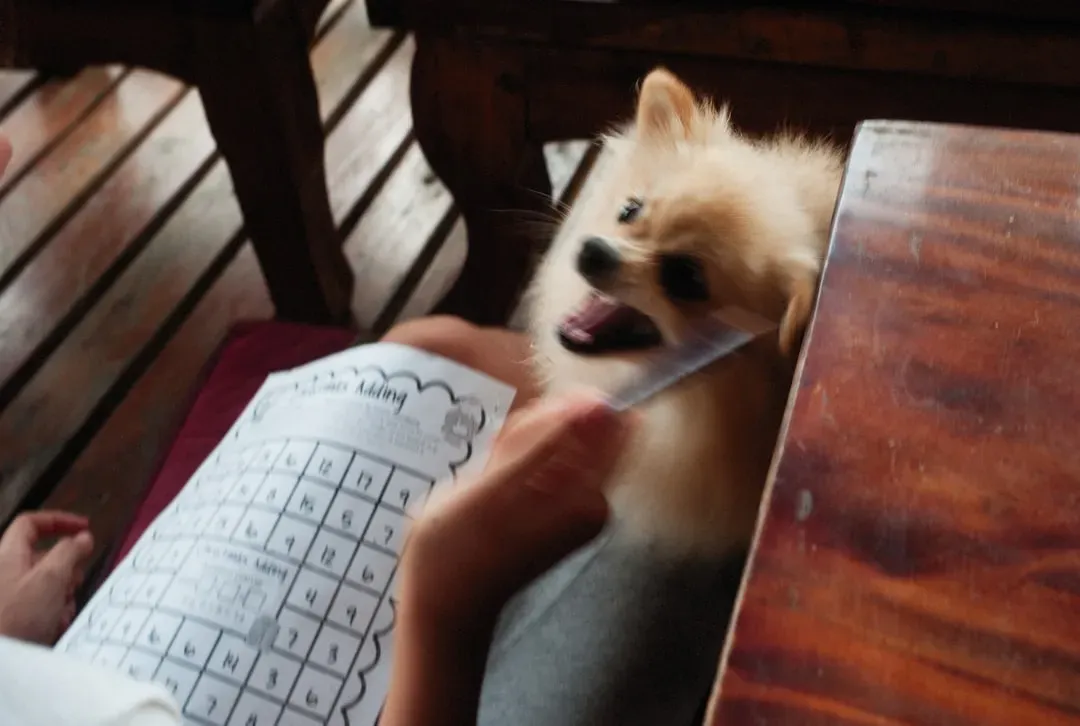
While you can’t change how quickly your dog settles in, you can start by pup-proofing your home to make them feel a bit safer and more comfortable. Move objects that they can chew and ensure they can’t reach dangerous items such as electrical cords or toxic substances. Once that’s done, it’s time to set up your dog’s eating, sleeping and resting areas. Walking through the door with a dog and then scrambling to find bowls and a leash is chaotic for everyone involved.
Stock up on essentials before your dog arrives: food and water bowls, appropriate food, a comfortable bed, collar with ID tags, leash, and toys. Dogs need a space of their own when adjusting to a new environment, so buying a dog crate is essential. Other essentials include proper food for your dog’s breed, age, and special dietary needs. Preparation shows you’re serious about this commitment and makes the transition smoother for your new companion. Last-minute shopping trips create unnecessary stress.
Conclusion

Choosing a dog shouldn’t be a spur-of-the-moment decision driven purely by emotion. The stakes are too high – for you and for the animal depending on you for everything. Every mistake we’ve covered comes down to one thing: not doing your homework. Research breeds, evaluate your lifestyle honestly, prepare your home, budget properly, and meet potential dogs in person before committing.
When you get it right, the reward is extraordinary. A well-matched dog becomes family, a loyal companion who fits seamlessly into your life for the next decade or more. That relationship is worth taking the time to do it properly from the start. What’s your biggest concern about choosing the right dog? Think about it carefully before you take the leap.


