
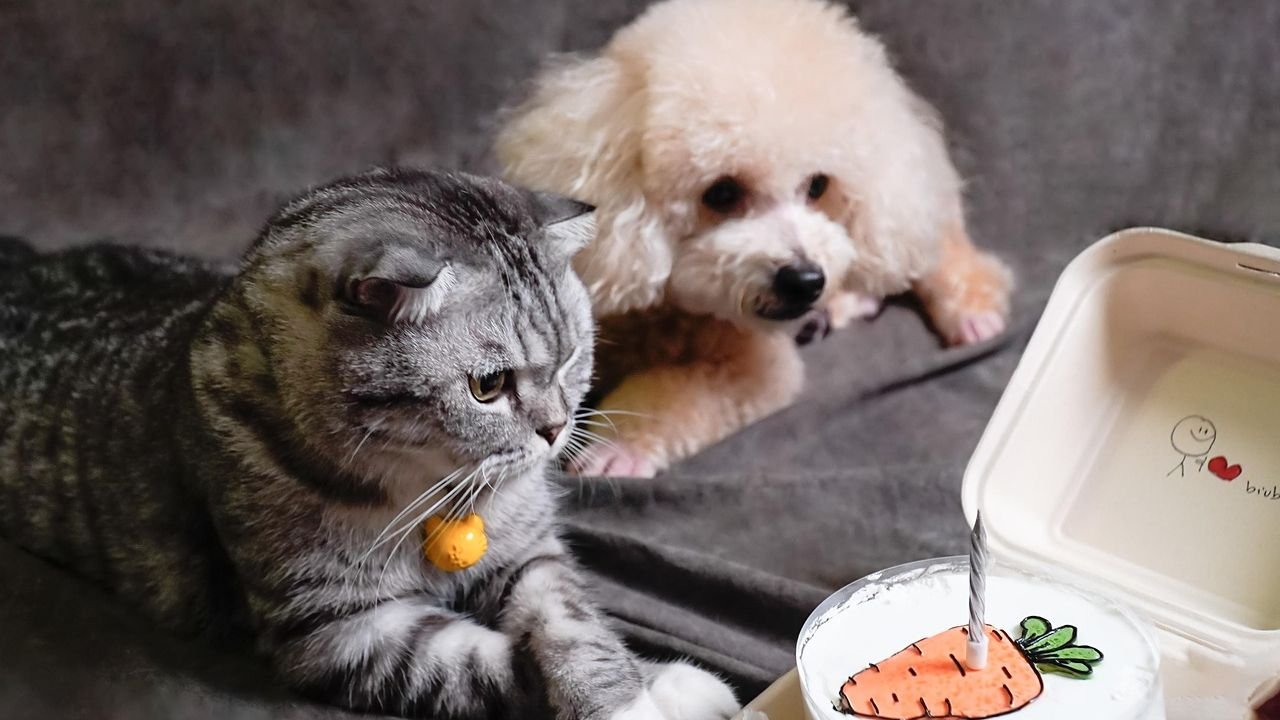
You’ve probably heard that old saying about fighting like cats and dogs. Here’s the thing, though: it’s not always true. Some pups couldn’t care less about that fluffy feline lounging on the couch. In fact, certain dog breeds will happily curl up next to your cat like they’ve been best friends since birth.
Then there are the others. The ones who see a cat and immediately think, “Chase!” Understanding which breeds fall into which category can save you from chaotic introductions, stressed pets, or worse. Let me walk you through twenty dog breeds that reveal both ends of this spectrum. Some will surprise you. Others, well, you might’ve seen them coming.
Golden Retriever
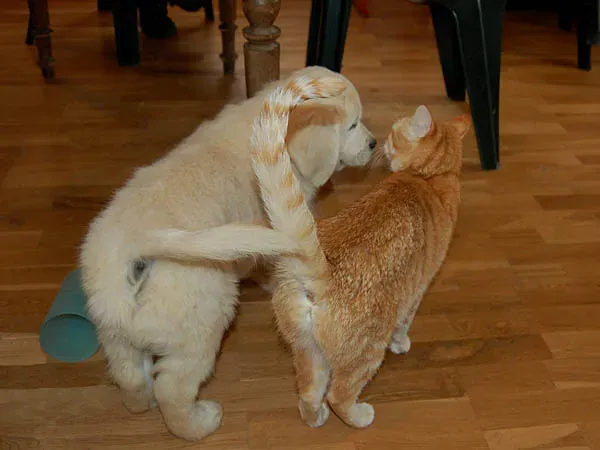
Golden Retrievers shine as friendly, tolerant companions who are easygoing and eager to please, making them ideal for households with feline friends, and they often form strong bonds with cats. Honestly, this breed is so gentle and patient that they’re basically sunshine in dog form. Their adaptable nature means they’re not easily flustered by a hissing cat or a swatting paw.
Golden Retrievers are playful and might be tempted to chase things that move, but this chasing instinct isn’t always aggressive and can be a result of their playful nature or mild prey drive. Training early helps keep everyone safe and happy. Watch their body language during those first meetings, and you’ll quickly see they mean no harm.
Labrador Retriever
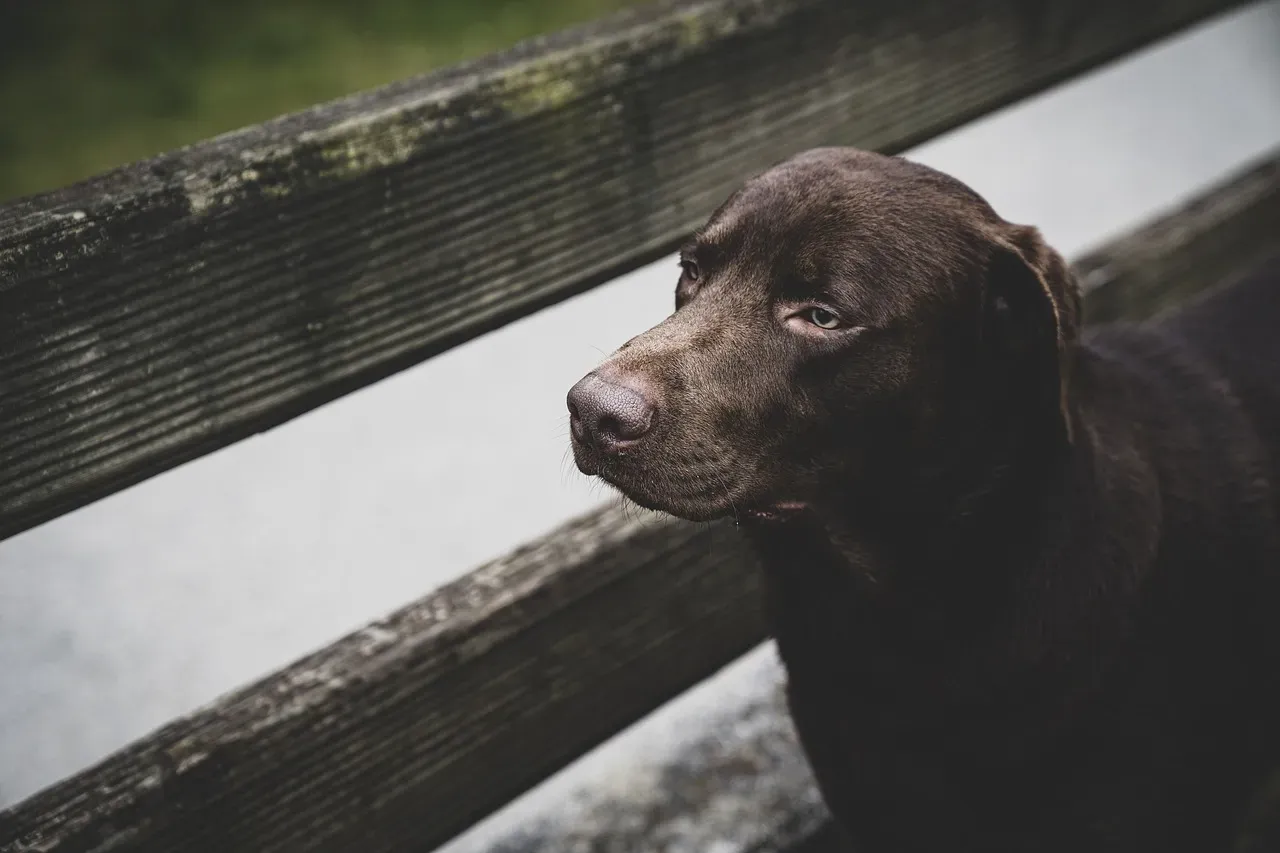
Labradors are known for being outgoing and friendly, and their social nature often makes them best buddies with cats, with early socialization enhancing their compatibility and their natural friendliness winning over feline companions. Labs are lovers, not fighters. They want everyone to be their friend.
Still, these dogs are bundles of energy, so be mindful of how their exuberance affects a more reserved kitty. Some Labradors may exhibit a strong prey drive which could cause them to chase cats, especially outdoors, and this behaviour is more likely if the Lab has not been raised with cats or properly trained to respect them. Proper introductions go a long way.
Beagle

Beagles were bred to hunt in packs, so they are typically friendly with other animals, and their happy-go-lucky nature makes them likely to see a cat as just another member of the pack. These floppy-eared charmers are social butterflies.
That said, they’re hounds. Beagles bring curiosity and sociability to the table, but their hunting instincts might make them a bit too interested in cats at times, though proper training and supervision turn Beagles into fantastic friends for felines. Keep an eye on them initially, and establish boundaries early.
Cavalier King Charles Spaniel

Cavaliers are renowned for their gentle nature, making them a great fit for most cats, with their adaptable, calm demeanor suited for indoor living, and they thrive on companionship, rarely intimidating cats. These little spaniels are basically lap dogs who only want love.
Because of their size and temperament, they won’t dominate a household or stress out your cat. They’re respectful, sweet, and bond easily with all family members. Picture them snuggled up with your tabby by the fireplace. It’s not hard to imagine, right?
Basset Hound
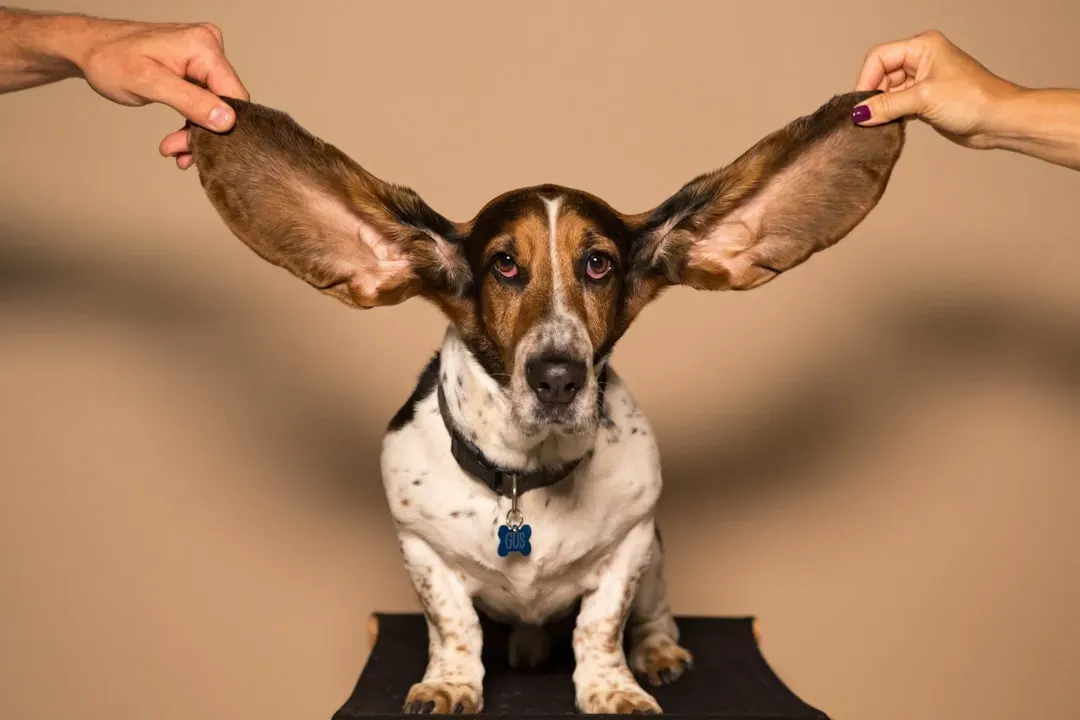
Basset Hounds embrace a laid-back, easygoing life, and their calm disposition and willingness to share space with other animals make them excellent housemates for cats, with their low energy levels and non-aggressive behavior contributing to peaceful coexistence. They’re slow movers and gentle souls.
Their hound instincts are there, but they’re often too chill to act on them. Let’s be real, Bassets would rather nap than chase anything. Basset Hounds are known for their laid-back and easygoing nature, which is naturally helpful with skittish cats, and their low energy levels make them less likely to chase or insist on playing.
Pug
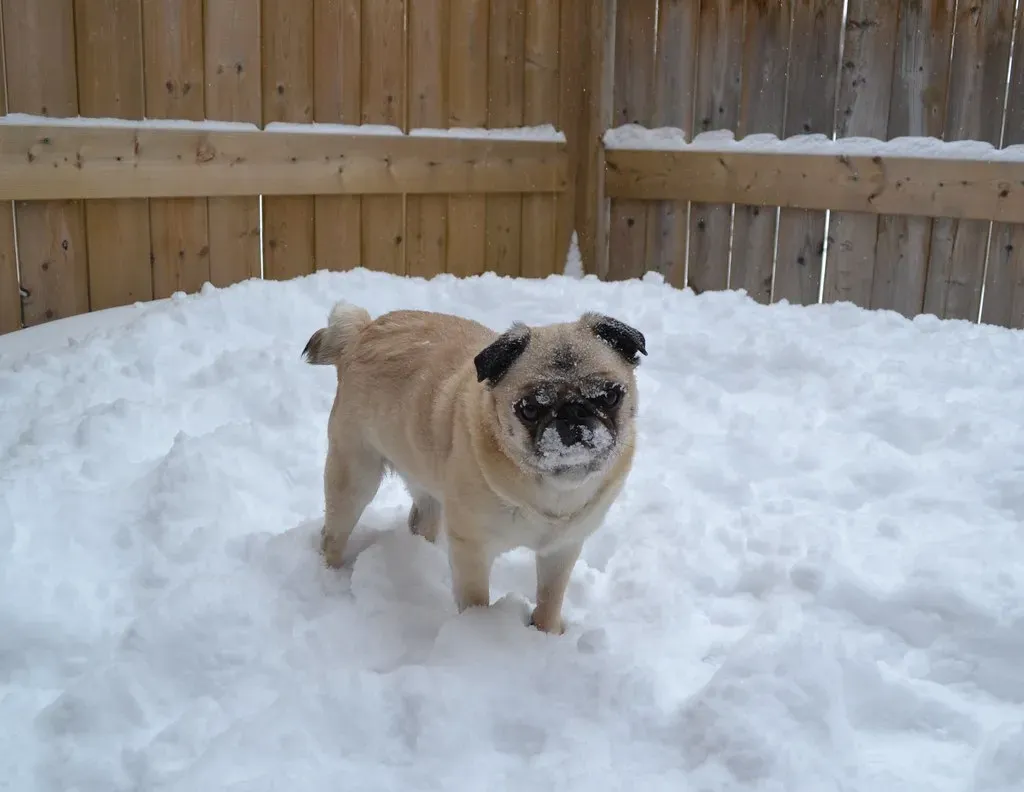
Pugs pack a lot of love into a little body, have a ton of personality and love attention, and a cat can help keep them company when their owners are away. These wrinkly little faces are total softies. They’d much rather snooze than stir up trouble.
Like their cat counterparts, pugs have a penchant for warming laps and prefer a lackadaisical lifestyle being doted on by their owners, and weighing as few as 14 pounds, pugs and cats have a lot in common and can enjoy the same slow pace. They’re basically honorary cats themselves.
Bichon Frise
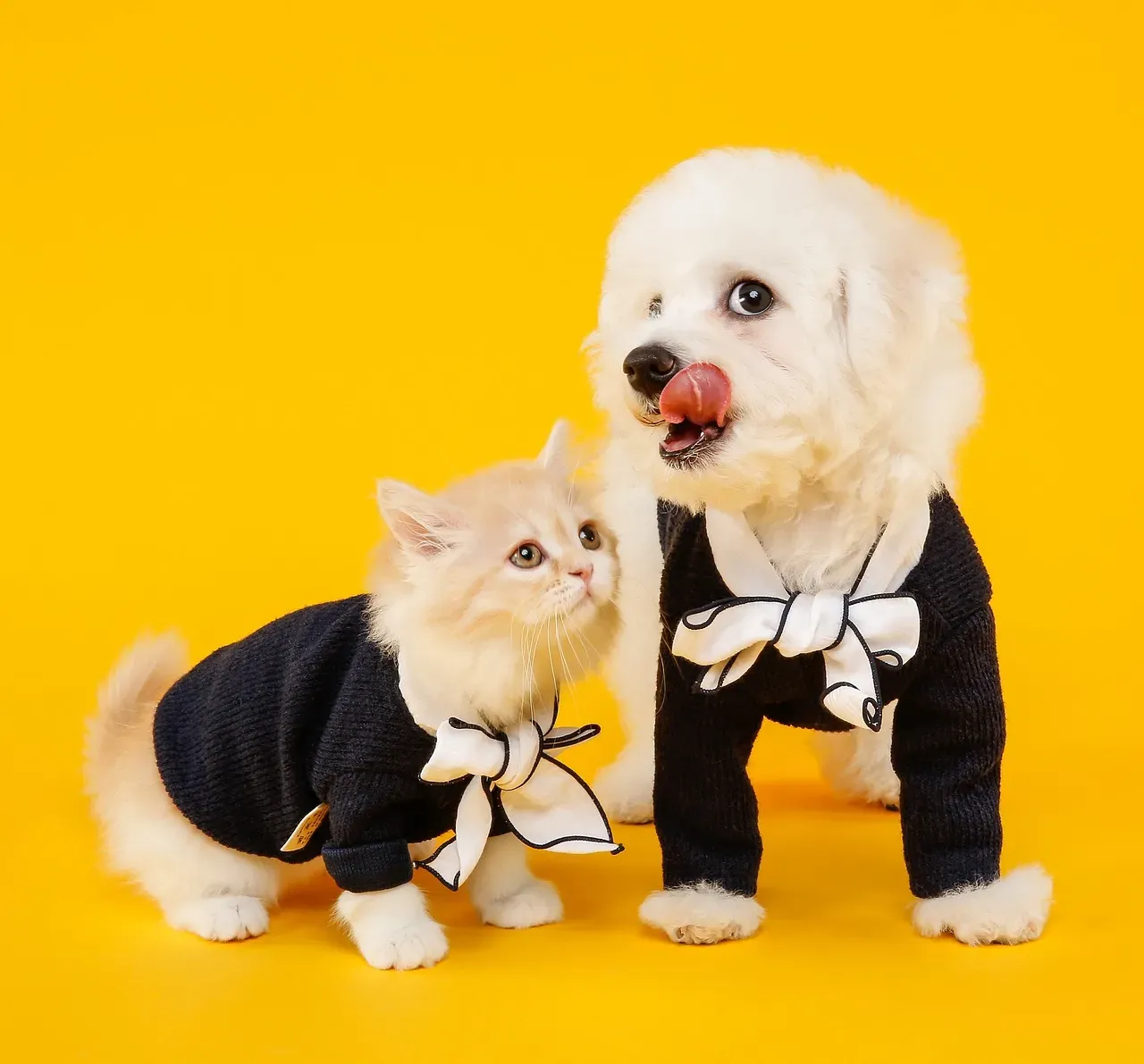
The Bichon Frise is a charming and affectionate breed that can often form close bonds with cats, and their friendly, non-aggressive nature makes them good candidates for a successful inter-species companionship. These fluffy white pups are social and easygoing.
Their playful energy might be a bit much for an anxious cat, so supervise interactions at first. Yet most Bichons view cats as potential playmates rather than prey. They’re more interested in fun than in causing fear.
Papillon
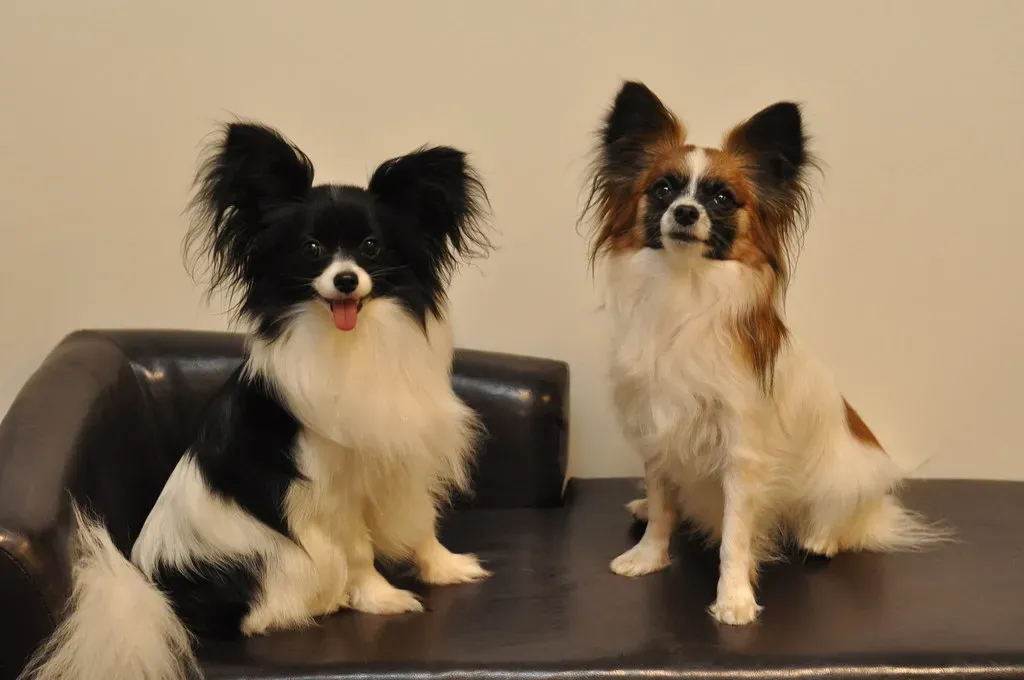
Cavalier King Charles Spaniels and Papillons are adaptable, affectionate, gentle, and fearless little dogs, and these butterfly-eared dogs could see your cat as a friend and like to join in on whatever fun the family is having, even if it involves a cat. Papillons are tiny, but they’ve got huge hearts.
They’re curious and playful, always ready for an adventure or a snuggle session. With proper introductions, they’ll happily accept a cat into the family fold. These pups are all about companionship.
Maltese
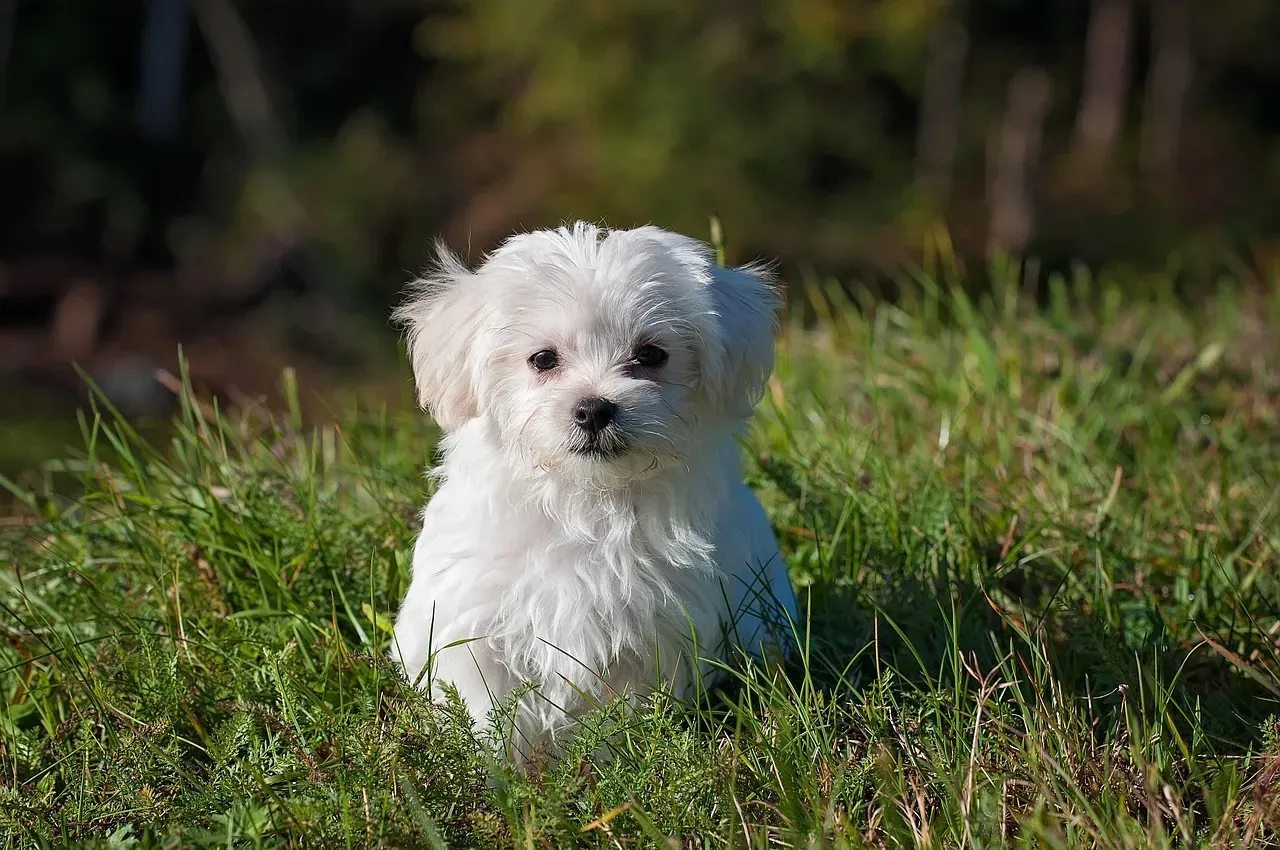
The disposition dial on the Maltese is perpetually fixed on charming and cheerful, and because they make friends quickly with furry pals, playing with someone closer to their size like your cat could be a good alternative. These little fluffballs are friendly and gentle.
They’re small enough not to intimidate a cat and sociable enough to make peace quickly. They love companionship, and a cat can be just the buddy they need on a chilly afternoon.
Poodle (Toy or Miniature)
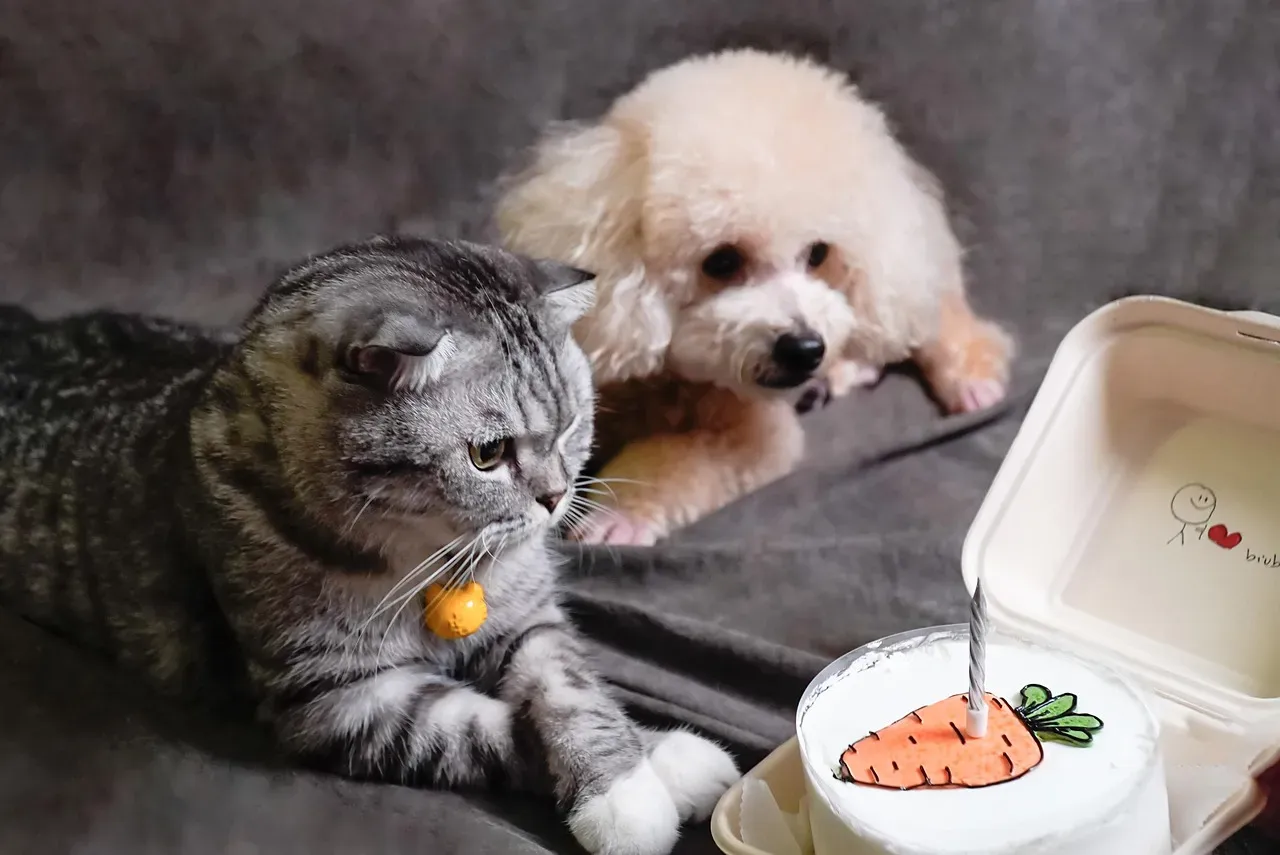
Poodles are good-natured, eager to please, and valedictorians of the dog world, and they will learn fast and sense when your cat is cranky and back off or be open for sibling snuggles. Poodles are incredibly smart and sensitive to moods.
Their intelligence means they can read a room well, including feline body language. They won’t push boundaries once they understand them. Plus, they’re hypoallergenic, which is a nice bonus for multi-pet households.
Siberian Husky

Siberian Huskies are finicky, hilarious, vocal, working dogs who need to be kept active to keep them from destroying your home out of boredom, and they come with a very active prey drive and will go after small animals, like cats. Huskies are beautiful, but they’re hunters at heart.
Beneath the fluffy fur and striking blue eyes lies a serious prey drive, and Huskies often roamed freely and hunted small animals to supplement their diets, an instinct that didn’t just vanish, and today’s Huskies still love to chase squirrels, rabbits, cats, even a rogue leaf. Unless raised with a cat from puppyhood, this combo is risky.
Jack Russell Terrier
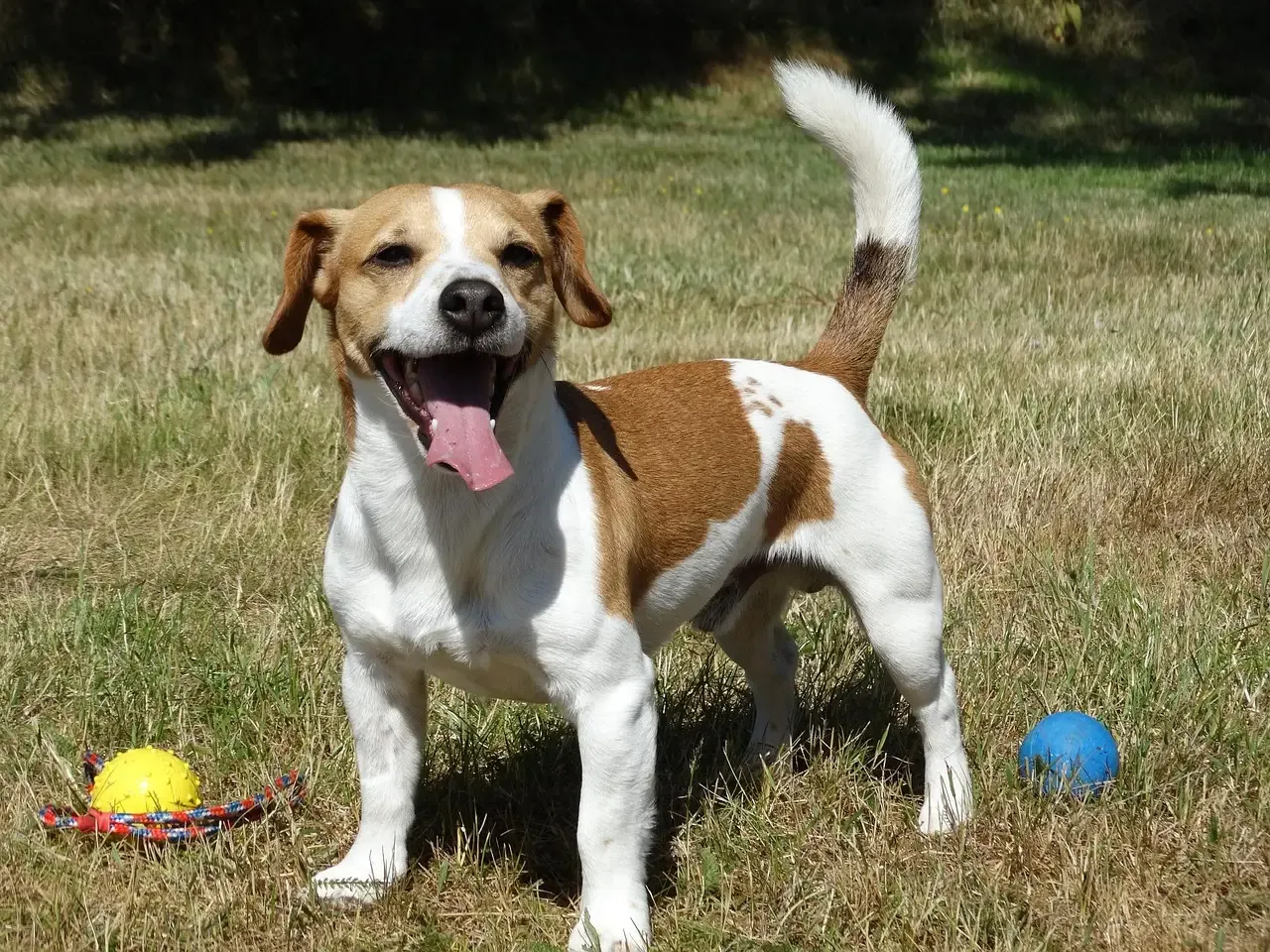
Jack Russells are commonly known to harass, injure or kill other small pets simply due to their strong natural hunting instincts bred into the JRT for hundreds of years, and raising a Jack Russell puppy with a cat does not guarantee the cat’s life-long safety, with a honeymoon period sometimes lasting many years before mishaps occur. I know it sounds harsh, but it’s true.
These terriers were bred to hunt vermin. Jack Russells have a strong prey drive, which can make them prone to chasing smaller animals such as cats or rodents, and while this behaviour can be managed through training, some Jack Russells may always have a heightened instinct to pursue small prey. They’re feisty, energetic, and driven.
Greyhound
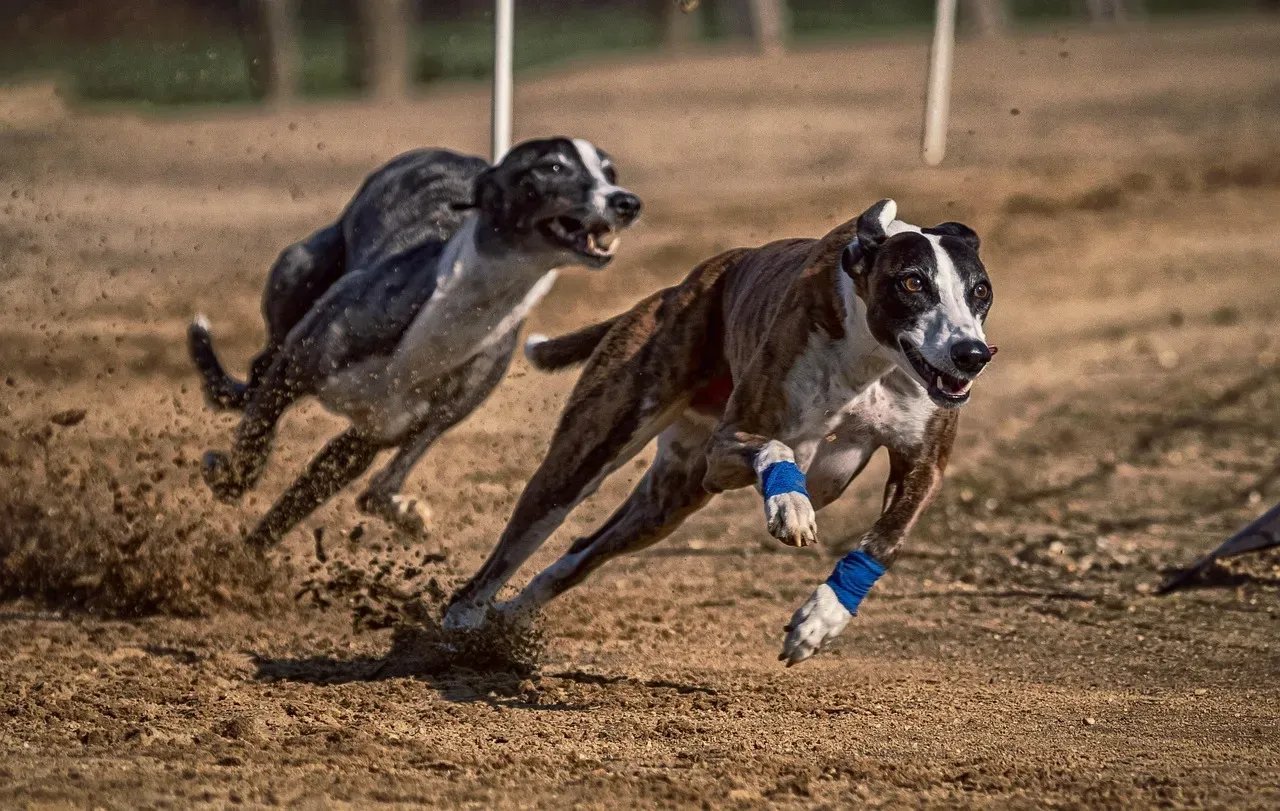
Greyhounds are bred for speed and love chasing small animals, and Greyhounds are fast and have a high prey drive. The Sighthounds of the Hound Group are hardwired for a chase, and no cat will appreciate being the target of that kind of attention. These elegant dogs are built to run.
Their vision is incredibly sharp, and fast movement triggers their instinct. Even the gentlest Greyhound can suddenly bolt after a fleeing cat. It’s not aggression. It’s instinct. That makes it incredibly hard to control.
Whippet
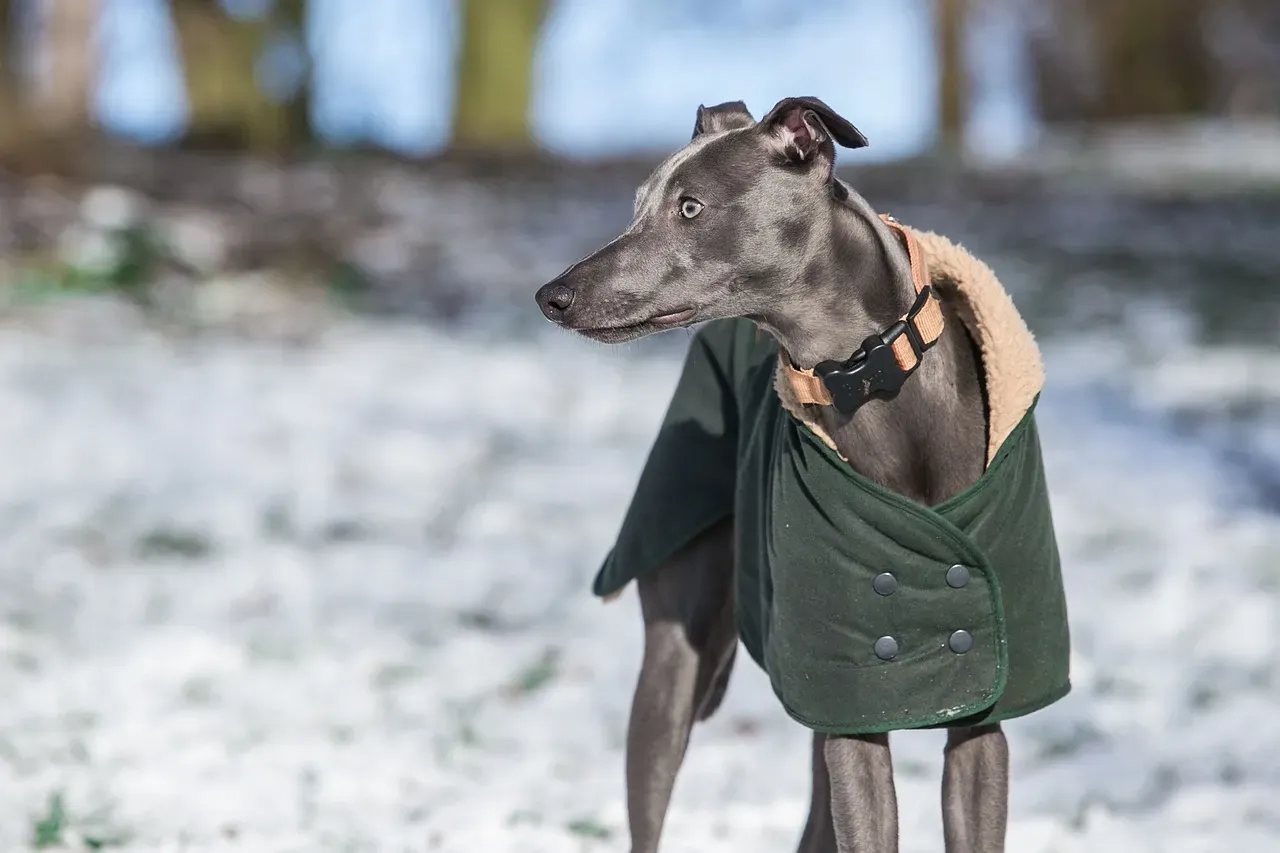
Whippets are gentle and playful dogs, but they are also territorial and protective, and they make great pet dogs but are unsafe to be around cats, especially outdoors. Like their Greyhound cousins, Whippets are sighthounds with strong chase drives.
They’re sweet and affectionate with people, but that doesn’t translate to safety around cats. Movement excites them, and once they lock on, it’s tough to call them back. A cat running away is basically an invitation they can’t refuse.
Afghan Hound
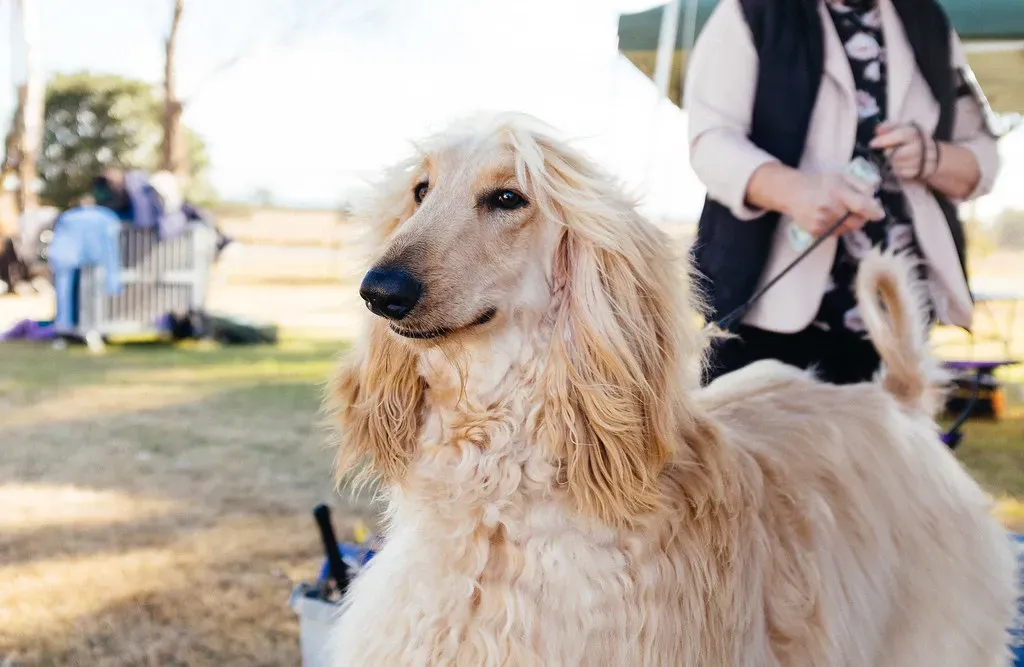
Afghan Hounds are known for their beautiful and majestic appearance, but they belong to the sighthound group, which means they rely on their hearing and sighting instincts to prey, and as cats are fast-moving and small, these hounds pose a significant threat to cats. Stunning dogs, no question.
Their elegance doesn’t change the fact that they’re hunters by nature. They’re independent and aloof, and cats don’t usually register as friends. More like targets.
Weimaraner
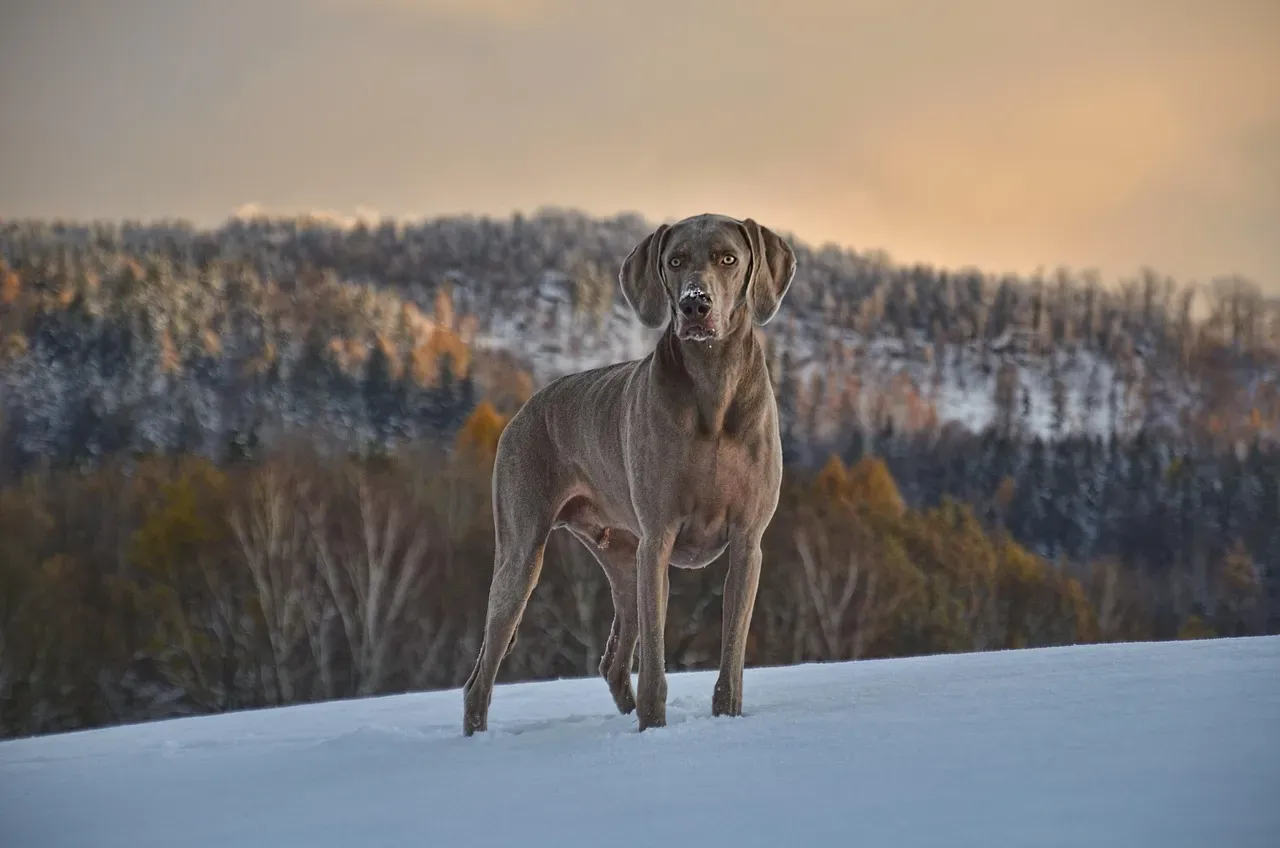
Weimaraners are large, brave, and playful breeds known for their hunting instincts, and this can be the reason they do not get along well with cats. These athletic dogs have serious stamina and determination.
They were bred for hunting game, and that instinct runs deep. A cat in the house might trigger their chase response. Without intense training and supervision, coexistence is stressful for everyone involved.
Australian Cattle Dog

Australian cattle dogs are fantastic dogs as long as you know what to expect, and these are high-strung working dogs that will become destructive if they are bored and need to have something to do, and they aren’t aggressive unless you are a small animal or child that is herdable. These dogs are all business.
If the dog is adopted as a puppy, they will grow up with the children or cats and may never try to herd them, but the Australian cattle dog is always going to have a high prey drive and may become easily distracted by small animals on walks. Herding instincts can mean nipping at a cat’s heels.
Rottweiler

Rottweilers are known to be guard dogs, and they are massive, strong, and protective with a strong prey drive and cannot be trusted around small animals such as cats. These powerful dogs are loyal protectors.
Yet their size alone can be intimidating, and their guarding instincts might translate into aggression toward smaller animals. Raised together from puppyhood, it’s possible. Still, caution is always necessary.
Great Dane
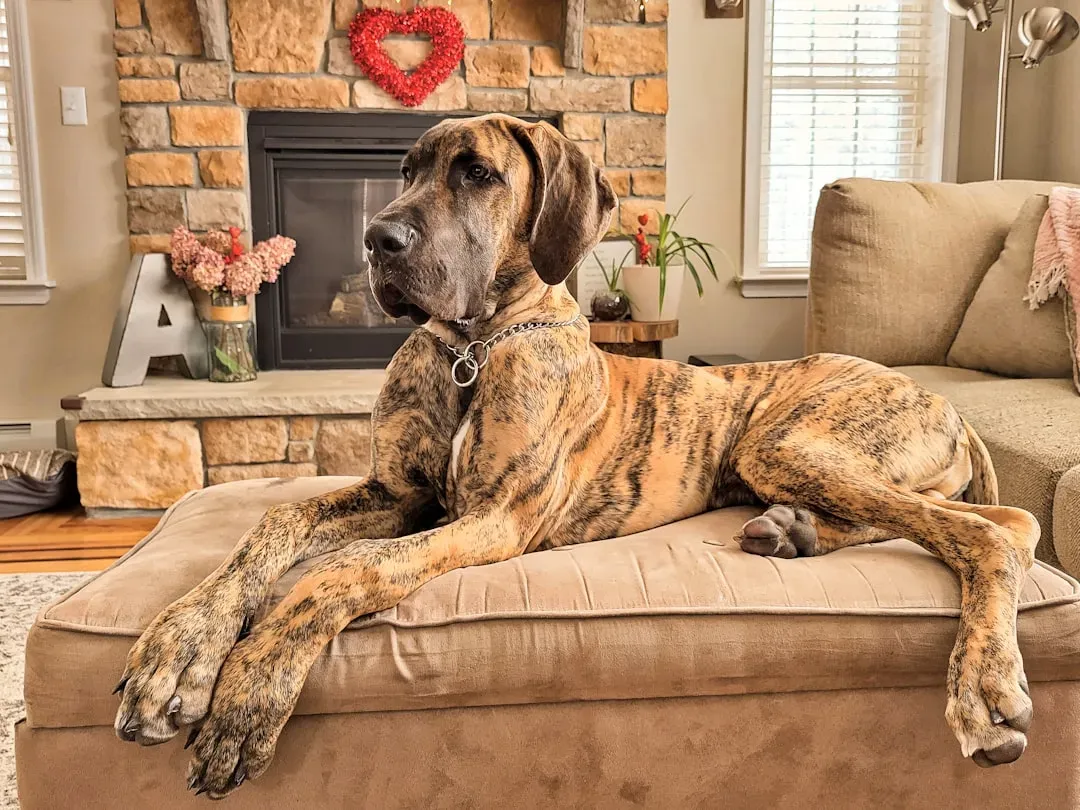
Great Danes are energetic, large, and playful, and they are known to be aggressive towards other animals, and they have a strong prey drive, making them unsafe around any small animal, including cats. Despite their gentle giant reputation with people, Danes can be unpredictable with cats.
Their sheer size means even playful behavior can be dangerous. A well-meaning paw swipe can cause serious harm. It’s hard to say for sure, but mixing these two is a gamble.
Airedale Terrier
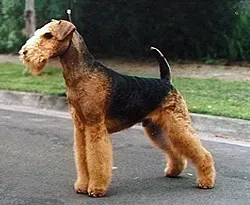
Terrier breeds were created to hunt vermin and are instinctually more inclined to chase small animals like cats. Airedales are confident, energetic, and strong-willed.
They’re the largest of the terrier breeds, and they’ve got all the terrier tenacity. Cats don’t stand a chance against that drive. Training helps, but this isn’t a breed I’d personally recommend for cat households.
Conclusion
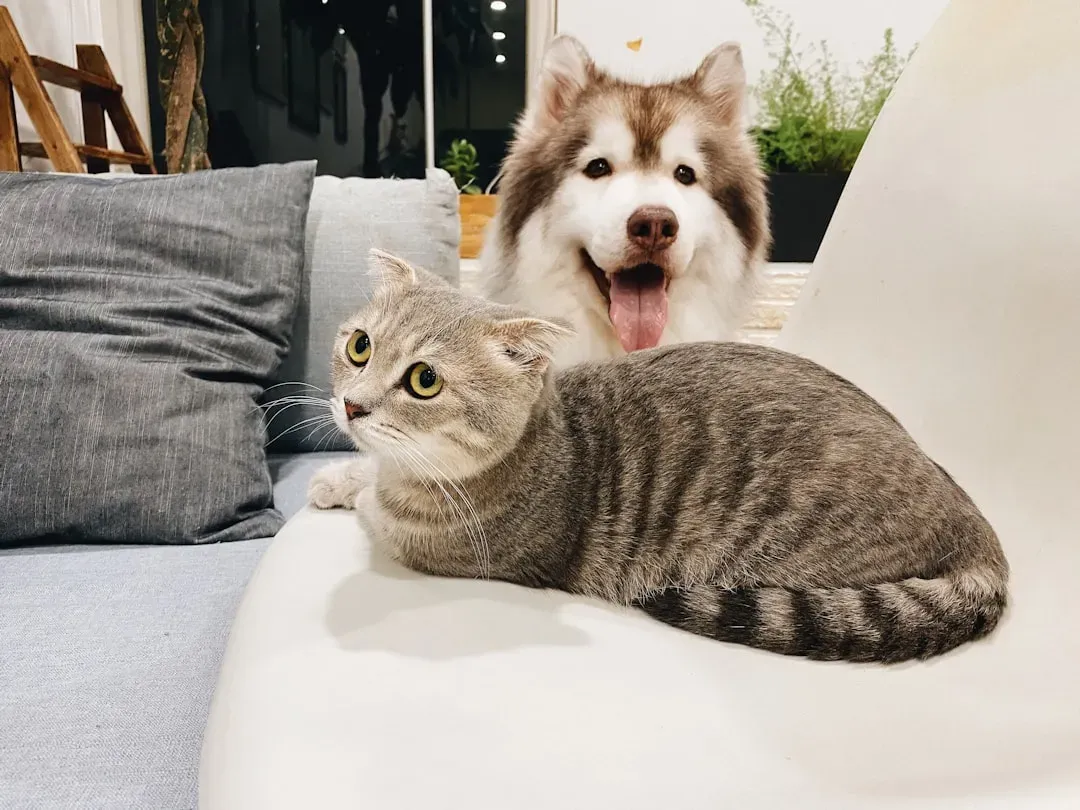
Choosing the right dog for a home with cats isn’t just about breed alone. Individual temperament, early socialization, and proper introductions matter just as much. Some breeds are naturally more inclined to see cats as friends, while others view them as something to chase or corner. Understanding these tendencies helps set everyone up for success.
If you’re bringing a dog into a home with a cat or vice versa, take your time. Use baby gates, keep interactions supervised, and reward calm behavior. Patience really does pay off. What do you think? Have you had success pairing unlikely breeds, or did things go exactly as expected? Tell us in the comments.


