
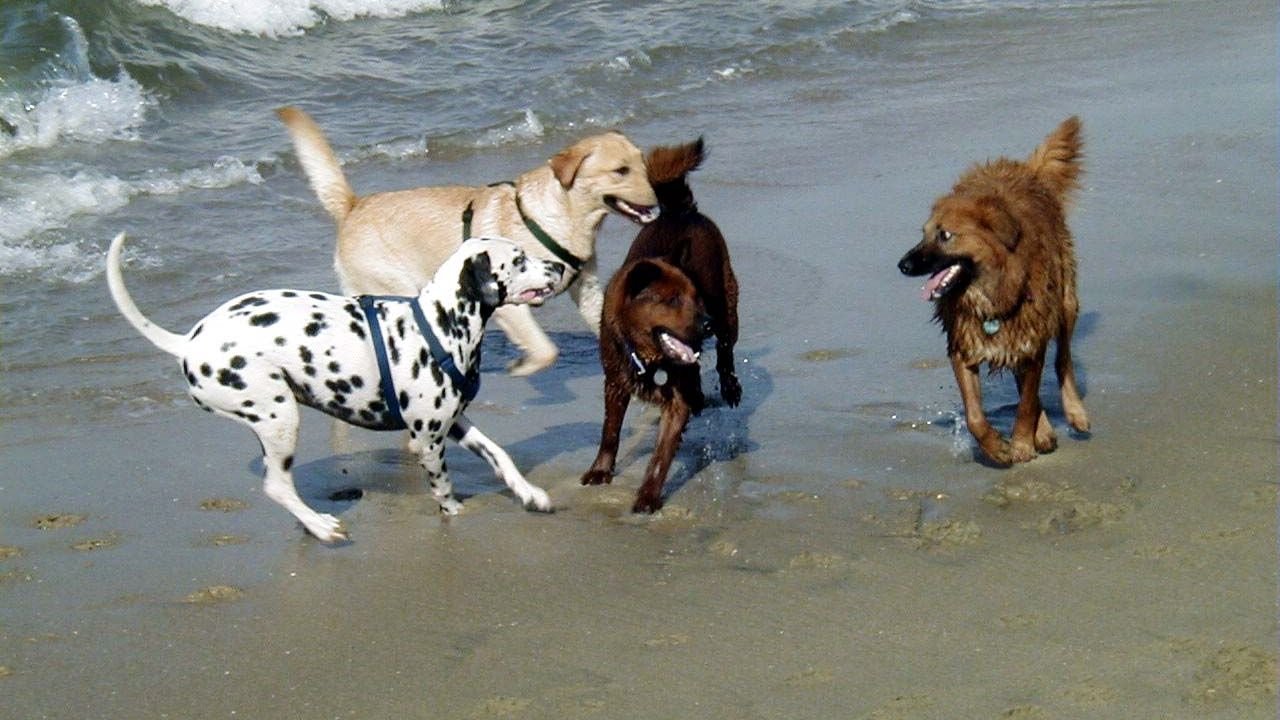
You know that feeling when your dog’s muzzle starts graying, and suddenly everyone has an opinion about what they can and cannot do? Friends tell you to slow down, strangers at the park look sympathetic, and well-meaning relatives suggest it’s time to give up walks and training. I’ve been there. The truth is, most of what we hear about senior dogs is flat-out wrong.
Our older companions get a bad rap. Society paints them as fragile, set in their ways, and past their prime. Yet these wise souls often surprise us with their resilience, adaptability, and eagerness to engage with life. Let’s dig into the myths that do our gray-muzzled friends a disservice and uncover what’s really going on behind those knowing eyes.
They Can’t Learn New Things Anymore
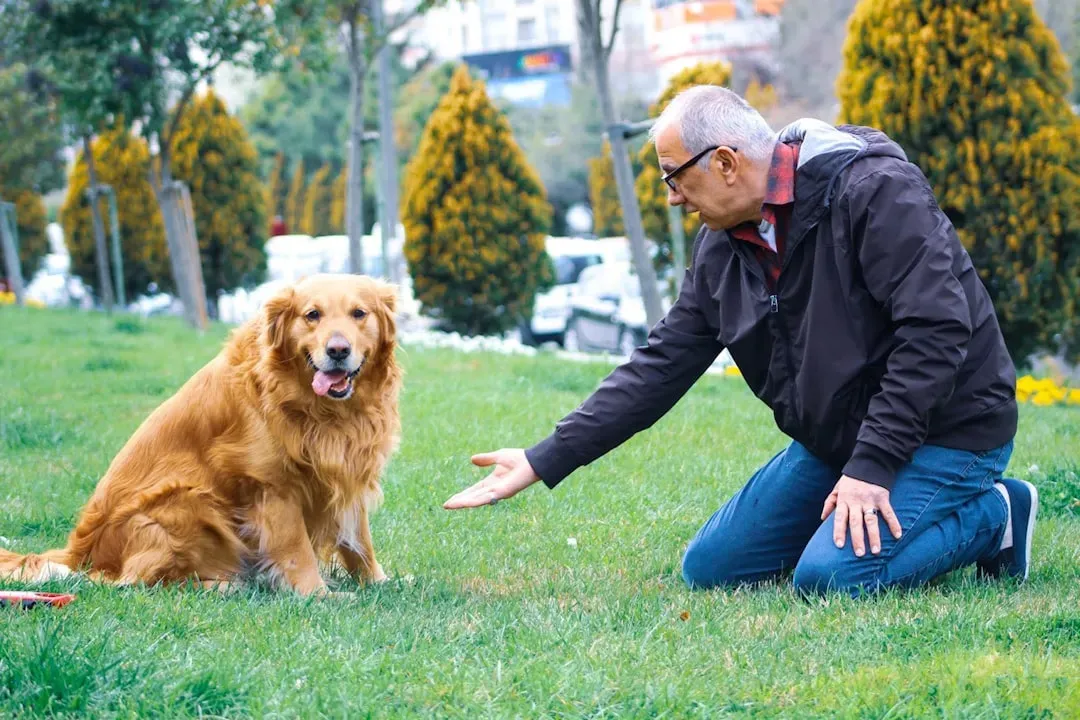
This myth couldn’t be further from the truth. Older dogs are just as capable of learning new things as their younger counterparts, though they might need a slightly different approach. Adult dogs are often easier to train than their younger canine friends because they are not as active. Older dogs are not as easily distracted as pups and can focus for longer periods of time. This ability to concentrate helps them learn new routines more easily.
Research from the University of Veterinary Medicine in Vienna revealed that older dogs required more trials to reach the desired level of proficiency in tasks. However, once they got the hang of it, their long-term memory was just as sharp as that of younger dogs. The difference is in speed, not capability. Plus, tricks provide mental stimulation for older dogs who may be suffering from dementia, making training a valuable tool for cognitive health.
Senior Dogs Just Want to Sleep All Day
Sure, your older dog might nap more than they did at three years old. Senior pups tend to take more daytime naps, topping out around a whopping 16 to 18 hours of sleep a day. That doesn’t mean they’ve lost their zest for life or that they want to spend every waking moment on the couch.
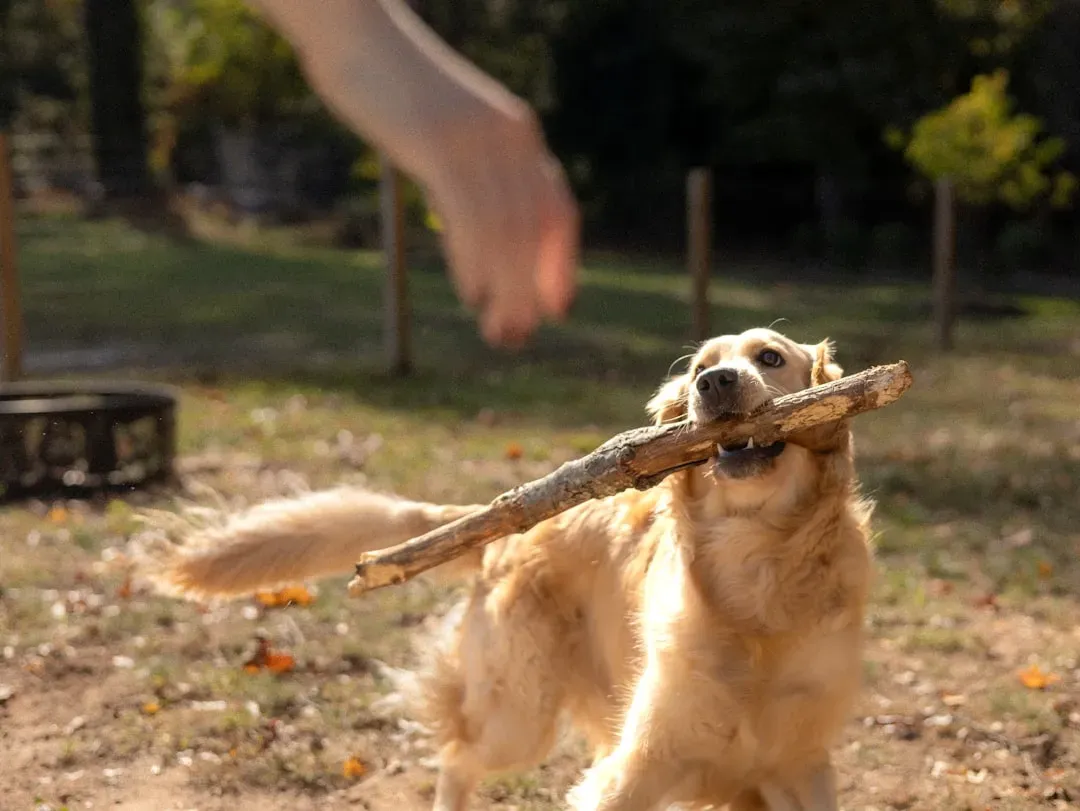
While it’s true that older dogs may not have the same boundless energy as puppies, they can still be quite active and enjoy physical activities. In fact, regular exercise is essential for maintaining their physical and mental health. A sedentary lifestyle ages dogs faster, not the other way around. Regular, low-impact movement – gentle walks, swimming, and even light fetch – keeps joints flexible and minds sharp. A senior pup may not sprint like before, but keeping them moving adds years to their lives and years to their years. The key is adjusting activities to their comfort level, not eliminating them entirely.
All Behavioral Changes Are Just Normal Aging
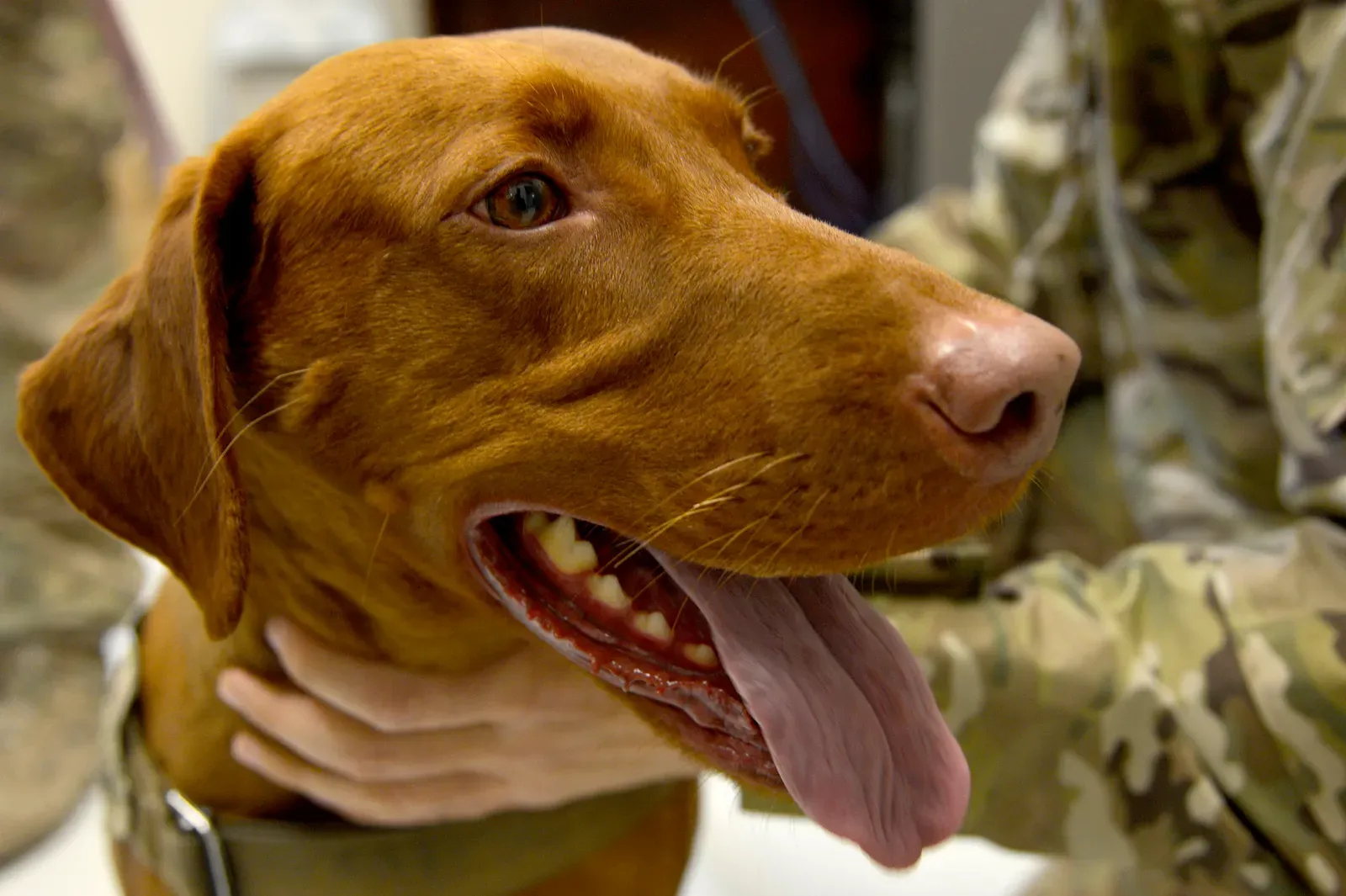
Here’s the thing. Not every change in your senior dog’s behavior is something you should shrug off as old age. Not all new behaviors are signs of normal aging. Canine cognitive decline (CCD) affects an estimated 14 to 35% of senior dogs and can cause confusion, changes in sleep, increased anxiety, or even sudden aggression in senior dogs.
A noticeable slowdown isn’t just “old age” – it could be arthritis, an underactive thyroid, or another treatable condition. Many senior dogs stay spry with the right diet, exercise, and vet care. If a dog who once loved running suddenly prefers lying down all day, something deeper is going on. Aging isn’t an illness; don’t mistake it for one. When behaviors shift dramatically, it’s worth investigating with your vet rather than accepting it as inevitable.
Older Dogs Are Difficult to Train or Adopt
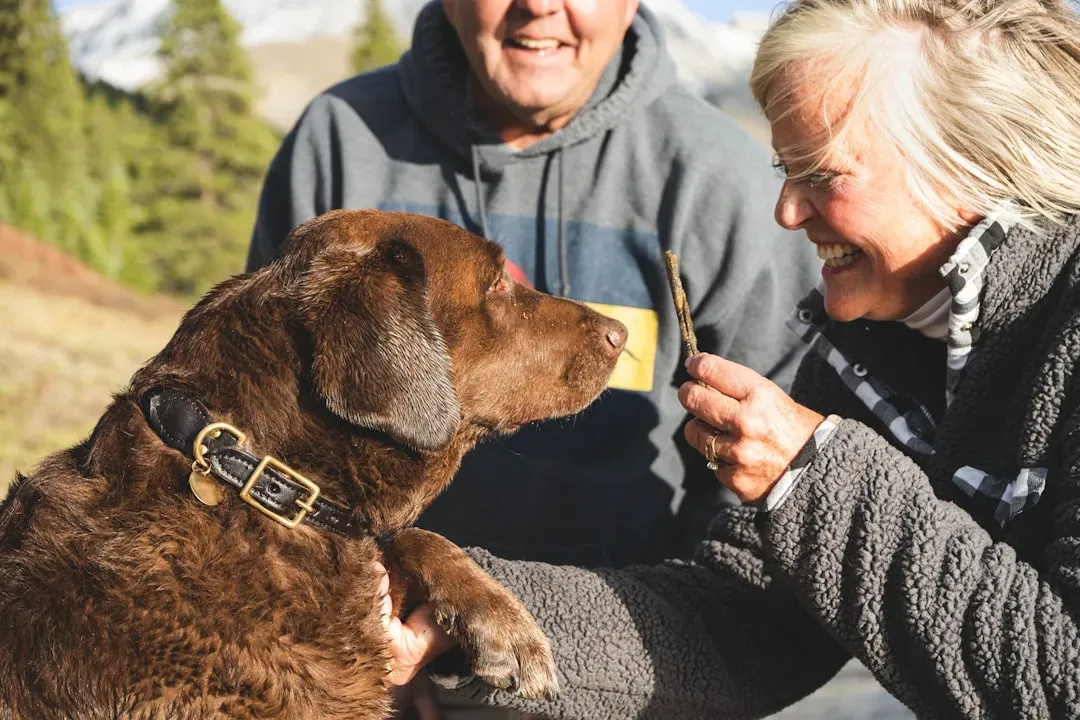
Let’s be real. If “difficult” means house-trained, mellow, and already past their destructive chewing phase, then sign me up. Older dogs often require less work than high-energy puppies. They know how to walk on a leash, they understand basic household rules, and they’re not going to chew your favorite shoes to bits.
If the new owner patiently directs the dog’s behavior, even annoying old habits can be resolved. Adopted dogs are usually happy to have a loving home and are anxious to please their new owners. These mature dogs enjoy bonding with their owners while learning a few new tricks. Older dogs have had more time to develop and understand human cues and commands. Additionally, older dogs tend to have more patience, which can make the training process smoother and more enjoyable. They come with life experience, and honestly, that’s a gift.
Senior Dog Food Is Always Necessary

Walk down any pet food aisle and you’ll see countless bags labeled “senior formula.” Marketing magic at its finest, really. The label “senior” on dog food means nothing unless it meets a dog’s actual nutritional needs. Some older pups need higher protein, others lower fat, and a few require specialized diets for medical conditions.
Senior dogs have diverse nutritional needs that vary based on breed, size, health status, and activity level. While aging does generally require diet adjustments, there is no one-size-fits-all approach. Your ten-year-old Lab who still hikes every weekend has completely different requirements than a same-aged dog managing kidney issues. Check with your vet about what your individual dog needs, not what the bag says is appropriate for their age group.
They Don’t Need Social Interaction or Playdates
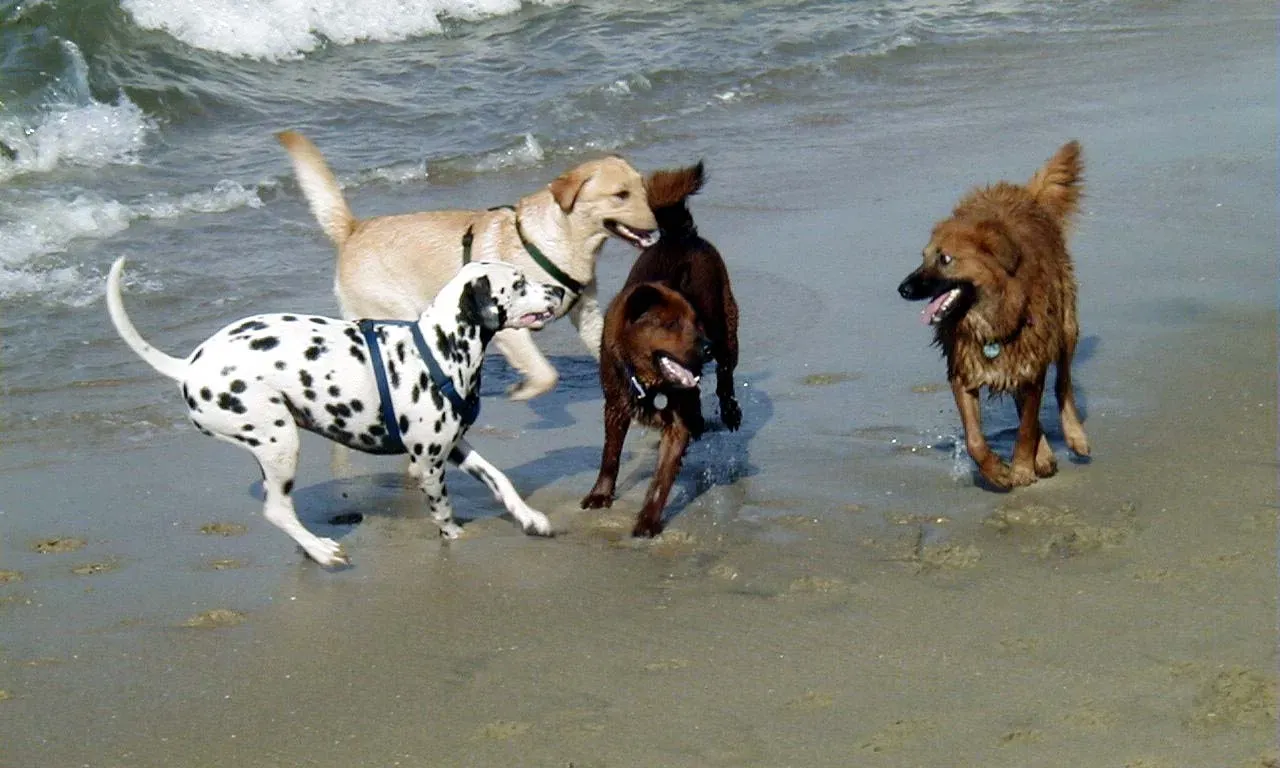
I’ve heard people say their older dog is “too old” for the dog park or play sessions with other pups. Wrong. Older dogs, just like their younger counterparts, benefit from social interaction and mental stimulation. Isolation can lead to anxiety and depression in older dogs, so it’s important to provide opportunities for socialization and playtime.
Your senior dog might not wrestle for an hour like they used to, but they still enjoy sniffing around, greeting friends, and engaging with their environment. Less old dogs became more sociable and friendlier with the stranger during the Greeting test on their second test occasion. Previous research has already reported that older dogs tend to be less friendly and less social, both with other dogs and with humans. That decline isn’t inevitable though. Maintaining social connections helps preserve their quality of life and emotional wellbeing.
Pain Is Just Part of Getting Old

This one breaks my heart. Too many people watch their dogs struggle and chalk it up to age rather than addressing the underlying issue. These canines are masters at hiding pain. Instinct tells them that showing weakness makes them vulnerable, so they adapt – limping less, sleeping more, avoiding stairs. That’s why subtle changes in behavior matter. A senior dog who “suddenly hates walks” might not be lazy but hurting. Don’t wait for crying – watch for whispers of discomfort instead.
While it’s true that older pets may not have the boundless energy of their youth, significant lethargy or reluctance to move is not solely due to old age. It could be a sign of underlying conditions, such as arthritis, which can be effectively managed with medication, physical therapy, or joint supplements. Pain management has come so far in veterinary medicine. There’s no reason your dog should suffer simply because they’ve hit a certain birthday.
Conclusion
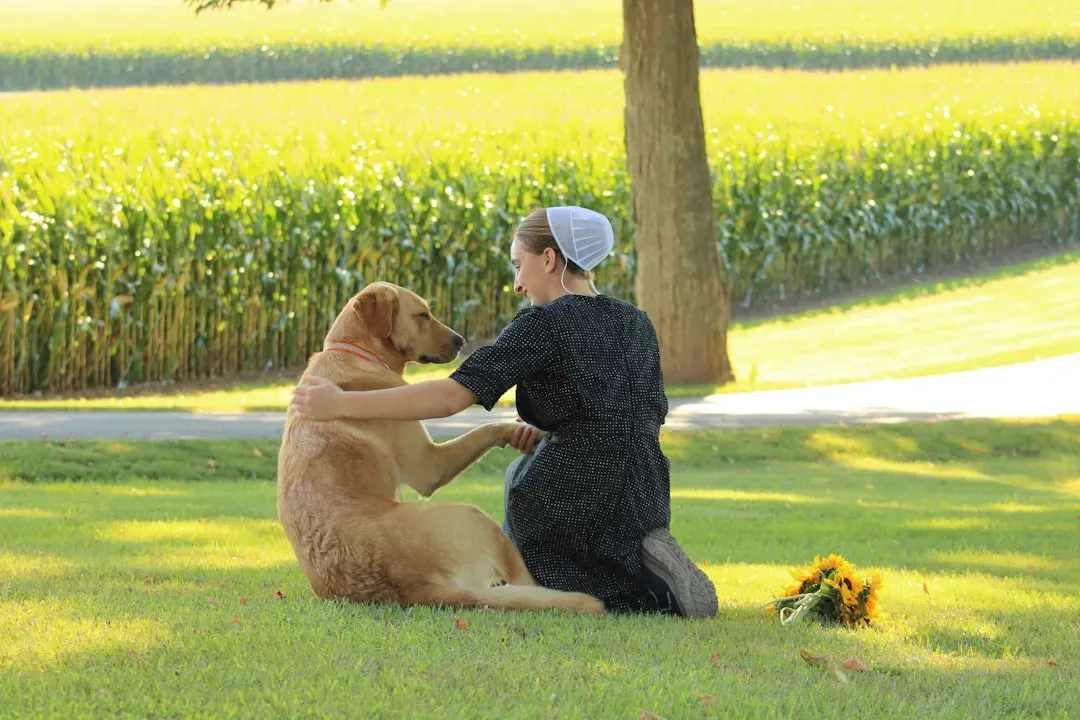
Our senior dogs deserve better than the limiting beliefs we’ve boxed them into. They’re not fragile relics waiting out their days. They’re adaptable learners, enthusiastic companions, and resilient souls who continue to grow and change throughout their lives. Every gray hair tells a story, and every day together is precious.
The next time someone tells you what your older dog can or cannot do, remember that science, experience, and countless devoted dog owners prove otherwise. Keep training, keep playing, keep exploring together. What have you discovered about your senior dog that surprised you? Tell us in the comments.


