
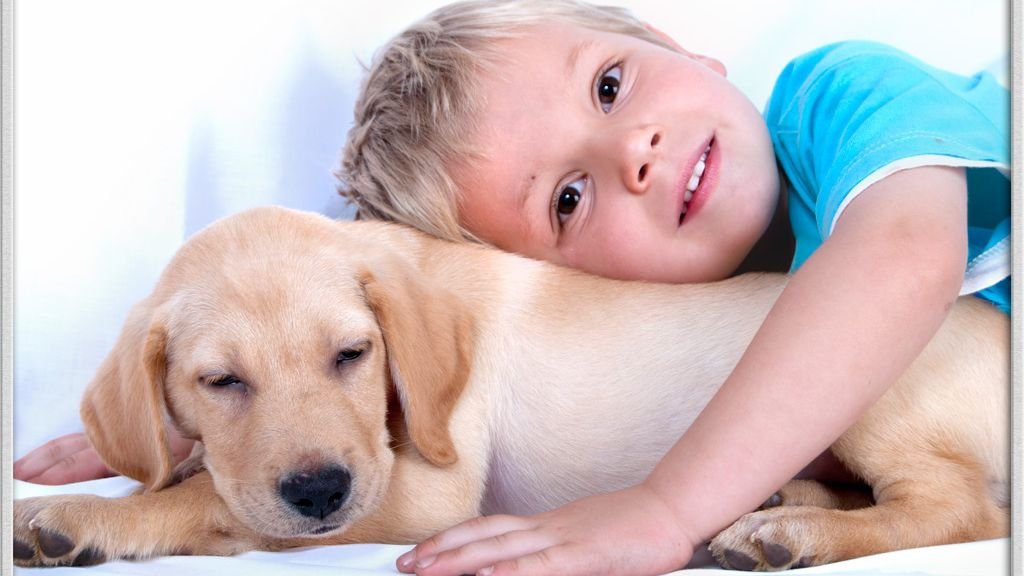
Dogs bring so much joy into our lives. They’re loyal companions, protective family members, and endless sources of love. Yet there’s a truth every dog lover needs to hear, especially those with children at home. Any dog, regardless of breed, size, or temperament, can bite. It’s not about villainizing certain breeds or spreading fear, honestly, it’s about understanding behavior, recognizing warning signs, and keeping the little ones we love safe.
A large percentage of the millions who are bitten each year are children, and children are more vulnerable and receive 70% of all bite-related deaths. Most incidents happen with dogs the child knows, often in their own home. That might feel shocking, even a bit unsettling. Still, knowledge is power, and this article will walk you through which breeds statistics show up most frequently in bite incidents involving kids, why it happens, and how we can all do better.
Pit Bulls and Pit Bull Mixes
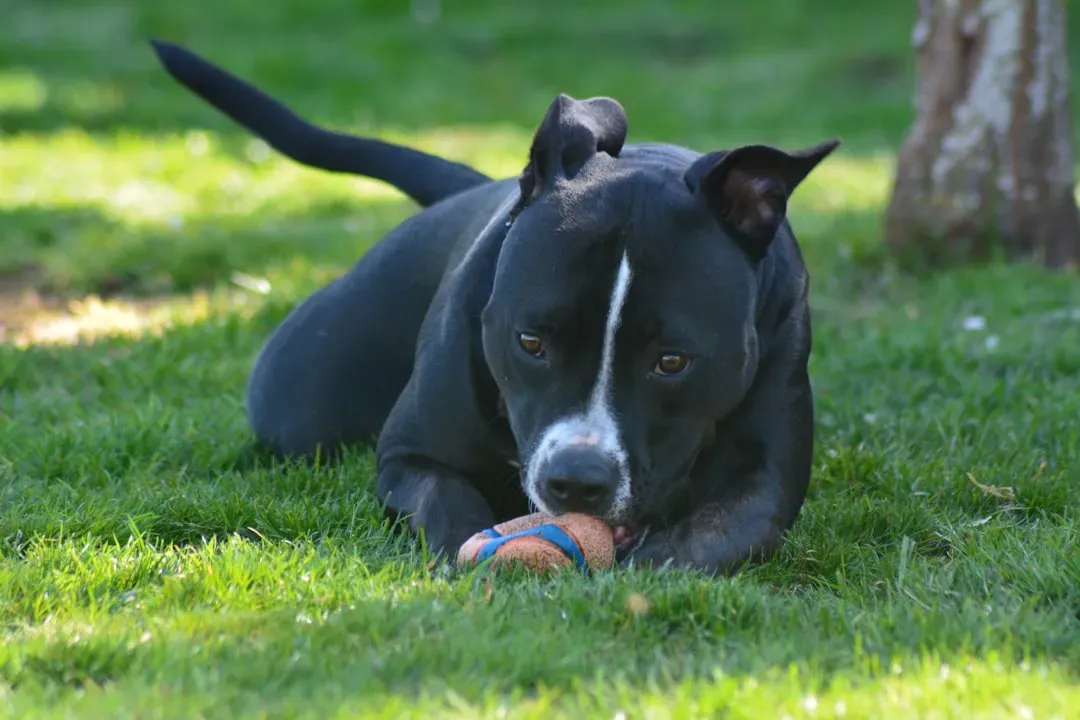
Let’s be real, pit bulls dominate the conversation when it comes to dog bite statistics. Pit bull attacks comprise about 60% of all dog bite injuries, and Pit Bulls were responsible for approximately 66% of fatal dog attacks in 2023. These numbers are hard to ignore, though many pit bull advocates point out that the breed is often misidentified and that irresponsible ownership plays a huge role.
The truth is more nuanced than headlines suggest. Pit bulls can be incredibly sweet, loyal dogs when raised in loving, structured environments. Yet their powerful jaws and tenacious nature mean that when a bite does occur, the damage can be severe. Children under six years old are most commonly bitten in association with resource guarding, particularly food guarding. Teaching kids never to approach any dog while eating is critical.
Rottweilers
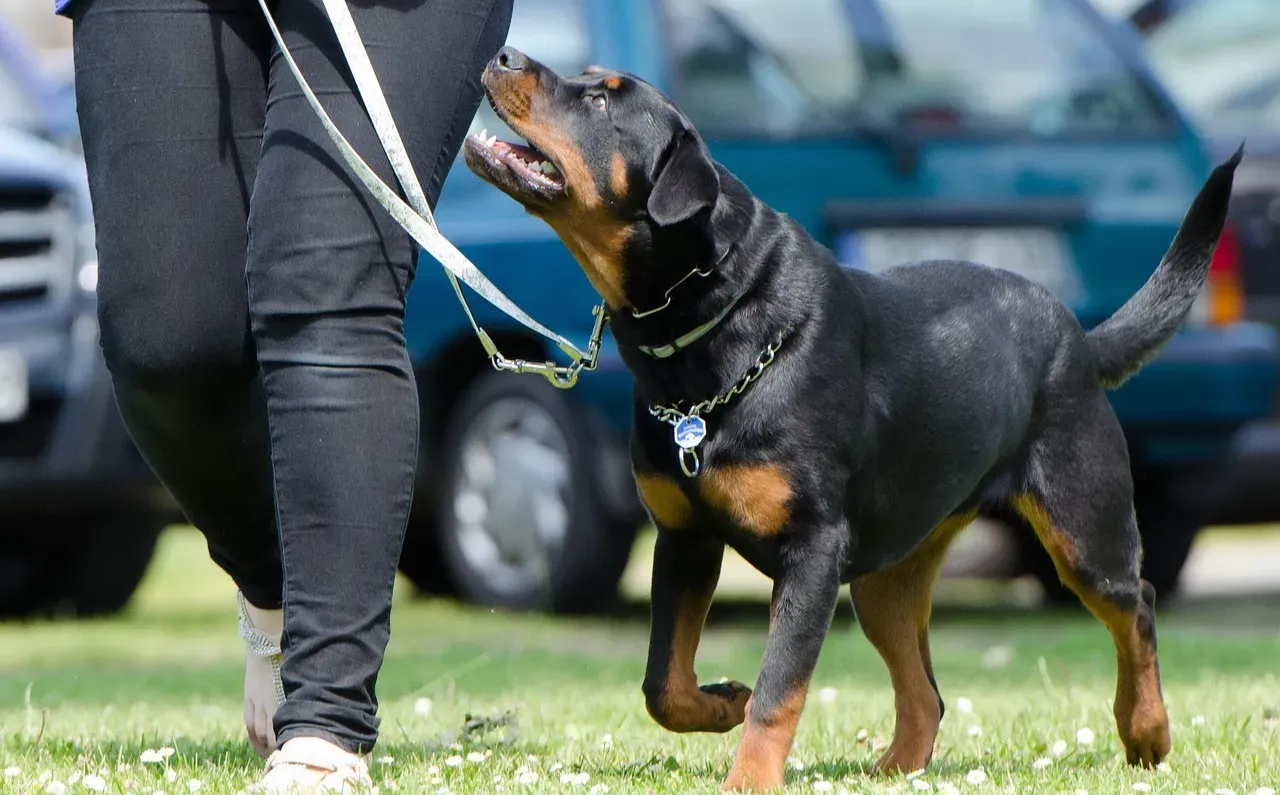
Rottweilers are another breed frequently cited in bite statistics. Together, Pit Bulls and Rottweilers were involved in approximately 76% of all fatal dog attacks. These are big, powerful dogs originally bred for herding and guarding, so protective instincts run deep. A Rottweiler may perceive a child’s sudden movements or high-pitched squeals as threats, especially if the dog hasn’t been properly socialized.
I think what’s often overlooked is the sheer size difference between a Rottweiler and a young child. Even playful interactions can go wrong quickly. The most common breeds in facial dog bites included mixed breed, Labrador retriever, Rottweiler, and German shepherd. Rottweilers need experienced handlers, consistent training, and careful supervision around children at all times.
German Shepherds

German Shepherds are smart, trainable, and deeply loyal, which is why they’re often used as police and service dogs. Yet they’re also territorial and can be wary of strangers. The most common breeds were mixed breed, Labrador retriever, Rottweiler, and German shepherd in a study examining pediatric facial dog bites.
These dogs need mental stimulation and physical exercise. Without it, they can become anxious or reactive. Behavioral screening revealed resource guarding and discipline measures as the most common stimuli for aggression. German Shepherds may snap if a child grabs their toy, disturbs their rest, or invades their space unexpectedly. Supervision and teaching children respectful boundaries are non-negotiable.
Mixed Breed Dogs

Here’s something people don’t always consider: mixed breed dogs actually show up frequently in bite statistics. The most common breeds were mixed breed (23.0%) in one major pediatric study. This doesn’t mean mutts are dangerous, rather, it reflects how common they are as family pets.
The challenge with mixed breeds is unpredictability. You might not know the dog’s genetic background, temperament tendencies, or triggers. Most children were bitten by dogs with no history of biting children, and there is a high rate of behavioral abnormalities in this canine population. Mixed breeds deserve the same training, socialization, and behavioral monitoring as purebreds. Never assume a dog is safe simply because it hasn’t bitten before.
Labrador Retrievers

This one surprises people. Labs are known as friendly, gentle family dogs, yet Labrador retriever (13.7%) was among the most common breeds in pediatric facial bite cases. Labs are energetic, mouthy, and food-motivated. A young child reaching for a Lab’s food bowl or treat can trigger a defensive bite, even from an otherwise sweet dog.
Many of the dog bites seen are food-related, emphasizing the importance of keeping children away from dogs while they’re eating. Labs also tend to be exuberant and may accidentally knock over or nip at small children during play. Their popularity as family pets means more exposure, which statistically leads to more incidents. It’s a numbers game, honestly.
Chihuahuas and Small Terrier Breeds

Small dogs bite more often than large ones, they just don’t make headlines. Smaller dog breeds, like the dachshund and chihuahua, were found to show the most aggression toward strangers. These tiny dogs can be anxious, territorial, and protective. Kids often treat small dogs like toys, picking them up roughly, squeezing them, or cornering them, which can provoke a fear-based bite.
The injuries from small dogs are usually less severe, so they’re underreported. Yet a bite to a toddler’s face from a Chihuahua can still require stitches and cause lasting emotional trauma. Unpredictable behaviors like screaming, stomping feet, darting movements, and tail pulling can startle dogs and provoke fear-based aggression. Teaching children to respect all dogs, regardless of size, is essential.
Akitas

Akitas are dignified, powerful, and fiercely loyal to their families, sometimes too much so. Akitas were found to be the most aggressive toward other dogs, with 29.3% having earned the max score. They can also be aloof with strangers and intolerant of rough handling, which makes them risky around young children who don’t yet understand boundaries.
These dogs were bred as guard dogs in Japan, so protective instincts are hardwired. An Akita may interpret a child’s loud play or sudden approach as a threat. They’re not a good choice for families with young kids unless the owners are highly experienced and committed to rigorous training and supervision.
Dachshunds

Another small breed that packs a surprising punch in aggression studies is the dachshund. Smaller dog breeds, like the dachshund and chihuahua, were found to show the most aggression toward strangers. Dachshunds were originally bred to hunt badgers, which required courage, tenacity, and a willingness to bite. That boldness hasn’t disappeared.
These little dogs can be snappy, especially if they’re in pain from back problems, which are common in the breed. Children are at risk of dog bite in association with resource guarding by the dog or pain-causing interactions. A child accidentally stepping on or sitting near a dachshund with a sore back could trigger a defensive bite. Small doesn’t mean safe.
Chow Chows

Chow Chows are famously aloof and independent. They bond strongly with their owners but can be suspicious and standoffish with strangers, including children. Their fluffy appearance is deceptive, these dogs have strong protective instincts and low tolerance for rough handling.
A common diagnosis for aggression toward children is fear-based aggression, and fearful dogs may have learned to exhibit more offensive behavior when retreating didn’t yield safety. Chow Chows don’t give a lot of warning before they bite, which makes them especially risky around unpredictable toddlers. They require experienced ownership and are generally not recommended for families with young children.
Huskies and Malamutes
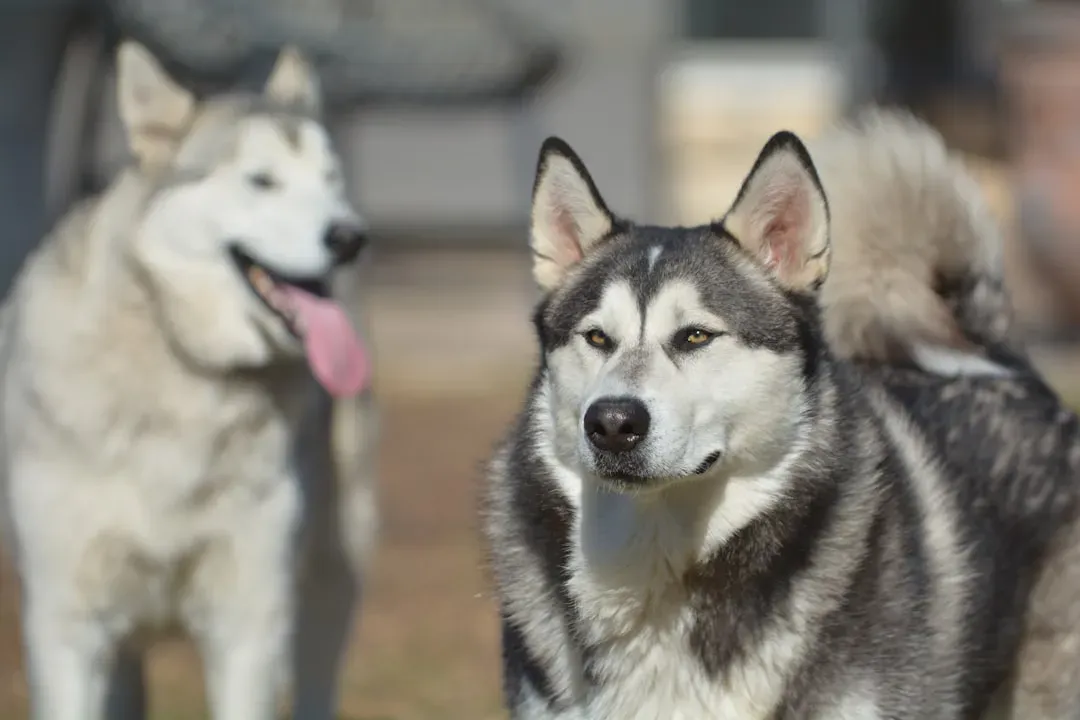
Huskies and Alaskan Malamutes are beautiful, energetic, and independent. They were bred to work in harsh environments with minimal human direction, so they’re not naturally as people-pleasing as other breeds. These dogs have high prey drive and can be overstimulated by fast-moving, squealing children.
Quick toddler movements may resemble prey, triggering high-drive dogs. A Husky chasing a running child isn’t necessarily trying to hurt them, yet the outcome can still be dangerous. These breeds need tons of exercise, mental stimulation, and firm, consistent training. Without it, they can become destructive, anxious, or reactive.
Understanding the Real Risk Factors
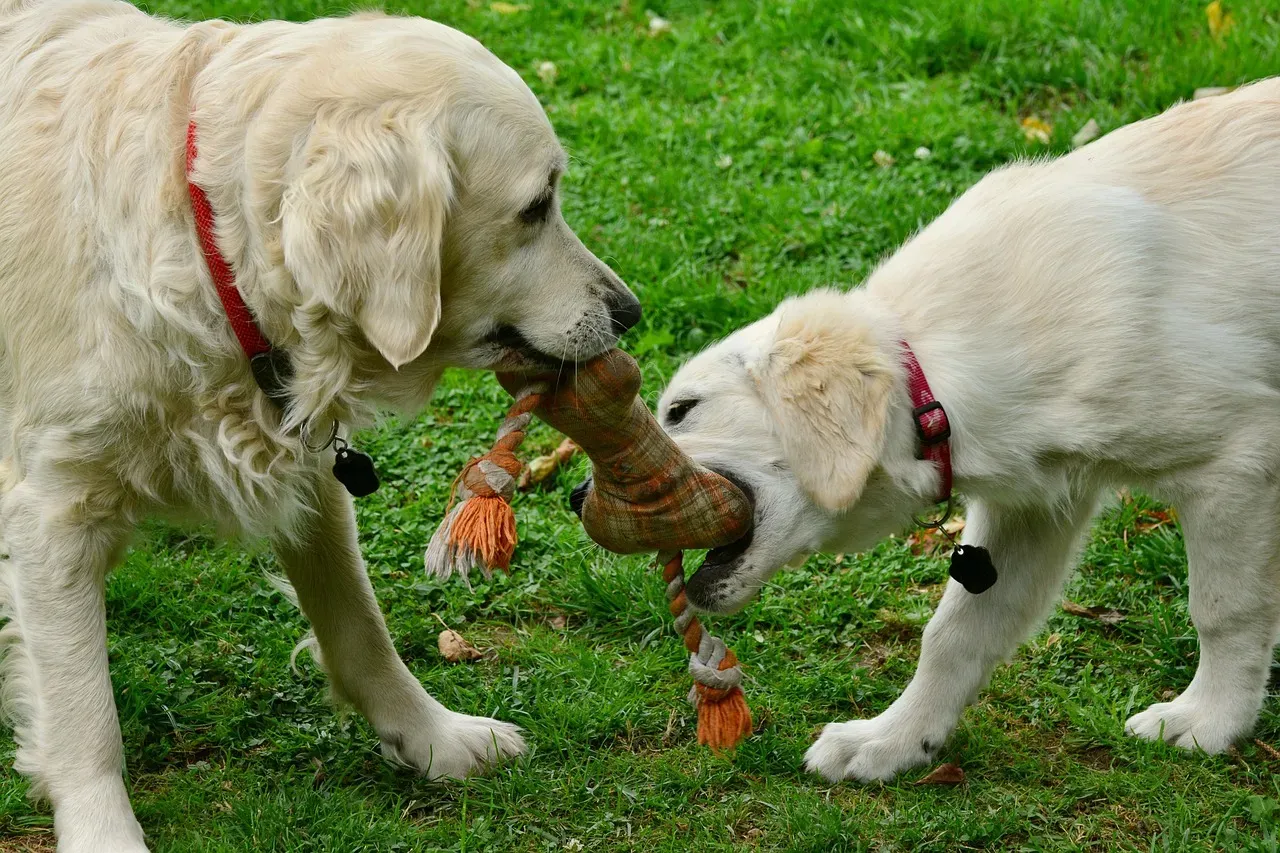
Breed matters, yet it’s not the whole story. Unneutered dogs are 2.6 times more likely to bite people and other dogs, and 60-80% of US dog bites happen from unneutered male dogs. Chained dogs bite 2.8 times more than unchained dogs. Dogs kept in isolation, punished harshly, or poorly socialized are far more likely to bite than well-trained, integrated family pets.
Most children were bitten by dogs with no history of biting children, and there is a high rate of behavioral abnormalities in this canine population. This tells us that even “good” dogs can bite under the right circumstances. Watch for subtle signs of canine fear or stress: yawning, lip licking, trembling, crouching, ears down, tail tucked, and signs of aggression like barking, hair standing on end, snarling, growling, or snapping. Learning to read your dog’s body language can save a child’s life.
Conclusion: Love Them, But Know Them
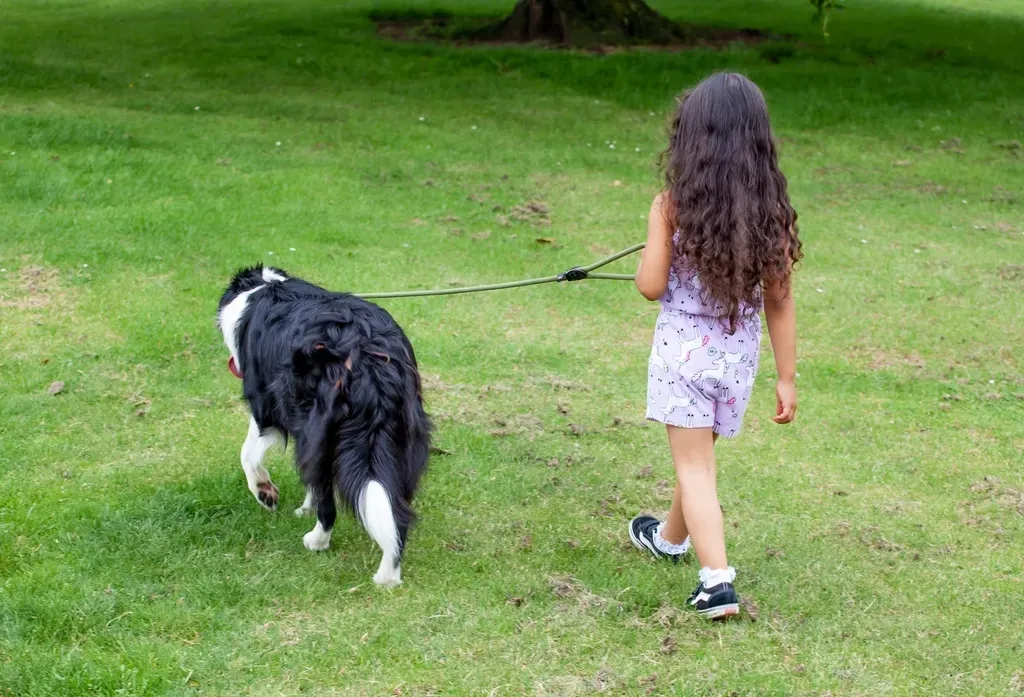
Dogs aren’t inherently dangerous, yet they are animals with instincts, triggers, and limits. Most dog bites affecting young children occur during everyday activities and while interacting with familiar dogs, like the family dog. This isn’t about fear, it’s about respect. Respect for the animal, respect for the child, and respect for the responsibility we take on when we bring a dog into our homes.
Always supervise children and dogs, and never leave a baby or young child alone with a dog. Teach your kids to recognize when a dog is uncomfortable, never to approach a dog who’s eating or sleeping, and to move slowly and calmly around all animals. Every bite is preventable if we do our part.
What’s your experience with dogs and kids? Have you had close calls or learned lessons the hard way? Share your thoughts in the comments – we’re all learning together.


