
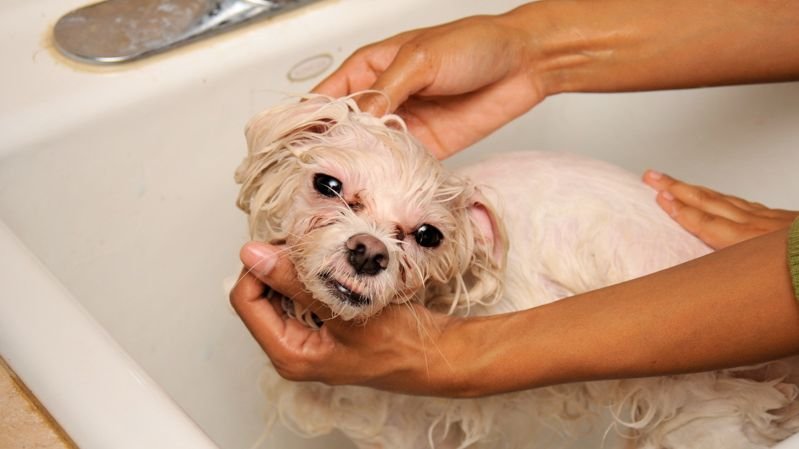
Picture this: your beloved pup rolls in something questionable at the park, and suddenly a bath isn’t optional anymore. Your heart sinks a little, doesn’t it? Because you already know the drill. The squirming, the shaking, maybe even the dramatic escape attempts that leave your bathroom looking like a disaster zone.
Here’s the thing, though. Bath time doesn’t have to feel like a wrestling match. With the right approach, a bit of patience, and some insider knowledge, you can transform this dreaded chore into something both of you might actually tolerate, or dare I say, enjoy. Let’s be real, your dog isn’t naturally opposed to being clean. They’re just responding to how the experience makes them feel. So let’s dive in and discover how to make those sudsy sessions as smooth and stress-free as possible for everyone involved.
Understanding Why Your Dog Dreads the Tub
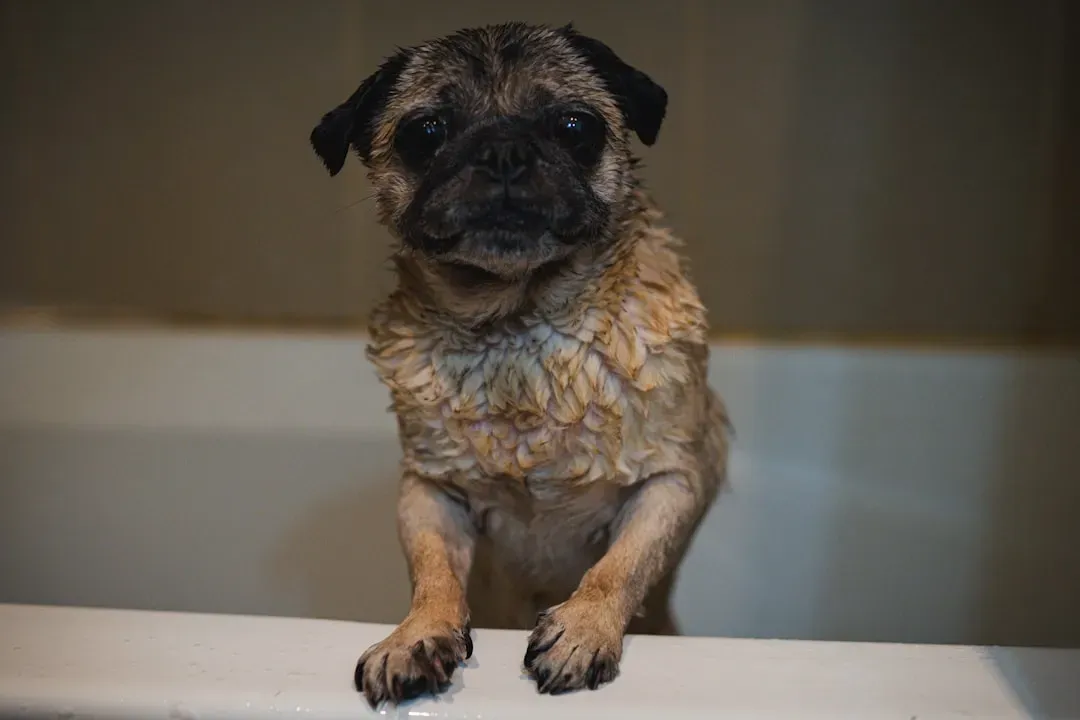
Many dogs resist baths not because of cleanliness itself, but due to the lack of control and how invasive the process feels. Think about it from their perspective for a moment. They’re suddenly lifted into a confined space, bombarded with strange sounds, unfamiliar sensations, and water spraying from unexpected angles. It’s honestly overwhelming.
The sound of running water, strongly scented shampoo, and the direct feeling of water can all overstimulate your dog and trigger anxiety. Some dogs might have had a negative experience in the past, while others simply haven’t been properly introduced to the process. Recognizing these triggers is your first step toward creating a better experience, one where your dog feels safer and more in control.
Set the Stage Before Water Ever Touches Fur
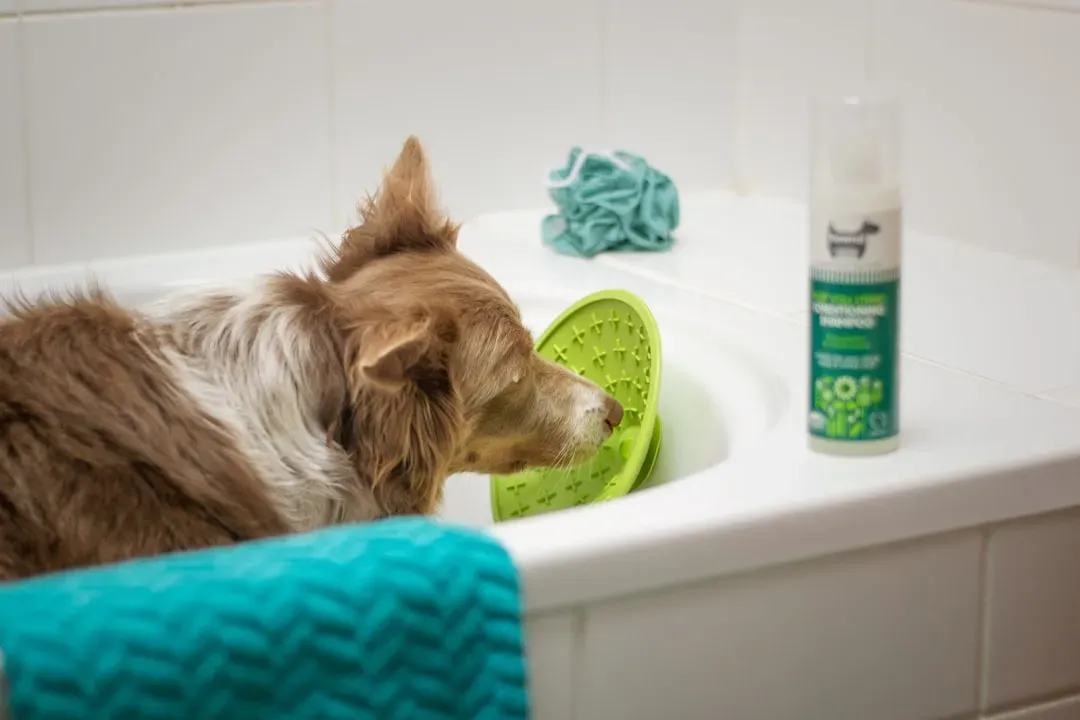
Preparation is absolutely everything when it comes to successful bath time. The key to bathing a dog is to be prepared, because there’s nothing worse than having a wet dog chasing you through the house as you search for towels. Gather all your supplies beforehand: dog-specific shampoo, towels (multiple ones), a brush, treats, and a non-slip mat.
If your dog has medium or long fur, brush them and remove mats and tangles before the bath, as water makes mats worse. This step saves you frustration later and makes the whole process gentler on your dog’s skin. Also, pick a quiet time when your household is calm. Choose a quiet time when there isn’t much activity going on in the home and when your dog has recently eaten a meal, as they’re more likely to be calm.
Create a Paws-itive Association with the Bath Space
Occasionally feeding your dog in the bathtub will make them enjoy that space more than if they only associate it with scary, constrictive experiences. I know it sounds unusual, but trust me on this one. Let your dog explore the dry tub with their favorite toys before introducing any water.
Put your dog’s favourite toys in a dry bath and let them play and explore, offering treats so they start to associate the bath with getting a reward. This desensitization process takes time, maybe several sessions, but it’s worth every minute. Your dog needs to learn that the bathroom isn’t a place of terror but somewhere good things happen. Patience here pays massive dividends down the line.
Master the Art of Gentle Introduction
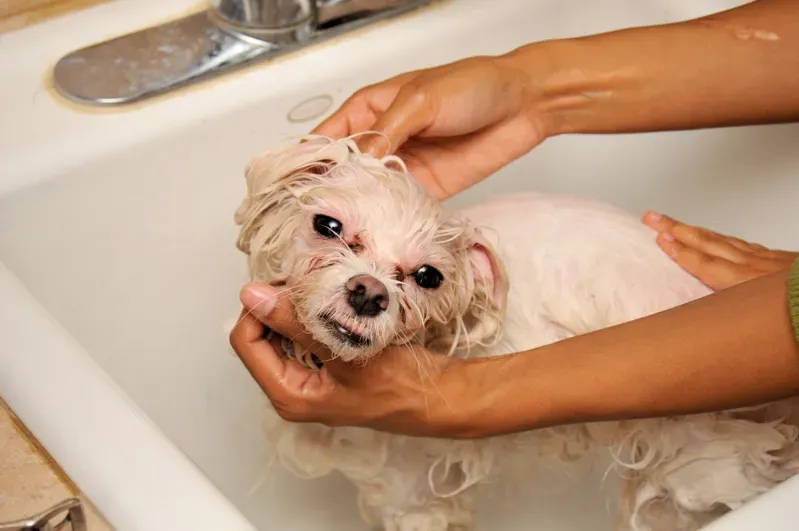
The ideal bath water temperature for dogs is warm, but not hot, and setting a comfortable temperature is especially important for canines who aren’t excited about baths. Never just dump water on your dog all at once. Start by wetting their paws and work your way up their body, letting them take in the feeling and experience before pushing too far.
Use a non-stick mat in the tub to prevent slipping and avoid using high-pressure water like a showerhead since that can be stressful, instead using a cup or lower-pressure device for rinsing. Throughout the entire process, speak to your dog in a calm, soothing voice. Don’t pay excessive attention to nervous behavior, instead reassure your nervous dog and proceed with the bath confidentially, as your nervous dog will follow your lead.
Use Treats and Distractions Like a Pro

This is where things get fun. Go slow and offer plenty of treats during the process, with a big reward when you’re done, and a lick mat slathered in peanut butter can be a great way to keep your pup focused on something other than the bathing process. Seriously, lick mats are game changers for anxious dogs during bath time.
During the bath itself, it’s important to be very generous with high-value dog treats. Keep those treats coming consistently, not just at the end. Your dog should feel like every moment they stay calm and cooperate earns them something wonderful. Sandwiching bathtime between two bonding activities like a long walk before and playtime after creates a positive association with bathtime itself.
Choose Products That Actually Work for Your Dog

Dogs have different pH than people in their skin and are actually more alkaline, so using shampoo made for people can be irritating to their skin. Never use your own shampoo on your dog, no matter how tempting it might be. Use shampoo formulated for canines, and dogs with sensitive skin may benefit from a hypoallergenic formula.
Some dog shampoos need to be diluted with water before use; otherwise, the formula is too intense for dogs’ sensitive skin. Always read the bottle instructions carefully. If your dog has specific skin conditions, allergies, or excessive itching, talk to your vet about medicated options. The right shampoo can make a remarkable difference in how your dog’s skin feels afterward, which influences how they view future baths.
Perfect Your Bathing Technique
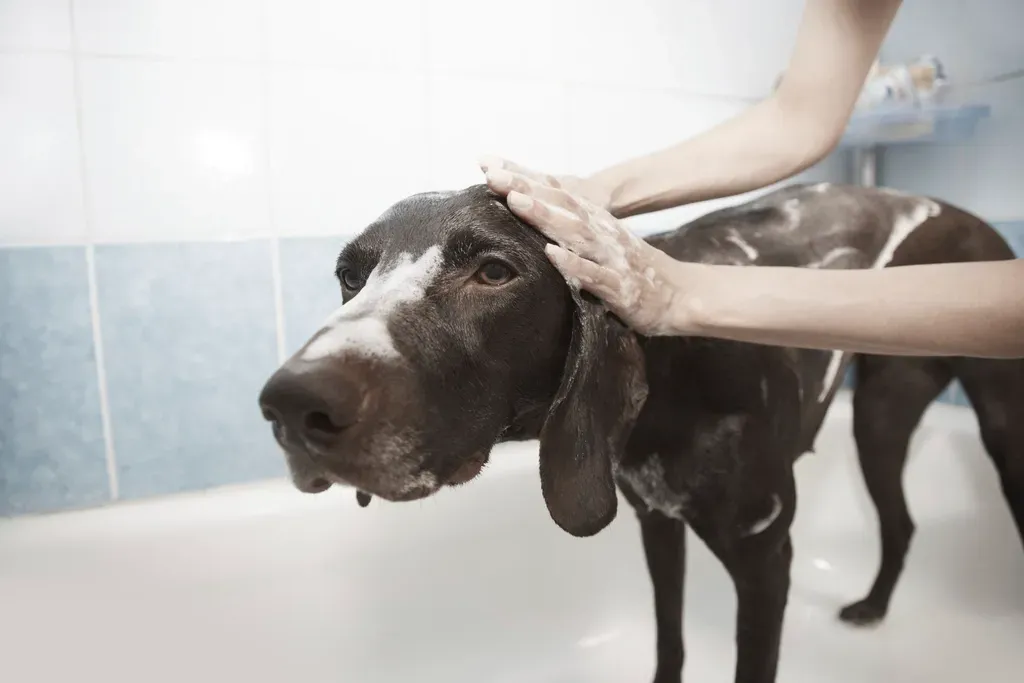
Start at the base of the neck to wet a dog’s coat fully, apply a pet-safe shampoo and gently massage into their wet coat, then allow it to set for about five minutes to maximize its effectiveness. Work methodically from neck to tail, making sure you don’t miss those easy-to-overlook spots like armpits, paws, and under the chest.
Make sure you rinse all parts of your dog’s body at least once, ensuring you don’t miss any shampoo hidden beneath fur, including areas like paws, armpits and belly. Leftover shampoo can irritate skin and cause itching, which will make your dog dislike future baths even more. For the face, use a wet washcloth to carefully wet your dog’s face, put a very small amount of shampoo on the washcloth, and take short breaks if your pup appears stressed.
Nail the Drying Process and Celebrate Success
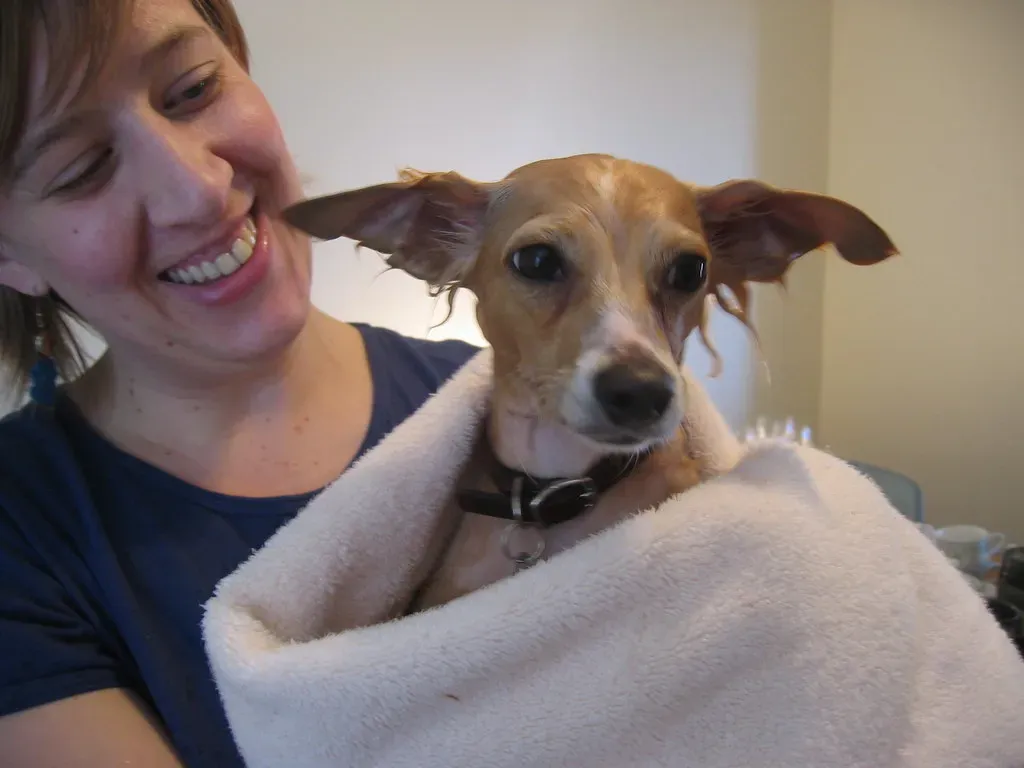
Wrap them in a towel, gently patting them dry to remove excess water, and avoid rubbing too much because that can tangle their fur or potentially irritate their skin. Let your dog shake off naturally once or twice, they need that release. It may be helpful to use a cotton ball to gently dry around the opening of the ear canal to avoid yeast and bacteria infections.
Some owners like to use a blow dryer, but if you do, don’t use the hottest setting and hold it at least one foot away so you don’t burn the skin. After everything is done, make a huge fuss over your dog. Give them their favorite treat, engage in play, or offer extra cuddles. This positive ending reinforces that bath time ultimately leads to wonderful things. Over time, with consistency and kindness, you’ll notice your dog’s resistance fading bit by bit.
Conclusion: Building Trust One Bath at a Time
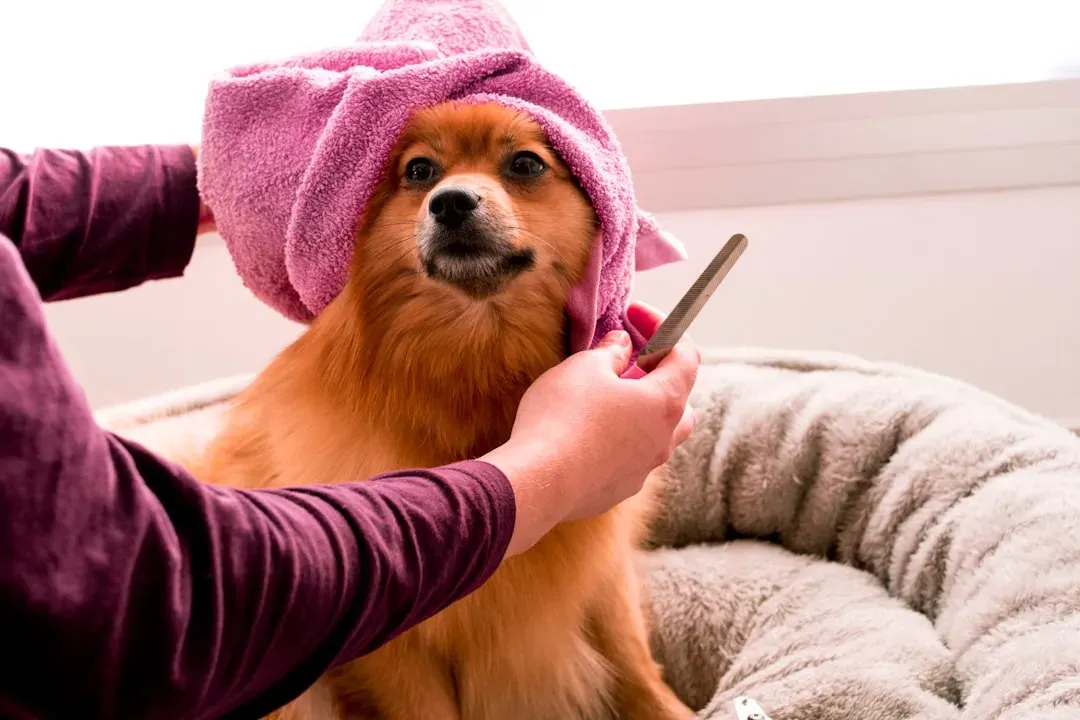
Making bath time easier for your dog isn’t about forcing compliance or rushing through the process. It’s about building trust, creating positive associations, and respecting your dog’s emotional state throughout the experience. Yes, it takes more time upfront to do things right, but the payoff is enormous.
Every successful bath strengthens the bond between you and your furry friend. You’re showing them that even uncomfortable situations can be managed with patience and care. Remember, a healthy dog who isn’t outside getting especially dirty and who doesn’t smell bad usually needs a bath about every four weeks, so you won’t have to do this constantly.
What tricks have worked best for your dog during bath time? Have you discovered any game-changing techniques that made everything click? Share your experiences in the comments below, we’d love to hear what’s working for you and your pup.


