
You’ve probably seen it. That tiny puffball growling at a German Shepherd triple its size. Or maybe you’ve witnessed a pocket-sized dog snapping at ankles like it’s the boss of the neighborhood. There’s this strange assumption that small dogs are harmless because, well, they’re small. That couldn’t be further from the truth, honestly.
Research shows that the top three most aggressive breeds are the dachshund, chihuahua and Jack Russell terrier. Yeah, let that sink in for a moment. These pint-sized pups can pack quite the temperamental punch when things don’t go their way. Let’s be real, aggression isn’t about size. It’s about behavior, upbringing, and sometimes those hard-wired instincts that remain from centuries of selective breeding. So let’s dive into which small breeds can surprise you with their feisty attitudes.
Chihuahua: The Tiny Tyrant with a Big Bark
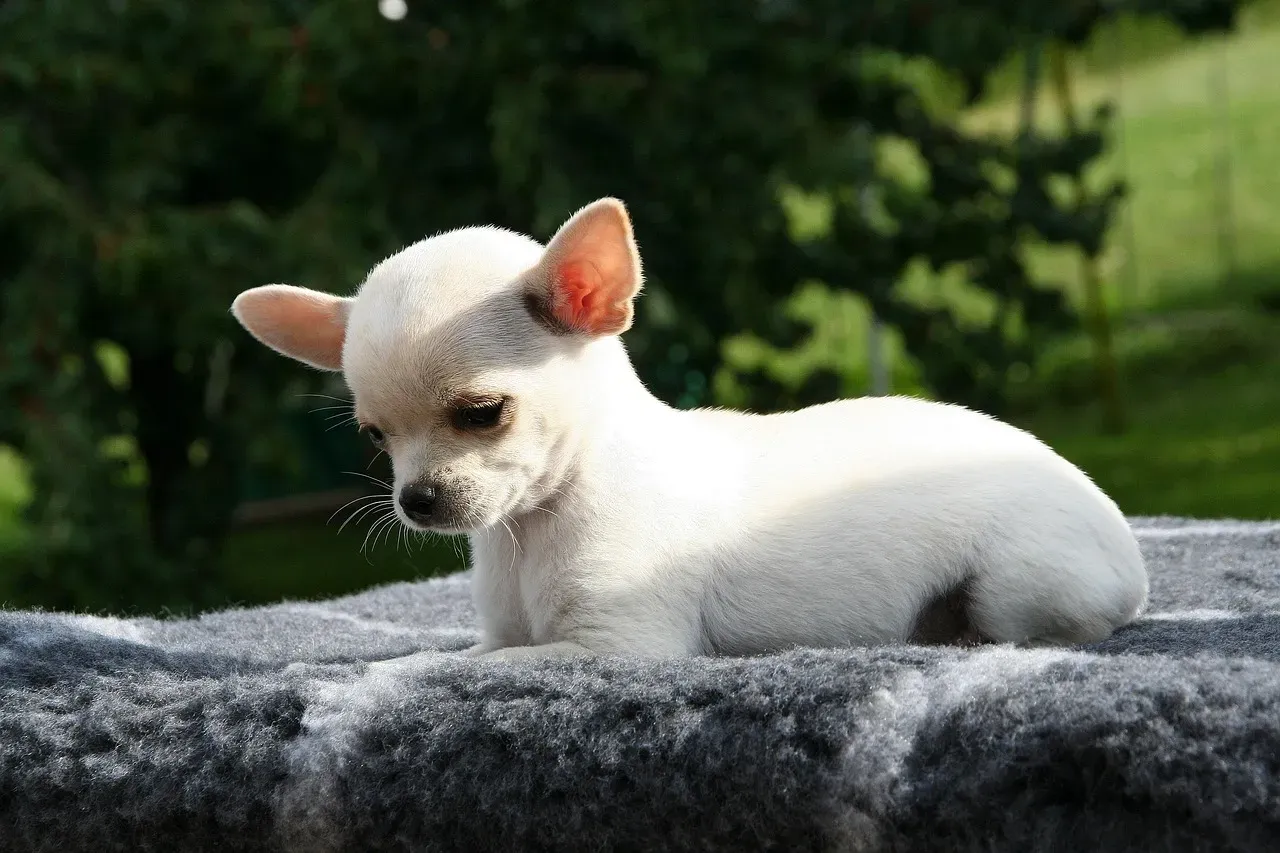
The title of the most aggressive dog often goes to the diminutive Chihuahua, and studies consistently highlight the Chihuahua’s high aggression levels toward humans and other dogs. I know what you’re thinking – how can something that weighs less than a cantaloupe be a threat? The thing is, being tiny can make any animal feel vulnerable, and the Chihuahua often compensates with aggressive displays.
Think of it like this. You’re surrounded by giants every single day, and everything around you seems designed for creatures ten times your size. Small dogs may lash out as a defense mechanism for the fear they are feeling. That nip or snarl? It’s not malice. It’s survival instinct kicking into overdrive. Owners may unintentionally reinforce bad behavior due to the dog’s small size, not correcting biting or growling because it seems harmless. See where the problem starts?
Dachshund: The Fearless Hunter in a Sausage Body

Dachshunds were originally bred to hunt badgers, so it’s no surprise they can be assertive and territorial. Picture a dog bred specifically to go underground and face off with an animal notorious for its aggression. That takes guts. That also takes a stubborn, relentless personality.
One in five dachshunds have bitten or tried to bite strangers, and a similar number have attacked other dogs; one in 12 have snapped at their owners. Those aren’t small numbers. Sometimes, their size makes them feel like they have to prove themselves, and boy, do they prove it. Dachshunds can be sweet companions, sure, but cross them or invade their space without warning, and you might see the badger hunter emerge.
Jack Russell Terrier: Bold, Driven, and Ready to Rumble
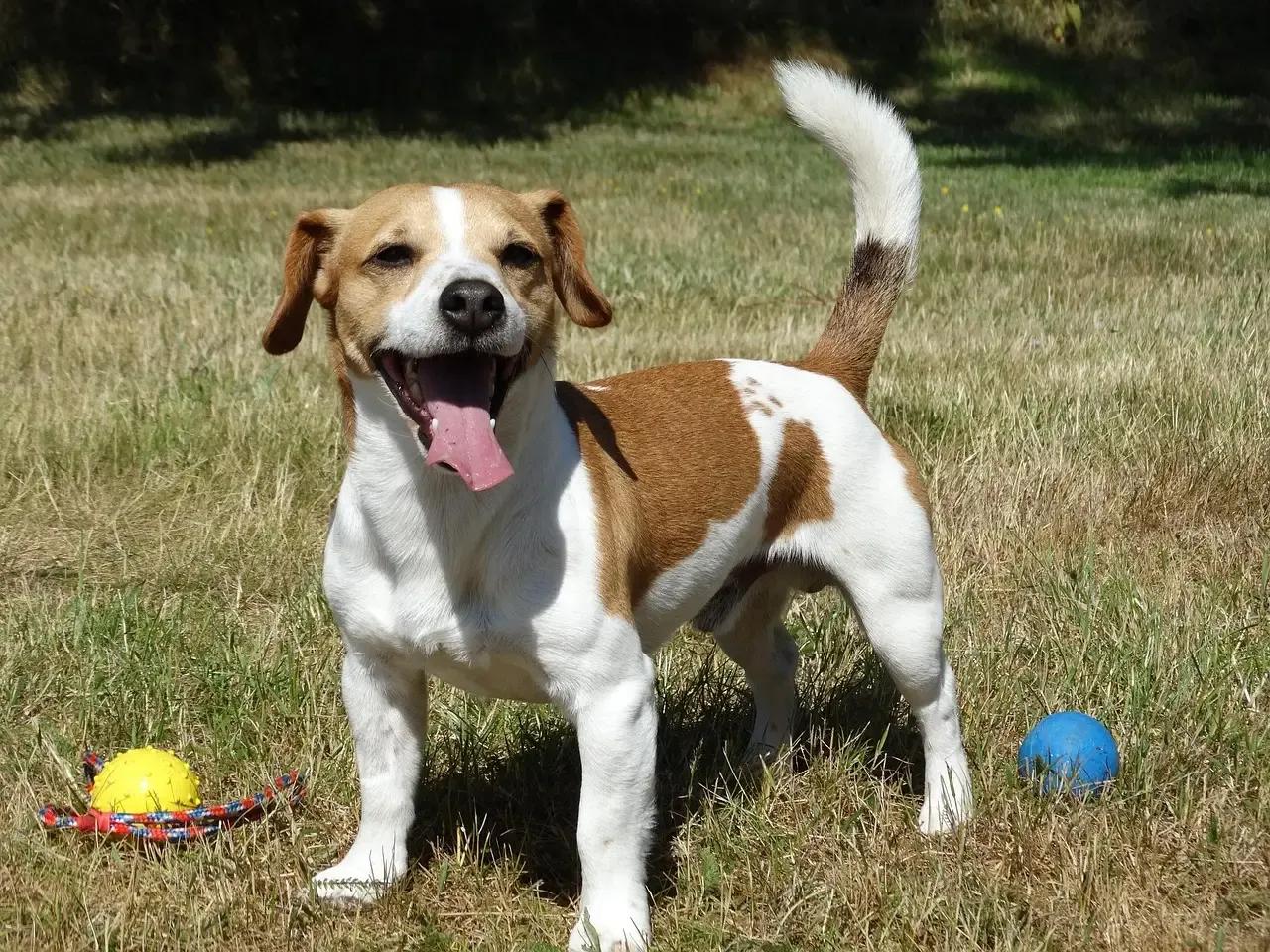
While they are not bred specifically to be aggressive, Jack Russells are fearless, bold, driven and highly intelligent, originally bred to hunt foxes and flush them out from their dens. That history contributes to a temperament that doesn’t back down easily. These dogs are bundles of energy wrapped in fur, and without proper outlets for that energy, things can go sideways fast.
The breed is naturally assertive and may not tolerate young children or other animals in the home, and they especially can be aggressive toward other dogs. I’ve seen Jack Russells challenge dogs five times their size without hesitation. Most behavioral problems like aggression are due to a lack of companionship, discipline, activity and exercise. Give a Jack Russell a job, plenty of walks, and mental challenges, and you’ll have a happier pup. Neglect those needs? Good luck.
Yorkshire Terrier: Small Package, Big Attitude
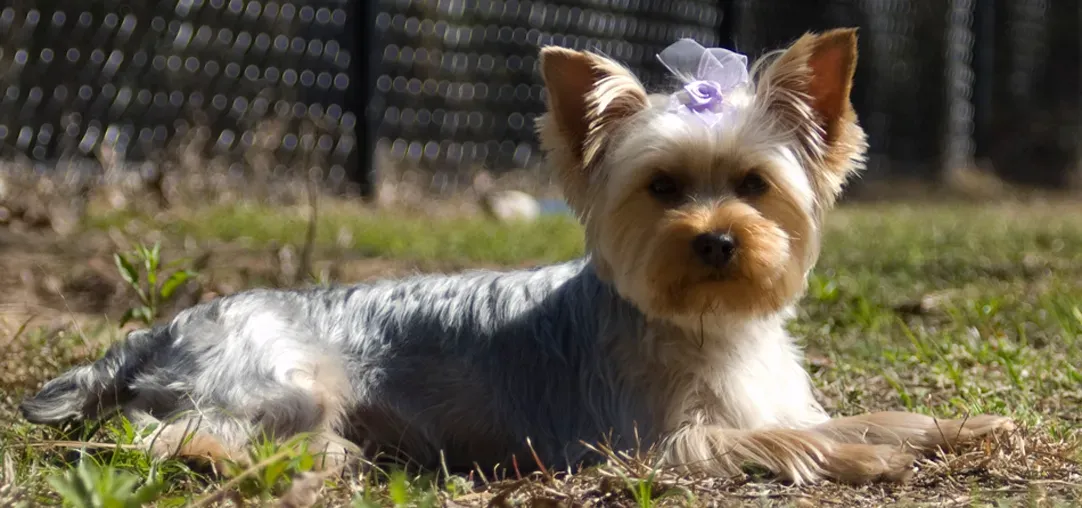
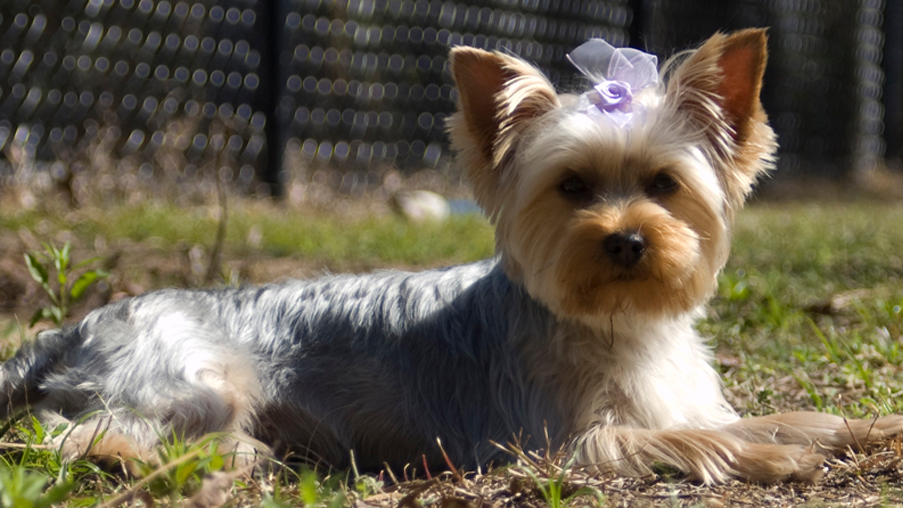
Yorkies might look like they belong in a designer handbag, but don’t let that fool you. These terriers were originally bred to catch rats in mills and mines, which required tenacity and fearlessness. That scrappy mentality hasn’t disappeared just because they now live in condos and wear bows.
Like many small breeds, Yorkies can develop what’s called Small Dog Syndrome if owners treat them more like babies than dogs. When you constantly carry a dog around, pick them up at the first sign of trouble, or excuse their snapping because “they’re just protecting me,” you’re teaching them that aggressive behavior gets rewarded. The result? A pint-sized dictator who thinks the world revolves around them.
Pekingese: Regal Roots, Stubborn Soul
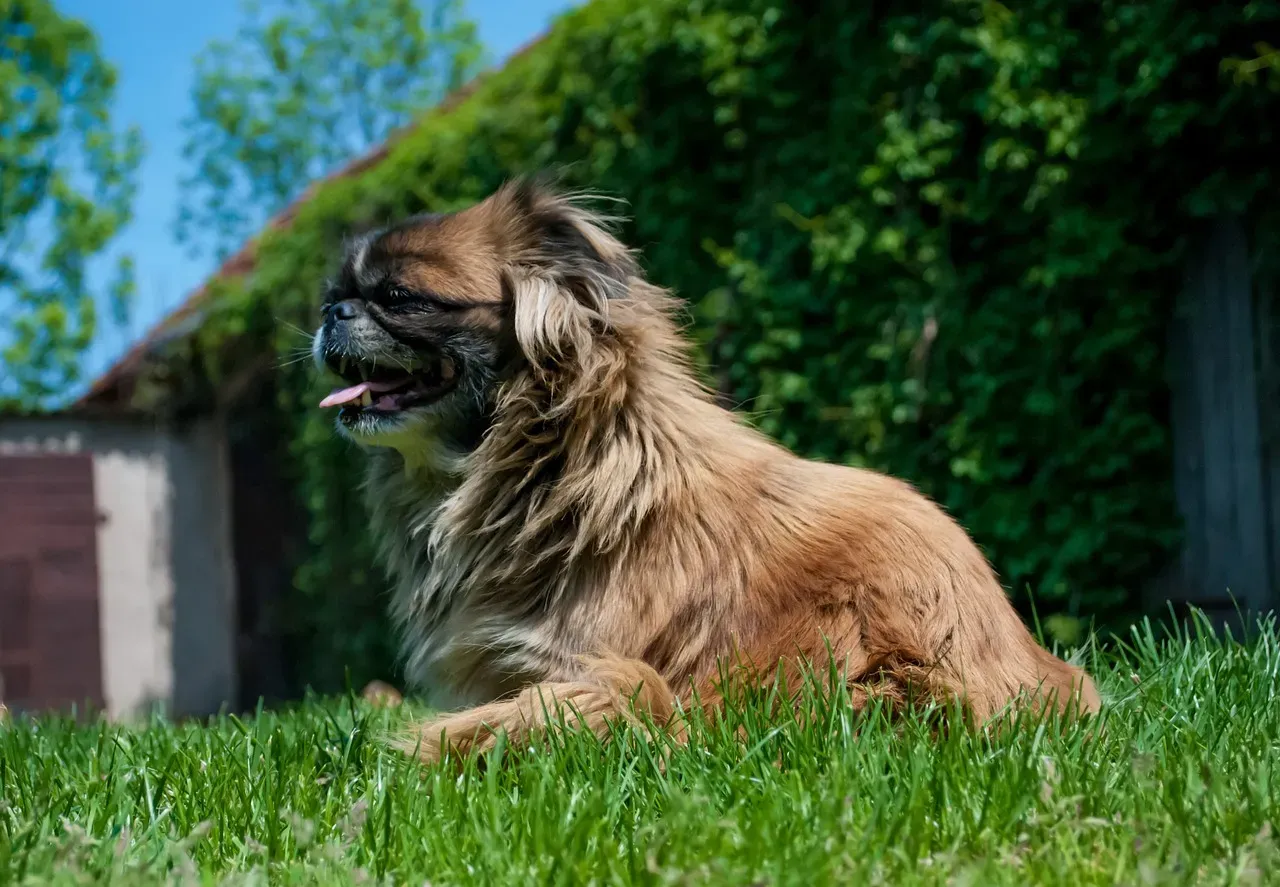
Despite their small stature, Pekingese can exhibit a bold and confident nature, and this inherent courage makes them surprisingly assertive, which can sometimes be mistaken for aggressive behavior. Bred for Chinese royalty, these dogs carry themselves with a dignified air that borders on arrogance.
Pekingese may show aggression when they feel threatened or are in a high-stress situation. Pekingese usually bond with one person and prefer being around their families, and they can be wary of strangers and also have a relatively loud bark. That wariness can quickly turn into defensive aggression if they perceive a threat, whether real or imagined. These aren’t dogs that warm up to everyone, and they won’t hesitate to let you know when you’ve crossed a line.
Shih Tzu: Gentle, But Not Always

The Shih Tzu dog usually is not an aggressive breed, but some of these cute lion dogs can exhibit an aggressive streak, and the severity varies from dog to dog. Honestly, Shih Tzus are generally affectionate little companions, but certain circumstances can bring out undesirable behaviors.
Sometimes, since the Shih Tzu is small in size, aggressive behavior may be ignored or dismissed as no big deal, but if this negative behavior goes unchecked, your dog will assume it is okay and keep doing it, and it will likely get worse over time. Health issues, lack of socialization, or even just feeling insecure can trigger snappiness in a breed that’s typically laid-back. Never assume size equals harmlessness.
Pomeranian: Fluffy Clouds with Sharp Teeth

Pomeranians are basically miniature lions in their own minds. They strut around with confidence that far exceeds their physical presence. Weighing in at just a few pounds, Poms can be surprisingly territorial and vocal. Their ancestors were much larger Spitz-type dogs used for herding and guarding, so that protective instinct is deeply embedded.
These fluffy little dogs often suffer from what trainers call the Napoleon Complex. They’ll bark at anything that moves, challenge dogs ten times their size, and guard their owners like they’re precious jewels. Without early socialization and consistent boundaries, Pomeranians can become snappy, anxious little tyrants who rule the household with an iron paw. The key is treating them like dogs, not fashion accessories.
Cocker Spaniel (American): Sweet Face, Surprising Temper

Wait, Cocker Spaniels? Yes, believe it or not. While they’re often celebrated for their gentle, family-friendly nature, American Cocker Spaniels can develop something called “rage syndrome” or sudden-onset aggression. It’s rare, but when it happens, it’s startling because it seems to come out of nowhere.
Beyond that, poorly bred or improperly socialized Cockers can display fear-based aggression, especially if they’ve had negative experiences. They can become defensive around strangers or reactive in unfamiliar situations. The good news is that with proper training, socialization, and responsible breeding practices, most Cocker Spaniels are loving companions. Still, it’s a reminder that even breeds known for sweetness can have individuals with challenging temperaments.
Understanding the Root Causes
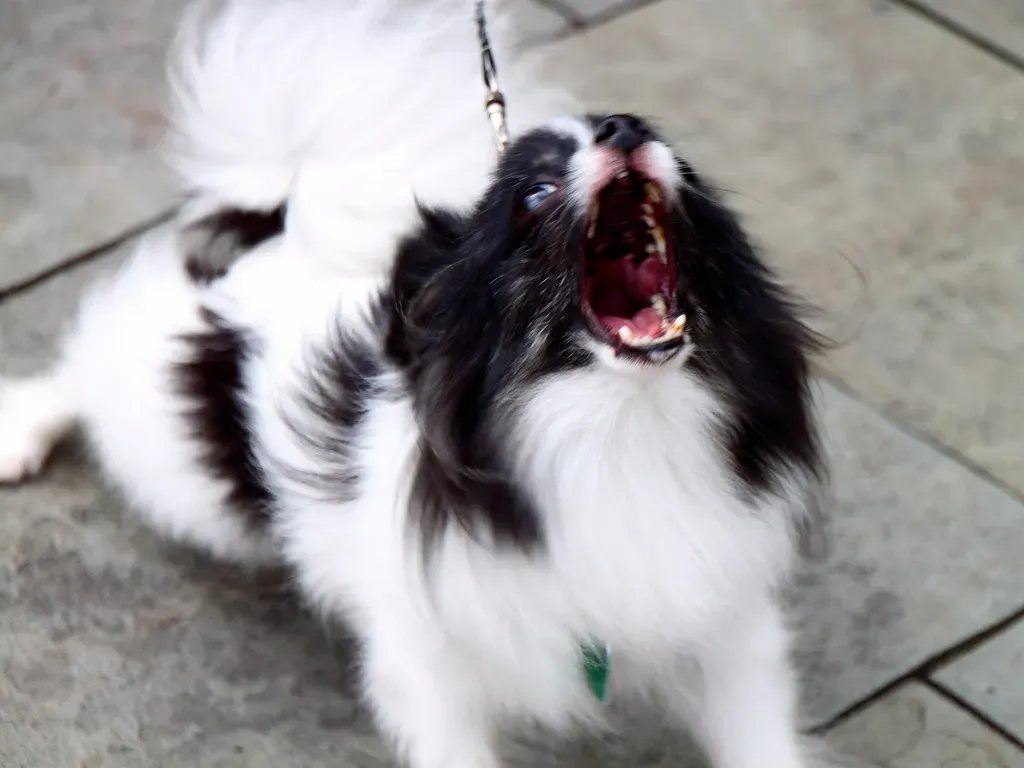
Here’s the thing. Several factors increased the probability of aggressive behaviour toward people: older age, being male, fearfulness, small body size, lack of conspecific company, and being the owner’s first dog. Aggression isn’t just about breed. It’s a complex mix of genetics, environment, training, and how owners respond to early warning signs.
A researcher suggests that smaller breeds may have a genetic predisposition towards aggressive behavior than larger dogs. One reason that these smaller breeds don’t make for noteworthy attention when it comes to any hostile behavior is clear: because of their size, a chihuahua won’t inflict the same amount of damage as a larger dog. That’s the crux of the problem. We excuse the behavior because the consequences seem minor. A nip from a Chihuahua hurts, sure, but it won’t send you to the emergency room like a bite from a Rottweiler might. So we laugh it off, and the behavior continues.
Veterinarians and owners reported much higher levels of aggressive behavior from small and medium dogs than from large dogs, and this is likely due to smaller aggressive dogs receiving less training because they don’t cause as much damage as a large dog. It’s a vicious cycle.
Conclusion
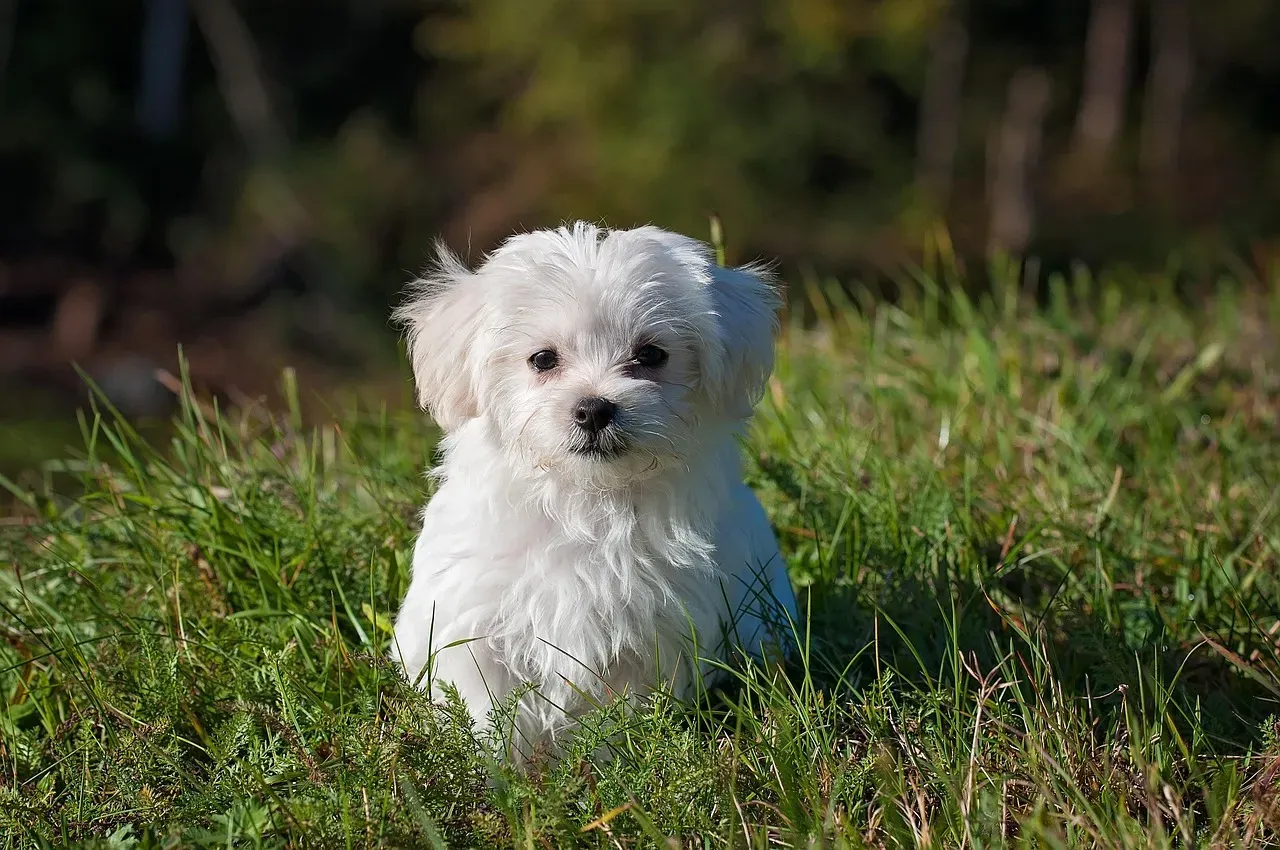
Small dogs can absolutely be aggressive, and ignoring that fact does them no favors. Small dogs were more likely than medium-sized and large ones to be aggressive, and fear often plays a massive role in that behavior. The best thing you can do for your small dog is treat them like, well, a dog. Train them, socialize them, set boundaries, and don’t excuse bad behavior just because they’re cute.
Aggression in small breeds is manageable and often preventable with the right approach. Whether it’s a Chihuahua with a chip on its shoulder or a Jack Russell ready to take on the world, understanding the why behind the behavior is the first step toward a healthier, happier relationship with your four-legged friend. What do you think? Have you ever been surprised by a small dog’s big attitude? Let us know in the comments.


