
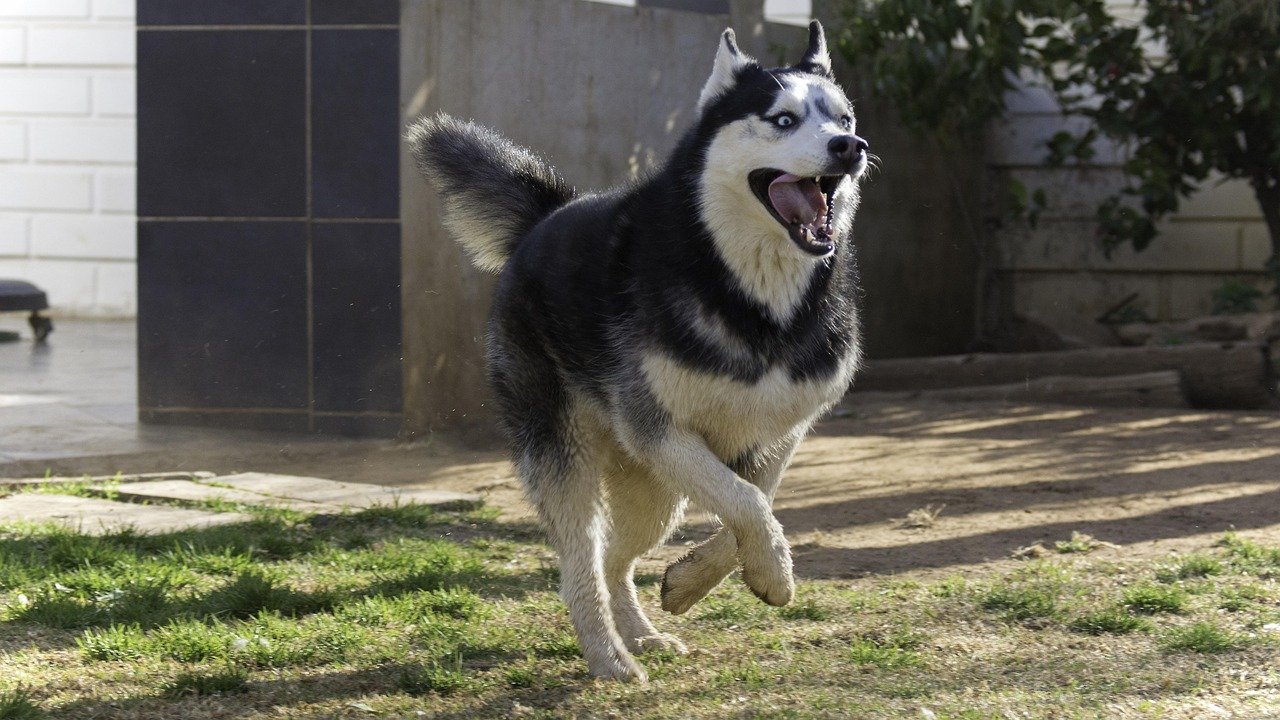
Anyone who’s ever lived with a dog knows that barking is part of the deal. It’s how they talk to us, after all. Yet some dogs take this communication method to an entirely different level, transforming quiet afternoons into symphonies of sound that make you question every life decision that led to this moment. While training can help manage the noise, some breeds are simply wired to be loud.
The frequency of barking varies from breed to breed because it’s in their genes. This means no amount of treats, training sessions, or pleading will fully silence certain dogs. They were born to bark, and they’re going to do it whether you like it or not.
1. Beagle
Beagles were bred to howl during hunts to alert hunters of their location and prey, making them another loud dog breed. Their distinctive bay isn’t just loud. It’s piercing, musical, and can travel what feels like miles. If you live in an apartment or have neighbors within shouting distance, a Beagle might test those relationships.
Beagles are famous for their loud “bay” (a specific type of bark) that is often heard when they’re tracking or excited, and they bark constantly when they catch a scent or are left alone. Their noses lead the way, and their mouths follow right behind. Once they pick up an interesting scent, good luck getting them to focus on anything else.
2. Chihuahua
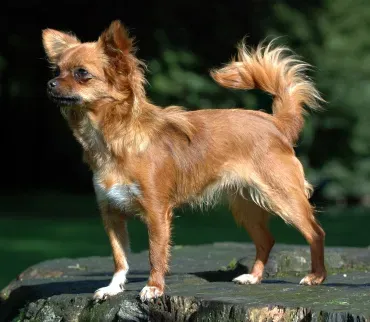
Don’t let the size fool you. Despite their size, Chihuahuas are big barkers with a high-pitched sound that can startle. These tiny dogs carry themselves with the confidence of animals ten times their weight, and they want everyone to know it.
They bark due to their strong sense of alertness in unfamiliar situations or as a way to assert their dominance. Whether it’s the mailman, a leaf blowing past the window, or an invisible ghost only they can see, Chihuahuas will announce it all. Training might reduce the volume slightly, but their instinct to sound the alarm runs deep.
3. Dachshund

The dachshund has a unique bark, which is somehow both high-pitched and exceptionally loud, and they are notorious for using it all the time. These little hunters with long bodies and stubborn personalities were originally bred to go underground after badgers. That takes guts, and it also requires a voice that can be heard from deep within a tunnel.
This tendency stems from their past as hunting dogs, bred to alert their handlers underground. Modern Dachshunds might not be chasing badgers anymore, but their vocal cords didn’t get the memo. They’ll bark at strangers, squirrels, the neighbor’s cat, and sometimes just because they feel like it.
4. Yorkshire Terrier
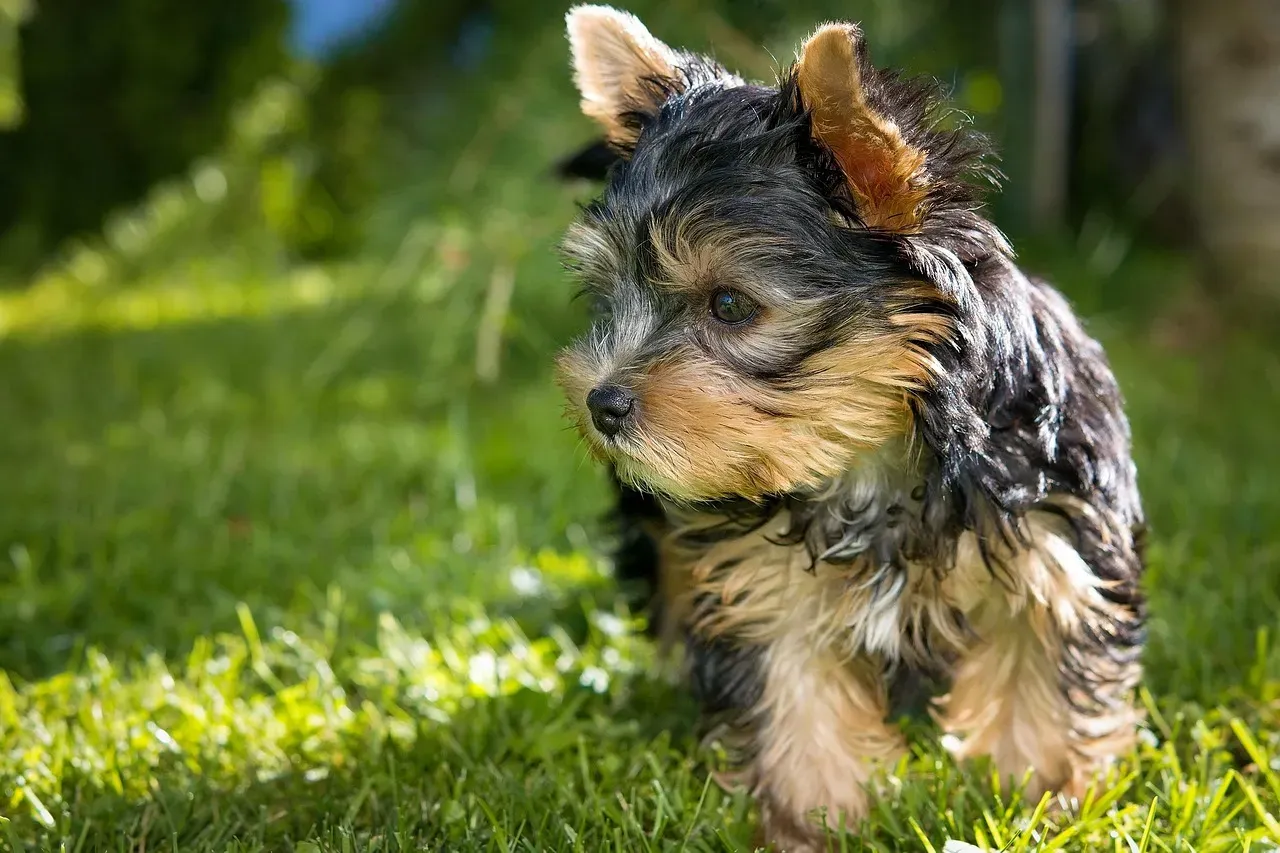
Yorkies are tiny bundles of sass packed into silky coats. These pups have a lot of attitude, which comes through in barking vocalizations. They believe they run the household, and honestly, they’re probably right. Their bark is sharp, frequent, and impossible to ignore.
These little dogs bark, bark, bark to alert the home of every little thing. A stranger at the door? Bark. A bird outside? Bark. You moved from the couch to the kitchen? Also bark. Their alert system is perpetually set to maximum sensitivity, and training rarely dials it down completely.
5. Miniature Schnauzer
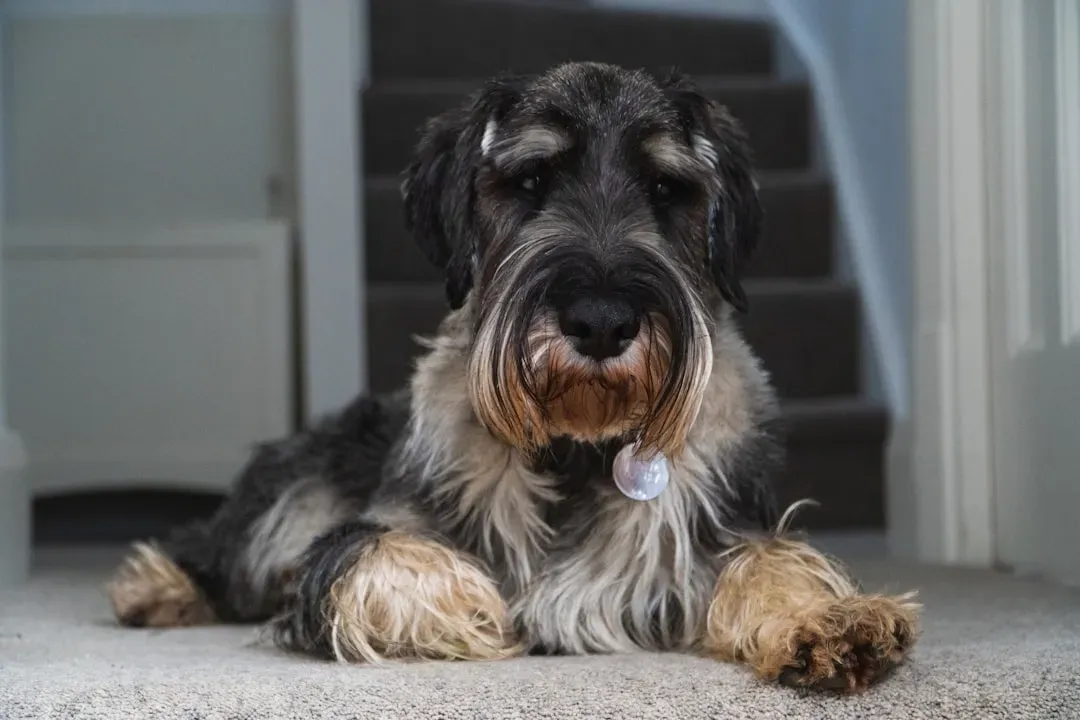
These bearded charmers are incredibly smart, which can be both a blessing and a curse. Energetic, small and mischievous, these dogs do not hesitate to let their household know the goings on in the neighborhood. They take their watchdog duties seriously, perhaps a bit too seriously.
Miniature Schnauzers bond tightly with their families, and that protective instinct translates into a lot of noise. They’ll bark at delivery drivers, passing dogs, and anyone who dares approach their territory. Training can teach them when to stop, but getting them not to start in the first place is nearly impossible.
6. Siberian Husky
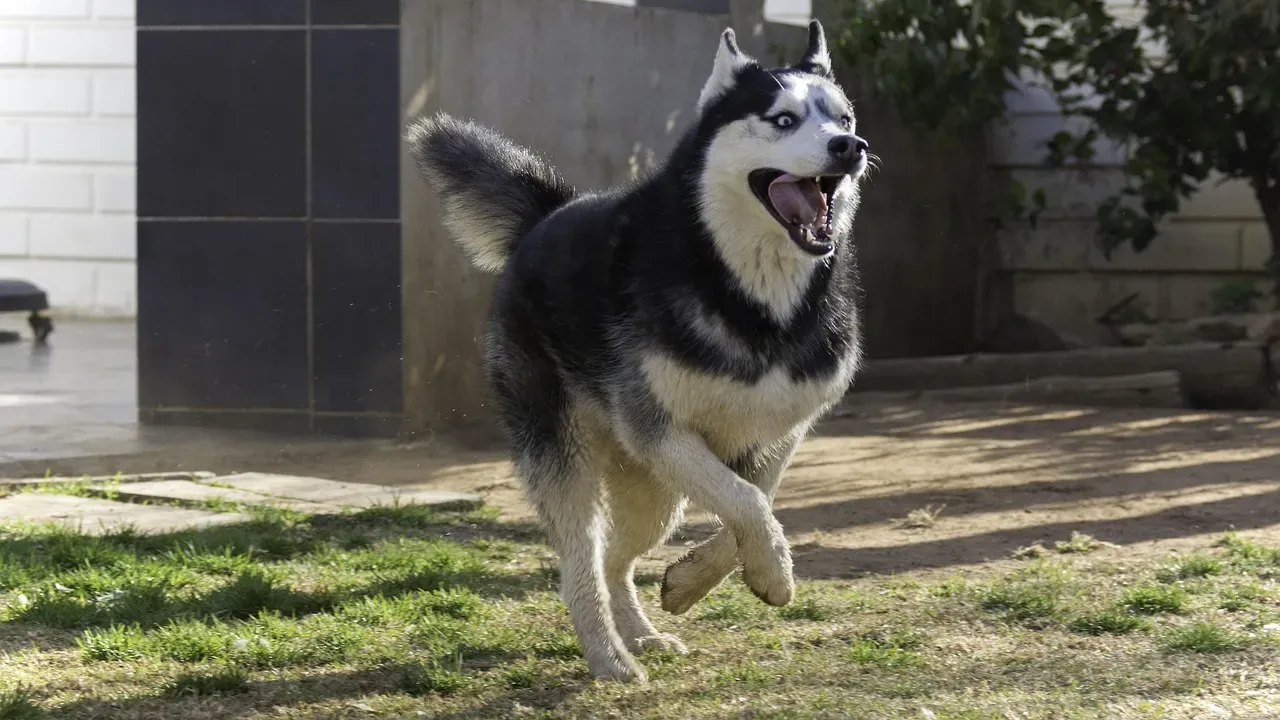
Siberian Huskies don’t necessarily bark a lot, but they’re described as a talkative breed, and they will whine, howl, groan and ‘talk’ for hours. If you’ve ever heard a Husky “talking back” to their owner, you know exactly what this means. It’s not barking in the traditional sense, but it’s certainly not quiet.
Their DNA is closely linked to wolves, so their vocalisation is more similar to that of their ancestors, and Huskies were sled dogs and travelled over large distances; communication was important. They’re expressive, dramatic, and love to share their opinions about everything. Silence is simply not in their vocabulary.
7. Basset Hound
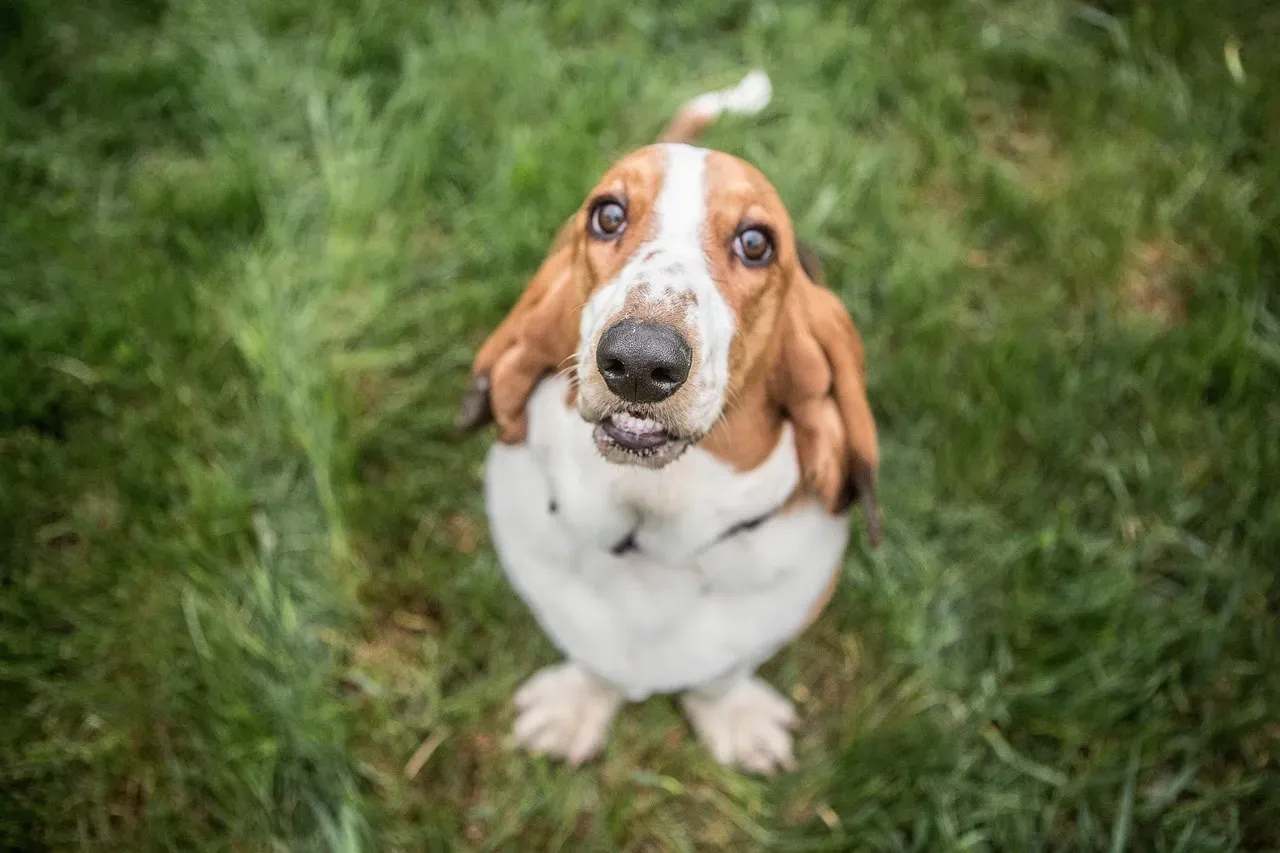
They announce all company with a distinct howling type bark that will raise the roof. Basset Hounds have droopy ears, sad eyes, and voices that can wake the dead. Their howl is deep, resonant, and carries far beyond your property line.
The Basset was intended as a tracker and is easily distracted by scents and activities. Like their Beagle cousins, they were bred to track prey and alert hunters. That means their vocal chords are built for volume and endurance. Once they start baying, it’s hard to get them to stop.
8. German Shepherd
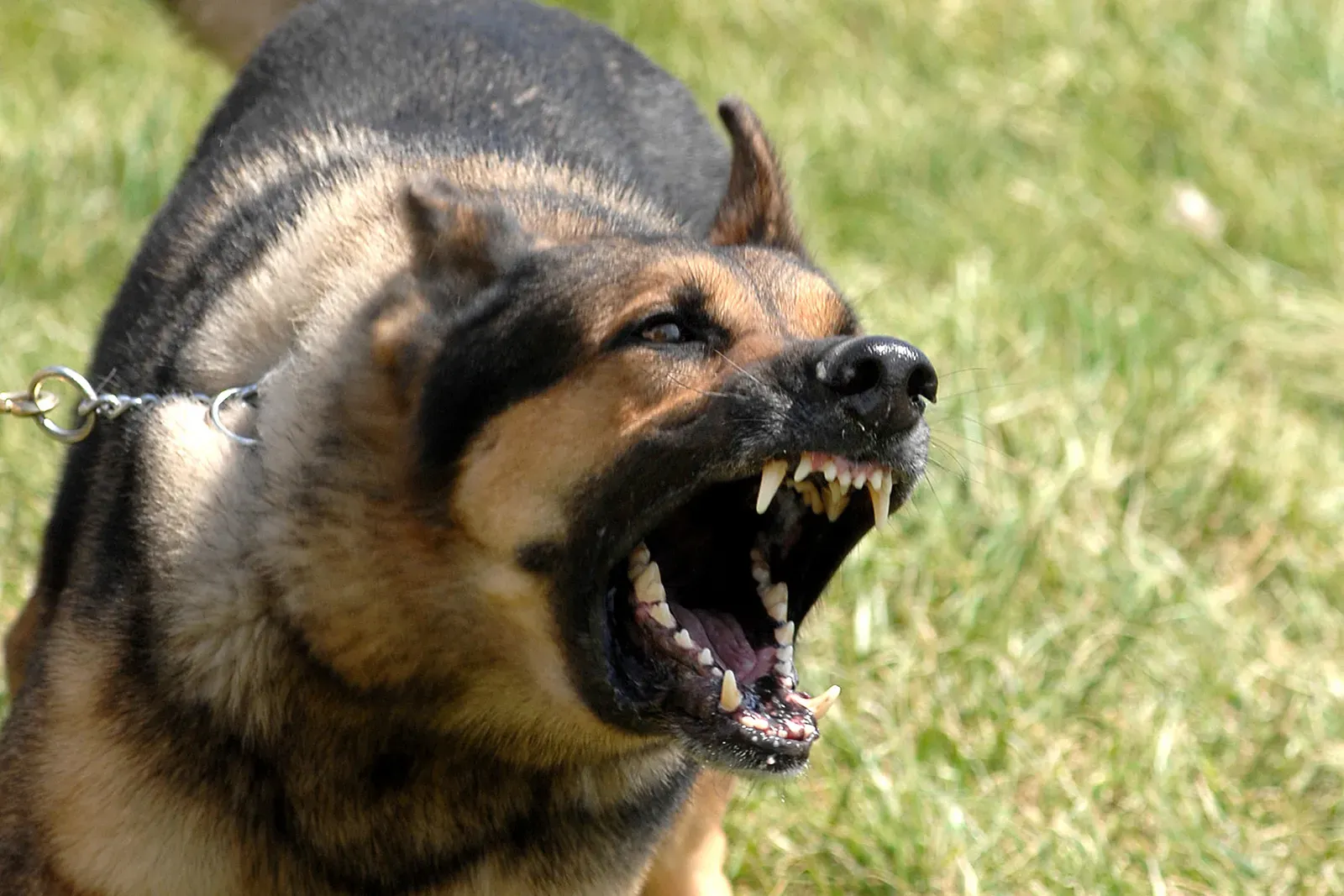
German Shepherds are generally more expressive and have a very distinctive loud bark, and they have a long history of working alongside humans, assisting them in herding livestock and for protection. Their bark commands attention, and that’s exactly the point. These intelligent, protective dogs were bred to guard and alert.
Their deep, booming bark is designed to intimidate, and it works. While German Shepherds are highly trainable, their instinct to protect their family and territory means they’ll always be vocal when they sense something off. It’s hard to train out what’s been bred in for generations.
9. Jack Russell Terrier
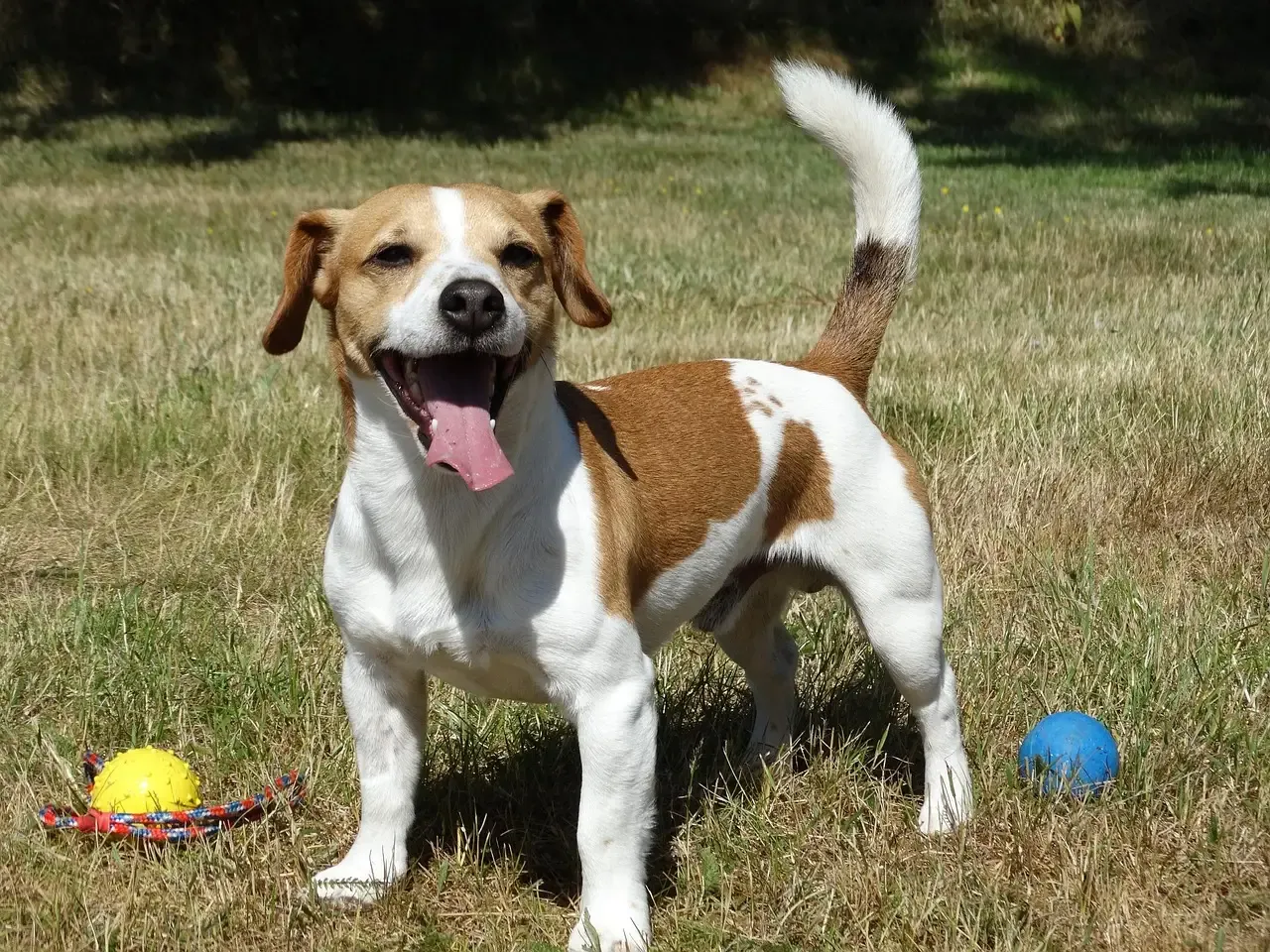
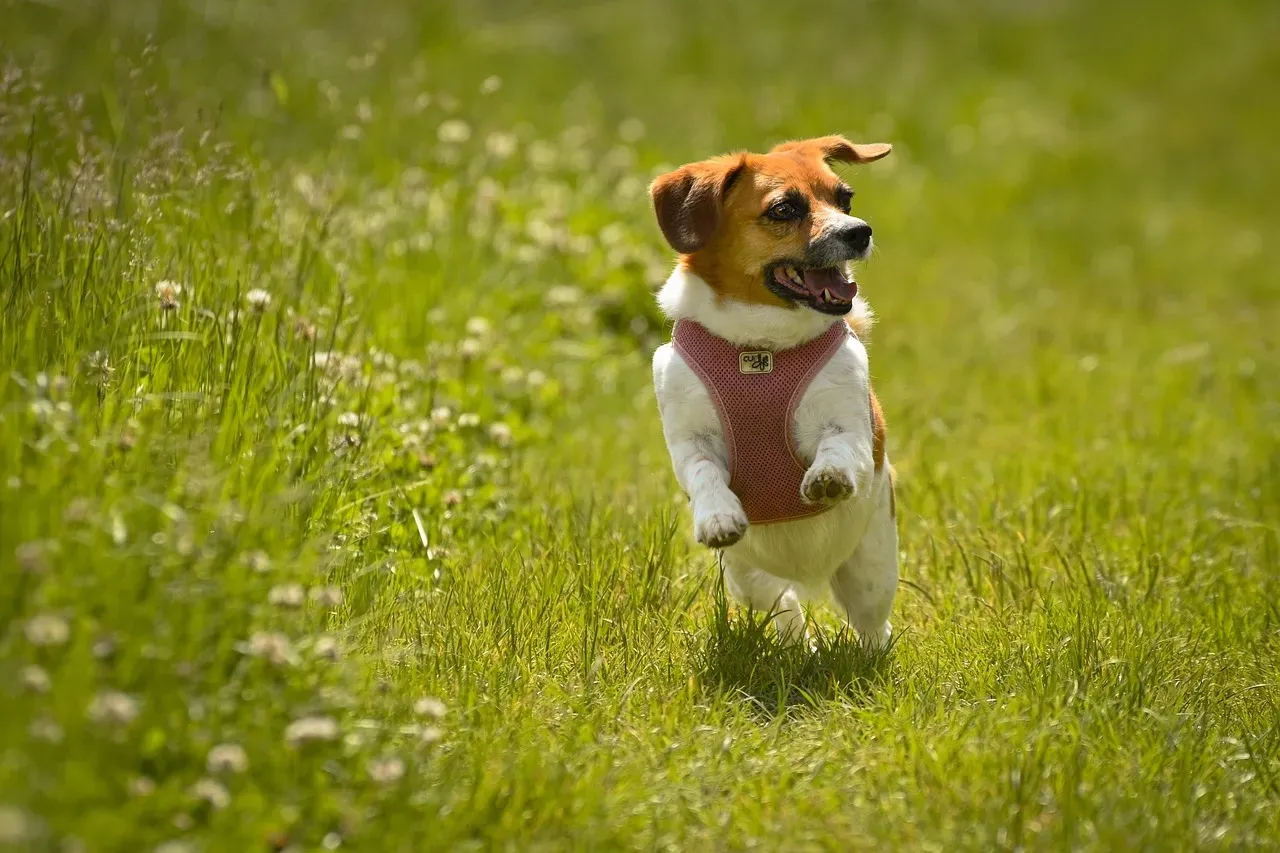
Jack Russells are small but pack a big personality, often barking to express excitement or get attention, and they were bred for hunting, which means they are highly energetic and vocal. These tiny terrors are bundles of energy wrapped in compact bodies, and they need an outlet for all that intensity.
Known for their energetic, sassy personalities the Jack Russell does not discriminate between who gets told off. They’ll bark at family, strangers, other dogs, and inanimate objects with equal enthusiasm. Their high energy levels mean they’re constantly on alert, always ready to sound off at a moment’s notice.
10. West Highland White Terrier
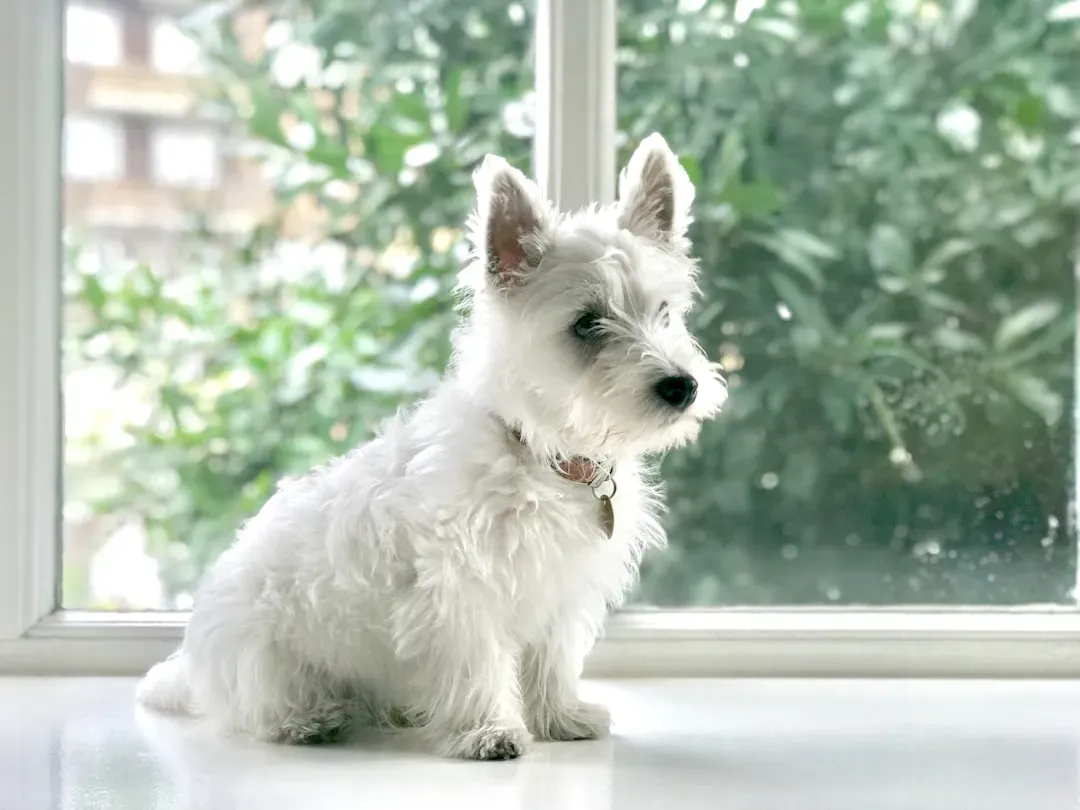
A Westie will bark and alert you about everything. These scrappy little white dogs are fearless, spirited, and incredibly vocal. They see themselves as much larger than they actually are, and their bark reflects that confidence.
This bundle of energy loves to play, and they also love to verbally announce everything they see, hear, feel, touch, might touch, possibly see, and maybe hear. Westies are very verbal. Training can help reduce some of the noise, but their terrier instincts are strong and persistent.
11. Alaskan Malamute
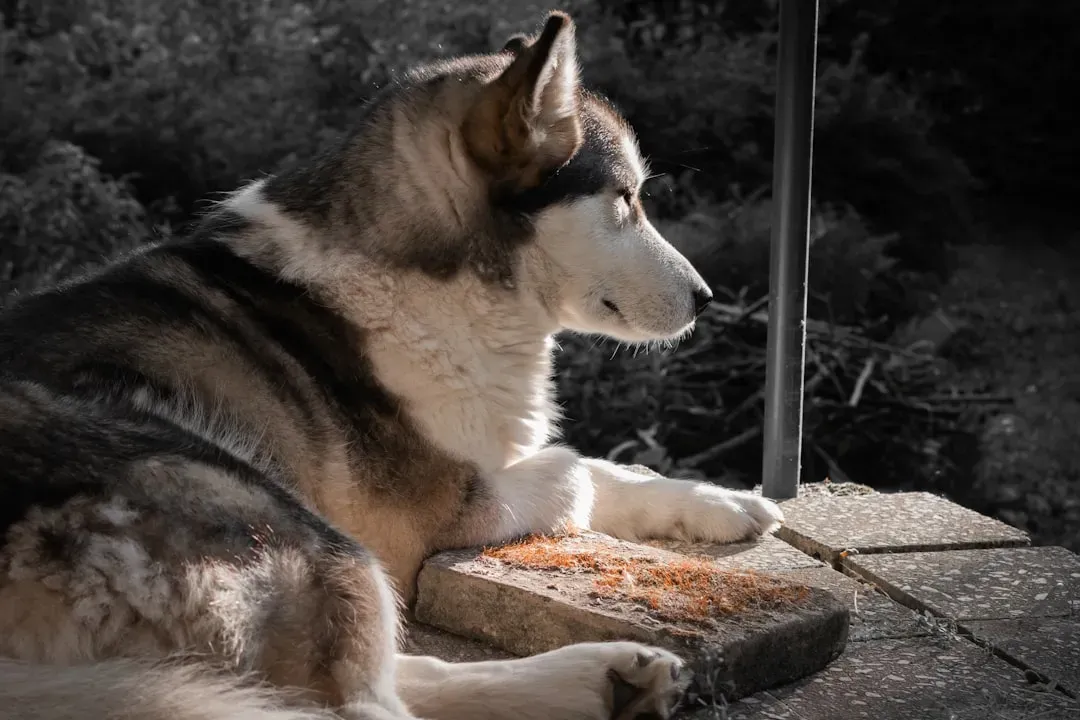
The friendly and joyful Alaskan Malamute is a world-class leash-puller, and they are known to howl along with sirens or talk to the owners with “woo-woos” but they are not typically a nuisance barker. Still, their vocalizations are loud, frequent, and impossible to miss.
Alaskan Malamute might not be strictly categorized as a big barker, but they are vocal and will express themselves through howling, and a sort of singing sound said to reach up to 110 decibels. That’s louder than a motorcycle. They’re social, expressive dogs who love to communicate, and silence is rarely on the menu.
12. Scottish Terrier
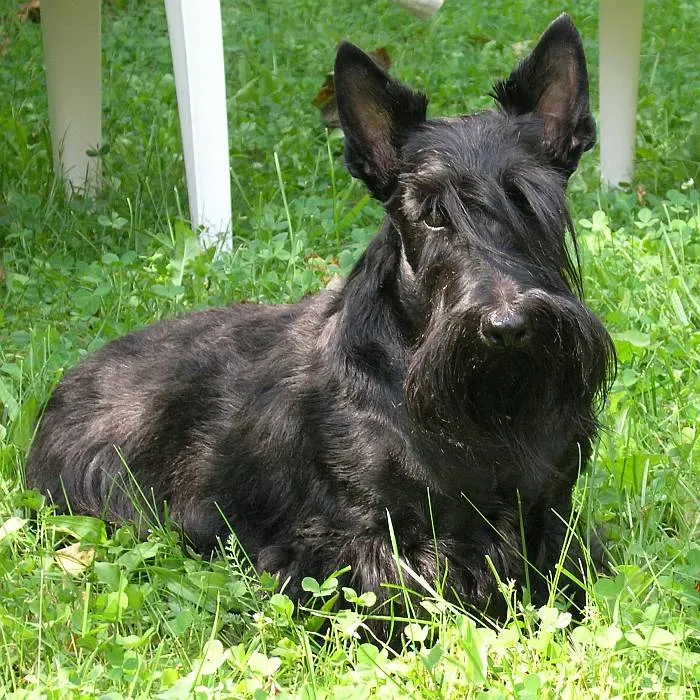
Scottish terriers are notably some of the most boisterous breeds. These dignified little dogs with wiry coats and strong personalities don’t back down from anything. They’re independent, confident, and incredibly vocal when they want to be.
Scottish Terriers were bred to hunt and dig out small game, which required determination and a voice to match. They’re alert, protective, and quick to announce any perceived threat. Training can teach them some manners, but their natural instinct to bark remains firmly intact no matter how many sessions you book with a professional.
Conclusion

Certain breeds are a lot more vocal than others, depending on what they were bred for. That’s the reality of living with these breeds. Their barking isn’t bad behavior. It’s simply who they are. Training can help manage it, redirect it, or teach them when to stop, but expecting complete silence is unrealistic.
Still, these noisy companions bring so much joy, loyalty, and personality into our lives that most owners wouldn’t trade them for the world. So what do you think? Would you welcome one of these chatterboxes into your home, or do you prefer the peace and quiet?


