

You’ve called your dog five times, but there they go, chasing after that squirrel like you don’t even exist. You ask them to sit, and they stare off into the distance. Walk time? They pull you in the exact opposite direction you want to go. It’s frustrating, I get it. We’ve all been there, standing in the park, treats in hand, feeling like our dogs are deliberately ignoring us.
Here’s the thing, though. Your dog isn’t being stubborn. They’re not plotting against you or trying to make you look foolish in front of the neighbors. They’re simply being a dog, responding to the world in ways that make perfect sense to them. When we label our dogs as stubborn, we’re viewing their behavior through a human lens, and that’s where the problem starts. Understanding why your dog does what they do can change everything, from how you train them to how deeply you connect with them. Let’s dive in.
It’s Not Defiance, It’s Instinct

Dogs find performing instinctual behavior naturally rewarding, and following their instincts is the reinforcement. When your terrier suddenly freezes on a walk and starts digging furiously, they’re not being difficult. A bloodhound that finds a tantalizing scent will look like he is being stubborn, but he is just following his nose. Think about it this way: for thousands of years, dogs survived by trusting these hardwired behaviors.
Instinct is genetic, it is not learned, and these instincts can be honed but cannot be created or taught by humans. Your Beagle isn’t choosing to ignore your recall command when they catch a trail. Many common dog behaviors stem from deep-seated natural instincts related to survival, communication, and breed-specific predispositions, and dogs act on natural instincts that are there to help them survive. What we see as stubbornness is actually just a dog doing exactly what their DNA tells them to do.
Your Expectations Might Be the Problem

Let’s be real. Dogs cannot read our minds, and we cannot expect them to respond to our words or actions without teaching them first. We get upset when they don’t sit on command at the dog park, but did we ever actually teach them that “sit” means the same thing in a noisy, distraction-filled environment as it does in our quiet kitchen? Probably not.
Dogs don’t automatically generalize behaviors across environments, and just because your dog knows how to sit, stay, or come when called inside the house doesn’t mean they understand those same commands apply outside. I think we owe it to our dogs to meet them where they are. If your dog doesn’t listen, it’s not because they’re stubborn or dominant, they’re just responding to their environment in the way that makes the most sense to them. The moment we stop blaming them and start examining our own training methods, everything shifts.
The Environment Is Screaming Louder Than You Are

Picture this: you’re at a crowded concert, music blasting, people everywhere, and someone across the room is trying to get your attention by whispering your name. Would you hear them? Of course not. That’s exactly what’s happening when you expect your dog to listen in a high-distraction environment without proper preparation.
If you haven’t generalized your dog’s behavior to distracting environments, his attention will naturally be drawn to the multitude of exciting things happening around him, and he’s not ignoring you; he probably isn’t even hearing you. The smells, the sounds, the other dogs – it’s all competing for their attention. Many dogs don’t listen simply because the world around them is more interesting than their handler, but that can change with a few small tweaks. Your job isn’t to overpower the environment with louder commands. Your job is to become more interesting than whatever else is happening.
They’re Stressed, Not Stubborn

Honestly, we overlook stress in dogs far too often. When stress happens, the thinking part of the brain shuts down and the emotional part takes over, and when your dog is so stressed he can’t think straight, it’s unfair to blame him for not doing what you ask. Stress doesn’t always look like cowering or trembling. Sometimes it shows up as a dog who suddenly “forgets” their training.
Maybe your dog won’t get in the car because past car rides ended at the vet. Perhaps they won’t come when called because they associate it with something unpleasant, like bath time or the end of playtime. That’s not stubbornness, that’s learned behavior based on past experiences. In stressful situations a dog’s instinct can easily override conditioning. When we recognize stress for what it is, we stop punishing our dogs for being scared and start helping them feel safe.
Training Isn’t a One-and-Done Deal
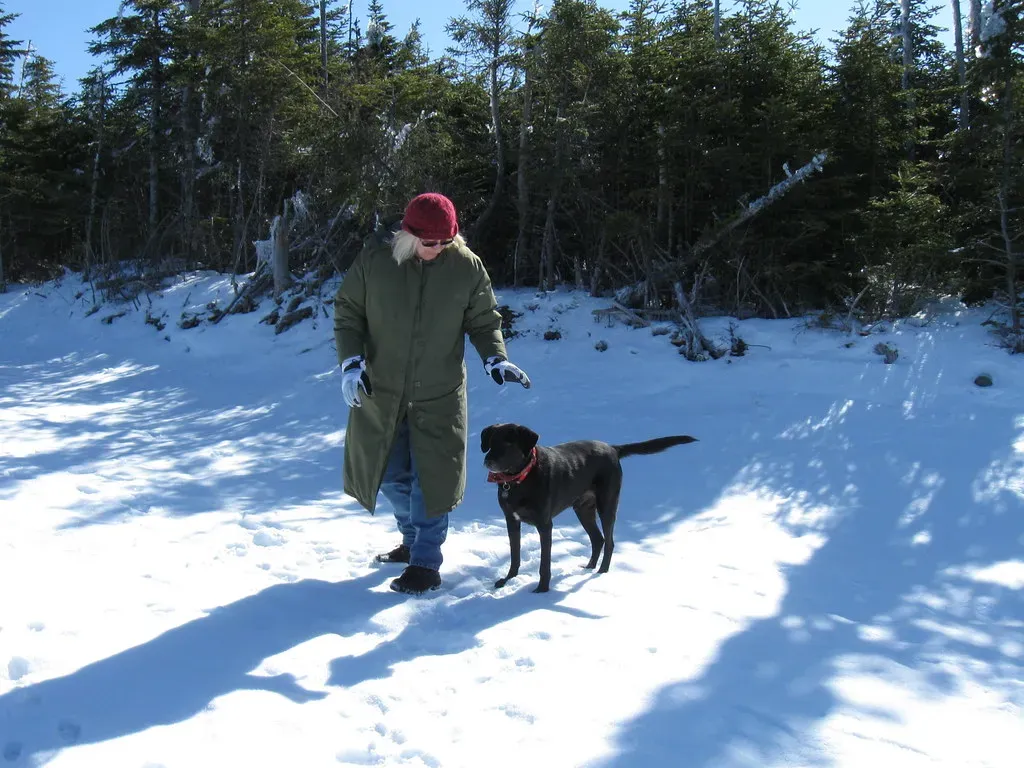
You taught your dog to sit in your living room three times last week, and now you’re frustrated they won’t do it at the park? Generalizing is the process of training in a variety of places and situations, and dogs don’t generalize commands very well. The truth is, teaching a behavior is just the beginning. The real work comes in proofing that behavior in different locations, with different distractions, at different times of day.
To build reliable obedience, you need to train progressively in low, medium, and high distraction environments, and practice known commands in new locations to help your dog generalize behaviors. I know it sounds like a lot, and it is. Training is never truly finished. It’s a continuous conversation with your dog, helping them understand what you need from them no matter where you are or what’s happening around you.
Communication Goes Both Ways
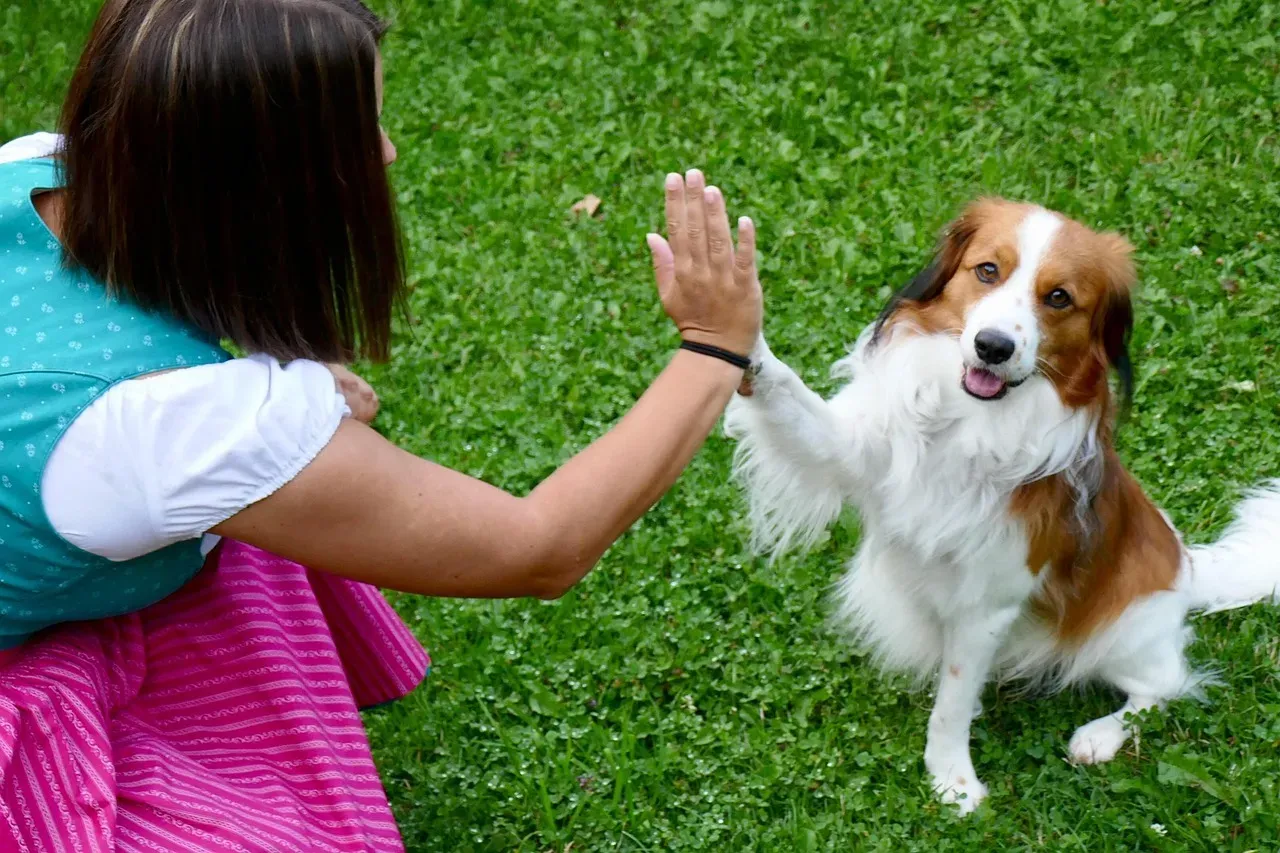
Instinctually and naturally dogs communicate using energy and body language. We rely so heavily on words, but dogs are watching our posture, our energy, our facial expressions. Dogs read very subtle movements, and if you are inconsistent with your cues, dogs can become confused and appear to be stubborn. They’re actually brilliant at reading us, which means our inconsistency confuses them more than we realize.
Think about how you ask for a sit. Do you lean forward? Raise your hand? Say it in a different tone depending on your mood? Dogs are smart and can read insecurity, and it makes them question their faith in the handler. When we become aware of the signals we’re sending – both intentionally and accidentally – we can communicate more clearly. Your dog isn’t being difficult. They’re just waiting for you to make sense.
They Need a Reason to Listen

Let’s get down to brass tacks. Training is how we build reinforcement for the behaviors we as owners find important, and when we reinforce them, those behaviors become much more likely to be repeated. If there’s nothing in it for your dog, why should they listen? That doesn’t make them stubborn. That makes them smart.
Use rewards your dog actually wants – food, toys, movement, sniff time. Not all dogs care about kibble or a pat on the head. Some want to chase a ball. Others just want permission to go sniff that tree. Figure out what motivates your individual dog, and use that to your advantage. Your job is to teach them you’re worth listening to. When you become the source of all good things – freedom, fun, food, play – your dog will choose to pay attention because you’re the most rewarding thing in their world.
Conclusion
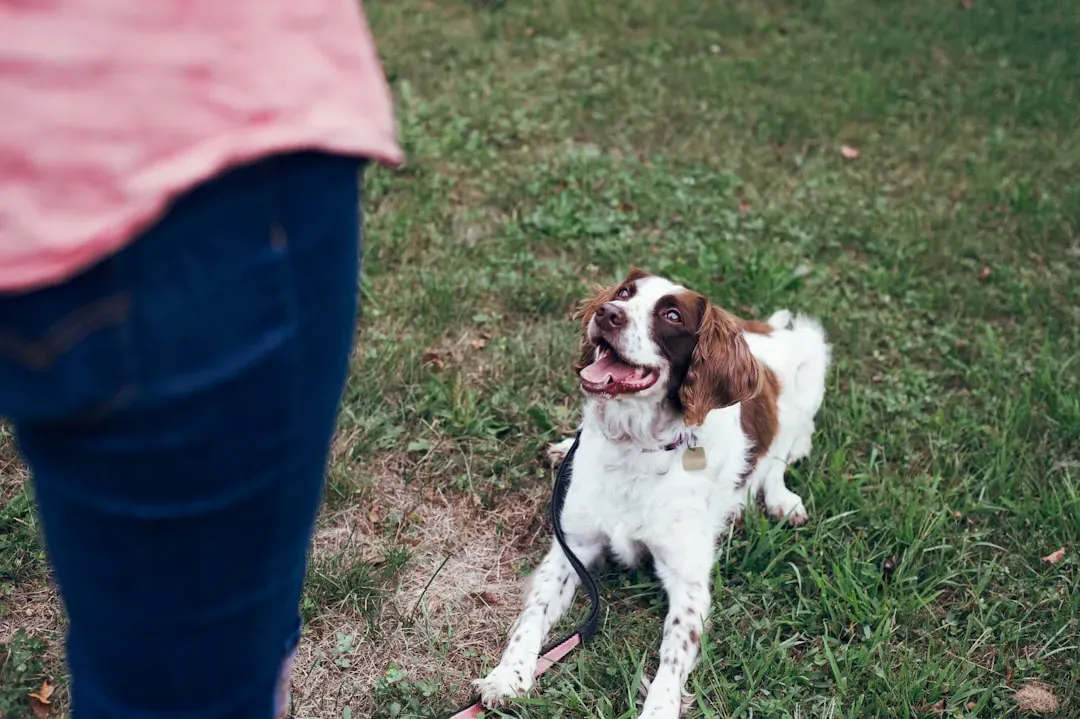
Your dog isn’t stubborn. They’re not trying to embarrass you, dominate you, or make your life difficult. , operating from instinct, responding to their environment, and doing their best to understand what you’re asking of them. The moment we stop labeling normal dog behavior as defiance and start seeing it for what it is, everything changes.
Training isn’t about bending your dog to your will. It’s about building a partnership based on clear communication, patience, and respect for who they are. When you meet your dog where they are, understand their limitations, and help them succeed, you’ll be amazed at what they’re capable of. What would change if you stopped seeing stubbornness and started seeing a dog just trying to make sense of your world?


