
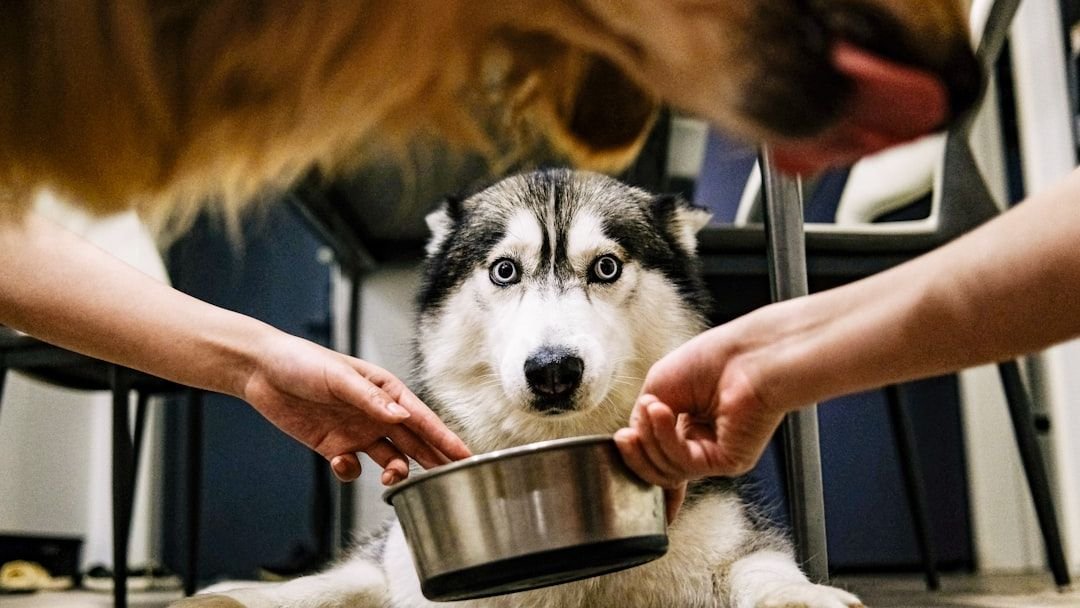
You love your dog more than anything. That tail wag when you walk through the door, those big, soulful eyes, the way they curl up next to you at night. They’re basically perfect.
Except when they’re not. Except when they’re jumping on every visitor, barking at shadows, pulling you down the street like a sled dog, or snatching food right off the counter. Here’s the thing, though. You might actually be the reason those behaviors keep happening. I know that sounds harsh, but honestly? Most of us are unknowingly teaching our dogs to be naughty. We think we’re correcting them, or at least not encouraging them, but from their perspective, we’re handing out gold stars for bad behavior. The good news is, once you understand what’s really going on, you can turn things around faster than you’d think. Let’s dive in.
When Your Attention Becomes the Prize They’re After

Dogs are highly tuned in to us, and this makes it easy to accidentally reinforce behaviors by providing our dogs with attention or other rewards when they’re doing things we don’t want them to. Think about it. Your dog barks at the doorbell. You rush over and yell their name. To them, that’s attention. It doesn’t matter that you’re frustrated.
In that case, the dog’s barking is reinforced by the owner’s yelling, and your dog doesn’t understand what you’re saying, they just know that when they “yell,” you “yell,” and now everyone yells. It becomes this weird bonding moment in their mind. Same thing happens when they nudge you for pets while you’re working, and you absentmindedly scratch their ears. You just taught them that persistence pays off, even when you’re busy.
The Reward Hidden in Everyday Routines

Let’s be real, a lot of what dogs want isn’t treats or toys. Your dog follows you around the kitchen, in part because the food you’re cooking smells good, but mostly because you often will toss your dog little bits of what you’re cooking, and because of that, your dog has learned that being under your feet in the kitchen is a great and highly rewarding place to be.
Or think about leash pulling. If we follow the pulling dog because we know how much he wants to say hello, that access to the other person is rewarding the leash-pulling behavior and it will surely get worse over time. Every single time pulling gets them where they want to go, you’ve accidentally thrown them a training session. Their bad manners just got reinforced, purely and simply, like you handed them a cookie for it.
Bundling Behaviors Together Without Realizing It

This one’s sneaky. People are often frustrated when their dog jumps up to greet them, and many folks know not to pet the dog when his paws are up, so instead, they may ask for a SIT and when the dog complies, they reward with attention and perhaps a treat, but because that sequence of behaviors is all bundled together, the undesired jumping gets folded in and is actually rewarded at the end of the sequence.
Your pup learns: jump first, then sit, then receive love. The jumping becomes part of the greeting ritual. Instead, you can back away when the dog jumps up, which gives him a chance to re-approach and possibly try a different strategy. Make them figure out that calm behavior opens doors, not wild enthusiasm.
Letting Them Practice What You Hate
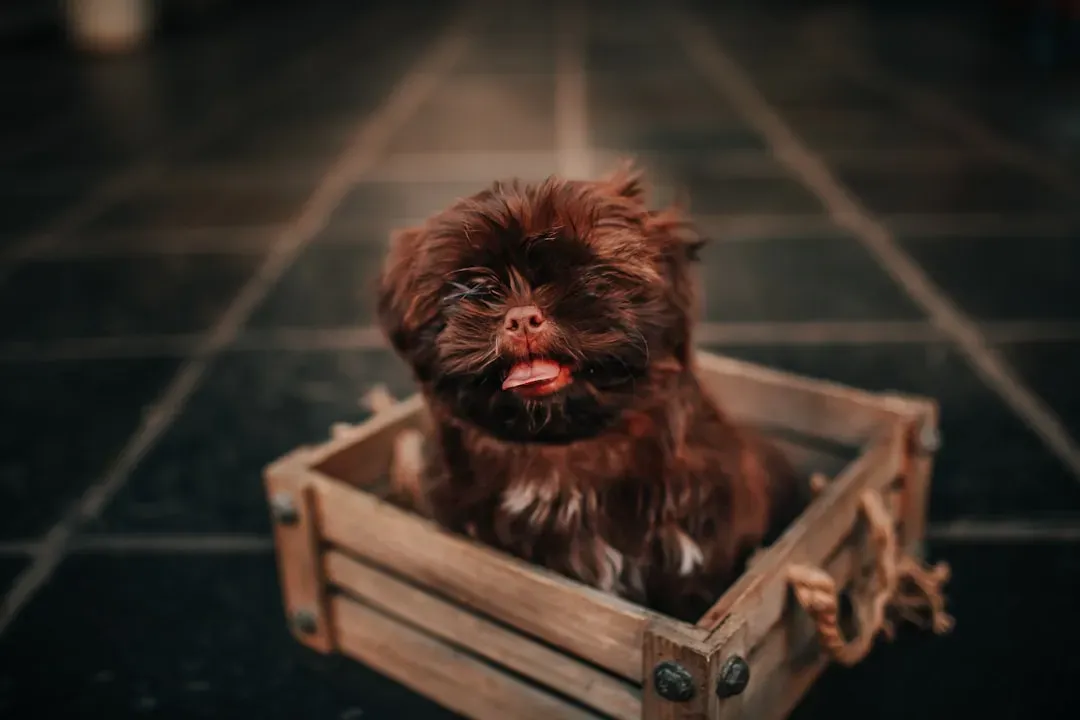
Dogs thrive on routine and reinforcement, so the more they rehearse a behavior, or the more times that behavior has been reinforced, the more likely it is to be repeated. If your dog chews up bed after bed in their crate, they’re not just being destructive. They’re getting really skilled at chewing, finding it fun, and discovering it’s a great way to pass the time. Every repetition makes them better at the very thing you’re trying to stop.
It’s easier to prevent them from learning bad habits than it is to correct bad dog behavior. Management is your best friend here. Put away shoes, block access to the trash, don’t leave food on the counter. Management is dog trainer lingo for prevention, and it means making sure your dog doesn’t have the opportunity to “practice” the behavior you’d like to stop. The less they do it, the less it becomes their default.
The Timing Trap That Confuses Everyone
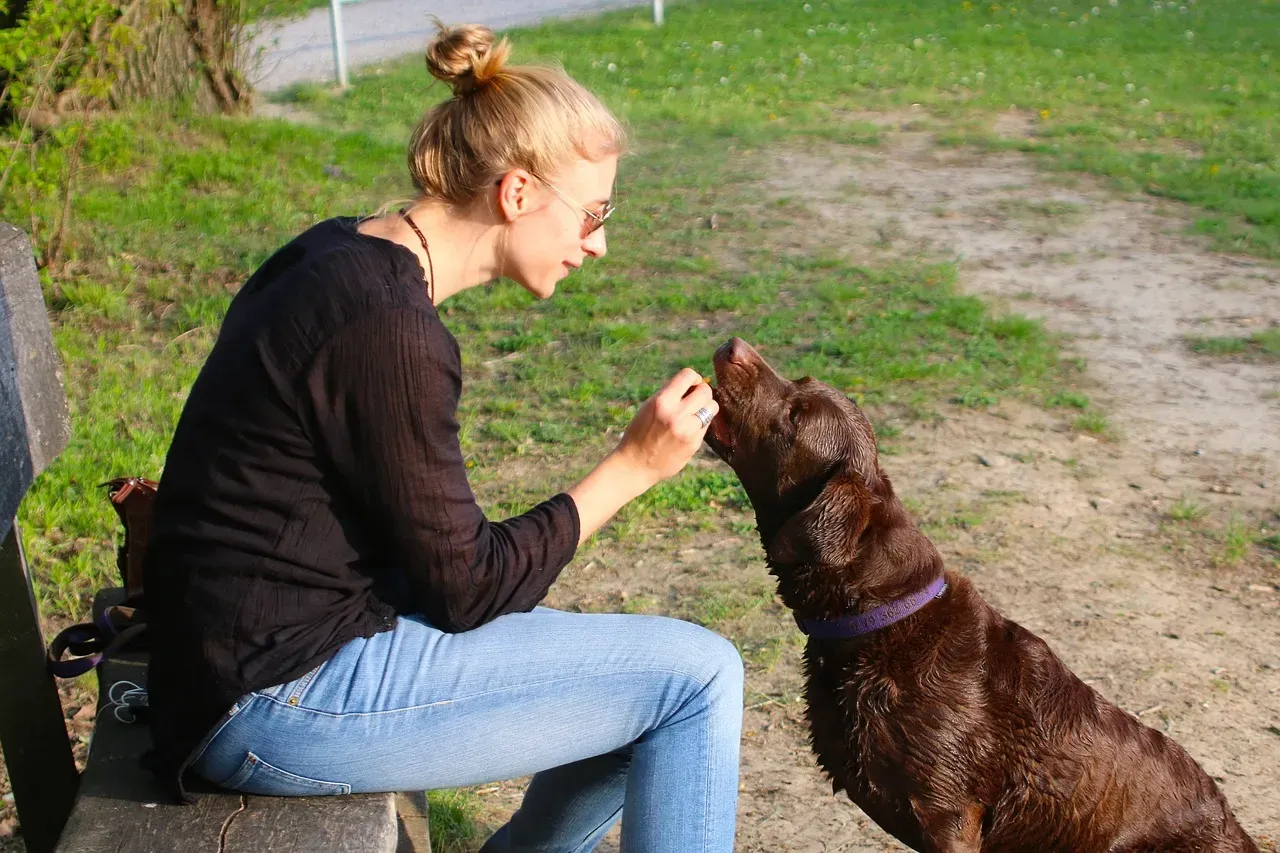
Dogs live in the present moment. Dogs live in the present, so rewards or corrections need to happen immediately after the behavior occurs, and delayed responses can confuse your dog and make it harder for them to understand what you’re asking of them. Let’s say your dog lies down when you ask, but by the time you dig the treat out of your pocket, they’ve already stood back up. If you ask your dog to lie down, but they’re sitting again when you give them their cookie, you’ve really reinforced sitting.
Correct timing is essential when using positive reinforcement training, and the reward must occur immediately (within seconds) of the desired behavior, or your pet may not associate it with the proper action. Seconds matter. If you’re too slow, you’re teaching them something totally different than what you intended.
Inconsistency Is Sabotaging Your Progress

Maybe you don’t let your dog on the couch. Your partner does. Or you ignore begging at dinner sometimes, but other nights you cave and toss them a scrap. If you don’t feed the dog from the table but someone else slips them treats, the dog will learn to beg at the table, and if you ignore your dog when they jump on you but others pet them when they do, they’ll continue jumping on people.
Dogs aren’t being stubborn or manipulative. They’re just confused. They need crystal clear rules that everyone in the house follows. Reward your dog generously and frequently, but behaviors that are reinforced are repeated, so don’t be tightfisted with the treats, praise, games of fetch, or whatever you use to reward your dog. Just make sure you’re all rewarding the same things, consistently.
Ignoring Isn’t Always Enough on Its Own
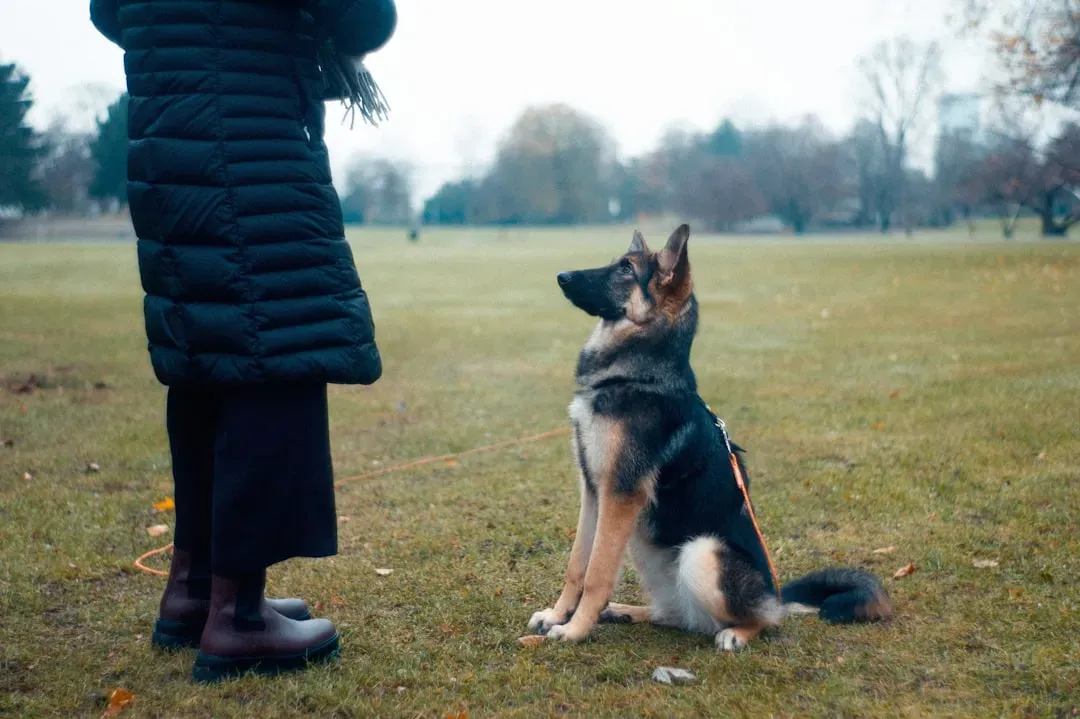
You’ve probably heard the advice to just ignore unwanted behavior. That can work for attention-seeking stuff like whining or pawing at you. Even though ignoring an attention-seeking behavior is a great way to extinguish the behavior, only ignoring undesirable attention seeking behaviors, such as jumping or barking rather than doing any training can get you into trouble, because the dog might offer another unwanted behavior in the place of the one you wanted to get rid of when you’re ignoring the dog.
You have GOT to reinforce your dog for doing what you WANT him to do to replace the undesirable behavior, and keep in mind that if you tend to ignore your dog and only pay attention to him when he is doing an undesirable behavior, you will be training him to do exactly what you do not want by rewarding him with your attention whenever the behavior occurs. You can’t just take away the bad. You have to actively teach and reward the good. Otherwise, you’re leaving them to guess what works, and trust me, they’ll guess wrong.
What do you think about it? Have you accidentally been rewarding behaviors you’re trying to stop? The beauty of understanding how dogs learn is that you can change direction starting today. It’s not about blaming yourself. It’s about recognizing the patterns, adjusting your responses, and building the relationship you both deserve. Your dog wants to please you. They just need clearer communication about what that looks like.


