
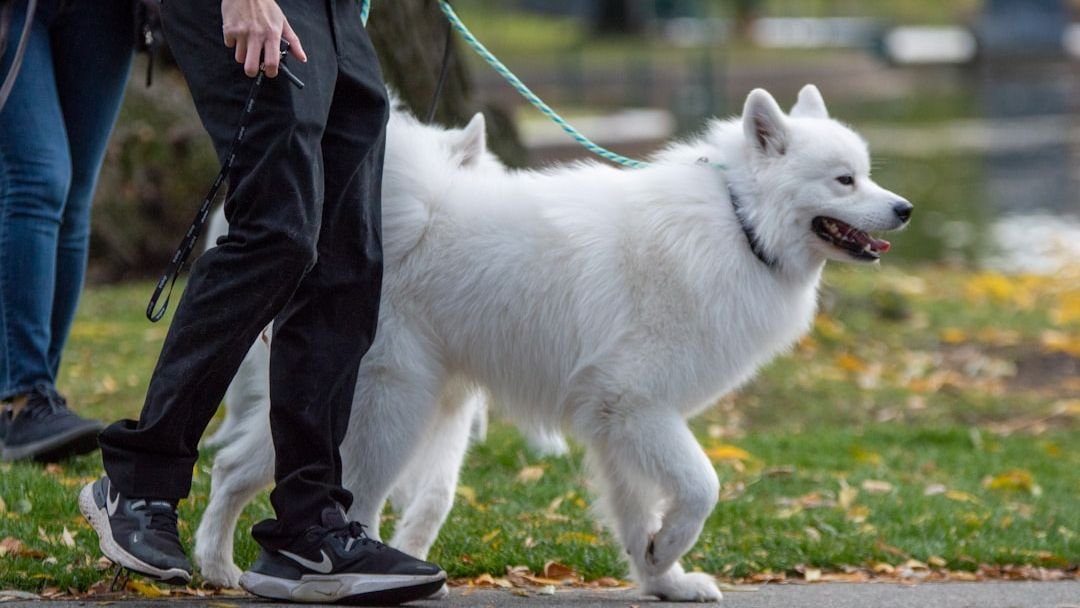
Ever notice how your dog transforms the moment you reach for the leash? That sudden burst of excitement, the spinning, the barely contained joy. It’s like you’ve just announced a trip to Disney World. Truth is, your dog isn’t just excited about burning off energy or doing their business on Mrs. Henderson’s perfectly manicured lawn. Something deeper is happening here, something that touches every corner of their well-being.
We often think of walks as exercise, a box to check off in our daily routine. You know, get the dog tired so they don’t eat the couch cushions. That’s part of it, sure. Yet the daily walk is doing so much more for your furry companion than just keeping their waistline in check. It’s feeding their mind, soothing their soul, and connecting them to the world in ways we’re only beginning to fully understand. Let’s explore what really happens when you and your pup step out that door together.
Their Nose Is Reading the World’s Greatest Novel
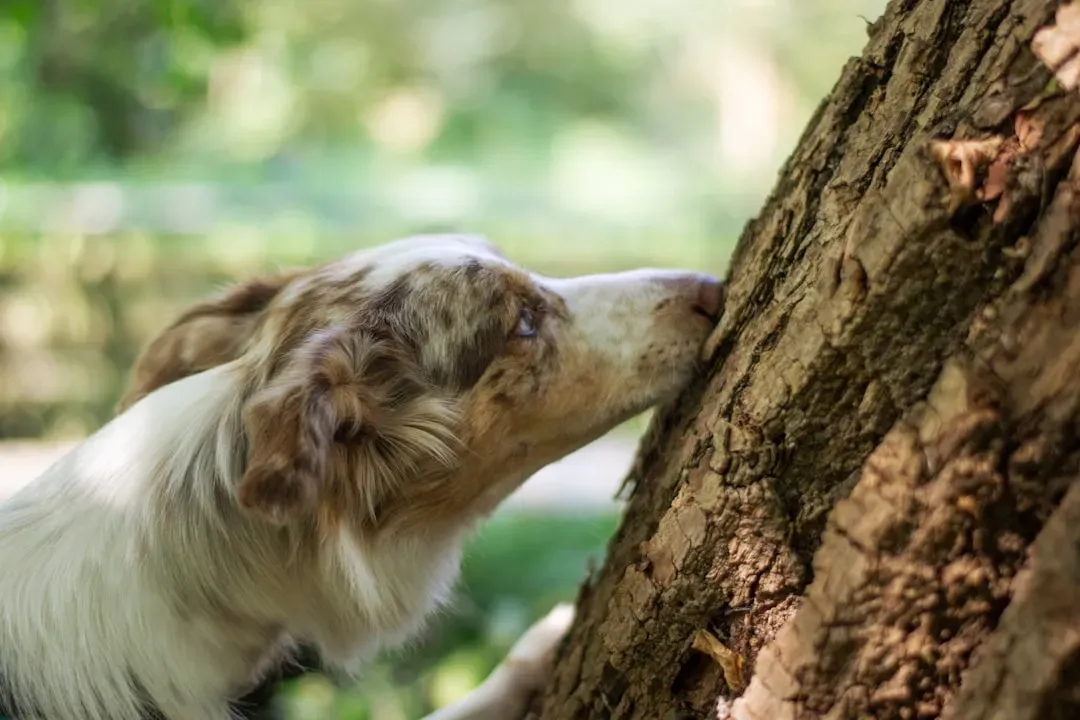
Dogs possess a sense of smell that’s roughly 100,000 times more sensitive than ours. When your dog stops to sniff that fire hydrant for what feels like an eternity, they’re not being stubborn or difficult. The act of sniffing provides mental stimulation and enrichment as it activates their brain and engages their senses, like solving puzzles or reading a captivating book.
Think about it this way: You scroll through social media to catch up on what’s happening in your world. Your dog sniffs. Every lamppost, every patch of grass, every corner where another dog paused holds information. Who was here? When? What mood were they in? It’s a scent-based social network that tells stories we can’t even begin to imagine.
Sniffing is a complex, cognitively demanding activity that requires active engagement of a dog’s brain, decoding vast amounts of olfactory information which stimulates multiple areas related to memory, decision-making, and focus. So when you’re tempted to tug them along because you’re running late, remember: you’re interrupting their morning news.
Mental Workouts Tire Them Out Better Than Physical Ones
Here’s something that surprised me when I first learned it. Daily walks provide mental stimulation for your dog as they sniff the world around them and experience new things. That mental exercise can actually be more exhausting than a simple run around the block.
A feral dog may spend roughly 70 percent of its day hunting and searching for food, which requires quite a bit of physical energy expenditure and use of problem-solving skills. Our domesticated companions still have those instincts hardwired into them. Walking gives them a chance to problem-solve, to make choices about where to explore, to engage that ancient part of their brain that says “investigate everything.”
I know it sounds crazy, but a twenty-minute walk where your dog gets to really sniff and explore can leave them more contentedly tired than an hour of mindless fetch in the backyard. Mental stimulation can help tire your dog out just as physical exercise does, and a tired dog is a happy dog. It’s quality over quantity when it comes to sensory enrichment.
Walks Are Anxiety Relief in Leash Form
A daily walk with your dog can reduce the chances of humans developing depression, anxiety, and stress disorders because this light physical activity boosts calming GABA chemicals in the body by up to 40 percent. The same benefit extends to our dogs. Regular walks help manage stress and anxiety in ways that staying cooped up indoors simply cannot.
Dogs who don’t get adequate walking time often develop what we politely call “behavioral issues.” Excessive barking, destructive chewing, pacing, digging. Many dogs will behave better after they have a walk because walking is a safe outlet for your dog to spend their extra energy, and often dogs will partake in destructive behaviors like digging and chewing furniture due to this excess of energy. Let’s be real: they’re not being bad dogs. They’re being unstimulated, anxious dogs looking for an outlet.
The walk provides a natural stress reliever. Sniffing taps into dogs’ natural instincts, engaging their brains and stimulating their senses, and regular walks provide opportunities for dogs to sniff to their hearts’ content, helping to reduce stress, anxiety, and boredom while promoting mental stimulation and relaxation. Fresh air, new scents, a change of scenery – it all works together to calm that nervous system.
Socialization Happens on Four Legs
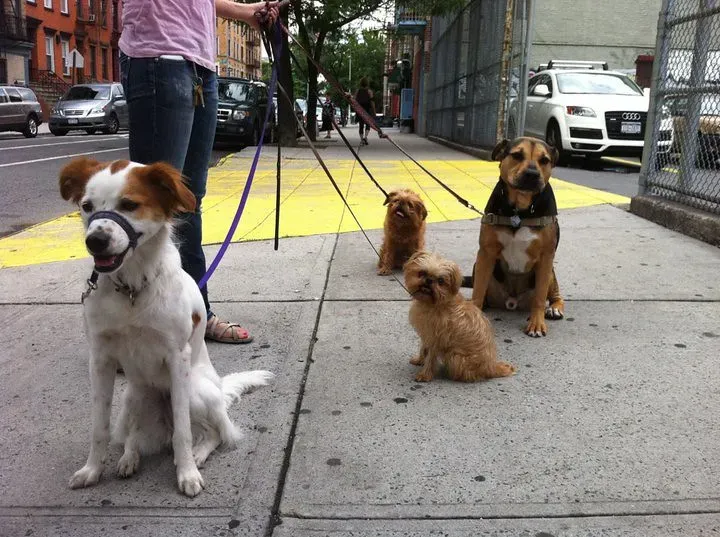
You’re likely to meet a few people on your walks, some of whom may be walking their own dogs, and through these encounters, your pet learns how to respond confidently to new situations and interact with other dogs and people. This ongoing socialization is absolutely critical for a well-adjusted dog.
Even adult dogs need continuous social exposure. Socialization is not just for puppies, and adult dogs also benefit from regular social interactions. Each walk is an opportunity for your dog to practice being calm around distractions, to observe other dogs from a safe distance, to learn that the mail carrier isn’t actually a threat.
Socialization is crucial to help your pet get used to all sorts of sights, smells and sounds positively, and proper socialization helps keep your four-legged best friend from being fearful of children, riding in a vehicle, and many more. Think of the daily walk as a low-pressure training session where the world itself is the classroom. Your dog gets to practice being a good canine citizen without the intensity of a formal training environment.
The Bond Between You Deepens With Every Step
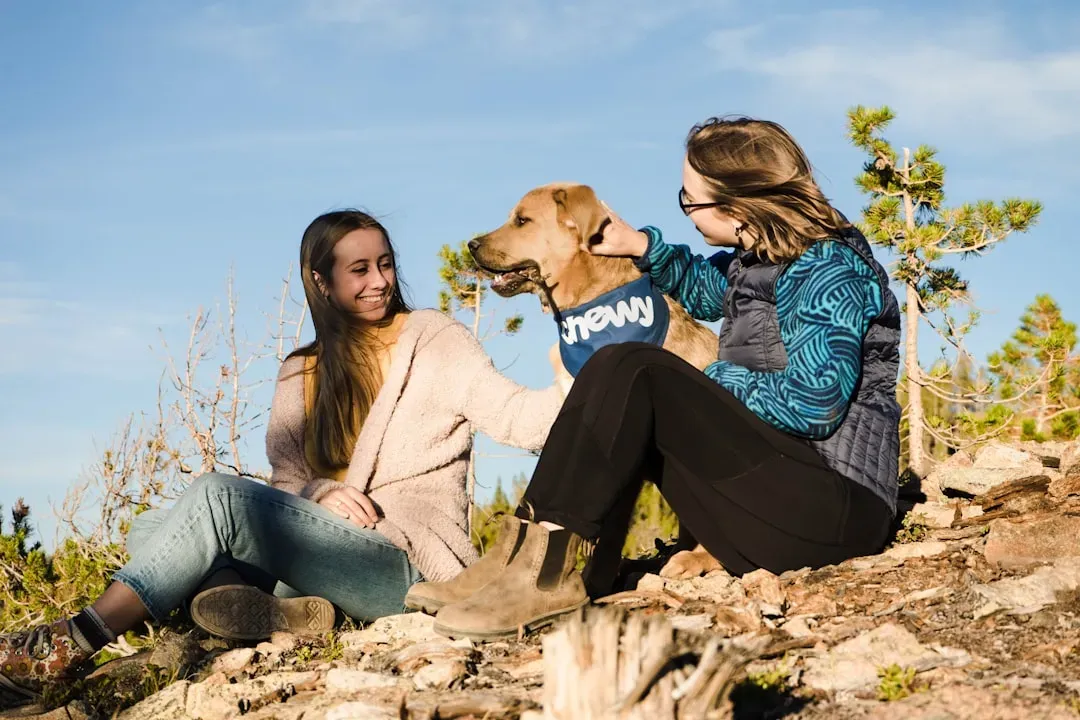
The primary reported motivation for dog walking was the perception of the dog’s need for exercise, however the primary valued outcome was that of increasing owner’s mental wellbeing through providing a pleasurable and stress-relieving experience. There’s something almost meditative about walking with your dog. No screens, no distractions, just you two moving through the world together.
Walking your dog will not only reduce their loneliness but can also reinforce your relationship with your pet, and walking them will help alleviate this detached feeling and even help build their trust in you. You’re their whole world, and these shared experiences matter deeply to them. They’re not just getting exercise; they’re spending quality time with their favorite person.
Walking for most dog owners was enhanced by the specific presence of dogs and desire for the fun they bring, with one owner noting it feels special when they’re there with you and makes a good walk an excellent walk. Honestly, there’s something about watching your dog experience pure joy over a particularly interesting smell that makes even the most stressful day feel a little lighter.
Physical Health Benefits That Go Beyond Weight Management
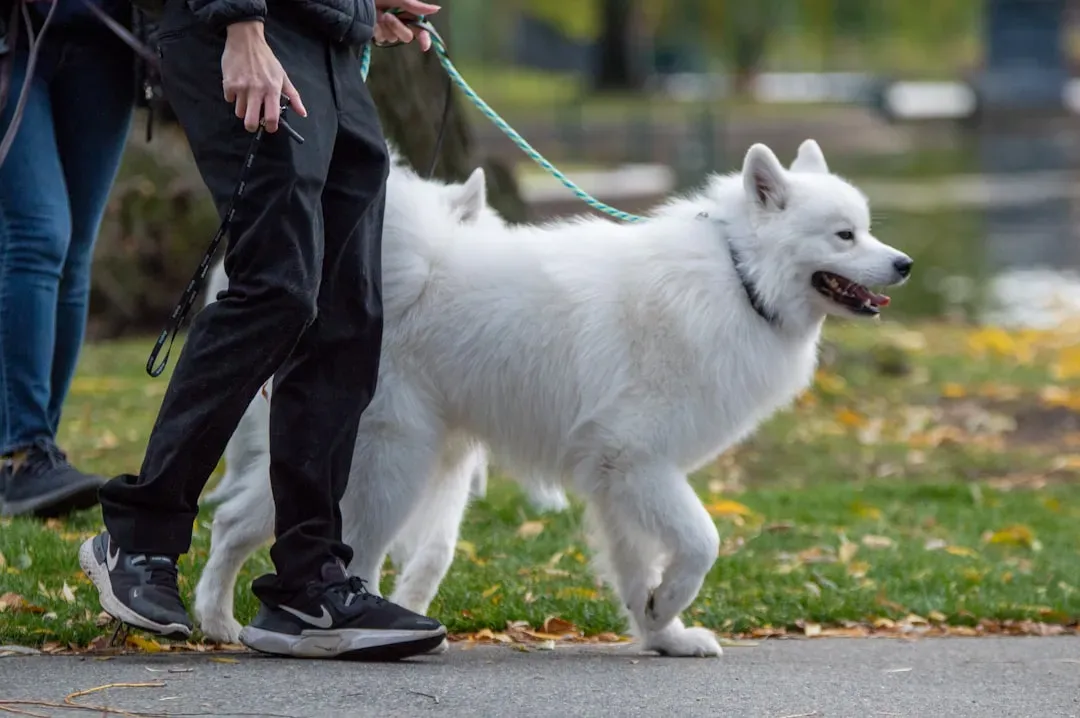
Yes, walks help maintain a healthy weight. The biggest benefit of walking your dog is to maintain a healthy body, and your dog needs to exercise daily to ensure they stay a healthy weight and to support their joint health as they age. Obesity in dogs is linked to serious health problems including arthritis, diabetes, and respiratory issues.
Yet the benefits extend far beyond the scale. Regular dog walks can also help promote better digestion and urinary health in your pet. Movement stimulates the digestive system and gives your dog regular opportunities to relieve themselves, which helps prevent urinary tract infections and other complications.
Daily walks will keep not only your heart healthy, but that of your dog as well. Cardiovascular health, muscle tone, joint flexibility – all of these improve with consistent walking. For senior dogs especially, gentle daily walks can help maintain mobility and slow the progression of age-related conditions. Watch for signs like excessive panting, slowing down, or reluctance to continue, as these indicate your pup has had enough.
Structure and Routine Create Security

Regular walks provide mental stimulation, stress relief, and a sense of structure and routine that are essential for canine companions’ well-being. Dogs are creatures of habit. They find comfort in predictability, in knowing what comes next. That daily walk becomes an anchor point in their day.
One of the joys of dog ownership is the sense of purpose it can bring to our lives, and from simply getting up in the morning to heading out in the cold or dark, dogs motivate us to form daily routines. There’s a beautiful reciprocity here. Your dog needs that routine, and let’s be honest, you probably need it too. They get you moving when you’d rather stay on the couch. They remind you that consistency matters.
The routine itself provides emotional stability. Your dog knows that after breakfast comes the walk, and this predictability reduces anxiety. They’re not left wondering when or if they’ll get outside today. They know. That knowledge alone brings a sense of security and calm that permeates their entire demeanor.
Conclusion
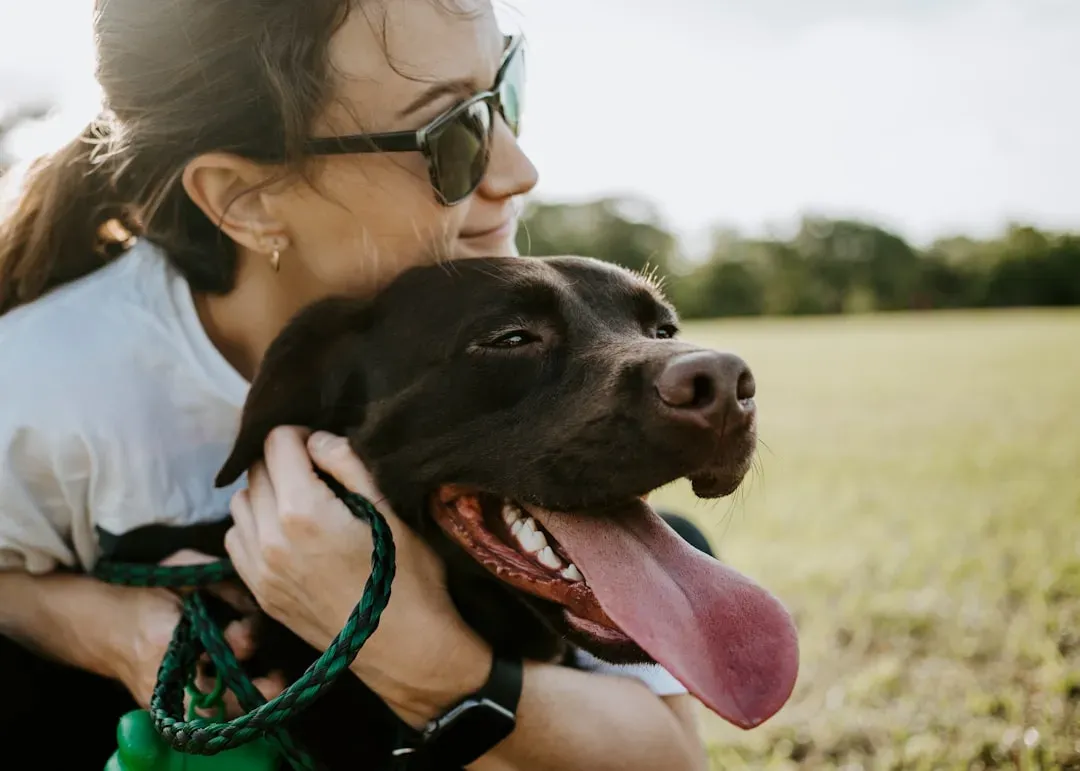
The daily walk isn’t just an item on your to-do list or a chore to rush through before work. It’s a complex, multifaceted experience that touches every aspect of your dog’s physical, mental, and emotional health. From the cognitive workout their nose gets to the anxiety relief of fresh air and exploration, from the social skills they practice to the deepening bond between you – every walk is an investment in your dog’s overall well-being.
So tomorrow morning when your pup gives you those eager eyes and that hopeful tail wag, remember you’re not just taking them out to stretch their legs. You’re giving them access to their world, feeding their soul, and showing them love in the language they understand best. The next time you’re tempted to skip the walk or rush through it, think about everything your dog gains from those precious minutes outside. They’re not asking for much – just the chance to be a dog, to explore, to sniff, to be with you.
What small changes could you make to your daily walks to enrich your dog’s experience even more? Maybe it’s letting them linger a little longer at that favorite tree, or taking a new route once a week. Your dog will thank you for it, probably by sleeping more peacefully and greeting you with an even bigger smile.


