
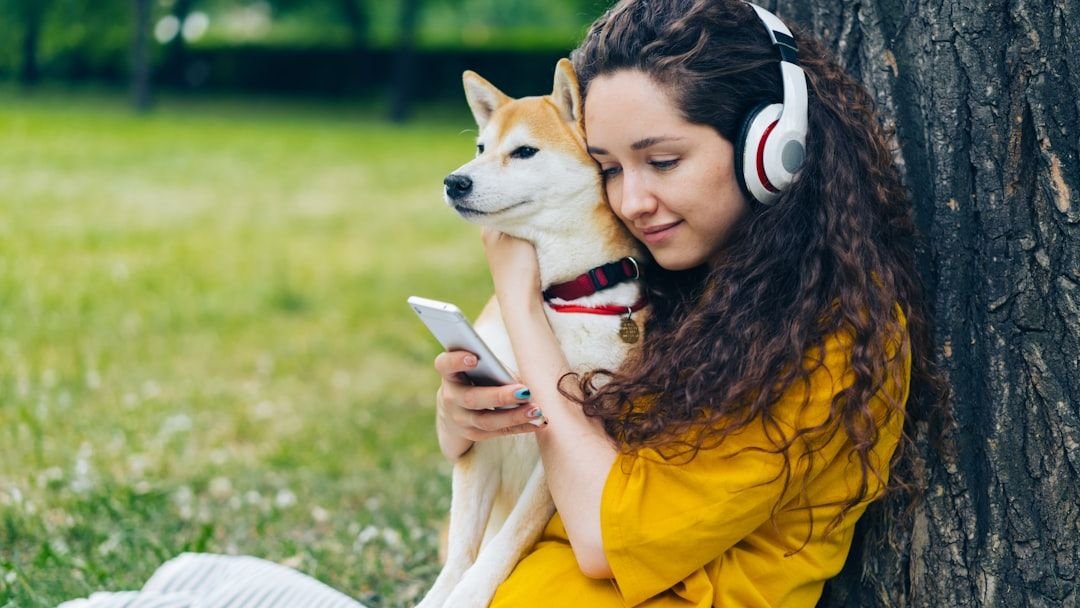
You know that feeling when your heart races and everything seems overwhelming? Your dog feels that way too sometimes. Maybe you’ve noticed your furry friend trembling during thunderstorms, pacing when you grab your keys, or tucking their tail when visitors arrive. Roughly about three quarters of dogs experience at least one anxiety-related behavior, which means your pup is far from alone in this struggle. Here’s the thing though: anxiety isn’t just uncomfortable for your dog. Left unaddressed, it can seriously impact their quality of life and even their physical health.
The good news? There’s so much you can do to create a calmer, happier home for your anxious companion. From simple environmental changes to powerful training techniques, these approaches work together to build confidence and security. So let’s dive into eight practical, vet-backed ways to transform your home into a true sanctuary for your nervous pup.
Create a Dedicated Safe Space They Can Call Their Own
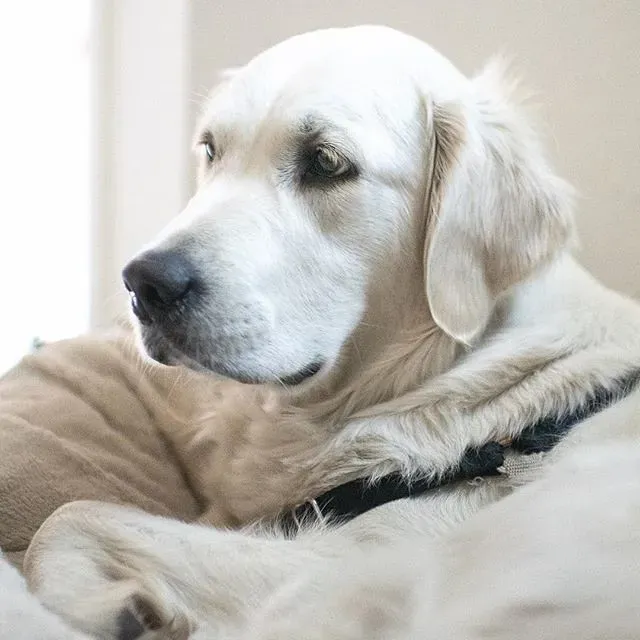
One of the most effective ways to soothe an anxious dog is by providing a designated safe space where they can retreat and feel secure, perhaps a quiet room or a cozy crate equipped with their favorite blankets, toys, and possibly an item with your scent. Think of it as your dog’s personal sanctuary, their equivalent of hiding under the covers when the world feels too big.
Set up their safe space away from outside noise as much as possible, away from any windows, and you can always mask outside noises by having a fan or sound machine running for white noise. I’ve seen dogs completely transform once they have this retreat option, somewhere they know they won’t be disturbed by curious kids, other pets, or unexpected visitors.
Your dog should always have the choice of when they want to enter and exit their safe space, and this area should not be used for time-outs. The key is making it their choice, not a punishment zone. Stock it with comfortable bedding, a water bowl, and maybe a long-lasting chew toy to keep them occupied.
Establish a Predictable Daily Routine
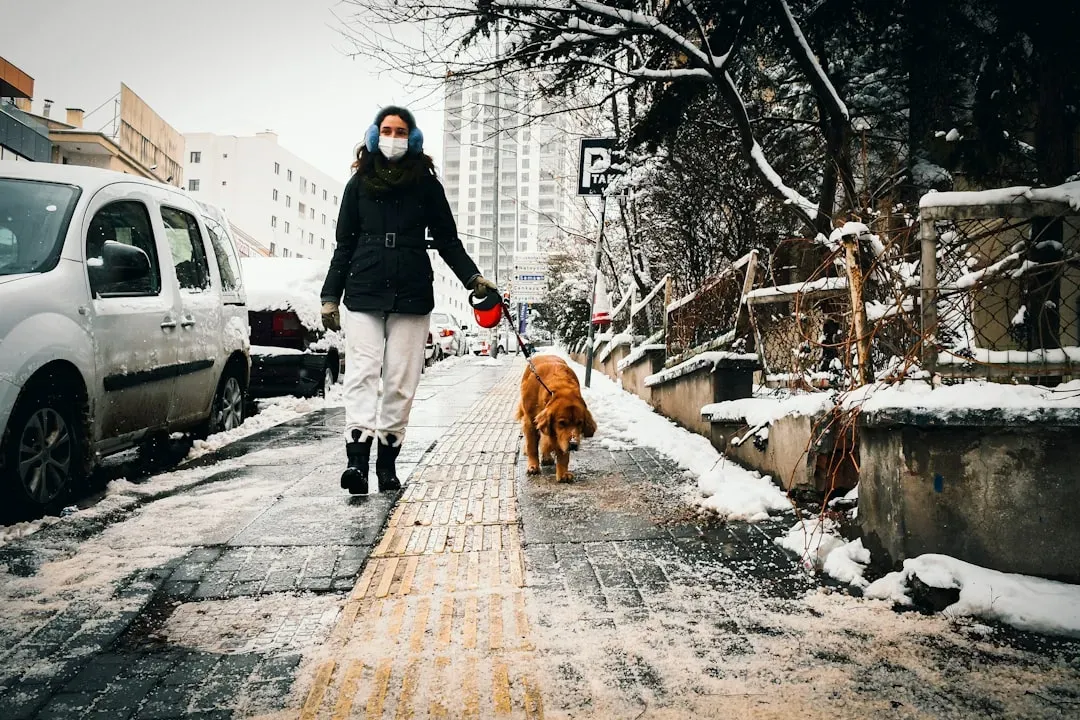
Dogs thrive on routine and predictability, which can significantly reduce anxiety, and establishing a consistent daily schedule for feeding, walking, and playtime helps provide a sense of security. Your dog isn’t being difficult when they stress about schedule changes, they’re wired to find comfort in knowing what comes next.
Honestly, this might be the easiest yet most overlooked strategy. Feed your dog at the same times each day. Walk them at consistent hours. Keep bedtime regular. This predictability creates a framework that helps anxious dogs feel more in control of their environment.
Even small disruptions can throw off a nervous dog, so when changes are unavoidable, try to maintain as many familiar elements as possible. If you’re switching their dinner time, maybe keep the location and bowl the same. These little consistencies matter more than you’d think.
Use Calming Aids and Natural Supplements
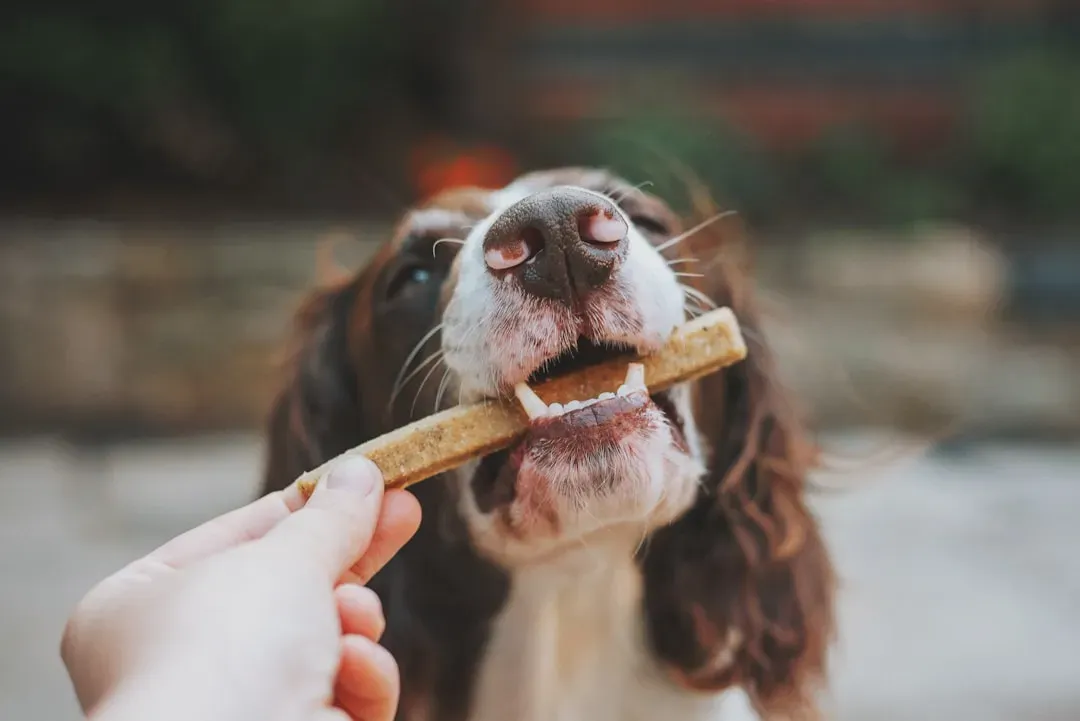
Treats infused with ingredients like chamomile, valerian root, or CBD oil can help promote relaxation. Natural supplements have become increasingly popular, and for good reason – many dogs respond beautifully to these gentler approaches before needing prescription medications.
Alpha-casozepine, a lactose-free derivative of a protein in cows’ milk, has been shown in some research studies to help reduce anxiety in dogs by acting on gamma-aminobutyric acid, the main inhibitory neurotransmitter in the brain that produces a calming effect. These aren’t magical quick fixes, but they can take the edge off enough to help your dog cope better with stressful situations.
Pheromone diffusers release synthetic versions of calming pheromones that dogs naturally produce, creating an invisible blanket of reassurance throughout your home. It’s hard to say for sure how effective they’ll be for every dog, but many pet parents swear by them, especially during fireworks season or when introducing new family members.
Provide Regular Exercise and Mental Stimulation
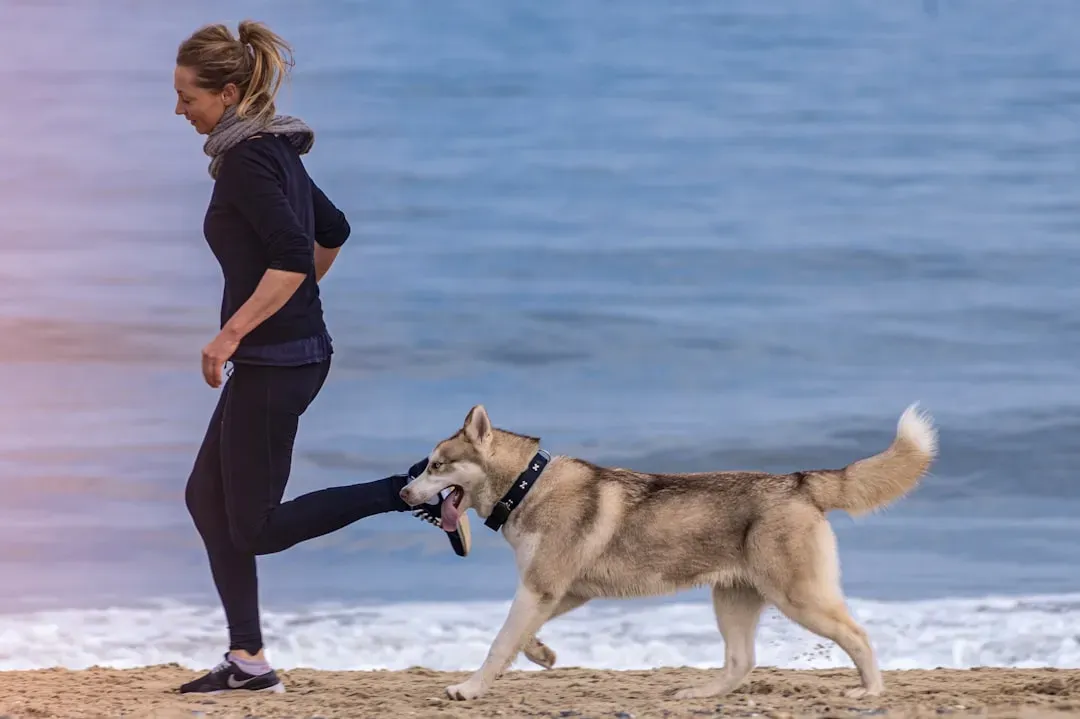
Physical activity and mental enrichment are crucial in reducing anxiety in dogs, as regular exercise helps burn off excess energy, which can lower stress levels. A tired dog is typically a calmer dog, but we’re not just talking about physical exhaustion here.
Mental stimulation through interactive toys, puzzle feeders, and training sessions can keep your dog’s mind occupied, preventing boredom and anxiety. Think about it: when you’re busy solving a problem or focused on a task, you’re not dwelling on your worries. The same applies to your four-legged friend.
Daily walks aren’t just about bathroom breaks. They’re sensory adventures that engage your dog’s incredible nose and provide valuable exploration time. Mix in some sniff walks where your pup sets the pace and chooses where to investigate. Add puzzle toys at home, practice training tricks, or try nose work games. This combination of physical and mental exercise creates a beautifully balanced, less anxious dog.
Practice Desensitization and Counterconditioning
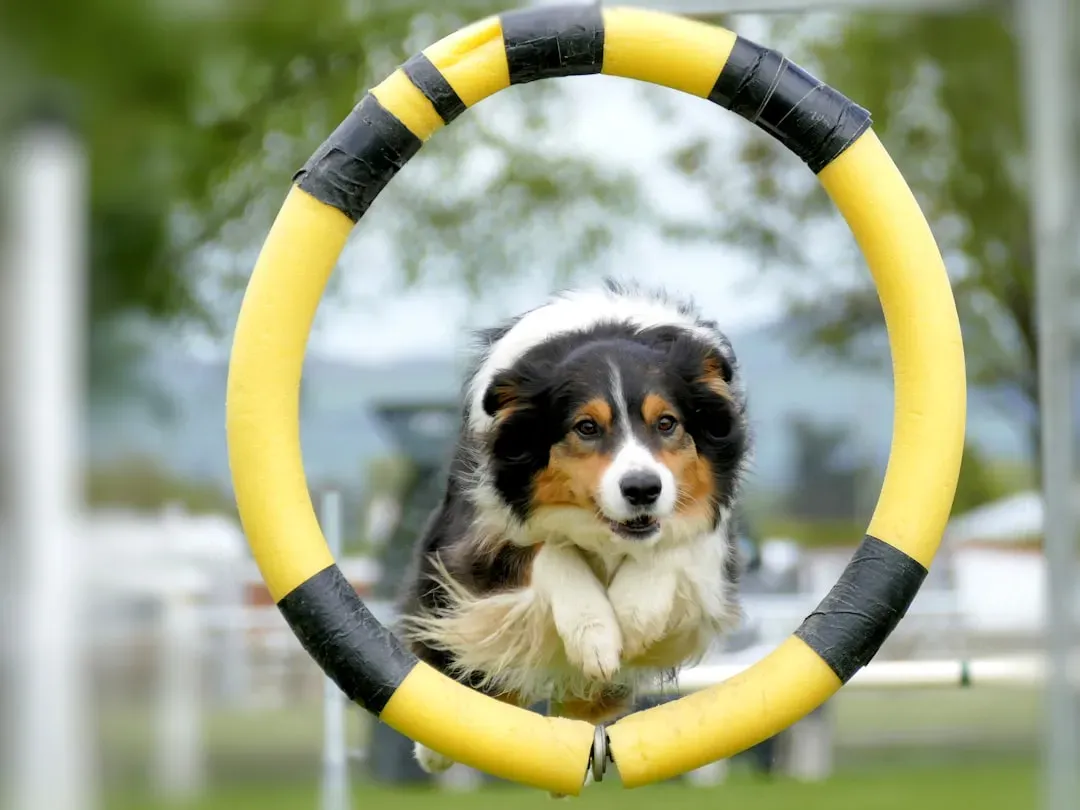
For dogs that are anxious about specific situations, gradual desensitization can be a highly effective technique, involving slowly exposing your dog to the anxiety-inducing stimulus in a controlled and positive manner. This isn’t about forcing your dog to face their fears all at once, it’s about baby steps with lots of rewards.
Desensitization is accomplished through repeated, controlled exposure to your dog’s specific fear or anxiety stimulus, and if the stimulus is given in small doses and at a low intensity, your dog will hopefully not respond with fear or anxiety. Let’s say your dog freaks out about the doorbell. You’d start by playing doorbell sounds at barely audible volumes while feeding treats, gradually increasing the volume over weeks or months.
Counterconditioning works alongside this by changing your dog’s emotional response to the scary thing. Instead of doorbell equals panic, it becomes doorbell equals treats and good things. This takes patience and consistency, but the results can be genuinely life-changing for both you and your dog.
Try Calming Music and Sound Therapy
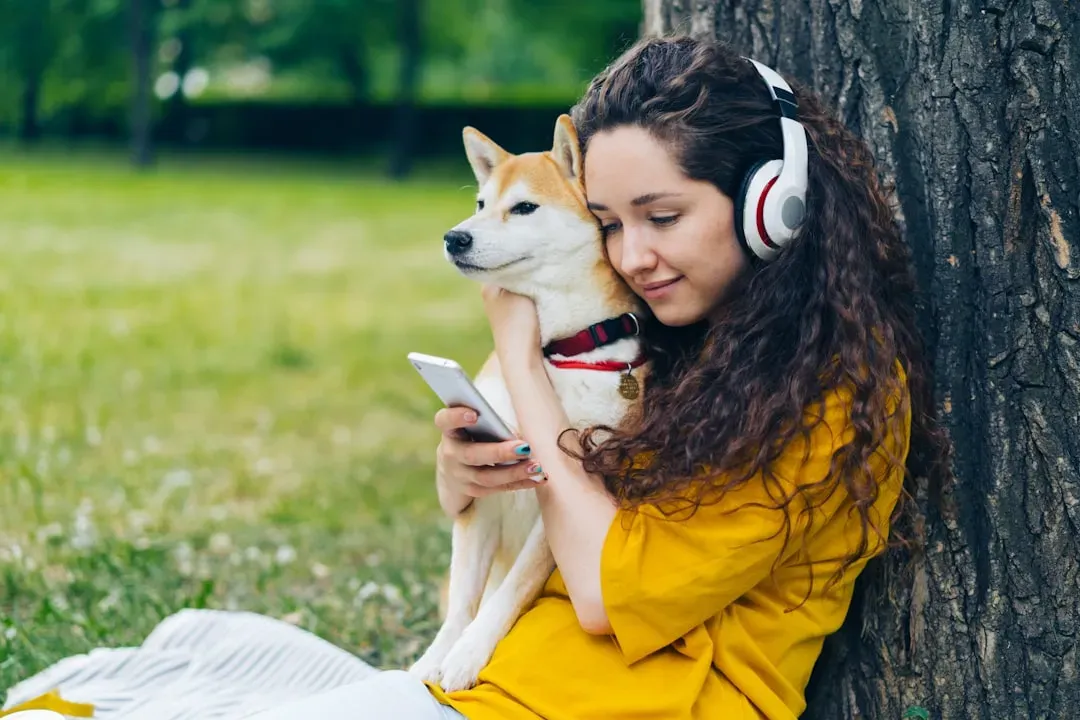
Music therapy helps reduce barking by distracting the dog from triggers, and relaxation and comfort can be achieved by using music or white noise, both of which provide a calming environment. I know it sounds almost too simple, but the science backs this up beautifully.
Certain types of music have been shown to reduce anxiety in dogs, and research found that Reggae, Soft Rock, and Classical are the most relaxing genres. Who knew your anxious dog might be a secret Bob Marley fan? There are even specially designed playlists and albums created specifically for canine ears.
White noise machines work wonders too, especially for dogs triggered by outdoor sounds like traffic, neighbors, or other barking dogs. The constant, gentle sound masks those unpredictable noises that send anxious dogs into high alert mode. You can also try calming apps designed specifically for dogs, many of which combine soothing sounds with frequencies shown to promote relaxation.
Consider Pressure Wraps and Anxiety Vests

Thundershirts are garments that help dogs cope with many types of stressful situations including thunderstorms, car rides, trips to the veterinarian, or fireworks, working by gently applying pressure to your dog’s body which can make them feel hugged and soothe anxieties. It’s similar to swaddling a baby or using a weighted blanket for yourself.
Not every dog responds to pressure wraps, but for those who do, the relief can be immediate and remarkable. The gentle, constant pressure seems to have a calming effect on the nervous system, helping dogs feel more secure and grounded during stressful events.
These products work best when introduced gradually and paired with other calming strategies. Put the vest on during calm moments first, so your dog doesn’t associate it only with scary situations. Combine it with treats, play, or relaxation exercises so it becomes a signal that good things are coming, not just a storm warning.
Know When to Seek Professional Help
If you think the dog is suffering, if you are suffering or if your relationship with the dog is suffering, then anti-anxiety medications are a solid option, and by the time most owners resort to seeing a behaviorist, their dogs need medication. There’s absolutely no shame in recognizing when your dog needs more help than you can provide alone.
For particularly severe anxiety or issues that are not resolving, speak to your veterinarian who can organize a referral to a board certified veterinary behaviorist – a vet who has undergone additional years of specialized training focused specifically on behavioral issues. These professionals can create comprehensive treatment plans combining behavior modification, environmental changes, and appropriate medications.
Some dogs have anxiety so deeply rooted that natural remedies and training alone won’t cut it. That’s okay. Medication isn’t giving up, it’s giving your dog the neurochemical support they need to actually benefit from training and environmental modifications. The best outcomes typically come from combining multiple approaches rather than relying on just one solution.
Conclusion: Building a Foundation of Safety and Trust

Helping your anxious dog isn’t about one perfect solution, it’s about layering multiple strategies to create an environment where they can truly relax and thrive. From establishing that cozy safe space to maintaining predictable routines, each technique builds on the others to give your pup the tools they need to manage their worries.
Remember that progress isn’t always linear. Some days will be better than others, and that’s completely normal. What matters is your commitment to understanding your dog’s unique needs and responding with patience and love. Whether your anxious pup responds best to calming music, pressure wraps, or a combination of approaches, you’re taking important steps toward a happier, more confident companion.
Every dog deserves to feel safe in their own home. With these strategies in your toolkit and a willingness to seek professional help when needed, you’re giving your furry friend the gift of security and peace. What changes will you make first to help your anxious dog feel more at ease?


