
Picture this: You walk into a shelter, surrounded by wagging tails and hopeful faces. Then you spot the one in the corner, the dog who won’t make eye contact, who trembles at sudden movements, or who barks frantically behind kennel bars. Most people walk right past. That dog is labeled difficult, challenging, or even unadoptable.
What if I told you that dog might be the best thing that ever happens to you? Honestly, it sounds counterintuitive. Why would anyone sign up for sleepless nights, training struggles, and the potential for setbacks? Yet thousands of dog lovers are discovering something remarkable. Behind those walls of fear, anxiety, or reactivity lives a soul capable of profound transformation. The journey won’t be easy. There’ll be moments when you question your decision. Still, the rewards waiting on the other side are unlike anything you’ll experience with a well-adjusted pup.
When Fear Meets Courage: Understanding Your Dog’s Past

Many rescue dogs have an unknown history, making it difficult to predict how they will behave in a new environment. A rescue dog’s history often consists of past abuse or neglect leading to fear and mistrust, as well as abandonment causing separation anxiety. The thing is, we can’t rewrite their story. What happened before you walked into their life created deep grooves in their emotional landscape.
Think of your difficult dog as carrying invisible baggage. Maybe they flinch when you reach for them because hands once caused pain. Some dogs may have never been exposed to common household environments, leading to fear of everyday sounds like toasters or vacuum cleaners. Your new companion might bark at the garbage truck not from aggression, but from genuine terror. Even dogs from relatively benign situations can experience stress and anxiety from being in a shelter environment, where constant noise and exposure to other stressed animals exacerbate existing anxieties.
Here’s the thing that gets me: Dogs don’t remember previous events, just associations as a result of an event, so a traumatic event doesn’t bring up a memory, just the negative association. Your dog isn’t replaying a video of past trauma. They’re simply responding to triggers that their brain has marked as dangerous. Understanding this changes everything about how you approach rehabilitation.
The Breakthrough Moments Nobody Tells You About
Let me be real with you. The first weeks can feel impossibly hard. You’ll wonder if you made a colossal mistake. Then something shifts.
Maybe it’s the morning your fearful dog finally takes a treat from your hand. Perhaps it’s when their tail wags for the first time in your presence, or when they choose to sit beside you instead of hiding under the bed. With patience and time, your rescue dog will likely become your best friend, and the more love and care you show, the more love they will reflect. These moments arrive without fanfare, small miracles disguised as ordinary behaviors.
One formerly fearful dog transformed into a completely different animal, becoming a sweet companion whose confidence grew and who came to love toys. I’ve witnessed dogs who couldn’t walk on a leash without panicking eventually trotting confidently through busy parks. A reactive dog is usually a fearful dog, with causes more likely due to lack of socialization, prior bad experiences or lack of training rather than genetics.
What’s fascinating is how these transformations teach us patience we didn’t know we possessed. Your difficult dog becomes your greatest teacher in resilience, empathy, and unconditional commitment.
Building Trust: The Foundation of Rehabilitation
Training techniques for fearful or reactive dogs include counter-conditioning, desensitization, and positive reinforcement, along with regular exercise and creating a safe environment. Trust isn’t built overnight. It’s constructed in tiny increments, one calm interaction at a time.
Start by giving your dog space and control. Allow the dog to approach you for affection without forcing interaction, and maintain consistency in routine and rules to build a sense of safety. Create a sanctuary in your home where they can retreat when overwhelmed. Think of it as their emotional safety net. Some dogs need weeks before they voluntarily approach you, and that’s perfectly normal.
Always have treats with you, rewarding the dog as soon as the trigger appears by feeding them treats while the scary thing passes by, starting at a safe distance where your dog feels comfortable. The secret lies in working below their fear threshold. If your dog is already barking, lunging, or shutting down, you’ve pushed too far too fast. It’s crucially important to turn around and walk away briskly as quickly as possible, because every second your dog spends in the red zone can do damage.
Patience becomes your superpower here. There’s no rushing genuine trust.
The Practical Reality: What Daily Life Actually Looks Like
Let’s talk about what nobody mentions in those heartwarming adoption stories. Destructive behavior, excessive barking, or difficulty adjusting to a new home can be common, and behavioral training helps dogs overcome these hurdles. You might need to rearrange your schedule, invest in professional training, or accept that certain activities are temporarily off-limits.
Your dog may never enjoy crowded dog parks. They might always need extra time to warm up to houseguests. Rescue dogs often struggle with being left alone and may become destructive or distressed due to separation anxiety. Some mornings you’ll wake up to accidents inside or discover your couch cushion has become confetti.
Working through desensitization steps generally takes days to months, requiring you to remain calm, relaxed, and positive throughout the entire process with sessions lasting only a couple minutes to 5-10 minutes. Progress isn’t linear. Your dog might master something one week, then regress the next when a loud thunderstorm triggers old fears. Many new rescue dog owners experience a honeymoon phase when the dog appears calm immediately after adoption, though challenges emerge later.
The commitment is real, intensive, and demands more than you initially imagined. That’s the truth of it.
The Science Behind Success: Why Rehabilitation Works

Here’s something that gives me genuine hope: The graduation rate from behavioral rehabilitation programs reaches 86%, with graduated dogs spending an average of 96 days in treatment experiencing an average of 78 specific treatment sessions. This isn’t wishful thinking or luck. Modern behavioral science has given us proven tools.
Reactivity can be significantly improved and often completely resolved with the right training approach, patience, and consistency. The key lies in addressing underlying emotions rather than just suppressing symptoms. Traditional corrections or punishment often increase reactivity because they add stress and negative associations, making a dog who’s already worried about other dogs more worried when they also fear their owner’s reaction.
Despite showing high levels of fear on intake that initially prevent them from thriving, structured behavior modification works, with 99% of graduates being adopted. Think about that for a moment. Dogs once considered unadoptable, who cowered in corners or panicked at human touch, became beloved family members. The use of behavior modification protocols, rather than time or enrichment alone, drives behavioral progress, and dogs who start treatment sooner show faster reductions in fear.
Science backs up what our hearts suspect: these dogs can heal.
The Unexpected Gifts: How a Difficult Dog Changes You
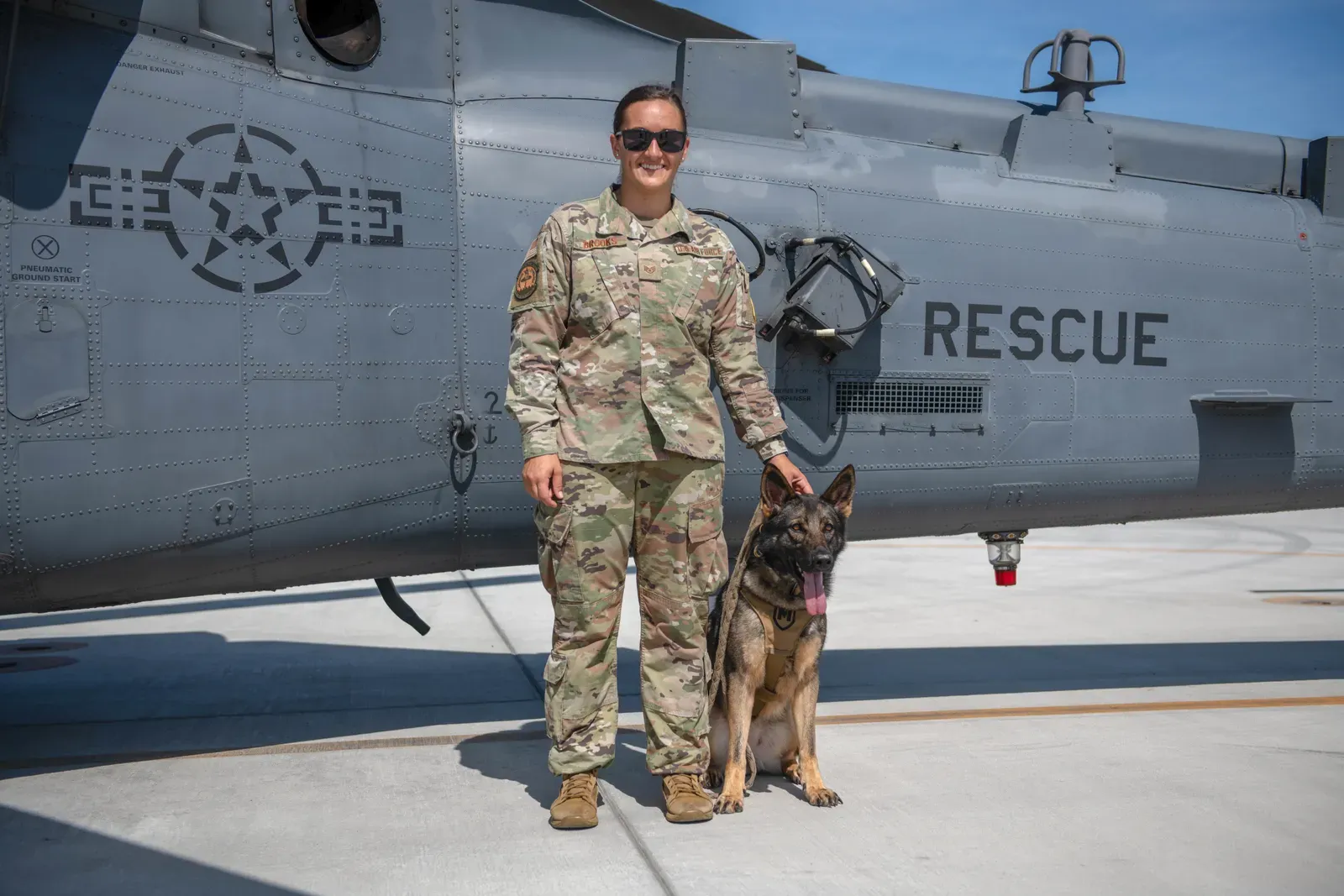
Nobody prepares you for this part. doesn’t just transform them. It transforms you.
You become more observant, learning to read subtle body language that others miss. That slight tension in their shoulders, the quick flick of their tongue, the shift in ear position – suddenly you’re fluent in a language most people never notice. Your patience expands beyond what you thought possible. Despite potential challenges, adopting a rescue dog is incredibly rewarding, as you’re not only saving a life but gaining a loyal companion who will likely repay your kindness with unwavering devotion.
Rescue dogs often form incredibly strong bonds with their adopters, perhaps because they understand the value of a loving home. There’s something profound about earning trust from a creature who had every reason to give up on humanity. When your once-fearful dog finally relaxes enough to sleep with their belly exposed, or when they choose you as their safe person during a scary moment, you’ll understand what I mean.
These dogs teach us that healing isn’t about erasing the past. It’s about creating enough beautiful new experiences that the past loses its power. They show us that broken doesn’t mean beyond repair, that patience accomplishes what force never could.
Your difficult dog becomes living proof that love, given time and consistency, really does conquer fear. What begins as your mission to save them quietly becomes their gift of saving you right back.
Conclusion: Choosing the Harder Path to Greater Joy
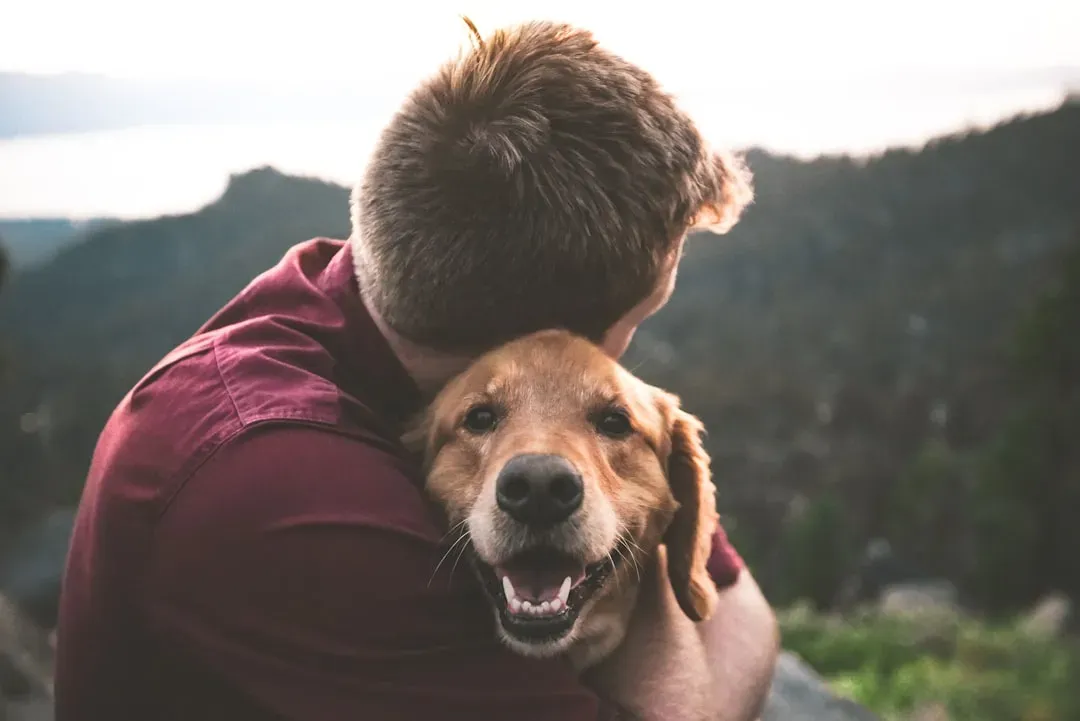
isn’t for everyone. It demands resources, emotional resilience, and unwavering commitment. Some days will test every ounce of patience you possess. You’ll invest time, money, and energy that a well-adjusted dog might never require.
Yet ask anyone who’s walked this path, and they’ll tell you the same thing: they’d do it again in a heartbeat. The connection forged through adversity creates bonds that easy relationships simply cannot match. With patience, understanding, and the right approach, rescue dogs can become loyal, loving companions, and many struggles new owners face are temporary, allowing rescue dogs to flourish with time, training, and care.
Your difficult dog will teach you things about yourself you never knew. They’ll show you reserves of compassion, patience, and determination you didn’t realize you had. Most importantly, they’ll demonstrate that second chances aren’t just possible – they’re transformative.
What do you think? Could you be the person who sees potential where others see problems? Tell us in the comments about your experience with a challenging rescue, or share what’s holding you back from taking that leap.


