
Let’s be real for a second. Nobody wants to admit that the sweet pup they brought home might one day surprise them with an unexpected growl or snap. I think we all prefer to imagine our dogs as perfect angels who wouldn’t hurt a fly. Here’s the thing though – aggression isn’t about a dog being inherently evil or unlovable. It’s usually about fear, frustration, pain, or simply how they were bred to behave in certain situations.
Fear is the number one cause of aggressive behavior in dogs. Sometimes those outbursts catch us completely off guard, leaving us confused and shaken. Understanding which breeds might be more prone to these behaviors is honestly just smart preparation, not breed shaming. Think of it as knowing what you’re signing up for before you commit. So let’s dive in and explore which dogs need extra attention, training, and understanding when it comes to managing their more reactive moments.
Chihuahua
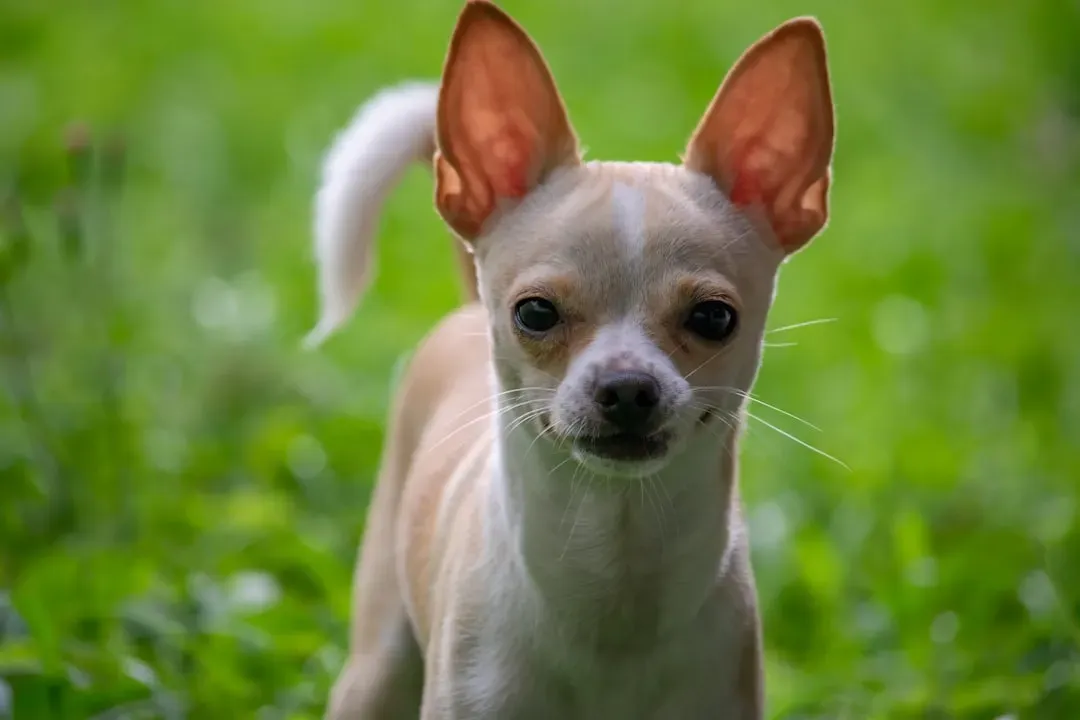
Sometimes nicknamed “land sharks,” these itty-bitty dogs do not like to be underestimated, and it’s not unusual to see them squaring up against the biggest dog in the park. Being the smallest of the dog breeds, many Chihuahuas seem to feel the need to overcompensate for what they lack in physical stature by greeting the world teeth first. The truth is, many people don’t take their aggression seriously because of their size.
Yet small doesn’t mean harmless. These feisty little dogs can develop what behaviorists call “small dog syndrome” when owners don’t set proper boundaries early on. If your Chihuahua shows his teeth or snaps when you reach for his food bowl, that’s not cute – it’s a warning sign that needs addressing immediately. The good news is they’re highly trainable when approached with patience and consistency.
Dachshund

Dachshunds can be miniature, yet they are known for their aggression. According to experts, Dachshunds can be aggressive towards strangers and have a persistent barking issue. Originally bred to hunt badgers in underground dens, these long-bodied pups retain that fearless, tenacious streak.
Picture this: a Dachshund encounters someone new at the door and immediately goes into full alert mode, barking relentlessly and showing defensive posturing. This breed can become extremely protective of their family and territory without proper socialization. Their back problems can also contribute to pain-related aggression, especially if someone tries to pick them up incorrectly. Training them early to accept handling and meeting strangers makes all the difference.
Siberian Husky
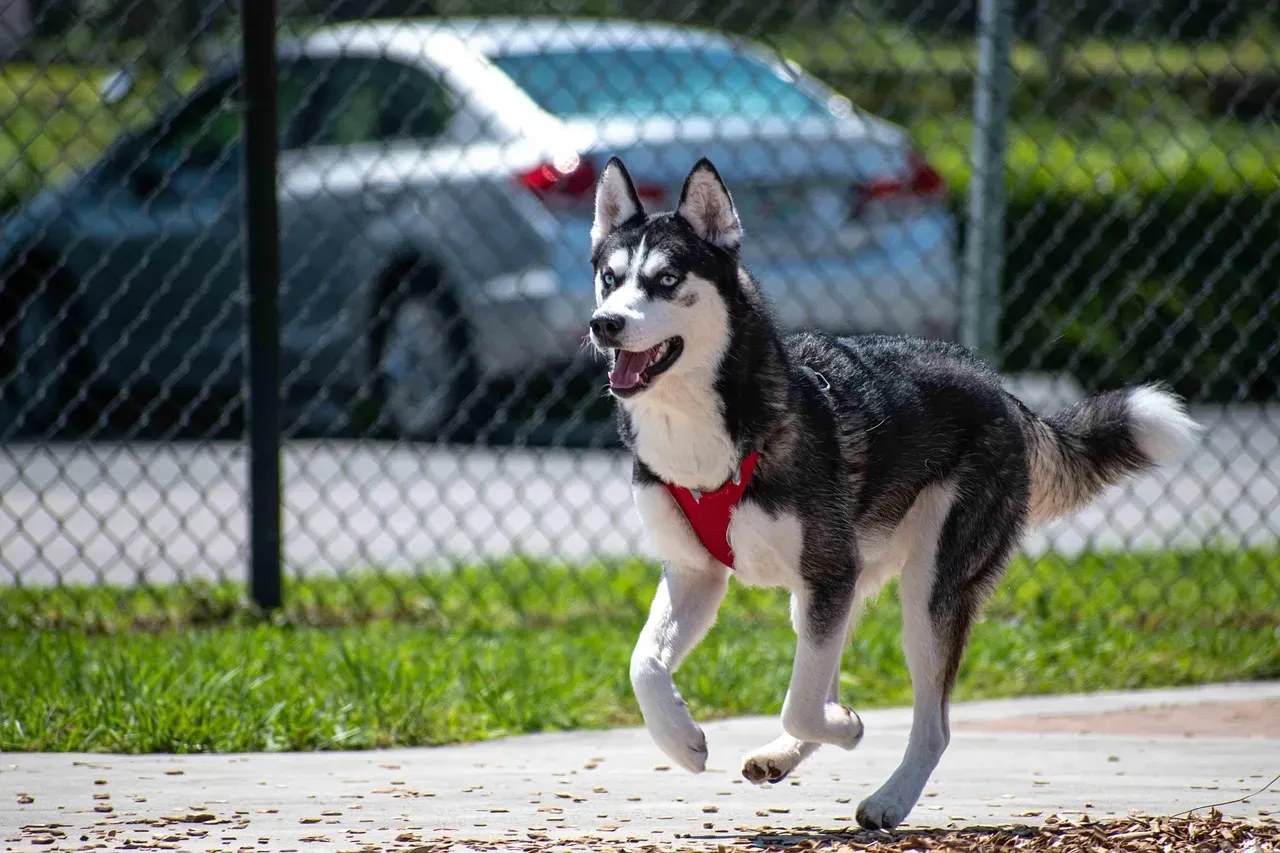
The Siberian Husky has been bred to pull sleds over miles of frozen tundra. If they aren’t kept busy then their excess energy can spill over into aggression. In short, this isn’t the dog for you if you don’t have plenty of time to exercise them and keep them mentally stimulated. I’ve seen Huskies become completely different dogs when they’re bored.
These working breeds need jobs to do, plain and simple. A Husky left alone in a backyard with nothing but their own thoughts can develop frustration-based aggression quickly. They might start fence fighting with neighborhood dogs or redirecting their pent-up energy onto family members. The key with Huskies is exhausting them physically and mentally every single day – think long runs, puzzle toys, and training sessions that challenge their sharp minds.
Akita
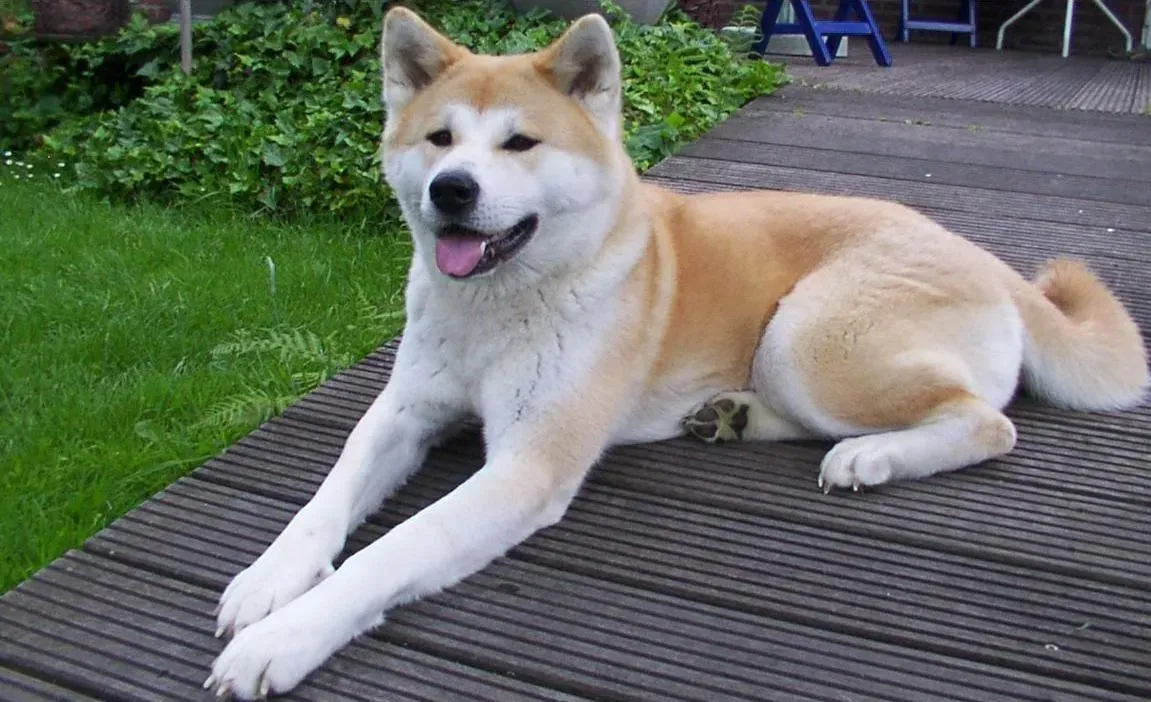
The Akita is essentially Japan’s equivalent of the German Shepherd – commonly used as police and guard dogs. It’s important to make sure its natural aggression is put to good use. These noble, powerful dogs were bred to hunt bears and guard Japanese royalty.
When an Akita does bite, they usually mean business. It is important to socialize your dog with people from a young age but also to ensure that you have safety measures in place when visitors come to the home. Akitas can be fiercely loyal to their family while remaining suspicious and standoffish with strangers. Their protective instincts can escalate to aggression if they perceive a threat, whether real or imagined. This isn’t a breed for first-time owners who aren’t prepared to commit to extensive socialization and firm, consistent leadership.
German Shepherd
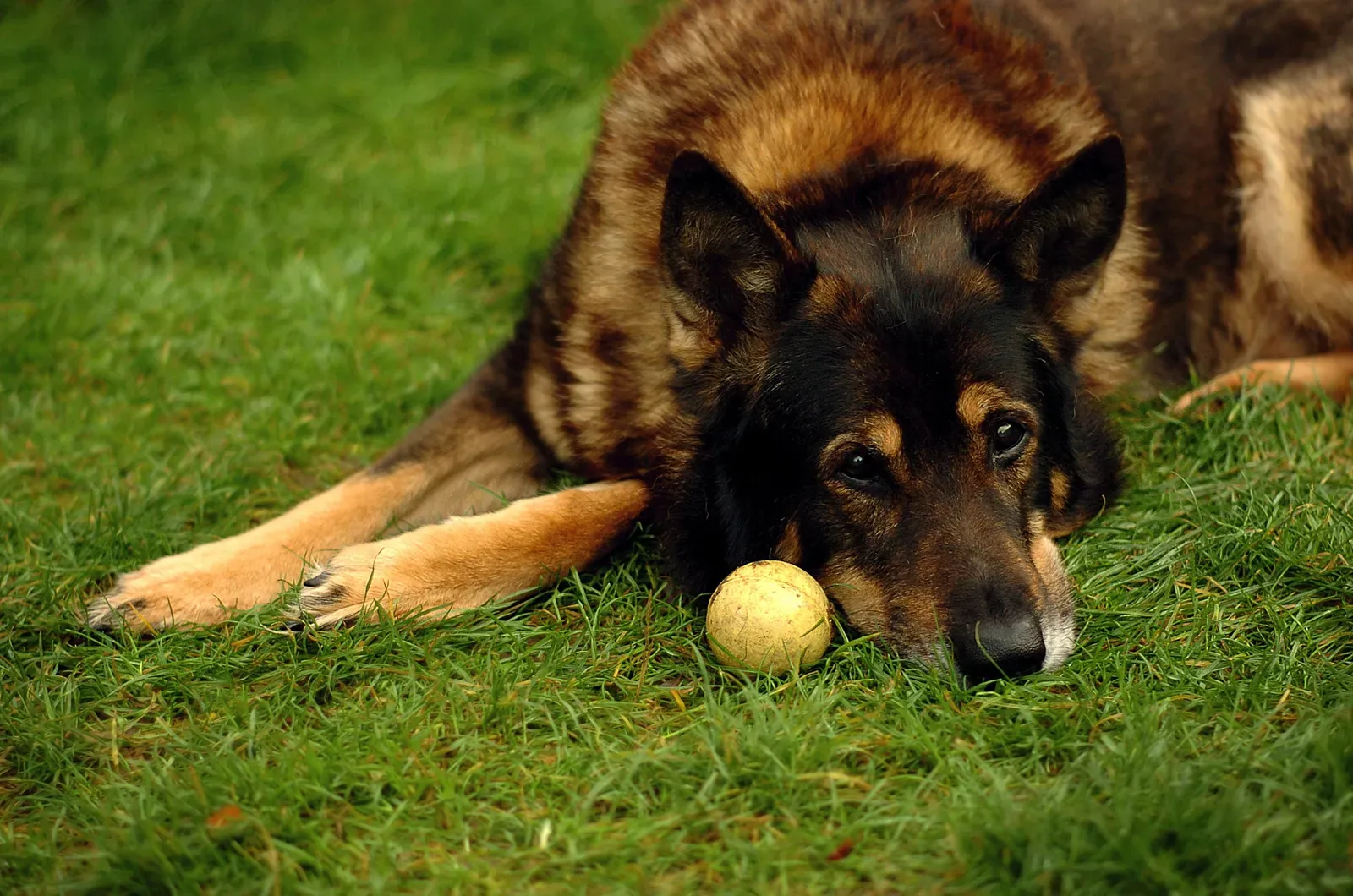
Aggression isn’t always a bad thing in a dog – the German Shepherd’s temperament means that it excels as a forces dog, police dog and guard dog. While it’s not a dog to get on the wrong side of, if the aggression is channeled in the right way it can be a great pet that is sure to protect its beloved family. That protective nature can become problematic in the wrong hands though.
Without proper training and socialization, German Shepherds can become overly territorial and reactive to perceived threats. They might lunge at strangers during walks or become aggressive when protecting their home. Their intelligence works against them sometimes because they learn both good and bad behaviors incredibly quickly. These dogs need confident owners who understand how to channel their protective instincts appropriately through structured training and clear boundaries.
Rottweiler
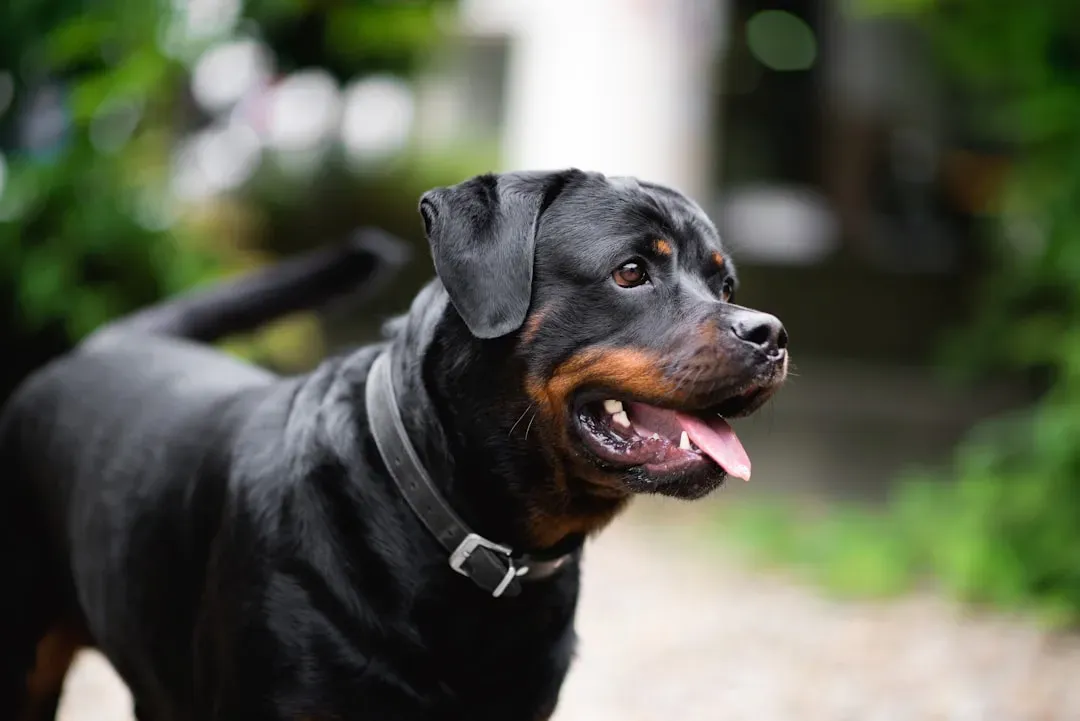
While the Rottweiler’s reputation for aggression is slightly unfair, it is a breed of dog that has the potential to be aggressive. The dog’s upbringing is key – a well-trained Rottweiler with an experienced owner can be a placid and loving dog, but this isn’t a breed for novices. Their intimidating size and strength mean any aggressive outburst carries serious consequences.
A Rottweiler experiencing fear or perceiving a threat to their family can react with lightning speed. Resource guarding is particularly common in this breed – imagine your Rottie suddenly stiffening and growling when you approach during mealtime. That’s not random aggression; it’s a deeply ingrained protective instinct. Early socialization, consistent training, and ensuring they aren’t in pain are absolutely crucial with this powerful breed.
Doberman Pinscher
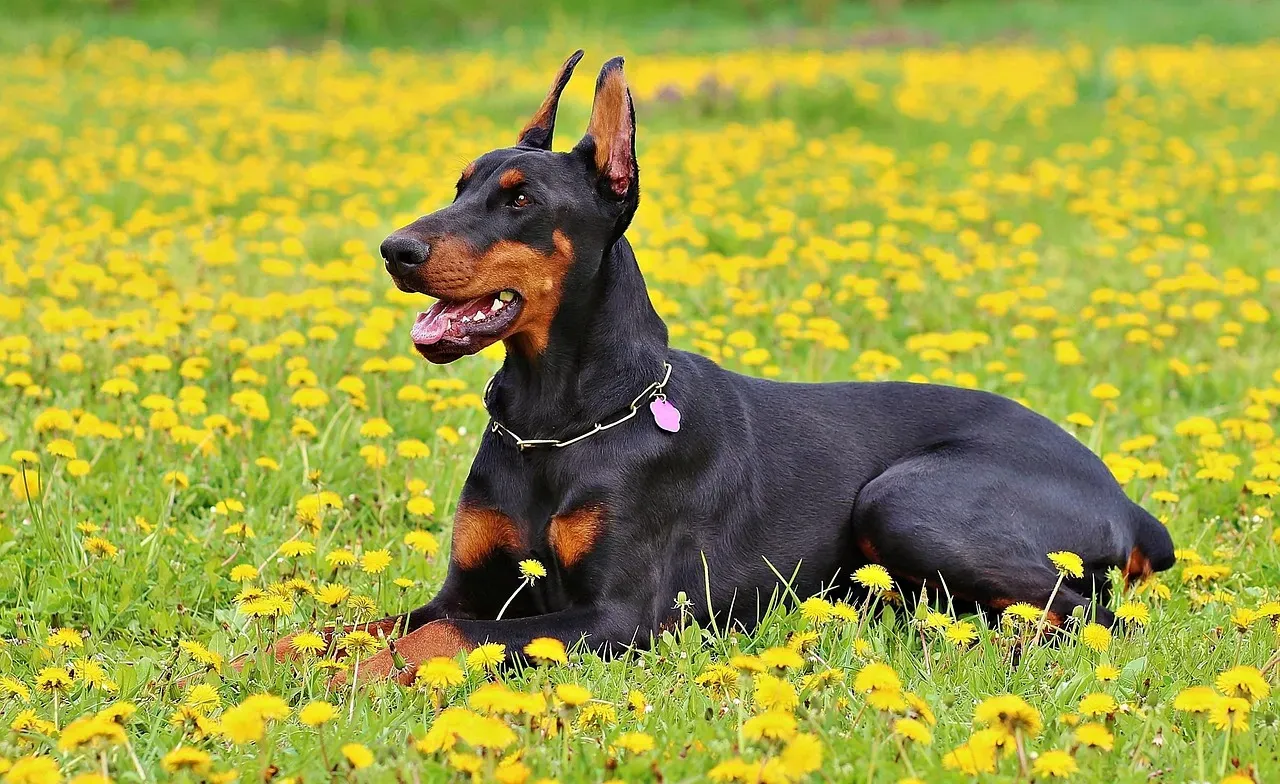
Dobermanns are usually fiercely loyal to their owners but that can also result in signs of aggression to strangers. Early socialisation is a must with this muscular breed. These sleek, athletic dogs were specifically bred to be personal protection dogs for a German tax collector.
Their loyalty can manifest as overprotectiveness if not properly managed. A Doberman might perceive an innocent interaction between their owner and a stranger as threatening and react aggressively. They’re incredibly sensitive to their owner’s emotional state too, which means if you’re anxious or fearful, they’ll mirror that energy. Professional training and exposing them to diverse situations while young helps them distinguish between actual threats and normal daily life.
Rhodesian Ridgeback
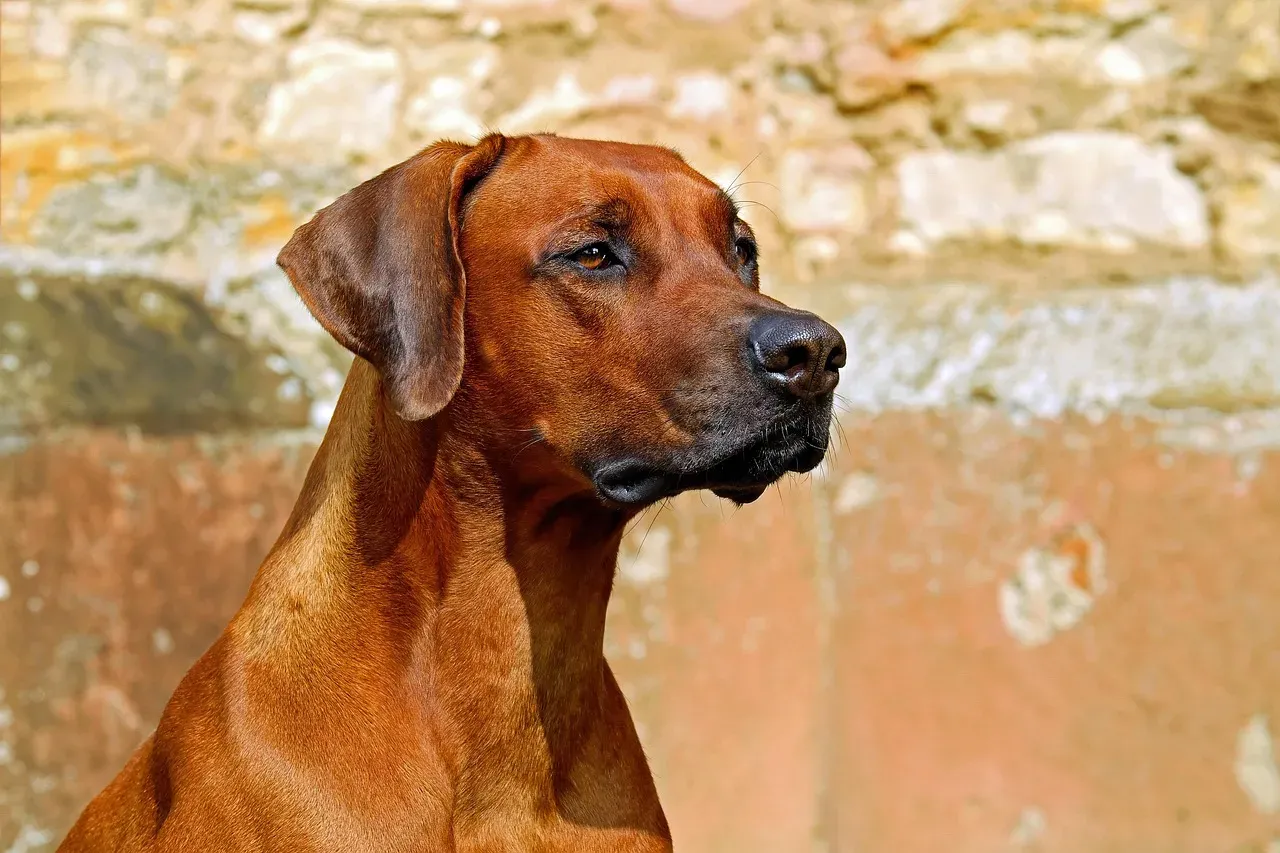
Originally bred to protect cattle from lions in their native Africa, it’s perhaps not surprising that the Rhodesian Ridgeback still retains an aggressive streak. They are a breed particularly likely to show aggression towards people they don’t know. When your dog was designed to face down lions, you can imagine they’re not easily intimidated.
These powerful, independent dogs require owners who understand their strong-willed nature. A Ridgeback who hasn’t been properly socialized might view visitors to your home as intruders needing to be driven away. Their size and strength make management absolutely essential. They need firm, consistent leadership and lots of positive exposure to different people and situations throughout puppyhood and adolescence.
Pomeranian
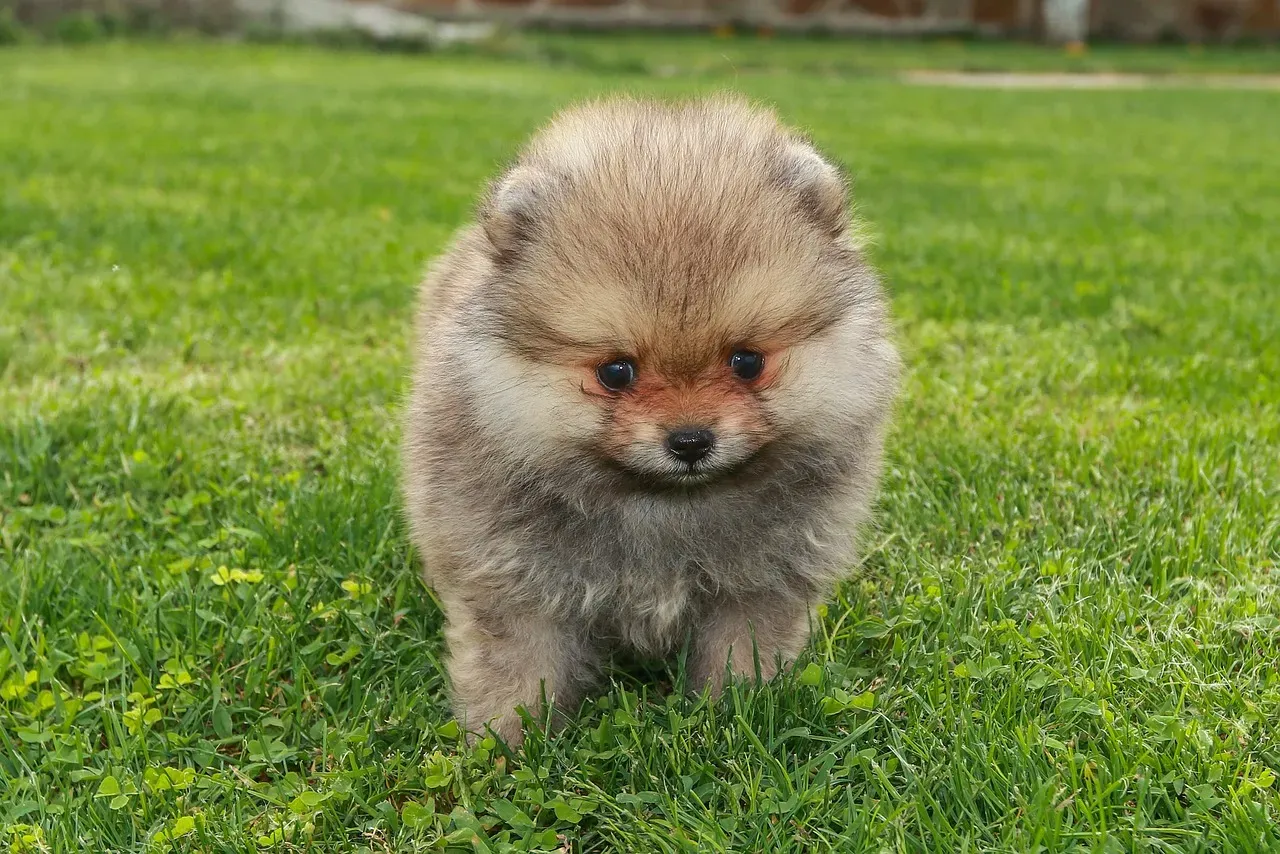
These precious balls of fluff will melt your heart with their ‘butter wouldn’t melt’ expressions, but don’t be fooled; some of those fluffballs can be sharp! Much like the Chihuahua, the sweet features and small size of the Pomeranian means that they sometimes seem to think that an attack is the best defense and a quick path to getting their own way. Often the victim of poor training and socialization, the Pomeranian can easily be taught to not bite, and spoiling them will do them no favors.
These tiny balls of fluff can develop what I call “Napoleon syndrome” when owners treat them like fragile toys instead of actual dogs. A Pomeranian lunging and snapping at someone’s ankles might seem almost comical, but it’s genuine aggression that shouldn’t be ignored. They benefit enormously from being treated like the dogs they are – with boundaries, training, and expectations for good behavior. The spoiled Pom who rules the household often becomes the snappy Pom nobody wants to be around.
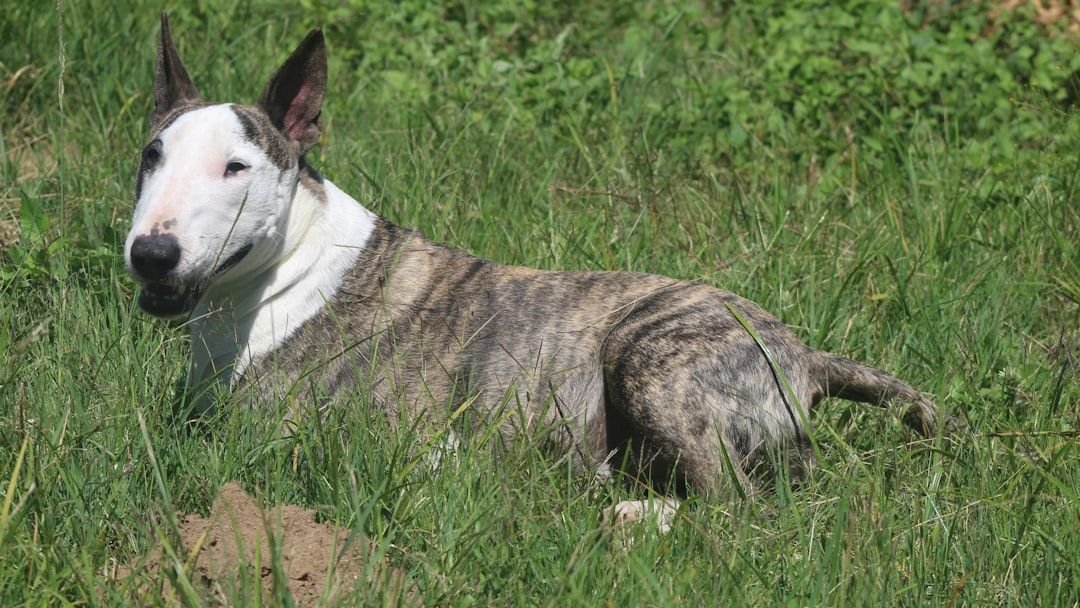
Bull Terrier
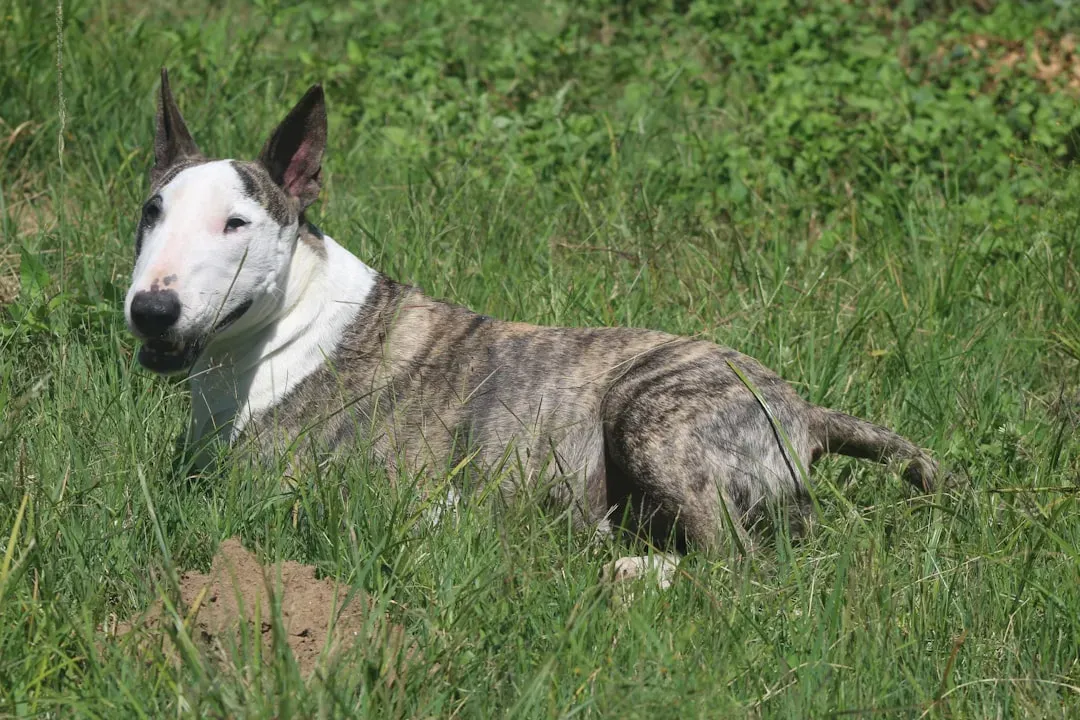
According to Roll and Unshelm, German Shepherd dogs and Bull Terriers are more likely to display violent behavior to others. These muscular, egg-headed characters were originally bred for bull-baiting and dog fighting, though modern breeding has softened many of those traits.
Still, Bull Terriers can exhibit , especially toward other dogs. Their high pain tolerance and determination mean once they’re triggered, stopping them becomes challenging. I’ve heard stories of Bull Terriers switching from playful to aggressive seemingly without warning during dog park encounters. They need owners committed to constant supervision around other animals and early intervention at the first sign of overarousal or fixation.
Jack Russell Terrier
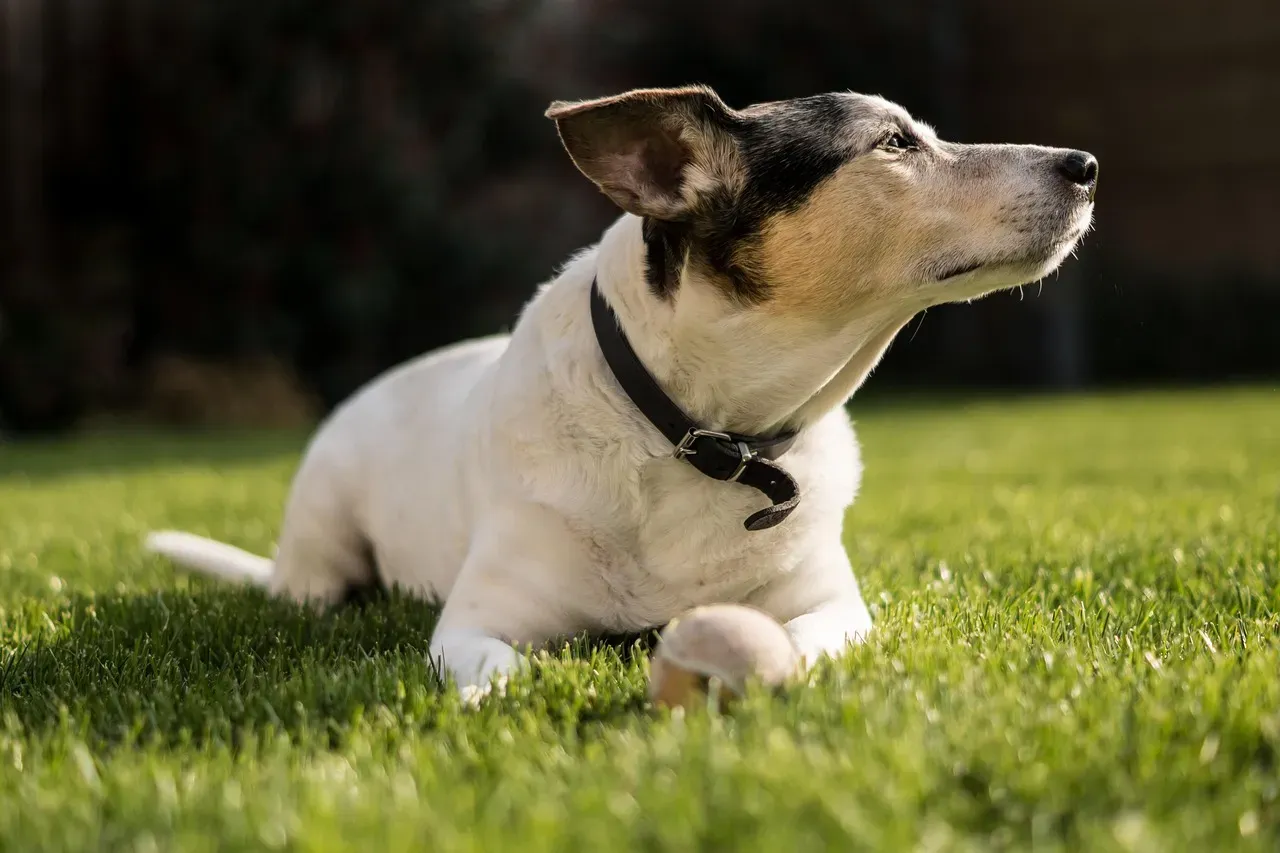
These compact terriers pack enormous amounts of energy and prey drive into their small frames. Originally bred to hunt foxes and flush them from burrows, Jack Russells retain intense hunting instincts that can manifest as aggression. They’re fearless to a fault, which means they’ll take on dogs many times their size without hesitation.
A bored or under-exercised Jack Russell becomes a ticking time bomb of pent-up energy. They might suddenly snap at fast-moving objects – including children’s hands – or become possessive over toys and territory. Bored, under-stimulated, and under-exercised dogs can turn to aggressive behavior as an outlet. This may take the form of redirected aggression. These dogs absolutely require consistent training, plenty of exercise, and mental stimulation to prevent their natural intensity from boiling over into problematic behavior.
Cocker Spaniel

This one might surprise you because Cocker Spaniels have such a gentle, sweet reputation. Yet certain bloodlines carry what’s known as “rage syndrome” or sudden onset aggression. Without warning, an otherwise loving Cocker can suddenly attack, then return to normal behavior just as quickly, often seeming confused about what happened.
This rare condition aside, Cockers can also develop aggression related to pain, particularly from chronic ear infections they’re prone to. Imagine your dog already hurting, and then someone reaches toward their painful ears – the reaction can be swift and shocking. Regular veterinary care and watching for behavior changes that might indicate pain are crucial with this breed. They also need gentle but consistent training to prevent them from becoming overly possessive of family members.
Chow Chow
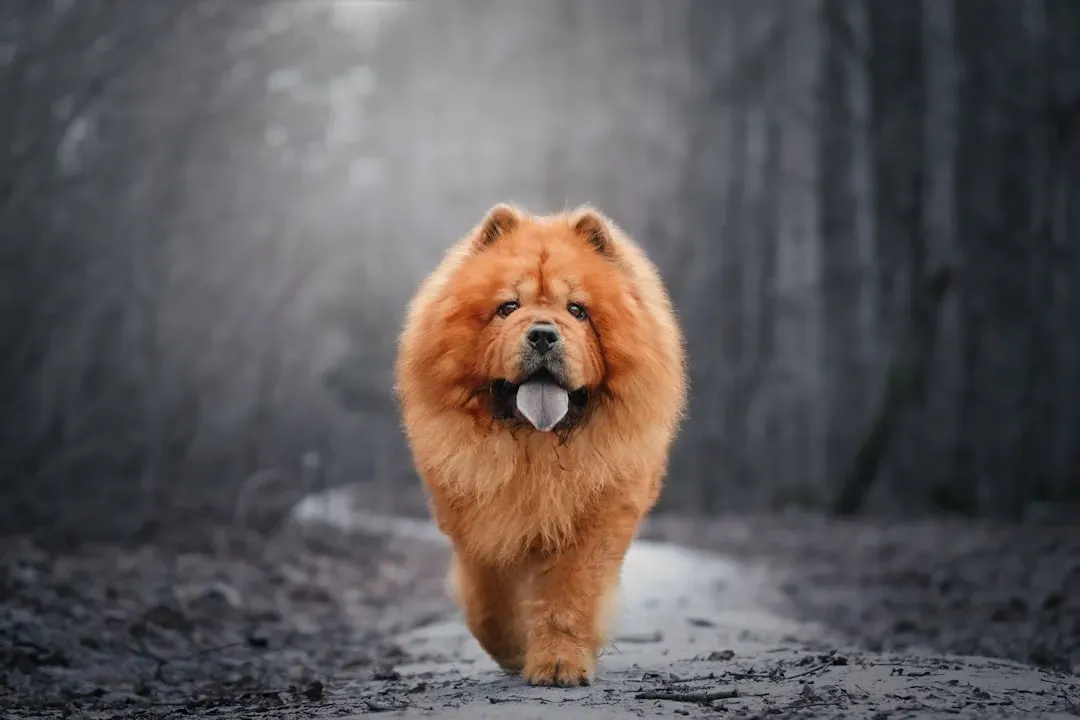
These fluffy, lion-like dogs were bred as guard dogs and hunting companions in China. Chow Chows are naturally aloof and can be intensely loyal to one person while showing indifference or hostility toward others. Their protective instincts can quickly escalate to aggression if they perceive a threat to their chosen person or territory.
A Chow Chow who hasn’t been properly socialized might react with sudden snapping or biting when strangers try to pet them. They have low tolerance for what they perceive as disrespect or boundary violations. Early and ongoing socialization is absolutely critical, as is respecting their more independent nature. They’re not the type to warmly welcome everyone who walks through your door, and forcing interactions often backfires spectacularly.
Conclusion
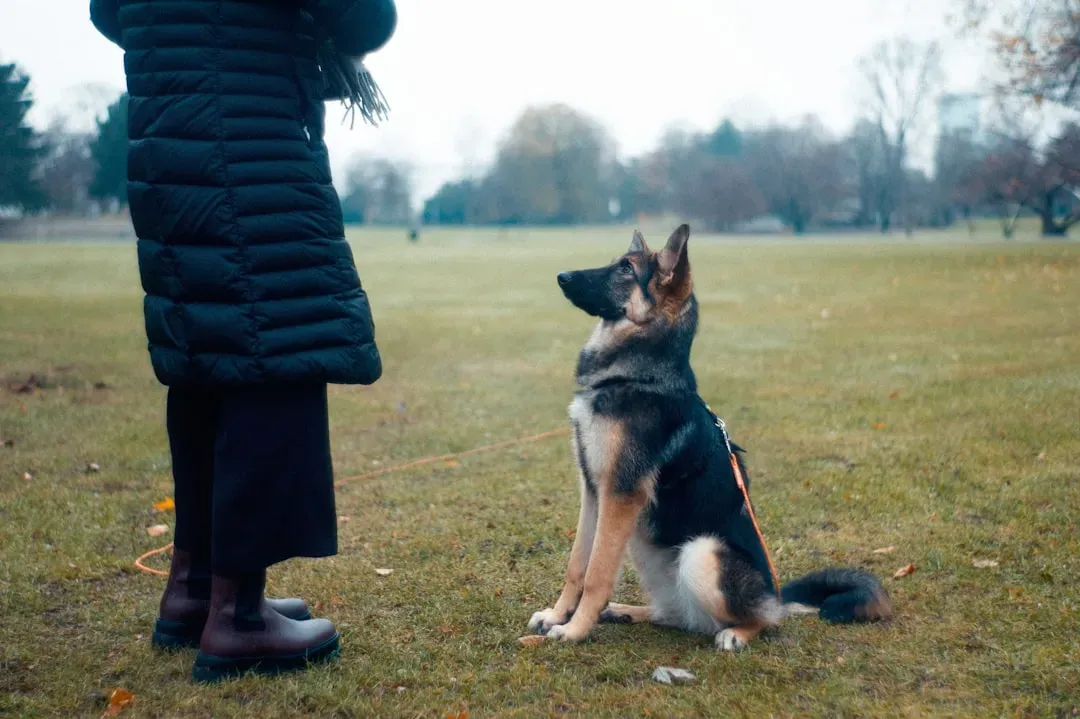
Here’s what I want you to take away from all this: Individual dogs may display attributes that are unusual for their breed, and all dogs have the potential to be aggressive in certain situations. Breed tendencies give us guidelines, not guarantees. A Chihuahua raised with love, boundaries, and proper socialization can be wonderful, while a typically gentle breed can become aggressive under the wrong circumstances.
Most aggression is driven by fear, so intervening early if you have a fearful dog is best. The breeds we’ve discussed today simply require extra attention to training, socialization, and understanding their natural instincts. None of them are lost causes or inherently bad dogs – they just need informed owners who respect their needs and limitations.
If you recognize your dog on this list, don’t panic. Seek professional help at the first sign of concerning behavior, invest time in training, and never ignore the warning signs your dog gives you. What do you think about this list? Does your experience with these breeds match what we’ve discussed? Share your thoughts in the comments.


