
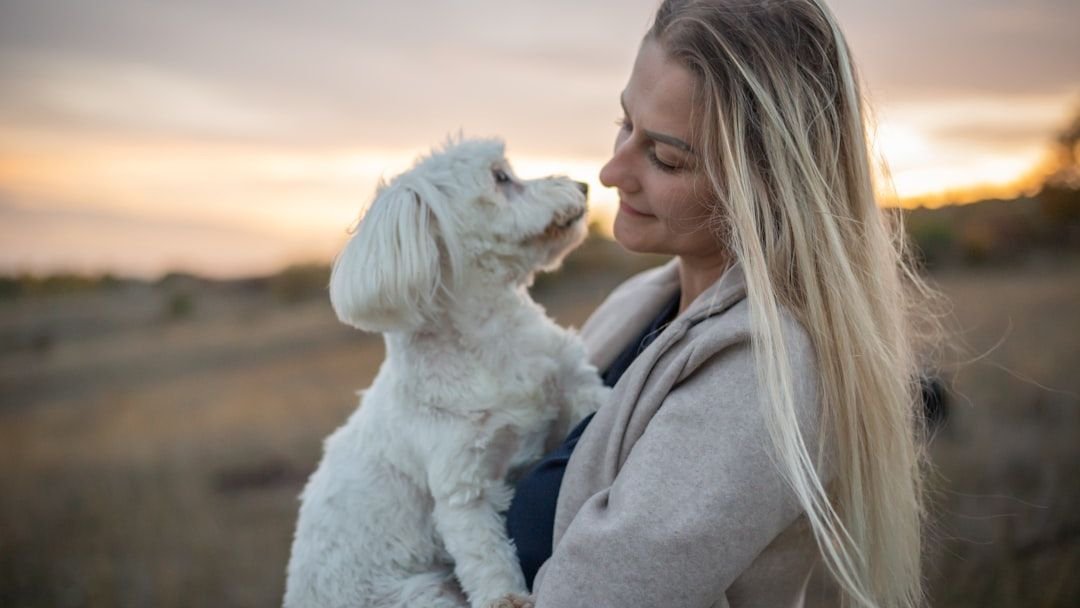
Every dog owner will swear they know exactly what their furry friend is feeling. When Bella tilts her head at you, she’s curious. When Max wags his tail, he’s thrilled to see you. That guilty look on Luna’s face when you walk in? She definitely knows she shredded the couch cushion.
Seems simple enough. Yet recent scientific research from Arizona State University is throwing some serious shade on our confidence. Let’s be real, humans might be dramatically misunderstanding their four-legged companions in ways that could surprise even the most experienced dog lover.
We Read the Room, Not the Dog

Scientists discovered that humans typically don’t have a good understanding of their dog’s emotional state because they judge the dog’s emotions according to the context of the event they witness. Think about that for a second. People don’t look at what the dog is doing, instead they look at the situation surrounding the dog and base their emotional perception off of that.
Researchers ran clever experiments showing participants videos of the same dog behaving identically in two different situations. When people saw a video of a dog apparently reacting to a vacuum cleaner, everyone said the dog was feeling bad and agitated, but when they saw a video of the dog doing the exact same thing appearing to react to seeing his leash, everyone reported that the dog was feeling happy and calm. The dog’s actual behavior hadn’t changed one bit. These assumptions of how you think the dog is feeling have nothing to do with the dog’s behavior or emotional cues, which is very striking.
The Anthropomorphism Problem
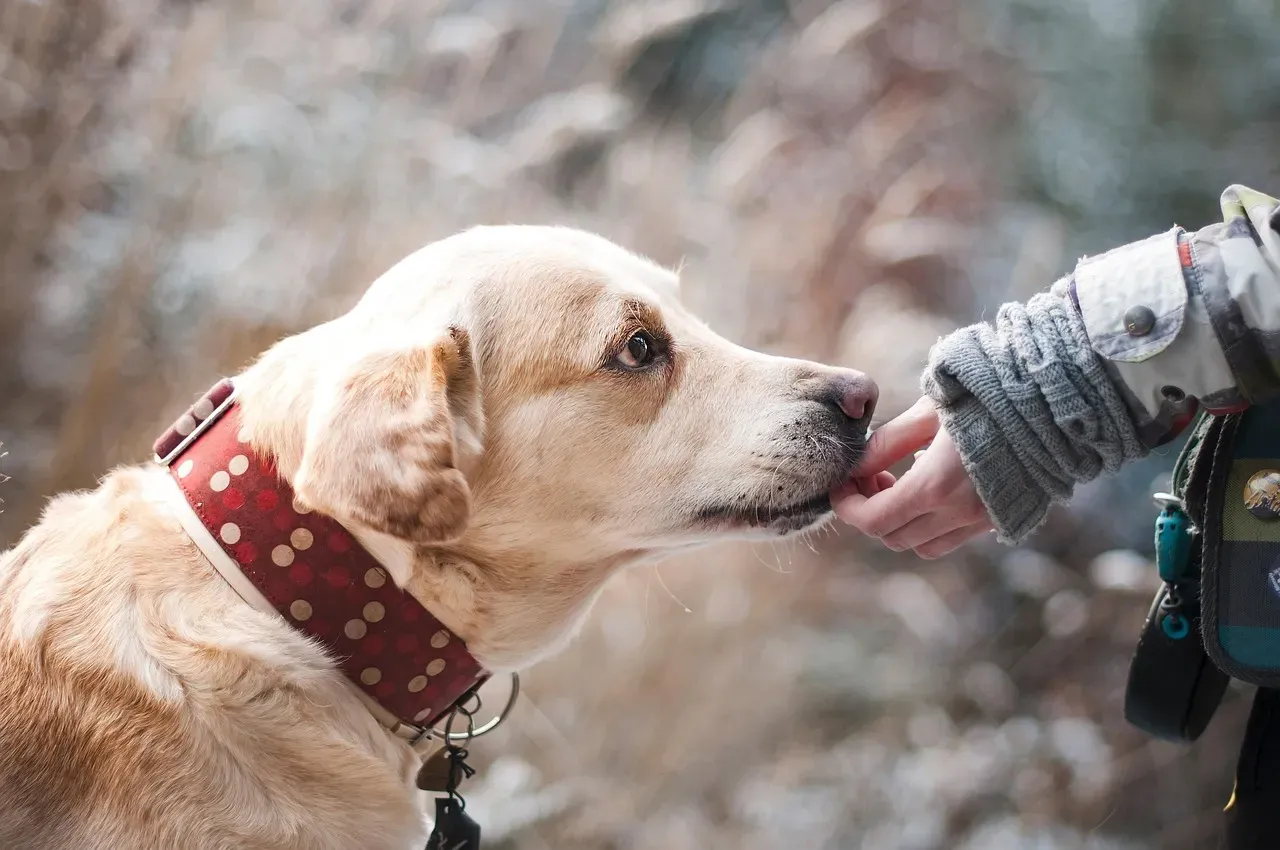
Adding to the misunderstanding is human projection of their feelings onto the dog through “anthropomorphizing” of the interaction, which further clouds truly understanding what your dog’s emotional state actually may be. We’re essentially dressing up our dogs in human costumes and expecting them to feel the way we would in any given situation.
While humans and dogs have shared a bond over the centuries, that doesn’t mean their emotional processing, or even emotional expressions, are the same. Here’s the thing: dogs aren’t little furry people. Most emotional facial actions produced by dogs were in the mouth area, using the tongue or the opening of the mouth, and none were in the eye area, which is an important difference from humans that produce eye region AUs in many of the prototypical facial expressions, and this might be another reason why humans seem to find it very hard to read dogs’ communication.
Dogs Communicate Differently Than We Think

People consistently misinterpret certain dog facial expressions, often mistaking positive anticipation as frustration, appeasement as happiness, distress as surprise, fear as happiness, and sadness as fear. Honestly, that’s a lot of confusion. Imagine thinking your dog is joyful when they’re actually terrified.
When averaging across all tested emotions, bodily expression tended to attract higher categorization accuracy than facial expression, with the two expression channels demonstrating category-dependent modification, such as higher accuracy in recognizing facial expressions of anger and surprise, but bodily expressions of happiness and fear. Turns out we need to look at the whole dog, not just their face. The tail isn’t just decorative, after all.
Even Experience Doesn’t Always Help

You’d think longtime dog owners would be experts at reading canine emotions, right? Not necessarily. Dog ownership had no effect on accuracy, and participants’ ability to recognize human emotions did not predict their performance with dogs, suggesting that interpreting canine emotions may rely on distinct cognitive mechanisms.
From a young age, humans lack the ability to correctly interpret dogs’ reactions, and even with information-based training in adulthood, there may be no improvement. That’s humbling. The “guilty dog” studies showed humans potentially confuse dog facial responses to verbal scolding with a cognitively complex process involving a sense of guilt. What we see as remorse might just be a dog reacting to our angry tone with fear or submission.
Learning to Truly See Your Dog
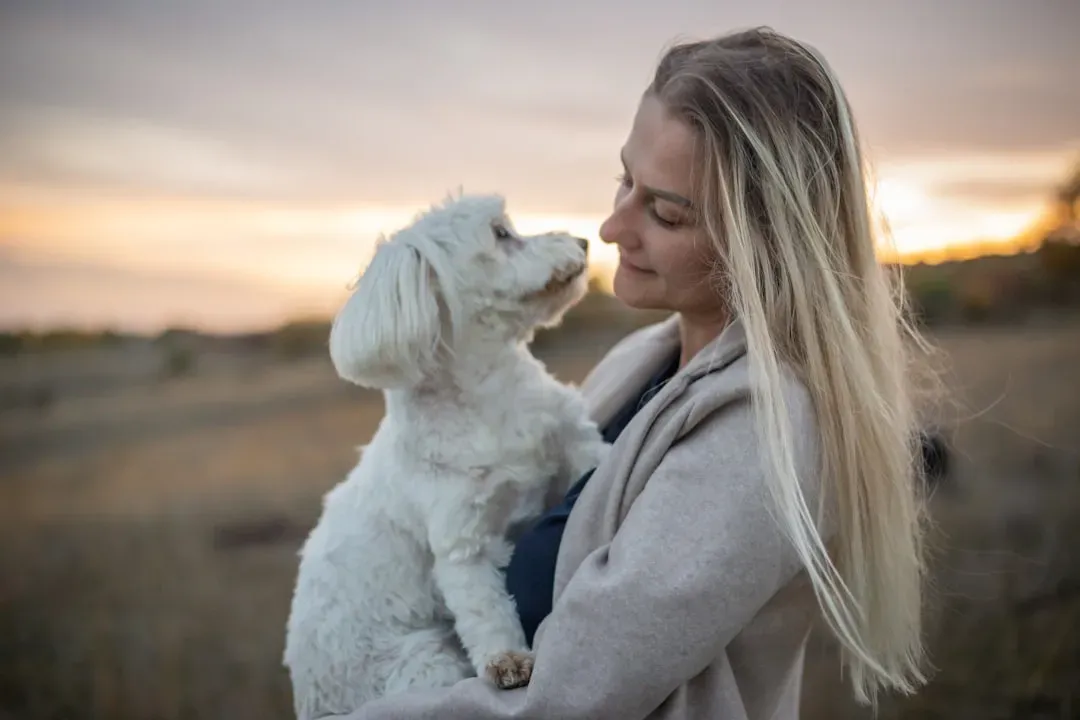
The first step is just to be aware that we are not that good at reading dogs’ emotions and need to be humbler in our understanding of our dogs, so once we can start from a basis of understanding our biases, we can begin to look at our pups in a new light. It’s hard to say for sure, but being wrong is the first step toward being right.
Every dog’s personality, and thus her emotional expressions, are unique to that dog, so really pay attention to your own dog’s cues and behaviors. When you yell at your dog for doing something bad and she makes that guilty face, is it really because she is guilty, or is it because she is scared you are going to reprimand her more, so taking an extra second or two to focus on your dog’s behaviors, knowing that you need to overcome a bias to view the situation around the dog rather than the dog himself, can go a long way. Small shifts in perspective can transform the entire relationship.
The bond between humans and dogs spans thousands of years. We’ve shaped each other’s evolution and shared countless moments of joy and companionship. Still, scientific evidence suggests we’ve got a long way to go in truly understanding what our dogs are telling us. Maybe that’s the real lesson here: love doesn’t automatically equal understanding, and assuming we know what our dogs feel might be doing them a disservice. Next time your dog gives you that look, pause for a moment. What are they really trying to say? Did you expect that the answer might be more complicated than you thought?


