
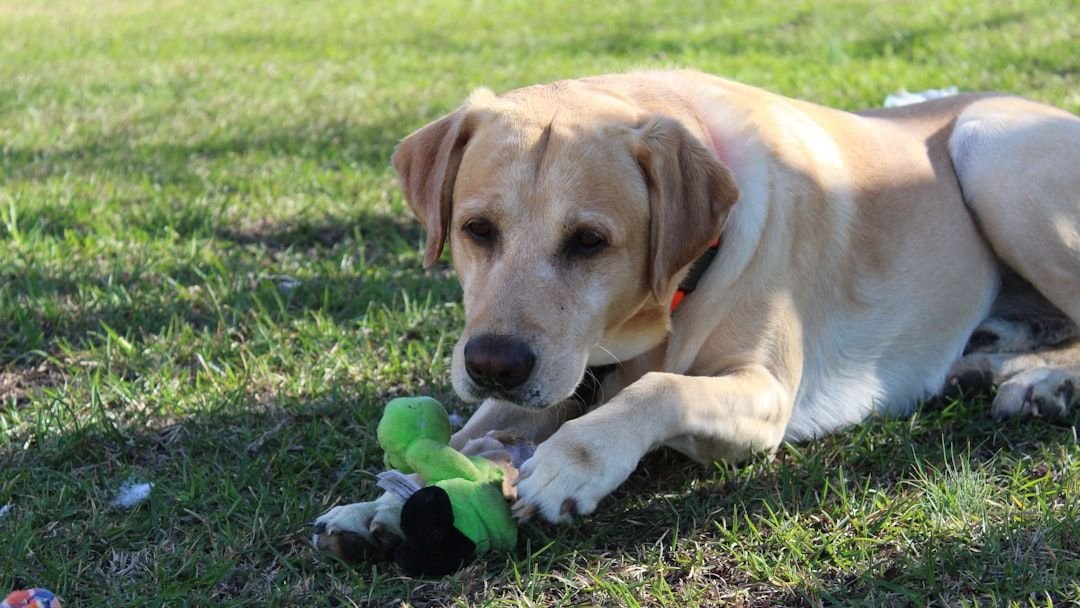
Ever watched your dog parade around the house with that same worn-out squeaky toy they’ve had for years? Maybe it’s missing an eye, possibly leaking stuffing, yet somehow it remains the most precious thing in their world. Dogs have this incredible ability to attach themselves to objects in ways that mirror our own childhood attachments to blankets or stuffed animals. Some breeds take this behavior to a whole new level, forming such deep connections with a single toy that separating them becomes nearly impossible.
Research shows that dogs perceive toys in the same way wolves perceive prey, and it all comes down to texture, shape and size. This instinctual behavior means certain breeds are hardwired to select and protect specific objects. While any dog can develop a favorite toy, some breeds display this trait more intensely than others. Let’s explore which furry friends are most likely to become devoted to that one special object.
Golden Retrievers and Their Gentle Obsessions
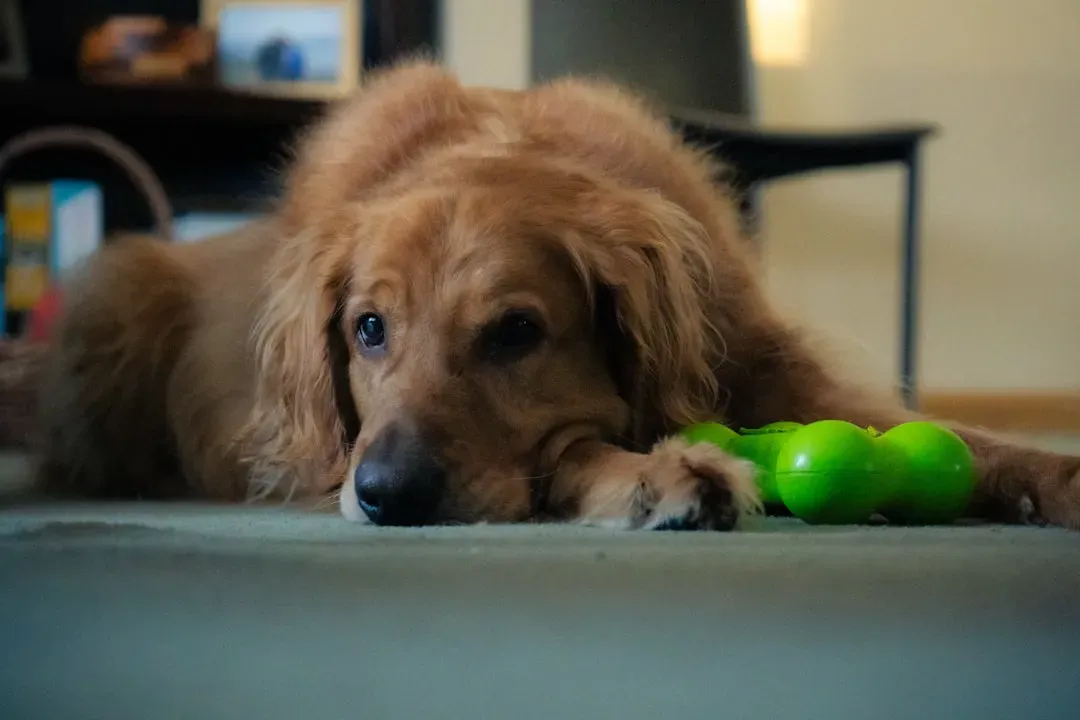
Golden Retrievers are well-known for their friendly and sociable nature, and this extends to forming attachments with inanimate objects. Their gentle mouth, a trait bred into them for retrieving games without damage, often leads to them carrying around a favorite toy or object for comfort. You might spot a Golden trotting through the house with their treasured possession tucked carefully between their jaws.
What makes this breed particularly endearing is how they incorporate their chosen toy into daily routines. Some even line up their favorite toys on their bed or carry one toy everywhere. The bond they form isn’t just about play. It’s about emotional security and connection, which makes sense for a breed that thrives on companionship and affection.
Labrador Retrievers – The Ultimate Toy Collectors
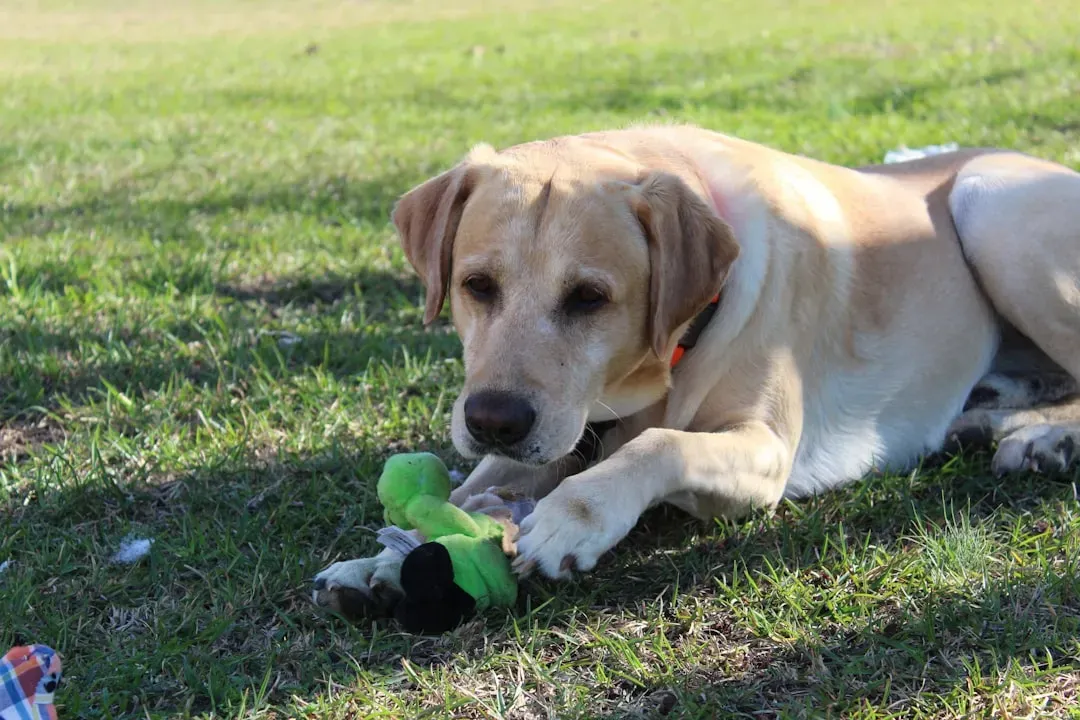
Labs are famous for their playful nature and boundless enthusiasm. Labradors are similar to their Golden cousins in their propensity to form attachments to objects. Known for their love of play, Labs often have favorite toys that they carry everywhere, sometimes treating them as prized possessions. Labradors are also known to seek comfort from these objects, especially when they are young or in new environments.
Here’s the thing: Labs don’t just play with toys, they bond with them on an emotional level. This behavior speaks to their desire for emotional comfort and connection. Whether it’s a tennis ball or a plush duck, once a Lab picks their favorite, good luck trying to convince them otherwise. They’ll defend their choice with wagging tails and pleading eyes.
Border Collies and Their Intense Focus
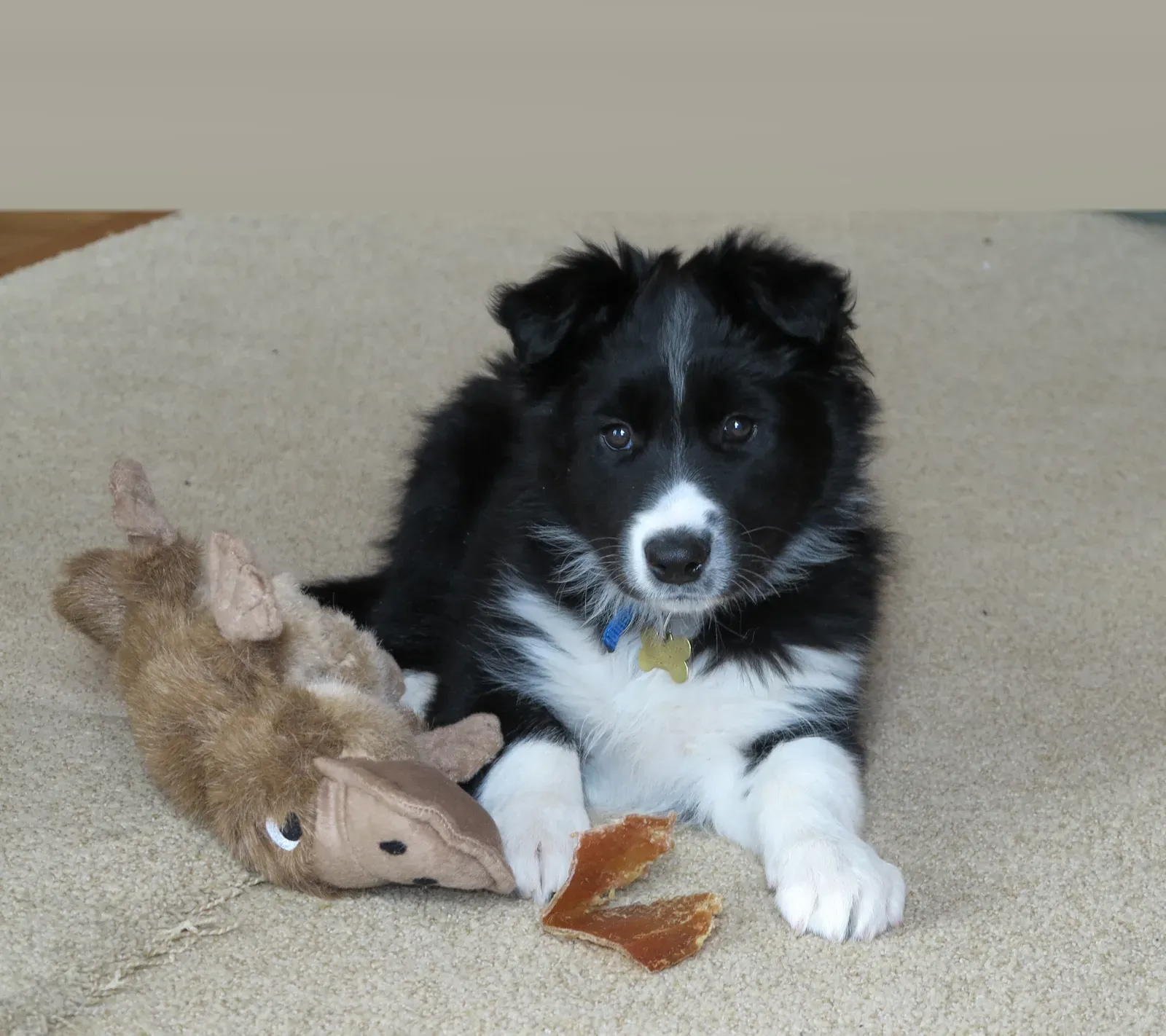
Border Collies, with their high intelligence and strong work ethic, sometimes channel their energy and focus onto inanimate objects. This breed often becomes fixated on a particular toy, especially if it’s used in training or play. Anyone who’s met a Border Collie knows they don’t do anything halfway.
Their herding instincts can manifest in fascinating ways when it comes to toys. They might gather their favorite objects, protect them fiercely, or even display herding behavior with their collection. This intense focus isn’t obsessive in a concerning way – it’s just how their brilliant minds work. They need mental stimulation, and sometimes that comes from forming a deep connection with a specific toy that challenges them.
Dachshunds With Their Possessive Personalities
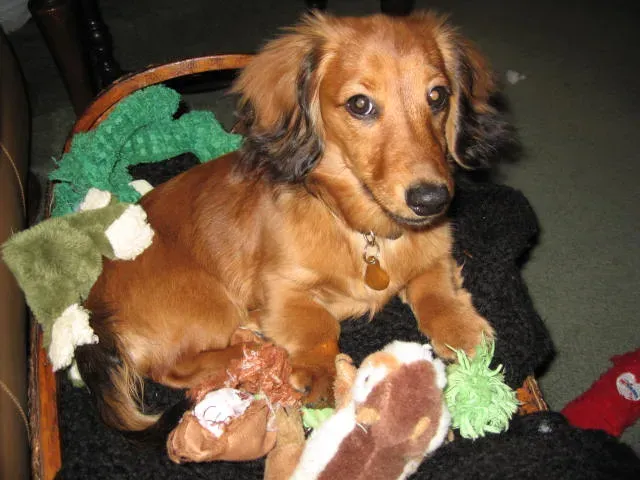
Dachshunds, with their playful and curious personality, are prone to developing attachments to objects. They might choose a particular toy as their favorite, often showing possessive behavior towards it. This breed’s hunting background can influence their attachment to objects, treating them as prey or trophies, which they proudly display or protect.
Let’s be real, Dachshunds might be small, but their personalities are enormous. When they claim a toy as their own, everyone in the household knows it. They’ll carry it to their bed, hide it under blankets, or even growl if someone tries to take it away. It’s adorable and slightly territorial at the same time, reflecting their heritage as determined hunters who never gave up on a prize.
German Shepherds and Loyal Attachments
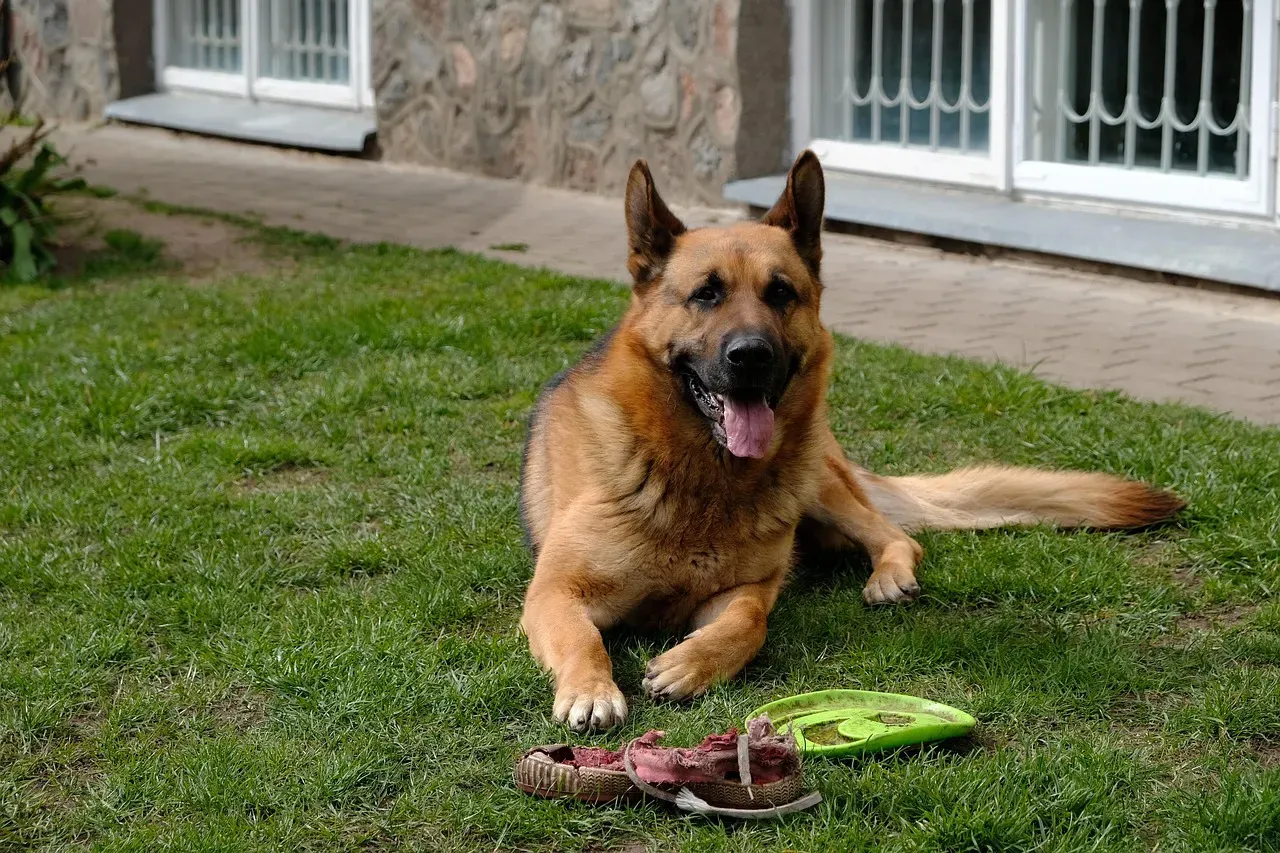
German Shepherds are renowned for their loyalty to people, but this devotion extends to objects too. Certain breeds, such as German Shepherds and chow chows often gravitate towards a single person. This same singular focus applies when they select a toy. Once a German Shepherd decides on their favorite, that object becomes part of their routine and emotional landscape.
Their protective nature means they’ll guard their chosen toy with the same dedication they show their family. It’s not uncommon to see a German Shepherd carrying the same rope toy for months, refusing newer, shinier alternatives. This behavior stems from their need for consistency and their deep emotional intelligence, which allows them to form meaningful connections with both people and objects.
Shih Tzus and Their Comfort Objects
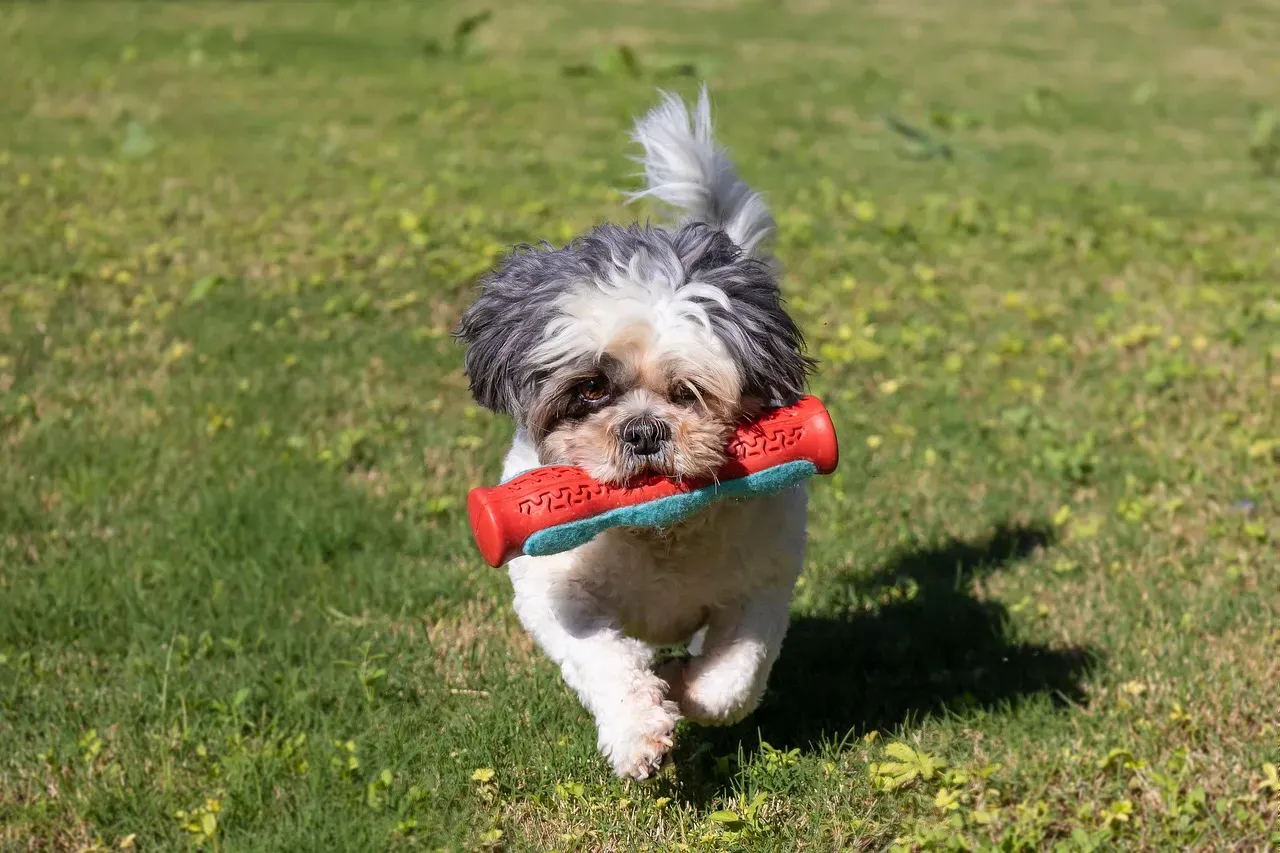
Shih Tzus, known for their affectionate and friendly disposition, sometimes form special bonds with inanimate objects. They might carry a favorite toy around as a companion or seek comfort from a particular blanket or pillow. This behavior reflects their desire for companionship and affection, showcasing their gentle and loving personality.
These little companions were bred to be lap dogs, so it makes sense they seek comfort wherever they can find it. A Shih Tzu with a favorite toy is like watching a toddler with their security blanket – they need it during stressful moments, at bedtime, and sometimes just because. Their attachment is pure and unfiltered, reminding us why we fell in love with dogs in the first place.
Conclusion: Understanding Our Dogs’ Emotional Worlds
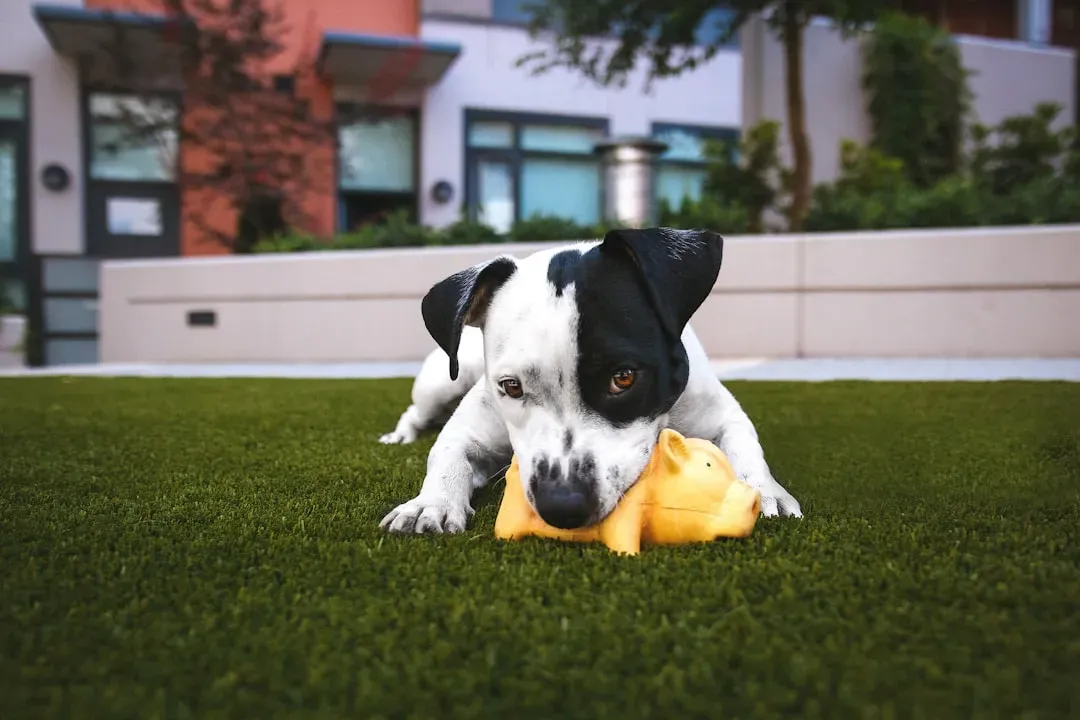
You may notice, in some cases, your pooch will hold his favorite toy just for comfort. Whether he is nervous or excited, this is his psychological way of overcoming distress or reinforcing a positive emotion. These attachments aren’t random quirks – they’re windows into how our dogs process emotions and find security in their world.
Whether your dog is a Golden Retriever gently mouthing their beloved tennis ball or a Dachshund fiercely protecting their squeaky toy, these behaviors deserve our appreciation rather than concern. They’re forming connections, seeking comfort, and showing us their unique personalities. Next time you see your pup with that ratty old toy, remember you’re witnessing something special: pure, uncomplicated devotion. What’s your dog’s most treasured possession? We’d love to hear about it in the comments.


