

You know the dog. The one who trembles at every unfamiliar sound, tucks their tail when meeting new people, or shrinks back from the simplest things most dogs barely notice. Living with a fearful dog isn’t just heartbreaking. It’s also incredibly challenging for both of you.
The world becomes a minefield of potential threats, turning simple walks into anxiety-inducing ordeals. Here’s the thing though: fear doesn’t have to define your dog’s life forever. With the right approach, patience, and understanding, you can help transform your nervous companion into a more confident, happier version of themselves. So let’s dive into eight powerful strategies that actually work.
Start with Gradual Desensitization

Desensitization uses repeated exposure to the scary thing at a low intensity so it becomes less novel and more routine. Think of it like easing into a cold pool rather than jumping in all at once. The best way to help a shy or fearful dog gain confidence is to expose them to what frightens them at a low intensity.
The trick is to expose your dog to their triggers at a level where they don’t react, which might be staying 20 feet away from strangers or being in the same room as the vacuum while it’s turned off. This careful, measured approach prevents overwhelming your dog and actually allows their brain to process the experience without shutting down in fear. Rushing this process is one of the biggest mistakes people make, honestly.
Pair Fear Triggers with Positive Rewards
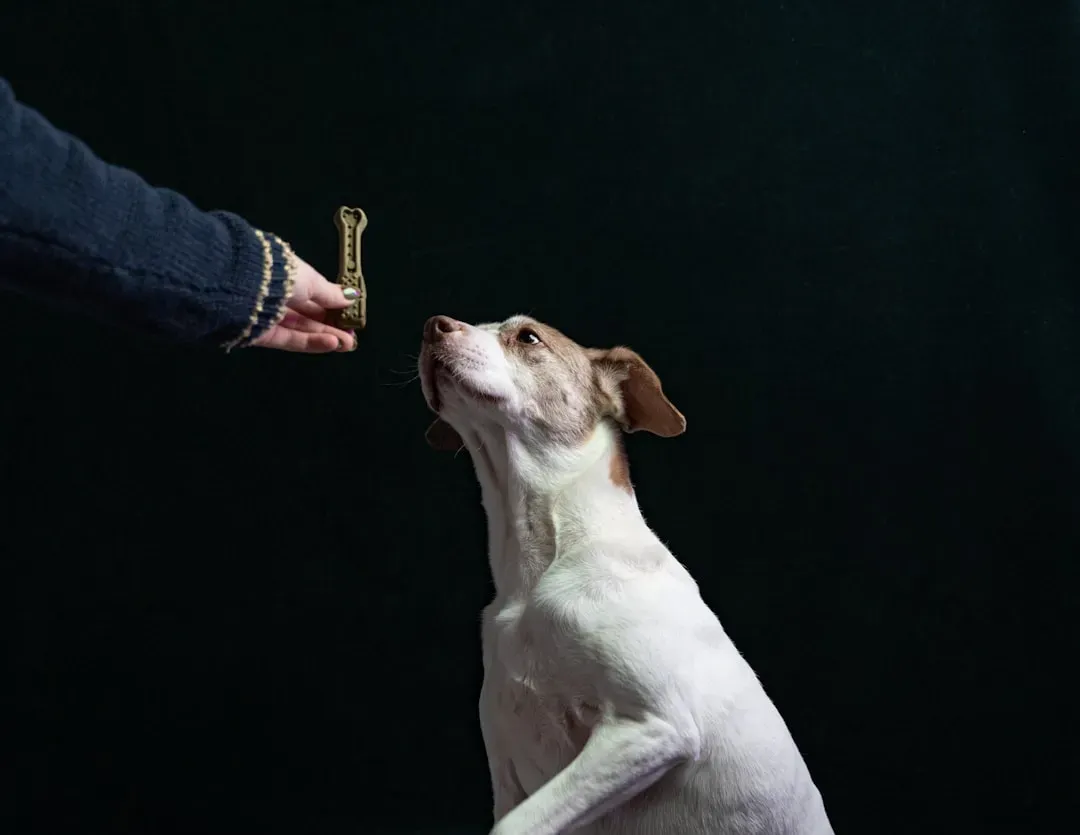
Counter-conditioning involves the animal experiencing a very tolerable exposure to a stimulus, followed by a delicious treat they don’t get at any other time. You’re basically rewiring your dog’s brain to associate scary things with amazing experiences. Pair this exposure with something positive, like a tasty treat.
The timing here is absolutely crucial. Counterconditioning involves pairing every presentation of the stimulus with something your dog finds fabulous, as long as it’s wonderful from your dog’s point of view. For some dogs, that’s chicken or cheese. For others, it might be a favorite toy or special playtime. The key is making sure the reward appears only when the trigger is present, creating that powerful mental connection.
Respect Your Dog’s Threshold and Boundaries

Keeping your dog below threshold means the trigger exposure should be at a level where they can still eat treats and remain calm enough to learn. Let’s be real: pushing a fearful dog too hard, too fast will backfire spectacularly. Putting your dog in a stressful situation will set their progress back.
You need to work below threshold because most failures in treating fear result from the owner trying to train while the animal is over threshold. Watch for those early warning signs like tensed muscles, dilated pupils, or changes in breathing patterns. When you notice these signals, you’ve gone too far. Back up, give more distance, and try again at a level your dog can actually handle.
Create Predictable Routines and Structure
Anxiousness is rooted in not knowing what’s going to happen next, so create as much routine as you can by doing the same things, the same way, at the same time, every day. I know it sounds almost too simple, but fearful dogs genuinely thrive on predictability. Fearful dogs thrive with predictability, and clear routines for feeding, walking, crate time, and training provide a sense of control and safety.
When everything becomes familiar and expected, your dog’s overall stress levels drop dramatically. This means they’re better equipped to handle new or challenging situations when they do arise. Structure isn’t about being rigid or boring. It’s about giving your anxious dog a framework where they understand what comes next, reducing that constant state of vigilance many fearful dogs live in.
Use Positive Reinforcement Training Sessions
Training your dog using positive reinforcement teaches them that making decisions and engaging with you and the environment earns them good things like treats and praise. Simple commands like sit, touch, or stay aren’t just party tricks. Simple commands like sit, place, and heel teach your dog how to listen and follow, which boosts confidence.
Good training isn’t about top-down commands and blind obedience; instead, it’s about teaching your dog that good things are in her grasp, and sprinkling a few easy, short training sessions through your day at home is a key step. When your dog successfully performs a behavior and gets rewarded, they’re learning they have some control over their world. That sense of agency is incredibly powerful for building confidence.
Avoid Overwhelming Social Situations Too Soon
Build up trust with your dog before bringing them to public settings like the dog park, and go slow, giving them time to gain confidence and trust. It’s tempting to think exposure to lots of dogs and people will just naturally make them less fearful. Wrong. If your dog isn’t ready to face a particular situation, don’t make them, as forcing interactions can backfire, increasing anxiety and reducing trust.
If your pup is shy or fearful of other dogs, don’t force the interaction, just as you wouldn’t with people. Instead, give your dog the gift of distance and choice. Cross the street when you see another dog approaching. Leave the dog park for later when they’re ready. Your job isn’t to push them into scary situations but to be their advocate and protector while they build confidence at their own pace.
Incorporate Enrichment and Confidence-Building Games

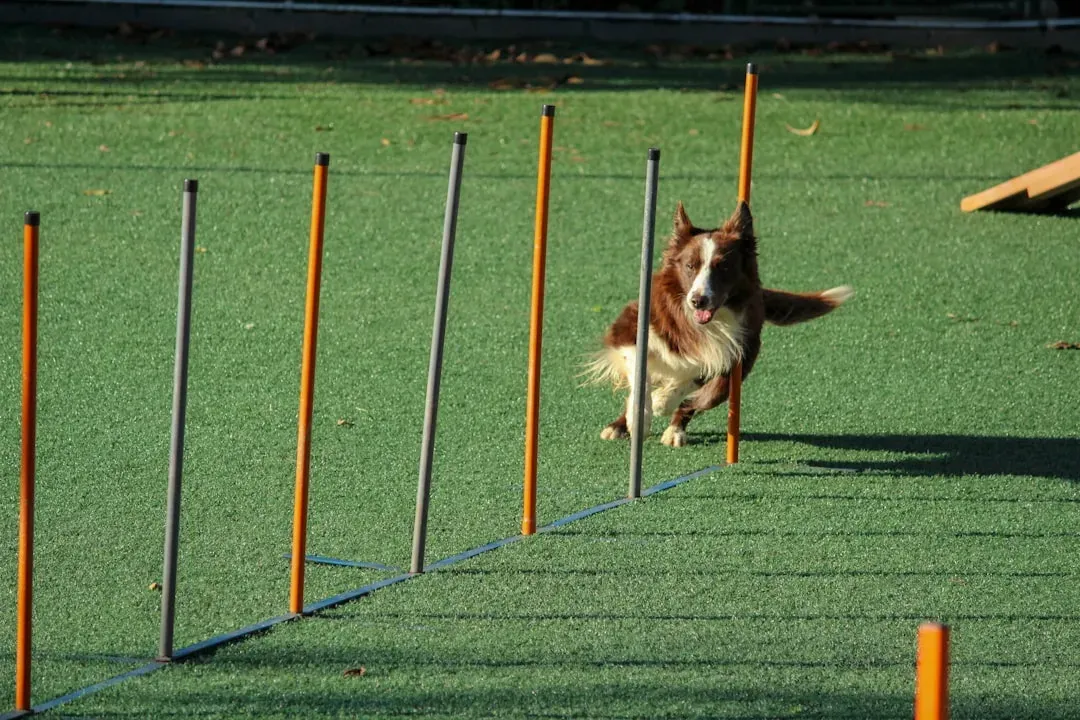
Simply feeding your dog via food puzzles and getting them involved in nose work can make them more confident. These activities tap into your dog’s natural abilities and instincts, giving them successful experiences in a low-pressure environment. Training for dog sports is another way of building confidence, and it’s the experience of facing new challenges that matters, like in agility training where dogs learn to conquer obstacles.
Pattern games are particularly effective for anxious dogs. They teach predictability through repetition, which helps dogs feel more secure when encountering their triggers. Even something as simple as teaching your dog to place two paws up on various objects can positively impact how they feel about their physical capabilities and the world around them.
Manage Your Own Energy and Expectations
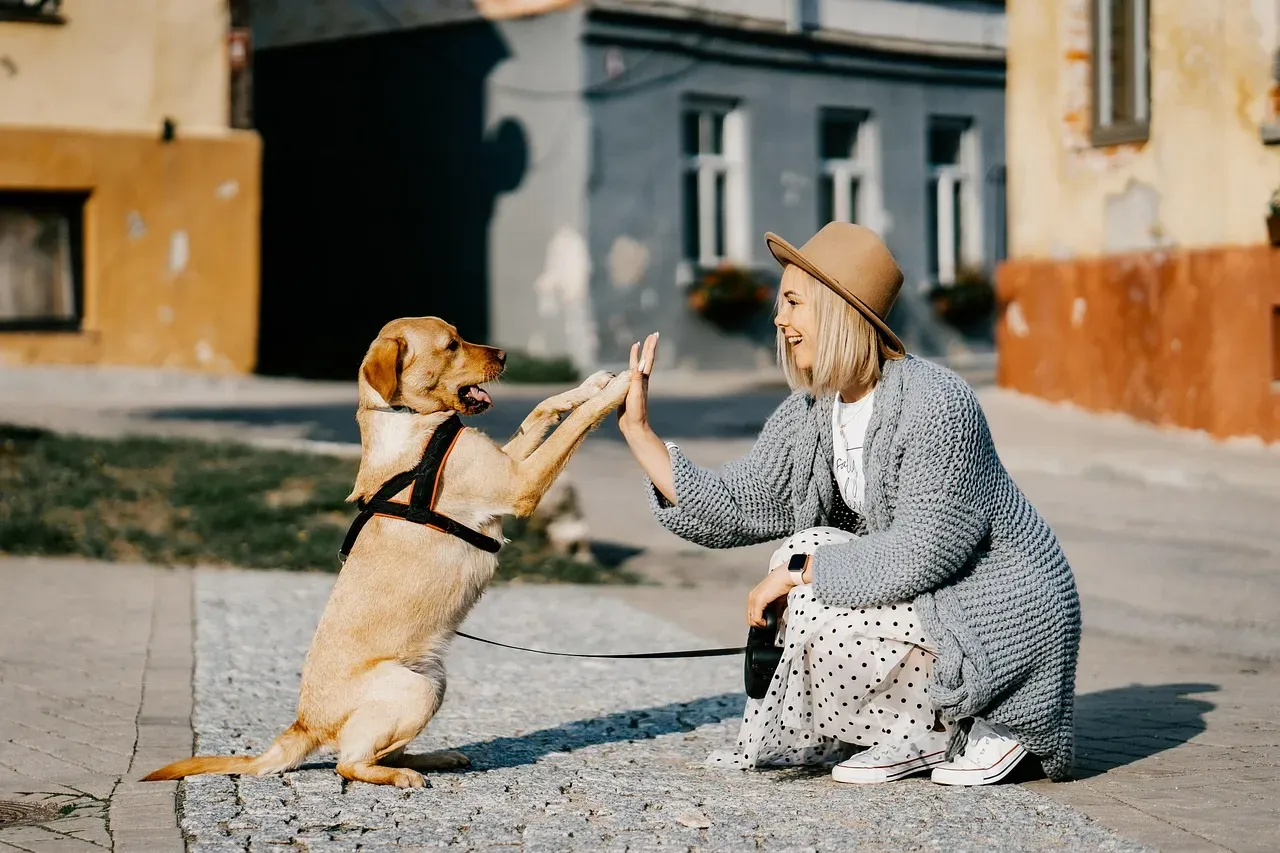
Fearful dogs look to their humans for leadership, and if you are anxious, inconsistent, or unsure, your dog will reflect that, so calm, clear, and confident energy communicates safety. This is honestly one of the hardest parts. Our natural instinct when we see our dog scared is to coddle and soothe them, but that can accidentally reinforce the fear response. It’s important to manage expectations when training fearful dogs because many really fearful adult dogs will never transform to extremely confident dogs.
That doesn’t mean you’ve failed. Training fearful dogs generally takes place on the timescale of months and years, not hours and days, and some extremely fearful dogs really blossom but it generally takes years of hard work to get there. Your goal isn’t perfection. It’s progress. Celebrate the small victories, stay consistent, and remember that your calm, patient leadership is exactly what your fearful dog needs.
Conclusion
Building isn’t a quick fix or a one-size-fits-all solution. It requires genuine commitment, endless patience, and a willingness to see the world through your dog’s eyes. Every small step forward matters, whether that’s your dog taking a treat near something they used to avoid completely or walking past a trigger without reacting.
The beautiful truth is that fearful dogs can absolutely learn to feel safer and more confident with the right support. You’re not trying to change who they are fundamentally. You’re simply helping them discover they can navigate the world without constant fear. It’s one of the most rewarding journeys you’ll ever take with your dog.
What’s been your biggest challenge with your fearful pup? Share your experiences in the comments below.


