

You love your dog more than anything. You’d do just about anything to keep them happy and healthy. Yet sometimes, without even realizing it, we fall into patterns that quietly chip away at their emotional wellbeing. I know it sounds harsh, but it’s true.
Dogs are incredibly resilient creatures, yet they’re also deeply sensitive. Their emotional world is shaped by our daily interactions, our routines, and even the energy we bring into the room. When we understand what truly unsettles them, we can make small shifts that create a lifetime of security and joy. So let’s dive in and explore the habits that might be quietly undermining your dog’s peace of mind.
Inconsistent Routines That Leave Dogs Guessing

Dogs thrive on consistency. Think about it: your dog doesn’t have a smartphone calendar or the ability to rationalize sudden changes. They rely on predictable patterns to understand their world and feel safe within it. Dogs thrive on structure and predictability, so when their routine is suddenly disrupted, it can cause stress, anxiety, and behavioral changes.
Uncertainty and inconsistency elevate cortisol, the stress hormone. A 2021 study published in Animals found that shelter dogs on consistent schedules had significantly lower cortisol levels than those without a routine. When mealtimes shift wildly from day to day, or walks happen at completely random hours, your dog’s internal clock gets thrown into chaos. Since dogs rely on a routine for security and stability, sudden changes can lead to symptoms like whining, pacing, loss of appetite, or destructive behavior.
The solution isn’t about being rigid to the point of stress for yourself. It’s about creating a framework your dog can count on. Regular feeding times, consistent morning and evening routines, and predictable cues before activities all help your dog relax into their day with confidence rather than constant vigilance.
Lack of Proper Socialization During Critical Periods

Here’s the thing: Puppies between 3 and 14 weeks of age are behaviorally flexible and prepared to accept novelty, including new people and animals. This developmental period is known as the sensitive period for socialization. Without adequate positive interactions with people and other animals during this time, dogs may develop fear and phobic reactions.
The overwhelming reason I see in my behavior practice for fearful dogs is lack of socialization or lack of PROPER socialization during the critical socialization window, of up to about 3 months. Dogs who miss out on varied, positive experiences during these early weeks often grow into adults who view the world through a lens of suspicion and fear. Dogs that miss out on these essential experiences are more likely to develop fear-based reactions as they grow older. They might see unfamiliar people or other dogs as threats, reacting with barking, growling, or even aggression.
Even if you’ve adopted an adult dog who missed this window, it’s not a lost cause. Dogs who lack early socialization might be reactive towards other dogs, or fearful around unfamiliar people. Some dogs who missed early socialization don’t do well with handling, such as at the groomer or veterinarian’s office. Remedial socialization takes patience and professional guidance, but progress is absolutely possible. The key is going at your dog’s pace, never forcing interactions, and celebrating every small victory.
Using Punishment and Harsh Training Methods

Let’s be real: old-school training methods that rely on dominance, intimidation, or physical corrections can wreak havoc on a dog’s psyche. The psychological impact of abuse on dogs is profound and lasting. Just like humans, dogs experience a range of emotions that can be deeply affected by traumatic events. Abuse can lead to long-term fear, anxiety, and even depression in dogs.
Fear can be exacerbated if a dog is scolded or punished during a social interaction. For example, if a dog is scolded for jumping up or for trying to hide or flee, then he may pair the stimulus (the scary person or other animal) with the unpleasant consequence (being scolded). This is especially true when corrections are implemented with devices such as choke collars, pinch collars, or electronic shock collars that are meant to cause physical discomfort or fear.
When you yell at your dog, jerk their leash, or use pain as a teaching tool, you’re not just correcting a behavior. You’re teaching them that the world is unpredictable and threatening, that you’re a source of fear rather than safety. Fear reinforcement can occur in two ways: 1 through punishment or 2 excessive sympathy. Punishing fear can exacerbate the dog’s distress, while showering it with pity may inadvertently reinforce the fear. Dogs trained with force often shut down emotionally, becoming either overly submissive or defensively aggressive.
Positive reinforcement training isn’t just nicer; it’s scientifically proven to be more effective and emotionally healthy for your dog. Reward what you want to see more of, ignore or redirect what you don’t, and watch your dog blossom into a confident, eager learner.
Ignoring Signs of Stress and Anxiety

Your dog is constantly communicating with you, but are you listening? Research confirms that many owners miss key signs and symptoms of mental distress or illness in their pets. Findings from a study in the United Kingdom indicate that almost 75% of dogs in Britain exhibit signs of depression or anxiety, with 18% displaying symptoms on a weekly basis.
Dogs don’t speak our language, so they use body language instead. Lip licking, yawning when not tired, whale eye (showing the whites of their eyes), tucked tails, pinned-back ears, panting when not hot, pacing, excessive shedding – these are all stress signals. Dogs may show stress or anxiety through various behaviors. Excessive barking or whining is often a clear sign. Other signs include destructive actions like chewing furniture or scratching doors.
When we dismiss these signals or push our dogs past their comfort zones, we’re essentially telling them their feelings don’t matter. Over time, this erodes trust and amplifies anxiety. Pets can experience lethargy and a noticeable decrease in activity when they’re feeling down. If your once energetic pet becomes unusually sluggish, it’s time for a closer look. This can manifest as your pet being less willing to engage in playtime or being slow or resistant on walks.
Learn to read your dog’s emotional state. When they’re uncomfortable, give them space. When they’re anxious, work with a professional to address the root cause. Your attentiveness to their emotional needs is one of the greatest gifts you can give.
Leaving Dogs Alone for Extended Periods

I get it. Life is demanding. Work, errands, social obligations – they all add up. Yet 85.9% of dogs showed moderate to severe separation and attachment issues. Dogs are social animals who were literally bred to work alongside humans. Extended isolation goes against their fundamental nature.
Separation anxiety is estimated to affect about 14% of dogs. Separation anxiety is when a dog can’t find a way to comfort themselves when left alone, or when they are away from their family. When dogs spend hour after hour alone, especially during formative months, they can develop profound insecurity. A dog with a history of abuse might become very attached with a new owner with whom they feel secure. Consequently, when the person is gone, such as for work, the dog’s anxiety might increase. This can cause them to chew up or destroy things, like furniture, shoes, and doors.
If your schedule demands long absences, consider doggy daycare, a trusted dog walker, or even hiring a pet sitter for midday visits. Mental stimulation through puzzle toys and safe chew items can help. Some dogs do well with a companion animal. The key is recognizing that solitary confinement for most of the day isn’t just boring for dogs – it can be emotionally damaging.
Failing to Provide Adequate Mental and Physical Exercise

A tired dog isn’t just a well-behaved dog; it’s an emotionally balanced dog. Providing physical and mental enrichment helps our dogs to better adjust to routine changes and be more resilient. Dogs who lead physically and mentally enriched lives are also less likely to display excessive barking and other challenging behaviors resulting from stress or boredom.
Physical exercise burns energy and releases endorphins, those feel-good chemicals that naturally elevate mood. Think about how you feel after a good workout versus after a day of sitting around. Your dog experiences the same biochemical responses. Regular exercise not only keeps your dog fit but also helps to prevent boredom, which can lead to destructive behavior.
The mental exercise piece is equally critical yet often overlooked. Mental exercise is just as important as physical activity. Interactive toys, puzzle feeders, and scent games challenge your dog’s mind and keep them engaged. Include at least one mentally stimulating activity in your dog’s daily routine to prevent boredom and improve their cognitive skills. Dogs need jobs, even if those jobs are figuring out how to get kibble out of a Kong or learning a new trick. When their brains aren’t engaged, frustration and anxiety fill the void.
Different breeds have different needs, obviously. Border Collies need way more stimulation than Basset Hounds. Match your efforts to your specific dog, and you’ll see behavioral issues melt away as their emotional needs are finally being met.
Inconsistent Rules and Mixed Messages

Imagine living in a house where the rules change daily, where what’s okay on Monday gets you in trouble on Wednesday. That’s the reality for many dogs. Inconsistent rules can stress a dog. “If one person in a household invites a dog onto the furniture and another tells the dog they are not allowed on the furniture, this is confusing for the dog.
When training or interacting with your dog in a way which your dog perceives as inconsistent and unpredictable, they are often left feeling confused, stressed, and frustrated. One person allows jumping during greetings, another scolds for it. Sometimes begging at the table earns a treat, sometimes it earns a reprimand. Inconsistency can maintain unwanted behaviors. Dog trainers often see people struggling to reduce a dog’s behavior they don’t like. But when the trainer digs deeper, they realize the owners are occasionally reinforcing the negative behavior, whether they realize it or not.
Dogs aren’t trying to be stubborn or difficult when they don’t follow the rules. They’re genuinely confused because the rules keep shifting. This chronic uncertainty creates baseline anxiety that colors every interaction. Sit down with everyone in your household and agree on consistent expectations. What words will you use for commands? What behaviors are acceptable? When everyone’s on the same page, your dog can finally relax and know what’s expected.
Neglecting Regular Veterinary Care and Health Monitoring

Physical discomfort and emotional distress are deeply intertwined. Clinicians should not delay treatment of fear, anxiety, and distress until investigation of the physical health problem has been completed. An undiagnosed ear infection, dental disease, arthritis, or digestive issue doesn’t just cause physical pain – it fundamentally alters your dog’s emotional state.
Fear and phobic behavior can develop due to pain, inadequate nutrition, medication that affects the brain or gastrointestinal tract, and/or underlying medical conditions. Though dogs of all ages can be affected by medical conditions, senior dogs are particularly prone to pain related to osteoarthritis, changes in vision and hearing, and altered cognitive ability – all of which can contribute to the development of fearful behavior.
Dogs instinctively hide pain as a survival mechanism, so by the time you notice something’s wrong, they’ve often been suffering for a while. Regular vet checkups catch problems early. Preventative care maintains optimal health. And when your dog feels physically good, they’re emotionally more stable, more resilient to stress, and better able to handle life’s challenges.
Don’t skip those annual exams. Watch for subtle changes in behavior that might signal underlying health issues. Your literally depends on their physical wellbeing.
Conclusion: Building Emotional Resilience Through Awareness
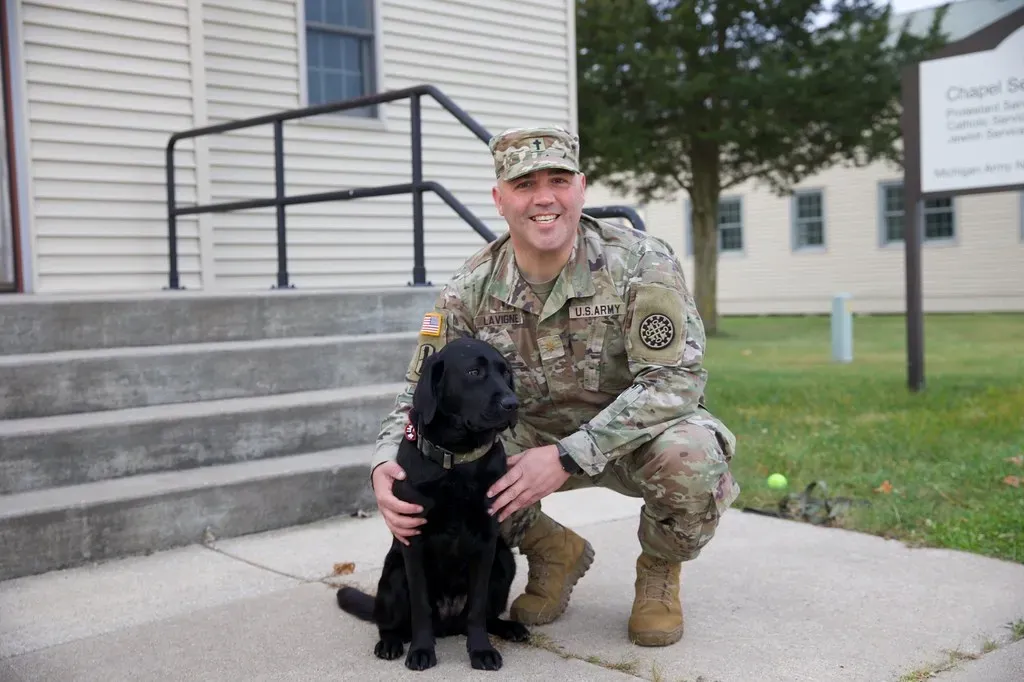
Our dogs ask so little of us, really. Consistency. Kindness. Understanding. Safety. Yet in our busy, complicated human lives, it’s surprisingly easy to fall into patterns that undermine the very things they need most. The good news? Awareness is the first step toward change.
Mental health is just as important as physical well-being for pets. Being aware of the symptoms and causes of dog mental disorder can help pet parents intervene early and improve their furry friend’s quality of life. Whether it is anxiety, depression, or OCD, every pet deserves the right care and attention to live a happy, stress-free life.
When you commit to consistent routines, positive training, proper socialization, adequate exercise, clear communication, and attentive healthcare, you’re not just preventing problems. You’re actively building your dog’s emotional resilience. You’re creating a foundation of trust and security that will serve them their entire life.
Look at your own habits honestly. Where might you be inadvertently creating stress? What small changes could make a big difference? Your dog is watching, learning, feeling every day. Make sure the lessons they’re learning are ones of safety, love, and unwavering support. What changes will you make starting today?


