
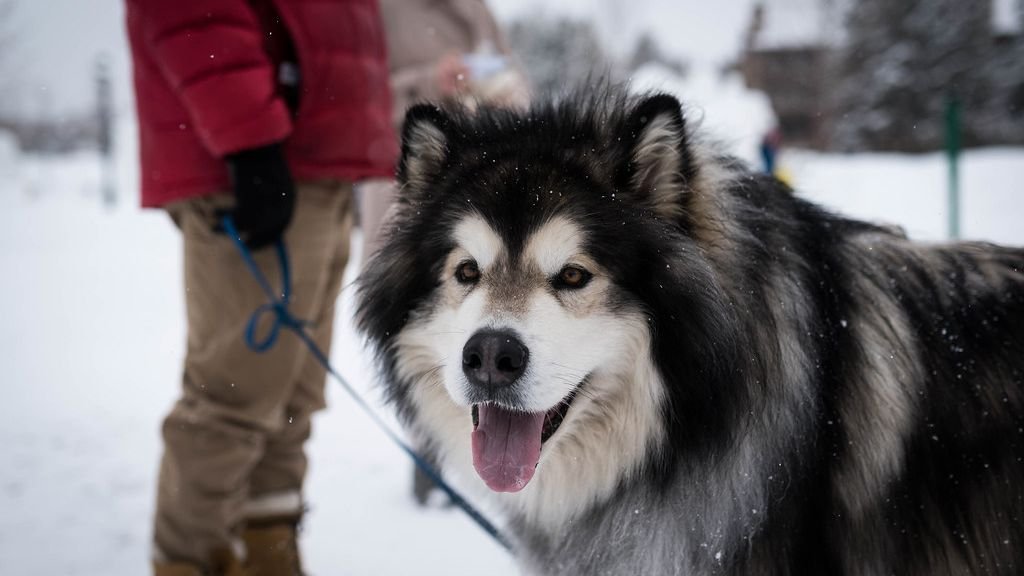
Picture this. It’s forty degrees below zero. Wind slices across a frozen tundra like razor blades. Most living creatures have fled to shelter or hibernated months ago. Yet there’s this team of dogs, running mile after mile, pulling hundreds of pounds of gear, their breath forming ice crystals in the air. They’re not struggling. They’re thriving.
That’s the magic of Alaskan dogs. These aren’t your typical backyard pets. Malamutes were thought to be bred by the Malimiut Inupiaq people of Alaska’s Norton Sound region, crafted over centuries to survive conditions that would break most animals. There’s something almost otherworldly about how these dogs operate in environments where humans need extreme protective gear just to breathe. It’s not just about thick fur or strong muscles. It’s a whole different level of biological engineering.
Ancient Warriors Built for Modern Challenges
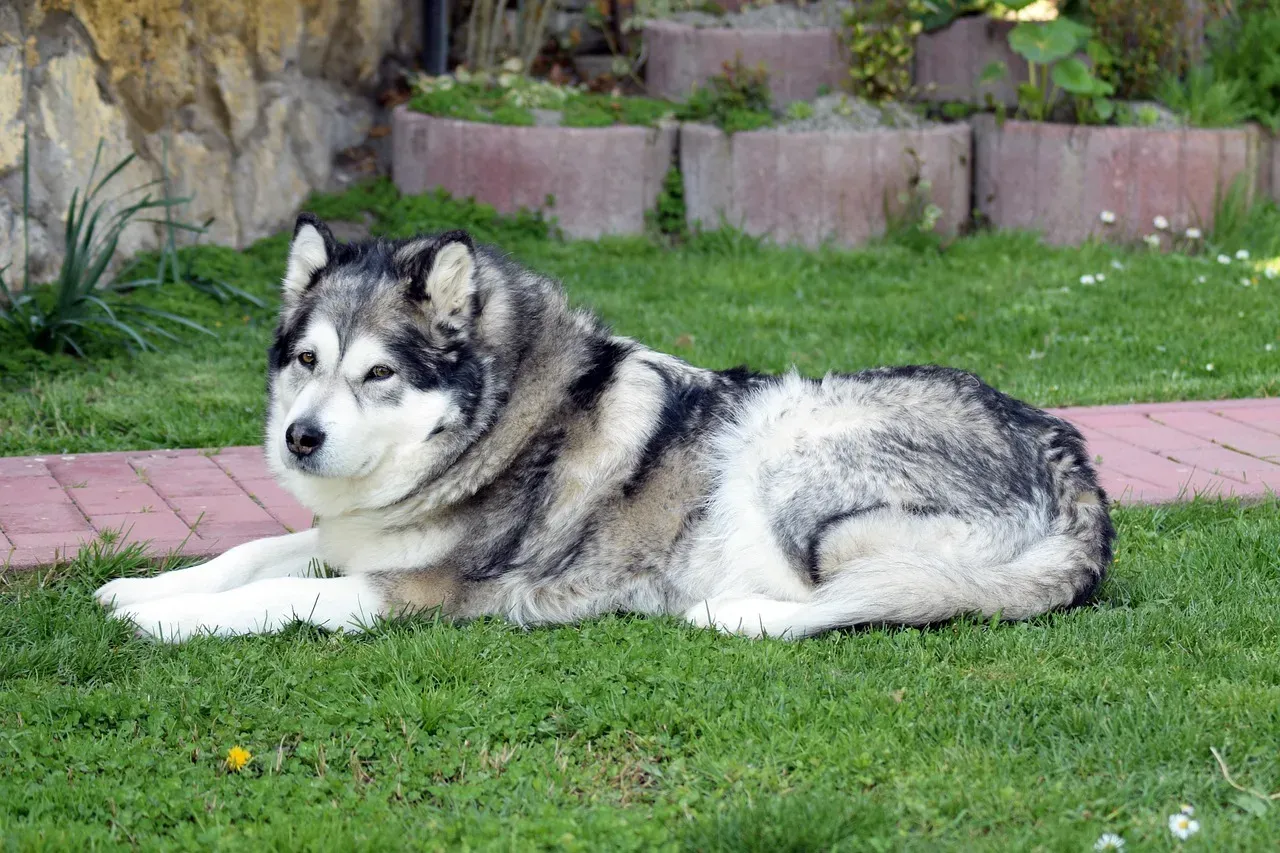
DNA extracted from a 9,500-year-old dog, Zhokhov, named after the Siberian island, was found to have shared a common ancestor with the Greenland sledge dog, the Alaskan Malamute and the Siberian husky. Let that sink in for a moment. These dogs have been perfecting their survival skills for nearly ten thousand years. They didn’t just show up recently.
Some scholars, in fact, believe that human survival in the Arctic would’ve been impossible without the assistance of sled dogs. Think about that partnership. Humans and these incredible animals working together, depending on each other, forging a bond that went beyond companionship into genuine survival necessity. The Alaskan Malamute had a prominent role with their human companions as a utilitarian dog, working, hunting, and living alongside humans. The dogs were renowned for their excellent hunting abilities and were used to hunt large predators such as bears. The interdependent relationship between the Malamute and their dogs fostered prosperity among both and enabled them to flourish in the inhospitable land above the Arctic Circle.
Biological Superpowers That Defy Logic
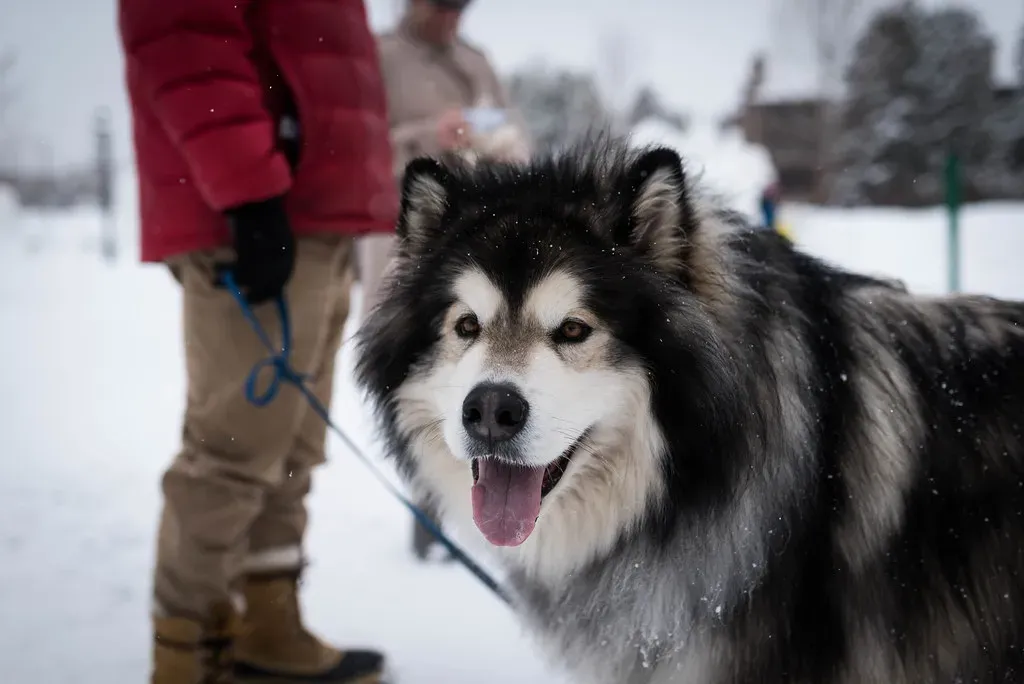
Here’s where it gets wild. Dogs running in the Cornell sled dog team have VO2 maxes as high as 240 — three times as high as the very best human athletes in the world. Three times higher than Olympic marathoners. That’s not a typo. These dogs process oxygen in ways that make elite human athletes look like they’re barely trying.
Their metabolism does something scientists are still trying to fully understand. As the dogs keep up the pace over consecutive days, their metabolism resets. Within days, the dogs’ metabolic profile returns to where it was before the race, although they’re still performing at a sustained high level of activity. Humans can’t do this. When we push ourselves for days, we break down. We need rest, recovery, serious refueling. Sled dogs? They’ve got a metabolic switch nobody’s figured out yet.
On a body-weight basis, an Iditarod racer eats and burns about eight times as much as a Tour de France cyclist. The calorie burning alone is mind-boggling. Sled dogs, typically Alaskan Malamutes, Siberian Huskies, or Eskimo dogs, can consume as many as 10,000 calories a day.
Cold Weather Experts With Built-In Technology
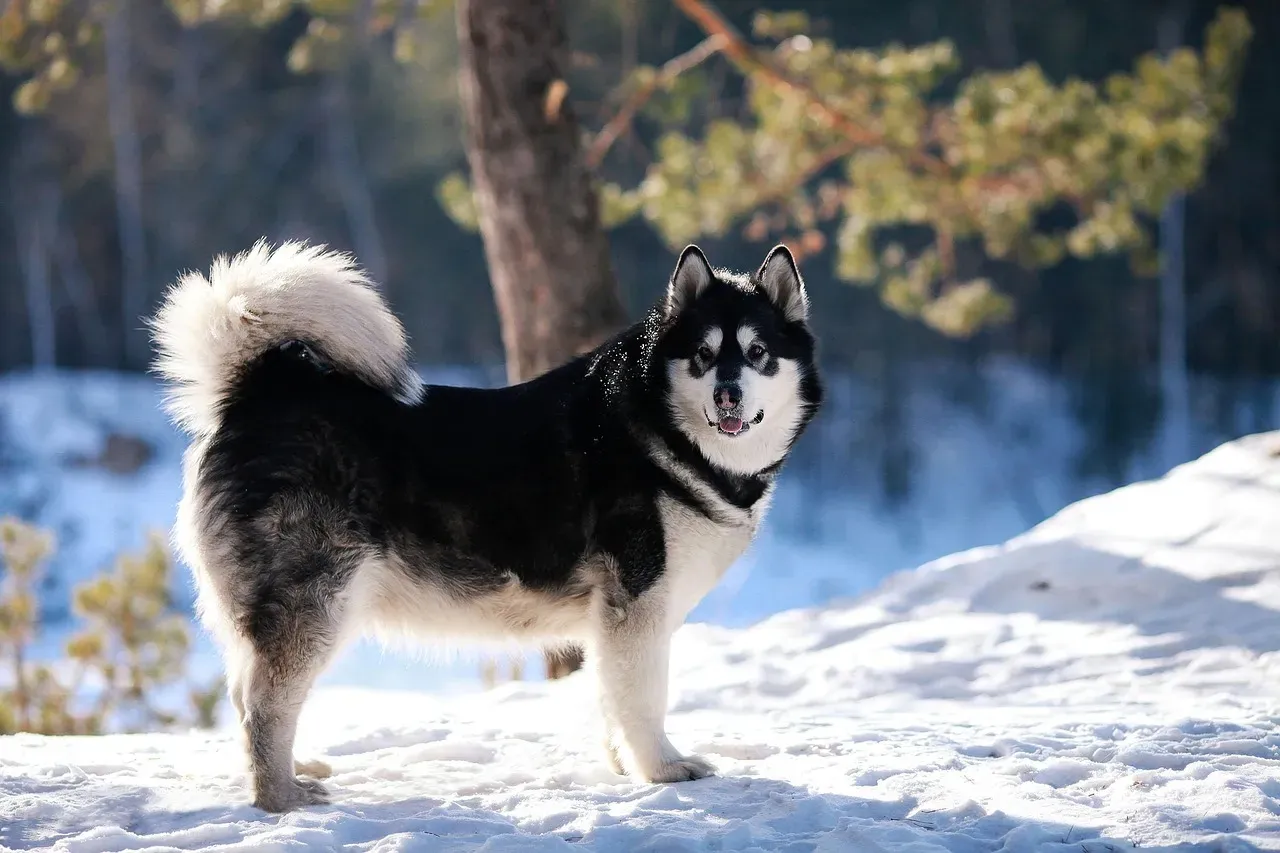
Sled dogs, such as Siberian Huskies, Alaskan Malamutes, and other Arctic breeds, are specially adapted for life in frigid climates. One of their most impressive features is the way they regulate heat in their paws. While their thick fur provides insulation for their bodies, their paws lack this same protective coating. The answer lies in their paw pads’ unique heat exchange system. It’s honestly brilliant. Blood vessels in their paws work like a counter-current heat exchanger, warming cold blood before it returns to the body while keeping paw temperature just above freezing.
Their double coat is another masterpiece. The undercoat has an oily and woolly texture and can be as thick as two inches. The outer guard coat is coarse and stands off the body longer at the withers but not more than one inch off the sides of the body. This isn’t just random fluff. The undercoat traps warm air like insulation in your house walls. The outer coat repels moisture and wind. Combined, they can handle temperatures that would freeze most animals solid.
The dogs work best at or below 0 degrees Fahrenheit. They seem quite comfortable down to -10 degrees F, especially if they are actively pulling in harness, and can tolerate much colder temperatures before being adversely affected. Most dogs shiver at forty degrees. These guys prefer below zero.
Powerhouses With Marathon Hearts
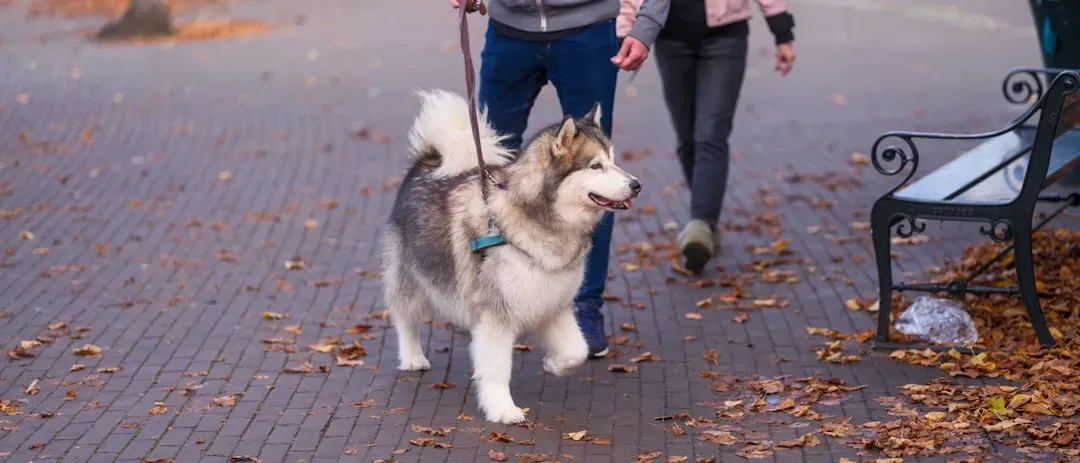
The Alaskan Malamute is bred for power and endurance, which is its original function and what the standard of the breed requires of Alaskan Malamute breeders. That breeding purpose shows up in every muscle fiber. The Malamute is heavier boned and is an all-around more substantial, seriously strong dog. We’re talking about animals that can haul freight that would exhaust smaller breeds in minutes.
They are capable of traveling up to 70 kilometers (43 miles) in a single day. Day after day. In brutal conditions. While pulling loads. Alaskan huskies in the 1,000-mile Iditarod, running in a variety of harrowing conditions that would turn a human marathoner blue, average 9 or 10 mph — the equivalent of a 6-minute mile. And the dog teams are pulling sleds that weigh, at the beginning of the race, between 300 and 400 pounds.
Let’s be real. A six-minute mile pace is impressive for a human sprinting a single mile without gear. These dogs maintain that for a thousand miles. With hundreds of pounds behind them. In subzero hell.
Temperament Tough Enough for Extreme Conditions
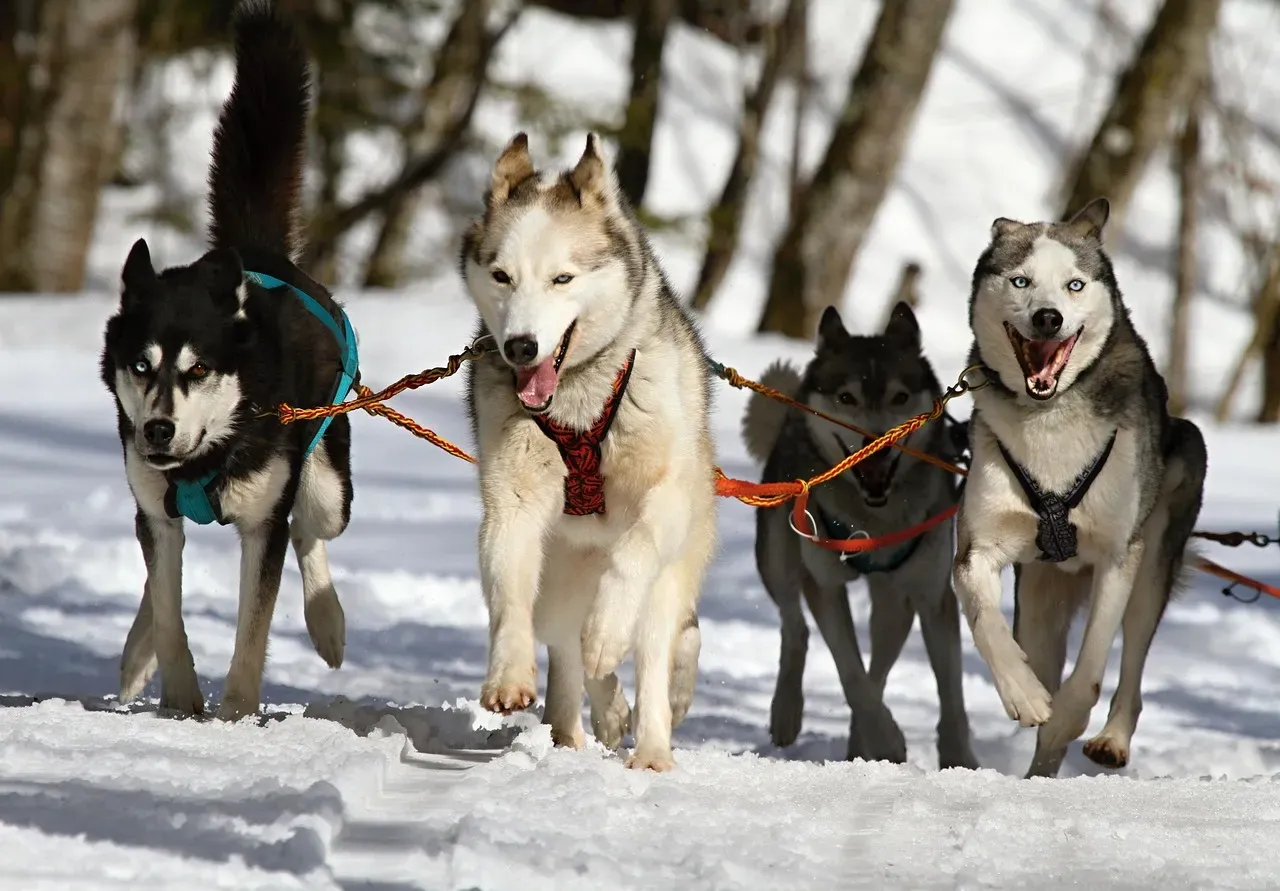
O’Connor says both Alaskan malamutes and Siberian huskies are independent thinkers. Proper socialization and consistent positive reinforcement training are musts. Pet parents need to be patient, have a sense of humor, and be able the think outside the box when training their husky or malamute. They’ve also inherited unique endurance abilities. That independent thinking isn’t stubbornness for no reason. It’s survival intelligence bred over millennia.
When you’re crossing miles of frozen wilderness, you need a dog that can make decisions. One that won’t panic when conditions turn deadly. Both Huskies and Alaskan malamutes dislike being alone. Both breeds are pack animals and accustomed to being with other dogs and people, so they do well in close-knit packs. This social intelligence made them perfect partners for indigenous peoples who needed reliable teammates, not just animals.
Mals are typically affectionate toward family and friends and fairly amiable with strangers. However, the breed can be aggressive toward unfamiliar dogs. They’re loyal without being needy. Strong without being aggressive toward humans.
Living Legends Still Running Today
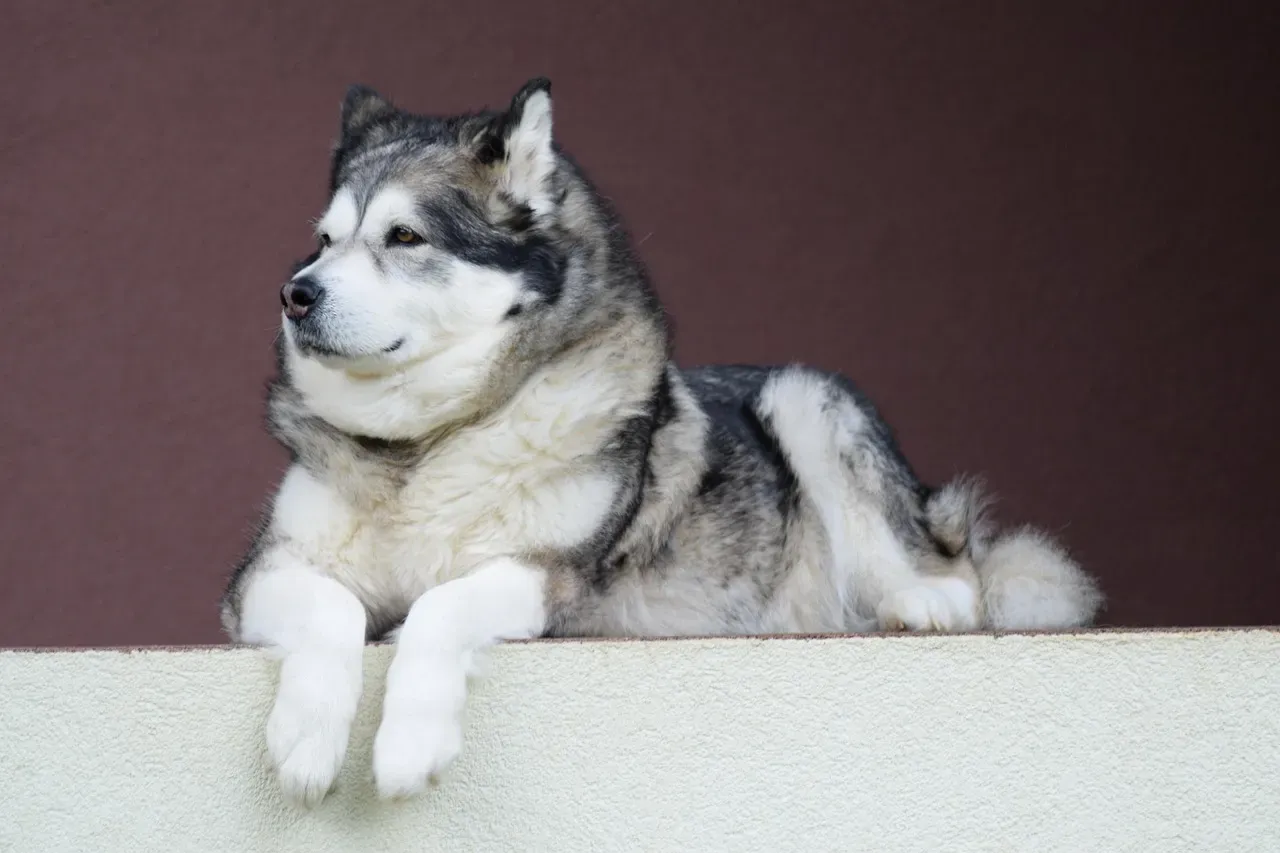
Although sled dogs are still used for transportation in some rural communities in Alaska, Canada, and Greenland, their main role now lies in mushing. The Yukon Quest – a race from Whitehorse, the capital of Canada’s Yukon territory, to Fairbanks, Alaska (considered even more challenging than the legendary Iditarod) – are two of the most popular mushing events. These aren’t museum pieces. They’re active, working athletes proving their worth every single year.
The Alaskan Malamute is generally a healthy breed with a lifespan of 10 to 14 years. Regular veterinary check-ups, a balanced diet, and an active lifestyle are crucial to maintaining overall health and well-being. Alaskan Malamutes typically live between 10 and 14 years. Proper care, including regular exercise, a healthy diet, and routine veterinary check-ups, can support their longevity. That’s a solid lifespan for large working dogs.
They need purpose, though. These aren’t couch potatoes. Malamutes can overheat, so don’t let them run a lot unless it’s very cold outdoors. Mals also enjoy hikes and going swimming. Bonus points if you let them carry a pack. They really miss their working dog days. Give them a job, cold weather, and plenty of exercise, and they’ll thrive like few other breeds can.
Conclusion
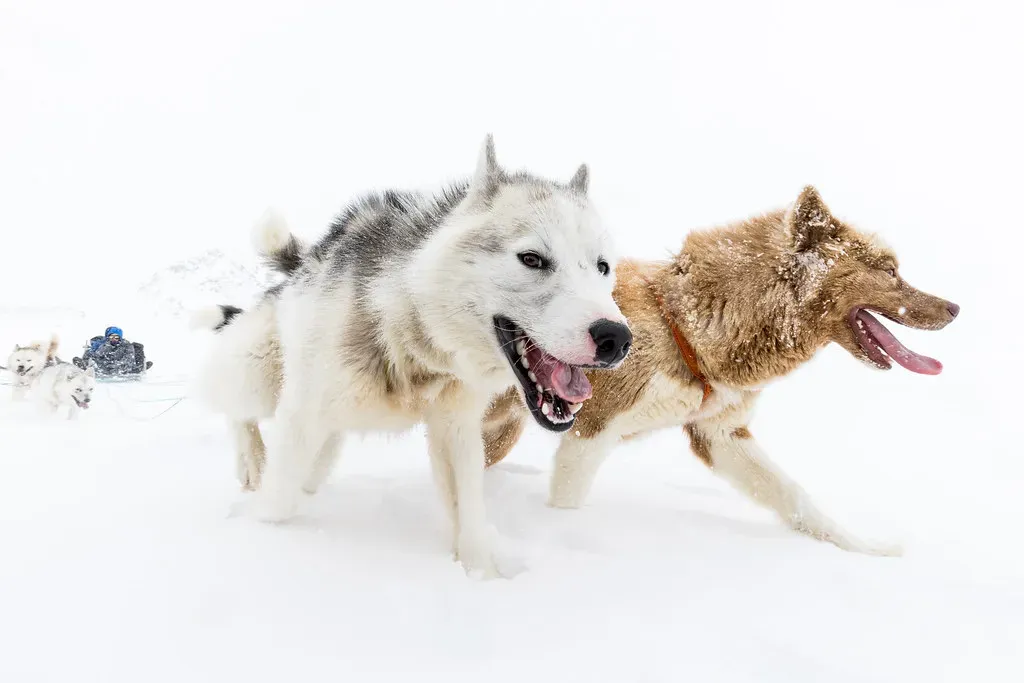
There’s something profound about a breed that evolved alongside humans in the harshest corners of Earth. Alaskan dogs didn’t just survive the Arctic. They conquered it. They made it their home. Their combination of physical adaptations, mental toughness, and metabolic wizardry creates an animal that stands alone in the canine world.
These aren’t just pets. They’re living testaments to what’s possible when nature, necessity, and thousands of years of partnership create something extraordinary. Whether racing across frozen tundra or curled up on your porch during a snowstorm, Alaskan dogs embody resilience in its purest form.
What do you think makes these dogs so special compared to other breeds? Have you ever met one in person and experienced their remarkable nature firsthand?


