

Have you ever looked into the eyes of a rescue dog and wondered what they’ve been through? What memories linger behind those watchful eyes? The truth is more complex and more hopeful than you might think.
Rescue dogs carry invisible scars that shape how they see the world, but understanding their emotional memory can transform how we help them heal. Let’s be real, these dogs remember more than we once believed possible. Yet what they remember isn’t quite the same as how we humans recall our past. Their memories work differently, more instinctually, more emotionally tied to the senses than to specific events. This makes their journey toward trust and security both challenging and incredibly rewarding.
How Dogs Actually Remember Their Past
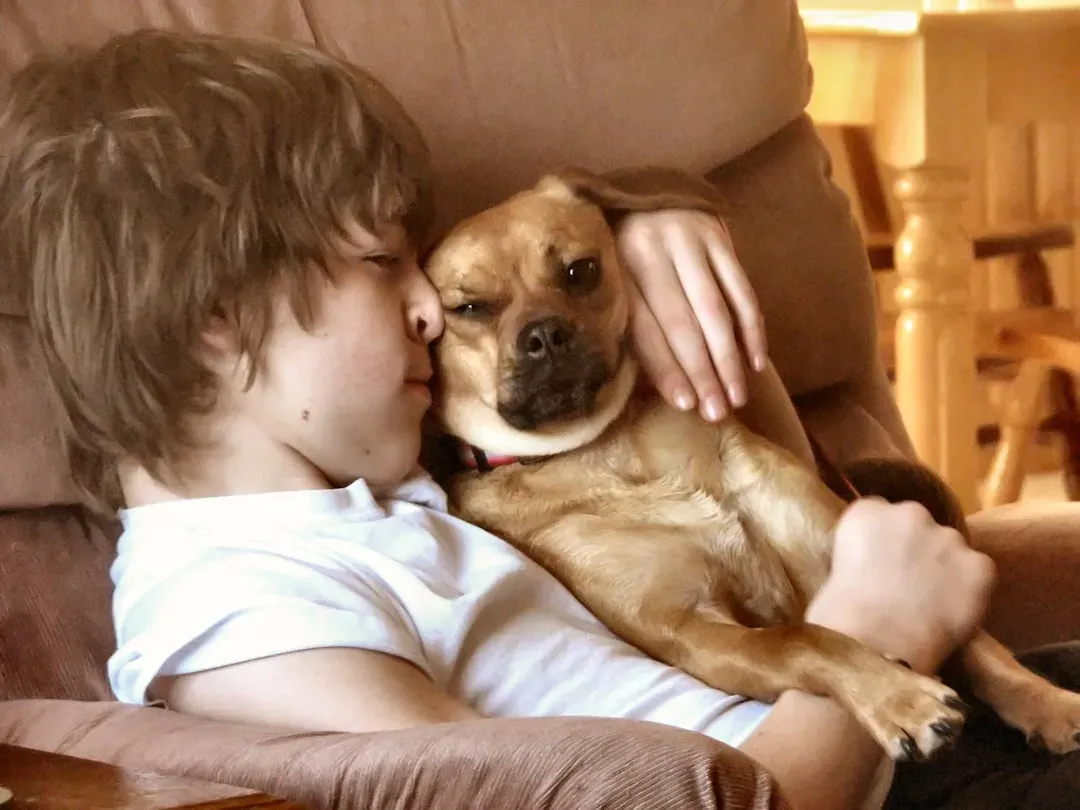
Dogs retain emotional associations linked to specific situations based on the feelings they experienced at the time. Think of it less like a photo album and more like an emotional fingerprint. Dogs may not fully understand their trauma and the details of how it occurred, but their brain will forever remember how they felt in that moment.
Dogs have cognitive abilities and memory capacities comparable to a human child, thanks to their highly developed prefrontal cortex and hippocampus, regions of the canine brain that play a key role in acquiring, forming, and storing information and past experiences. Still, the way they process memories differs fundamentally from ours. We replay events like movies in our minds, but dogs rely heavily on associative memory, connecting emotions and sensations to people, places, and objects.
Recent research has shaken up what we thought we knew. Studies suggest that dogs have something similar to episodic memory, with dogs succeeding in 33 of 35 trials when asked to imitate owner actions after delays. Honestly, that’s remarkable when you consider what it means for rescue dogs trying to navigate their new lives.
The Scent Connection Nobody Talks About
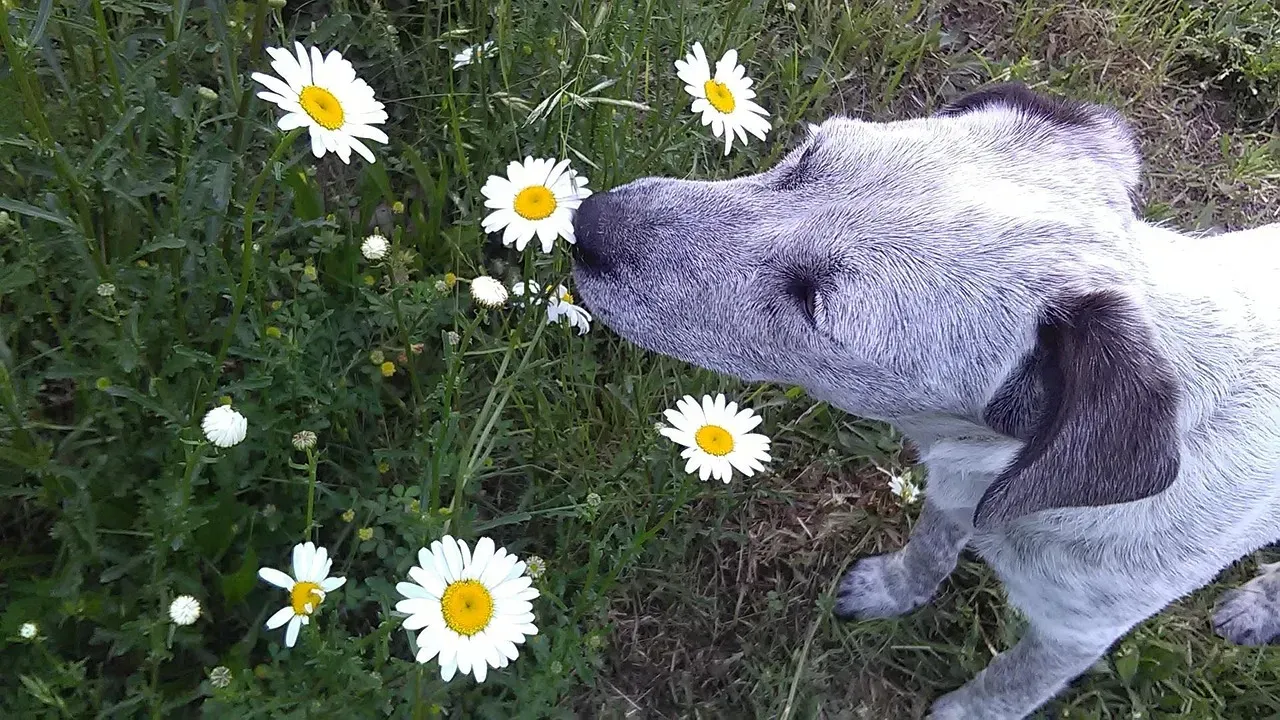
Here’s something fascinating. Dogs have an incredible sense of smell, with olfactory bulbs that are much larger and more complex than those of humans, meaning dogs can remember scents and associate them with specific experiences or emotions.
A rescue dog doesn’t need to see something to remember it. One whiff can transport them back to a moment of fear or comfort. Maybe it’s the cologne someone wore, the smell of a particular room, or even the scent of another dog. These olfactory memories last potentially a lifetime, which explains why your rescue might suddenly freeze on a walk for no apparent reason, or become anxious around a person who reminds them of someone from their past.
This sensory-based memory system means that rehabilitation isn’t just about behavioral training. It’s about creating new, positive scent associations that can gradually replace the troubling ones. Every gentle interaction, every treat given with patience, every calm moment builds a new library of memories in your dog’s remarkable nose.
What Trauma Actually Looks Like in Their Memory

When a dog goes through a traumatic event like abuse or neglect, it can have a deep emotional impact, with the memory of the event tied to negative feelings that can have a big effect on how he behaves in the future. I know it sounds heartbreaking, but understanding this helps us become better guardians.
Dogs that have been physically abused, severely punished, or subjected to neglect usually end up with PTSD, and this condition is common in rescue dogs that have been mistreated. The signs can be subtle or dramatic. Dogs who have suffered abuse or been abandoned express this trauma in many ways including separation anxiety, excessive barking, fear of noises, fear of people or other animals, growling or nipping, obsessive or destructive behavior, and growling or lunging at people or dogs when out on a walk.
Yet there’s something crucial to understand. An animal who has suffered trauma might react to stimuli in an exaggerated way. That rolling pin that falls in the kitchen, the sudden movement of a hand, the jingle of car keys might trigger responses that seem disproportionate to you but make perfect sense within their emotional memory system.
The Things They Remember Forever
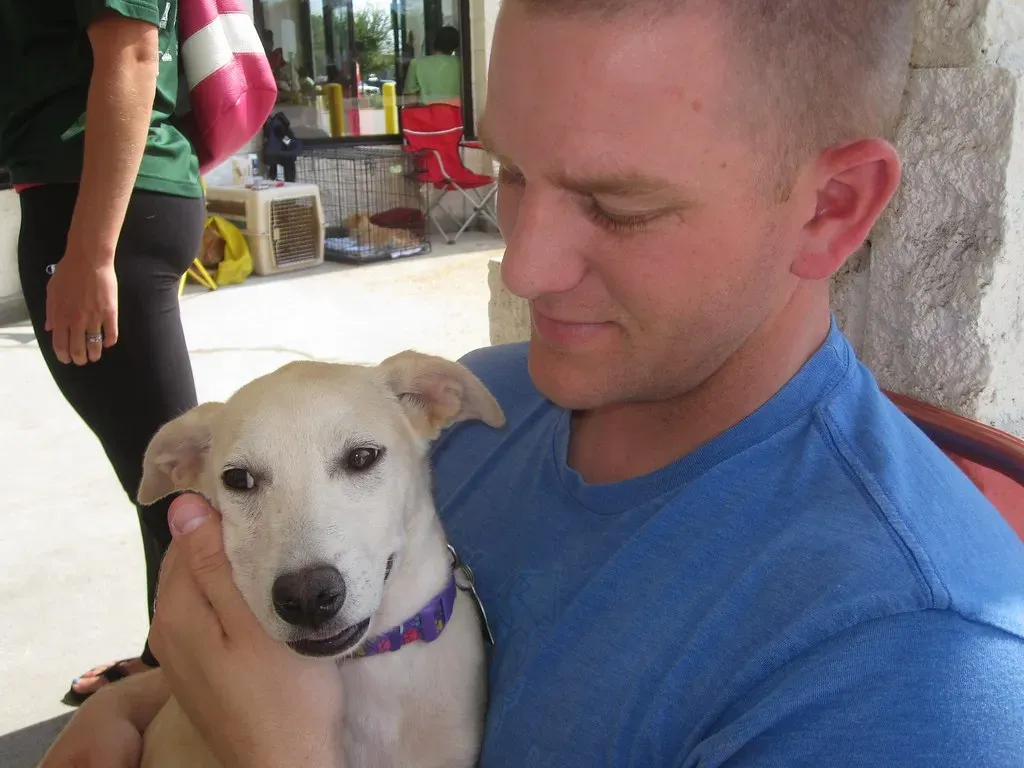
Some memories stick harder than others. Emotional intensity determines what becomes permanently encoded in a dog’s brain. Both negative and positive experiences can make a lasting imprint on a dog’s mind, with traumatic events certain to make an impact as dogs may not fully understand their trauma and the details of how it occurred, but their brain will forever remember how they felt in that moment.
Research indicates dogs most likely remember their previous owners, especially if their experience was quite traumatic or incredibly loving. That’s why some rescue dogs seem to search for someone who’ll never return, while others flinch at gestures that seem innocent to us.
The environment where trauma occurred leaves deep marks too. If a dog endured a traumatic event at a park, they may notice anxious or fearful behaviors when approaching the park, as their brain has associated this location with a previous feeling of fear. These aren’t conscious decisions. They’re automatic emotional responses that happen before the thinking part of their brain can catch up.
But here’s where hope enters the picture. The same intensity that burns negative memories into their minds can also create powerful positive ones.
How Their Memory Can Actually Heal
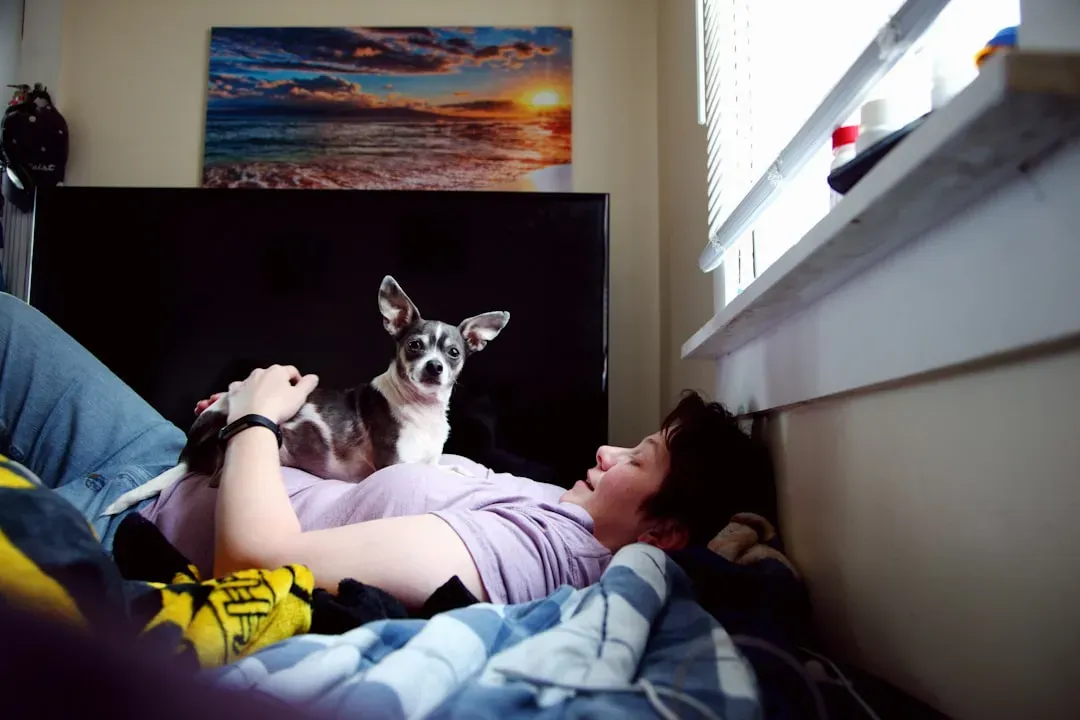
Traumatic memories can fade over time, especially when dogs are placed in loving homes, and with patience, compassion, and positive reinforcement-based training, most abused rescue dogs can overcome past traumas and learn to be happy, well-adjusted pets. I’ve seen it happen countless times, though it requires understanding and commitment.
By associating positive experiences with previously triggering stimuli, you can help your rescue dog replace negative memories with new positive ones. This isn’t about erasing the past, which isn’t really possible. Instead, it’s about building new, stronger associations that gradually override the old fearful ones.
Desensitization and counterconditioning techniques can help weaken negative associations and replace them with more positive emotions through a gradual, structured process, involving exposing the dog to triggering stimuli at a low enough level that it doesn’t provoke a fearful response while pairing positive reinforcement like treats to create positive associations. Timing matters enormously. Patience isn’t just a virtue here, it’s the entire foundation of healing.
What Your Rescue Dog Needs From You
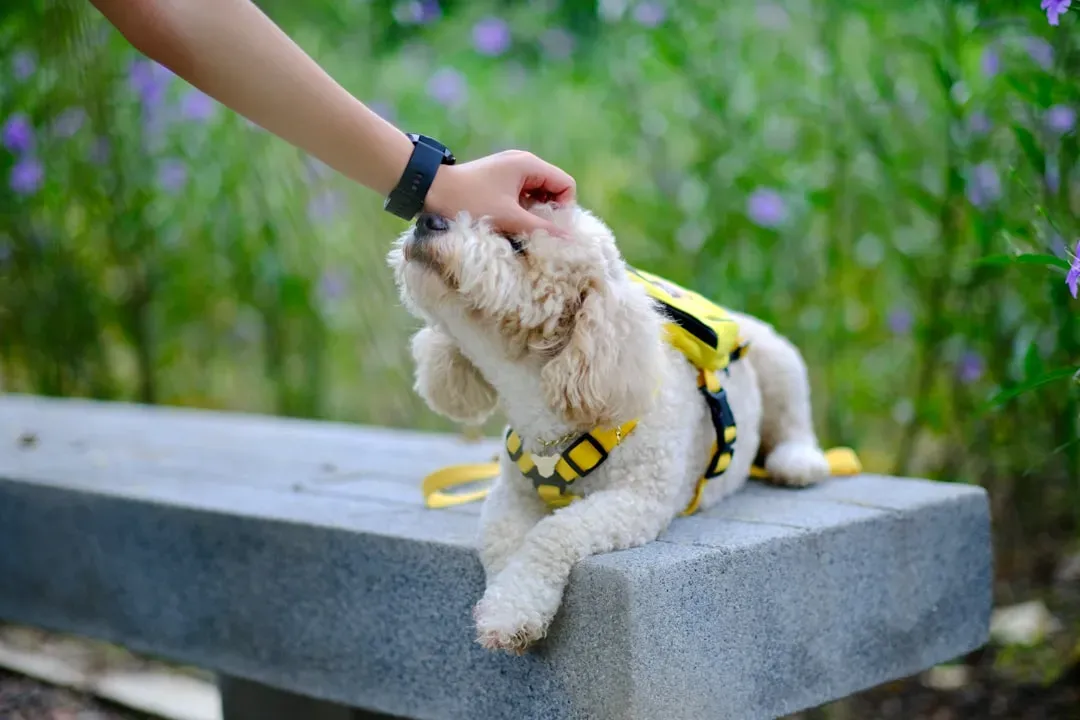
Rather than saying “I need to do this to you,” the approach should be asking “What do you need from us?” trying to listen to what the animals are telling us and recognizing that what we’re doing, even if it seems like an innocuous activity, could be terrifying and traumatic for them.
Creating safety isn’t about grand gestures. It’s built in quiet moments and consistent routines. The answer is in earning their trust by being consistent, patient, and showing kind canine leadership, and while the behavior won’t change overnight, with time, patience, and dedication, they can learn to feel safe.
Watch their body language carefully. Tucked tails, whale eyes, excessive yawning, and lip licking all signal stress. Respect these communications. Dogs are always trying to communicate with us, and if you don’t listen to their communication, they feel that they have no other option but to bite, and that interaction can have lasting consequences to their overall behavioral and emotional health.
Give them space when they need it. Let them approach you on their terms. Positive reinforcement is a scientifically sound method of training that involves rewarding dogs with treats, praise, or attention when they display behaviors the owner wants to encourage, and is particularly helpful in building trust and establishing a bond. Small victories deserve celebration, whether it’s taking a treat from your hand, making eye contact, or simply relaxing in your presence.
Conclusion
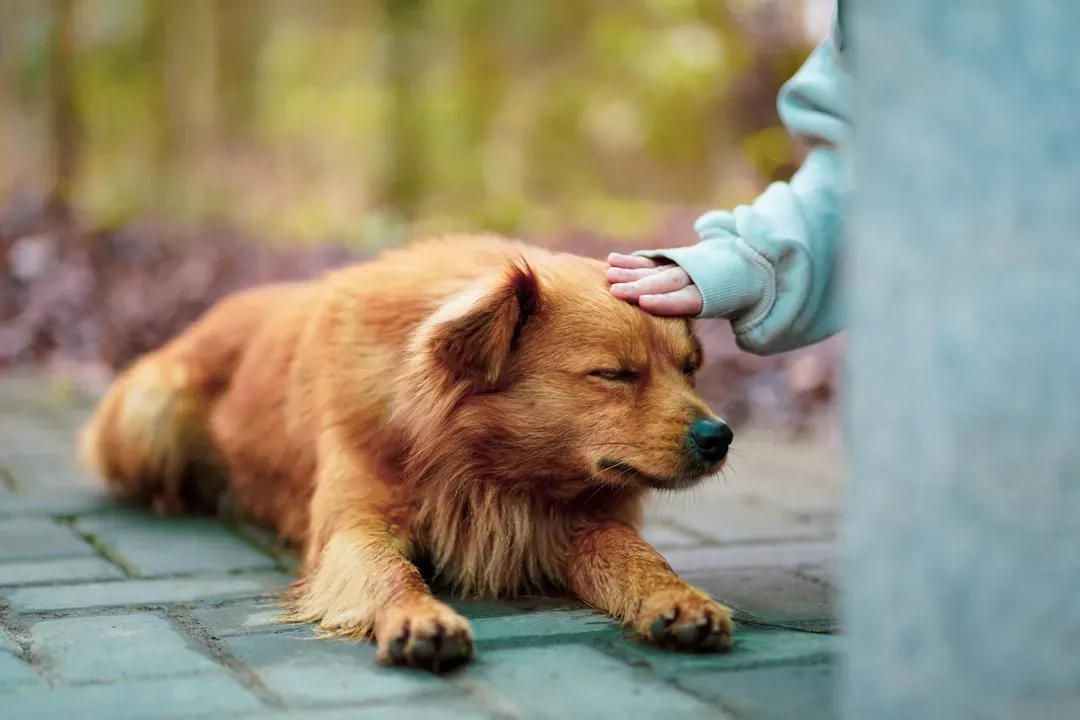
The emotional memory of rescue dogs isn’t a burden, it’s a testament to their resilience and their capacity to feel deeply. They remember pain, yes, but they also remember kindness with equal intensity. Every patient interaction, every gentle word, every moment of safety you provide becomes part of their new memory landscape.
These dogs teach us something profound about healing. Recovery isn’t linear. Some days will feel like setbacks. But the brain’s remarkable ability to form new associations means that love, consistency, and understanding really do create lasting change. Your rescue dog may never forget what happened to them, but with time, those memories lose their power as new, happier ones take center stage.
What will your dog remember about you years from now? The answer is being written in every interaction you share. Make those memories count.


