

Picture this: a dog lounging on designer bedding, munching on gourmet treats, wearing the latest fashion collar. You’d think they have it all, right? Yet beneath that pampered exterior, something unexpected might be brewing. Sometimes, when we give our everything, we accidentally withhold what they truly need. It’s a strange paradox that many of us don’t see coming until our furry friends start showing signs we never expected.
Let’s be real, most of us shower our with love because we genuinely want them to be happy. We buy them toys, we adjust our schedules around them, we let them sleep in our beds. There’s nothing inherently wrong with treating your dog well. The problem emerges when pampering morphs into something that creates dependence rather than contentment. What looks like devotion on the surface can mask a subtle form of emotional neglect.
When Love Becomes a Cage
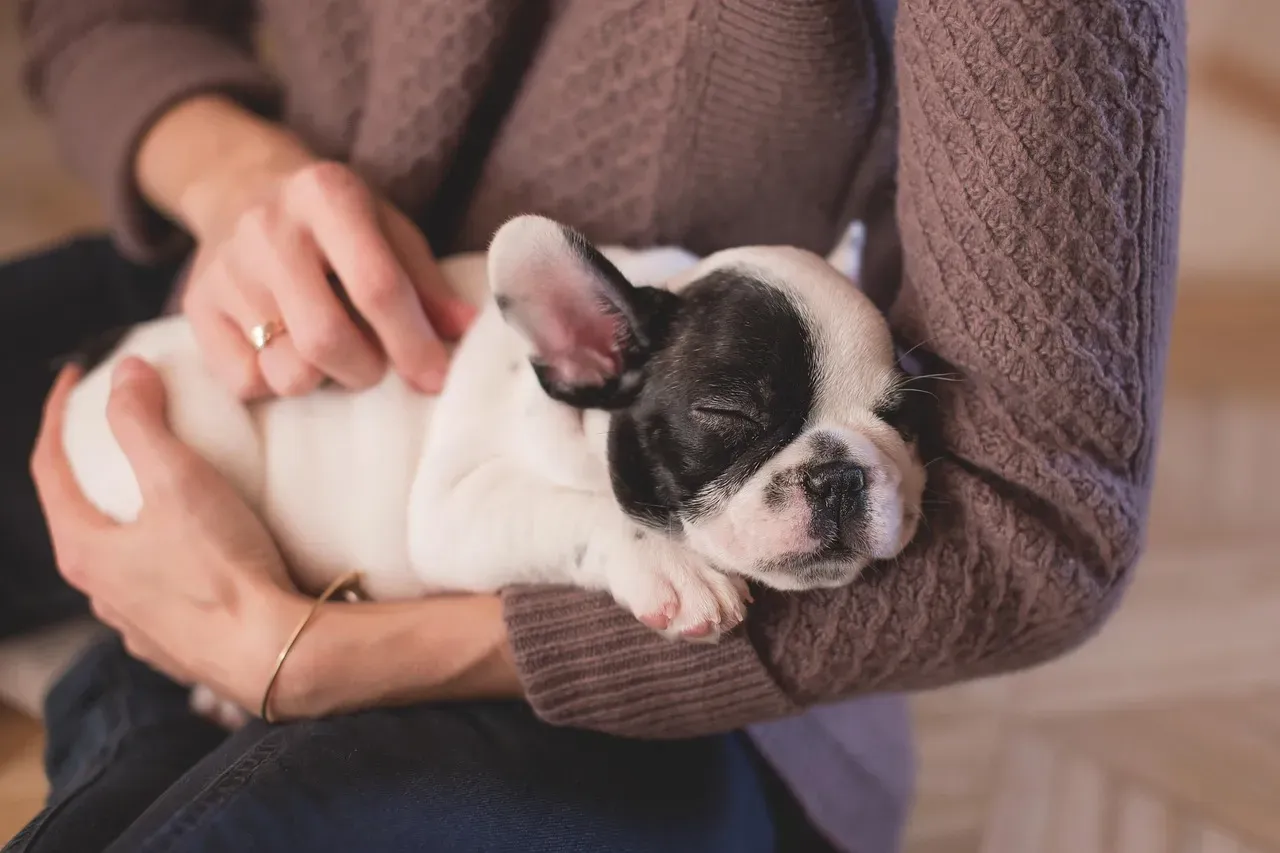
with separation anxiety are usually overly attached or dependent on family members, becoming extremely anxious and showing distress behaviors when separated from owners, often following them from room to room and rarely spending time outdoors alone. Here’s where things get uncomfortable: that constant togetherness might feel like love, but it can actually breed insecurity.
Think about it from their perspective. If your dog never learns to self-soothe or occupy themselves, every moment you’re absent becomes terrifying. According to a Certified Applied Animal Behaviorist, we can think of separation anxiety as the equivalent of a panic attack. Your well-meaning devotion hasn’t prepared them for the reality that you won’t always be there.
are social animals that crave companionship and thrive on positive interactions with their owners, yet a dog left alone for long periods without adequate socialization or attention may experience loneliness, anxiety, and depression. The key word here is balance. Over-pampering often skips the crucial step of teaching independence, leaving emotionally fragile when faced with solitude.
The Behavioral Red Flags You’re Missing
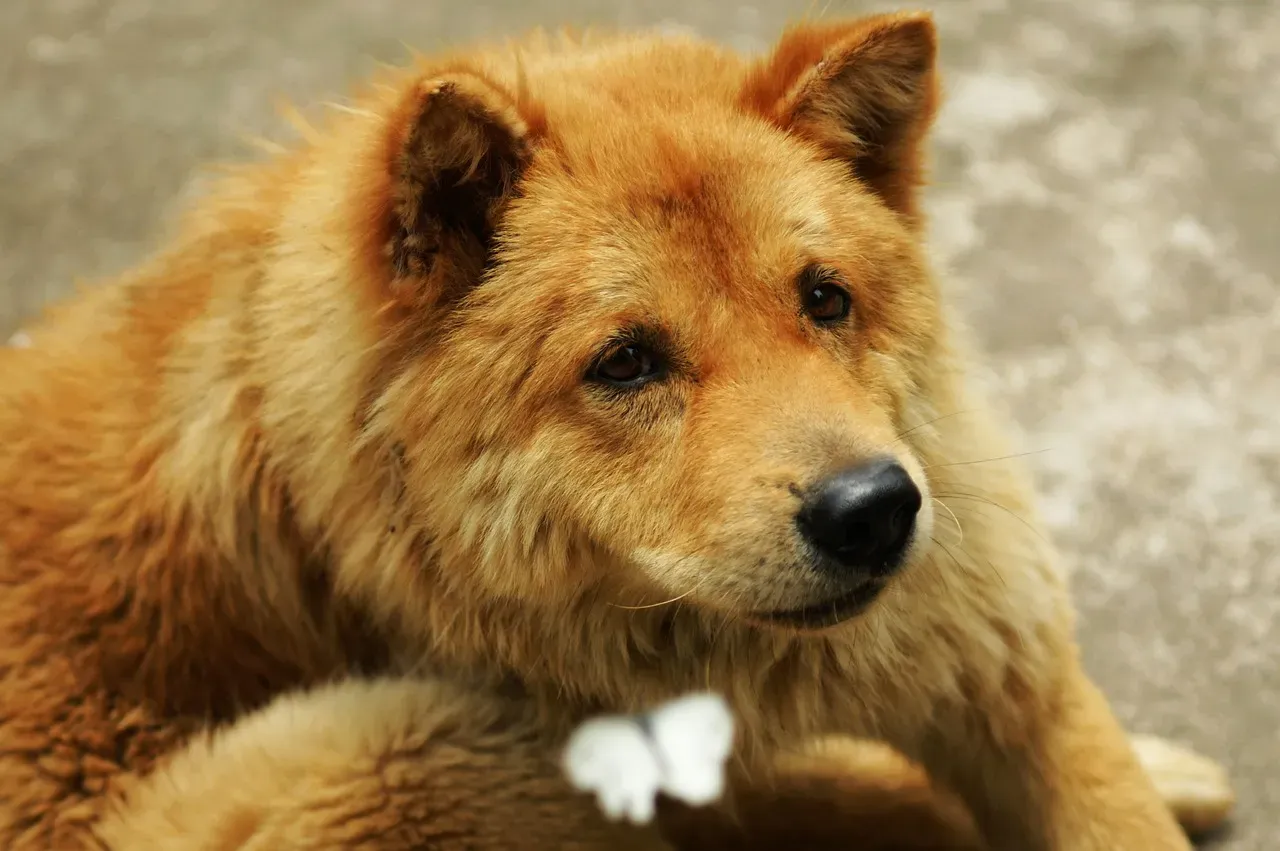
Howling and barking are some of the more common ways your pooch might let you know they’re feeling lonely, with barking or whimpering likely starting as soon as you leave your home. Yet many owners dismiss these sounds as typical dog behavior rather than distress signals.
Other signs are sneakier. Lethargy is one of the sneakiest ways show signs of loneliness, with sleeping more often than normal or showing little interest in activities they typically enjoy possibly indicating they need more social time. Your pampered pooch might be withdrawing emotionally even while physically present.
The behaviors that indicate dog loneliness are closely related to depressive behaviors, like withdrawal and lethargy. Honestly, it’s heartbreaking to realize that excessive attention without proper boundaries can leave just as lonely as genuine neglect. Destructive chewing, house soiling despite being trained, or clingy behavior that borders on frantic can all point to deeper emotional struggles that pampering alone won’t fix.
The Independence They’re Desperately Missing
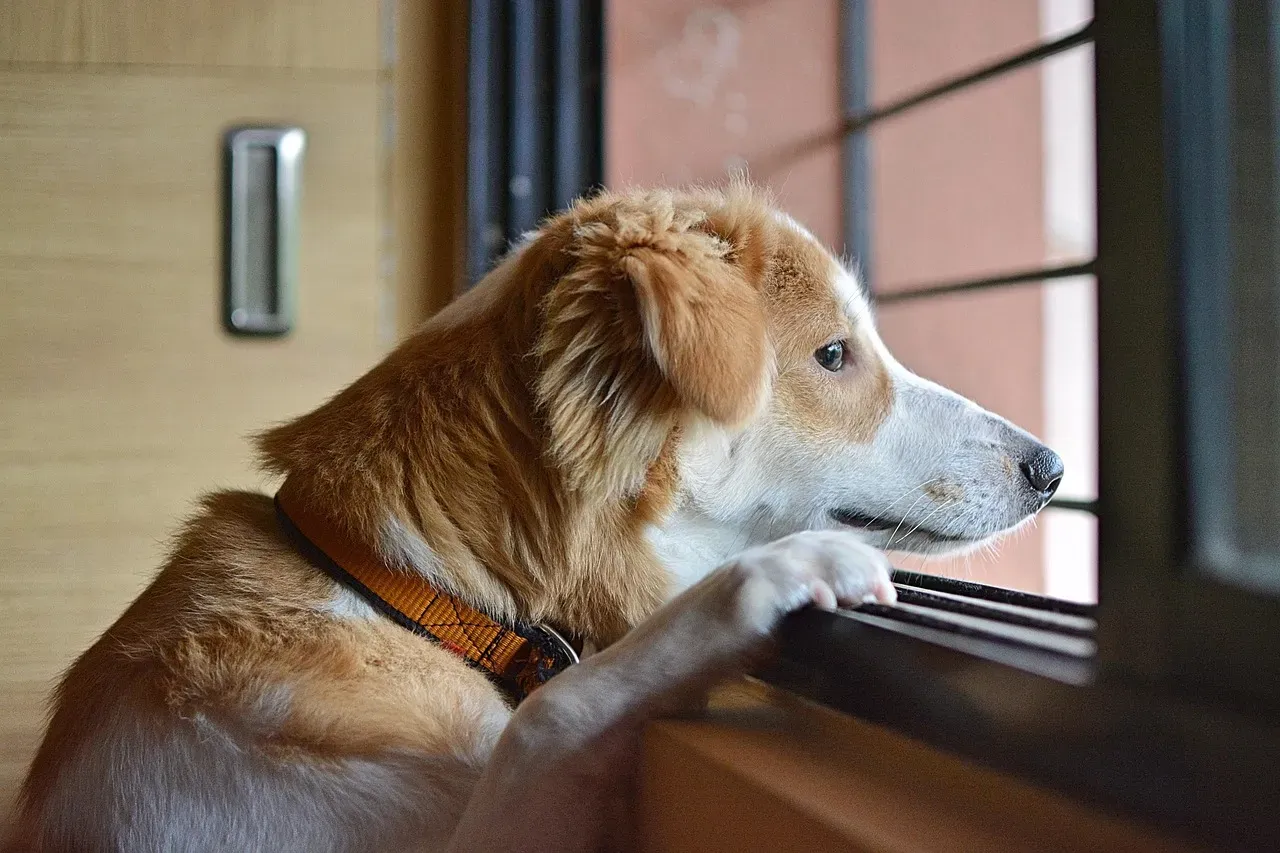
Overly clingy behavior shouldn’t be encouraged; instead, independence should be developed by teaching your puppy to be on their own in another room even when you’re at home, with teaching a solid stay being another way to battle excessive attachment.
I know it sounds counterintuitive. You adopted a dog for companionship, so why would you deliberately create distance? Here’s the thing: teaching your dog to enjoy alone time isn’t rejection. It’s one of the greatest gifts you can offer them. It’s the retraining program that is needed to help your dog gain some independence and accept some time away from you.
Even if you are at home all day, create frequent separations from your dog, as for most three to five times alone per day can be enough to help keep separation anxiety at bay. Start small. Send them to their bed while you’re in another room. Gradually increase these solo moments. They’ll learn that your absence isn’t abandonment, just a normal part of life.
What Real Emotional Enrichment Looks Like

True enrichment goes beyond expensive toys and constant cuddles. who are bored and do not receive enough mental stimulation may become depressed, with offering more walks, games of fetch, and puzzle toys helping to boost a dog’s mood. Your dog needs challenges, not just comfort.
Engaging your dog’s brain can help tire them out and make being left alone less stressful, with trick training and dog brain games like hide the toy wearing out your dog and making alone time less fraught. Mental exhaustion is just as valuable as physical exercise, maybe even more so for certain breeds.
Think about variety too. Rotating activities keeps their minds engaged in ways that repetitive pampering never will. A dog who problem-solves, explores new environments, and interacts with other develops resilience. They become confident rather than dependent, content rather than constantly needing reassurance.
The Paradox of Too Much Comfort

Serious behavioral issues can often result from a combination of genetics, early life experiences, physical and social environments, and ongoing learning processes, with experienced dog owners who provide appropriate amounts of exercise, enrichment, play, and training still sometimes having that suffer from fear, anxiety, and depression.
Sometimes we do everything “right” on paper yet still end up with anxious . The missing piece is often boundary-setting. When receive attention on demand without earning it or learning patience, they never develop emotional regulation. Attention comes on your terms not theirs!
Research found that social connectedness, either with humans or fellow , was the biggest predictor of a dog’s longevity. Notice that word: connectedness, not constant contact. Quality matters infinitely more than quantity. A dog who feels secure in your relationship can handle your absence because they trust you’ll return. A dog who’s been pampered into dependency lives in perpetual fear of abandonment.
Building Confidence Through Structured Freedom
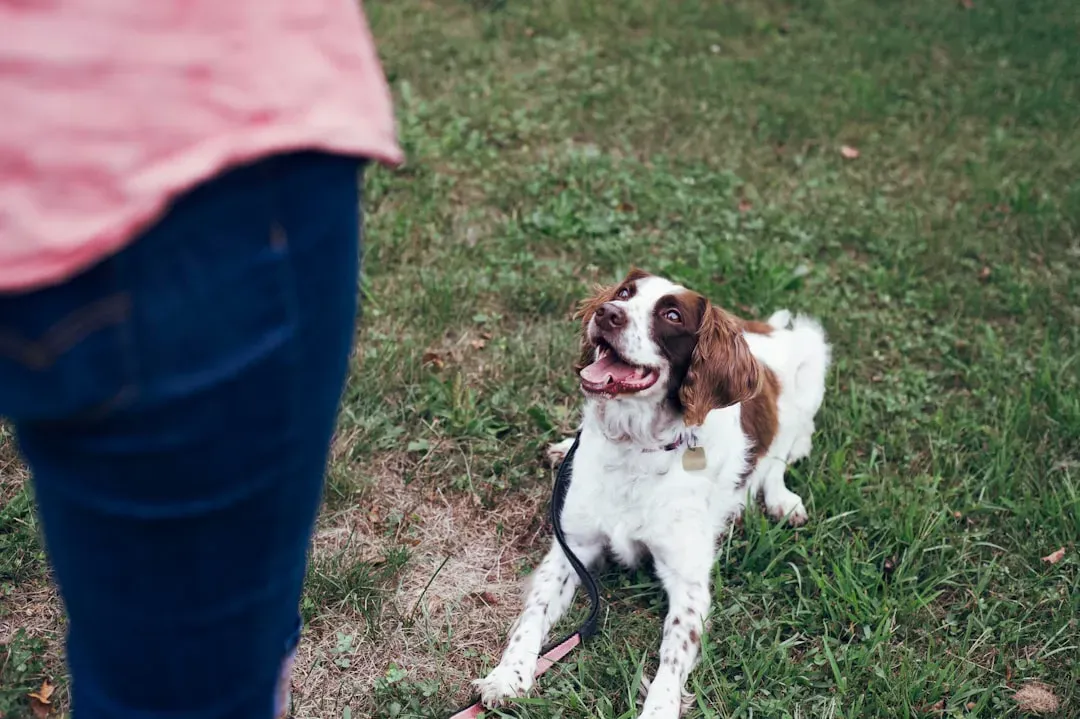
Teaching your dog to be independent is essential for fostering confidence and reducing stress, involving strategies that help your dog overcome separation anxiety and make transitions easier when you leave. This isn’t about loving them less. It’s about loving them better.
Training methods such as crate training and positive reinforcement can be effective, with crate training providing a safe space for and helping them feel secure. Give them a sanctuary that’s theirs alone. Let them learn that solitude can be peaceful rather than punishment.
Separation anxiety training works by slowly teaching your dog that being left alone isn’t scary, using small steps, treats, and positive experiences to change your dog’s behavior so they learn that your absence doesn’t mean disaster. The journey takes patience, but the payoff is a dog who’s genuinely happy rather than just pampered. They gain the emotional tools to handle life’s inevitable separations with grace instead of panic.
Conclusion: Love That Liberates

The most profound act of love isn’t giving your dog everything they want in the moment. It’s preparing them for a life where they feel secure even when you’re not physically present. Over-pampering might seem like devotion, but it often creates who are emotionally fragile and chronically lonely despite constant attention.
True care means teaching independence alongside affection, providing mental challenges alongside comfort, and setting boundaries that foster confidence rather than dependence. Your dog doesn’t need a life of luxury as much as they need a life of purpose, engagement, and the quiet confidence that comes from knowing they’re capable of handling solitude.
What have you noticed about your own dog’s behavior when left alone? Have you spotted any of these hidden signs of loneliness? The answers might surprise you more than you think.


