

You love your dog to pieces. Every wag, every playful leap, every goofy expression fills your heart. Yet there’s this one thing that drives you up the wall: the barking. Maybe it’s when the doorbell rings, or when you’re on an important call, or seemingly just because a leaf drifted past the window. You’ve tried everything, or so you think.
Here’s the thing, though. What if I told you that some of your well-intentioned responses are actually teaching your pup to bark more? I know, it sounds backwards. Most of us assume we’re doing the right thing when we rush to comfort a barking dog or when we yell for them to stop. Honestly, understanding how dogs learn can feel like cracking a secret code. Let’s dive into the surprising ways you might be reinforcing the very habit you’re desperate to break, and what you can do about it.
When Your Attention Becomes the Reward

Your dog doesn’t understand what you’re saying when you yell, they just know that when they bark, you respond, and now everyone’s making noise together, which feels like a fun game to them. Picture this common scenario: your dog starts barking at a squirrel outside. You immediately look at them, maybe walk over, perhaps even scold them. From your perspective, you’re correcting bad behavior.
From your dog’s perspective? They just got exactly what they wanted: your undivided attention.
Attention-getting barking can be problematic and is often reinforced by owners giving in to their dog’s demands, including allowing a barking dog indoors, or feeding, patting, praising, or playing with them. Let’s be real, attention is currency in the dog world. Attention is a reward to your dog, and it includes any form of interaction: petting, talking, eye contact, pushing, shouting, or body contact of any kind. Even negative attention counts. Think about it like a toddler who’s learned that throwing a tantrum gets Mom to drop everything. Your dog is way smarter than you might give them credit for, and they’re constantly observing which behaviors make you react.
The Soothing Trap We All Fall Into
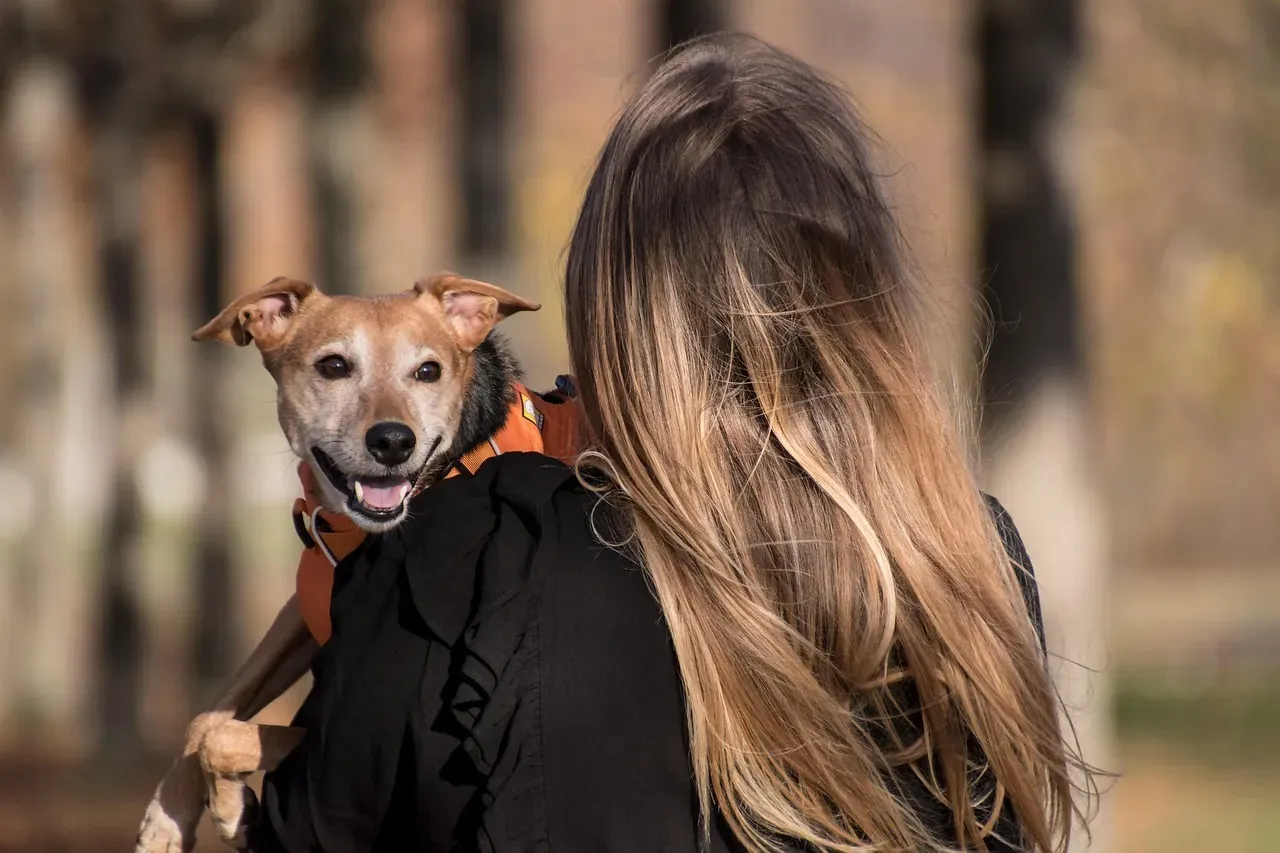
Many people try to soothe their dog when they’re barking because they’re nervous or upset by talking to them in a happy, reassuring, or fussing tone of voice and patting them as they bark. I get it. When your dog seems anxious or scared, your instinct is to comfort them. You reach down, stroke their fur, and murmur softly that everything’s okay. It feels like the compassionate thing to do.
The problem is dogs don’t process this the way humans do. From your dog’s perspective, they can easily interpret soothing as praise for doing something good, which means they interpret it as encouragement to keep doing what they’re doing. Your sweet, calming voice sounds like approval to them. You might as well be saying “Yes, excellent barking, keep it up!”
This isn’t about being cold or unfeeling. It’s about understanding that genuine help means addressing what’s causing the anxiety, not accidentally reinforcing the noisy response. Some owners, attempting to calm their dog down, actually encourage barking by giving attention, play, food or affection, and your response might be aggravating the problem. The kindest thing you can do is stay calm yourself and redirect your dog to a behavior that actually helps them feel secure.
The Treat Timing Mistake That Backfires
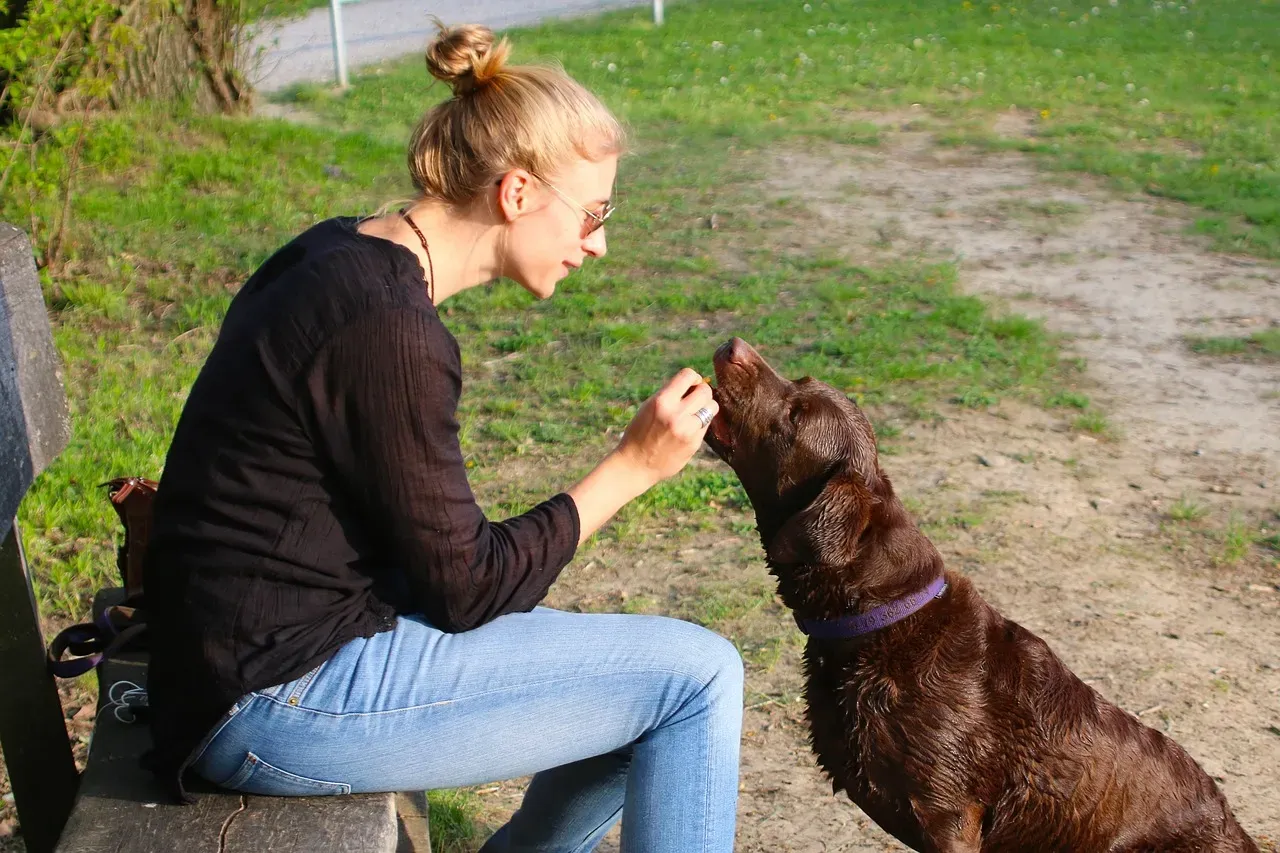
There’s a popular training tip floating around that sounds perfectly logical: tell your barking dog “quiet,” and when they stop, immediately give them a treat. Simple, right? Reward the silence, and you’ll get more of it. Except there’s a sneaky problem with this approach that catches many dog parents off guard.
While the logic is to reward quiet behavior, because dogs are capable of learning sequences of events, many dogs figure out that if they bark and then stop, you’ll give them a treat. Your clever pup starts to see the whole thing as a chain: bark, pause, get treat, repeat. This can ironically encourage them to bark more, because they discover that the more they bark and then pause, the more treats they get.
The solution? Give plenty of attention to your pet when they’re well-behaved and silent, rewarding your dog only when they’re quiet from the start. Catch them being good before the barking even starts. When your dog is calmly resting or quietly watching out the window, that’s your golden moment to offer praise, affection, or a small treat. This teaches them that calmness itself is valuable, not just the pause after making noise.
Why Yelling Makes Everything Worse
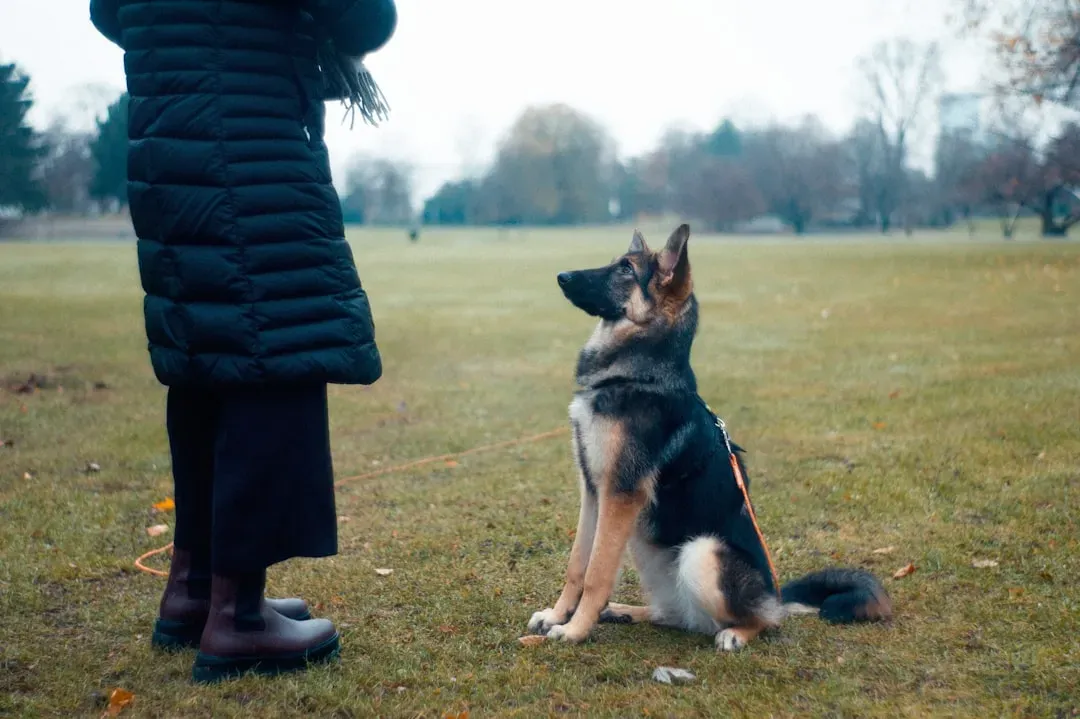
The doorbell rings, which prompts the dog to start barking, then the barking prompts owners to start yelling, and instead of stopping, the dog just barks more. It’s one of the most frustrating loops in dog ownership. Your volume goes up, their volume goes up, and suddenly your living room sounds like a concert where nobody knows the lyrics.
Yelling or punishing a dog that is barking due to anxiety or as a territorial response is only likely to increase the dog’s barking and anxiety. When you raise your voice, your dog might genuinely think you’ve joined in on whatever they’re alerting you about. Or they might become more anxious because now their person is also worked up about the mysterious threat. Either way, volume escalates.
If you’re shouting to your dog to make them stop barking, they might think you’re barking too, whether it’s a barking contest or helping them scare the enemy from your territory. Instead, try speaking calmly and quietly. This requires real self-control when you’re already frazzled, I know. Teaching your dog basic commands like sit or down in calm moments gives you tools to redirect them when the noise starts. A calm leader is far more effective than a loud one.
Understanding the Hidden Reinforcements Around You

Sometimes the reinforcement for barking doesn’t even come from you directly. Dogs learn patterns from their environment, like when they bark at the mail carrier and the person always goes away, teaching them that barking makes the threat disappear. From your dog’s viewpoint, they successfully defended the territory. Mission accomplished.
Dogs keep barking because the behavior has been repeated and reinforced over time, which is why understanding reinforcement history is so important. Every single time a behavior gets rewarded in some way, it becomes more likely to happen again. Dogs operate from reinforcement history and habit, so if a dog barks excessively, it’s because the behavior has worked for them in some way.
Think about all the subtle ways barking might be working for your dog. Do they bark at the window and you eventually close the curtains, removing the “threat”? Do they bark for dinner and you feed them shortly after? These connections might seem random to us, but dogs are pattern-recognition machines. Breaking a barking habit means identifying not just what you’re doing, but what your dog is getting out of the behavior, whether from you, the environment, or simply the satisfaction of making noise.
Conclusion
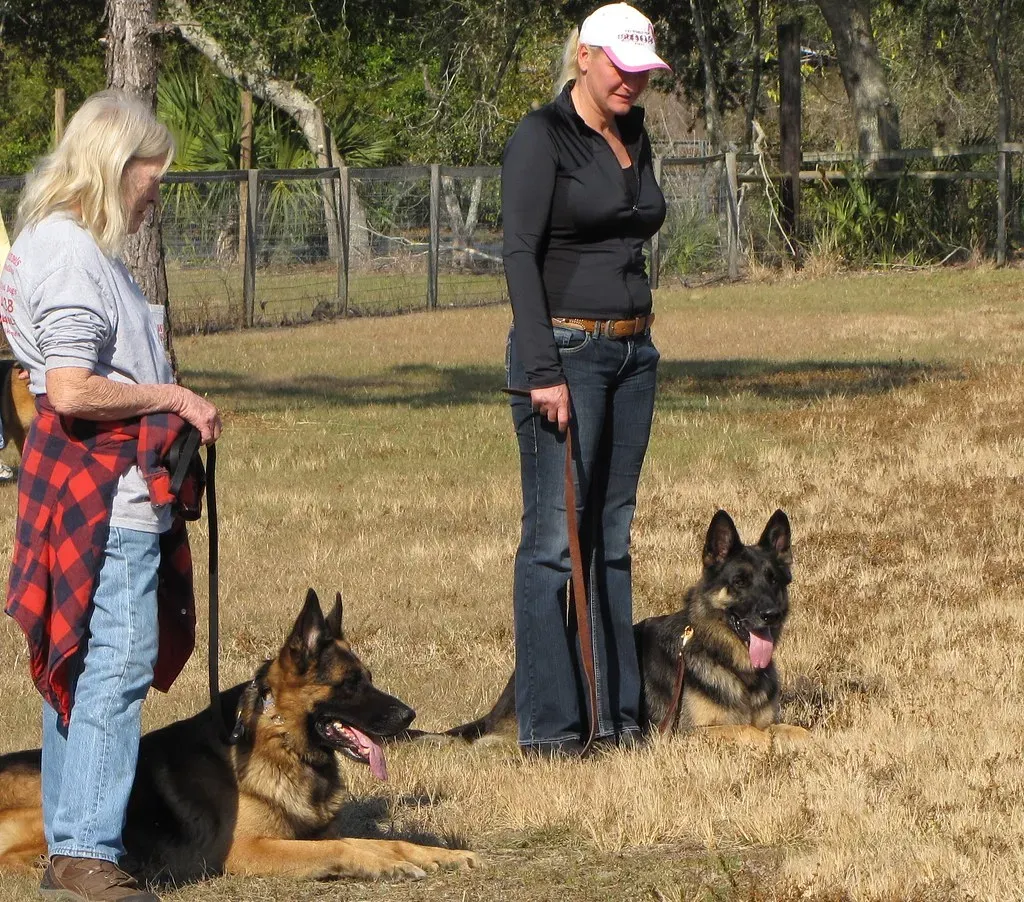
Changing your dog’s barking habit starts with changing your own responses. It’s hard to admit that our loving gestures might be part of the problem, yet this awareness is actually empowering. Once you understand how your dog perceives your reactions, you can make intentional choices that genuinely help.
Any behavior that gets reinforced is more likely to be repeated, and dogs thrive on routine and reinforcement, so the more they rehearse a behavior or the more it’s been reinforced, the more likely it is to be repeated. The good news? This principle works both ways. When you consistently reward calmness and stop accidentally reinforcing noise, your dog will start offering you more of what actually earns your attention.
Be patient with yourself and your pup through this process. Changing established patterns takes time. You’ll have setbacks, moments when you react before you think, times when the barking feels unbearable. That’s all part of the journey. What matters is the overall pattern you’re creating, one where quiet confidence gets rewarded and noisy demands fade into the background. Your dog is always learning from you. Make sure you’re teaching the lessons you actually want them to learn. What small change could you make today to start rewarding the peace instead of the noise?


