
You know that feeling when you leave the house and catch your pup’s eyes following you to the door? For some dogs, that moment passes quickly. For others, it’s the beginning of an emotional storm. Not all small dogs handle alone time the same way. Some were bred for centuries to be constant companions, while others developed independent streaks meant for solo work.
Understanding which camp your dog falls into isn’t just interesting trivia. It’s essential information that shapes everything from your daily routine to your choice of breed in the first place. Let’s be real, knowing your dog’s emotional blueprint helps you set both of you up for success.
1. Toy Poodle: The Velvet Shadow
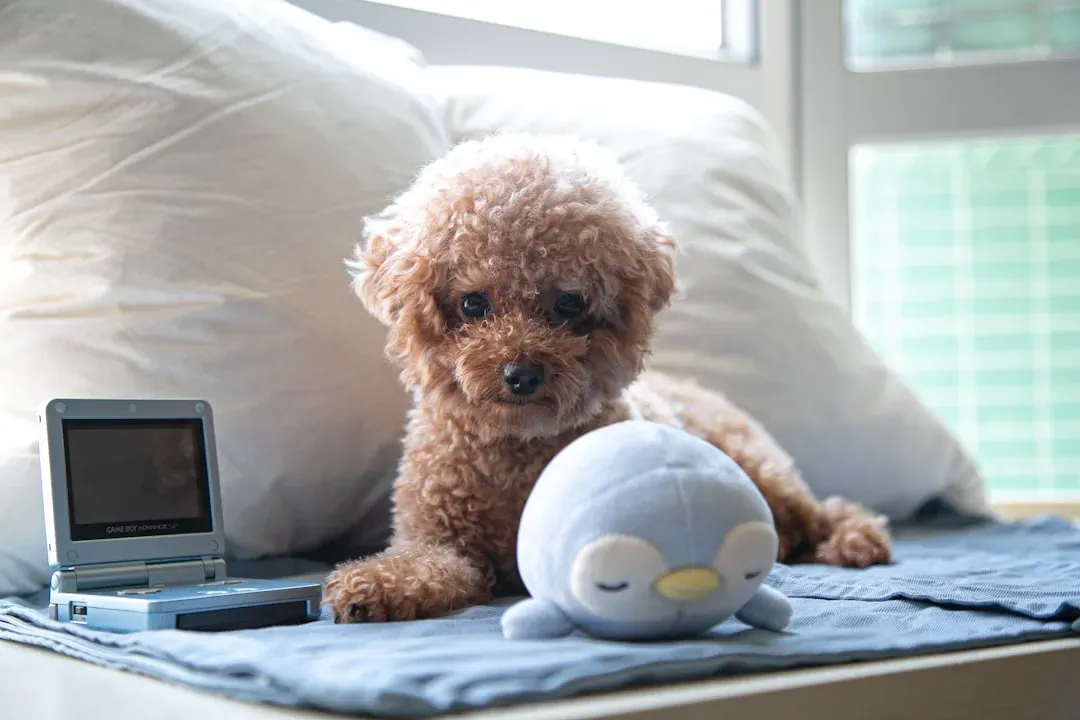
Toy Poodles have a gentle temperament and have been bred as companion dogs, needing time and love from their human family. Think of them as your personal shadow wrapped in curls. They’re brilliant little dogs who form incredibly tight bonds with their people.
The Toy Poodle is the smallest of the Poodles and bred solely as companion dogs, they do not fare well when left along for long periods as they desire regular human interaction. When left alone too long, these dogs can spiral into distress surprisingly fast. You might come home to find accidents despite perfect house training, or discover they’ve been barking for hours.
Their intelligence actually works against them here. They’re smart enough to know exactly when you’re leaving and smart enough to worry about it. Early training focused on independence becomes absolutely crucial for this breed.
2. Chihuahua: Tiny Dog, Enormous Attachment
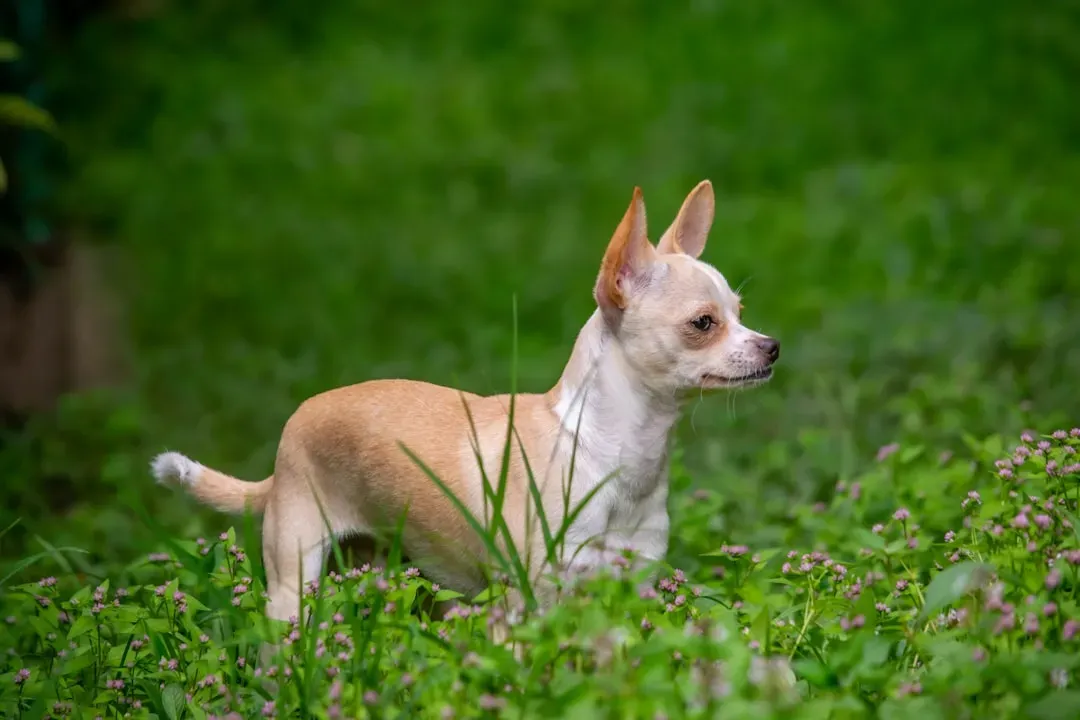
These pocket-sized pups pack feelings way bigger than their bodies suggest. Small companion dogs, like Chihuahuas and Poodles, may develop anxiety due to their attachment to humans. They tend to bond intensely with one or two people, sometimes to the exclusion of everyone else.
Here’s the thing about Chihuahuas. Their loyalty is legendary, but it comes with strings attached. They often struggle when their chosen person leaves, even for short trips. Chihuahuas are often happier in pairs.
Watch for trembling, excessive barking, or destructive behavior that seems out of character. These aren’t signs of misbehavior – they’re genuine distress signals. Teaching gradual departures from puppyhood helps tremendously, but honestly, this breed will always prefer being with you over being alone.
3. Bichon Frise: The Clingy Cloud
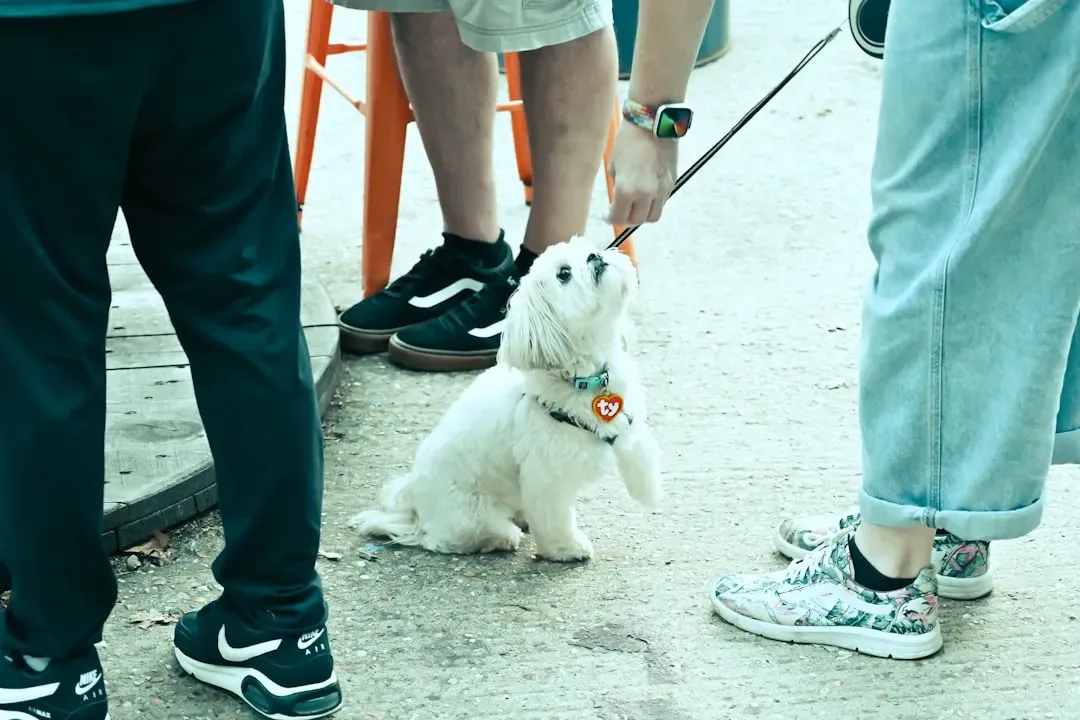
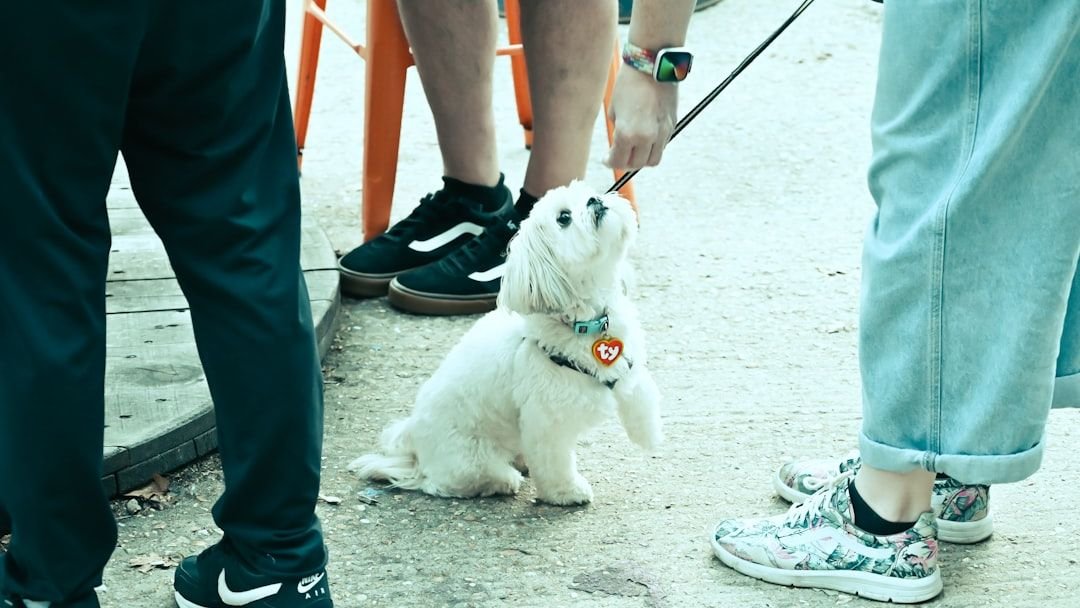
One of the most common problems reported among Bichon Frise owners is their separation anxiety, as this breed is a companion and lapdog and does not do well when they’re unable to see their owners for extended periods. These cheerful white fluffballs were literally designed to be companion animals. Centuries of breeding created dogs who thrive on human interaction.
The bichon frise thrives when they are with humans, as intended in their breeding, and they can quickly become bored and suffer separation anxiety if left to fend for themselves for too long. Their sunny disposition can darken quickly when isolation hits.
Signs of distress might include destructive chewing, particularly near exits, or persistent vocalization. Mental stimulation before you leave helps some, but it rarely solves the core issue. Many Bichon owners find success with doggy daycare or pet sitters rather than leaving these dogs completely alone for work hours.
4. Italian Greyhound: The Sensitive Sprinter
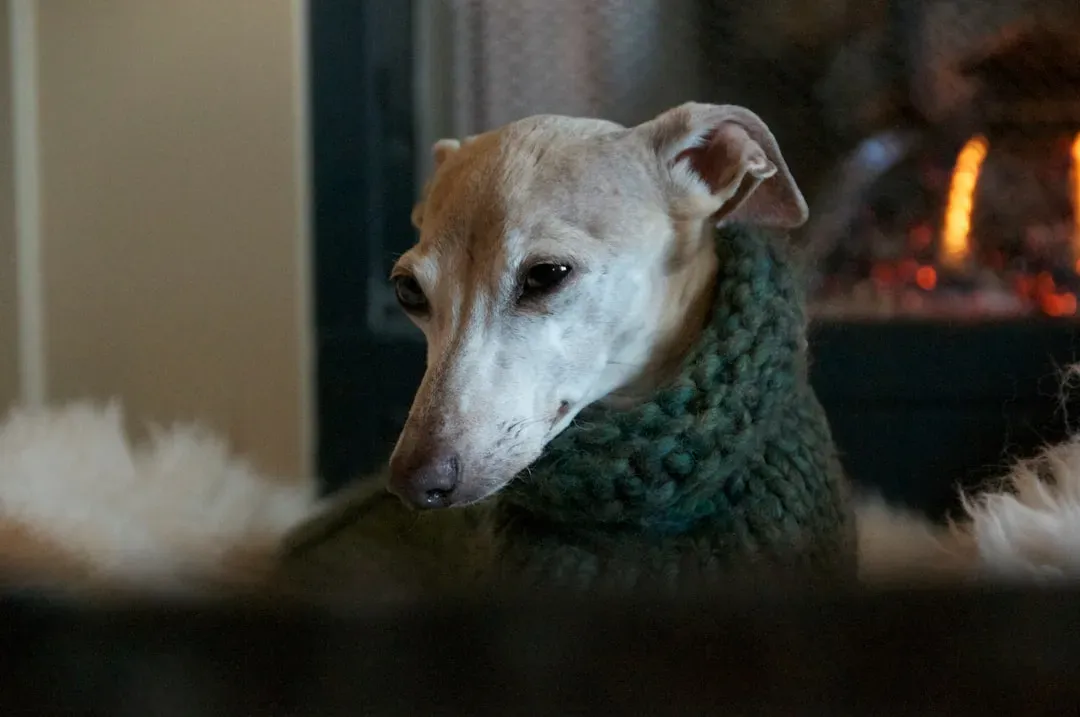
Don’t let their athletic build fool you. Italian Greyhounds are the smallest sighthounds and make excellent family companions, but because they bond so closely with their owners, they are prone to suffering separation anxiety should they be left alone for long periods. These delicate creatures form deep emotional connections.
They’re sensitive souls who pick up on your emotional state with uncanny accuracy. That sensitivity becomes a double-edged sword when you walk out the door. Many Italian Greyhounds will follow their owners from room to room, even in their own homes.
Their anxiety often manifests as trembling or refusing to eat while alone. Some will injure themselves trying to escape crates or rooms. The breed requires patient, consistent training to build confidence in solitude, though their attachment-oriented nature means they’ll never truly enjoy being alone.
5. Cavalier King Charles Spaniel: The Perpetual Lap Warmer
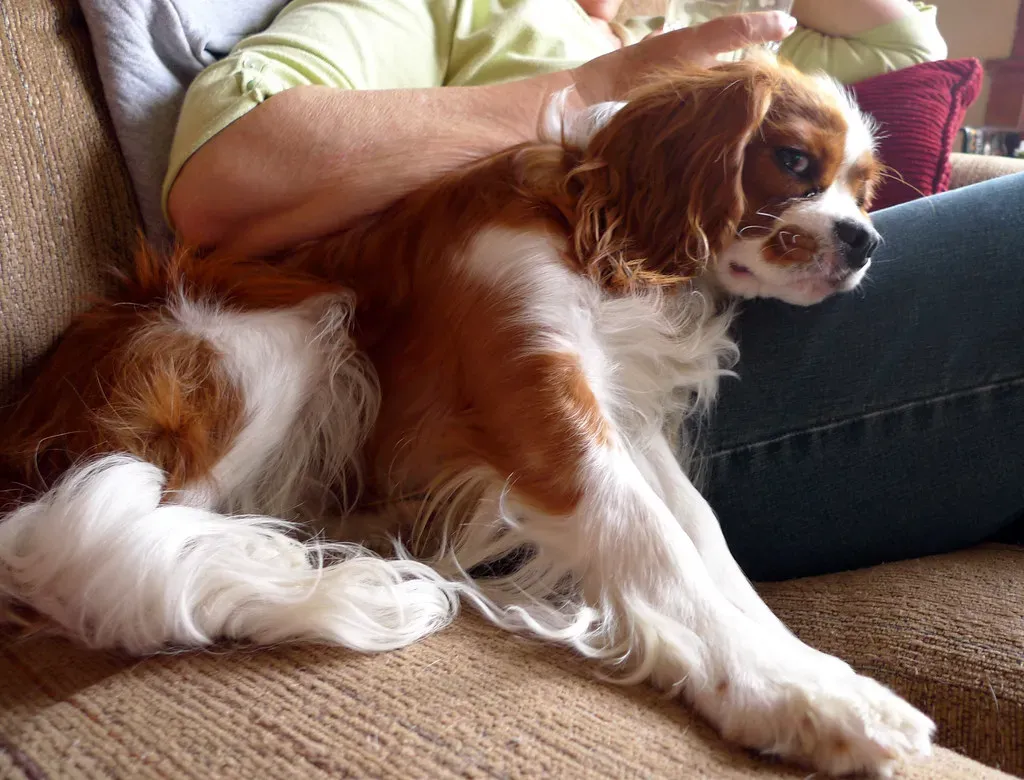
Cavalier King Charles Spaniels are companion dogs bred to enjoy spending lots of time with their human parents, and they are social and do poorly when left alone with nothing to do. Their entire genetic purpose revolves around human companionship. Royalty bred them specifically to sit on laps and provide comfort.
Despite conflicting information about this breed, bred to be a companion dog means that Cavvies typically don’t react well to being left alone for long periods, and the Cavalier King Charles is also one of the more naturally anxious breeds. Their soft, pleading eyes aren’t manipulation – they genuinely need that connection.
Time without their people can lead to genuine distress and anxious habits. They might pace, whine, or develop obsessive behaviors. Honestly, if you work long hours away from home, this might not be the breed for you unless you have other dogs or can arrange frequent companionship.
6. Basset Hound: The Drowsy Independent
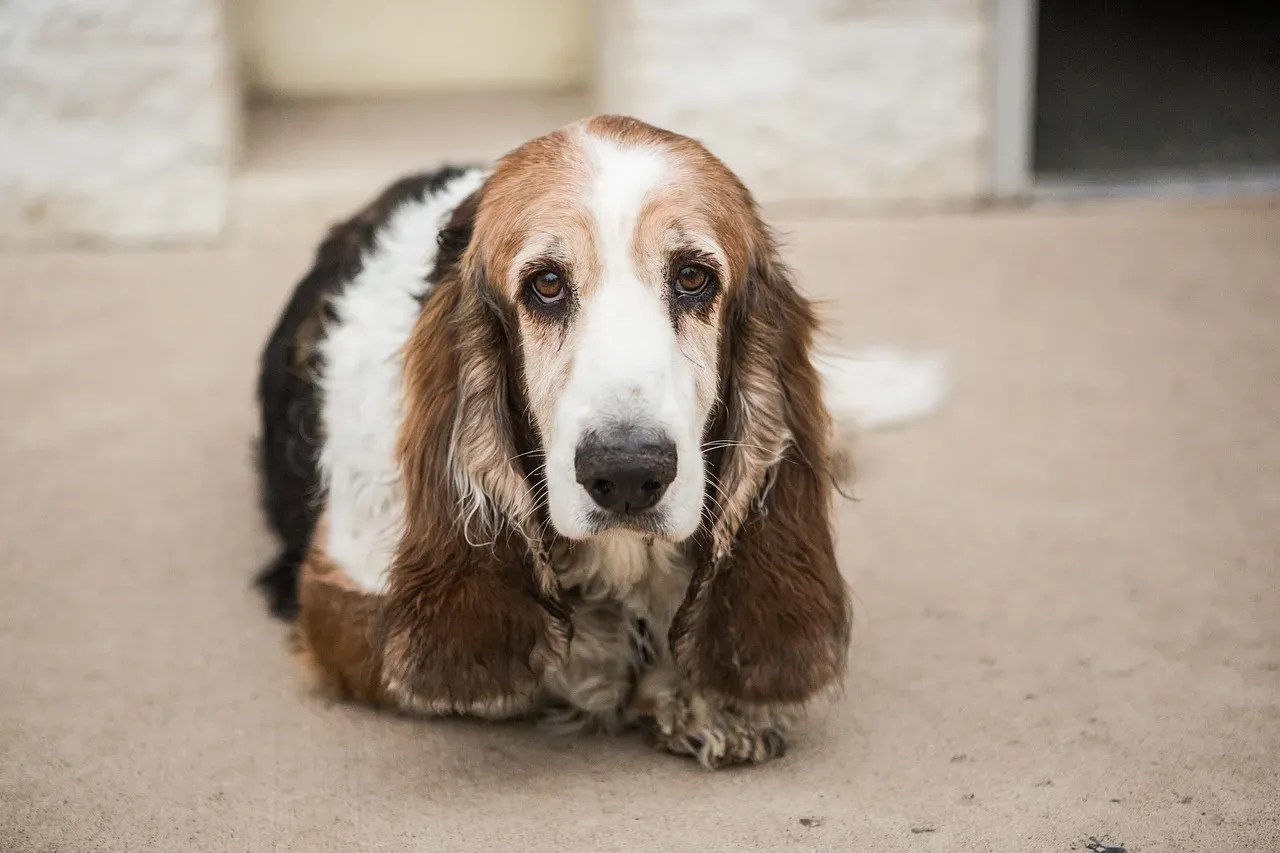
Now we shift gears entirely. Basset Hounds are known for their long, floppy ears and soulful eyes, with a calm and friendly temperament, and they are headstrong and independent with a low tendency for separation anxiety and can tolerate being alone for several hours. Those droopy expressions hide surprisingly self-sufficient personalities.
These dogs were bred to hunt independently, making decisions without constant human direction. That independent streak translates beautifully to home life. The basset is a droopy gentleman content to catch Zzzs on his bed while you’re at work, preferring a leisurely stroll over raucous play most days.
Sure, they’ll greet you enthusiastically when you return. But while you’re gone? They’re probably snoring somewhere comfortable. Just make sure they get a good walk before you leave, as boredom can still lead to mischief. Their low energy levels and self-contained nature make them excellent for people who need to be away during the day.
7. Lhasa Apso: The Confident Little Lion
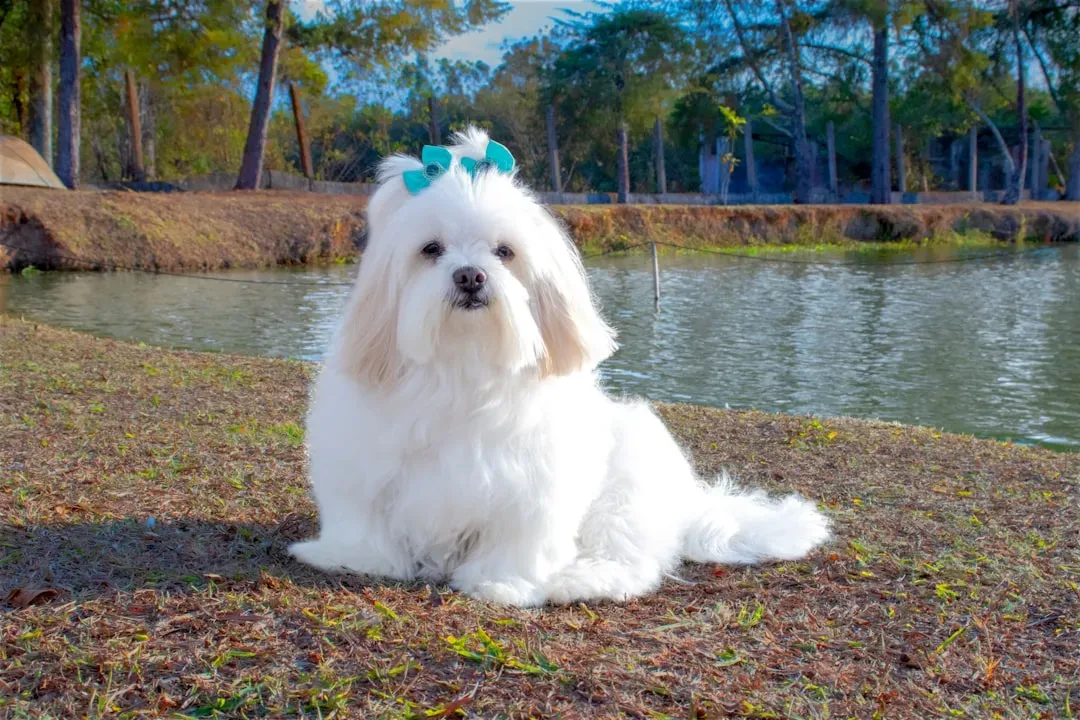
The Lhasa Apso is a small breed with a long, thick coat and lion-like appearance, with a calm and independent temperament that makes them excellent companion dogs, and they have a low tendency for separation anxiety, so they can be alone for several hours without getting upset. Don’t be fooled by their size – these dogs have big personalities and even bigger confidence.
Bred for centuries to be royal watchdogs, they don’t seem to realize how small they are and are playful and inquisitive, but independent enough not to mind being let to their own devices. They’ll keep themselves entertained without falling apart emotionally.
Their self-assurance stems from their history as monastery guardians in Tibet. They take their job seriously, even if that job is now just watching over your empty apartment. Lhasa Apsos won’t mind being left alone for longer times. Just expect them to conduct a thorough inspection of you upon your return, complete with sniffing and mild judgment.
8. Pug: The Charming Couch Potato
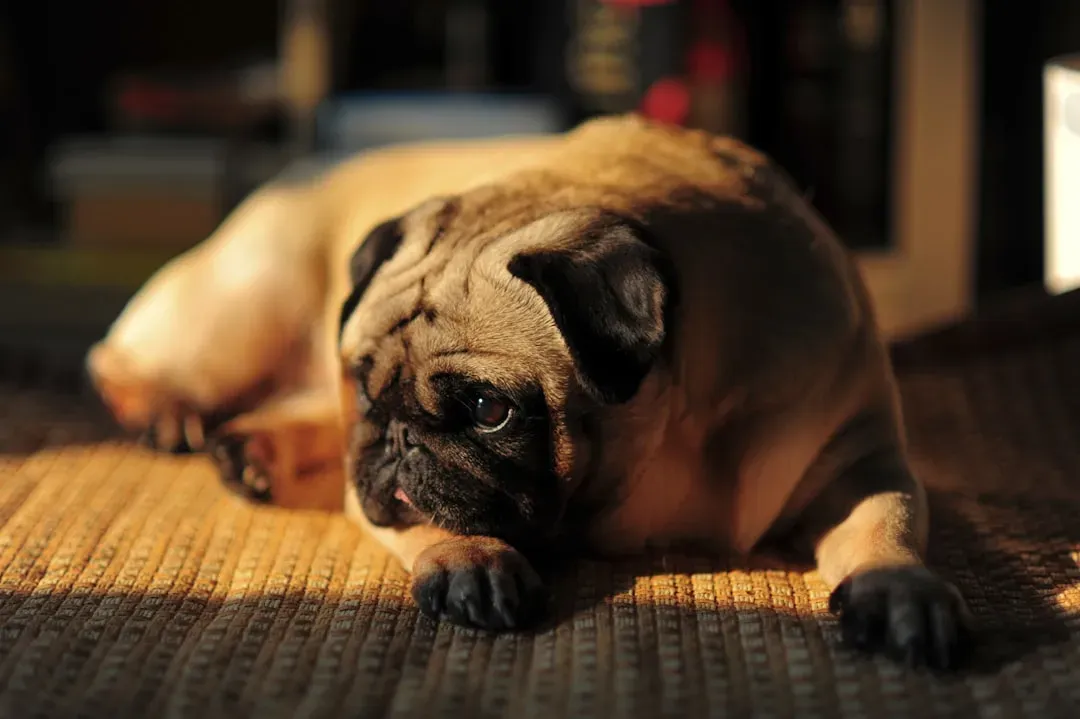
Pugs are small breeds with wrinkled faces and curly tails, with playful and affectionate temperaments that make them popular as companion dogs, and they have a low tendency for separation anxiety as they also enjoy some “me time.” These little charmers love their people but also appreciate solo snooze sessions.
Their laid-back approach to life extends to alone time. After a good play session and a meal, many Pugs are perfectly content to nap away the hours until you return. They don’t tend to work themselves into anxious states over your absence.
That said, they still need your attention and affection when you’re home. Think of them as self-sufficient but social – happy to entertain themselves temporarily but definitely glad when you return. Their even temperament and adaptable nature make them fantastic for various living situations and work schedules.
9. French Bulldog: The Self-Entertained Clown
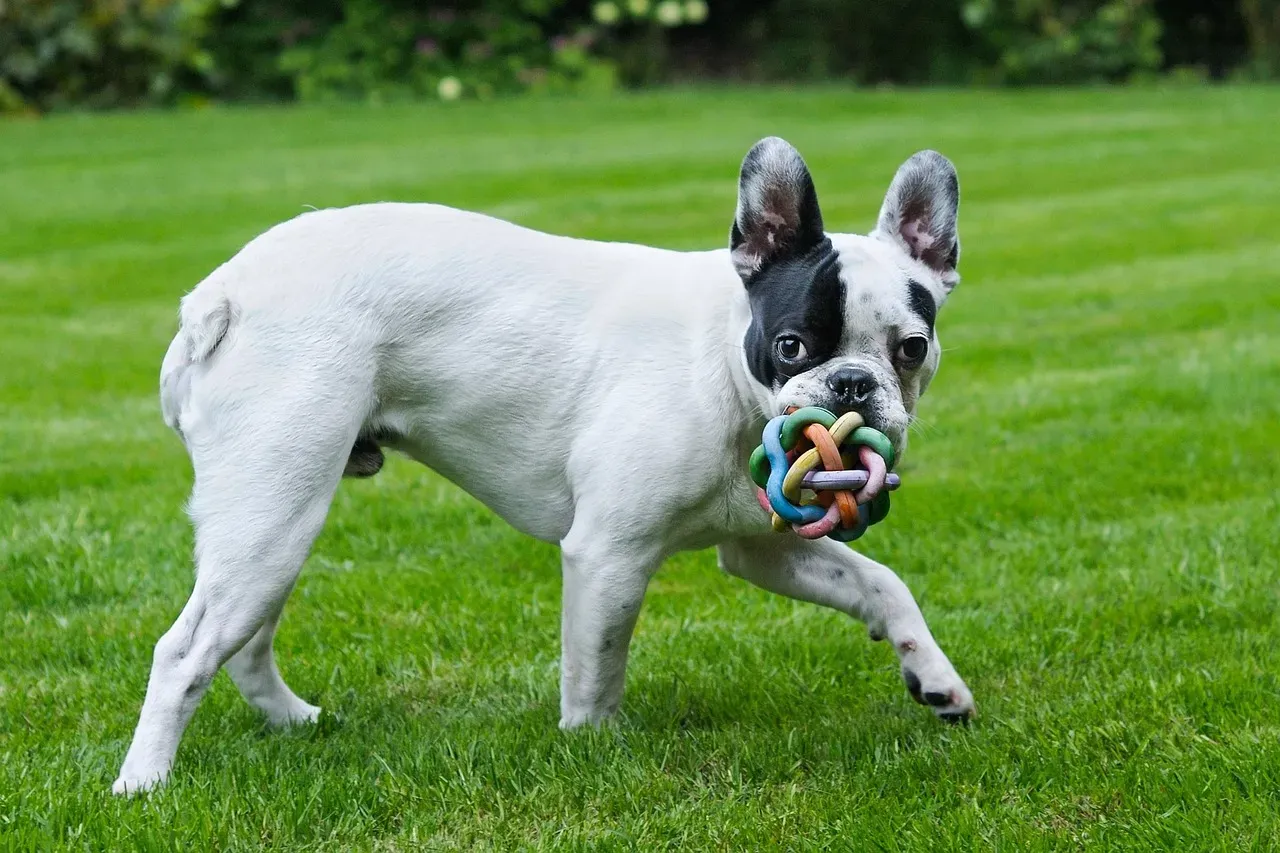
French Bulldogs are small breeds popular for their cute and affectionate personality, and they can adapt well to living in apartments or smaller spaces. These bat-eared comedians bring joy without the neediness some small breeds display.
Although these dogs can be extra playful, they have an average energy level, which means they’re just as happy napping the day away, and heavy exercise makes breathing difficult because of their short noses. This works beautifully for owners who need to be away during work hours.
They’re companion dogs, yes, but with enough independence to manage solitude gracefully. Leave them with a few toys and they’ll occupy themselves without distress. Just make sure they’re not overheated and have access to water. Their easygoing nature combined with moderate energy levels creates an ideal balance for busy households.
10. Shiba Inu: The Dignified Loner
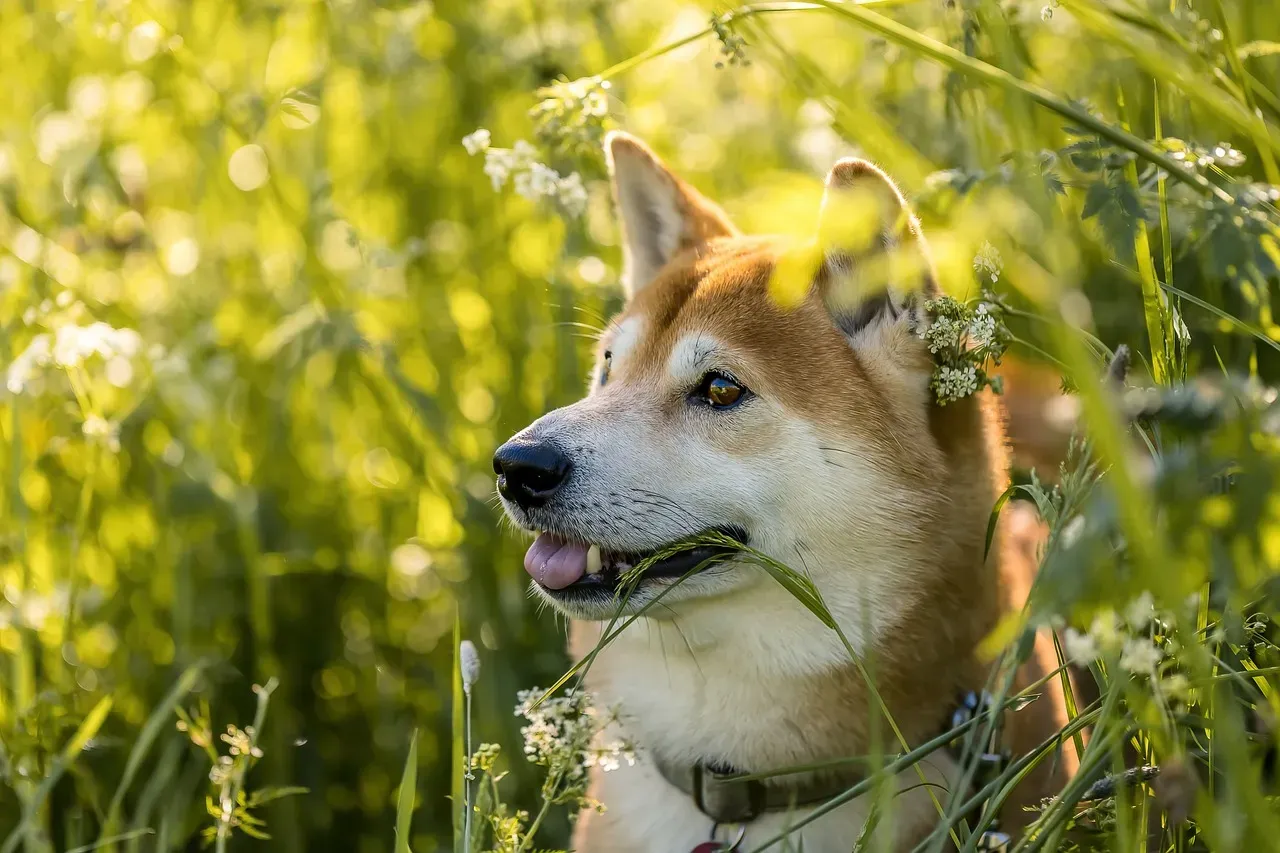
Another confident dog that is secure enough in itself to spend time alone is the Shiba Inu, originally bred to hunt small game in Japan, and these pups have learned to be independent. If dogs had personality types, Shibas would be introverts who actually prefer their alone time.
The Shiba Inu is a loyal pooch, but is definitely happy to be independent, settling in households with or without children, not tending to be overly affectionate and not requiring constant attention. They love you, sure, but they don’t need to be glued to your side to feel secure.
Their cat-like independence makes them exceptional for people with demanding work schedules. They’ll spend their day doing whatever Shibas do when humans aren’t watching – probably napping in sunbeams or surveying their domain from the window. Just be prepared for their spirited greeting when you return. They may be independent, but they’re not indifferent to your homecoming.
Conclusion: Finding Your Perfect Match

Choosing between a velcro pup and an independent spirit isn’t about which is better – it’s about honest self-assessment. Separation anxiety in dogs manifests as excessive distress when left alone and leads to destructive behaviors, excessive barking, and other stress-related symptoms. Understanding breed tendencies helps prevent heartbreak for both you and your dog.
If you work from home or have flexible schedules, those clingy companion breeds might fill your life with constant affection. Away for long stretches? Those independent thinkers will handle it with grace. Remember, individual personalities always vary within breeds, so spend time with any dog before committing.
The right match means a happier dog and a less stressed owner. What’s your lifestyle really like, and which personality would thrive in it? Think about that before those puppy eyes convince you otherwise.


