

There’s something utterly heartbreaking about watching your normally confident pup transform into a trembling ball of nerves the moment dark clouds roll in. If you’ve ever felt helpless as your dog pants, paces, or hides under the bed during a thunderstorm, you’re definitely not alone. Up to 30% of dogs are terrified by the rumblings of thunderstorms, howling winds, and driving rain.
The good news is that there are gentle, natural approaches that can help ease your furry friend’s storm related fears. While every dog responds a bit differently, understanding what works can transform those scary weather moments into manageable experiences. Let’s explore some proven strategies that tap into your dog’s natural need for safety and comfort.
Create a Safe Haven That Feels Like Home

Think about where you’d want to be during a scary moment. Dogs instinctively seek den-like spaces when they’re anxious, which makes sense considering dogs descended from wolves and were in dens. Setting up a cozy retreat in an interior room or a covered crate gives your pup somewhere predictable to go.
Make this space truly inviting with soft blankets, favorite toys, and maybe even an item of your clothing that smells like you. A quiet room without windows is usually ideal. The key is letting your dog choose to go there rather than forcing them, which gives them a sense of control in an otherwise chaotic situation.
Harness the Power of Calming Scents
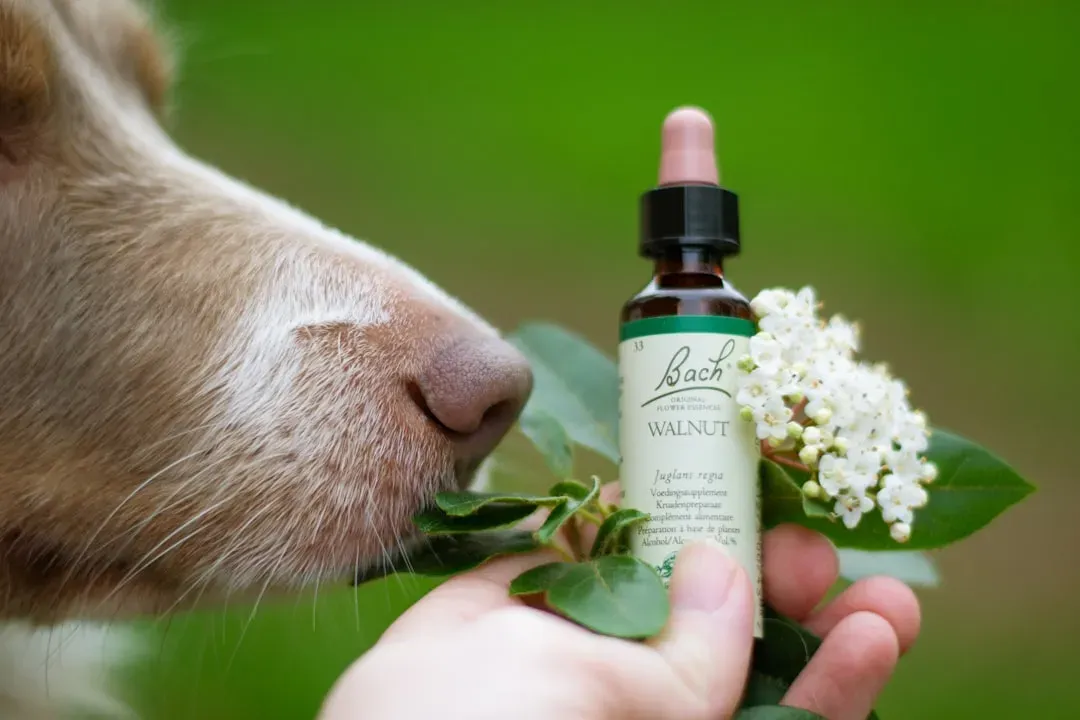
Your dog’s nose is incredibly powerful, picking up scents we humans can’t even begin to detect. This makes aromatherapy a surprisingly effective tool for storm anxiety. Herbal supplements like chamomile, lavender, or valerian root may have a calming effect.
You might try diffusing lavender or chamomile essential oils in your home before the storm hits. Some pet parents even report success with baking comfort foods like bread, which fills the house with familiar, soothing smells. Just remember to keep essential oils diluted and never apply them directly to your dog’s skin without consulting your vet first.
Try Gentle Pressure With Anxiety Wraps
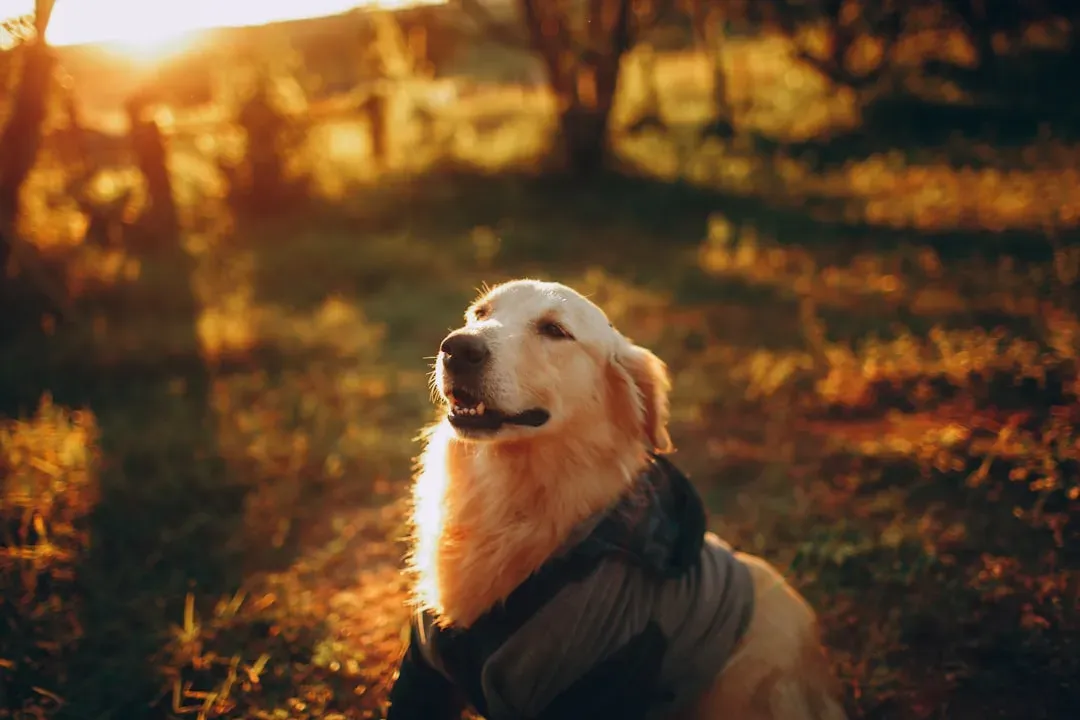
Have you ever noticed how a tight hug can calm your nerves? Dogs experience something similar with anxiety wraps. Calming vests or wraps, such as Thundershirts, apply gentle pressure to your dog’s body, mimicking the sensation of being hugged. This can provide a soothing effect.
The science behind this is pretty fascinating. According to one small study, anxiety wraps can help reduce the severity of clinical anxiety symptoms by almost 50%. It’s like swaddling a baby, the constant gentle pressure creates a sense of security that many dogs find deeply comforting.
Use Calming Sounds to Mask the Storm

Silence during a storm can actually make things worse because every crack of thunder seems amplified. Providing background noise, such as soothing music, white noise machines, or even a television, can help drown out the thunderous sounds and create a more calming environment for your dog. Classical music or specially composed canine relaxation tracks are often recommended for their soothing effects.
I’ve found that turning on the TV or playing soft music before the first rumble even starts can work wonders. Some dogs respond beautifully to classical pieces, while others prefer the steady hum of a fan or white noise machine. Experiment during calm weather to see what your pup gravitates toward naturally.
Offer High-Value Distractions and Chew Toys
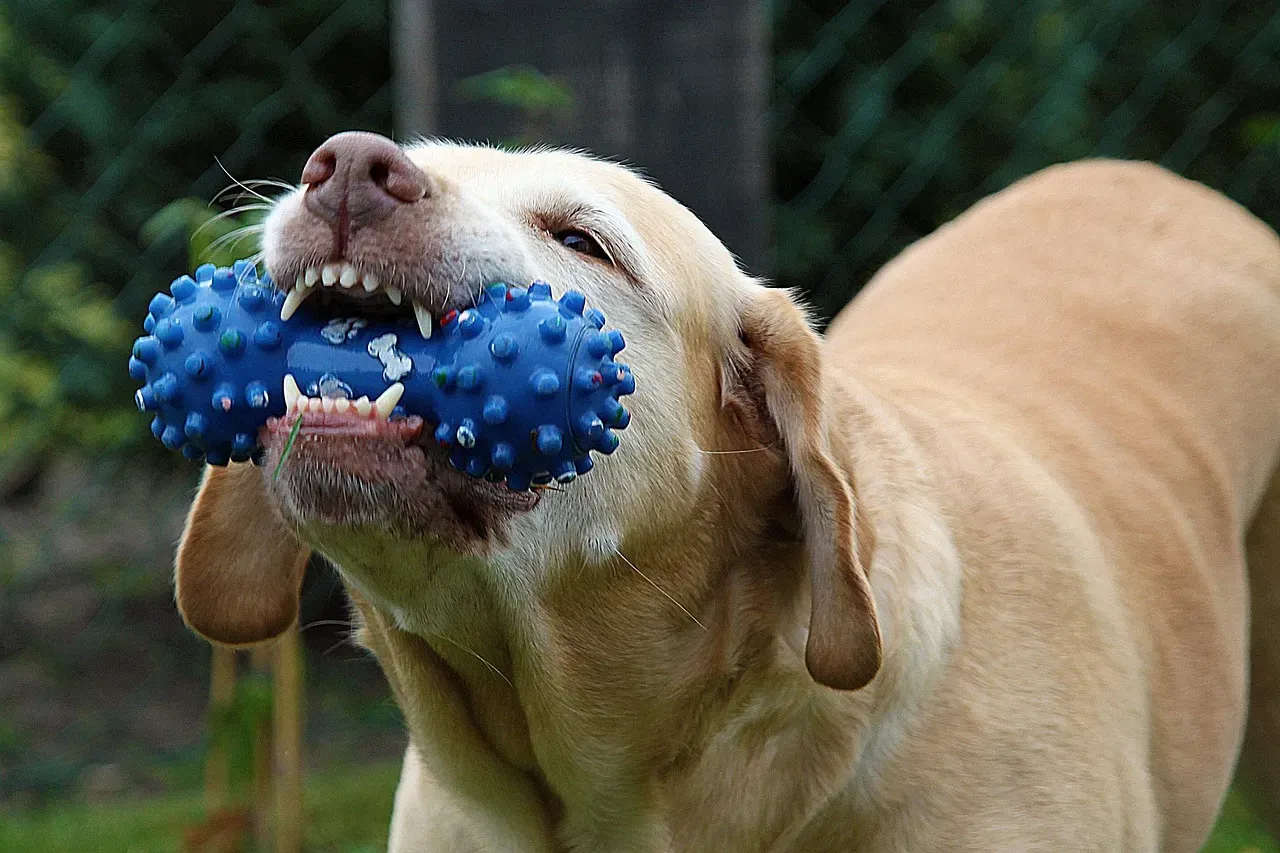
Redirecting your dog’s focus can be incredibly helpful when anxiety starts creeping in. Chewing and licking are self-soothing behaviors, and giving them positive outlets for that can be really helpful. A lick mat smeared with peanut butter or a frozen Kong stuffed with treats gives your dog something to concentrate on besides the scary noises outside.
The repetitive motion of licking or chewing releases endorphins, those feel-good chemicals that naturally calm the nervous system. This approach works especially well if you start offering these special treats before the storm intensifies. That way, your dog begins associating storms with positive experiences rather than just fear.
Stay Calm and Reassuring Yourself
Here’s something that might surprise you: your dog is constantly reading your emotional state. Staying calm is key to helping your dog feel comfortable, since they can tell if you feel stressed. If you’re frantically trying to comfort your pup with high-pitched baby talk, you might actually be reinforcing their anxiety.
Instead, use a normal, conversational tone and carry on with your regular activities as much as possible. Offering comfort during a storm is encouraged and does not reinforce fear. The message you want to send is that everything is under control and there’s nothing to panic about, even though the weather outside sounds intense.
Explore Natural Calming Supplements
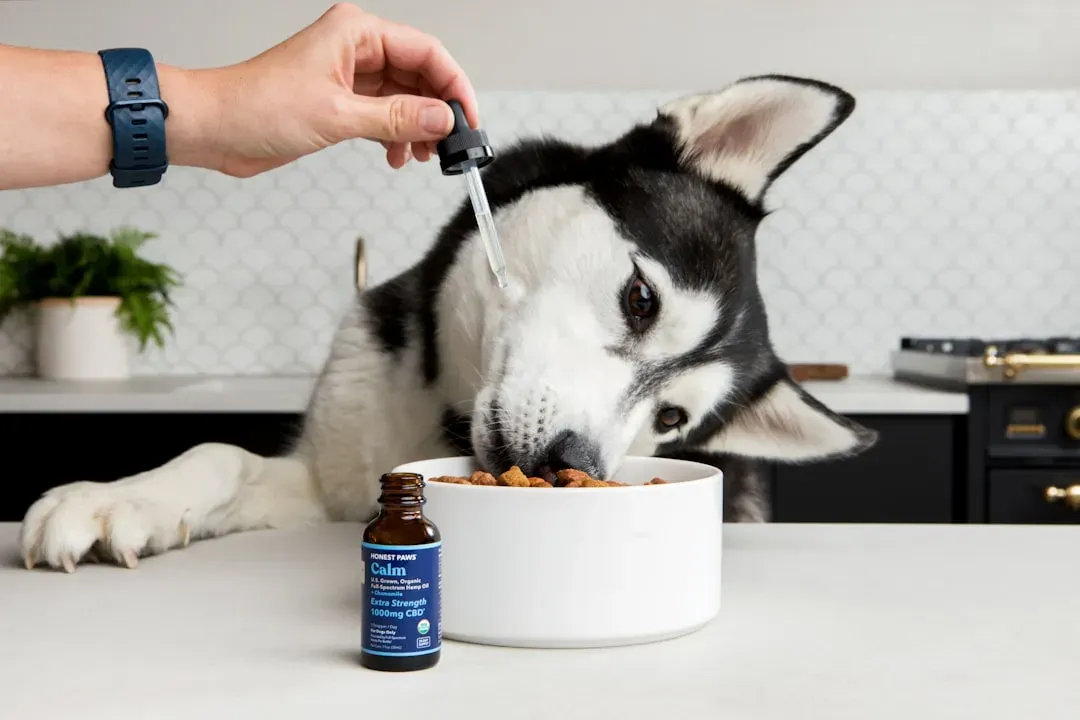
Sometimes a little extra help from nature can make all the difference. One of the best supplements for calming anxious dogs is hemp, chamomile, lavender, and valerian root. These botanicals contain compounds that gently support relaxation without heavy sedation.
Melatonin is another option many dog owners swear by for managing storm related stress. It’s the same hormone that helps regulate sleep cycles in humans and can promote a similar calming effect in dogs. Whatever supplement route you consider, please chat with your vet first to ensure it’s safe for your specific pup and won’t interact with any existing medications.
Utilize Dog Appeasing Pheromones
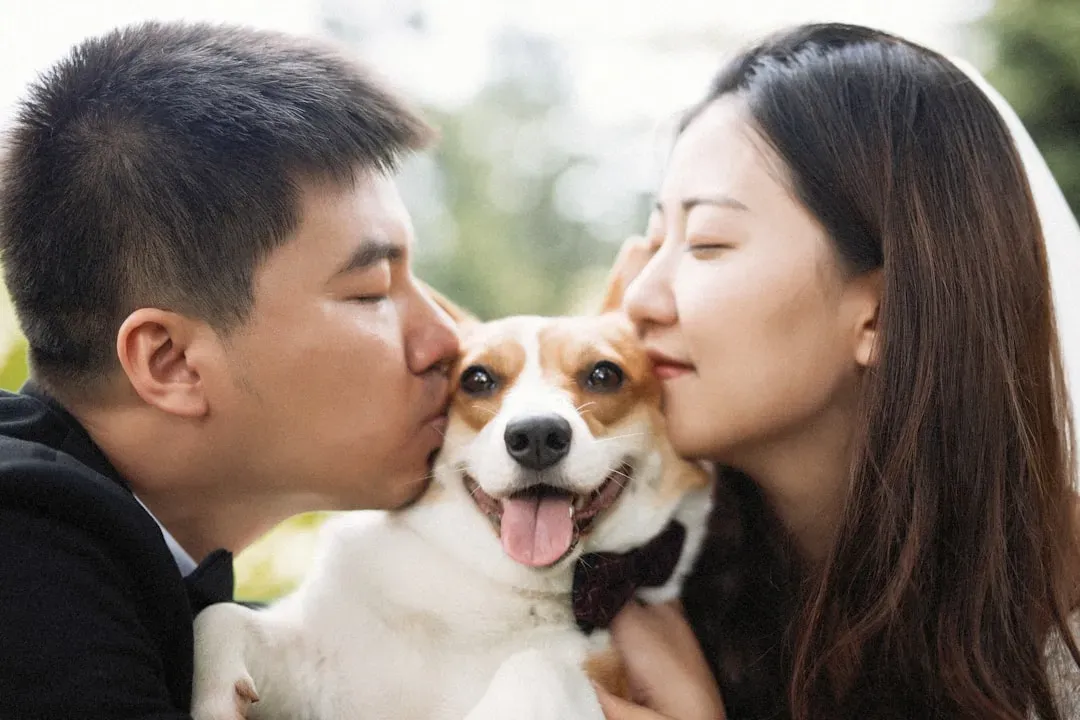
Pheromones are nature’s way of sending calming signals between animals, and synthetic versions can work remarkably well for anxious dogs. Pheromone diffusers or sprays like Adaptil release natural calming pheromones that can help ease your dog’s anxiety. These products mimic the comforting chemical messages a mother dog sends to her puppies.
You can use pheromone diffusers in the room where your dog spends most of their time, or apply sprays directly to their bedding about 15 minutes before you expect them to settle in. The beauty of pheromones is that they’re species-specific, meaning only your dog will detect them while they remain completely odorless to human noses.
Conclusion: Finding What Works for Your Unique Dog
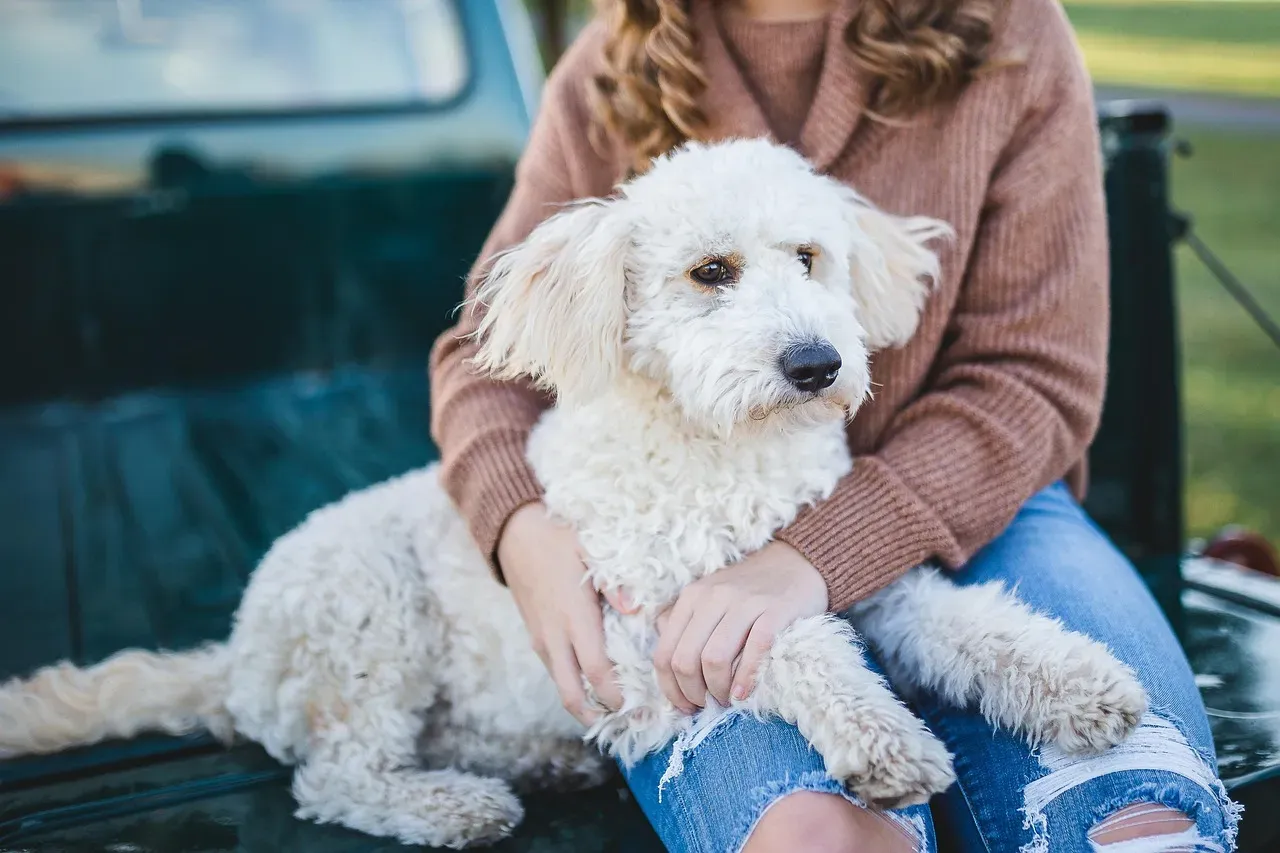
Storm anxiety doesn’t have a one size fits all solution, and that’s perfectly okay. What soothes one dog might not work for another, so patience and experimentation are your best friends here. The natural approaches we’ve covered, from creating safe spaces to trying calming supplements, offer gentle ways to support your anxious pup without immediately jumping to pharmaceutical options.
Remember that severe storm phobia might require professional intervention, and there’s absolutely no shame in consulting your veterinarian if your dog’s anxiety feels unmanageable. In a study published in 2003, 30 out of 32 dogs showed significant improvement in their symptoms with appropriate medication and behavior modification treatment. Sometimes combining natural methods with professional guidance creates the best outcome.
Your dog depends on you to be their safe harbor in the storm, both literally and figuratively. With consistency, love, and the right combination of calming strategies, you can help your furry companion weather even the most intense thunderstorms with less fear and more peace. Have you tried any of these approaches with your own storm anxious dog? What made the biggest difference for your pup?


