
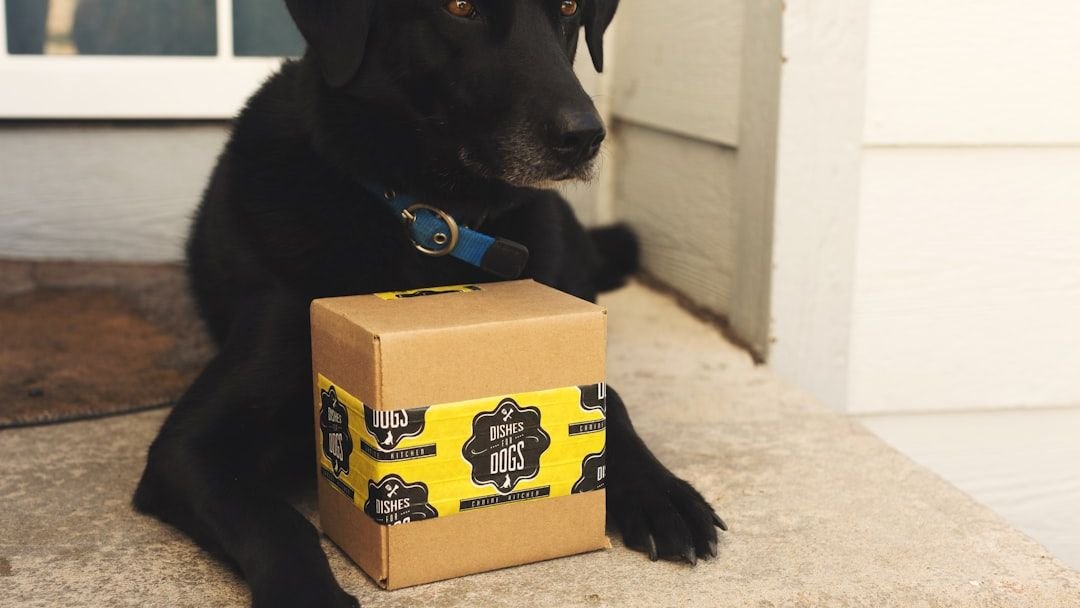
Picture this: you’re relaxing at home with your dog curled up beside you, the picture of calm. Then the mail truck rumbles down the street. Suddenly, your sweet companion transforms into a wild, barking tornado, launching themselves at the window like they’re defending the castle from an invading army. Sound familiar? This daily drama plays out in countless homes across the country, leaving many dog owners wondering what on earth their furry friend has against the poor postal worker just trying to do their job.
Honestly, your dog doesn’t actually hate the mailman. They’re not holding a grudge or plotting revenge. What’s really happening is far more instinctive, deeply rooted in thousands of years of canine evolution. Let’s dive into the fascinating psychology behind this classic dog behavior and, more importantly, what you can do to help both your pup and your mail carrier coexist peacefully.
Territory Is Everything to Your Dog

Dogs are naturally protective, and your home is your dog’s territory where natural defense instincts kick in. Think about it from your dog’s perspective for a moment. Their whole world revolves around keeping their family safe and their space secure.
Dogs have a strong territorial instinct that makes them naturally inclined to protect their home and family, and any unfamiliar presence like the mailman can feel like a threat. This isn’t aggression in the traditional sense. It’s your dog doing exactly what their ancestors did for thousands of years: alerting the pack that someone’s approaching. Territorial instincts come from a dog’s deep-rooted need to protect resources, a trait passed down through generations as dogs guarded their dens, food, and pack members from potential threats in the wild.
The mailman presents a particularly confusing scenario for dogs. Dogs rarely meet this individual, yet the mail carrier comes onto the property over and over again, and what begins as an alerting behavior can morph into more intense displays as the dog learns that they bark and the person goes away. Your dog sees a stranger repeatedly “invading” their space without ever getting properly introduced. That’s a recipe for territorial responses.
The Accidental Reward System
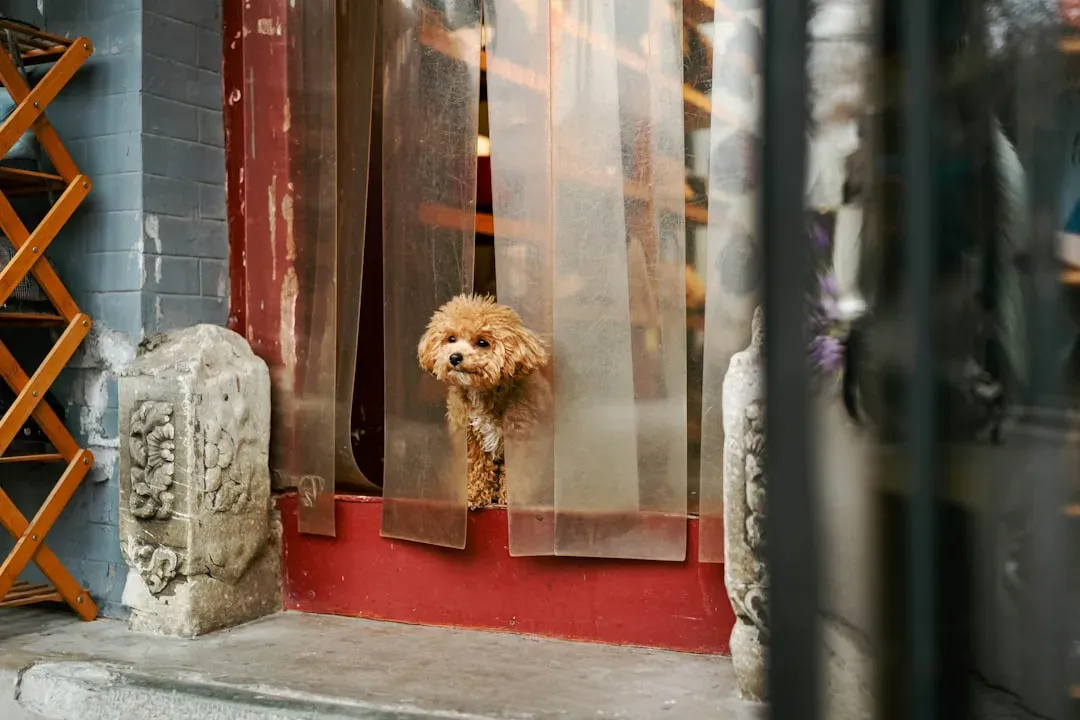
Here’s where things get really interesting. Your dog has accidentally trained themselves to believe their barking works like magic. To dogs, barking at the mailman looks like success: they bark and the person leaves, and dogs learn very quickly that barking will make the intruder go away. Every single day, this pattern repeats itself, reinforcing the behavior over and over.
While your dog barks, growls, and lunges toward the delivery person, the fact that the mailman leaves reinforces the behavior because your dog thinks his frantic behavior scared off the intruder and will most likely act the same way every time. This is called operant conditioning, and it’s incredibly powerful. From your dog’s point of view, they’re basically a superhero who successfully defends the home daily.
The problem is that your dog never gets the chance to learn that the mailman is harmless. The only thing your dog knows about the mailman is that they show up just about every day uninvited and encroach on their territory, which can be pretty scary since they never really get a chance to meet the mailman and learn that they mean no harm. This creates a vicious cycle where the behavior becomes more ingrained with each passing day.
Fear Can Look Like Aggression

Not all barking at the mailman stems from territorial instincts alone. Barking in response to postal carriers may be motivated by fear, territory, or high arousal, and for some dogs the original barking is motivated by fear while for others it’s a territorial response. Fear-based barking can be particularly concerning because scared dogs are more likely to bite if they feel cornered or threatened.
Dogs that have been through trauma or were not well-socialized as puppies can develop a potent fear of unfamiliar situations, and when faced with a threat such as the approach of the mailman, they react with fear or anxiety and do all they can to make this feeling disappear. Your dog might genuinely be frightened by this uniformed stranger carrying a mysterious bag and approaching the house every single day.
Fearful dogs are often especially scared of people who are carrying things, which puts mail carriers at risk, and furthermore these mail carriers turn their backs and walk away, an action that can give frightened dogs just enough confidence to act on their fears by biting. This is why addressing the behavior early is so important. What starts as barking can escalate into something far more dangerous if left unchecked.
Breaking the Barking Habit
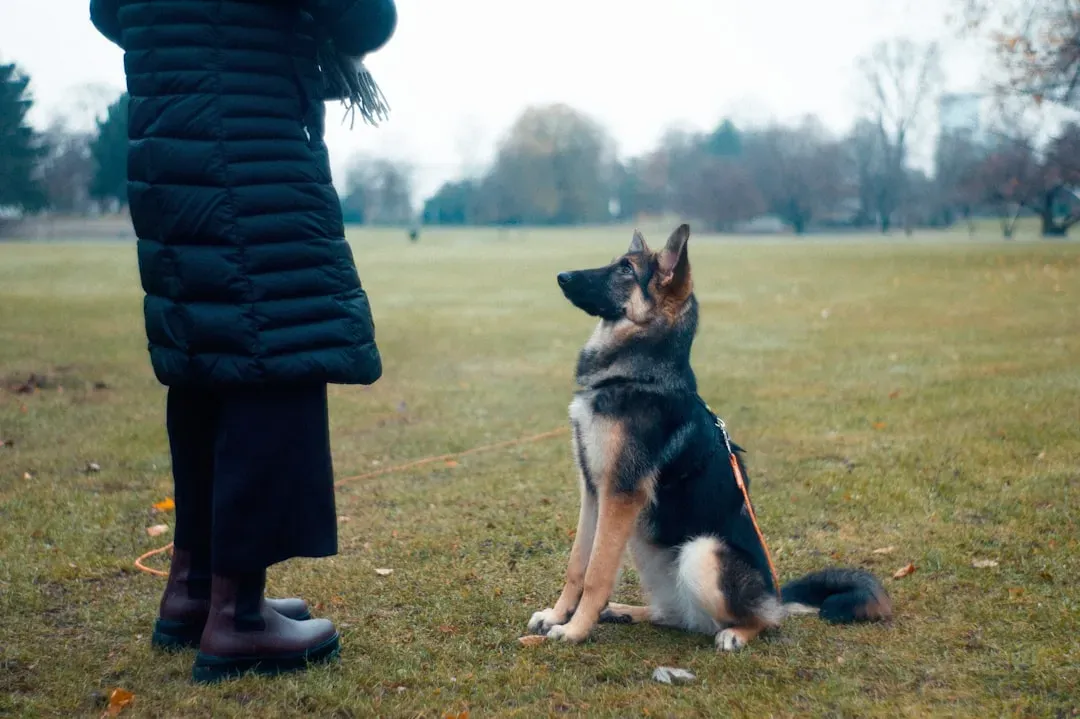
The good news is that you’re not powerless here. Teaching your dog a sit and watch procedure where your dog learns to sit quietly and observe what’s going on, then rewarding them with a treat for that quiet behavior, can be effective. It takes patience and consistency, but dogs are incredibly smart and can absolutely learn new responses.
It’s critical to help your dog change the way they feel about the situation, and that can be done by teaching your dog that every time a mail carrier or mail truck shows up, they get their favorite thing. This approach, called counterconditioning, transforms the mailman from foe to friend in your dog’s mind. Instead of signaling danger, the mail truck’s arrival becomes a predictor of treats or playtime.
Another common practice is giving your dog a job to do when the mail carrier comes, for example, some owners train their dogs to grab a toy and head into another room when a delivery person approaches. This redirects their energy and gives them something productive to do instead of barking. The key is making sure you’re consistent with whatever method you choose. Dogs thrive on predictability and clear expectations.
Prevention and Management Strategies
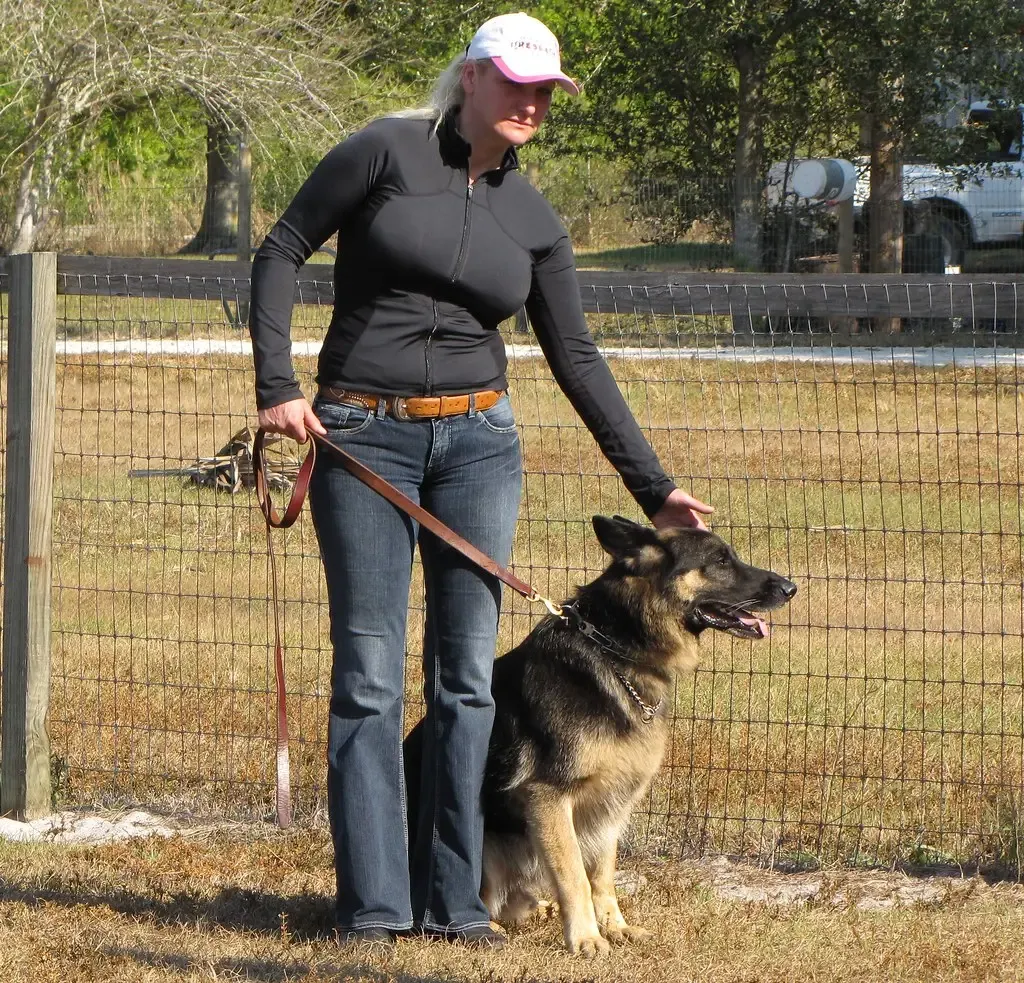
While you’re working on training, managing your dog’s environment can make a huge difference. If barking has become a habit, you need to break the habit by avoiding the problem so your dog doesn’t have yet another experience successfully barking at the mail carrier, whether that means keeping your dog in a part of the house where they can’t see the mail being delivered or covering windows with poster board to block their view.
Making sure your dog gets enough exercise so they’re less inclined to bark out of boredom or restlessness is especially important if you won’t be home during the day, and offering a dog-friendly puzzle or interactive toy can help shift your dog’s focus when someone approaches your home. A tired dog is generally a calmer dog. Regular walks, play sessions, and mental stimulation through puzzle toys can significantly reduce reactive behaviors.
Let’s be real: this behavior doesn’t change overnight. Dogs can generalize fear and aggression quite easily, starting with barking at the mailman, then progressing to barking at the sound of the truck honking, and then at the mere sound of the truck approaching, until you have a dog that not only barks at the mailman but also at all the cues suggesting his arrival. That’s why early intervention matters so much. The longer the behavior continues, the more deeply ingrained it becomes.
When Your Dog Meets the Mailman
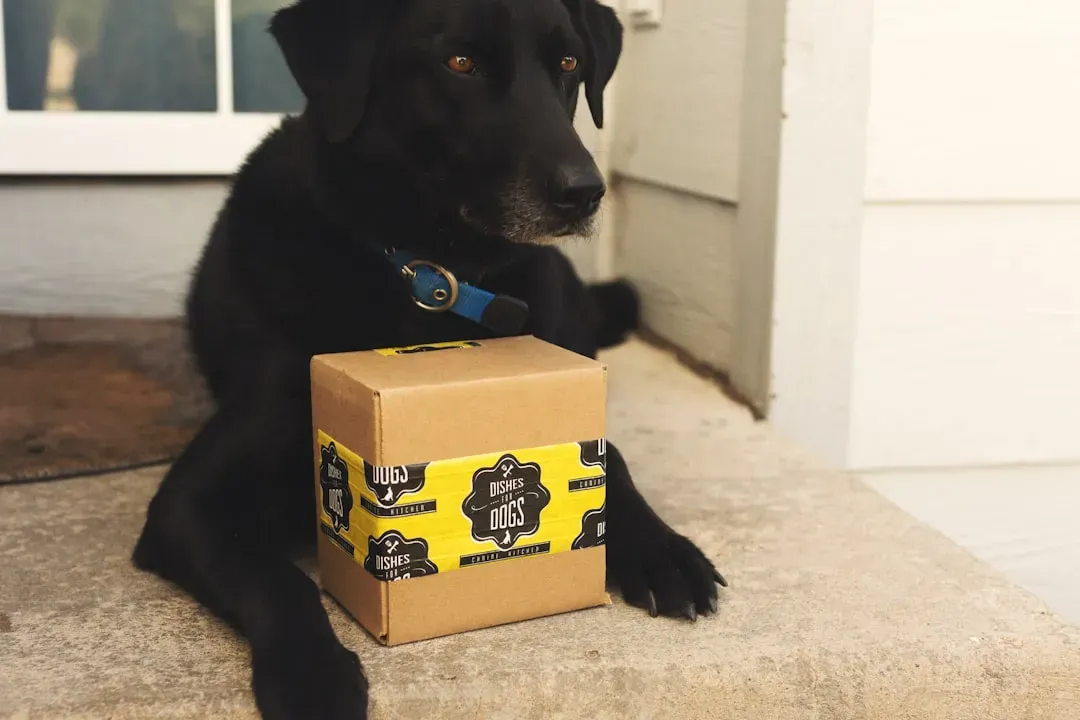
If possible, controlled introductions can work wonders. Some postal workers are happy to help with training by offering treats through the mail slot or during supervised meetings. From being a foe, the mailman can become your dog’s best friend, and some trainers suggest having delivery people come to your home and deliver special treats just for your dog. This positive association can completely transform your dog’s emotional response.
Remember, though, safety always comes first. Any aggression needs the intervention of a trainer or veterinary behaviorist, so ask your veterinarian for recommendations for dog trainers and enlist their help right away. If your dog shows signs of genuine aggression beyond normal barking, like lunging at doors, attempting to break through barriers, or showing other intense behaviors, professional help is essential.
Building a positive relationship between your dog and regular visitors takes time and patience. You’re essentially asking your dog to override thousands of years of instinct. That’s no small ask, but with consistency, positive reinforcement, and perhaps a bit of help from your friendly neighborhood mail carrier, it’s absolutely achievable.
Conclusion
Understanding why dogs bark at the mailman helps us respond with compassion rather than frustration. Your dog isn’t being stubborn or mean. They’re simply following their natural instincts to protect their home and family. The mailman accidentally became the star of a daily drama that reinforces itself each time the pattern repeats.
With patience, consistent training, and proper management, you can help your dog learn that the mail carrier is just another harmless part of daily life. Whether you choose counterconditioning, give your dog an alternative job, or work on basic obedience commands, the key is starting now and staying consistent. Your mail carrier will definitely thank you. What’s your dog’s biggest trigger at home?


