
Every dog owner knows that awful moment when your pup suddenly has an accident indoors, and you realize you missed the signals. You might wonder, did they try to tell me? Truth is, they probably did. Dogs are constantly communicating with us, but their messages can be incredibly subtle, especially when it comes to bathroom needs. It’s like trying to learn a foreign language without a dictionary.
Most of us think dogs will just bark at the door or do some obvious dance when nature calls. Sometimes they do, sure. Other times, though, they send whisper-quiet cues that are easy to miss if you’re distracted by your phone or lost in thought. Learning these subtle signs isn’t just about avoiding messy cleanups. It’s about understanding your dog’s needs, respecting their discomfort, and building that beautiful bond of trust between you.
The Intense Stare That Says Everything
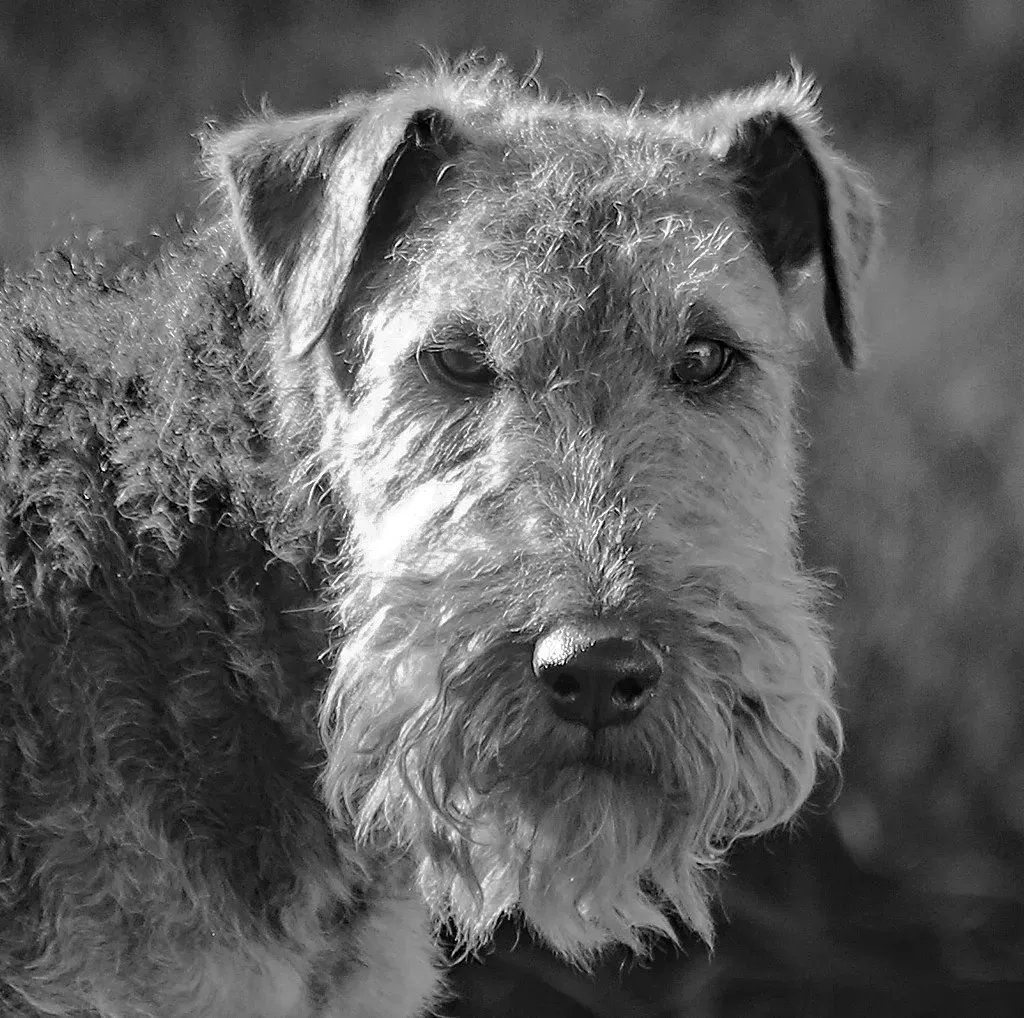
You might feel your dog staring holes into the back of your head, sending a strong message they hope you’ll understand correctly. This isn’t just your dog admiring your good looks or hoping for treats. When a dog locks eyes with you in a focused, almost urgent way, they’re often trying to communicate something important.
The trick here is distinguishing between a loving gaze and a purposeful message. Watch the context. If your dog suddenly appears beside you, plants themselves in your line of sight, and maintains steady eye contact, chances are they’re trying to tell you something pressing. Some dogs may show less obvious signals, like standing near the door, looking at you intently, or pacing.
I think this is one of the most easily missed signals because we’re so used to our dogs watching us. The difference lies in the intensity and timing. If it’s been a few hours since their last bathroom break and they’re suddenly giving you that laser-focused look, trust your gut. They’re asking for help, and responding quickly shows them you’re listening and you care about their comfort.
Restless Pacing and Fidgeting
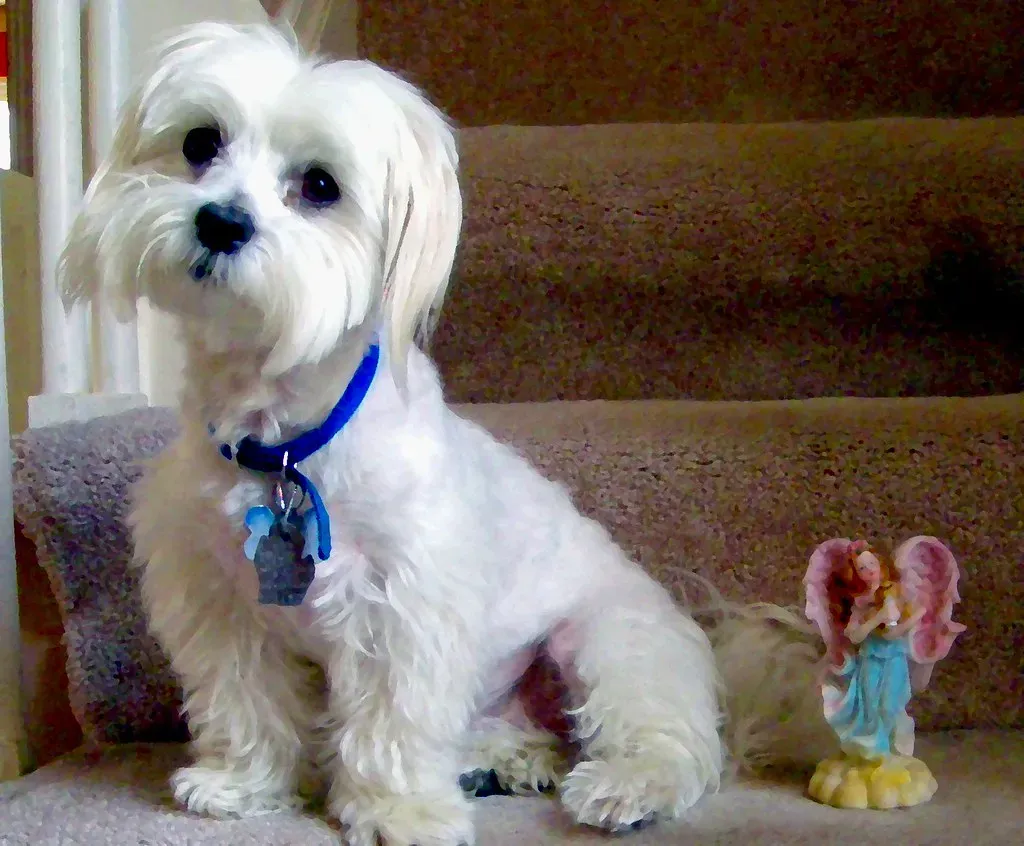
Antsy behavior like fidgeting or pacing can signal discomfort, and while a dog may be able to hold it a bit longer, they are visibly demonstrating their need to go to the bathroom. Picture this: your dog can’t seem to settle down. They get up, walk a few steps, sit down, then stand again. It’s like they can’t get comfortable no matter what they try.
This restless energy isn’t just boredom or wanting attention. One of the clearest and earliest indicators that your puppy may need to go potty is a sudden bout of restlessness, especially if they’re walking in circles or pacing. Think about how you feel when you really need to use the bathroom but have to wait. You shift your weight, move around, struggle to focus on anything else. Dogs experience that same uncomfortable urgency.
The pacing might lead them toward doors or familiar exit points. They might walk to you, then toward the door, then back to you again, creating a little pathway of need. This circular pattern is their way of saying something isn’t right and they need your help to fix it. When you notice this behavior, especially combined with other signs, it’s time to grab the leash and head outside.
Sniffing the Ground Intensely
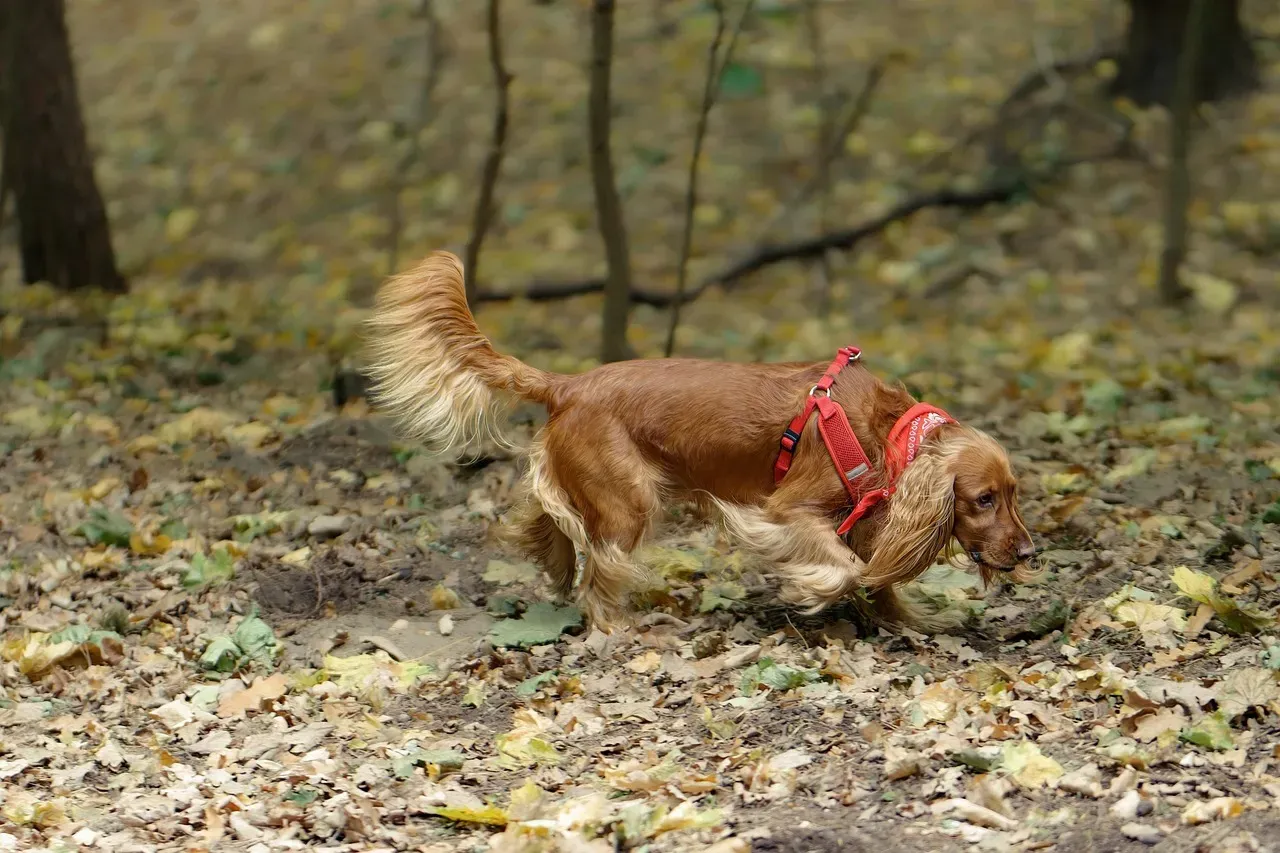
Sniffing is one of the first signs that a puppy needs to be let out to potty, as your puppy will start to sniff the floor to search for an area to pee or poop. This behavior taps into their natural instinct to find the right spot for elimination. Dogs rely heavily on their sense of smell to navigate the world, and when they need to go, they start scoping out potential bathroom locations.
You might notice your dog suddenly putting their nose to the ground and moving around with purpose, checking different areas. Once dogs are getting ready to go potty, they’ll begin sniffing to see where they might want to go, with familiar scents like their own urine or the smell of another dog’s urine being the green light. Inside the house, this is especially telling because they might return to spots where accidents have happened before, even if you cleaned them thoroughly.
Circling doesn’t always mean a dog is about to go potty, but sniffing while circling is a pretty good sign, like honing in on the right spot before handling business. If you catch your dog doing this combo move, you’ve got maybe seconds to intervene. This is honestly the last subtle sign before things become very unsubtle. Act fast, stay calm, and get them to their designated potty area immediately.
Suddenly Stopping Play or Activities

Puppies will abruptly stop an activity when they feel the urge to go. One moment your dog is happily playing with their favorite toy or lounging contentedly beside you, and the next moment they just stop. Everything freezes. This sudden shift in behavior is easy to overlook, especially if you’re busy with something else.
Dogs live in the moment, and when a biological need becomes urgent, it overrides whatever fun or relaxation they were enjoying. They might be mid-play and suddenly seem distracted or disinterested. That’s not them being rude to their playmate or losing interest in the game. Their body is sending them signals that can’t be ignored, and they’re trying to respond appropriately.
This is where knowing your dog’s normal routine becomes invaluable. Puppies almost always need to relieve themselves after three key activities: eating, sleeping, and playing, because their tiny bladders and digestive systems work fast. If you’ve just finished a play session or your dog has recently woken from a nap, that abrupt stop in activity should immediately trigger your awareness. Time to head outside before the situation becomes urgent.
Lingering by Doors or Exits
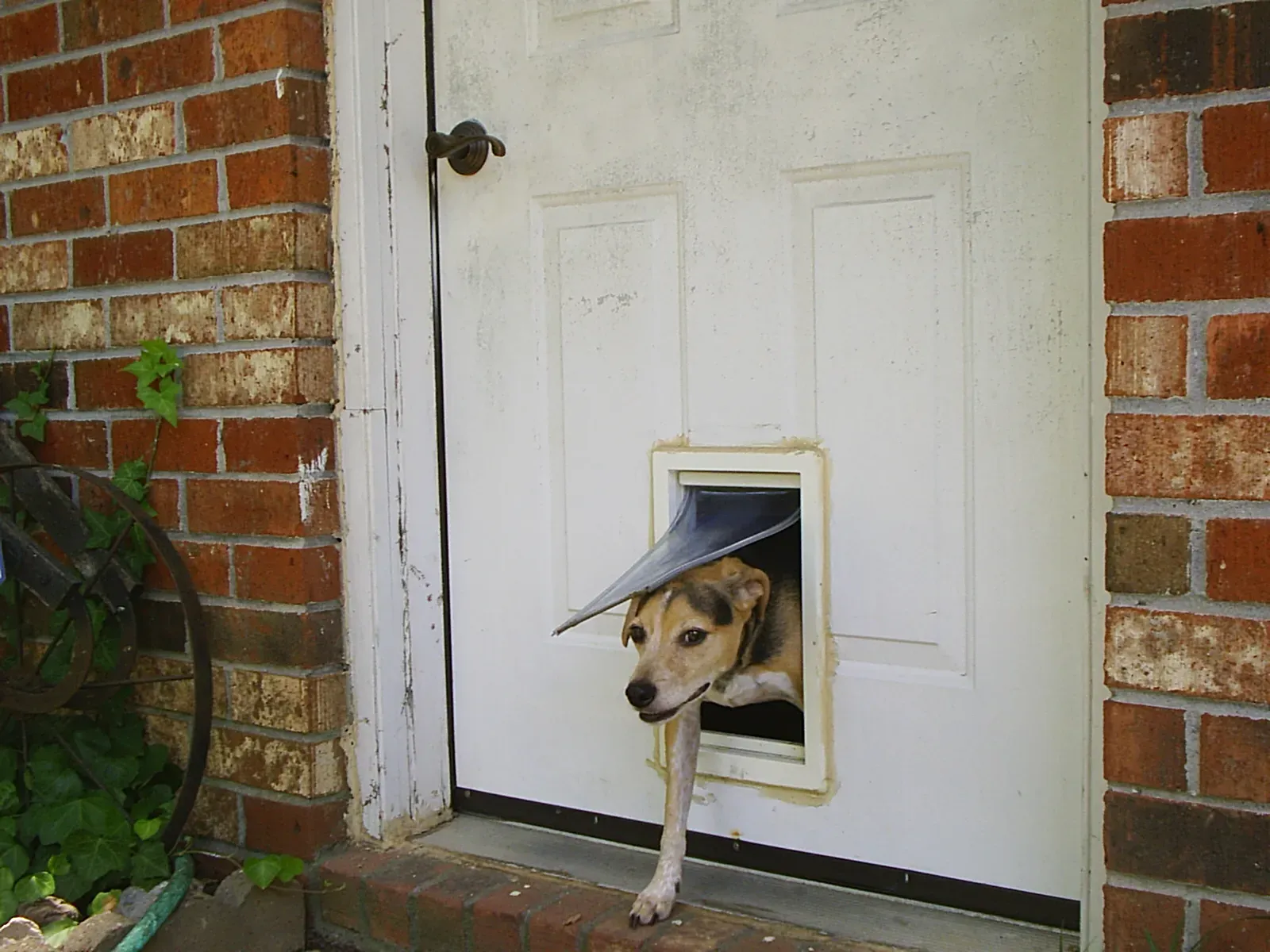
If you see a dog whimpering or pawing near the door, it’s highly likely that they want to go outside. Honestly, this one seems obvious, right? Yet so many of us miss it because our dogs might not be making noise or scratching frantically. They might just be sitting or standing quietly near the door, waiting patiently for us to notice.
Some dogs are incredibly polite about their needs. They won’t bark or whine because they’ve learned that’s not necessary or perhaps they’re just naturally quieter communicators. Dogs often show signs that they need to go outside by pacing, whining, circling, sniffing intensely, or heading towards the door, with some even sitting by the door and looking back at you expectantly. That backward glance is key. They’re checking to see if you’re paying attention, if you’ve received their message.
If your dog is positioned near an exit and seems focused on it, that’s your cue. They’re telling you exactly where they need to go and waiting for you to help them get there. The patience they show in these moments is remarkable, and it deserves our attention and quick response. Teaching your dog to signal more obviously, like with bells or specific behaviors, can help bridge this communication gap and prevent those frustrating missed moments.
Conclusion
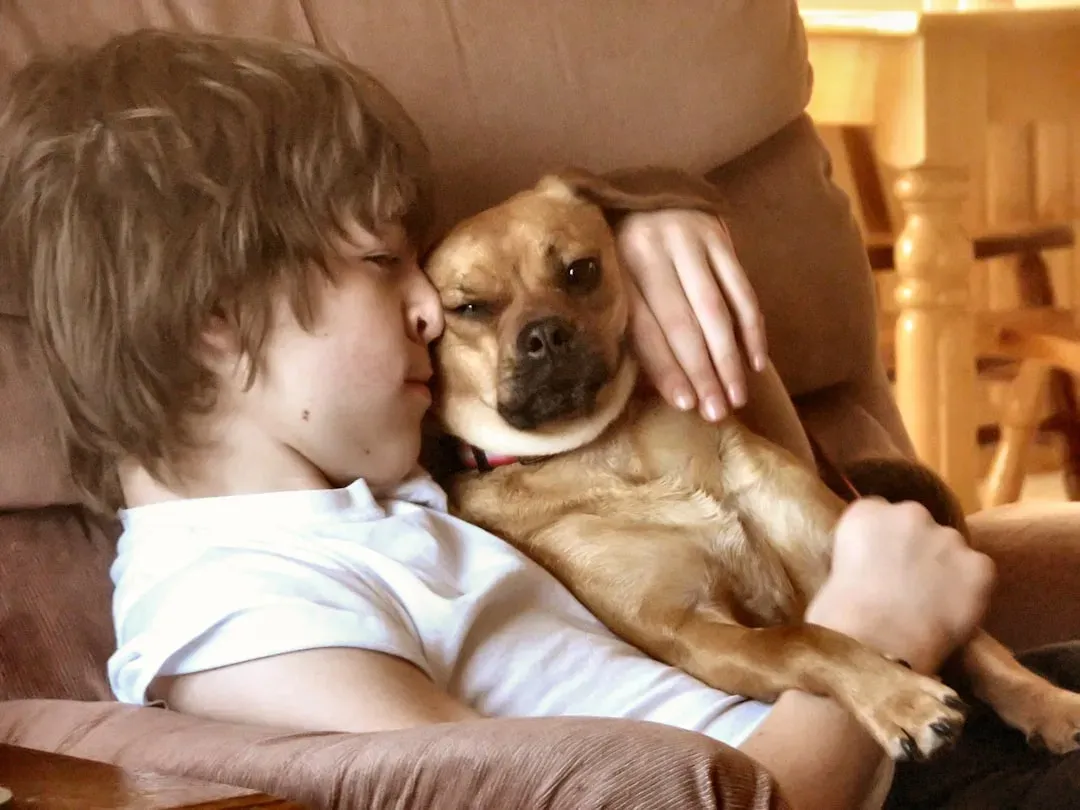
Learning to read your dog’s subtle potty signals transforms your relationship in beautiful ways. It shows them you’re truly listening, that their comfort matters, and that you’re a reliable partner in their daily life. Most healthy adult dogs need to urinate three to five times a day, and on average, a dog can hold their bladder for about six to eight hours. Knowing this baseline helps you anticipate needs before they become urgent.
Every dog communicates a bit differently, shaped by their personality, breed, and past experiences. The intense stare, the restless pacing, the purposeful sniffing, the sudden activity stop, and that patient door vigil are all your dog’s way of saying they trust you to understand. The more you pay attention to these whispers of communication, the stronger your bond becomes and the fewer accidents you’ll face.
So what do you think? Have you noticed any of these subtle signs in your own dog? Once you start watching for them, you might be amazed at how much your furry friend has been trying to tell you all along.


