
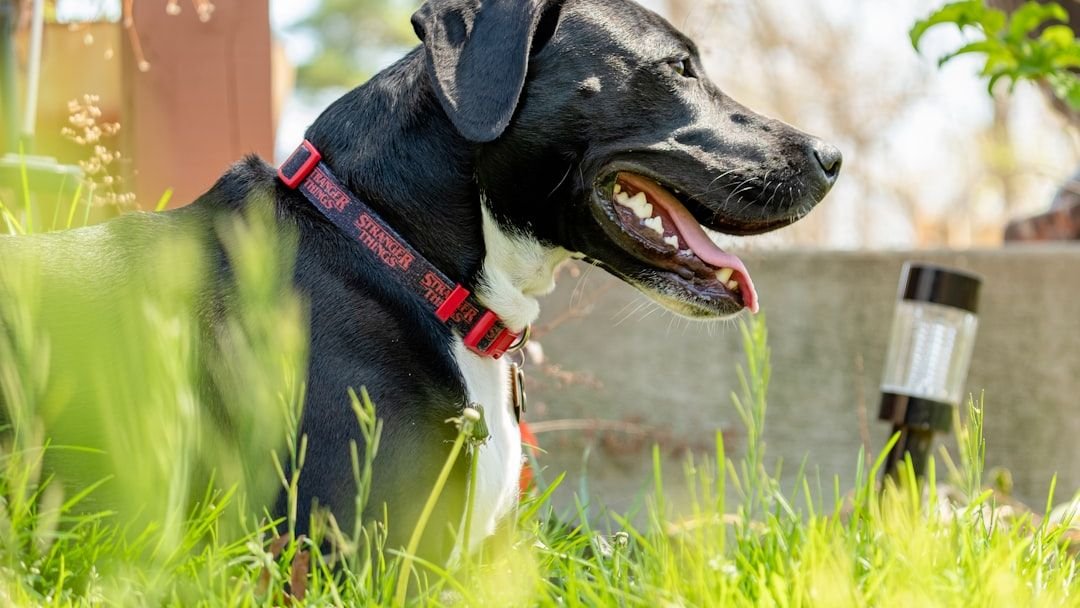
You love your dog. You give them treats, cozy beds, and endless belly rubs. Yet sometimes, despite our best intentions, our furry companions still seem stressed. It’s a puzzle that baffles even the most devoted pet parents.
Here’s the thing. The signs of anxiety in dogs are often subtle and can easily be misinterpreted unless the full context is understood. Your dog won’t sit you down for a heart-to-heart about what’s bothering them. Instead, they communicate through body language and behaviors that are easy to miss during the daily hustle. What if that nervous panting or those sidelong glances aren’t just quirks, but cries for help?
The truth is, 73% of dogs have at least one anxiety-related behavior. That means your sweet pup might be struggling more than you realize. Let’s dive into those seven sneaky signs that could mean you’re unintentionally contributing to your dog’s stress.
Excessive Yawning and Lip Licking Out of Context
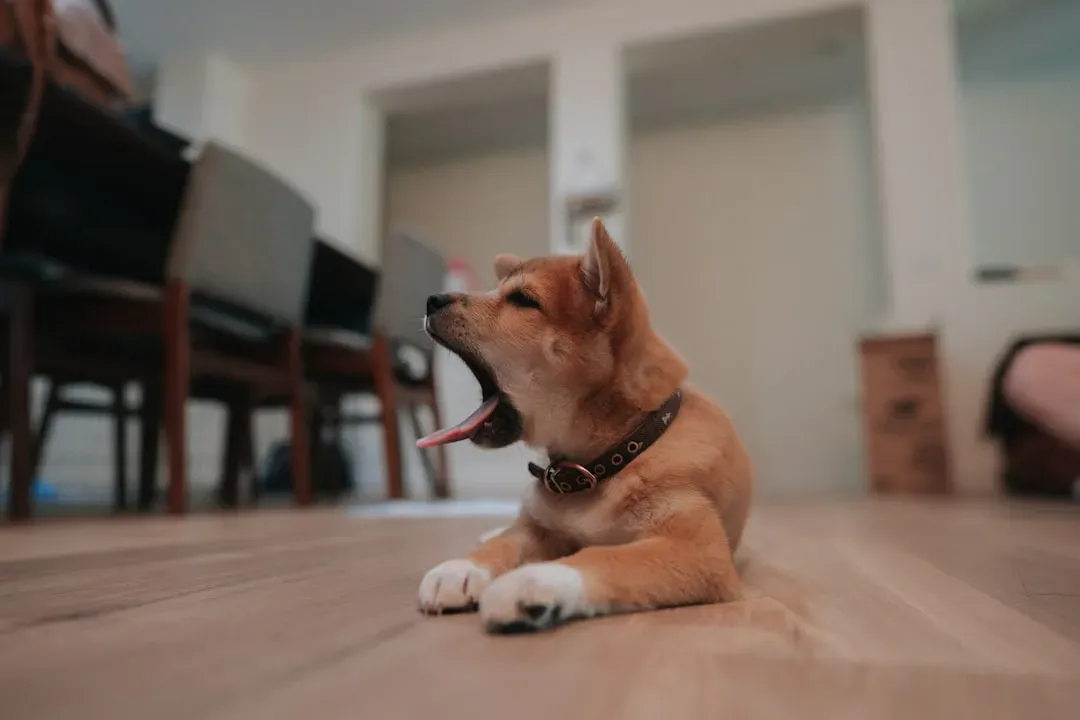
Ever notice your dog yawning when they’re clearly not tired? That’s not just a sleepy gesture. Yawning can mean boredom or sleepiness but it is also the first level response to a mild stressor. Yawning relieves stress and helps a dog release anxiety that’s building up internally.
When your dog repeatedly licks their lips and there’s no food around, pay attention. Dogs naturally lick their lips or noses when eating, drinking, or after getting wet. But if your dog is repeatedly licking when no food or water is around, it may be a “calming signal”, or a way to self-soothe during a stressful moment. These aren’t random habits. They’re your dog’s way of telling you something feels off in their environment.
Whale Eye and Avoiding Direct Eye Contact
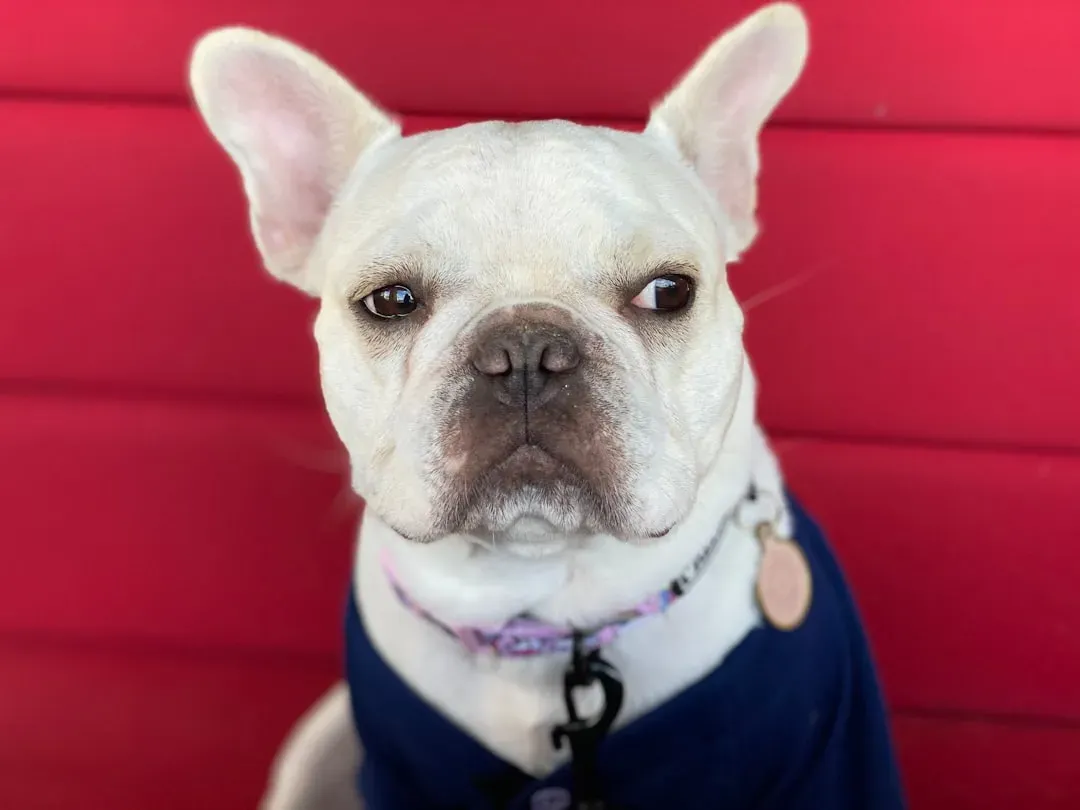
Have you caught your dog giving you side-eye? There’s actually a name for that look. ‘Whale eye’ in dogs refers to when the whites of their eyes become prominently visible, often as a crescent shape around the iris. This visual cue typically indicates a high level of stress or discomfort in the animal.
Similarly, when dogs turn their heads away or refuse to make eye contact, they’re not being rude. Your dog may look away from what is making them nervous or avoid making eye contact with you when they’re anxious. They may also prefer to be left alone and move away if you try to comfort them. It’s actually polite dog language for saying they need space. Respecting these signals rather than forcing interaction can make all the difference in how safe your dog feels around you.
Panting When It’s Not Hot or After Exercise
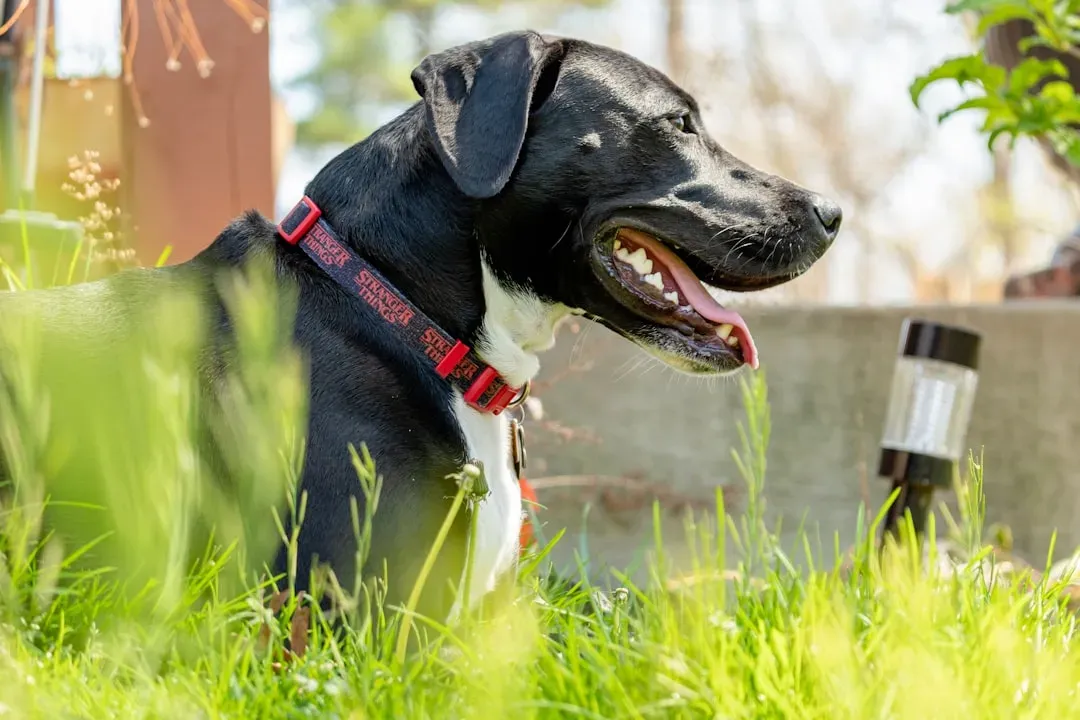
Dogs pant to cool down. That’s common knowledge. However, not all panting is created equal. Panting is a normal way for dogs to cool down, especially after playing or in hot weather. But when panting happens indoors, in cool temperatures, or during quiet activity, it can point to stress. Rapid, shallow panting is especially telling that there’s something else going on.
Picture this: You’re sitting quietly on the couch, the air conditioning is on, and your dog suddenly starts panting heavily. That’s a red flag. Context matters enormously here. If your pup hasn’t been running around and the temperature is comfortable, that panting is likely emotional rather than physical.
Sudden Shedding or Changes in Coat
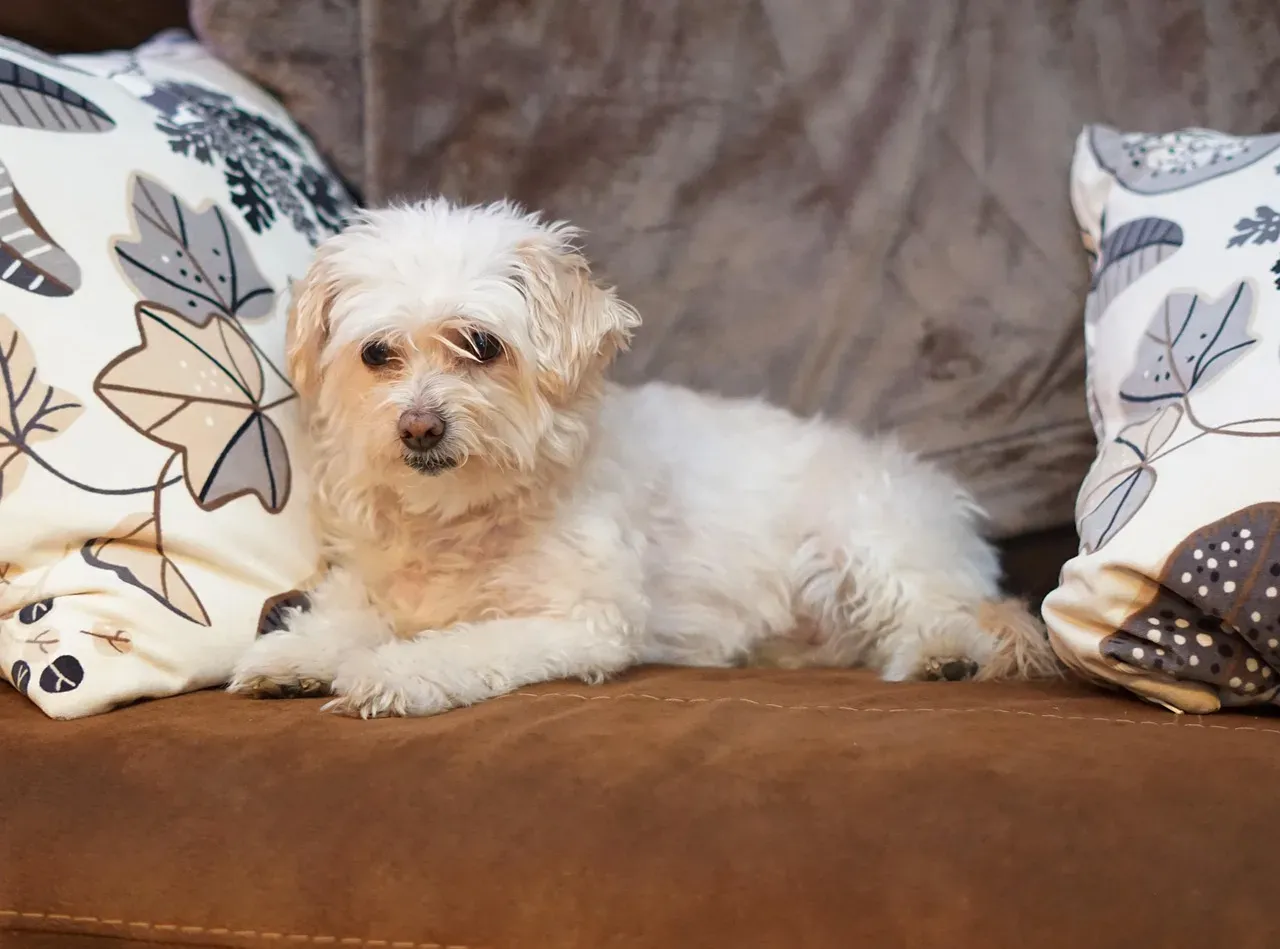
Have you ever petted your dog during a vet visit and been amazed at how much fur came off? Show dogs that become nervous in the show ring often “blow their coat”. Dogs also shed a lot when in the veterinary clinic. Although less noticeable in outside settings, such as visiting a new dog park, shedding increases when a dog is anxious.
This isn’t just normal seasonal shedding. Excessive shedding – Some dogs lose fur due to chronic stress. When you notice clumps of hair falling out in situations that aren’t typically associated with heat or seasonal changes, your dog’s body is physically reacting to stress. Their nervous system is literally releasing tension through their coat.
Displacement Behaviors Like Sniffing or Scratching
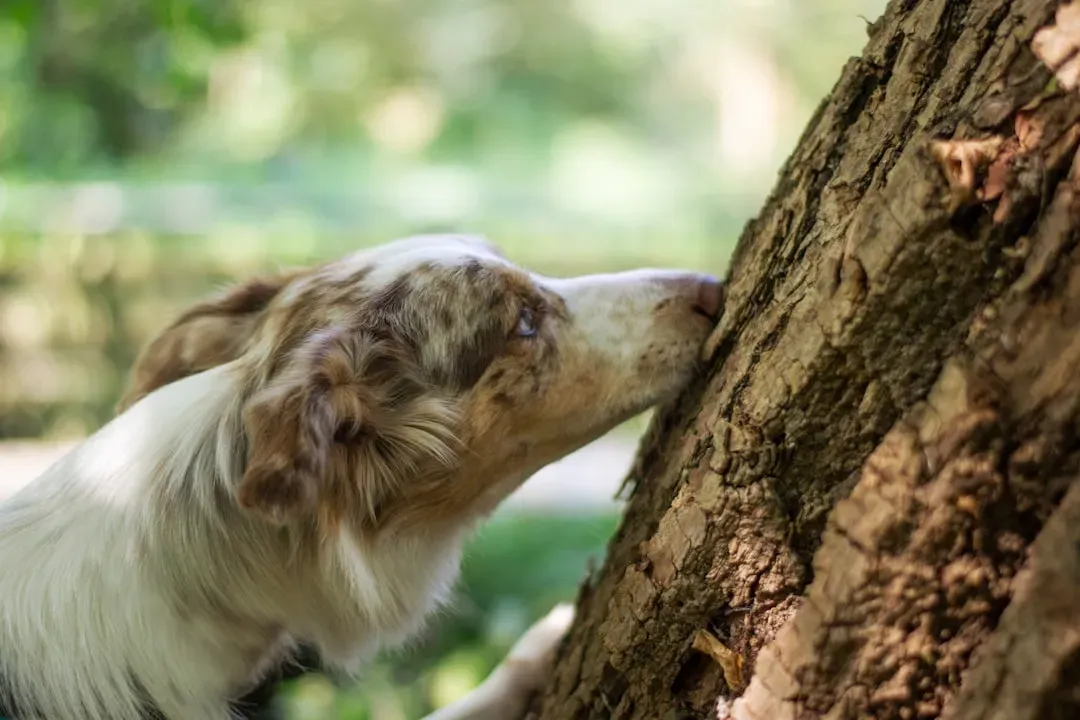
Dogs are clever at deflecting uncomfortable situations. When faced with an unwelcome situation, dogs may “escape” by focusing on something else. They may sniff or dig the ground, lick their genitals, or simply turn away.
These behaviors might look random, but they’re deliberate coping mechanisms. When a dog is stressed, they might show displacement behaviors, also known as calming signals. These can be a variety of activities that might seem inappropriate in the situation. Your dog might suddenly become fascinated with a spot on the floor or start scratching when there’s no itch. They’re trying to mentally escape from whatever is making them uncomfortable.
Tucked Tail or Low, Stiff Wagging
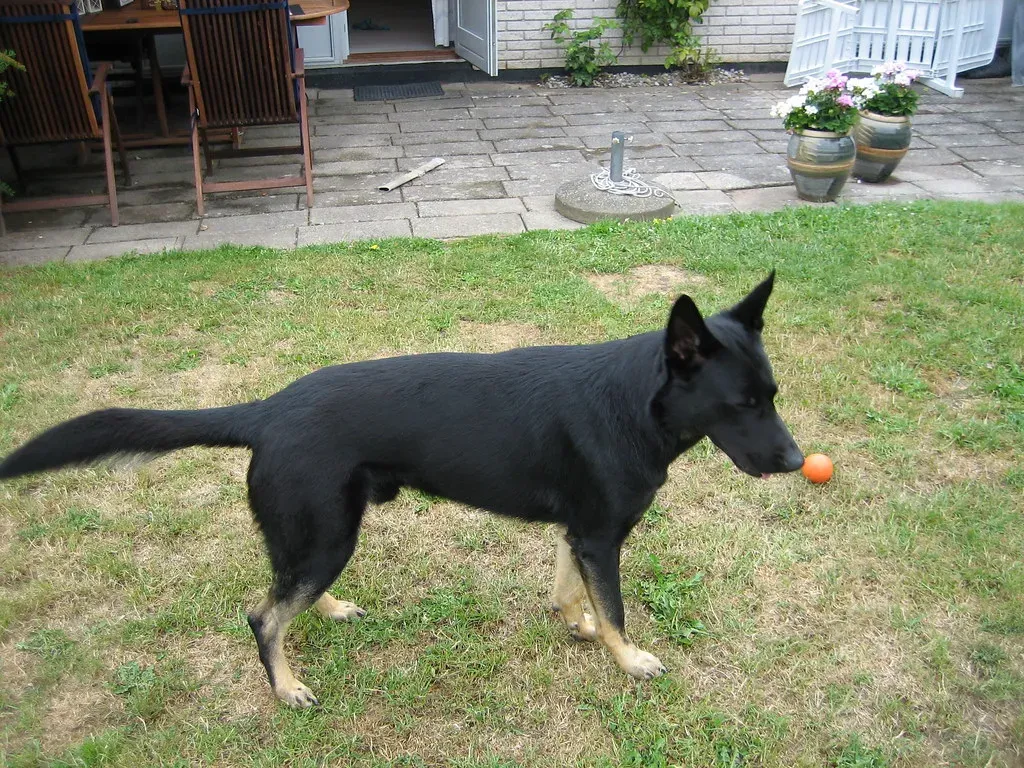
Let’s be real about tail wagging. Not all wags mean your dog is happy. A tail tucked tightly between the legs is a classic stress signal. A low tail with a stiff, quick wag can also mean worry, not joy.
This misconception causes so many problems. Tail wags are often misconceived as a happy sign. If your dog’s tail is low and has a slight, stiff wag, this doesn’t mean that he is enjoying himself. In fact, it’s a sign that your pup is worried. Before you let a child approach your dog or push them into a social situation, check that tail position. A loose, high wag paired with relaxed body language is friendly. A stiff, low wag is a warning sign.
Changes in Body Posture and Weight Distribution
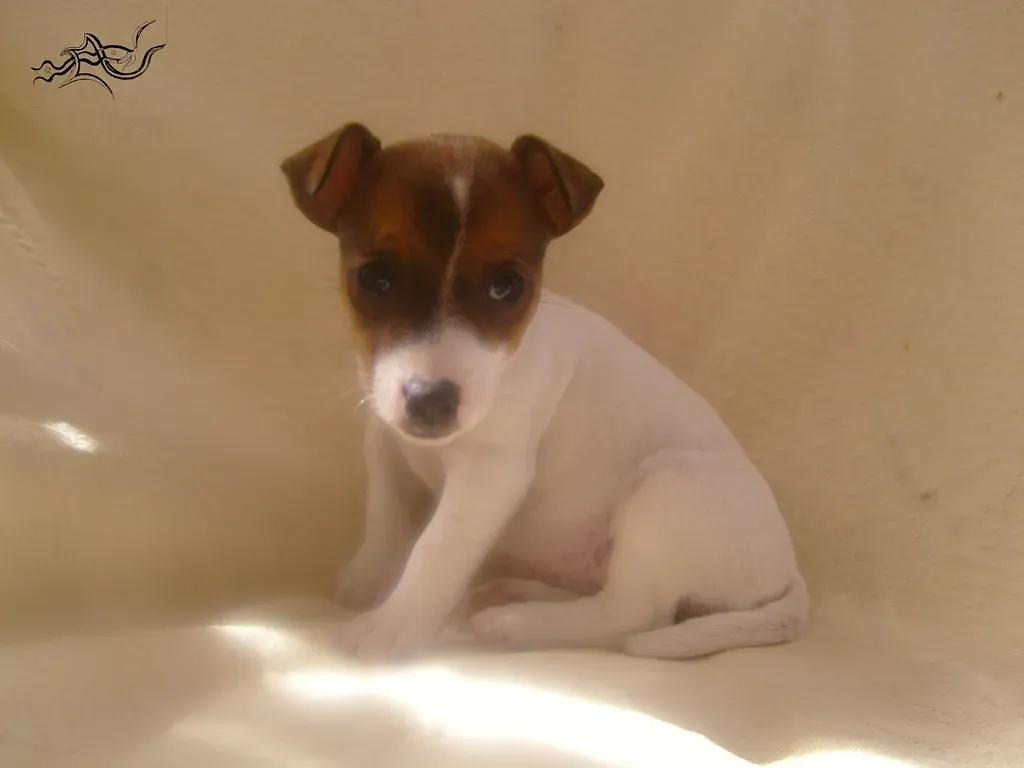
Relaxed dogs stand evenly on all four paws with a loose, comfortable stance. Stressed dogs? They tell a different story. Dogs normally bear weight evenly on all four legs. If a healthy dog with no orthopedic problems shifts their weight to the rear legs or cowers, they may be exhibiting stress. When scared, dogs may also tuck their tails or become rigid.
Watch how your dog positions themselves in various situations. Dogs who are hunching over or crouching are trying to make themselves less visible, or even cowering. If your pup is making themselves smaller, backing away, or leaning backward, they’re physically saying they’re uncomfortable. Honestly, once you start noticing these posture changes, you’ll wonder how you ever missed them before.
Conclusion
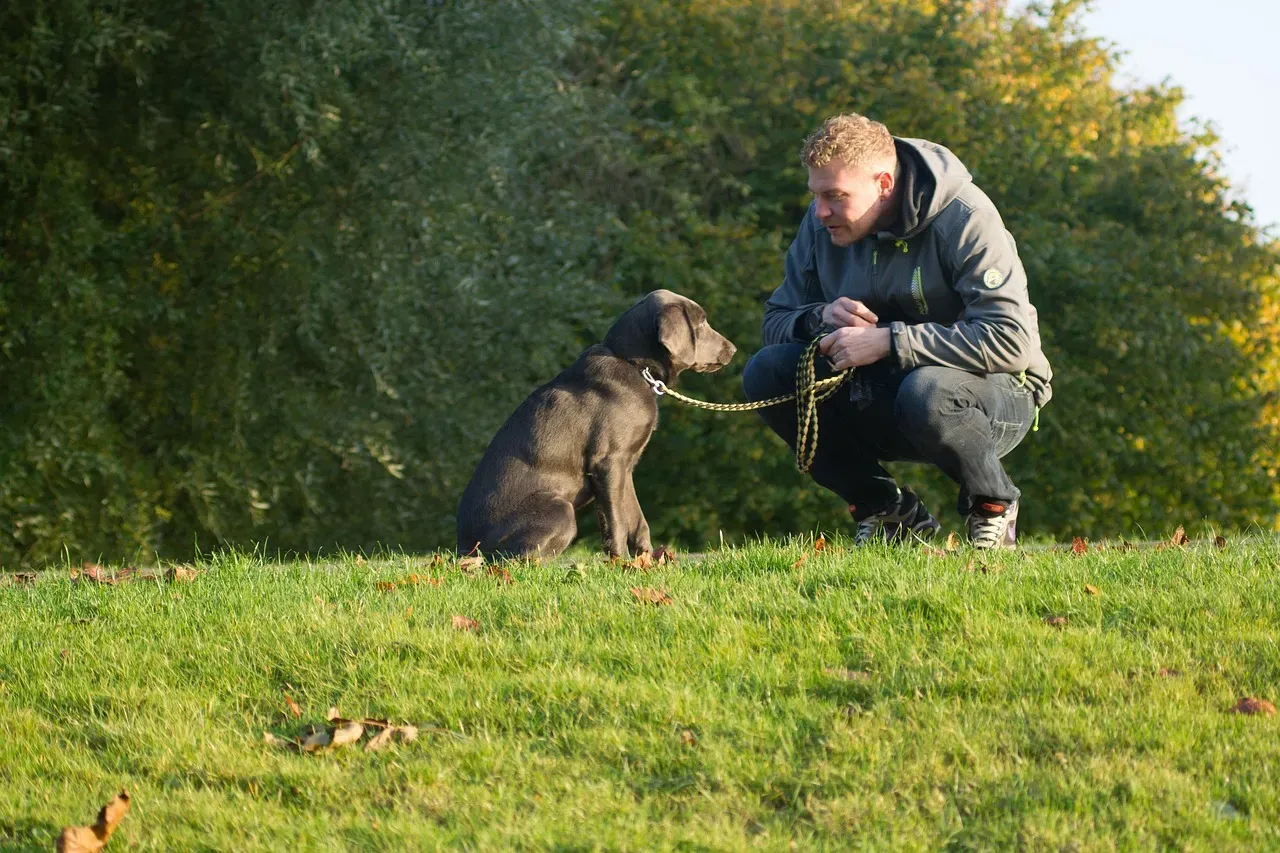
Recognizing these seven subtle signs isn’t about being a perfect pet parent. It’s about building a deeper connection with your dog and understanding what they’re trying to tell you. Dogs often feel anxious in response to human emotions. If the dog’s owner seems outwardly anxious about a situation, the dog may learn to respond to that situation in an anxious manner. This learned behavior can become self-fulfilling when a well-intentioned owner becomes more anxious or obsessive about the dog’s response to the situation, further fuelling the dog’s anxiety.
The good news? Now that you know what to look for, you can make meaningful changes. Create predictable routines, respect your dog’s boundaries, and pay attention to context. Almost all anxious dogs benefit from positive reinforcement training and increased predictability and consistency in their routine and in interactions.
Your dog deserves to feel safe and secure in their home. By tuning into these quiet signals, you’re not just reducing their anxiety, you’re strengthening the bond between you. What subtle signs have you noticed in your own dog? Sometimes the smallest observations lead to the biggest breakthroughs in understanding our four-legged friends.


