
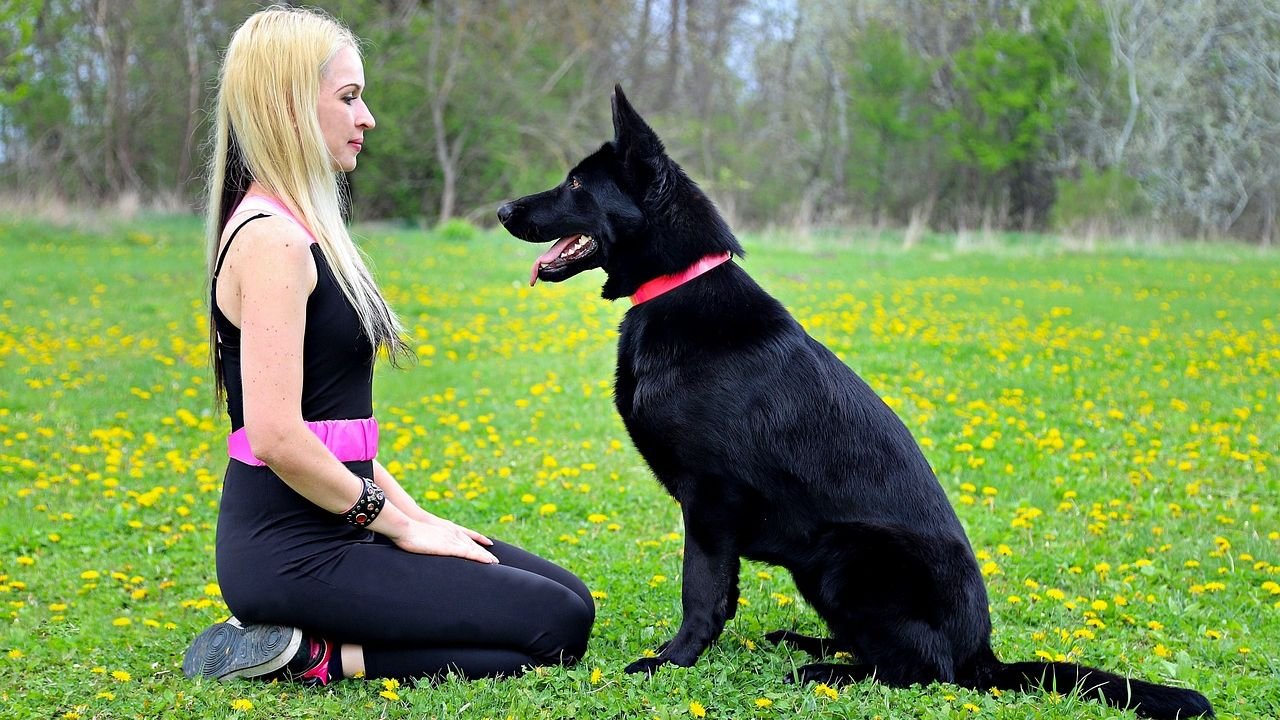
You know the scene. The doorbell rings, and your dog transforms into a furry cannonball of enthusiasm. Before you can even turn the doorknob, they’re bouncing like they’ve been shot out of a circus cannon. Your guest steps inside, and suddenly they’re getting the full welcome experience: paws on their chest, a tongue aiming for their face, maybe even muddy prints on their nice pants.
You apologize, laugh nervously, and try to wrestle your dog back down. Your friend says it’s fine, but you can see the forced smile. Deep down, you’re frustrated. You love your dog’s joy, but honestly, this jumping thing is exhausting. Let’s be real, it’s embarrassing too. Why does this keep happening? The truth might surprise you. It’s not about dominance or bad manners. It’s about something far more primal and sweet.
They’re Hardwired to Say Hello at Eye Level
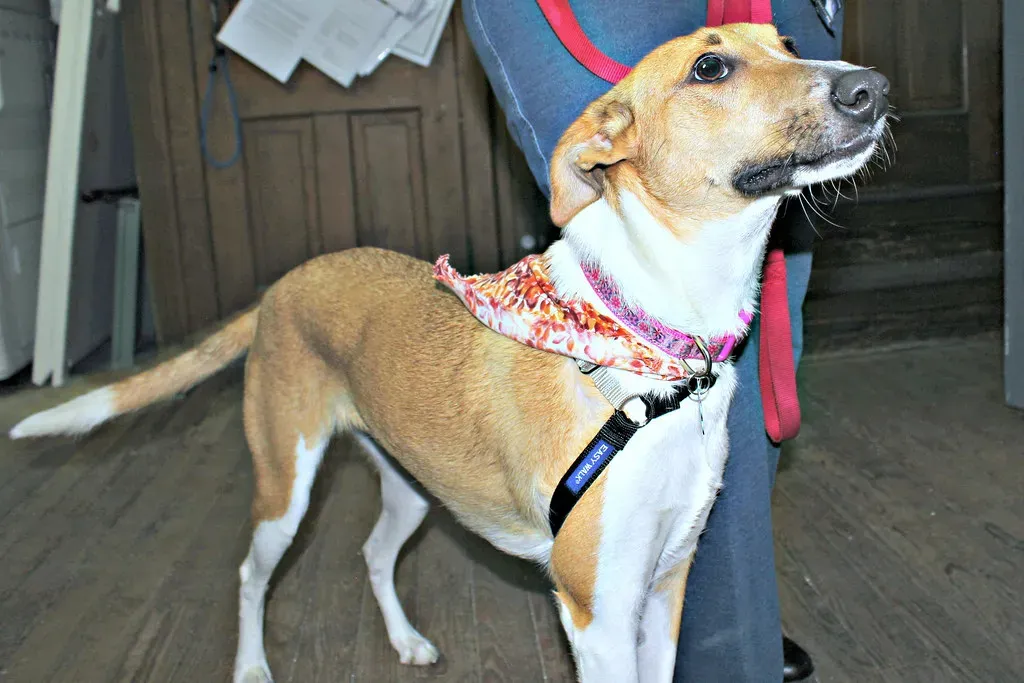
Dogs learned to greet each other as puppies by putting their faces next to each other and licking, which is a sign of familiarity and submission. Think about how puppies interact with their mom. They’d lick her face to get her to regurgitate food. Wild, right? That face-to-face interaction became deeply embedded in how they communicate affection and respect.
Social dogs naturally jump up when they greet people, and most dogs are shorter than the people they are greeting, so jumping up brings them closer to face level. Your dog isn’t trying to knock your Aunt Susan over. They just want to reach her face to say a proper hello. To them, a greeting at knee level feels incomplete, like trying to have a conversation with someone who won’t make eye contact.
Biologists say that dogs evolved this particular jump-on-people greeting as a ritual specifically to interact with humans. This isn’t some random bad habit they picked up. It’s actually an evolved behavior designed just for us. Your dog developed this greeting style over thousands of years of living alongside people. Pretty remarkable when you think about it.
Attention Is the Ultimate Reward
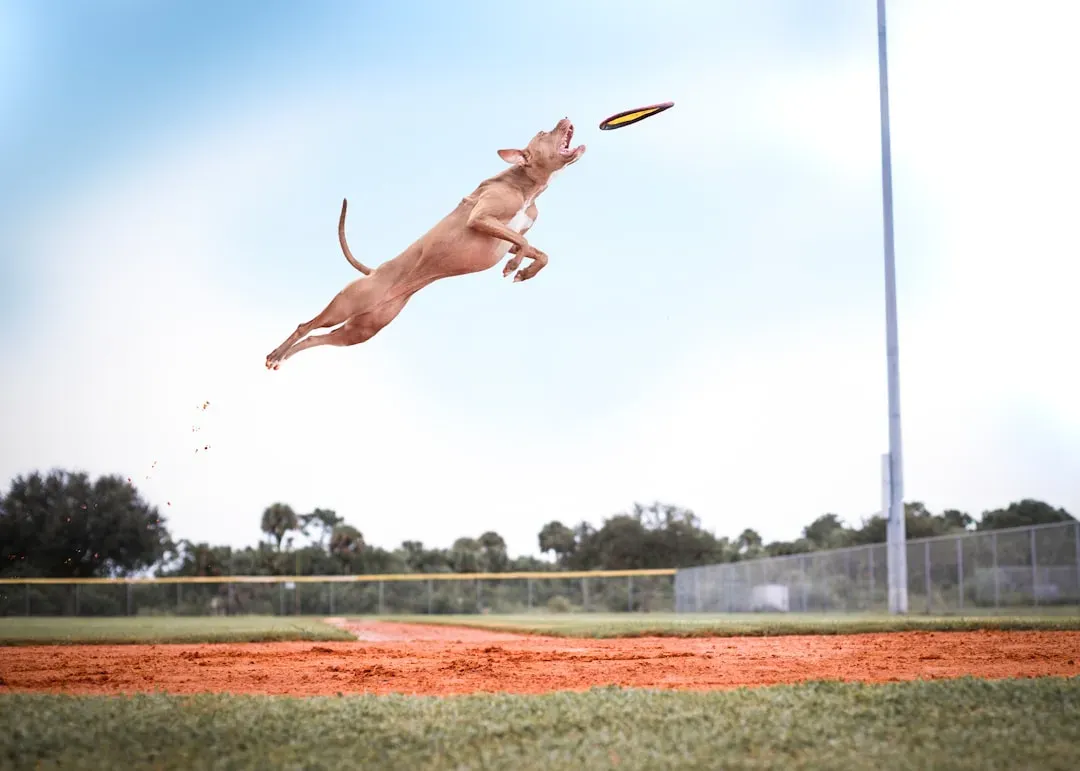
Here’s where things get interesting. Your dog is jumping on you and others to get attention, because your dog likes interacting with people and this jumping behavior gets them the human attention they crave. Even when you’re scolding them, pushing them away, or saying no, you’re still giving them exactly what they want: your focus.
Friendly, social dogs seek social interaction, and whether you scold your dog verbally or even push him away as he jumps, you are still giving him attention. From your dog’s perspective, any reaction beats being ignored. They’ve learned that launching themselves at you works beautifully to make you look at them, touch them, and talk to them.
Most of the time, after dogs jump up, they receive attention from the person they jumped on, so the pattern of jumping up will be repeated because it was rewarded. Each time someone responds to the jumping, even negatively, your dog’s brain files that away as proof the strategy works. It’s a self-reinforcing cycle that gets stronger every single time.
Think about your own reactions. Have you ever laughed at a puppy jumping? Bent down to pet them when they leaped up? Even once? That’s all it takes to teach them this behavior pays off handsomely.
Excitement Overload Meets Poor Impulse Control
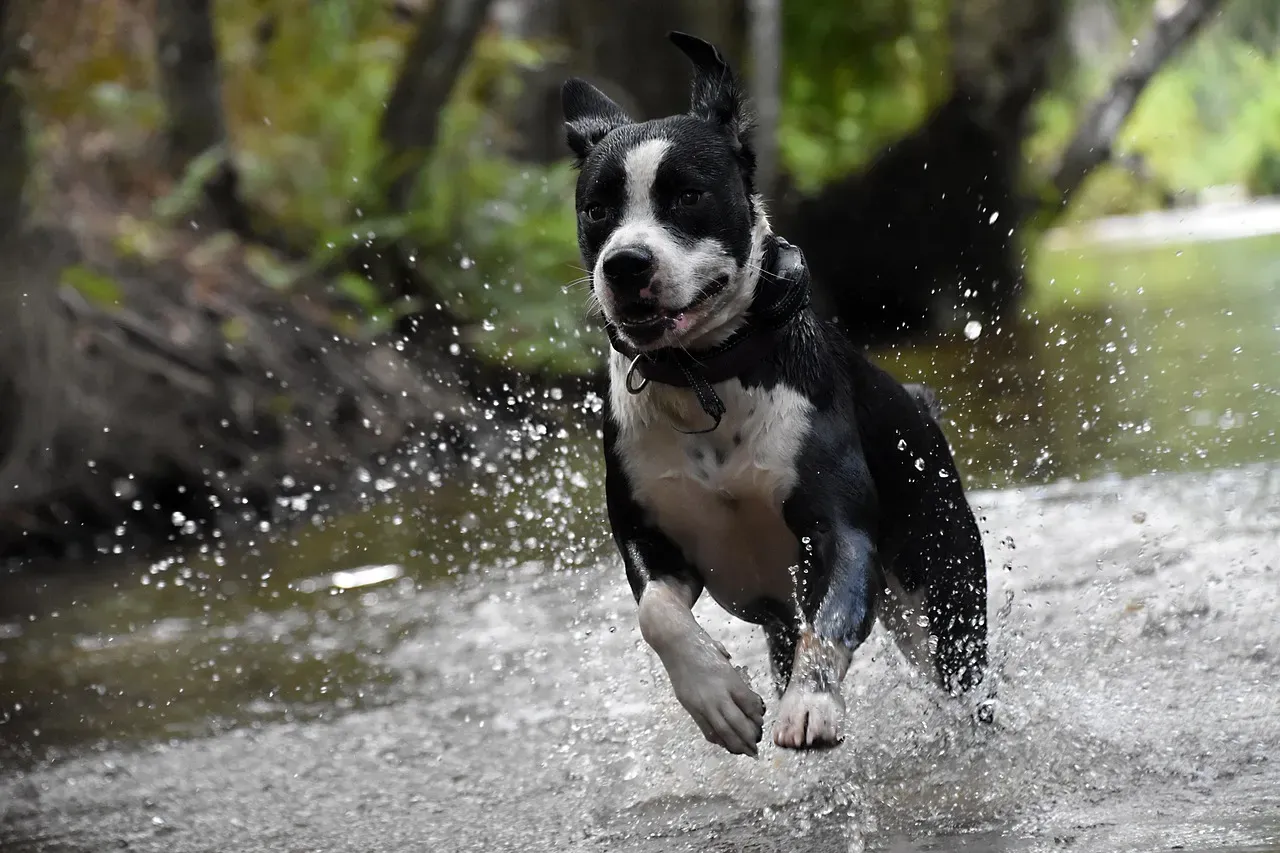
Around 56% of dog pet parents said their dogs regularly jump on them and others. You’re definitely not alone in this struggle. Excitable behavior is often difficult to stop and is exhibited in numerous daily routine scenarios such as greeting, playing, requesting food, or meeting someone.
When that doorbell rings, your dog’s emotional state skyrockets. Their heart races, adrenaline pumps, and all their joy comes flooding out at once. They don’t have the mental brakes that tell them to calm down. Imagine being so thrilled to see someone that your entire body vibrates with happiness. That’s your dog every single time someone comes to the door.
Sometime during their life, 73% of dogs jumped on household members prior to a walk, and dogs were more likely to jump on household members when they were walked less than once per day. Pent-up energy makes everything worse. A dog with excess enthusiasm and nowhere to channel it will explode into jumping, spinning, and general chaos.
Dogs aren’t trying to be difficult. They just genuinely lack the impulse control to manage their excitement without our help and guidance.
The Four-on-the-Floor Rule Changes Everything
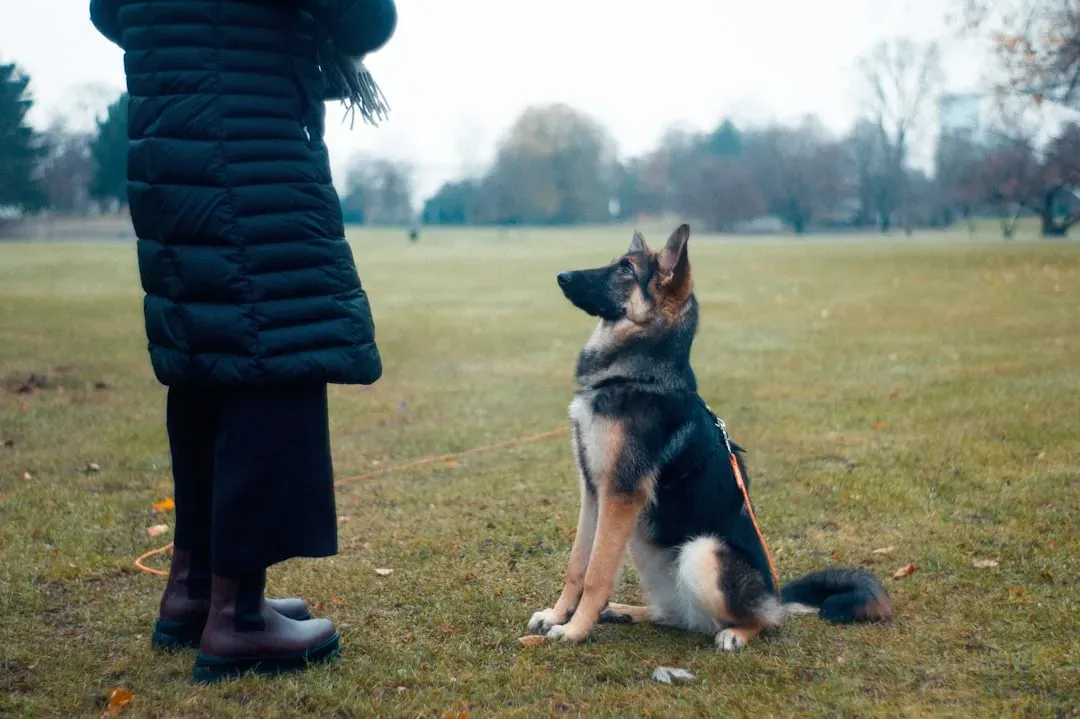
If you ignore your dog when they jump, theoretically their jumping behavior should eventually stop since it’s no longer being rewarded, however, every person you encounter isn’t going to know those rules, and that can be frustrating for your dog who needs to be taught what to do instead. Simply ignoring the behavior isn’t enough. You need to give them an alternative.
The solution? When you arrive home, pay no attention to your dog until he is calm and has all four paws on the ground, then and only then say hi and touch him. This teaches your dog that calm behavior on the ground gets them what they want: your attention and affection.
When your dog jumps on you or others, you are not to look, touch or talk to the dog, which removes the reinforcement for the behavior through a process called extinguishing a behavior. No eye contact. No pushing them away. No verbal corrections. Just turn your body away and wait.
Your dog will attempt the jumping behavior for less than 10 seconds before abandoning it, and if done correctly with all humans on board, this behavior will subside significantly in a week for most dogs. Consistency is absolutely everything here. If even one person rewards the jumping with attention, you’re back to square one.
Teach an Incompatible Behavior
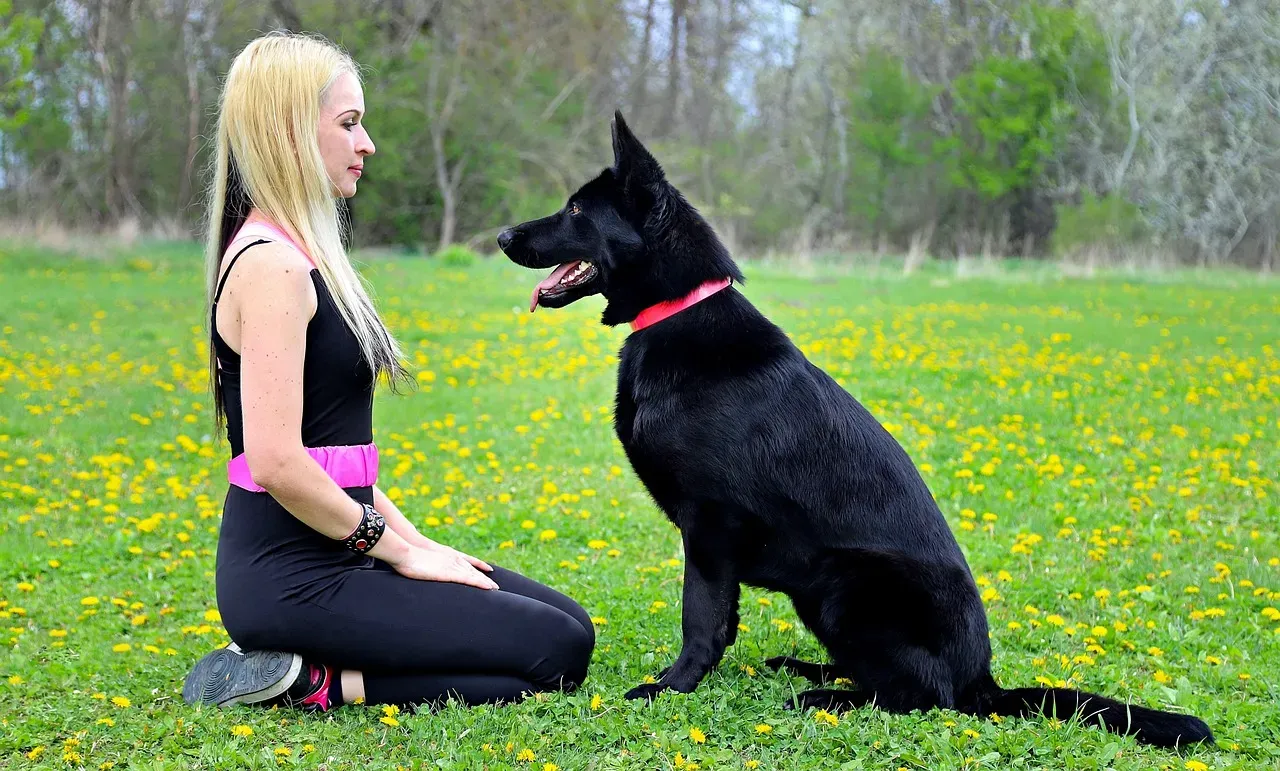
The second critical way to stop dog jumping is to train a mutually exclusive behavior, which means asking your dog to do something incompatible with jumping, and that’s sitting. Your dog can’t physically jump and sit at the same time. It’s genius in its simplicity.
You can teach your dog to keep all four paws on the floor when they greet people by placing treats on the floor during greetings, and the trick to this technique is being fast with the treats, providing them before jumping can occur. Anticipation is key. Have treats ready before your guest even walks in. The second your dog approaches with all paws down, shower them with treats and praise.
As your dog approaches the person in the practice greeting, quickly deliver a treat before the dog even tries to jump and encourage four-paws-on-the-floor by continuing to deliver treats. Set them up for success by making the right choice the easiest and most rewarding option. Think of it like catching them being good before they have a chance to be naughty.
Practice makes permanent. Work on this when you’re calm, not just in the heat of the moment when guests arrive. Recruit friends to come over specifically for training sessions. The more repetitions your dog gets with the correct behavior, the more automatic it becomes.
Managing the Situation While Training
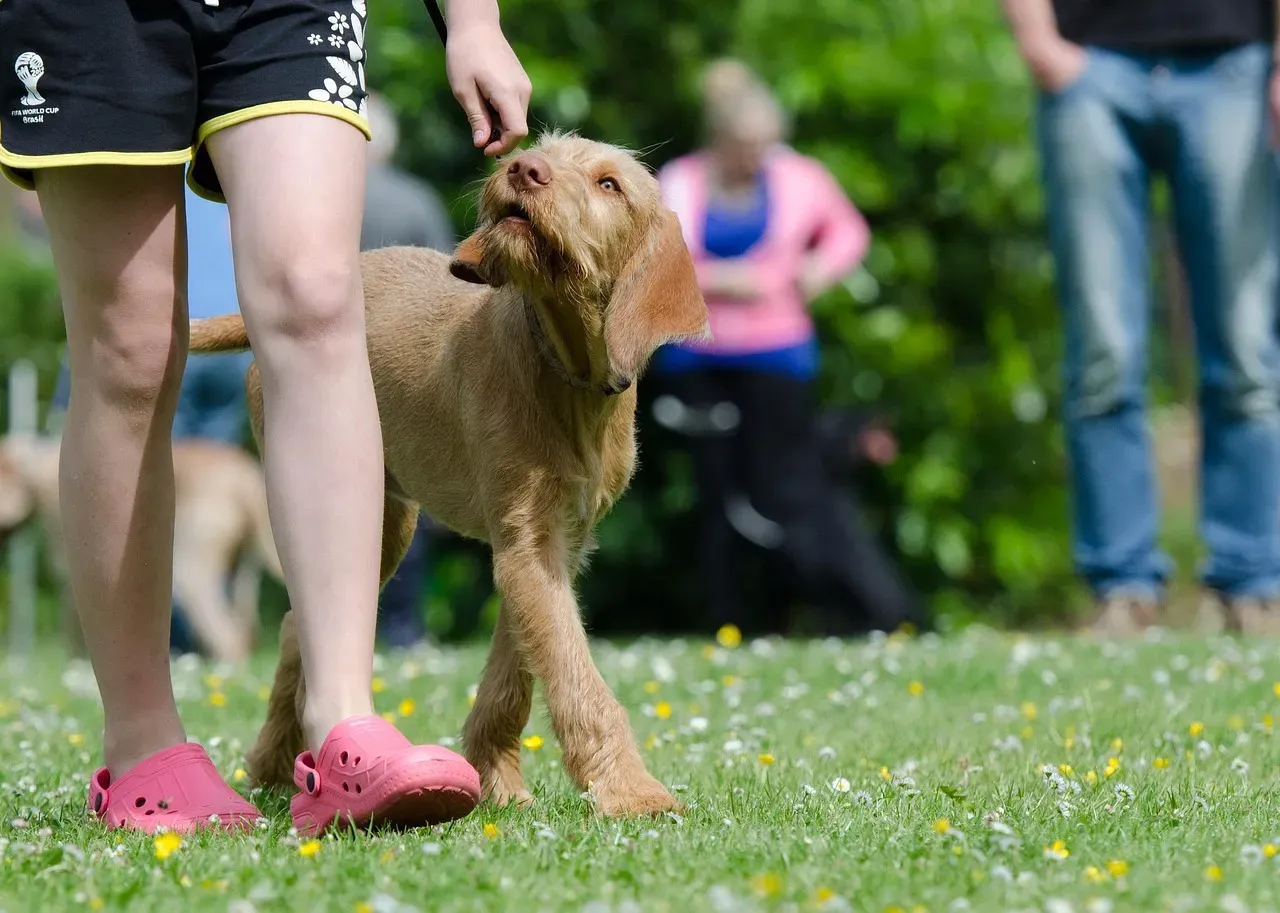
Training takes time. In the meantime, you need strategies to protect your guests and prevent your dog from practicing the jumping behavior. Create a calm space for your dog in a separate room with a cozy bed and pheromone diffuser, and before you open the door to guests, move your dog into the safe room and provide them with high-reward food puzzles and interactive toys.
You can place a dog gate at your entranceway so your dog can’t get to visitors, or putting your dog on leash whenever guests arrive can also help prevent jumping. Management isn’t giving up. It’s being smart about protecting your training progress while your dog learns.
Consider the pre-arrival routine. Before your guest even rings the doorbell, have your dog on a leash. This gives you physical control without having to chase them around or yell. You can calmly guide them into a sit and reward that behavior instead.
Never underestimate the power of mental exercise either. A dog who’s spent twenty minutes working through a puzzle feeder or sniffing out hidden treats will have far less explosive energy when the doorbell rings. Tire their brain, and their body follows.
The Path Forward: Patience and Consistency
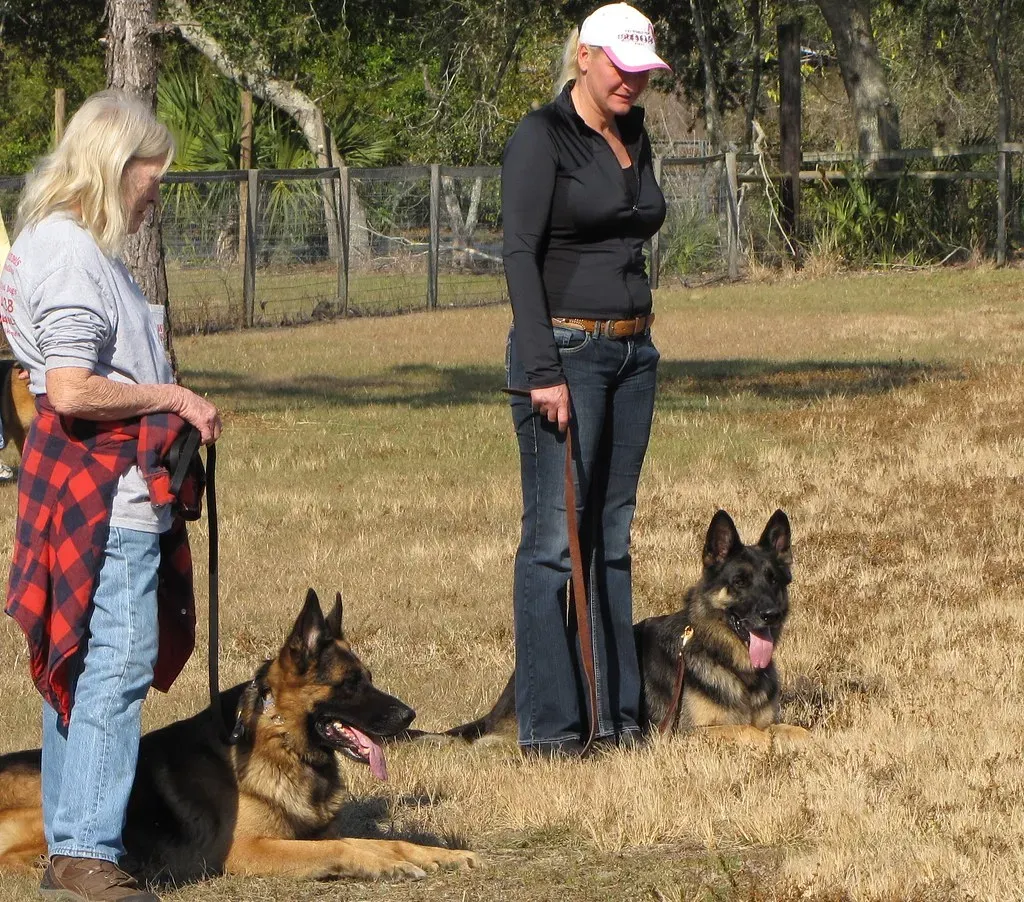
Real change doesn’t happen overnight, and that’s okay. With consistency and time, you should be able to teach a dog of any age to stop jumping. Whether you have a bouncy puppy or a dog who’s been jumping for years, it’s never too late to reshape this behavior.
You may find the jumping behavior gets worse for a little while when you start completely ignoring it because your dog is thinking jumping used to work so they must need to do it more, which is called an extinction burst. Don’t panic when things seem to backslide. This is actually a sign your training is working. Your dog is testing the old rules before accepting the new ones.
Every single person in your household needs to be on the same page. If the four-on-the-floor behavior is only rewarded sometimes or by some people but not others, the jumping behavior can increase through variable reinforcement, so consistency is the key to success. One person allowing jumping while everyone else discourages it will sabotage all your hard work.
Remember that your dog isn’t being defiant or difficult. They’re just doing what has always worked for them in the past. With patience, clear communication, and plenty of rewards for the right behavior, you can transform those chaotic greetings into calm, polite hellos. Your guests’ pants will thank you. So will your sanity.
What strategies have worked best for your jumping dog? Share your experiences in the comments below.


