

You stand in the kitchen, proud of yourself for offering your pup something nutritious instead of that usual store-bought treat. Maybe it’s a handful of grapes or a piece of avocado toast crust. Your dog looks at you with those trusting eyes, tail wagging with pure joy. Yet in that moment, you might unknowingly be putting your beloved companion at serious risk.
Here’s the thing that catches so many of us off guard. We assume that if something is good for us, it must be fine for our dogs. After all, they’re family, right? The reality is far more complicated and honestly a bit scary. What seems like a wholesome snack can trigger reactions in dogs that range from mildly uncomfortable to genuinely life threatening. Let’s dive into seven seemingly innocent foods that could be hiding dangers you never imagined.
Grapes and Raisins: The Sneaky Kidney Destroyers
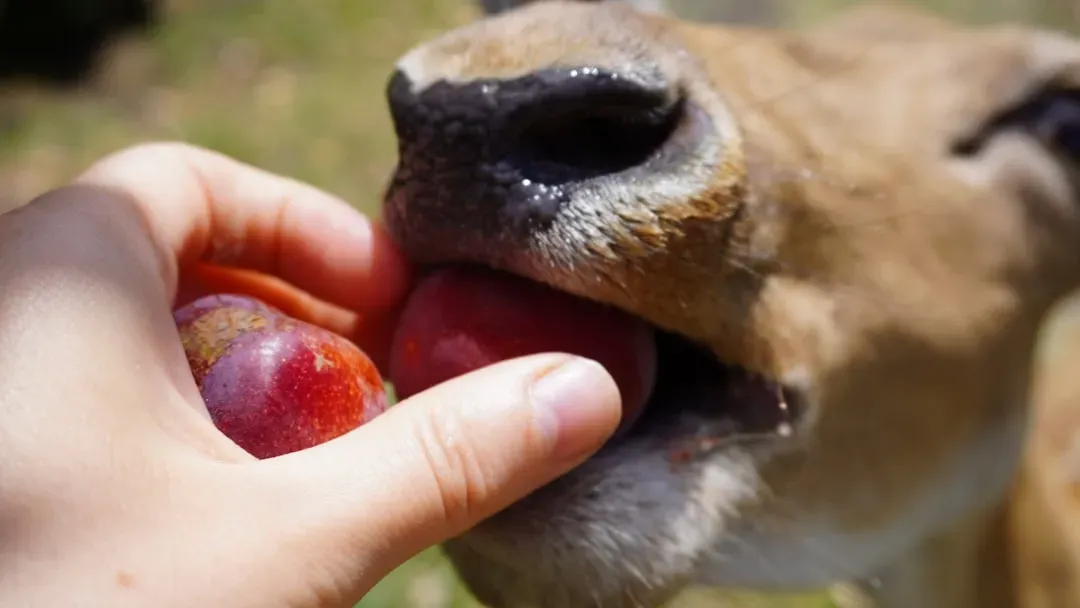
Picture this. You’re sitting on the couch enjoying a healthy snack of grapes, and one rolls off your plate. Your dog snatches it up before you can react. Should you worry?
Absolutely. Even just a few grapes or raisins can potentially cause sudden kidney failure in dogs, and the scary part is that the toxicity is unpredictable, meaning some dogs might eat grapes their whole lives without issues while others develop severe, life-threatening kidney failure. Recent research has identified tartaric acid and its salt, potassium bitartrate, as the most likely culprit, though scientists puzzled over this mystery for roughly two decades before figuring it out.
Vomiting and diarrhea are often the first signs, typically developing within a few hours of ingestion. Symptoms can appear within a few hours but are often delayed for about one to three days, with kidney damage typically developing within roughly one to three days. Some dogs also experience weakness, decreased appetite, and abdominal pain.
If your dog gets into grapes or raisins, don’t wait to see if symptoms appear. Call your veterinarian or nearest emergency veterinary hospital immediately without waiting for symptoms to show. The faster you act, the better chance your dog has of avoiding permanent kidney damage.
Xylitol: The Silent Sugar Substitute Killer

When dogs eat something containing xylitol, it gets absorbed quickly into the bloodstream and triggers a potent insulin release from the pancreas, which can result in a rapid and profound decrease in blood sugar levels within roughly ten to sixty minutes. Xylitol is highly toxic to dogs, even in small amounts. We’re talking about one piece of sugar-free gum potentially being dangerous enough to cause serious harm.
What makes xylitol particularly frightening is how widespread it’s become. This ingredient is often found in sugar-free chewing gums, candies, toothpaste and more. Sugar-free foods like peanut butter, candy, pudding, ice cream, energy bars, and protein powder can all contain it. You might be brushing your teeth with a product that could kill your dog if they got into it.
Symptoms of xylitol poisoning include vomiting, followed by decreased activity, weakness, staggering, incoordination, collapse and seizures. Xylitol can also cause damage to the liver from larger ingestions, which can be more serious or even fatal. Always check labels carefully and keep anything labeled sugar-free locked away from curious paws.
Avocado: The Trendy Toast Topper That’s Not Dog Friendly

Avocado toast might be your weekend brunch staple, but sharing it with your four-legged friend is a terrible idea. The leaves, fruit, seeds and bark of avocados contain persin, which can cause vomiting and diarrhea in dogs. While dogs are far less sensitive to persin than birds or large animals like horses and goats, that doesn’t mean avocados are safe.
Avocados are high in fat, which can cause pancreatitis, an inflammation of the pancreas. Pancreatitis is incredibly painful and can become a serious medical emergency. Dogs that ingest large amounts of avocado can be at risk of pancreatitis due to the high fat content, and certain breeds are more susceptible to this condition than others.
The ingestion of an avocado seed could potentially result in an obstruction of the gastrointestinal tract. That pit is big, solid, and can get stuck in your dog’s digestive system, potentially requiring emergency surgery to remove. Avocado ingestion can still cause vomiting, diarrhea, and digestive upset in some pets, so it’s honestly best to just keep guacamole and avocado anything away from your pup entirely.
Macadamia Nuts: Tiny Treats With Big Consequences

Macadamia nuts are one of the most poisonous foods for dogs, capable of causing vomiting, increased body temperature, inability to walk, lethargy, and even affecting the nervous system. Dogs have developed clinical signs after ingesting macadamia nuts at roughly two and a half grams per kilogram of body weight, which honestly isn’t very much when you think about it.
Initial clinical signs typically occur within about three to twelve hours of ingesting a toxic dose and include vomiting, fever, lethargy, weakness, CNS depression, ataxia, tremors, or elevated body temperature. The most striking symptom is often weakness in the back legs. I’ve heard stories from dog owners who describe their dogs looking almost drunk, unable to stand or walk properly.
The good news? Clinical signs generally resolve within about twelve to forty-eight hours, and most dogs recover without treatment in the span of roughly one to two days after ingestion. Still, the mechanism of toxicity is not known, and watching your dog suffer through those symptoms is heartbreaking and completely avoidable.
Onions and Garlic: The Flavorful Foes Hiding Everywhere

Many people don’t realize just how dangerous onions and garlic are for dogs. Garlic is part of the Allium family, but it’s five times more toxic to dogs than other Allium plants like onions, leeks, and chives. Garlic can create anemia in dogs, causing side effects such as pale gums, elevated heart rate, weakness, and collapse.
What makes this particularly tricky is that poisoning from garlic and onions may have delayed symptoms, so if you think your dog may have eaten some, you should monitor them for a few days, not just right after consumption. Onions and garlic can kill red blood cells, causing anemia. The damage happens gradually, which means you might not notice anything wrong immediately.
Onions, garlic, and chives, as well as onion and garlic powder, can be harmful to your dog, especially in large amounts. This means you need to be careful about table scraps. That leftover spaghetti sauce or seasoned chicken? They could contain enough garlic or onion powder to harm your dog. Even baby food sometimes contains onion powder, so always read ingredient lists before sharing anything.
Dairy Products: The Creamy Culprits Behind Upset Tummies
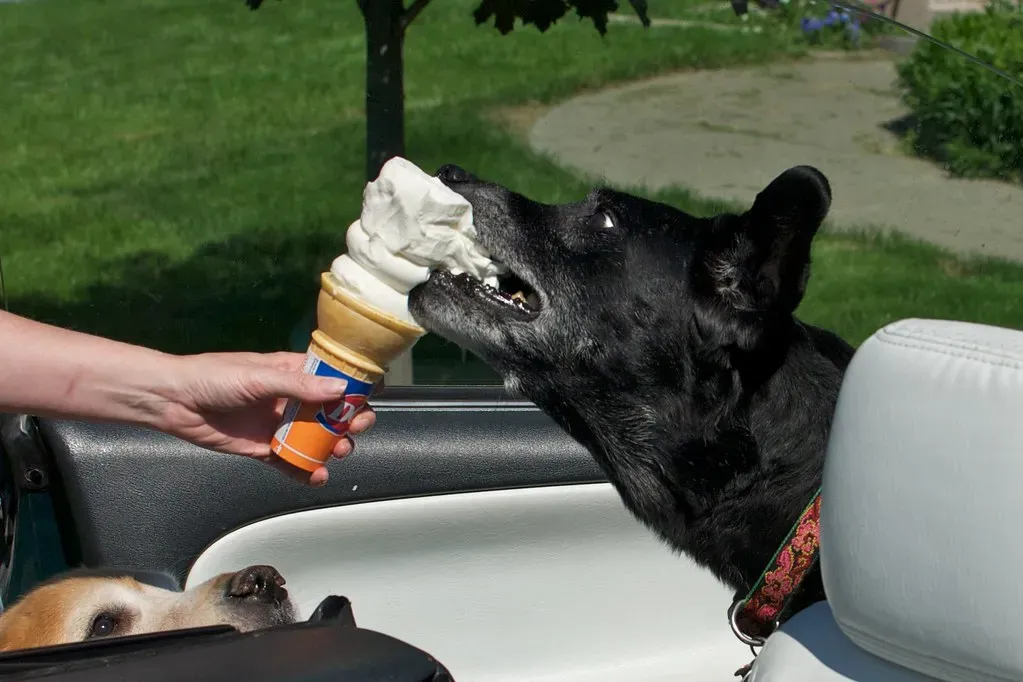
That sad puppy face when you’re eating ice cream is hard to resist. Yet giving in might cause more problems than you realize. Many animals lack the enzyme lactase, which helps break down the sugars in dairy products. Dogs who ingest dairy can experience vomiting, diarrhea, and other gastrointestinal upset.
Many dairy products are high in fat, which can lead to gastrointestinal upset in dogs and trigger inflammation in the pancreas, a condition called pancreatitis, which can be severe or even fatal. Ice cream is particularly problematic because it combines high fat content with lactose and usually a lot of sugar. Some ice creams also contain xylitol, making them doubly dangerous.
If you absolutely must share something creamy with your pup, there are dog-safe frozen treats made specifically for them. Plain yogurt in very small amounts might be okay for some dogs, but it’s really not worth the risk when safer alternatives exist. Pay attention to how your dog reacts after consuming any dairy, and when in doubt, just keep the cheese, milk, and ice cream to yourself.
Raw Meat and Bones: The Primitive Meal That’s Actually Risky
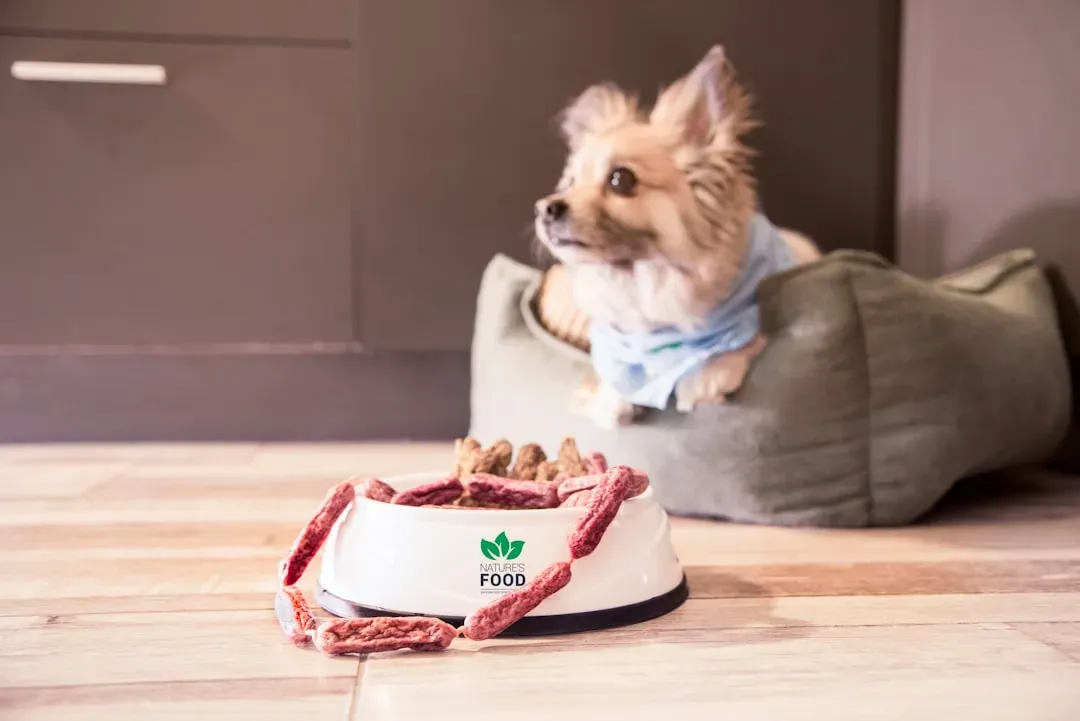
There’s this popular belief that dogs should eat raw meat because their wild ancestors did. While that sounds logical on the surface, modern dogs face different risks. Raw meat can contain E. coli, Salmonella, or other harmful bacteria. These pathogens can make your dog seriously ill and can even spread to human family members.
Giving your dog a raw uncooked bone to chew on might seem fine, but cooked bones should be avoided at all costs as they can easily splinter and in large quantities cause constipation or at worst, a perforation of the gut which can be fatal. Honestly, that perforation risk exists even with smaller amounts. Cooked bones become brittle and sharp when they break, turning into dangerous shards that can puncture your dog’s intestines.
Raw bones are somewhat safer but still carry risks like broken teeth or choking hazards. If you’re determined to give your dog bones, work with your vet to understand which types are safest and how to supervise properly. Better yet, choose specially designed chew toys that satisfy that gnawing instinct without the medical risks.
Keeping Your Best Friend Safe: A Practical Approach
Living with dogs means constantly being vigilant about what they can access. The truth is, our furry companions are opportunistic eaters who will gobble up anything that smells remotely interesting. Prevention is your best defense.
Keep potentially toxic foods stored securely in closed cabinets or high shelves. Educate everyone in your household, especially kids and visitors, about which human foods are off limits for your dog. Make sure your trash is in a dog-proof container because dogs are surprisingly clever about getting into garbage.
If you suspect your dog has eaten something toxic, don’t wait to see what happens. Time is absolutely critical in these situations. Contact your veterinarian immediately or call a pet poison control hotline. Keep those emergency numbers saved in your phone where you can find them quickly in a crisis.
At the end of the day, the best treats for your dog are ones made specifically for them. There are so many safe, healthy options available that there’s really no reason to take chances with human food. Your dog doesn’t know that grapes are dangerous or that xylitol could kill them. They’re counting on you to keep them safe. Have you checked your pantry lately for hidden dangers? Your pup will thank you for it.


