

You’ve worked hard all your life, and now retirement stretches before you like a quiet Sunday morning. There’s finally time for the things that matter, the slower rhythms, the simple pleasures. Maybe you’ve been thinking about adding a furry companion to this new chapter. Here’s something worth considering: while puppies get all the attention at shelters, there’s a whole world of gentle, graying souls waiting patiently in kennels who could be exactly what your peaceful retirement needs.
Only about a quarter of senior dogs get adopted compared to roughly sixty percent for younger dogs, which honestly breaks my heart a little. These aren’t damaged goods or second-rate options. They’re experienced, mellow companions who’ve already figured out how life works and just want someone to share their golden years with.
They’ve Already Mastered the Art of Relaxation
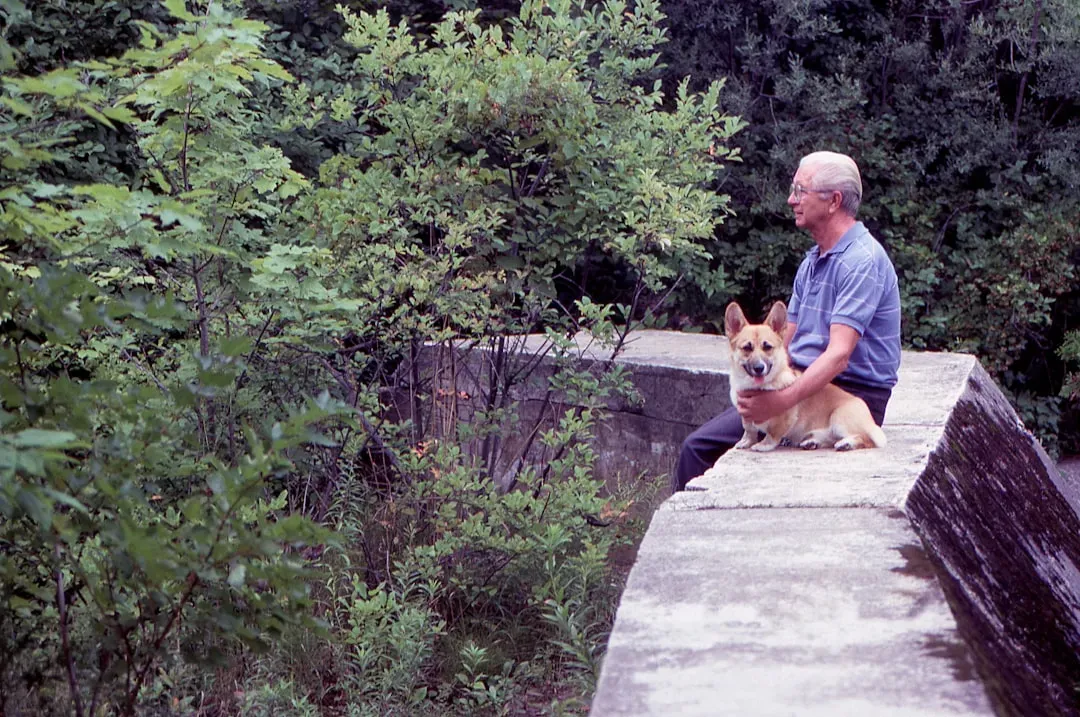
One of the biggest advantages of adopting a senior dog is their calm demeanor as they’ve moved past the high-energy phase of puppyhood. There’s no chewed furniture waiting for you when you come home from the grocery store. No frantic zoomies at three in the morning.
Senior dogs tend to have a calmer temperament since they’ve shed most of their energies during their puppy days, and older dogs don’t feel the need to chew on furniture or carpets. Think about it: you’re not looking to train an enthusiastic puppy to stop jumping on guests. You want a companion who understands that a gentle walk followed by a quiet afternoon on the couch is pretty much perfection. Senior dogs get that. They really do.
What You See Is Exactly What You Get
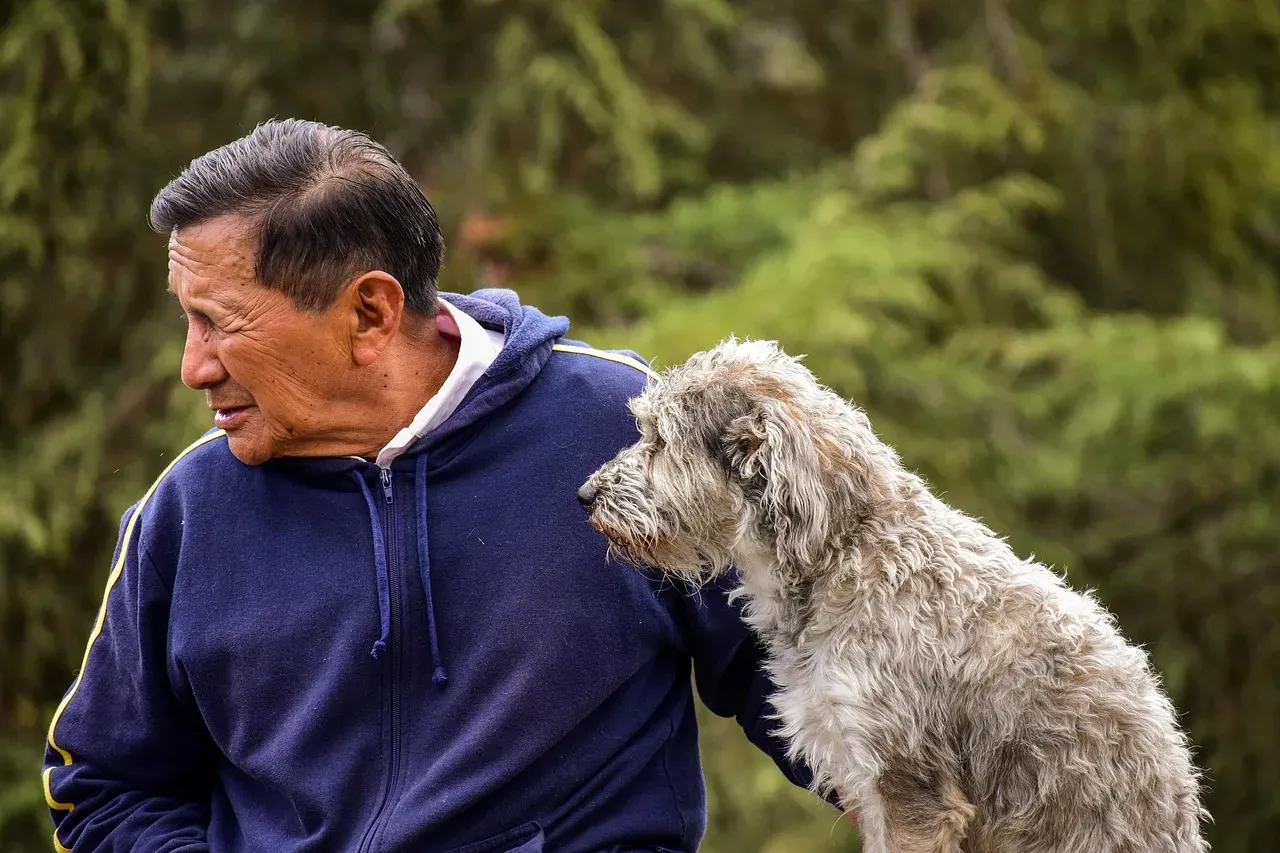
Their personalities are already established, so you know what you’re getting with no surprises about size, temperament, or habits. This is huge, honestly. When you meet a senior dog at the shelter, that’s who they are. There’s no guessing whether that sweet puppy will grow into an anxious barker or a furniture destroyer.
Unlike their younger counterparts, senior animals have already developed their full personalities, eliminating the guesswork about how they’ll behave as adults. You can actually match your lifestyle to a dog whose energy level and temperament suit you perfectly. Want a quiet companion for morning coffee on the porch? There’s a senior dog for that. Prefer someone who still enjoys a good ramble through the park? Yep, there are active seniors too.
They’re Grateful in Ways That’ll Surprise You

I know it sounds sentimental, but there’s something different about the way older dogs bond with their new families. Senior dogs often show an immense sense of gratitude toward their adopters, especially if they’ve spent time in a shelter, and the loyalty they demonstrate can be profoundly heartwarming.
Adopters often find that older dogs form quick and meaningful connections, and many senior dogs appear to understand they’ve been given a second chance. It’s like they know you chose them when others didn’t. That kind of connection, built on second chances and mutual appreciation, creates bonds that are incredibly special. They’re not just pets; they become companions who truly see you.
The Training Wheels Are Already Off

Many senior dogs are already housetrained and understand basic commands, and they’re familiar with routines and adapt quickly to new environments. This saves you months of frustration and countless rolls of paper towels. Your new companion probably already knows “sit,” “stay,” and “come.”
Unlike puppies who require extensive house-training and supervision, older dogs typically arrive with established routines, and many senior dogs are already house-trained and understand basic commands. You can skip right past the exhausting puppy phase and move straight into the good stuff: companionship, walks, and building a relationship. Less work, more reward. That sounds perfect for retirement, doesn’t it?
They Need Just Enough Exercise to Keep You Both Healthy

Senior dog owners walk an average of twenty-two more minutes per day compared to seniors who do not own dogs. That’s not a marathon commitment; it’s gentle, consistent movement that benefits you both. It’s generally recommended that senior dogs get at least thirty to sixty minutes of exercise daily, but this can be broken into shorter walks throughout the day.
Almost every dog loves going for a walk regardless of age, and walking is an excellent low-impact exercise that promotes a healthy body and mind. You’re not training for anything. You’re just enjoying fresh air, maybe chatting with neighbors, letting your companion sniff interesting things. Low-impact exercises such as walking, swimming, or gentle play can help maintain muscle tone and joint flexibility. Swimming is particularly wonderful if your older dog has joint issues, offering exercise without stress on aging bones.
The Gift You Give Is Returned Tenfold
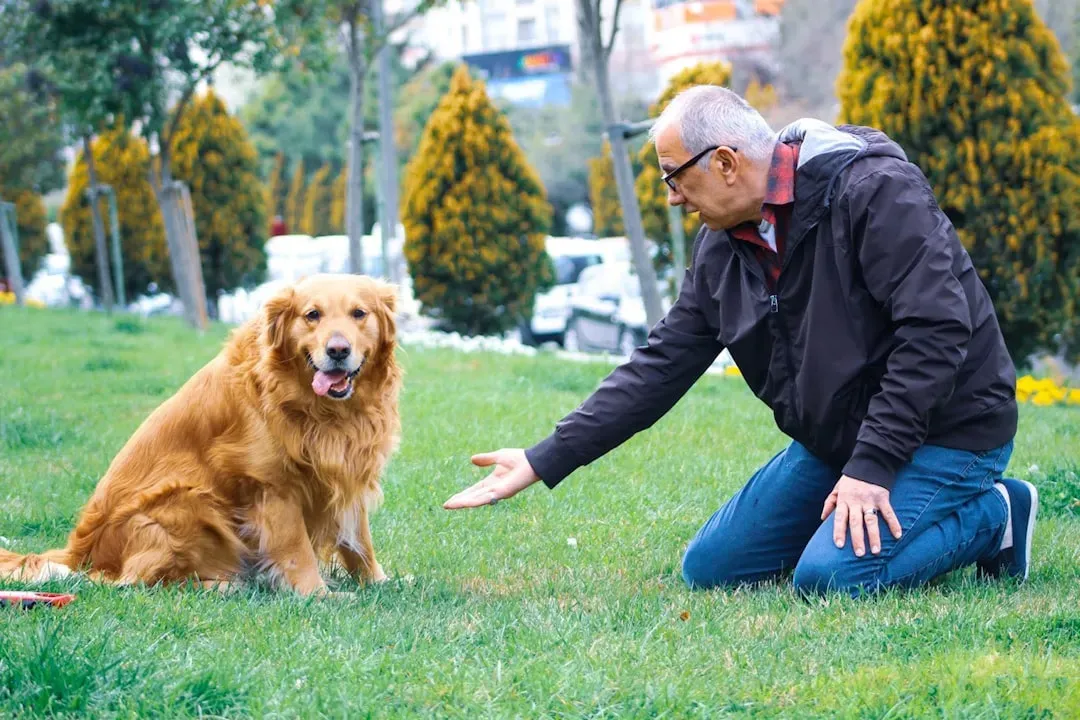
More than three-quarters of pet owners say their animals reduce their stress, and seniors who own pets are thirty-six percent less likely to report feeling lonely. These aren’t just numbers; they represent real comfort during what can sometimes feel like an isolating phase of life.
In most cases, pets can satisfy both the longing for company and the desire for affection. In a poll of senior pet owners, sixty-five percent said having a pet helps connect them to other people. Your older dog becomes a conversation starter at the park, a reason to stay active, and a warm presence that turns a house into a home. Senior pets have learned to appreciate the simple pleasures in life, and their calm presence can be incredibly therapeutic.
There’s also something deeply meaningful about giving an overlooked soul their best final chapter. The satisfaction that comes from giving an older dog comfort in their final years can’t be overstated, and many adopters say the unconditional love they receive far outweighs the shorter time together.
**Conclusion**
Retirement is about quality, not quantity. It’s about savoring moments rather than rushing through them. An older dog understands this instinctively. They’ve lived enough to know that the best things in life are warm beds, kind voices, gentle hands, and unhurried days.
Yes, your time together might be shorter than it would be with a puppy. That’s the hard truth. Yet those years can be some of the richest, most rewarding of your life. You’re not just gaining a pet; you’re offering dignity, comfort, and love to a deserving soul while receiving loyalty, companionship, and purpose in return.
So when you’re ready to add a four-legged friend to your retirement, consider walking past the puppy kennels and spending time with the graying muzzles in the back. One of them might just be the perfect companion you didn’t know you were looking for. What’s your take on senior dog adoption? Have you considered welcoming one into your home?


