

You’ve probably heard that one dog year equals seven human years — a rule so common it’s practically folklore. But it turns out that this simple math shortcut tells us almost nothing about how dogs really age. Recent scientific research reveals something far more fascinating: dogs and humans may age in similar biological ways, but the pace of that aging changes dramatically over time. So how old is your furry friend in human years? Let’s dig into the science.
The Myth of “Seven Dog Years”
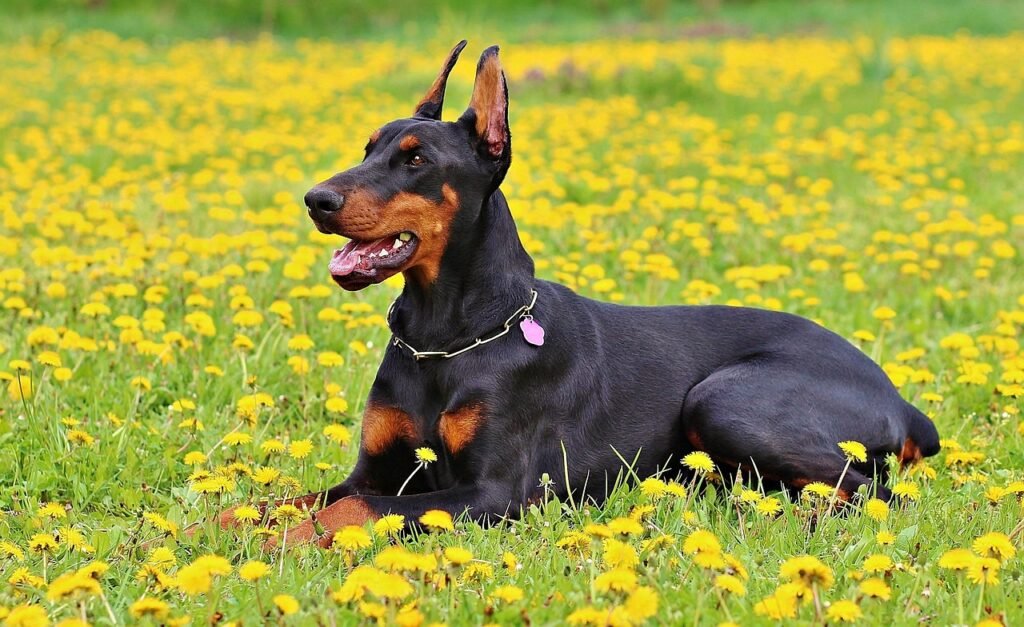
For generations, dog owners have used the “multiply by seven” rule to convert dog years to human years — and it almost makes sense at a glance. The idea likely originated because average dog lifespans used to be around 10 years compared with roughly 70 years for humans. But researchers now agree this tidy equation grossly oversimplifies what’s really going on. In reality, dogs age much faster than humans early in life, and that rate slows significantly as they grow older.
Scientists Dive Into DNA to Understand Aging
In a new study that has appeared in several science portals including Popular Science, scientists looked deep inside canine biology. Specifically, they studied changes in DNA methylation — chemical modifications of DNA that naturally occur as organisms age. This process serves as a sort of “epigenetic clock,” revealing how quickly an individual is aging at a molecular level. By examining DNA from 104 Labrador retrievers aged from a few weeks to 16 years old, researchers could compare patterns seen in dogs to patterns seen in humans.
A New “Dog-to-Human Age” Formula

Here’s where things get interesting. Instead of a flat multiplication rule, the scientists developed a mathematical formula that reflects how dogs really age:
human equivalent age = 16 × ln(dog’s age) + 31
In this equation:
ln refers to the natural logarithm, a math function that helps describe how growth and aging slow over time. The 31 accounts for the accelerated early development dogs experience. That’s because a dog’s epigenetic clock ticks a bit faster than yours, but slows down as they age.
That means a 2-year-old pup is not 14 in human terms — it’s closer to about 40 human years. This reflects rapid early maturation that tapers off as your dog ages.
Why Dogs and Humans Share Aging Patterns
You might wonder why this complex formula exists at all. The answer lies in the surprising similarities between dog and human biology. Dogs and people share many features of the aging process at the DNA level, including methylation patterns that change predictably with age. Scientists have also found that developmental milestones — like teething and puberty — occur at roughly analogous points in dogs and humans, even if the timeline is compressed for pups.
What This Means for Your Dog

This new formula gives pet owners a much better sense of where a dog is in its lifespan, not just in calendar years but in physiological age. That matters because aging affects everything from nutrition needs to disease risk. For example, knowing that your 8-year-old dog really has a human equivalent age in the 60s may prompt earlier screening for age-related conditions like arthritis or heart issues. Plus, researchers hope expanding this work to other breeds will make the method even more accurate across the diverse world of dogs.
If you’ve ever wondered why your aging pup still acts sprightly long past the “seven-year” mark — now you know: age isn’t just a number. It’s complex biology, and new science is helping us understand it better than ever.


