
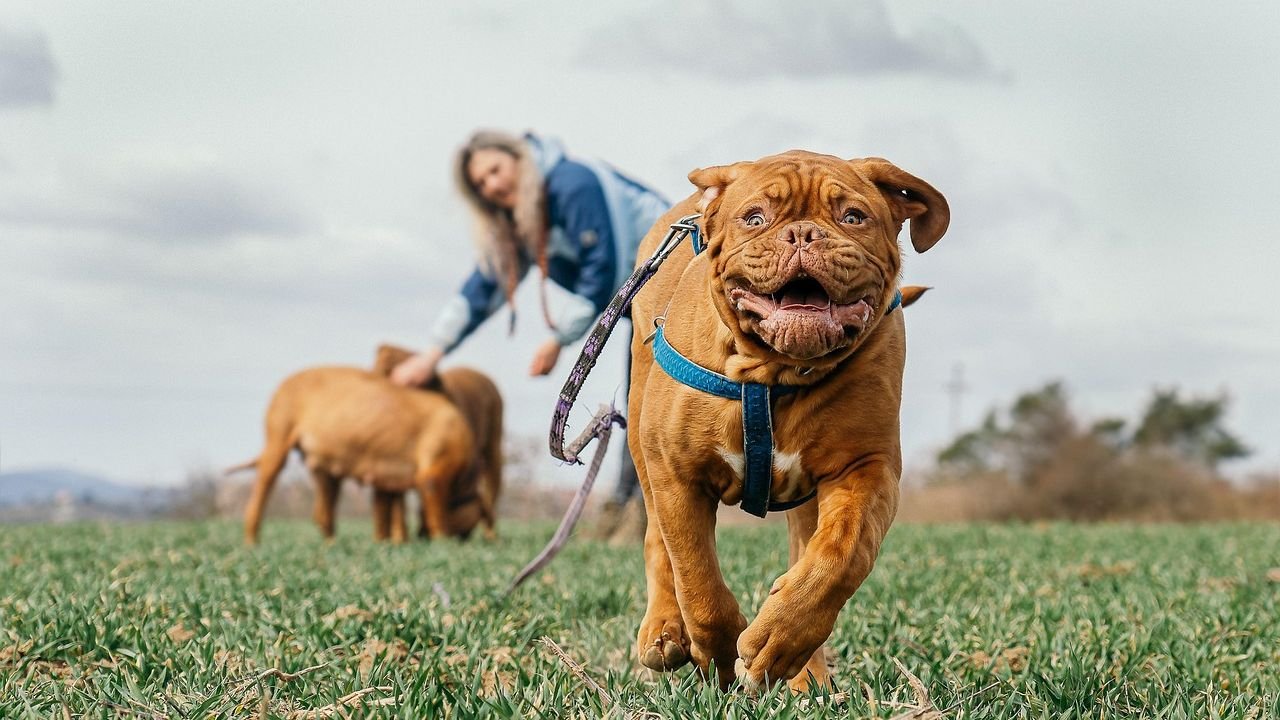
You clip on the leash. Your dog’s tail wags. The door opens. It’s a simple routine you’ve probably done a thousand times.
Walking your dog seems straightforward, doesn’t it? Yet so many of us unknowingly make mistakes that can turn what should be a joyful experience into something stressful, uncomfortable, or even harmful for our four-legged companions. Maybe your shoulder aches after every walk because your pup pulls like a sled dog. Perhaps your dog barks at every passing cyclist while you helplessly tug the leash. These moments aren’t just frustrating for you. They can genuinely affect your dog’s wellbeing.
Let’s be real, most of us mean well. We love our dogs deeply and want the best for them. Still, sometimes those little habits we’ve developed over time aren’t doing anyone any favors. The good news is that recognizing these common mistakes is the first step toward happier, healthier walks for both of you.
Letting Your Dog Pull You Around
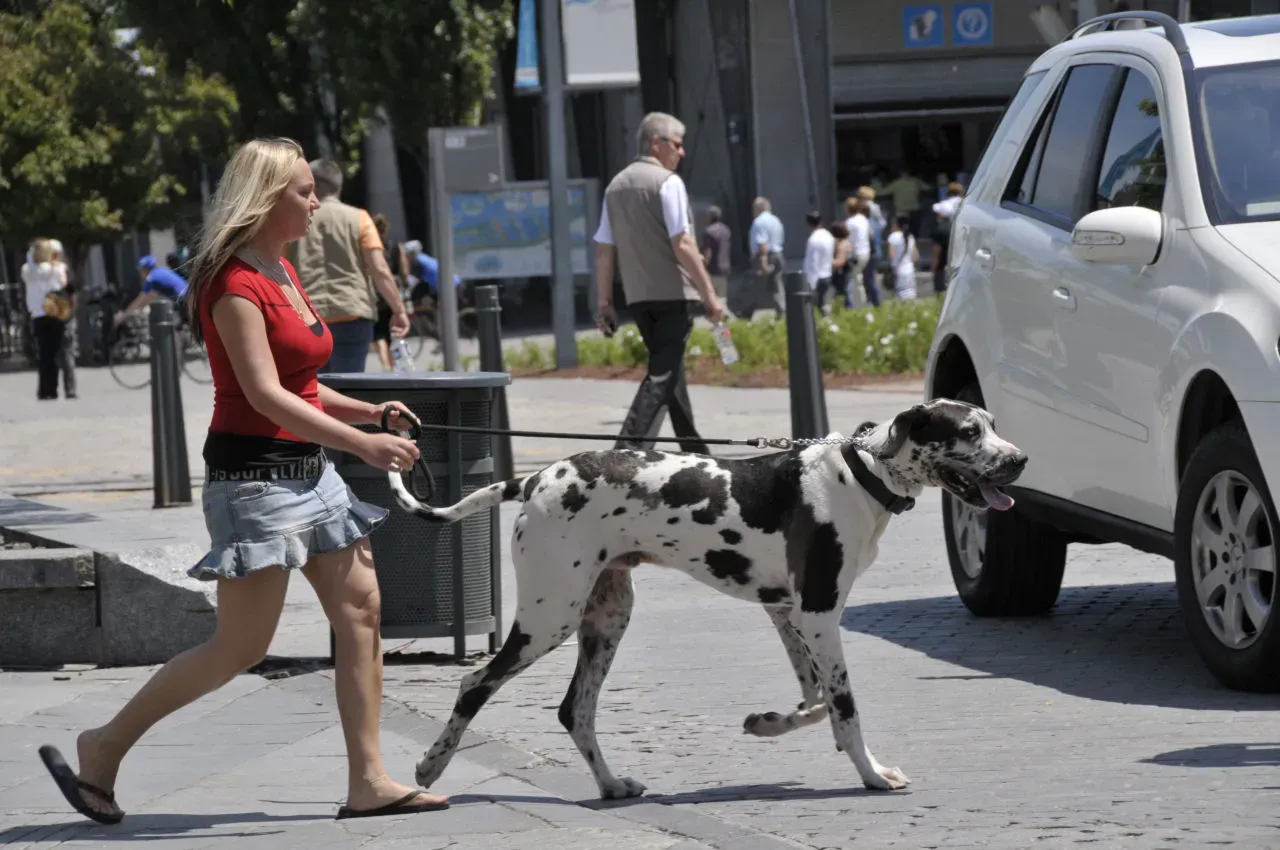
Dogs pull because it works – they pull, we follow. It’s honestly that simple. Your dog learns quickly that if they lunge forward with enough enthusiasm, they’ll get exactly where they want to go. Before you know it, you’re being dragged down the sidewalk like a reluctant water skier.
Walking a “puller” can be an uncomfortable chore and, if you have a big dog that pulls, you might be less inclined to walk your dog because it’s painful. The strain on your arms and shoulders is real. Even worse, constant pulling places serious pressure on your dog’s neck and throat, potentially leading to injuries.
Obvious injuries caused by pulling and jerking are to the trachea and neck. Over time, this gland gets severely traumatized whenever a dog pulls on the leash, the thyroid gland gets inflamed and consequently ‘destroyed’ by the body’s own immune system that tries to remove the inflamed thyroid cells, leading to the deficit of thyroid hormone – or hypothyroidism.
The solution isn’t to yank back harder. Pulling or yanking your dog back towards you actually teaches your pup to pull harder, due to something known as the oppositional reflex – when pulled in one direction, the body’s natural reaction is to lean or pull in the opposite direction to maintain balance. Instead, when your dog starts pulling, simply stop walking and stand still until they look back at you. Reward that moment of attention with praise and a treat. Patience and consistency are your best friends here.
Using the Wrong Equipment
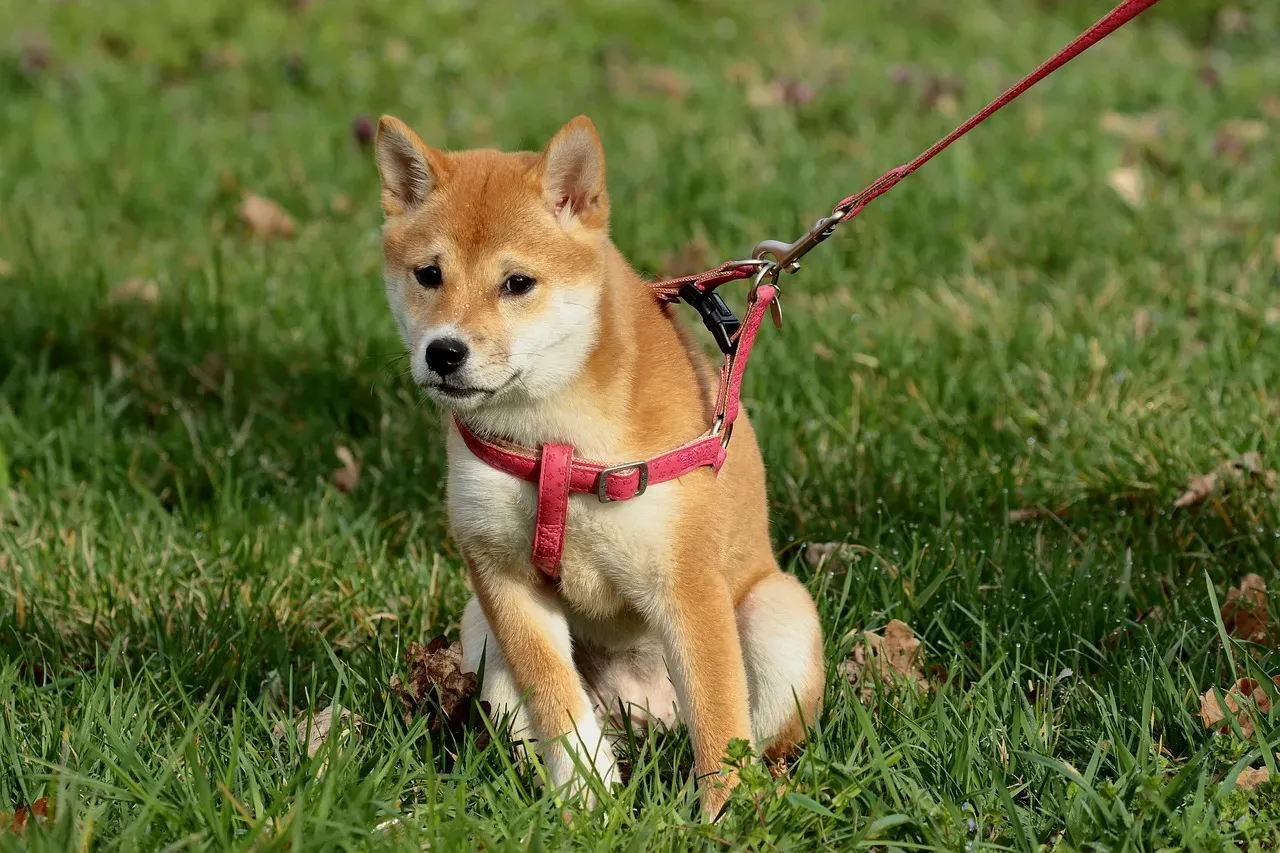
If you don’t have the right equipment when walking your dog, it can cause a range of problems. I see this all the time. People use whatever collar or leash they grabbed at the store without considering their dog’s specific needs or pulling habits.
Retractable leashes might seem like the perfect way to adjust the tension during your walk, but the fast-moving cord can cause cuts and burns to both you and your dog, plus, it can easily cause tangles and trip people and other dogs. These leashes also give dogs too much freedom near roads or crowded areas, making quick control nearly impossible when a squirrel suddenly appears.
If your dog wears a collar and tends to cough a lot on leash walks, compression of the trachea is likely the culprit – switching to a harness will likely help. Harnesses distribute pressure across your dog’s chest rather than concentrating it on their delicate neck structures. For dogs who pull, chest-led or front-attachment harnesses are harnesses that attach to the leash at the chest, rather than on the dog’s back, so they also automatically turn the dog back to face you when pulling begins. This simple switch can transform your walks dramatically.
Rushing Through Every Walk
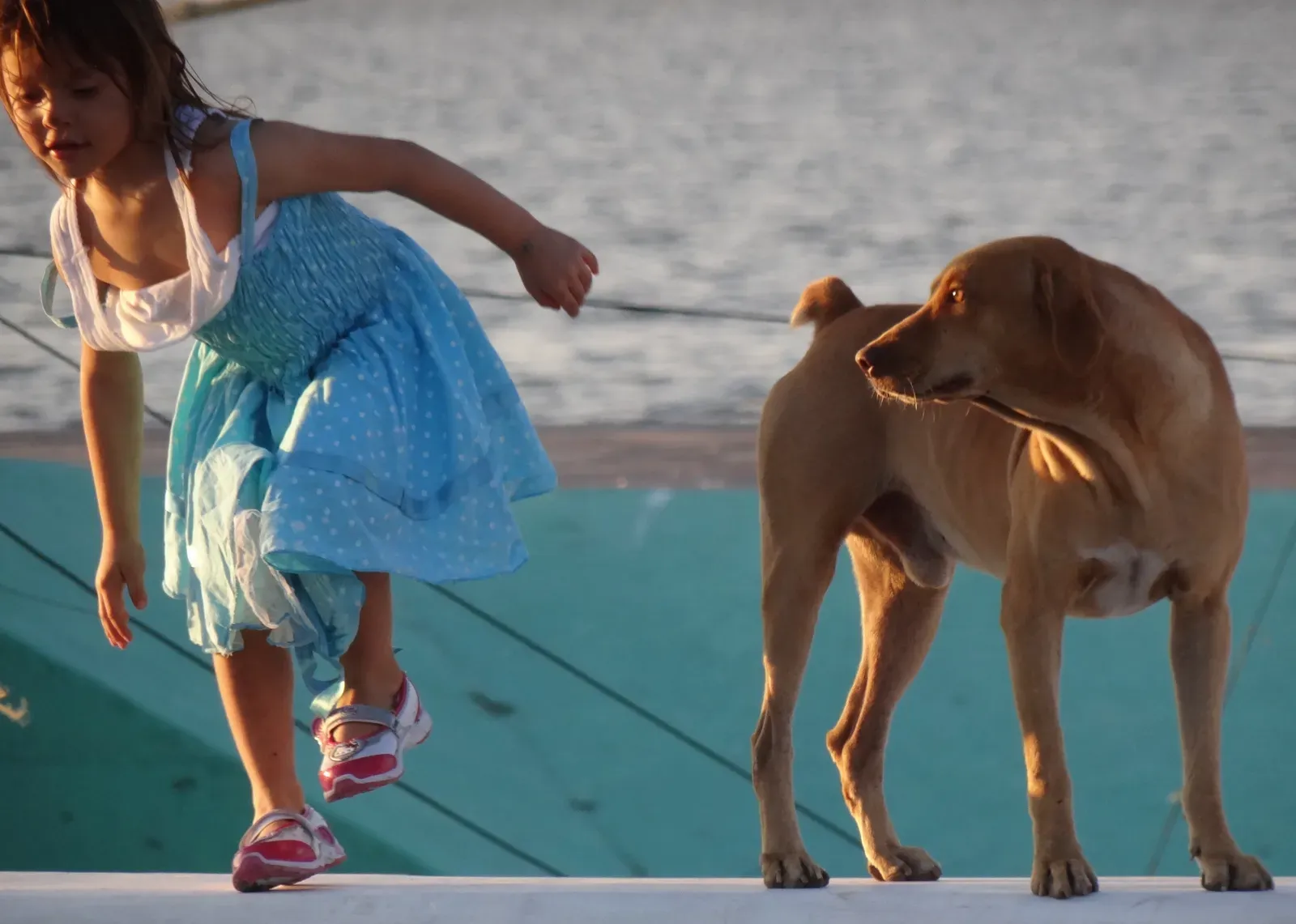
We’re all busy. I get it. Sometimes it feels like you barely have time to get your dog outside before rushing back to your endless to-do list. Rushing is one of the most common dog walking mistakes some pet parents are guilty of, even if your dog quickly goes potty, it is important to give them the outdoor time they need.
Walks aren’t just bathroom breaks. They’re your dog’s chance to experience the world beyond your home. Daily walks are a great opportunity for your dog to get some fresh air, exercise, and do their business, walks also give your dog the chance to take in all the sights, sounds, and smells in their environment and they need various points of stimulation.
Most dogs can tolerate a daily 20–30-minute walk if they have a good body condition. That said, high-energy breeds need significantly more. Herding breeds, sporting dogs, and working breeds often require anywhere from one to two hours of daily exercise.
When you rush, your dog misses out on mental enrichment. Let them sniff that fire hydrant. Allow them to investigate interesting scents along the way. These moments of exploration are how dogs gather information about their neighborhood and satisfy their natural curiosity.
Ignoring Your Dog’s Body Language
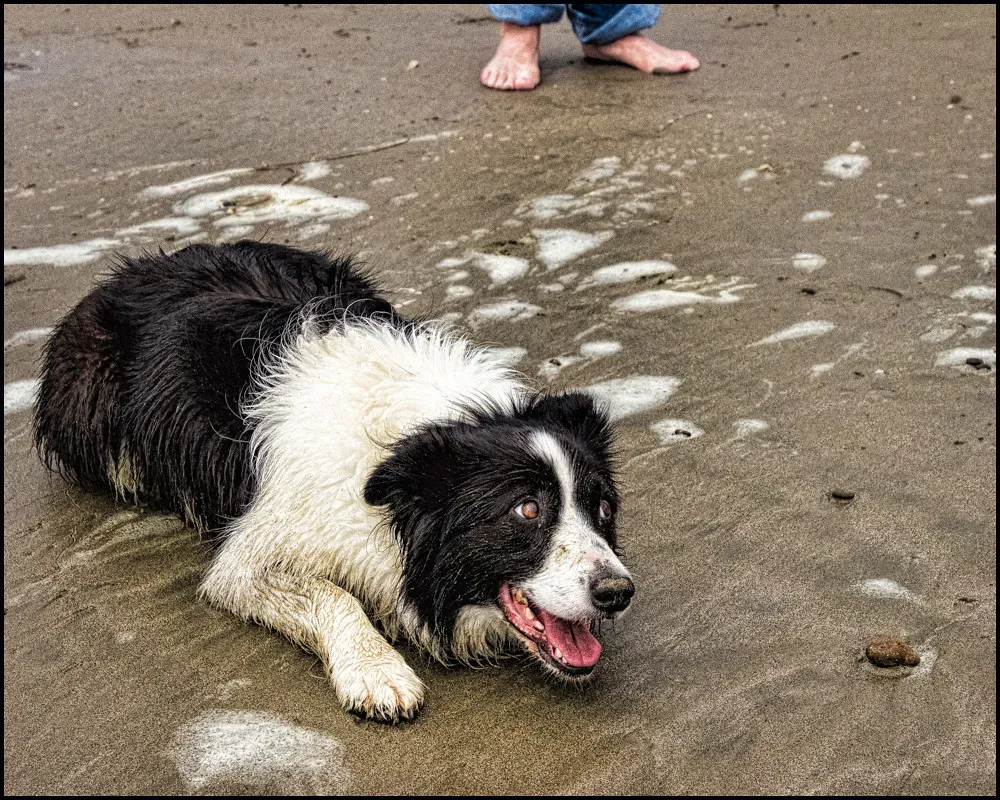
Too often, I see owners looking at their phones or walking too fast, barely noticing what their dogs are doing – dogs communicate discomfort, stress, or excitement through body language: tail tucks, yawning, pulling away, or even sudden stops. Your dog is constantly telling you things, but are you listening?
Maybe your pup suddenly plants their feet and refuses to move. This isn’t stubbornness. They could be frightened, overwhelmed, or even in pain. Perhaps they’re limping slightly, panting excessively, or trailing far behind you. These are all signals that something isn’t right.
If your dog drinks water and immediately crashes on her dog bed for hours, she may have overexerted herself – if your dog starts limping during the walk or after she has rested from a long walk, then she received too much exercise.
Pay attention to how your dog responds during and after walks. Their body language tells you whether the duration, pace, and route are appropriate for their needs. Honestly, putting your phone away and being present with your dog transforms the entire experience for both of you.
Skipping Basic Leash Training
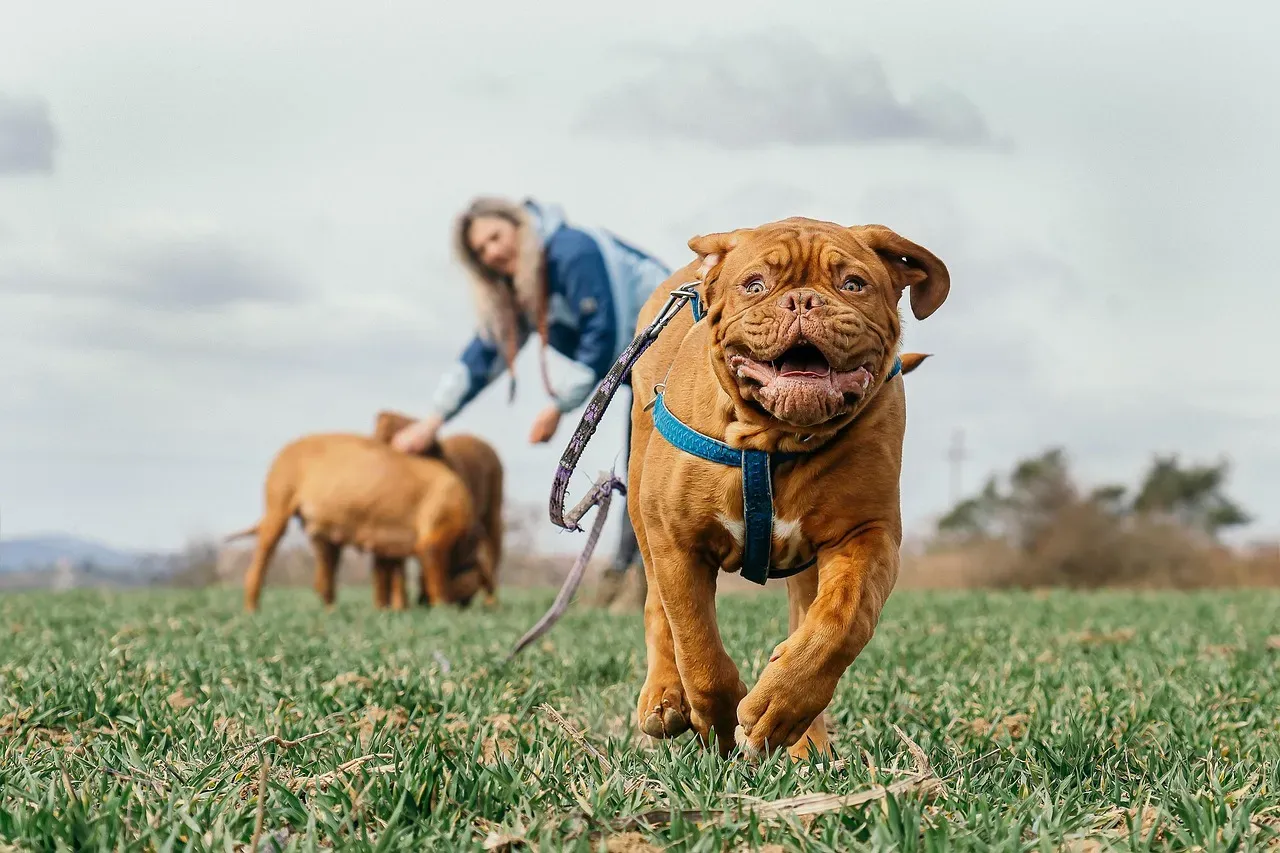
Pulling, barking, lunging – or just dragging you down the street – are common when training gets skipped. Many people assume dogs instinctively know how to walk politely on a leash. They don’t. It’s a learned skill that requires patience and consistent practice.
It’s best to start working on leash walking behavioral challenges as soon as you notice problems percolating rather than waiting until your dog makes them a part of his permanent repertoire. The longer you allow unwanted behaviors to continue, the harder they become to change.
Praise him and give him a treat when he chooses to walk close to you instead of pulling, let him know how smart he is when he opts to look up at you instead of barking at the dog across the street – acknowledging his manners helps him to understand the types of behavior you like and sets him up to repeat those behaviors in the future.
Teaching basic commands like heel, sit, stay, and leave it makes walks safer and more enjoyable. These aren’t just tricks. They’re essential communication tools that help you guide your dog through potentially overwhelming situations. If you’re struggling, there’s absolutely no shame in working with a professional trainer who can teach you both the skills you need.
Failing to Adjust for Your Dog’s Individual Needs
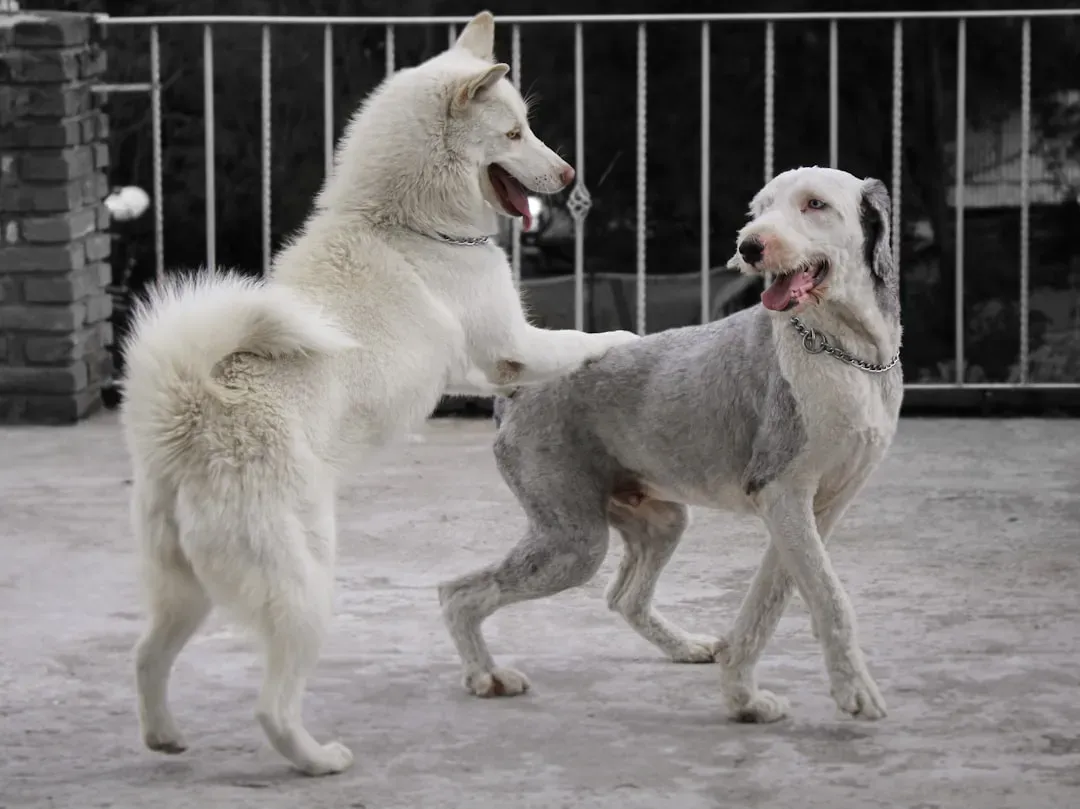
Not all dogs need the same amount of exercise. A tiny Chihuahua and a young Border Collie have vastly different requirements. A Chihuahua needs 30 to 60 minutes of daily exercise, which can be achieved through play and short walks, while a healthy Australian Shepherd generally needs about 2 hours of exercise every day.
Age matters tremendously too. Your dog’s lifespan plays a big role in her walking needs – younger dogs have more energy and, in general, will need more exercise than dogs who are middle-aged (5–8 years old) and seniors (9 years or older). Puppies need shorter, more frequent walks focused on socialization rather than endurance. Senior dogs may need gentler, slower-paced strolls.
Caution should be used when exercising or walking brachycephalic (flat-faced) breeds such as Pugs or Boxers – these dogs tend to overheat more easily, and pet parents need to be vigilant for signs of heatstroke when walking them.
Health conditions also play a role. Dogs with arthritis, heart conditions, or recovering from injuries need modified exercise plans. Always consult your veterinarian if you’re unsure about the appropriate amount or type of exercise for your specific dog.
Not Providing Enough Mental Stimulation
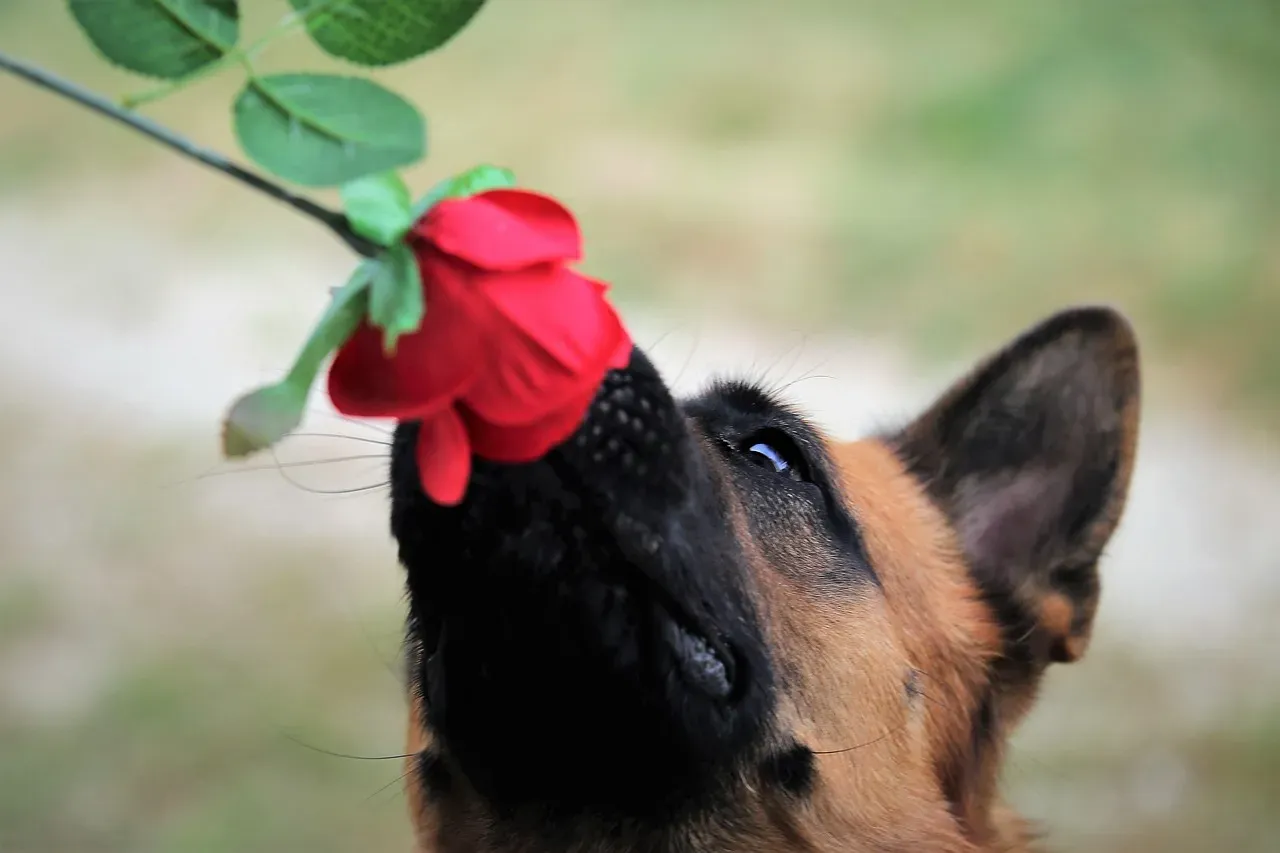
Walking your dog isn’t about physical activity alone – walks provide mental stimulation, helping your dog build confidence and avoid potential behavioral issues like anxiety and aggression. A physically tired dog isn’t necessarily a mentally satisfied dog.
The whole point of a walk is not just about pooping and peeing but about the mental stimulation & exercise, taking a different route each day gives your dog a chance to explore more scents, sights & sounds, this helps them experience various points of stimulation which makes it fun and exciting.
Dogs experience the world primarily through their nose. Allowing sniff time during walks gives them valuable information about their environment and other animals who’ve passed by. It’s like reading the neighborhood newspaper for them.
Another mistake dog owners make when walking their dogs is shutting down socialization opportunities – your dog is naturally curious and social; if they’re keen on another well-behaved dog or curious about someone walking by, try not to pull them away immediately, it’s an excellent way to help foster good mental health and behavioral development. Obviously, always ask permission before letting your dog approach strangers or other dogs. These positive social interactions contribute significantly to your dog’s emotional wellbeing and confidence.
Conclusion
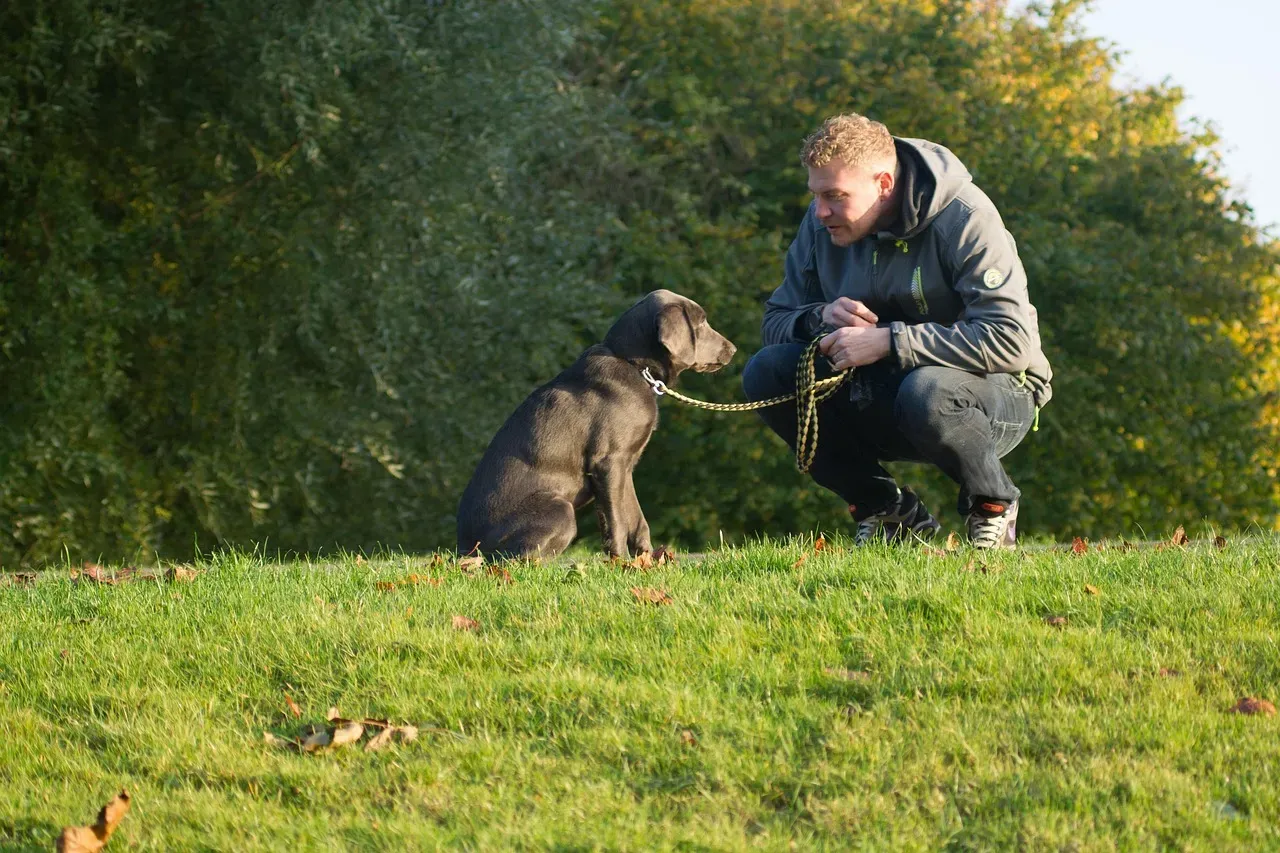
Walking your dog should be one of the most enjoyable parts of your day together. When done right, it strengthens your bond, keeps you both healthy, and provides essential physical and mental enrichment for your furry companion. The mistakes we’ve explored aren’t signs that you’re a bad dog parent. They’re simply common habits that many of us fall into without realizing their impact.
The beautiful thing is that every walk is a new opportunity to do better. Start paying attention to your equipment, slow down, watch your dog’s signals, and invest time in basic training. Adjust your routine to fit your dog’s unique needs and remember that walks are about so much more than just exercise. They’re adventures, bonding time, and windows into your dog’s world.
What changes will you make on your next walk? Your dog is already waiting by the door, tail wagging, ready to see what you’ll discover together.


