
I know the feeling. You’re standing at your front door, keys in hand, and there’s your dog already trembling, pacing in circles, or pawing anxiously at your legs. Maybe it’s the vacuum cleaner that sends them into full panic mode. Or perhaps every single thunderstorm transforms your beloved companion into a nervous wreck. It’s heartbreaking to watch someone you love so deeply struggle with fear and stress, especially when they can’t tell you what’s wrong.
Here’s the thing, though. Dog anxiety is a normal, even healthy emotion, just like in humans. The difference is when it becomes overwhelming and stops your pup from living their best life. Honestly, I’ve seen so many worried dog parents feel helpless in these moments, but you’re not powerless. There are practical, gentle ways to help your anxious friend find peace again, and you don’t need to become a certified behaviorist overnight to make a real difference. What follows are nine simple yet surprisingly effective tricks that can transform those nerve-wracking moments into opportunities for connection and calm.
Create a Predictable Daily Routine
Dogs are creatures of habit and thrive on predictability and structure. Think about it like this: when you don’t know what’s coming next, your brain goes into overdrive trying to prepare for every possibility. Your dog experiences the same thing.
Feeding times, exercise times, playtimes, and sleep times are all part of a routine. When these happen at roughly the same time each day, your dog’s nervous system can finally relax. They know breakfast comes at seven in the morning, the afternoon walk happens around three, and bedtime follows the evening news. Stay consistent as much as possible so your dog doesn’t get confused or stressed, since small changes in a schedule can trigger stress.
I’ve seen dogs transform simply because their humans started waking up at the same time each day. Predictability isn’t about being rigid. It’s about giving your dog the gift of knowing what comes next, which is one of the most calming things you can offer an anxious mind.
Use Music and White Noise as Sound Therapy
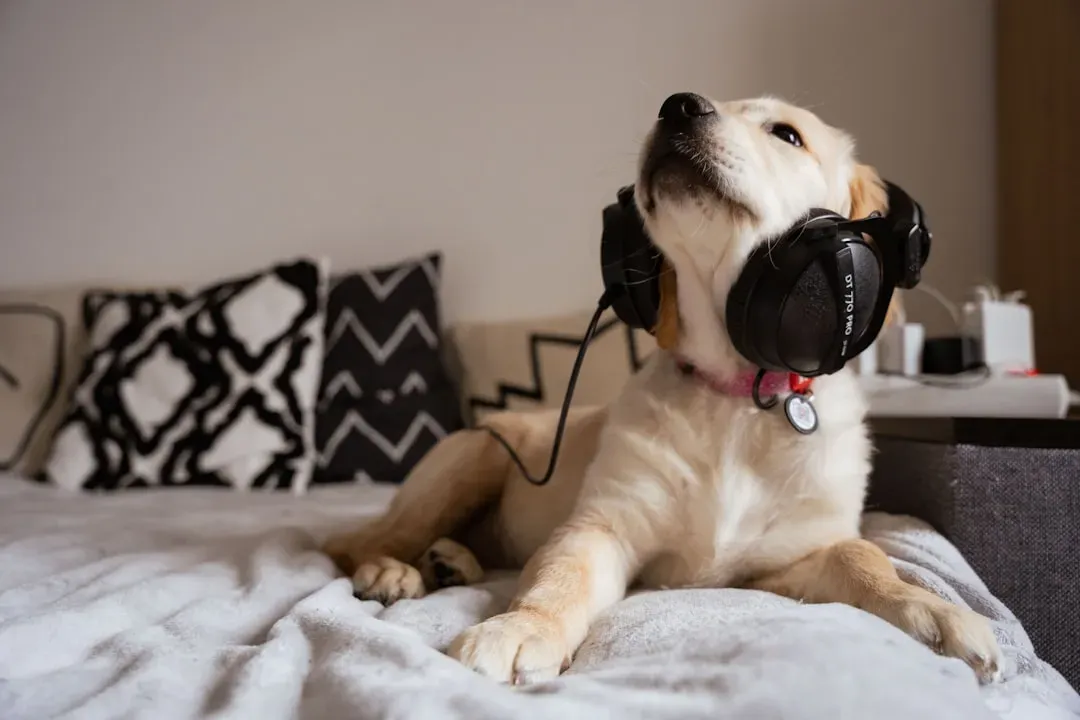
When dogs experience anxiety, music or white noise can help calm them down by providing a soothing and calming environment. There’s actual science behind this. Classical music has been shown to have a calming effect on dogs, which can help combat anxiety.
White noise or music can also drown out the unpredictable noises from thunderstorms or fireworks that trigger anxiety. If your dog loses it every time a truck rumbles past or when the neighbor’s kids start playing basketball, a steady stream of gentle sound can work wonders.
You don’t need fancy equipment. Many apps and playlists are specifically curated to calm and soothe dogs. Try leaving soft classical pieces playing when you leave the house or during stressful situations. Your dog might just surprise you by settling down into a peaceful nap instead of pacing anxiously.
Try an Anxiety Wrap or Calming Vest
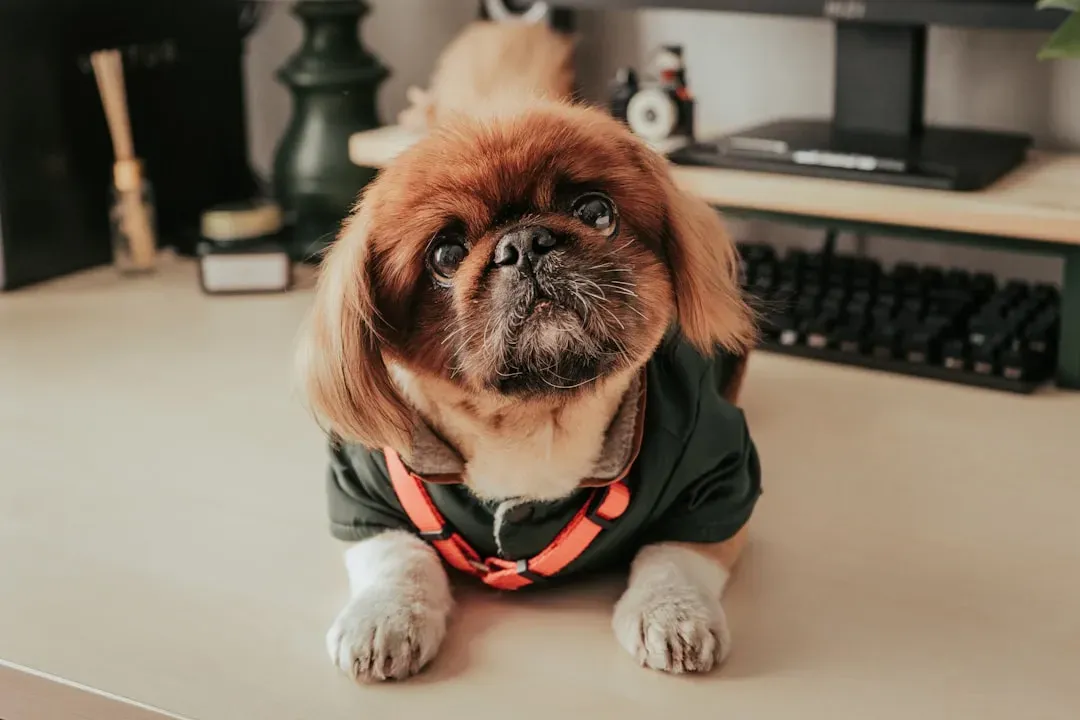
Thundershirts are garments that help dogs cope with many types of stressful situations by gently applying pressure to your dog’s body, which can make them feel hugged and soothe any anxieties. It sounds almost too simple to work, right? Yet the science checks out.
Anxiety clothing sits snugly around your dog, acting like an artificial hug, and the pressure actually releases endorphins, which help encourage a sense of well-being and calmness. Think of it like a weighted blanket for humans. That gentle, constant pressure signals the nervous system to calm down.
You’ll want to make sure the vest fits properly. Ensure the vest fits snugly and that it doesn’t irritate your dog, or wearing one could cause a further spike in anxiety. Start by having your dog wear it during calm moments first, so they associate it with positive feelings rather than only putting it on during storms or fireworks.
Increase Physical and Mental Exercise
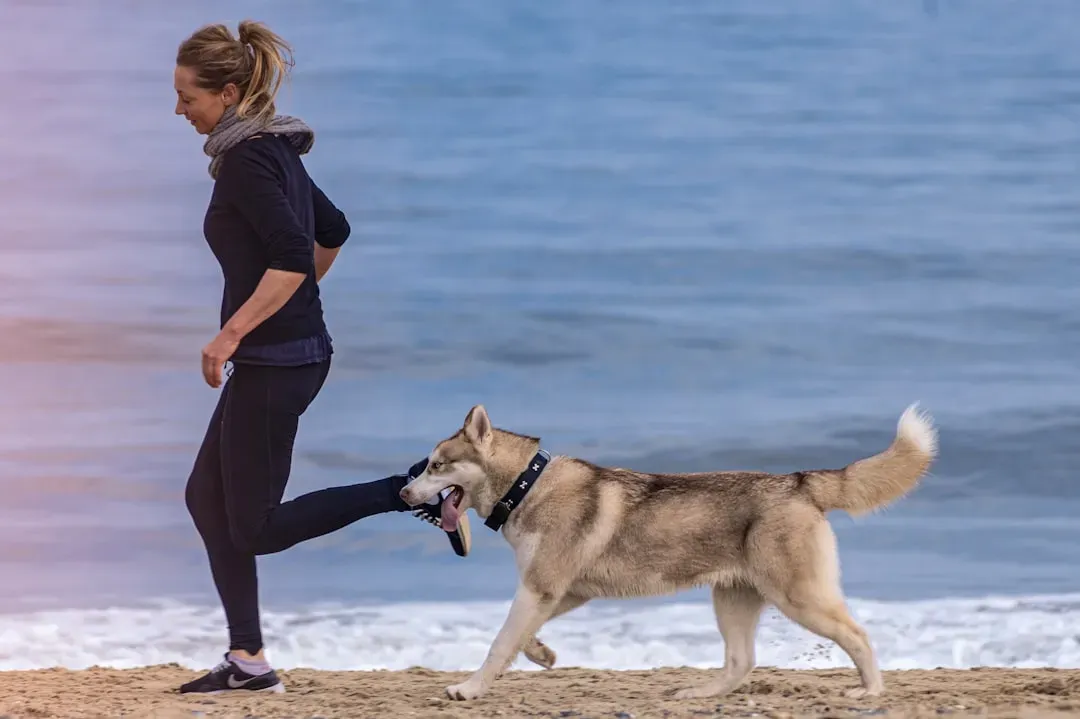
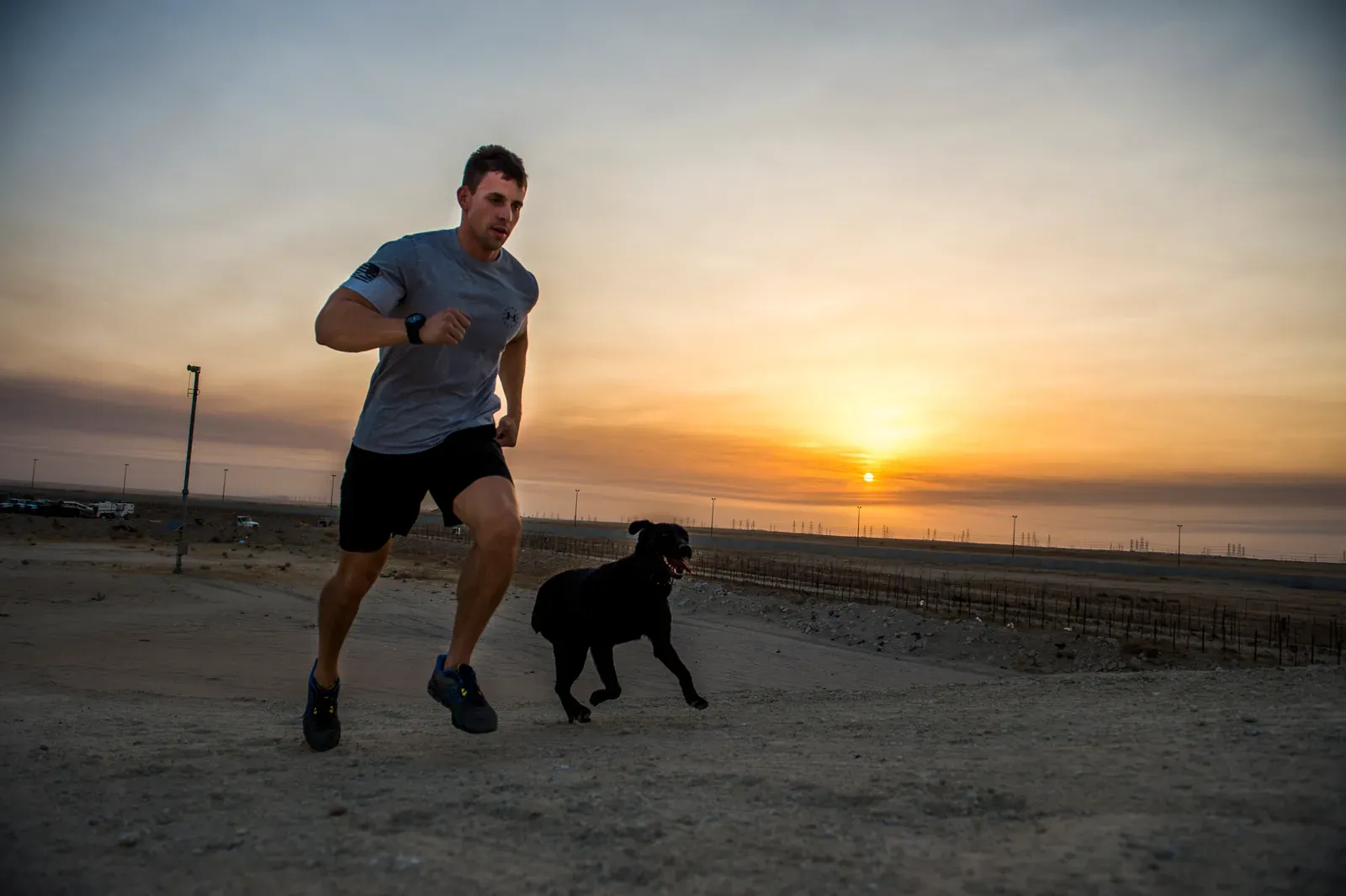
If your dog is anxious, there’s a good chance they’re not getting enough exercise. Let’s be real, a tired dog is usually a calm dog. That pent-up energy has to go somewhere, and if it doesn’t get released through healthy outlets, it often manifests as anxiety and destructive behavior.
Try taking your dog on long walks, going hiking with them, or introducing them to dog sports. Physical activity releases natural mood-stabilizing chemicals in the brain. Beyond just physical exercise, try introducing your dog to puzzle toys or scent games to stimulate their mind.
Mental stimulation is just as important as physical. A twenty-minute session of sniffing games or working on a puzzle feeder can tire out your dog’s brain just as effectively as a long run tires their body. When both mind and body are satisfied, anxiety has much less room to take hold.
Establish a Safe Space They Can Retreat To

Anxious dogs benefit from a safe place that they associate with positive things like treats, toys, or undisturbed rest, and a dog bed or mat is perfect for this because it’s portable. Every dog needs a sanctuary, a spot where they know they won’t be bothered and can just breathe.
This could be a crate with the door left open, a cozy corner with their favorite blanket, or a quiet room away from household chaos. The key is teaching them that this space belongs to them alone. Teach them to love that safe place by pairing it with rewards and pleasant experiences.
I know some people worry that giving their dog a hiding spot might reinforce anxious behavior, but that’s a myth. Actually, having somewhere to retreat when the world feels overwhelming gives your dog control over their environment, which reduces anxiety over time. Just make sure family members, especially young children, understand that when the dog is in their safe space, they’re off-limits.
Practice Desensitization and Counterconditioning
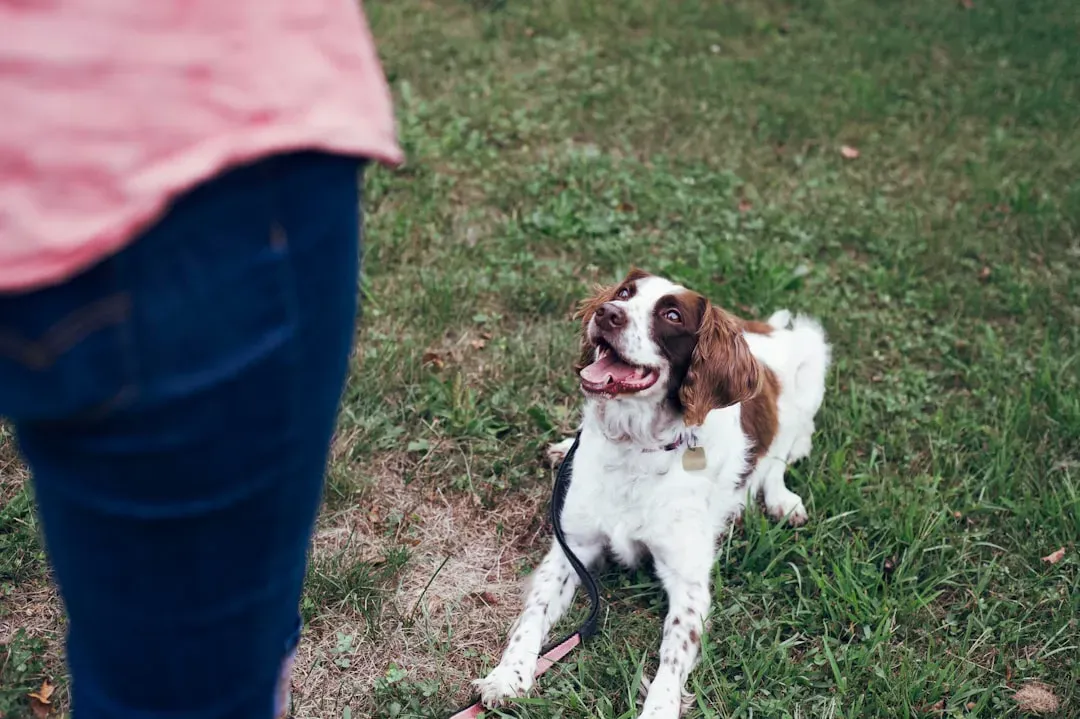
Desensitization techniques can be used to help your dog overcome fears and anxieties by gradually exposing your dog to the stimulus that’s giving them anxiety in a controlled and positive environment. This sounds complicated, but it’s actually quite straightforward once you understand the basic principle.
You can use counterconditioning, which associates the source of anxiety with positive experiences, and systematic desensitization, which gradually exposes your dog to anxiety while providing relaxation techniques. Let’s say your dog freaks out at the doorbell. You’d start by playing a recording of a doorbell at a very low volume while giving treats. Over many sessions, you gradually increase the volume while maintaining the positive association.
The trick is patience. It’s important to work with your veterinarian or behaviorist to ensure you approach this desensitization in a safe manner for your pup. Rushing this process or pushing your dog too hard can actually make anxiety worse, so take it slow and celebrate tiny victories along the way.
Consider Natural Calming Supplements
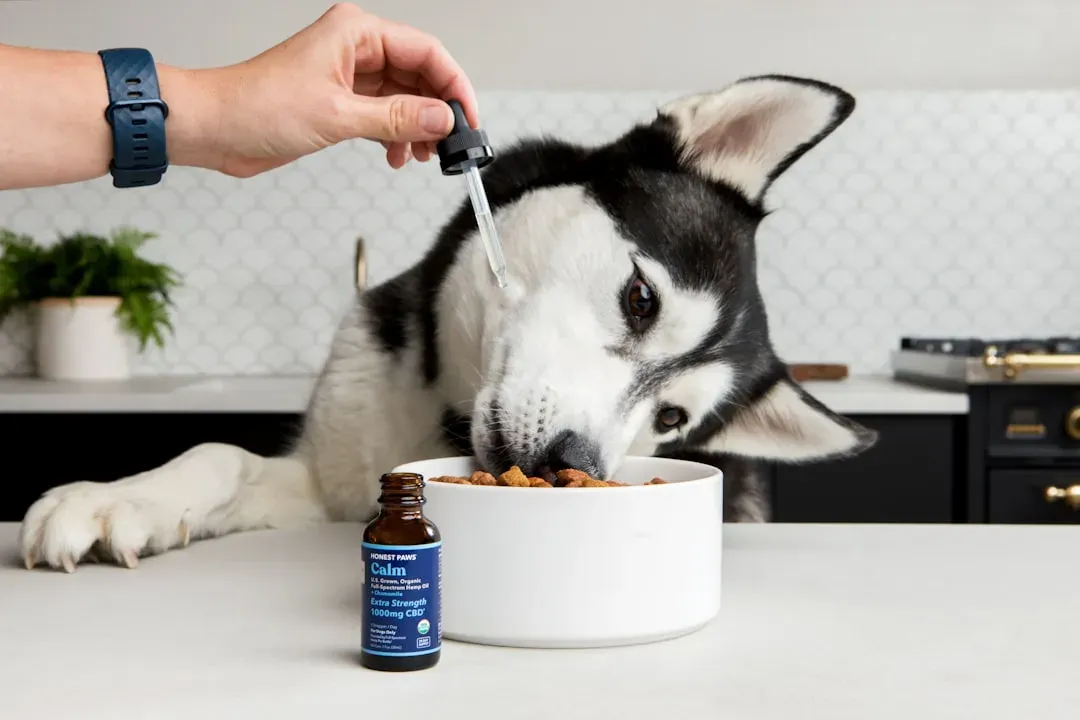
Common calming ingredients like probiotics, L-theanine, melatonin, and alpha-casozepine may help to reduce anxiety in dogs. Before you worry about side effects or medication, there are actually quite a few natural options worth exploring.
The gut microbiome has been associated with several behavioral problems in dogs, including fear and anxiety-related disorders, which is why probiotic supplements designed for calming have become popular. Alpha-casozepine has been shown to potentially reduce anxiety and fear of strangers in dogs.
Here’s what matters most: Always chat with your veterinarian first to determine the best dog calming supplement based on your dog’s health history. Not every supplement works for every dog, and some can interact with other medications. Natural doesn’t automatically mean risk-free, so professional guidance is essential before starting any new supplement regimen.
Teach a “Settle” or “Calm” Command
Training your dog to settle on cue is a practical part of teaching emotional self-control, where your dog learns to relax at your request, though your dog’s ability to comply will drop the more nervous they become. This trick gives you an active tool to help your dog when you see anxiety building.
First, teach your dog to settle in a calm situation without any distractions by interrupting a gentle play session and asking your dog to sit or lie down, then quietly praise and treat them. Once they understand the basic concept in easy situations, you gradually practice during slightly more challenging moments.
Add a cue like “settle” or “calm down,” then increase the duration of the settle and the intensity of the game before slowly adding distractions. This isn’t an overnight solution. It takes consistent practice over weeks or even months. The beautiful thing is that this command becomes a communication tool between you and your dog, giving them clear guidance when their own anxiety might be overwhelming their ability to think clearly.
Show Physical Affection and Massage
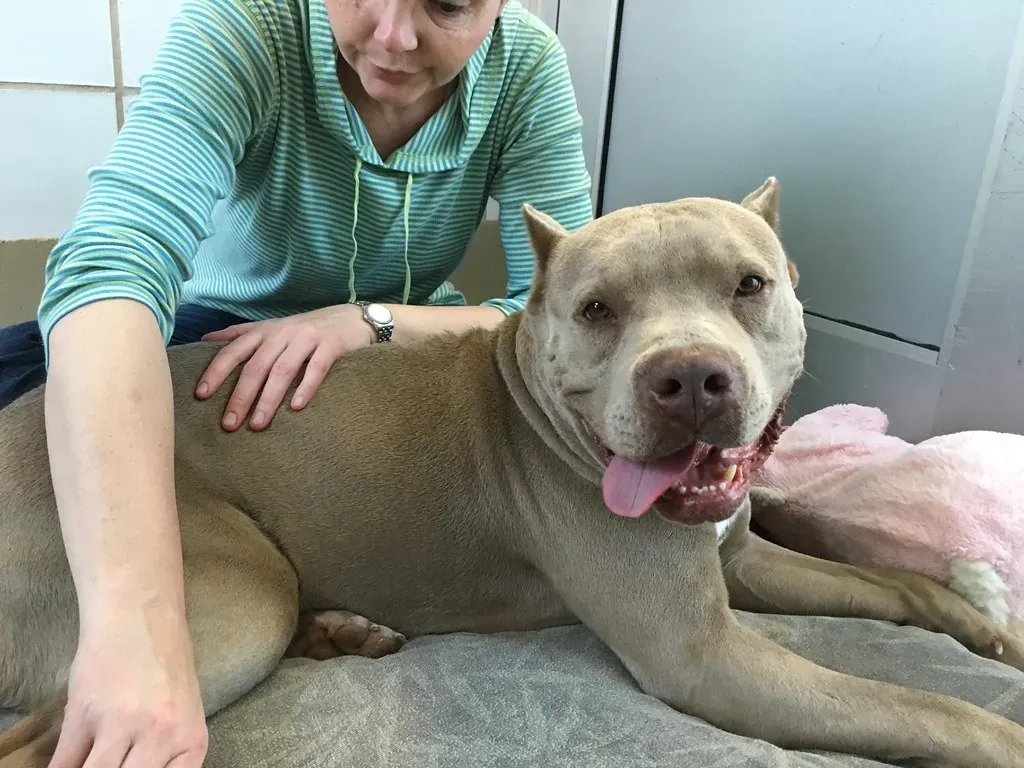
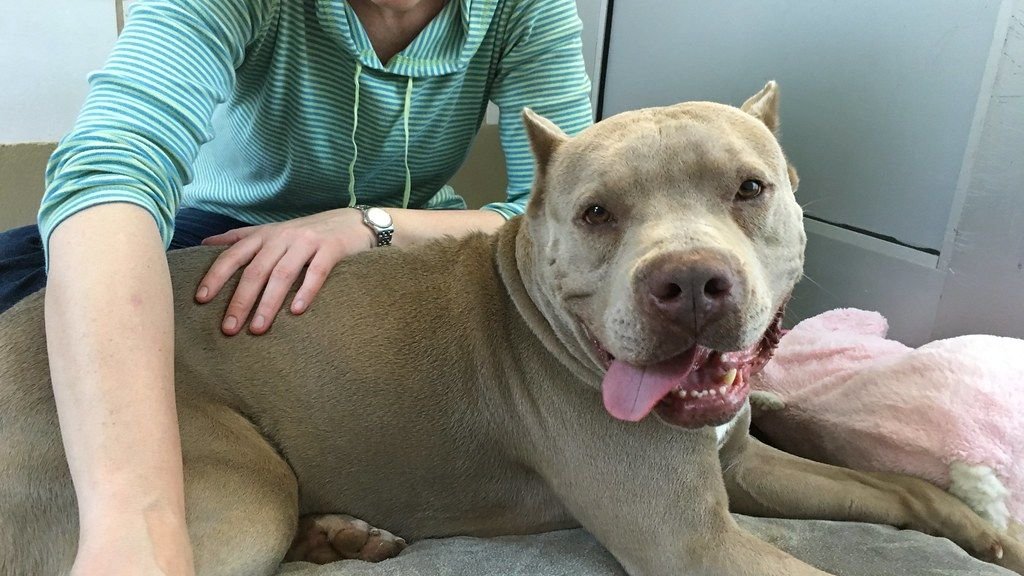
Massage can be a great way to help calm an anxious dog. There’s an outdated belief that comforting an anxious dog reinforces the anxiety, but recent research shows that’s simply not true. Your touch is powerful medicine.
Dog massage can be practiced at home by starting at the base of the skull and stroking up and down either side of your dog’s spine, being careful to stay off the bone, and you can also massage the legs, starting at the top and working to the feet. You need to apply some pressure, but not so much that it causes discomfort. At the very least, massaging your dog means that you are stroking it and paying it attention, which can help reduce anxiety anyway.
Pay attention to how your dog responds. Some dogs love a firm massage along their shoulders, while others prefer gentle strokes on their chest or ears. Your calm presence combined with gentle touch tells your dog that they’re safe and everything’s going to be okay.
Conclusion: Small Steps, Big Changes
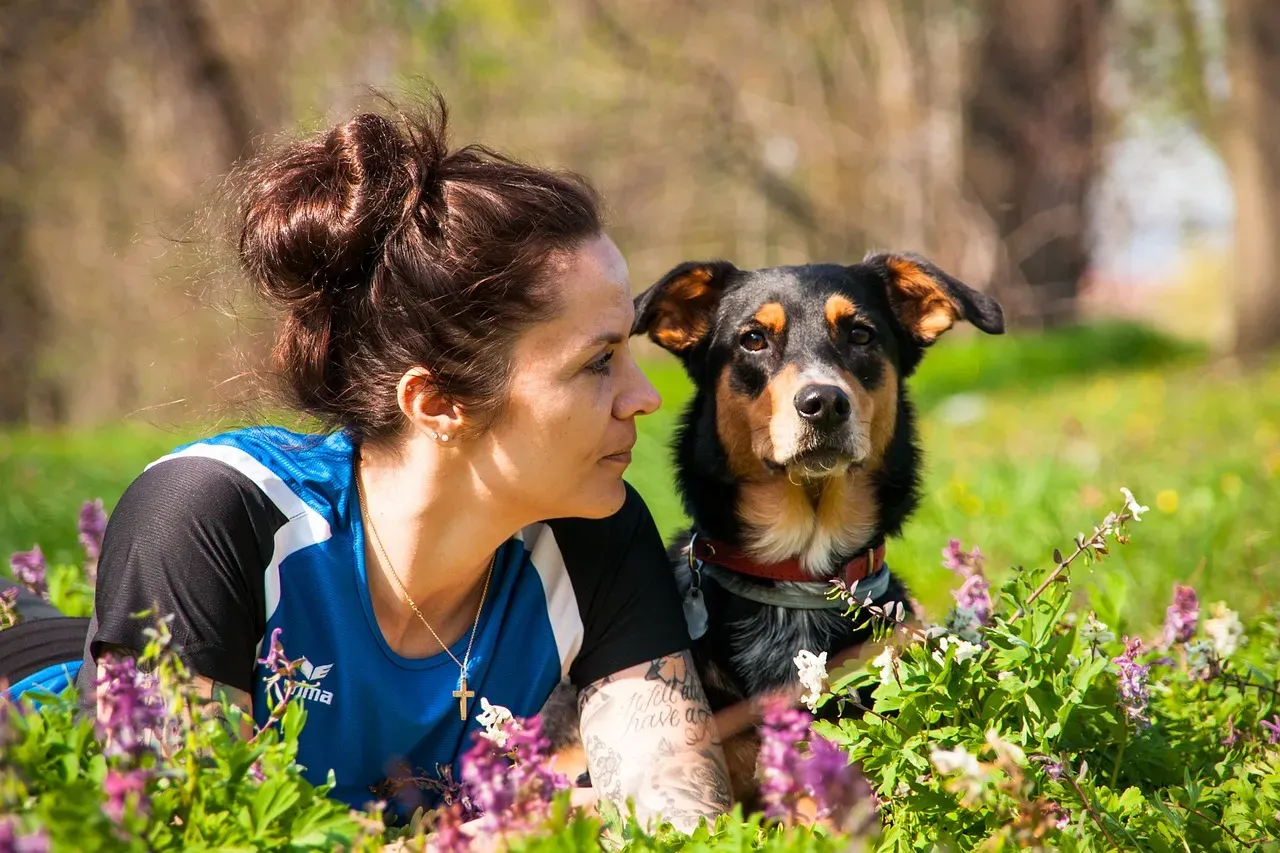
Transforming an anxious dog into a calm companion isn’t about finding one magic solution. It’s about layering these simple tricks together, being patient with the process, and understanding that progress might be slow but it’s absolutely possible. Every dog is unique, so it’s important to remember what works for one dog may not work for another.
Start with one or two techniques that feel most manageable for your lifestyle and your dog’s specific anxiety triggers. Maybe it’s establishing that daily routine or creating a safe space. Perhaps it’s the calming vest for thunderstorms or adding an extra walk to burn off nervous energy. Whatever you choose, consistency is your best friend here.
Remember, if you are concerned about the anxiety level of your dog, always consult a veterinarian. Sometimes anxiety has underlying medical causes, or it might be severe enough to benefit from professional behavioral support or medication alongside these natural approaches. You’re not failing if you need extra help. You’re being a responsible, caring dog parent who wants the best for their companion. What has worked best for your anxious pup? Have you tried any of these tricks yet?


