

You’ve caught them red-pawed again. The kitchen counter is suspiciously empty, your dog is licking their chops, and there’s definitely something guilty in those big brown eyes. Or maybe they’ve transformed your garden into something resembling a moon crater, or they’re dead set on sniffing every single blade of grass on your street walk despite your best attempts at forward progress. I know how frustrating these moments can feel. You might wonder why your brilliant companion who knows exactly where you hide the treats suddenly acts like they’ve never heard the word “no” in their life.
Here’s the thing, though. What if I told you those frustrating behaviors aren’t signs of defiance or stupidity? What if they’re actually evidence of your dog’s remarkable intelligence at work? Recent research into canine cognition is turning everything we thought we knew about “bad” dog behavior on its head. Those annoying habits might just be your pup’s way of showing off their problem solving skills, adaptability, and yes, their genius.
Counter Surfing Shows Advanced Problem Solving Skills

Let’s talk about the classic kitchen crime. Dogs counter surf typically because they have learned that kitchen counters are an easy source of yummy snacks, and when a dog behaves in a certain way and that behavior is rewarded or reinforced, they’re more likely to repeat that behavior in the future. That’s not stupidity, that’s actually a sophisticated understanding of cause and effect.
A 2012 experiment showed that dogs steal significantly more food when it’s dark versus when it’s light, suggesting that dogs take into account the human’s visual access to the food while making their decision to steal it. Think about what that means for a second. Your dog isn’t just grabbing food mindlessly. They’re assessing the situation, evaluating risk, and timing their heist for maximum success. That’s strategic thinking right there.
Counter surfing comes with a reinforcement format that is hard to beat because the reinforcement of consuming or playing with whatever good stuff a dog manages to collect is immediate, and the items a dog can get from a countertop are usually novel. Your pup has basically figured out the fastest route to a high value reward. It’s frustrating for us, sure, yet it demonstrates remarkable cognitive ability.
This behavior actually taps into something called adaptive intelligence, the problem solving and memory aspects of intelligence. Independent problem solving includes tests of problem solving, task persistence, and memory. When your dog remembers that one time three weeks ago when they scored half a sandwich, that’s excellent long term memory combined with the motivation to recreate success.
Selective Hearing Reveals High Level Social Intelligence

Your dog hears you perfectly well when you whisper the word “treat” from three rooms away. Yet somehow, when you call them to come inside from the backyard, they’ve gone mysteriously deaf. Honestly, it’s enough to make you question everything. The reality is far more interesting than simple disobedience.
There is enough evidence to indicate that species-wide one of the really special things about dogs is how well they understand humans, and they are very attentive to and responsive to us, which is a great social cognitive skill. Dogs are constantly reading our body language, tone of voice, and emotional state. When they choose not to respond, they’ve often weighed the options and decided the current activity is more rewarding than compliance.
Dogs are extremely skillful at following our communicative cues, especially our points and our gazes, going a step further by paying really close attention to how we interact with each other, with evidence suggesting that in some contexts, dogs will notice whether a human is helpful or unhelpful, and favor the helpful person. This level of social awareness requires serious brainpower. Your dog isn’t ignoring you because they’re dumb. They’re making calculated choices based on complex social information.
Dogs that spent the most time asking humans for help were, according to their owners, more obedient and easier to train in everyday life, and they also had fewer management issues. Interestingly, dogs who turn to humans when they can’t solve a problem independently show higher trainability. Sometimes what looks like selective hearing is actually your dog attempting to communicate their needs in the only way they know how.
Destructive Digging Demonstrates Natural Foraging Intelligence
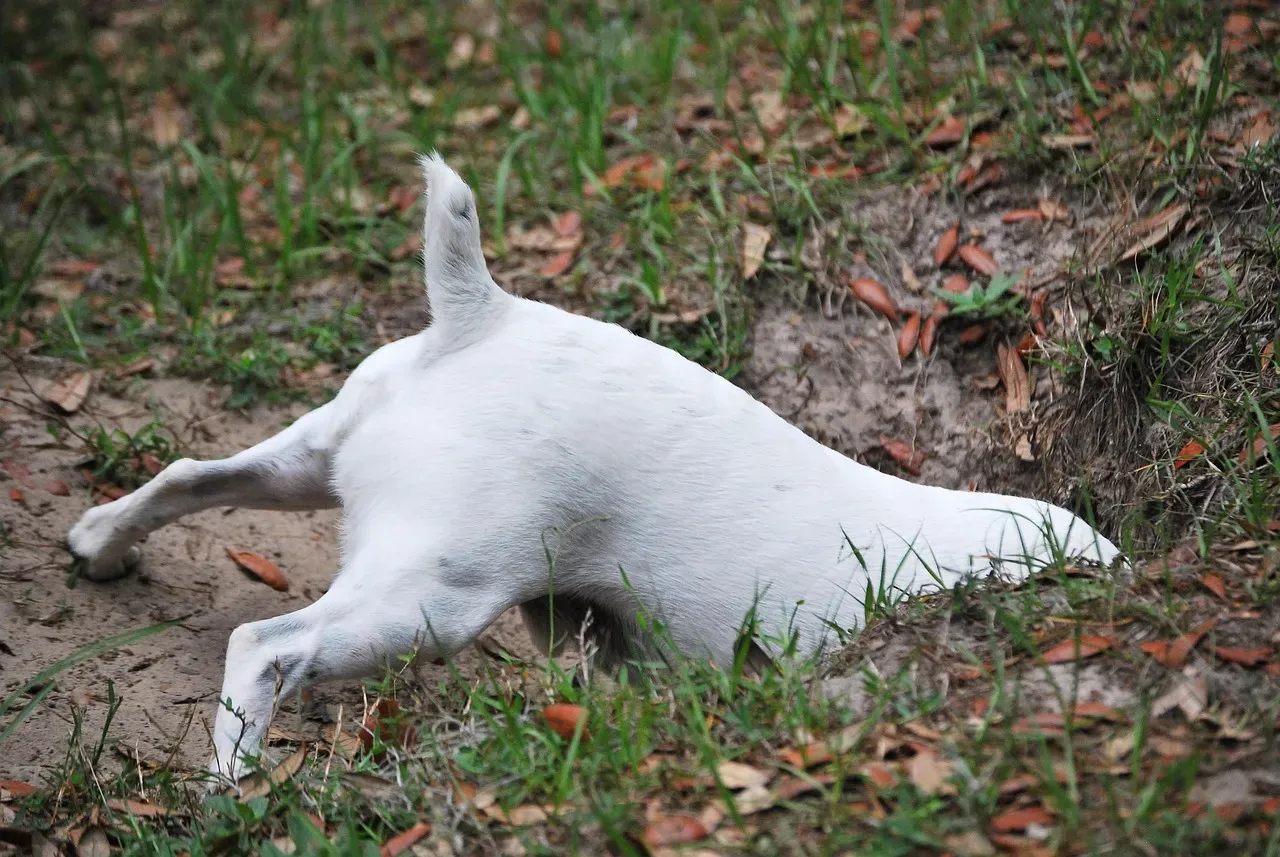
That freshly excavated hole in your prize petunias might look like pure chaos. From your dog’s perspective, though, they’re engaging in a perfectly logical activity that their ancestors relied on for survival. Dogs are foragers and finding food is a self-reinforcing behavior because not only does eating the food feel really good, the very act of seeking it out strengthens the dog’s desire to find their next tasty meal.
Dogs are probably not the social learners that people are and have an innate ability to solve problems on their own. When your dog digs, they’re tapping into instinctive behaviors that require spatial reasoning, persistence, and physical problem solving. They might be seeking cooler ground on hot days, creating a comfortable resting spot, or following fascinating scent trails underground.
Dogs are excellent hunters and foragers, and if your dog is an expert counter surfer, maybe he needs more opportunities to use his foraging and finding skills in environments and situations that are more appropriate, because if we pay more attention to WHY dogs do things, we can provide them with opportunities to fulfill their needs. The intelligence behind digging lies in your dog’s ability to identify problems like boredom or understimulation and attempt to solve them independently.
Dogs who dig are often demonstrating what researchers call independent problem solving. Independent problem solving includes tests of persistence, problem solving, and memory. That hole didn’t appear by accident. It required sustained effort, determination, and the cognitive ability to envision a desired outcome, then work toward it. That’s impressive, even if it’s currently ruining your landscaping.
Stubborn Leash Pulling Shows Determined Independence
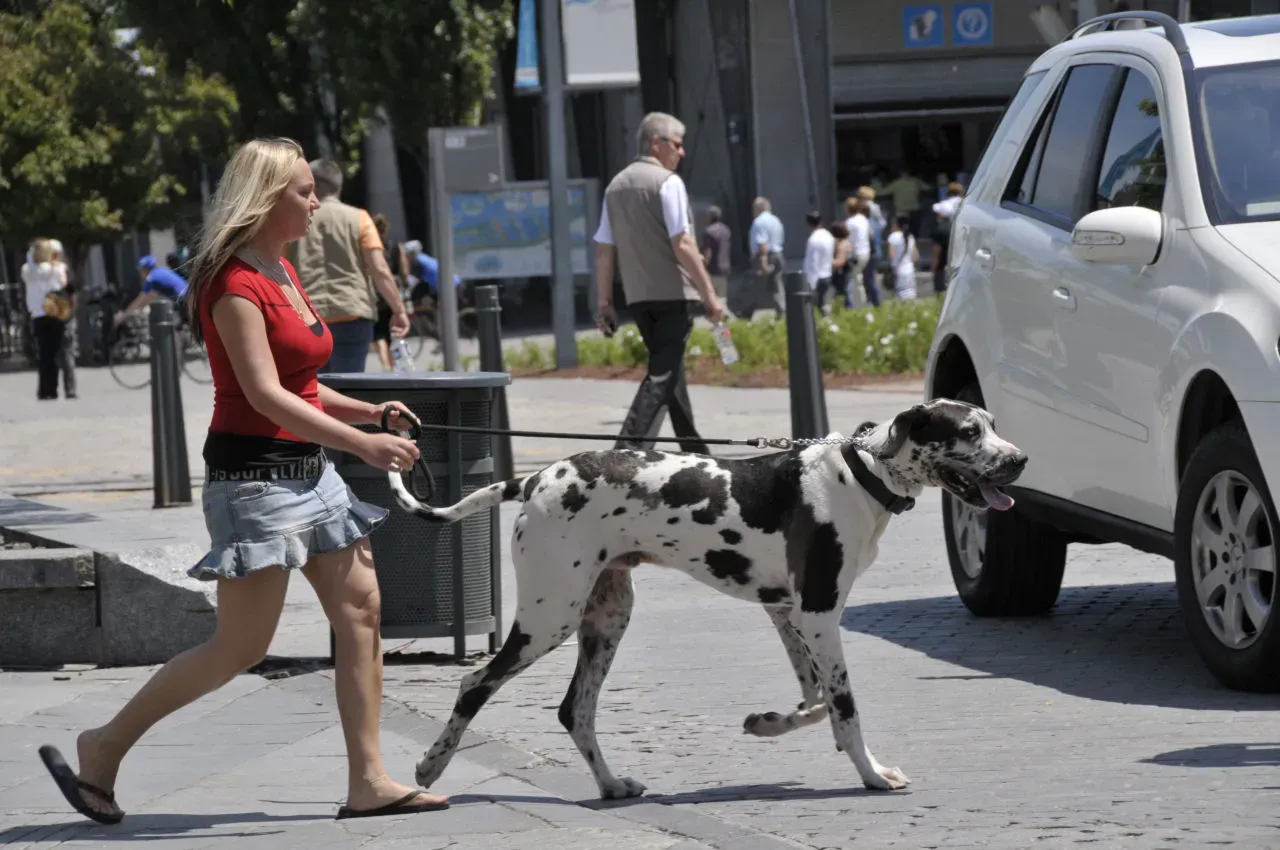
Your arm feels like it’s about to detach from your shoulder. Your dog is convinced that forward momentum at maximum velocity is the only acceptable walking speed. This isn’t just physical strength, it’s mental determination paired with a completely different set of priorities than yours.
Dogs that scored high on the g factor were more adventurous and curious about unknown environments, showed a heightened interest in new objects or situations, and excelled in learning new tasks. That relentless pulling might actually indicate high intelligence. Your dog wants to explore, investigate novel smells, and gather information about their environment. These are cognitively complex motivations.
Dogs that made the most mistakes in the cylinder test were more impulsive, and also more difficult to train in everyday life. Sometimes what we interpret as stubbornness is actually impulsivity, which is linked to how dogs process information and make decisions. A highly intelligent, independent thinker may simply struggle more with impulse control than a dog who naturally defers to human guidance.
Many dog breeds have been selectively bred for their social cognitive skills, such as sensitivity to and compliance with human guidance, rather than individual problem-solving abilities. If your dog pulls, they might be showing those independent problem solving abilities rather than the cooperative working style some breeds were specifically developed for. It’s a different type of intelligence, not a lack of it.
Getting Into Everything Signals Exploratory Genius
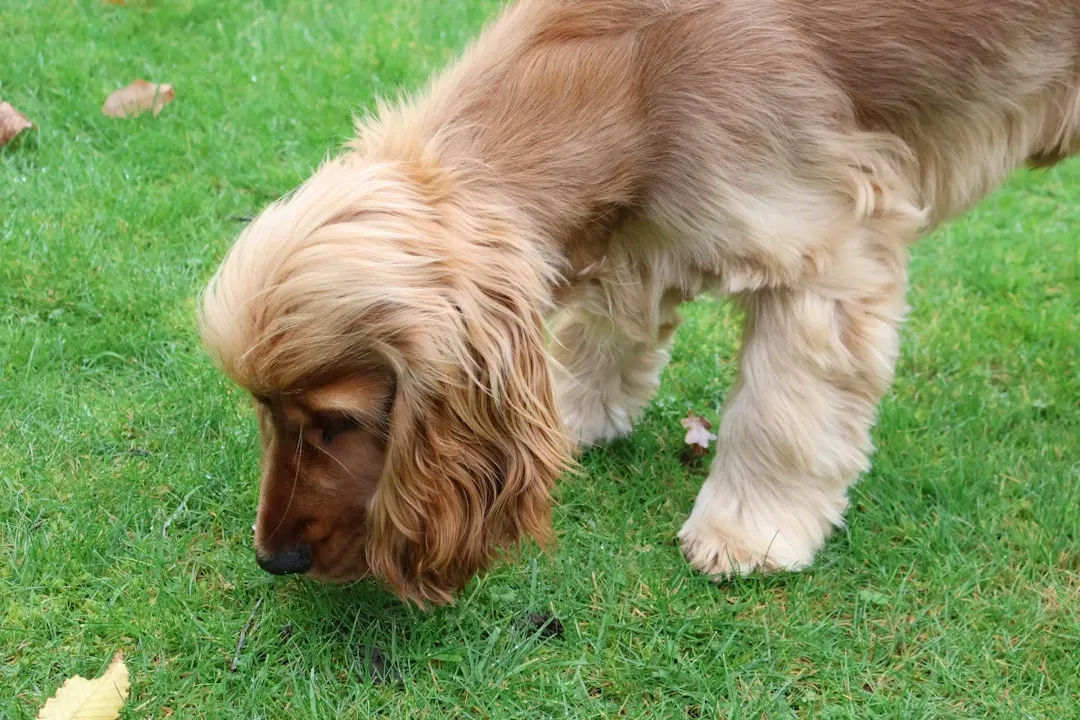
Nothing is safe. The trash can has been investigated thoroughly. The laundry basket has surrendered its contents. Your dog has somehow accessed the top shelf of the pantry, and you’re not entirely sure how they managed the physics of that particular feat. Before you despair, consider what this behavior really demonstrates.
Behavioral scientists uncovered a surprising set of social-cognitive abilities in the domestic dog, abilities that are neither possessed by dogs’ closest canine relatives nor by other highly intelligent mammals such as great apes, and these skills resemble some of the social-cognitive skills of human children. Your nosy dog is displaying curiosity, which is strongly linked to intelligence and learning ability across species.
Dogs have shown they are capable of more than just basic commands; they can solve complex problems, remember commands and locations, and even exhibit signs of empathy. When your dog gets into things, they’re gathering information, testing boundaries, and learning about their world. It’s essentially canine research and development happening right in your living room.
Researchers identified broad cognitive domains including problem-solving and learning ability that interlink to form a canine general cognitive factor, and dogs with better problem-solving skills generally learned new tasks more quickly. The more your dog investigates and explores, the more they’re building their cognitive abilities. Yes, it creates chaos, yet it’s also building a smarter, more adaptable animal.
Checking out what might be lingering on the kitchen counter offers many interesting sights and smells for a bored or under stimulated pup, and mental and physical enrichment is very important for dogs, because too little enrichment can lead them to seek entertainment. Your dog might simply be addressing their own need for mental stimulation in the most creative way available to them.
Ignoring Commands in New Places Shows Contextual Learning

Your dog is a star pupil at home. They sit, stay, and come like a champion. Then you take them to the park and suddenly they act like they’ve never met you before in their life. It’s not amnesia. It’s actually evidence of sophisticated learning processes at work.
Dogs raised in close contact with humans tend to rely much more on people to guide and direct them, and synaptic plasticity, which is widely believed to be the cellular correlate of learning and memory, may have altered the learning and memory abilities of dogs. What your dog has learned is highly context specific. They’ve mastered behaviors in one environment, which is genuinely difficult, yet generalizing those behaviors to new locations requires even more advanced cognitive processing.
If a dog finds learning difficult or is slow to pick up on a person’s cues, it doesn’t necessarily mean she’s not smart, as she might learn in a different way from what you expect or need a different environment to learn in, because learning is influenced by the environment in which a dog is raised. Your dog isn’t being difficult. They’re demonstrating that they understand behaviors are tied to specific contexts, which requires categorization, discrimination, and complex memory processes.
Dogs with better problem-solving skills were generally found to learn new tasks more quickly, and this interconnection confirms the existence of some higher-order cognitive factor, which looks very much like what investigators of human intelligence refer to as the G factor. The fact that your dog can learn the same behavior multiple times in different contexts shows mental flexibility and adaptability, core components of intelligence.
Each time you practice commands in a new location and your dog eventually succeeds, they’re not just learning the command again. They’re learning how to learn, developing meta-cognitive skills that will help them adapt to future novel situations more quickly. That’s the kind of intelligence that lasts a lifetime.
Conclusion

The next time your dog does something that makes you want to tear your hair out, take a breath. Look at the behavior through a different lens. That counter surfing bandit has demonstrated strategic thinking, risk assessment, and excellent memory. Your selective listener is actually a social genius who understands far more than they let on. The digger is an independent problem solver. The puller is driven by curiosity and a thirst for information.
None of this means you should accept destructive or dangerous behaviors. Management, training, and providing appropriate outlets for these cognitive abilities are essential. Yet understanding that these behaviors stem from intelligence rather than stupidity or malice changes everything. It helps us approach training with empathy, patience, and respect for the remarkable minds our dogs possess.
Our dogs are smart, they understand us, and they respond to our requests. When we recognize the genius behind the frustration, we can work with our dogs rather than against them, channeling their considerable mental abilities into behaviors that work for both of you. What do you think about your dog’s “bad” habits now? Have you seen signs of their genius hiding in plain sight?


