
You know that feeling when you find the perfect chew toy? Your pup’s eyes light up, their tail wags furiously, and you feel like you’ve just won parent of the year. You watch them contentedly gnaw away while you sip your coffee, thinking you’ve finally cracked the code to a quiet afternoon.
Here’s the thing, though. That innocent looking toy sitting in your dog’s mouth right now could be quietly putting their health at risk. I’m not trying to scare you, honestly. This is just one of those topics where what we don’t know can genuinely hurt the furry friends we’d do absolutely anything to protect. So let’s dive in and talk about what’s really hiding in that toy basket.
The Toxic Chemical Cocktail in Soft Plastic Toys
Unlike toys designed for children, the pet toy industry isn’t held to the same stringent safety standards. Think about that for a second. Dog toys are not regulated by the FDA and only regulated by the Consumer Product Safety Commission in regard to dog toys that may pose risks to humans. Basically, nobody’s really watching out for Fido.
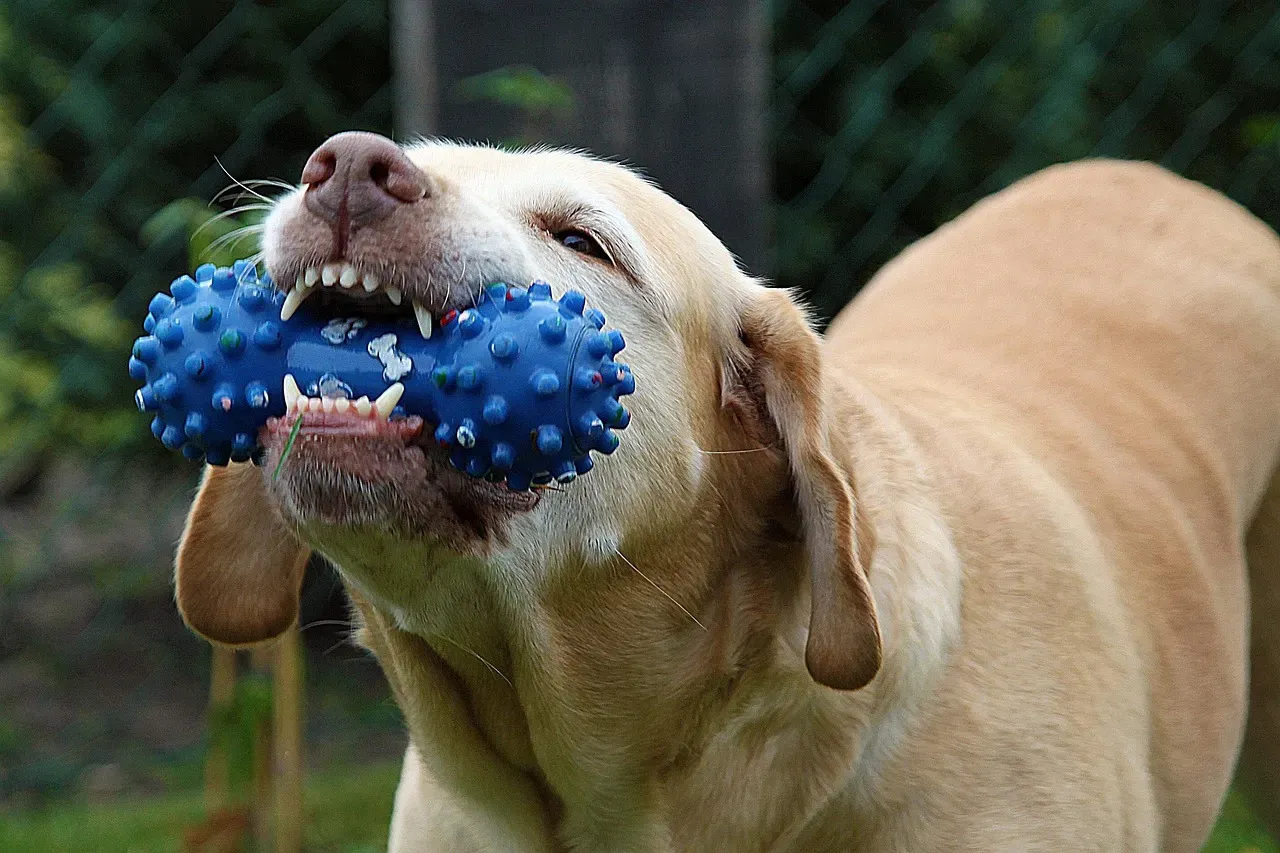
Those soft, squishy vinyl toys your dog loves? Manufacturers often add phthalates to vinyl dog toys and chews, which are chemicals that are used to soften plastic and make it more flexible. The more your dog plays and chews on vinyl, the more phthalates seep out. These toxins move freely and can be absorbed into your dog’s gums or skin. Even worse, phthalates, common in soft vinyl toys, have been connected to endocrine disruption, which can interfere with your pet’s hormonal balance.
PVC is a naturally hard plastic that can be found in some dog toys. Manufacturers add other compounds such as phthalates to soften it so that dogs can chew on the toys. As the toy starts to tear, it releases chlorine which can be ingested by the dog.
Heavy Metals Lurking in Your Dog’s Favorite Tennis Ball
I know it sounds crazy, but that classic tennis ball might contain more than just felt and rubber. Cheaply produced toys, especially those from countries with relaxed manufacturing regulations, might contain lead, cadmium, or other toxic heavy metals in their paints or plastics.
Cadmium is found in the dye of certain plastics used to make dog chew toys. Exposure to large amounts of cadmium disrupts the dog’s calcium metabolism, resulting in a deficiency that negatively impacts the joints and kidneys. Cadmium has also been shown to cause lung tumors and leukemia when ingested by dogs. Let that sink in for a moment.
Lead presents another terrifying reality. If a dog chews and ingests pieces of a toy containing lead, it can lead to severe poisoning, affecting the nervous system, gastrointestinal tract, and other organs. Your dog doesn’t even need to swallow chunks of the toy. The lead can leach out of the toys and be swallowed with the dog’s saliva and be absorbed into the bloodstream through the gut.
When Rawhide Chews Become Dangerous Gambles
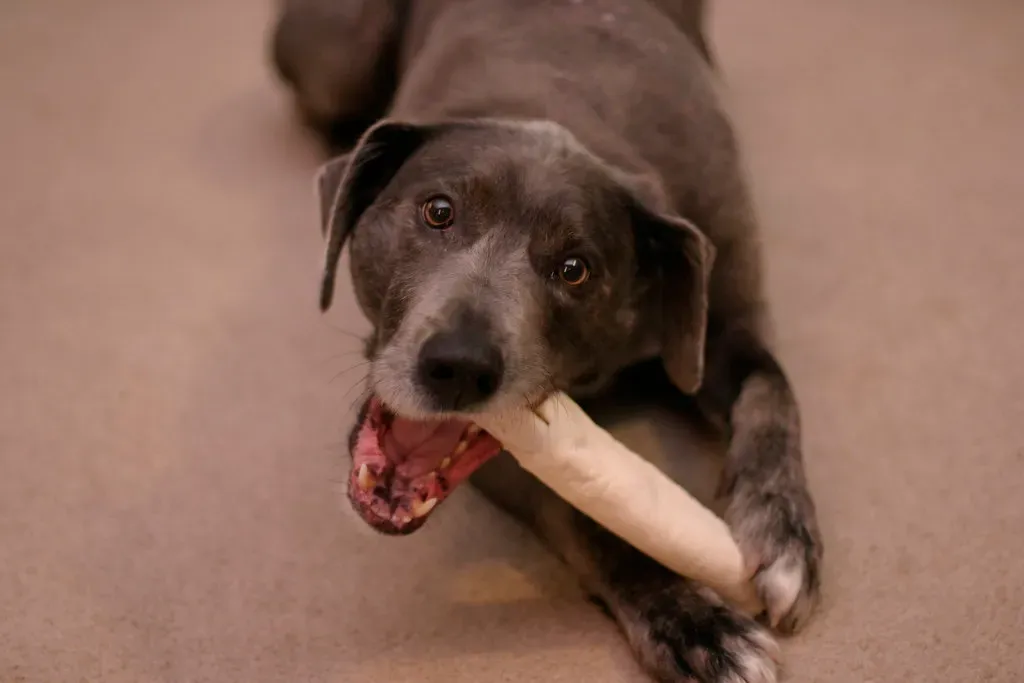
Rawhide. It’s been around forever, right? Many of us grew up seeing dogs happily working away at these treats. Rawhides are meant to be long-lasting chews that break down into tiny, soft pieces over time. However, strong chewers may able to break off large chunks that can pose a choking hazard or cause an intestinal blockage if swallowed. Both of these scenarios are potentially life-threatening events.
But the physical dangers are only part of the story. During the manufacturing process, rawhide is often soaked in a cocktail of chemicals to preserve it and enhance its flavor. These chemicals can include formaldehyde or chromium salts, which may pose risks to adult dogs and young puppies alike.
Formaldehyde is often found in rawhide and is mainly used as a preservative in dog chew treats. Manufacturers coat their dog toys with this chemical to make them more durable. It can thus be easily absorbed through the skin, inhaled through the nose, or ingested as the dog chews away. Prolonged exposure to formaldehyde can elevate the risk of certain cancers.
The Hidden Choking Hazards Inside Innocent Looking Plush Toys
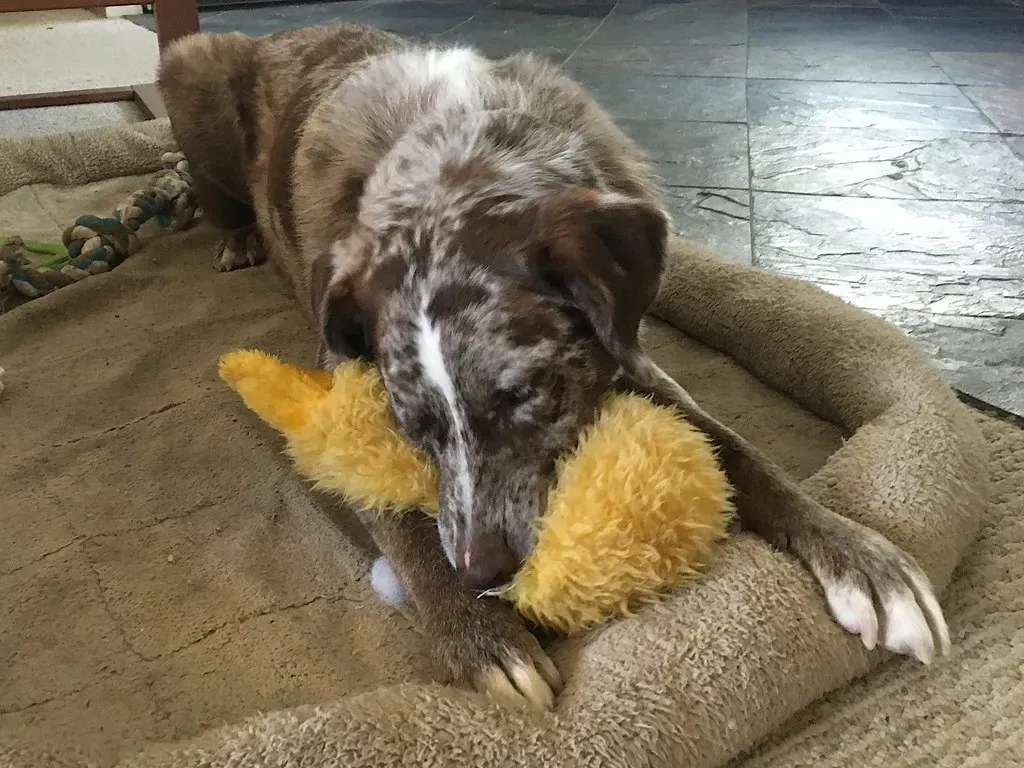
Plush toys seem harmless enough. They’re soft, cuddly, and your dog carries theirs around like a beloved baby. Toys with stuffing can be hazardous if dogs tear open the toy and ingest the stuffing, which can cause blockages or intestinal damage.
Those little squeakers inside? Toys with added parts like plastic eyes, bells, or internal squeakers can be a major hazard. A dog can easily tear these pieces off and swallow them, which could cause a severe intestinal blockage requiring emergency surgical intervention.
Rope toys pose their own unique threat. When these toys fray, strands of rope or string can be swallowed and get stuck in your dog’s digestive tract. This type of obstruction can make your dog’s intestines bunch up, causing life-threatening damage. Removing these objects requires surgery. That playful game of tug might have consequences you never imagined.
Warning Signs Your Dog’s Toy Is Too Dangerous
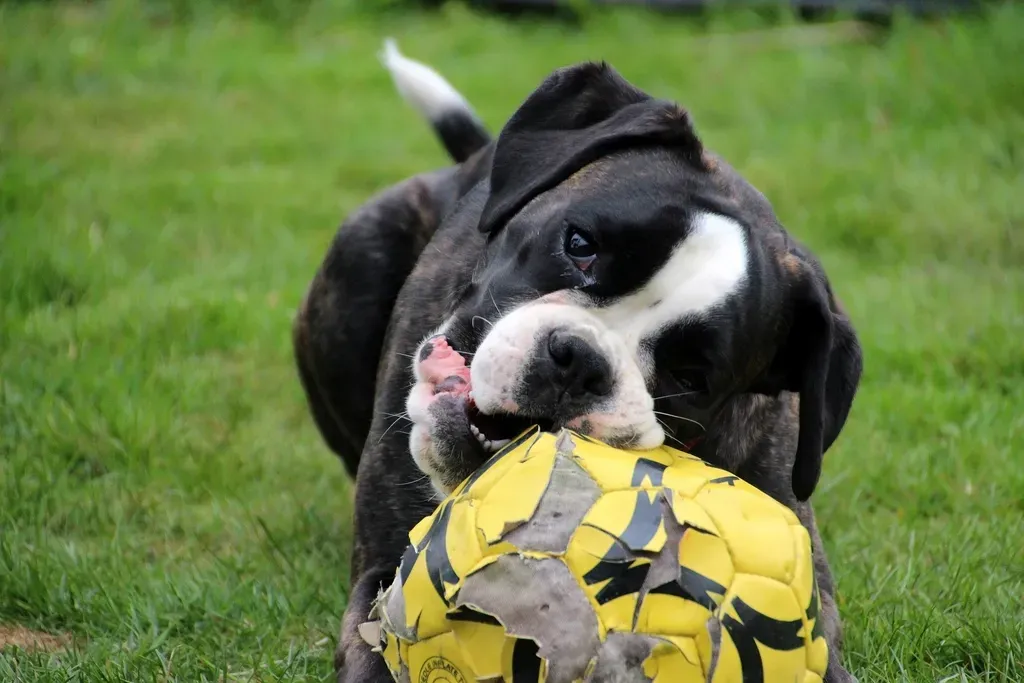
So how do you actually know if a toy crosses the line from safe to seriously risky? Let’s be real, not every toy will harm every dog. Your ten pound terrier and your hundred pound mastiff have vastly different chewing styles and needs.
An easy guideline is the thumbnail test: if you can’t make a small dent in the toy’s surface with your thumbnail, it’s too hard for your dog’s teeth and could cause a fracture. Seriously, try it right now with your dog’s favorite chew. Press your thumbnail into it. If it doesn’t give at all, that toy could crack a tooth.
Watch for these red flags: Promptly remove any toys that show signs of fraying or breakage, as damaged toys can be dangerous. If you notice your dog’s mouth or gums bleeding during play, it’s a good idea to switch to a gentler option. Blood should never be part of playtime.
It’s crucial to replace damaged toys to prevent injury and choking hazards. I know that Kong cost you twenty bucks and your dog’s only had it for three months, but if chunks are coming off, it’s time to let it go.
Smart Shopping Strategies for Safer Chew Toys
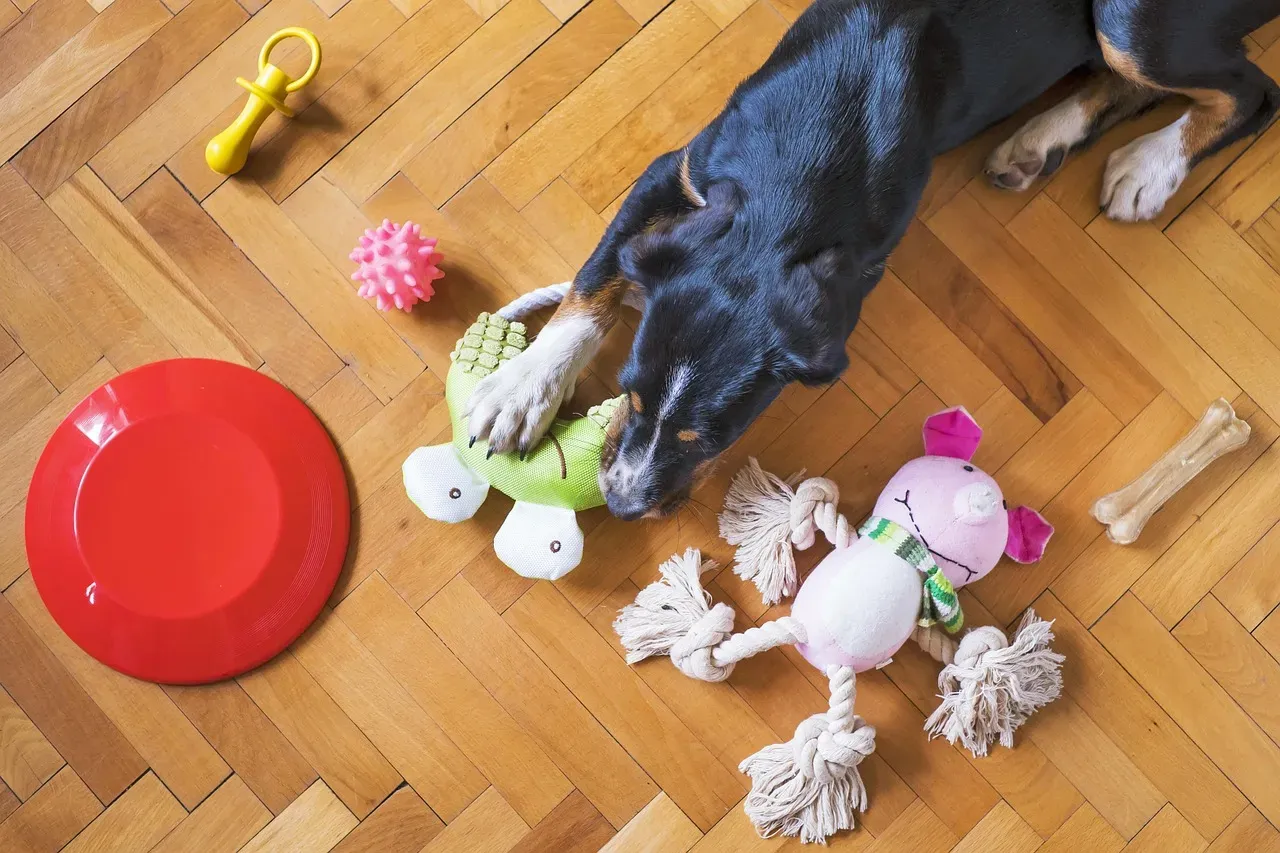
Alright, so now you’re probably eyeing your dog’s toy collection with newfound suspicion. What can you actually buy that won’t keep you up at night worrying?
Look for products that are labeled as BPA-free, phthalate-free, lead-free, and made from non-toxic materials like natural rubber or organic cotton. Companies that voluntarily label their products this way are at least showing they care about what goes into them.
For safe and healthy dog chew toys, look for toys made from sturdy materials such as rubber, silicone, or nylon, which can withstand your dog’s strong jaw. Natural rubber is generally your friend here. Rubber and silicone are usually good materials options for safe, non-toxic dog toys. These materials are durable, yet pliable enough not to cause damage to your pet’s teeth.
Where the toy is made matters more than you might think. Toys made in China have been associated with safety concerns since they may contain harmful chemicals or materials toxic to dogs. This is why it’s important to choose toys made by reputable manufacturers that use high-quality materials and follow safety standards.
Don’t just trust the cute packaging. Do your homework. Check the FDA’s recalled products list regularly. Look up the brand on the Healthy Stuff Product Search database to see if they’ve been tested for toxic chemicals. If a toy has that distinctive chemical smell when you open the package? Pass.
Your Role in Keeping Playtime Actually Safe
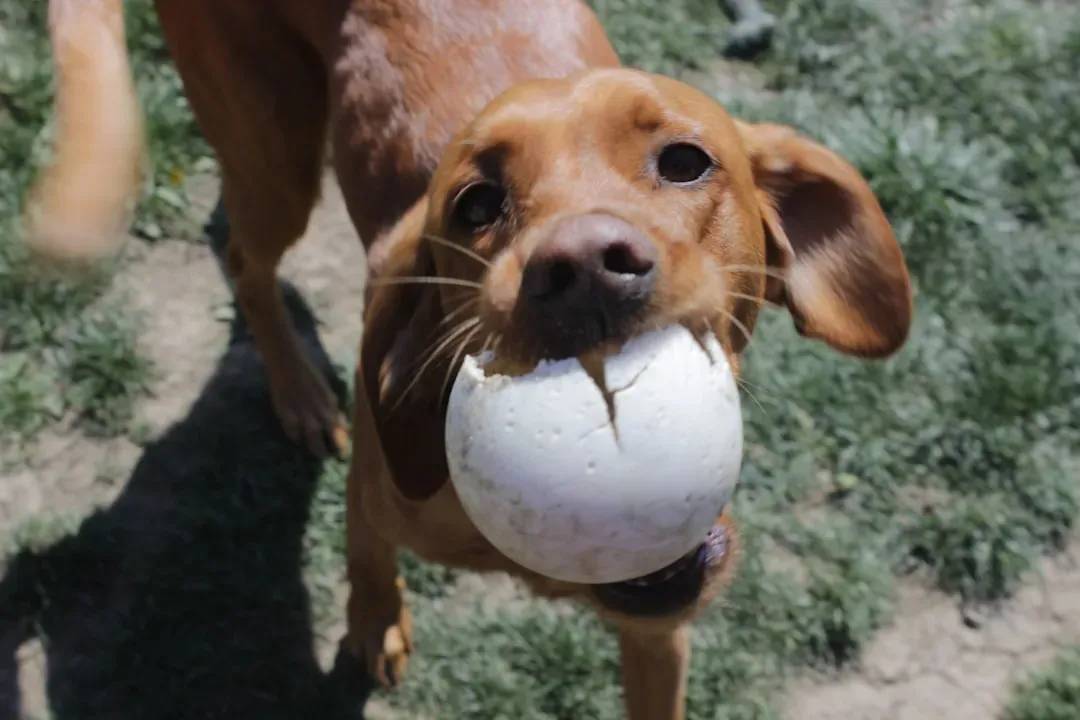
Here’s where I need you to pay close attention. Even the safest toy in the world becomes dangerous without supervision. Supervise your dog when playing with a new toy. Throw toys away when they start to fall apart. Loose pieces can become a choking hazard if swallowed.
It’s also important to clean, replace, and rotate your dog’s toys regularly. Cleaning toys helps to reduce the spread of bacteria. If they are getting really dirty and you can’t wash them, replace them. It’s crucial to replace damaged toys to prevent injury and choking hazards.
Size truly matters. Chews should be bigger than your dog’s snout and slightly wider than their mouth. That adorable miniature chew toy is perfect for a chihuahua but could spell disaster for your labrador.
Match the toy to your dog’s personality and chewing style. Is your pup a gentle nibbler or an aggressive destroyer? Understanding your dog’s play style, needs, and preferences helps you choose types of toys that are fun, safe, and healthy. Choosing toys that match a dog’s play style can enhance engagement and safety.
We all want what’s best for our dogs. They trust us completely to keep them safe, and honestly, that responsibility weighs on me every single day. The good news is that armed with this knowledge, you can make smarter choices about what goes into that toy basket. Check those labels, do the thumbnail test, supervise playtime, and don’t be afraid to toss a toy that’s seen better days.
Your dog might give you those sad puppy eyes when you take away their beloved but dangerous toy, but their health is worth a few minutes of disappointment. What do you think about it? Have you checked your dog’s toys lately? Tell us in the comments.


