
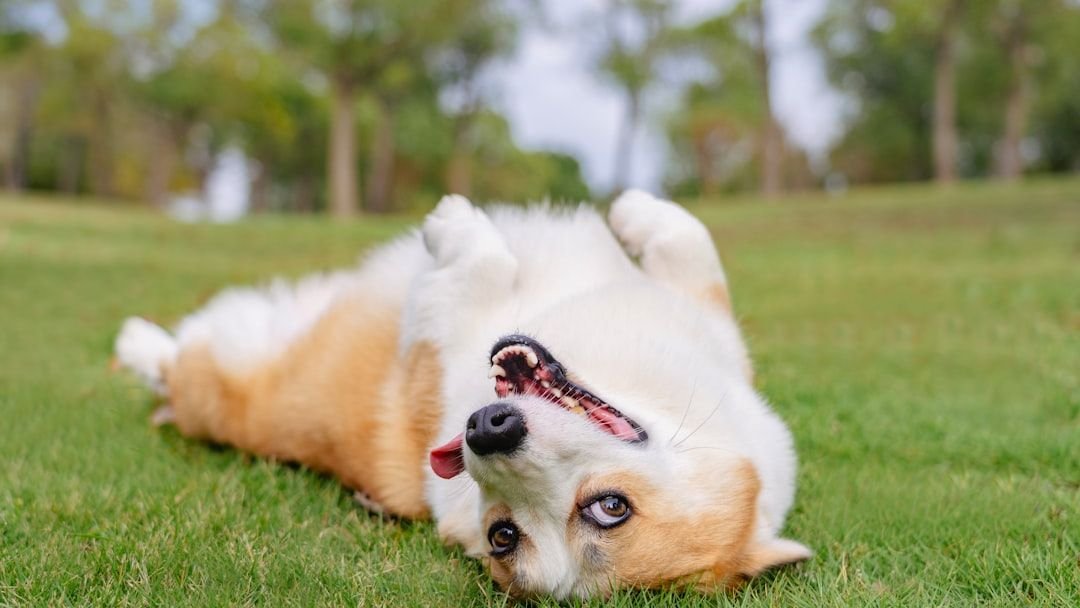
You come home from work, and there’s your dog, tail wagging, rolling onto their back with that sweet belly exposed. Your heart melts instantly. How could you resist diving in for a good belly rub session?
It feels like the most natural thing in the world. Your pup seems to love it, you love it, and it’s become this ritual between you both. Here’s the thing though: What if I told you that belly rubs might not always be what your dog is asking for, and that even when they are, there’s such a thing as too much of a good thing? Let me walk you through what science and canine behavior experts have discovered about this beloved interaction.
The Real Reason Dogs Roll Over
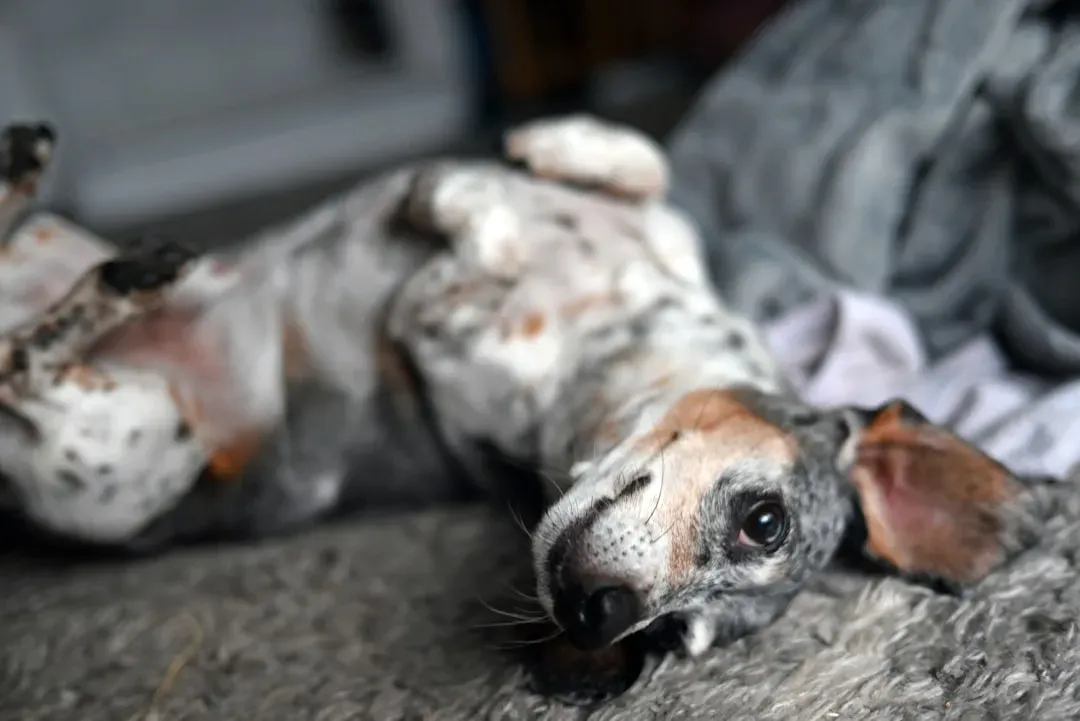
Let’s be real, not every belly exposure is an invitation for rubs. When dogs do a submissive or fearful rollover, their body will be tense and stiff, and they’ll either avoid eye contact or show what’s called whale eye, where their head is slightly turned and their eyes are wide with the whites showing. A tap out is a sign the dog is uncomfortable, overwhelmed, or surrendering, exposing the vulnerable belly and genitals to indicate a desire to avoid conflict.
Think about it from their perspective. Dogs can’t tell us with words what they need, so they use their whole body to communicate. When a dog rolls over and offers you its belly, it’s just as likely to be saying stop, I’m no threat to you, back off, as they are to be saying come on, I love a good belly rub.
When Your Dog Actually Wants Belly Rubs
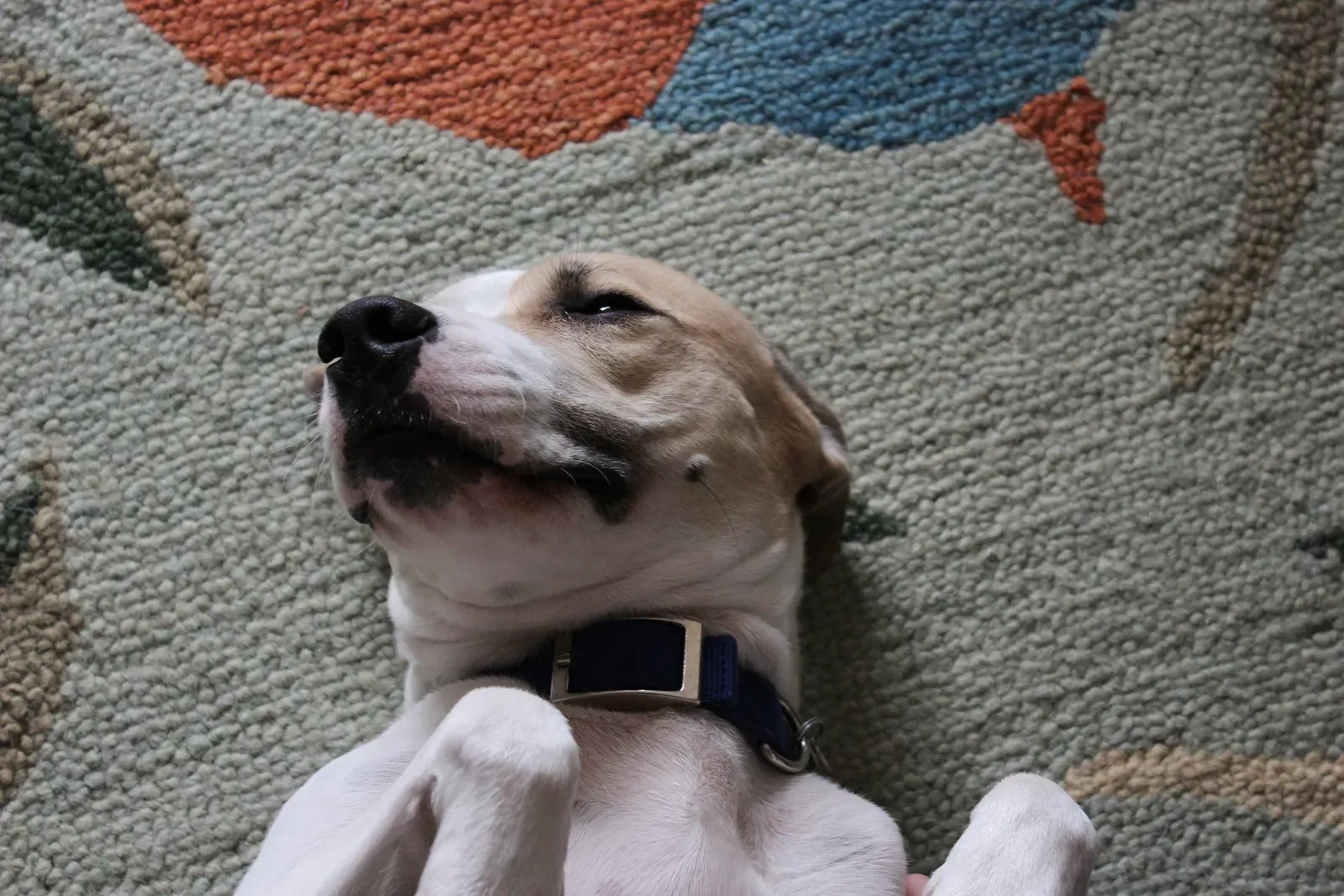
Now, here’s how you know your dog genuinely wants that tummy tickle. A dog that’s truly soliciting belly rubs will have a relaxed, wiggly body, tail wagging, open mouth maybe with their tongue out, and will be making eye contact with you, and they might even paw at you or nudge you, and they’ll approach you and then flop over. See the difference?
In as little as three minutes of physical interaction with their humans, dogs experience an increase in happy hormones like oxytocin, a decrease in stress hormones like cortisol, and a change in heart rate. That’s pretty powerful stuff. The belly is packed with nerve endings, and when you scratch or rub there, you’re sending feel-good signals straight to your dog’s brain.
But I think what gets overlooked is that your dog also learned this behavior works. They figured out that rolling over produces the consequence of getting your attention and affection. Some pups become masters at this manipulation, honestly.
The Problem With Overstimulation
Here’s where things get interesting and a bit concerning. Dogs can become overstimulated by petting, especially if your petting is enthusiastic rather than calming, as they can experience sensory overload. Yes, even something as innocent as belly rubs can push your dog past their comfort threshold.
If your dog gets bitey during play or petting, you’ve pushed them past their threshold because it was too arousing, went on too long, or made them uncomfortable. The signs aren’t always obvious either. When a dog’s nervous system gets bombarded with too much sensory information, their stress hormones like cortisol can increase, which can trigger excitement, hyperactivity, or anxious behaviors, and their nerve endings become highly reactive to touch, sound, and smell.
It’s hard to say for sure, but I’ve seen dogs who become almost frantic when getting belly rubs, and that’s not relaxation anymore. That’s overstimulation.
Reading the Warning Signs
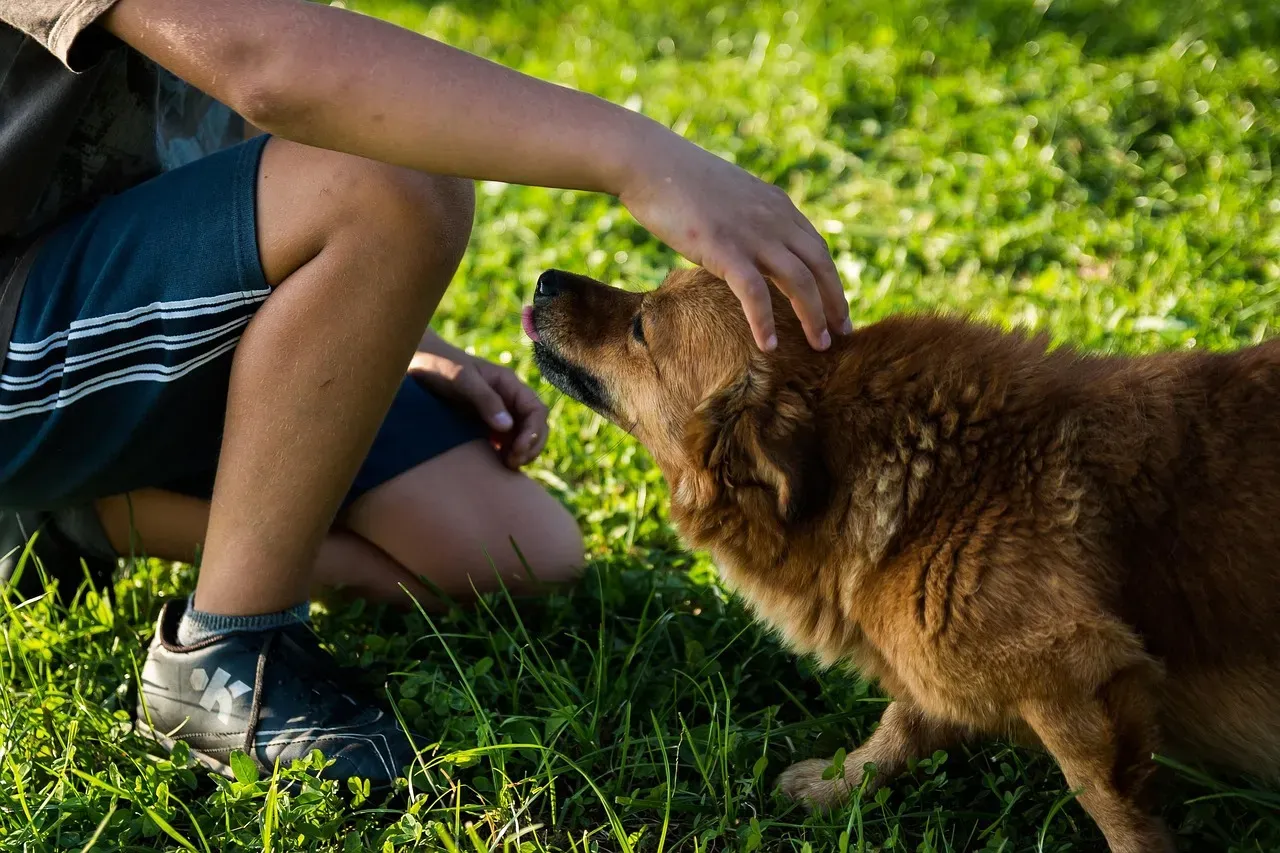
You should avoid over-petting and touch in ways that encourage the dog to lean in and seek more, pausing to ask if they want more and stopping if they don’t, while knowing where your dog loves to be stroked or scratched and how. This is crucial because your dog might start out loving it, then suddenly they’ve had enough.
Watch for subtle cues. If they move away or roll back over, they’ve had their fill. Maybe they suddenly go still or their breathing changes. While the scratch reflex doesn’t necessarily mean your dog likes being scratched in that particular area, it doesn’t necessarily indicate discomfort either, so you’ll have to distinguish the difference by reading your dog’s body language.
The consent test is your best friend here. When petting or giving a belly rub to a dog, suddenly stop physical contact and carefully watch how the dog responds.
How to Give Better Belly Rubs
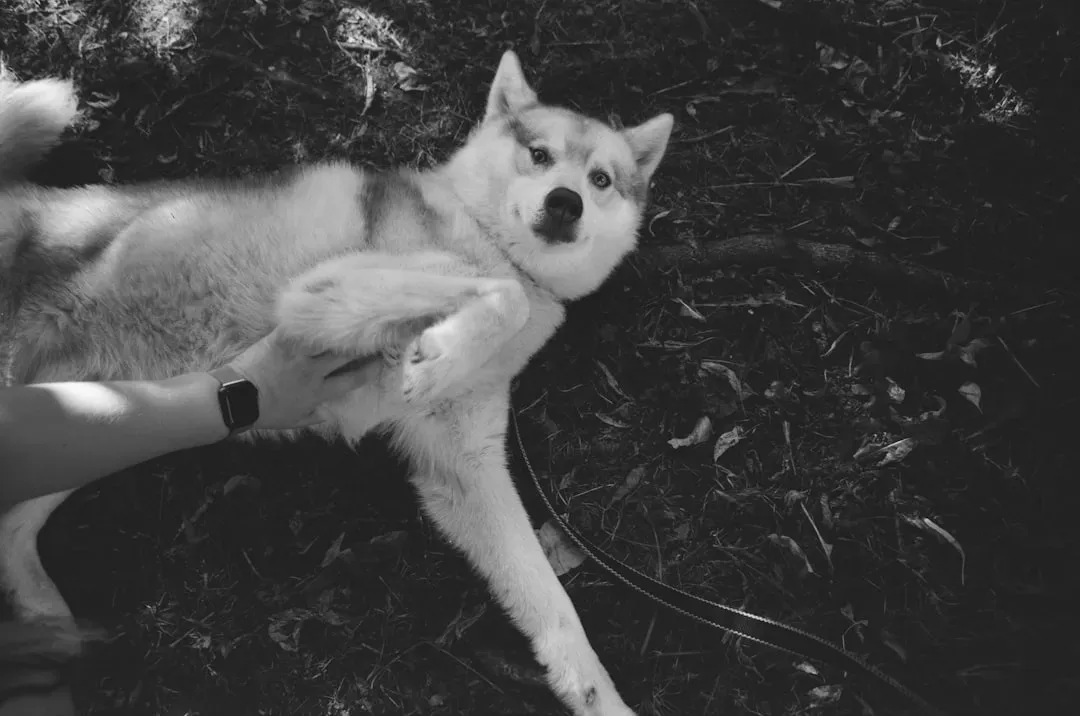
Some dogs like rubbing, while others like more of a patting motion, and some like their belly to be scratched, with smaller dogs generally preferring gentler rubs, and the sides of the belly are an especially good spot for gentle scratches. Start light and slow. Keep your hands away from your dog’s head, lightly scratch the upper region of their chest with your fingers or hand, and watch their reaction, continuing if your dog seems relaxed and comfortable.
Play in short spurts and take a break when the dog is still receptive to cues or gentle strokes, because they should be having fun but able to calm themselves. Quality over quantity, my friends. Five minutes of mindful, responsive belly rubbing where you’re reading your dog’s signals beats twenty minutes of mindless rubbing while you’re scrolling your phone.
What If Your Dog Doesn’t Like Belly Rubs?
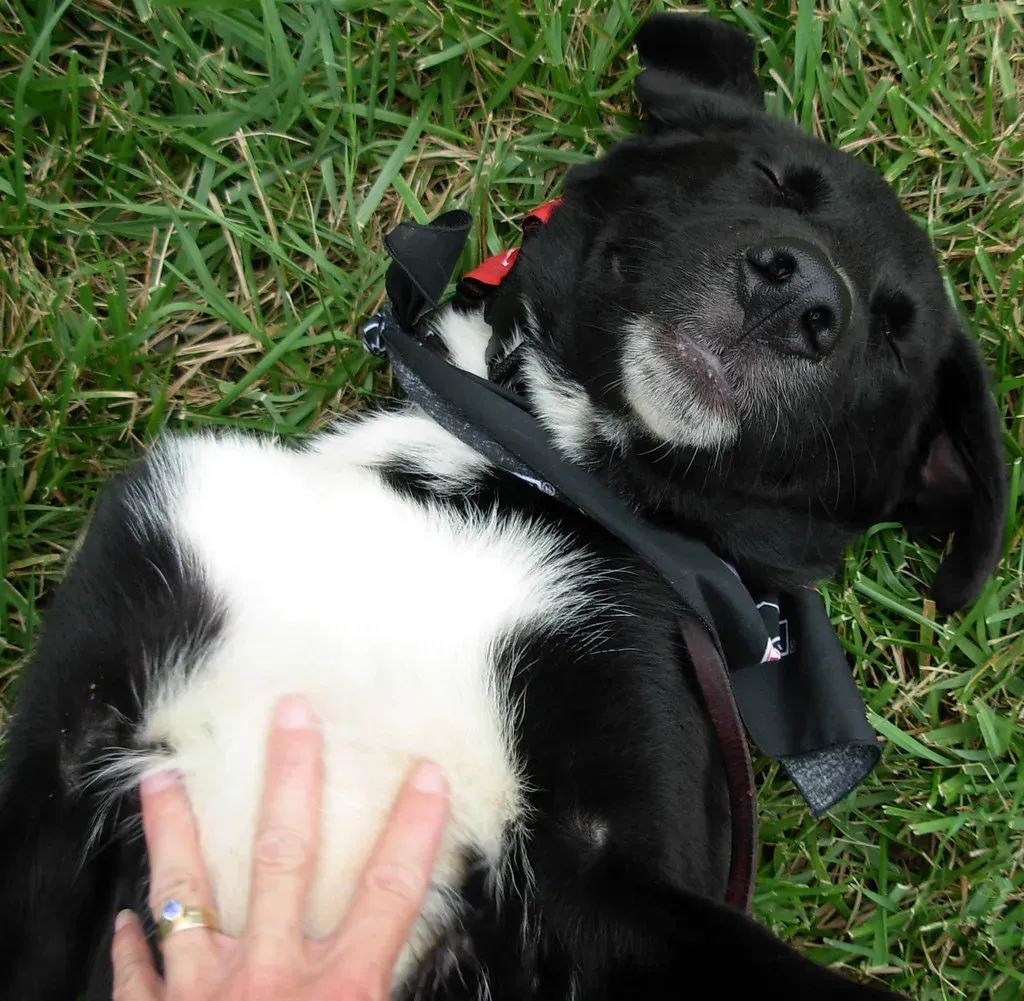
Not all dogs are belly rub enthusiasts, and that’s perfectly okay. It’s certainly not the case that all dogs like belly rubs, and more dominant breeds, especially those bred to be guard dogs, are apt to view attempts to rub their bellies as aggression. According to some sources, the majority of dogs might not even enjoy belly rubs and might simply be indulging their pet parents because it makes us happy.
If your dog isn’t into it, don’t force the issue. Some of the best places to pet your dog include under the chin, on the chest, or near the base of the tail. Some dogs prefer verbal praise or treats over physical touch entirely, and there’s nothing wrong with that. Respect their love language.
Understanding your dog’s unique preferences and boundaries strengthens your bond far more than any belly rub ever could. Pay attention to what they’re telling you with their body, pause frequently during petting sessions, and never assume that just because they rolled over once, they’ll always want the same thing. Dogs, like us, have changing moods and tolerance levels. The science is clear: belly rubs can be wonderful when done right, but they can also stress out our dogs when we misread signals or don’t know when to stop. What do you think about it? Have you noticed these signs in your own pup? Tell us in the comments.


