
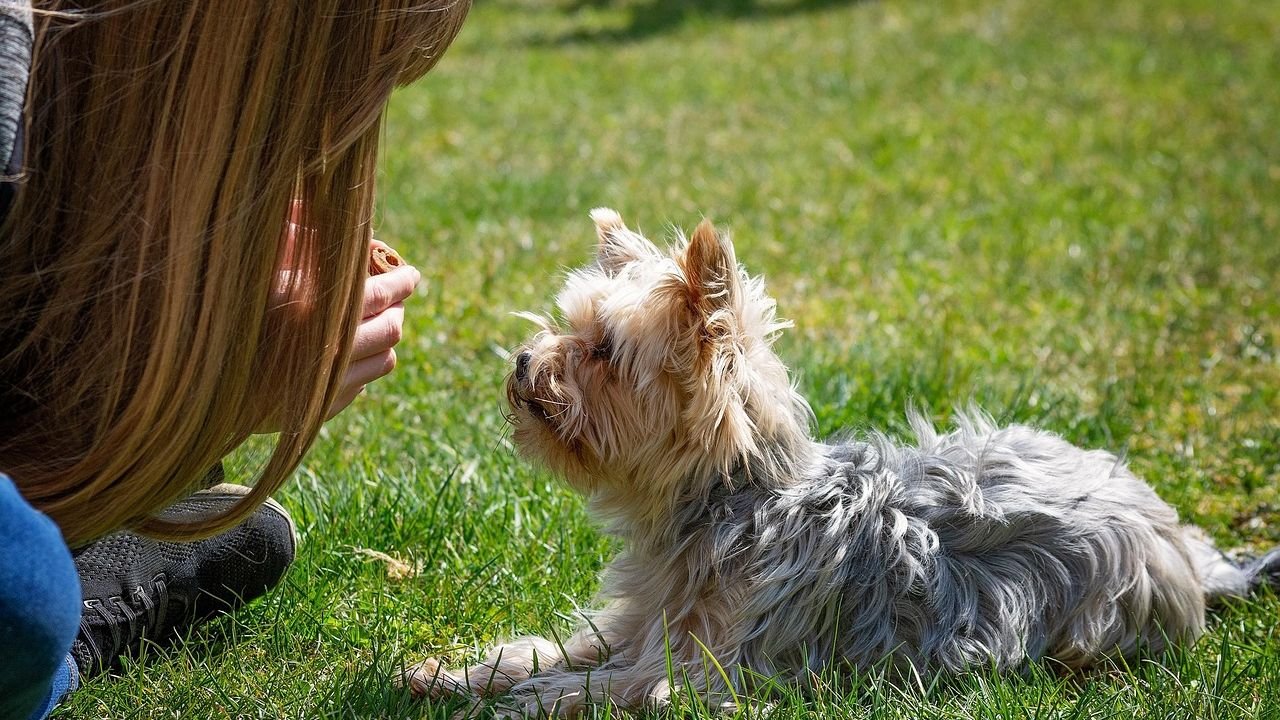
You’ve poured your heart into creating a beautiful garden. The flowers bloom. The grass finally fills in. Then you let your dog out, and suddenly you’re watching your hard work become an obstacle course of sniffing, digging, and potential danger. Here’s the thing: our dogs don’t know that gorgeous azalea bush is actually toxic, or that those garden chemicals smell strangely appealing.
Let’s be real, your garden should be a safe retreat for everyone in the family, and that includes your four-legged friends. Dog-proofing your outdoor space isn’t about turning it into a boring, sterile zone. It’s about making smart, practical changes that protect your pup while still letting them enjoy the sunshine and fresh air. So let’s dive in and explore how you can create a garden that’s as safe as it is stunning.
Remove Toxic Plants Before It’s Too Late
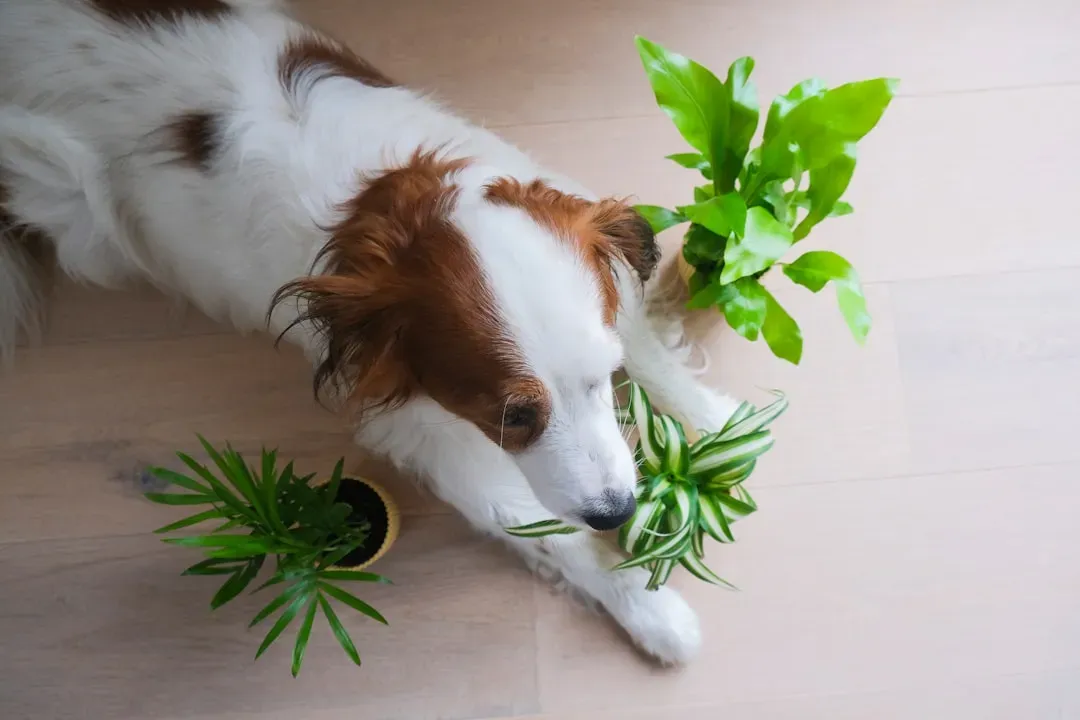
Plants like sago palms, lilies, azaleas, oleanders, tulips, daffodils, foxglove, hydrangeas, and yews can cause severe symptoms such as vomiting, tremors, and organ failure in dogs. The scary part? Your pup doesn’t know the difference between a safe plant and a deadly one.
Walk through your garden with a critical eye. The ASPCA maintains a searchable database to check plant toxicity, so use it before adding anything new. If you already have dangerous plants, you have two choices: remove them completely or fence them off where your dog absolutely cannot reach them.
Think about replacing those dangerous beauties with dog-safe alternatives. Marigolds, snapdragons, sunflowers, zinnias, bee balm, echinacea, dahlias, and coreopsis are safe and beneficial for dogs. Your garden can still look incredible without putting your best friend at risk.
Ditch the Dangerous Chemicals
A commonly used chemical herbicide called 2,4-D has been directly linked to a 70% higher risk for canine malignant lymphoma. That’s not a small risk. Fertilizers contain potentially dangerous chemicals like nitrogen, phosphorus, potassium, iron, copper, zinc, cobalt, boron, manganese, and molybdenum, and when dogs get into them, the results can be devastating.
Keep your dog away from treated areas for at least 48 hours after application. Even better, make the switch to organic gardening methods. Corn gluten meal works as a natural herbicide and is safe for dogs.
Store all garden products in locked cabinets or sheds where curious noses can’t reach them. Never leave an open fertilizer bag or filled spreader unattended. Dogs are attracted to the smell of some fertilizers, especially those containing bone meal or blood meal, and they’ll gobble them up without hesitation.
Build a Secure, Escape-Proof Fence
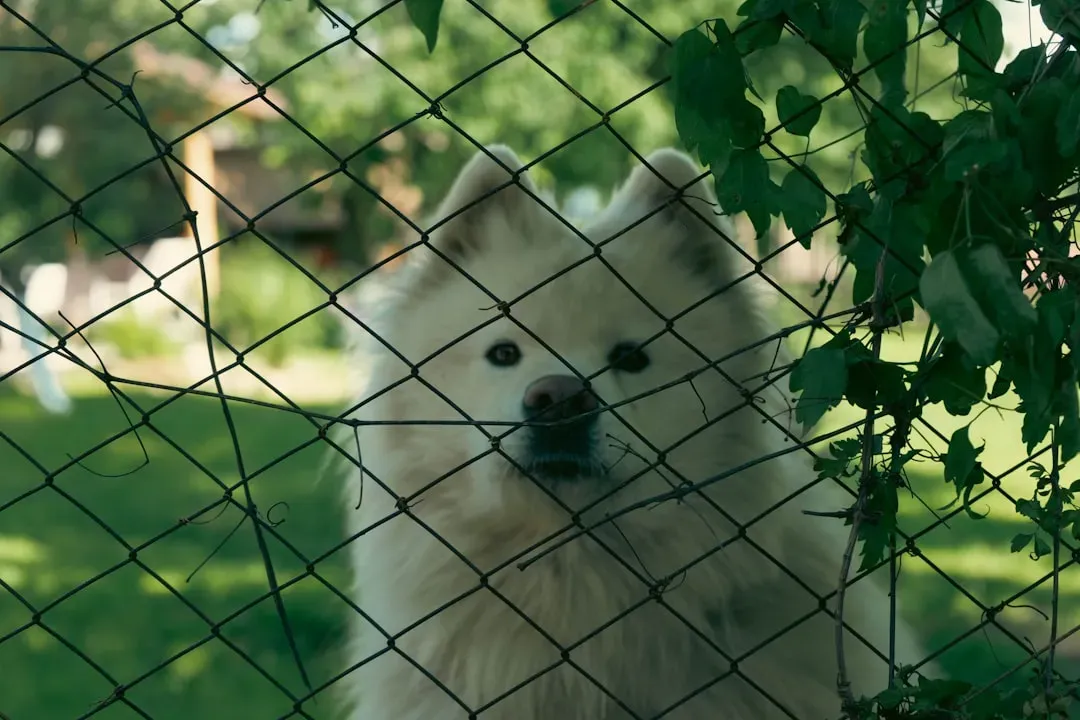
Most dogs cannot jump higher than 6 feet, but that doesn’t mean a six-foot fence is foolproof. Some dogs are climbers, some are diggers, and some are just really determined escape artists.
Experts recommend a minimum fence height of 4 feet for small dogs and 6 feet for medium to large breeds, though jumping dogs may need even higher fencing. Check your fence for gaps at the bottom. Dig a foundation at least 6 inches underground to prevent your dog from tunneling out.
For dogs who climb, consider adding extensions at the top of your fence. Coyote Rollers consist of roller bars installed at the top of existing fencing that prevent dogs from gaining purchase when they try to climb over. Honestly, watching a determined dog realize they can’t grip the rollers is both amusing and relieving.
Create a Designated Digging Zone
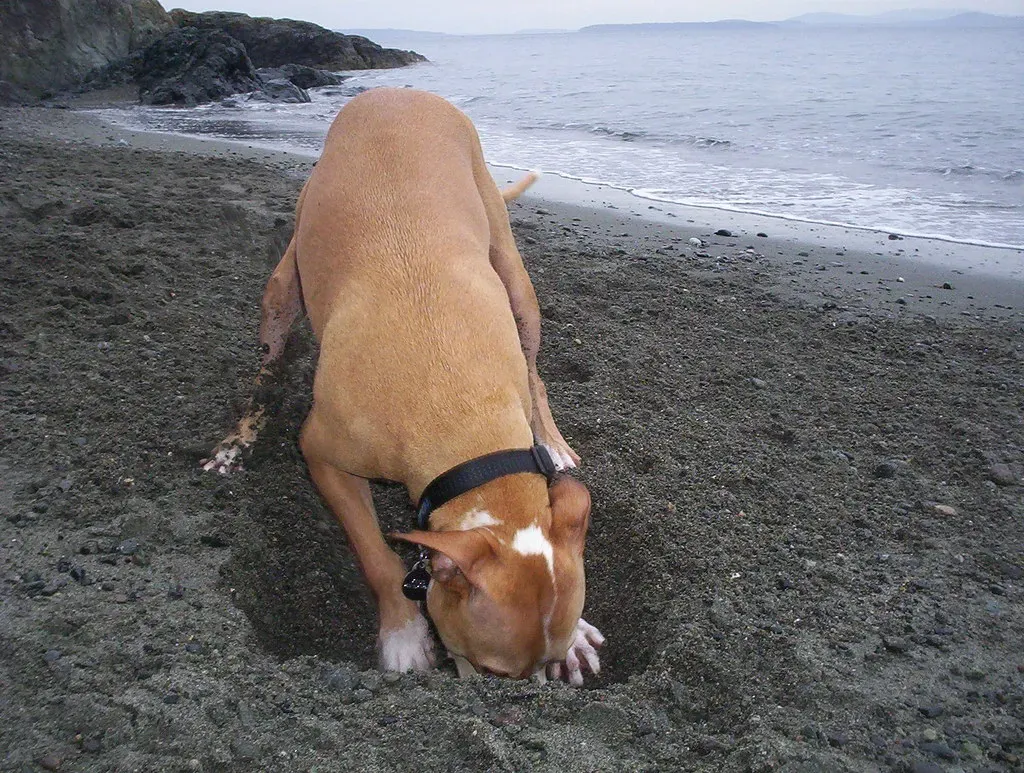
Since digging is a natural dog behavior, provide an outlet by building a dig pit where your dog can dig to their heart’s content. Fighting against their instincts is exhausting. Instead, redirect them.
Pick a corner of your yard you don’t mind sacrificing. Fill it with soft sand or loose soil. Bury toys, treats, or chews in the designated area, making it easy at first by leaving toys partially uncovered, then get involved and excited when your dog uncovers their buried treasure.
When you catch your dog digging in the wrong spot, don’t yell. Simply redirect them to their special area and praise them when they dig there instead. It takes patience, but most dogs catch on within a few weeks. Plus, you get to keep your flower beds intact.
Secure Water Features Properly

Water features add beauty and tranquility to gardens, but they can be dangerous. Every year, thousands of family pets drown, and it’s not just in large lakes or rough oceans.
Shallow water features like paddling pools can be fun cooling spots on hot days, but you must supervise, ensure your dog can exit easily, prevent overtiring, watch for biting pool parts, and drain the pool when not in use. Even a garden pond can become a hazard if your dog can’t climb out.
Provide fresh drinking water because letting dogs lap up lake, river, pool, or ocean water can make them sick due to bacteria, algae, parasites, chemicals, or salt. Install ramps or steps so your dog can safely exit if they fall in. Never assume your dog knows how to swim or can find their way out.
Eliminate Gaps and Weak Spots
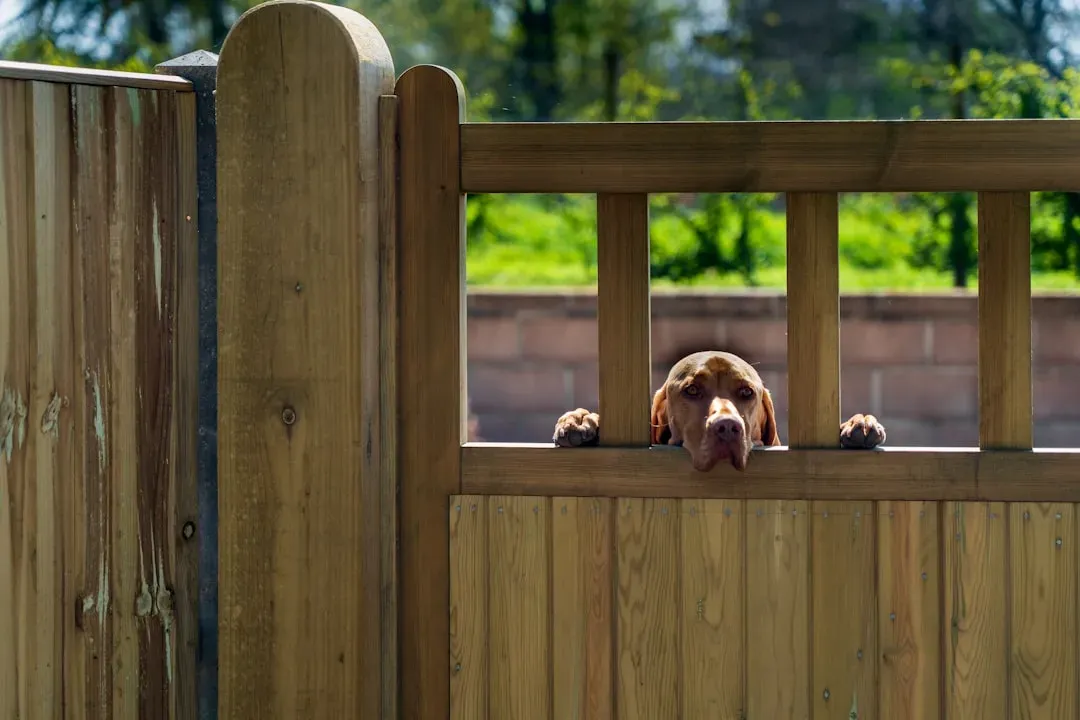
Walk your fence line like you’re inspecting a fortress. Look for gaps between the fence and the ground, loose boards, rusty chain link, or areas where the fence has warped. Dogs are opportunists, and they’ll find the weakest point.
If your dog slips through gaps in your existing fence, a Wide Gap Barrier Dog Fence Kit with heavy-duty welded wire in 24-inch or 42-inch heights will work with almost any fence type. Hardware cloth can cover smaller openings that puppies or small breeds might squeeze through.
Check your gate latches too. Locking your fence gate is often the easiest solution, with options including standard gate locks with keys or simple bicycle locks that work especially well if you have children. Some clever dogs can lift latches, so consider adding a carabiner clip for extra security.
Provide Shade and Shelter
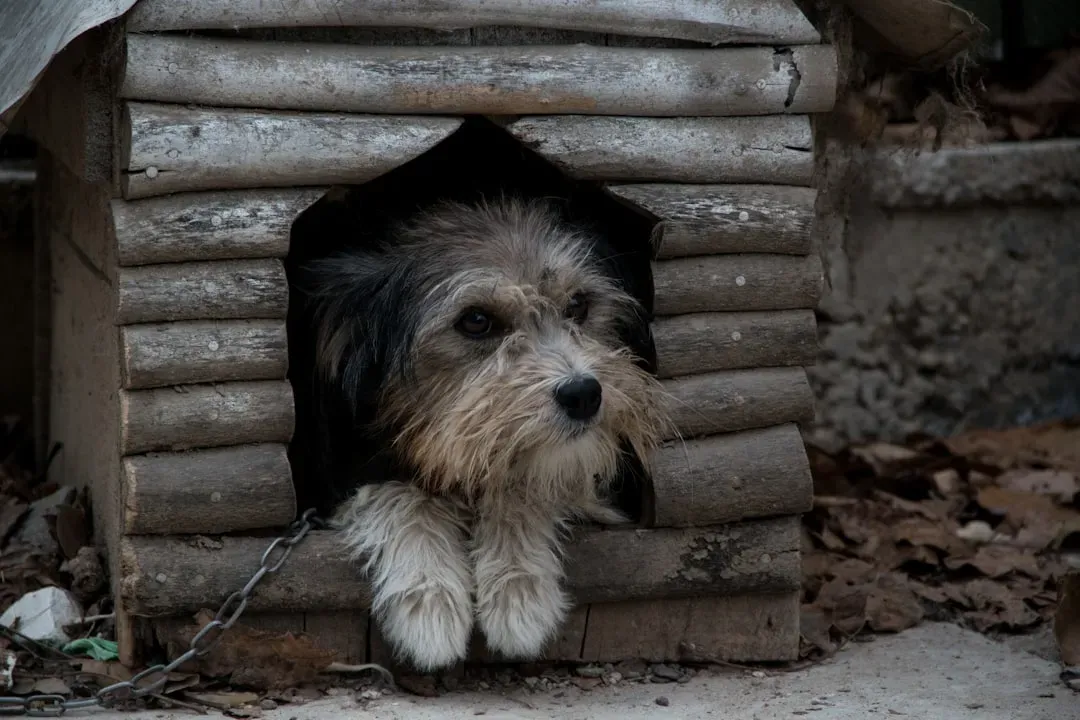
In hot weather, dogs dig holes to lie in cool dirt, and they also dig to provide shelter from cold, wind, rain, or to find water, especially near foundations, shade trees, or water sources. If your dog is digging to cope with temperature extremes, that’s a welfare issue you need to address.
Create shaded areas throughout your garden. Trees are ideal, but pergolas, umbrellas, or even a simple tarp stretched between posts will work. Make sure your dog always has access to fresh, cool water in a bowl that won’t tip over.
Consider setting up a dog house or covered shelter where your pup can retreat during bad weather. On scorching days, a shallow kiddie pool can provide relief without the danger of deeper water. Your dog will thank you by spending less time digging escape tunnels and more time relaxing.
Keep Gardens and Flower Beds Off-Limits
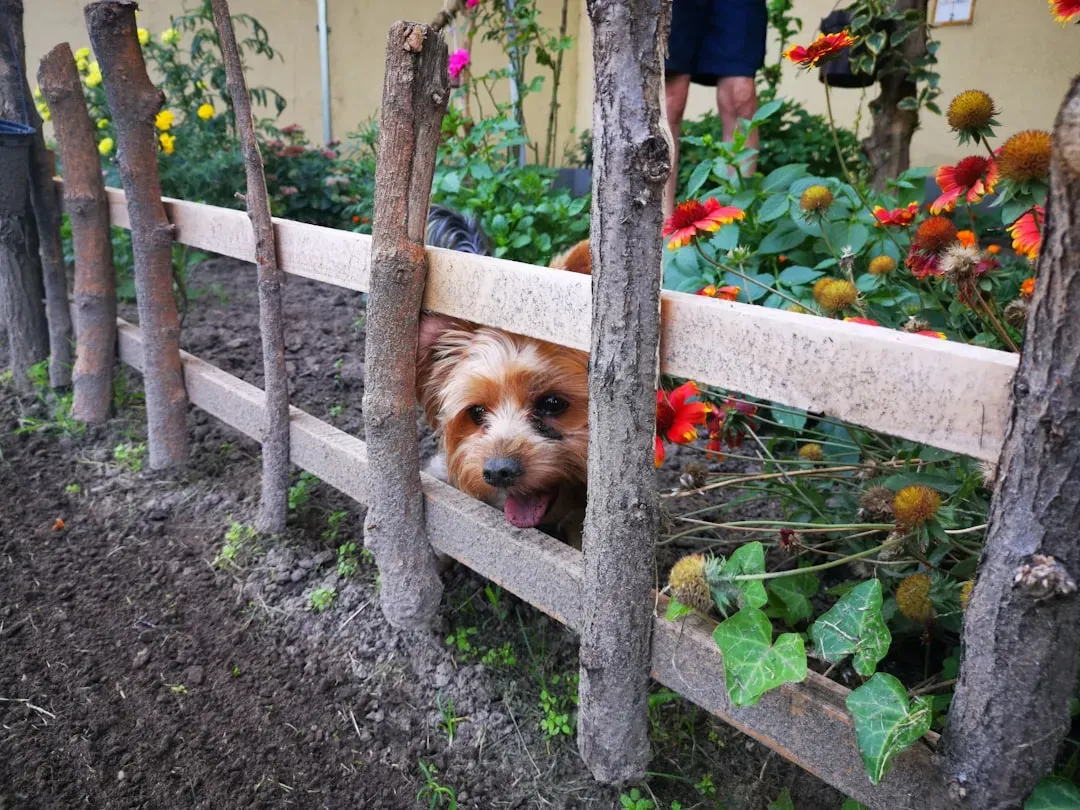
Use garden fencing to close off areas your dog digs up the most, as even a minor barricade can prove enough to keep your pups away. Low decorative fencing works surprisingly well as a visual boundary that many dogs respect.
Raised garden beds are another fantastic solution. They’re harder for dogs to access, and they also make gardening easier on your back. You can build them yourself or buy ready-made kits. Fill them with your vegetables, herbs, or flowers, and suddenly your dog loses interest because they can’t easily reach them.
Spray plants with pungent white vinegar or apple bitter to prevent dogs from munching on your vegetable garden, or plant marigolds throughout to keep dogs and other unwanted visitors like beetles, aphids, and squash bugs out. Natural deterrents work better than you’d think.
Manage Boredom with Enrichment
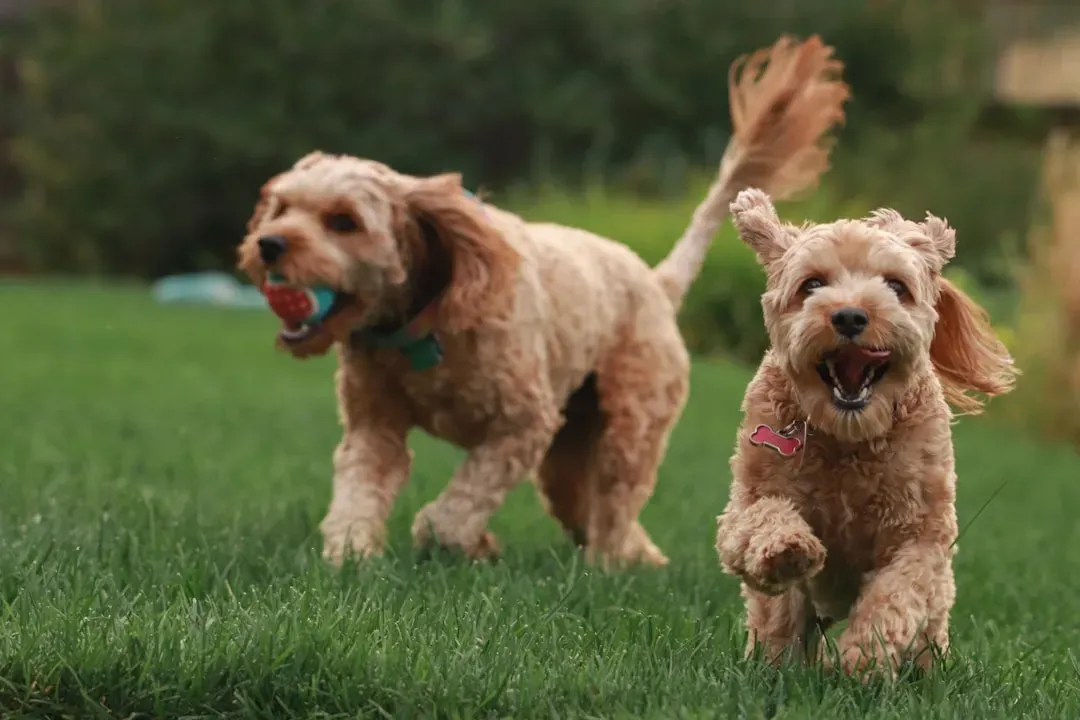
Lack of exercise is a leading cause of behavioral problems, so play with active toys like balls and flying disks as often as possible, and teach your dog commands or tricks, practicing for five to 10 minutes daily. A tired dog is a good dog, and honestly, a bored dog is a destructive dog.
Many pet owners discover they can eliminate dog digging by simply giving their dog additional playtime or an extra walk each day. It sounds almost too simple, but it works. Mental stimulation matters just as much as physical exercise.
Puzzle toys, snuffle mats, and treat-dispensing toys keep your dog’s brain engaged. Hide treats around the garden for them to find. Set up a small agility course with tunnels and jumps. The more you engage their mind and body, the less they’ll focus on tearing up your garden.
Watch for Warning Signs and Act Fast
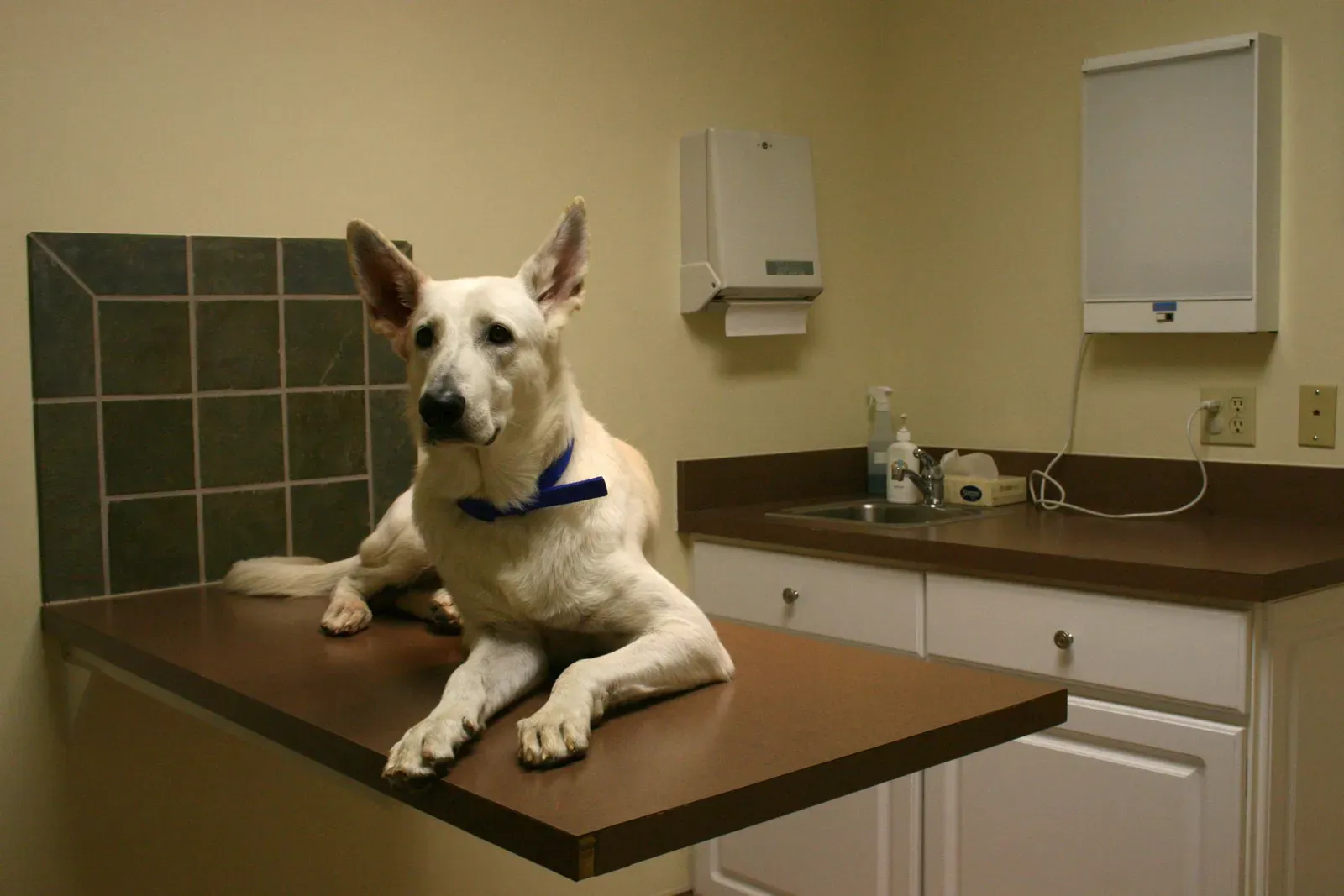
If you think your dog has eaten a toxic plant or substance, contact your vet immediately, as symptoms like vomiting, diarrhea, and skin irritations may not always be obvious depending on the plant and amount consumed. Time matters in these situations.
Check your dog’s coat, skin, and ears regularly to look for redness and irritation, which helps identify sensitivity or allergies to plants or substances. Some reactions are immediate, while others develop slowly over time.
Keep your vet’s number saved in your phone, along with the Pet Poison Helpline. If your dog seems lethargic, refuses food, or acts strangely after being in the garden, don’t wait to see if it passes. Get professional help. Your instincts are usually right when something feels off.
Train Good Garden Behavior
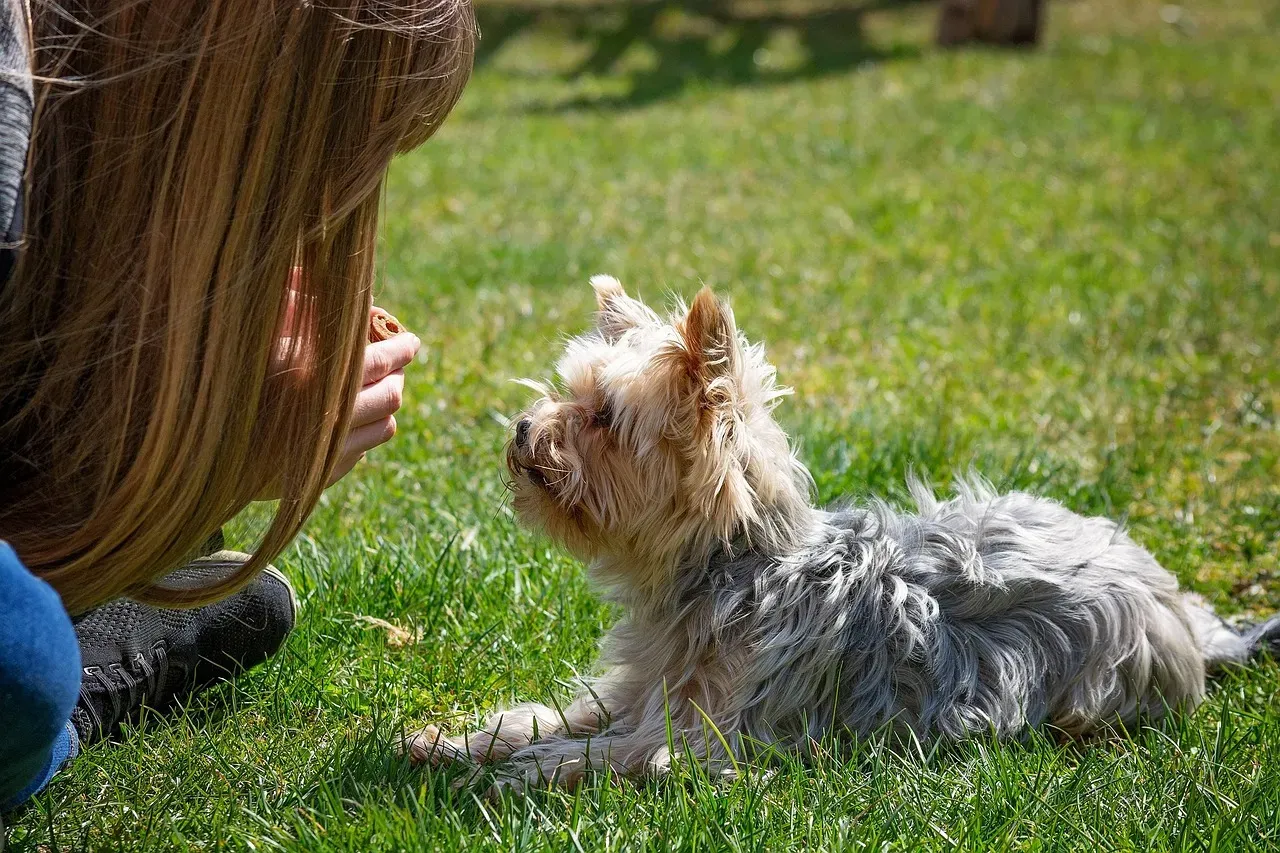
The number one way to stop digging is to watch your dog when they’re outside in your yard or garden, not leaving them alone to engage in normal dog behaviors like digging. Supervision isn’t punishment. It’s protection and guidance rolled into one.
Train your dog with commands like “leave it” or “stay,” using positive reinforcement training to teach appropriate garden behavior. Reward your dog when they walk past the flower beds without investigating. Praise them when they choose to lie in the shade instead of digging under the fence.
Consistency is everything. If you allow your dog to run through the garden on Monday but scold them for it on Wednesday, they’ll never understand the rules. Set clear boundaries and stick to them. Dogs thrive on routine and clear expectations, even if they test those boundaries occasionally.
Conclusion: A Garden for Everyone
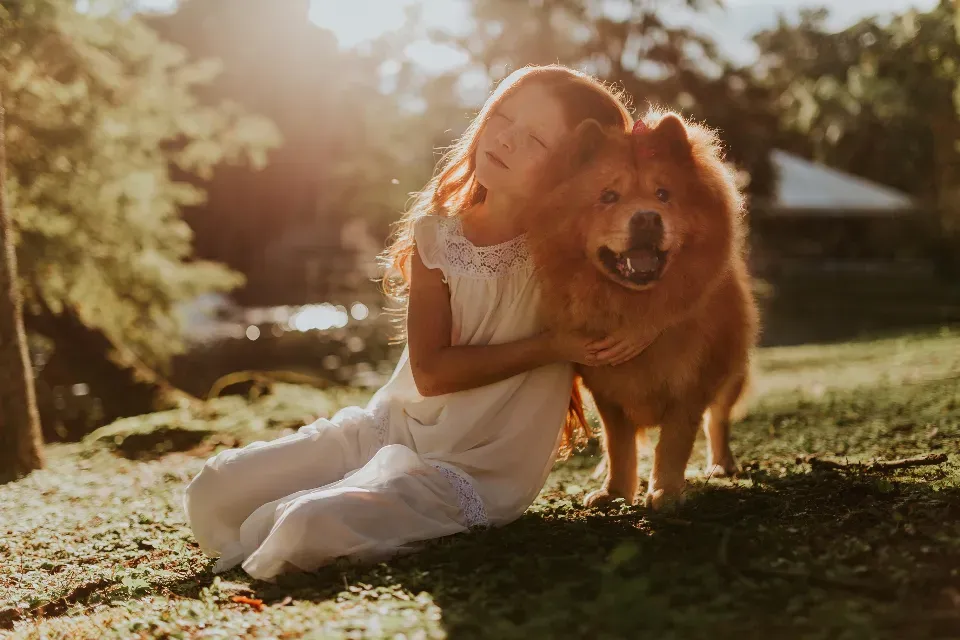
Dog-proofing your garden isn’t about creating a sterile, boring space. It’s about building an environment where both your plants and your pup can thrive together. Remove the toxic plants. Secure the fence. Create designated digging zones. Provide shade, water, and plenty of enrichment.
The time you invest now saves heartache later. No more emergency vet visits because your dog ate something poisonous. No more frustration over destroyed flower beds. Just peaceful afternoons watching your dog safely enjoy the outdoors while your garden stays intact.
What simple change will you make first? Sometimes the smallest adjustment, like adding a lock to your gate or swapping out one toxic plant, makes the biggest difference. Your dog depends on you to keep them safe, and your garden deserves to flourish. You can absolutely have both.


